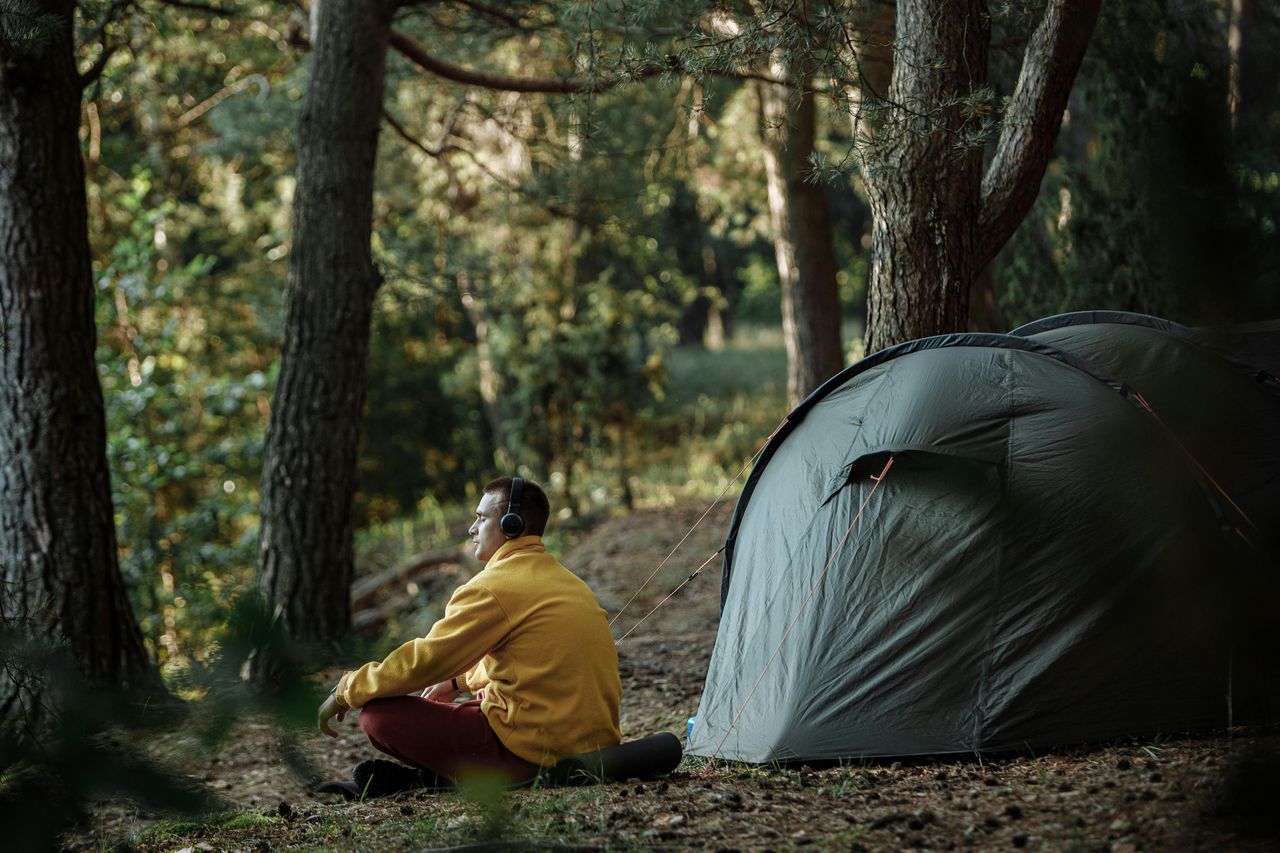
A hunting camp can reveal a lot before anyone even heads into the woods. Experienced hunters notice the little things: where you pitch your tent, how you handle food, and whether your gear works with the landscape or against it. These common campsite mistakes don’t just look amateurish — they can ruin comfort, safety, and your chances of a successful hunt.
Setting Up Camp Too Close to Game Trails

Beginners often think camping close to where animals move will give them an advantage. To experienced hunters, it usually signals someone who hasn’t yet learned how quickly human presence can change animal behavior. A tent, a lantern, and the smell of camp can turn a promising corridor into a dead zone overnight.
Veteran hunters usually separate living space from hunting space with intention. They know game trails need to stay quiet, undisturbed, and free of routine human traffic. If your camp is practically on top of fresh tracks, seasoned eyes will assume you’re about to educate every deer, elk, or turkey in the area.
Choosing the Most Convenient Spot Instead of the Smartest One
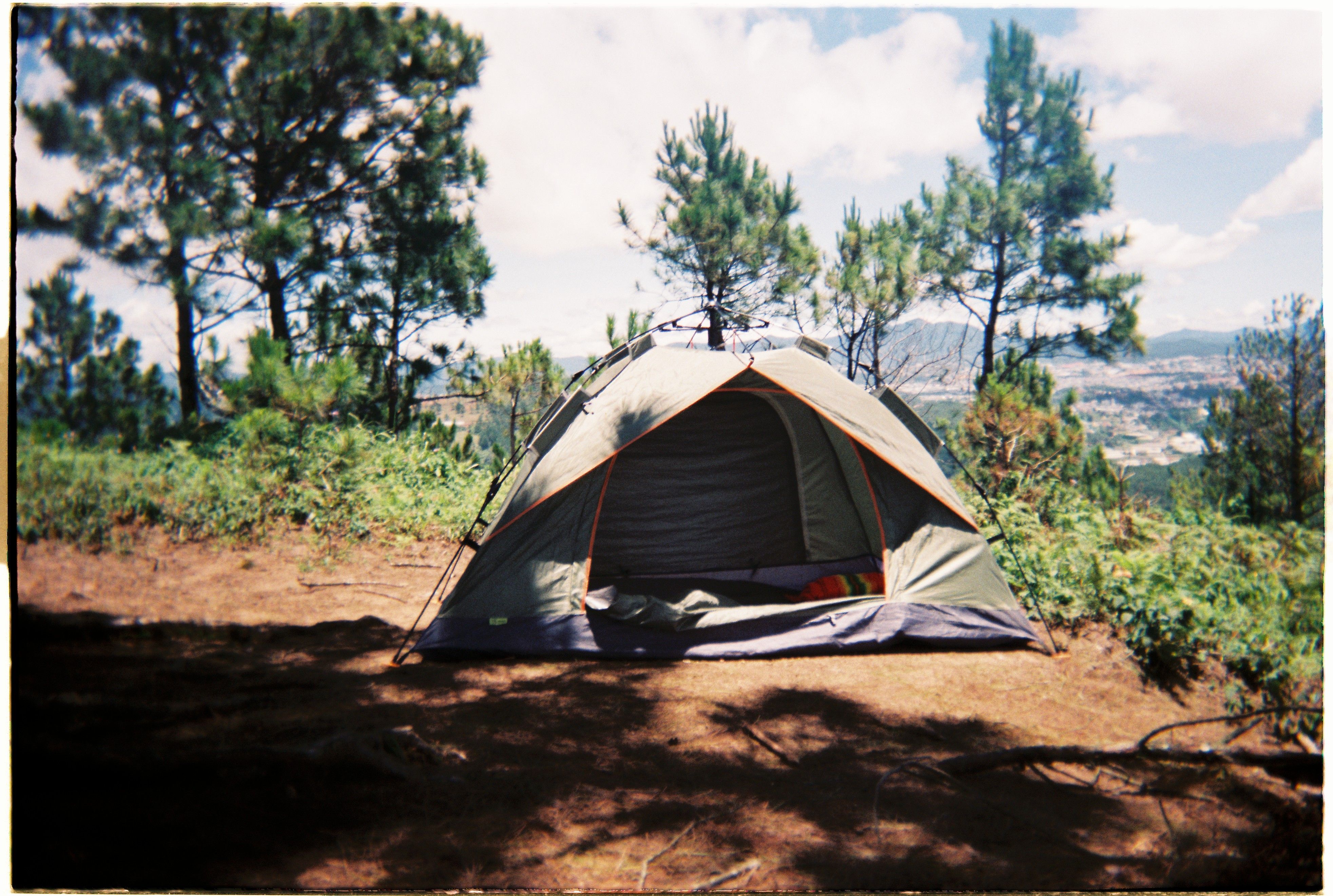
A flat clearing right off the road or beside the easiest path can feel like a win after a long drive. But experienced hunters know convenience is rarely the best measure of a good campsite. Wind exposure, drainage, visibility, and noise all matter more than shaving a few minutes off setup.
The best camps are chosen with weather, terrain, and movement in mind. A beginner often picks the first open patch of ground and calls it done. A veteran looks for a site that stays dry, stays discreet, and won’t have everyone stumbling back into camp through the middle of a bedding area at first light.
Being Loud After Dark and Before Dawn

Nothing advertises inexperience faster than a campsite full of slamming truck doors, shouted conversations, and clattering cookware at the exact hours the woods are at their most sensitive. Experienced hunters understand that sound carries farther than most people realize, especially in cold morning air and still evening conditions.
Quiet camp habits are part of good fieldcraft, not just good manners. Seasoned hunters move with purpose, organize gear before bedtime, and avoid turning camp into a social event when animals are active nearby. If you’re digging through bins with a headlamp and talking at full volume before sunrise, everyone around you knows you’re still learning.
Ignoring Wind Direction Around Camp
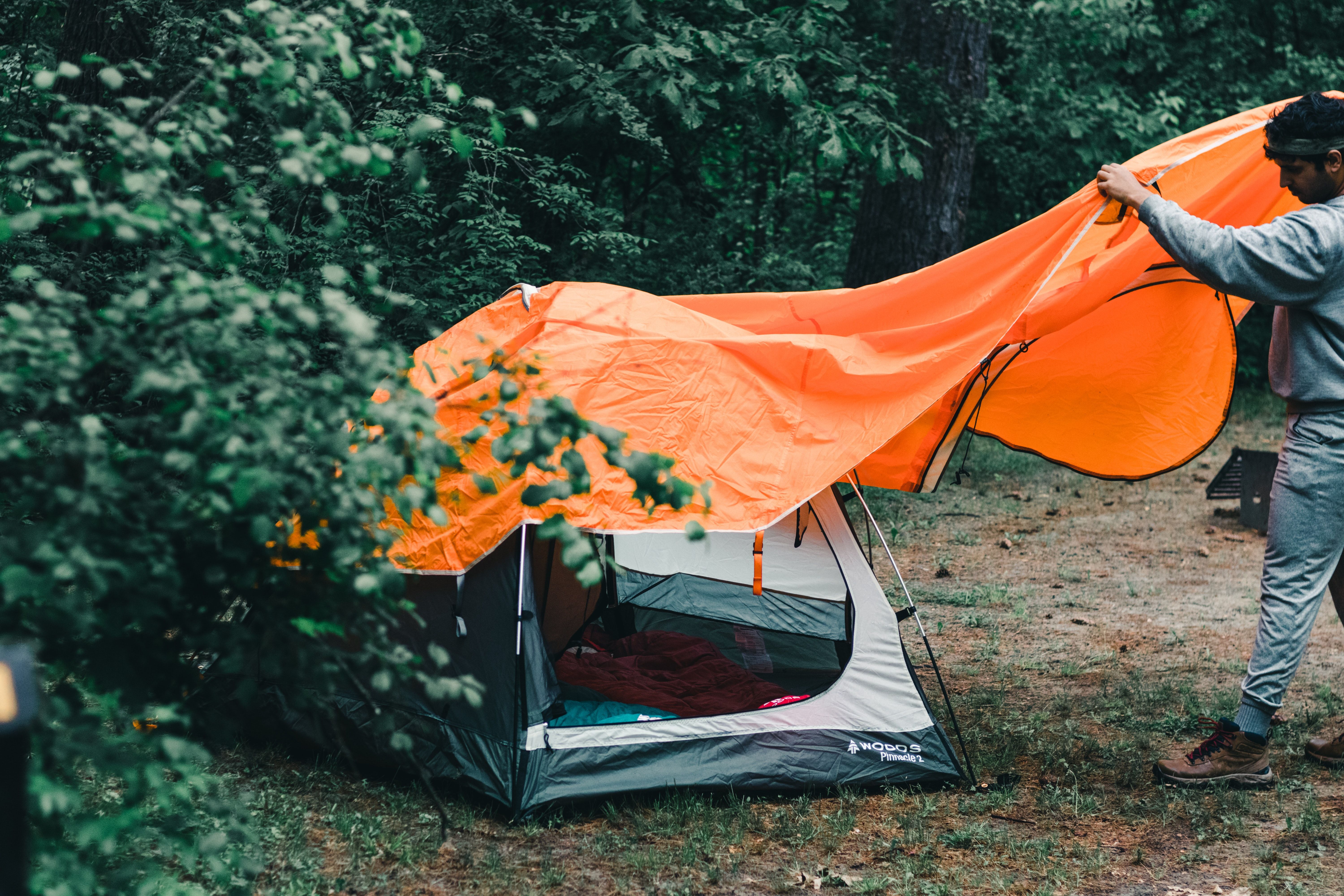
New hunters often focus on wind only when they’re in a stand or making a stalk. Experienced hunters know scent management starts back at camp. Where smoke drifts, where food smells travel, and where dirty clothing hangs can all affect how much human odor settles into the area.
A poorly placed camp can push scent straight into travel routes or feeding zones day after day. Veterans pay attention to prevailing wind and terrain funnels long before they lace up boots. If your cooking area, truck, and sleeping setup are broadcasting human scent across the basin you plan to hunt, that mistake won’t go unnoticed.
Cooking Strong-Smelling Food in the Main Camp Area
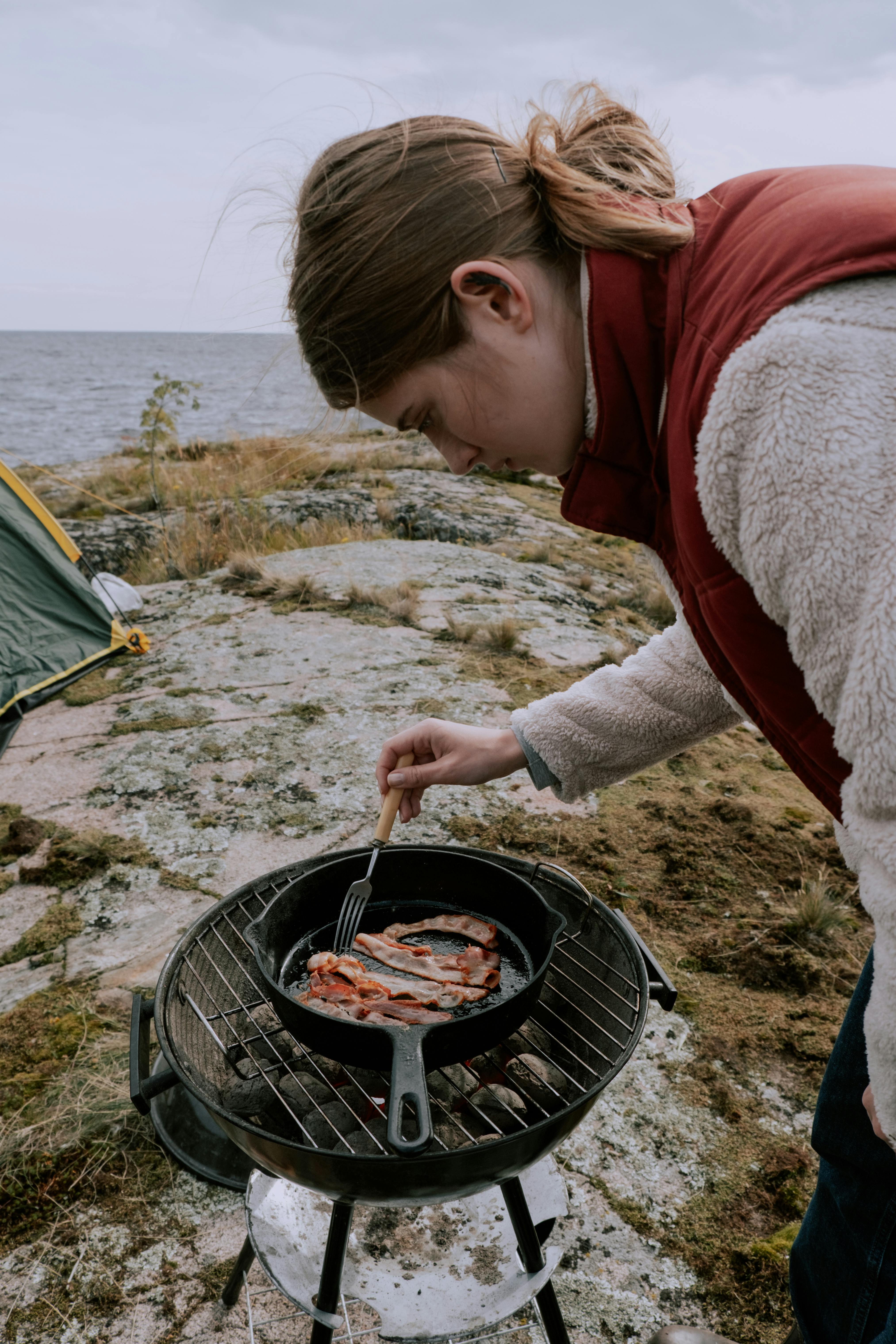
Bacon, fried onions, and heavily seasoned meals may sound perfect after a cold morning, but they can make an entire camp smell like a diner. Experienced hunters are usually more restrained, especially in areas where scent control matters or where animals and scavengers are likely to investigate food odors.
This is one of those mistakes that feels harmless until it affects everything around you. Clothes absorb the smell, tents hold onto it, and coolers become magnets for unwanted attention. Seasoned hunters often keep cooking simple and controlled, because a camp that smells like breakfast can tell the woods far too much about who’s nearby.
Leaving Gear Scattered Everywhere
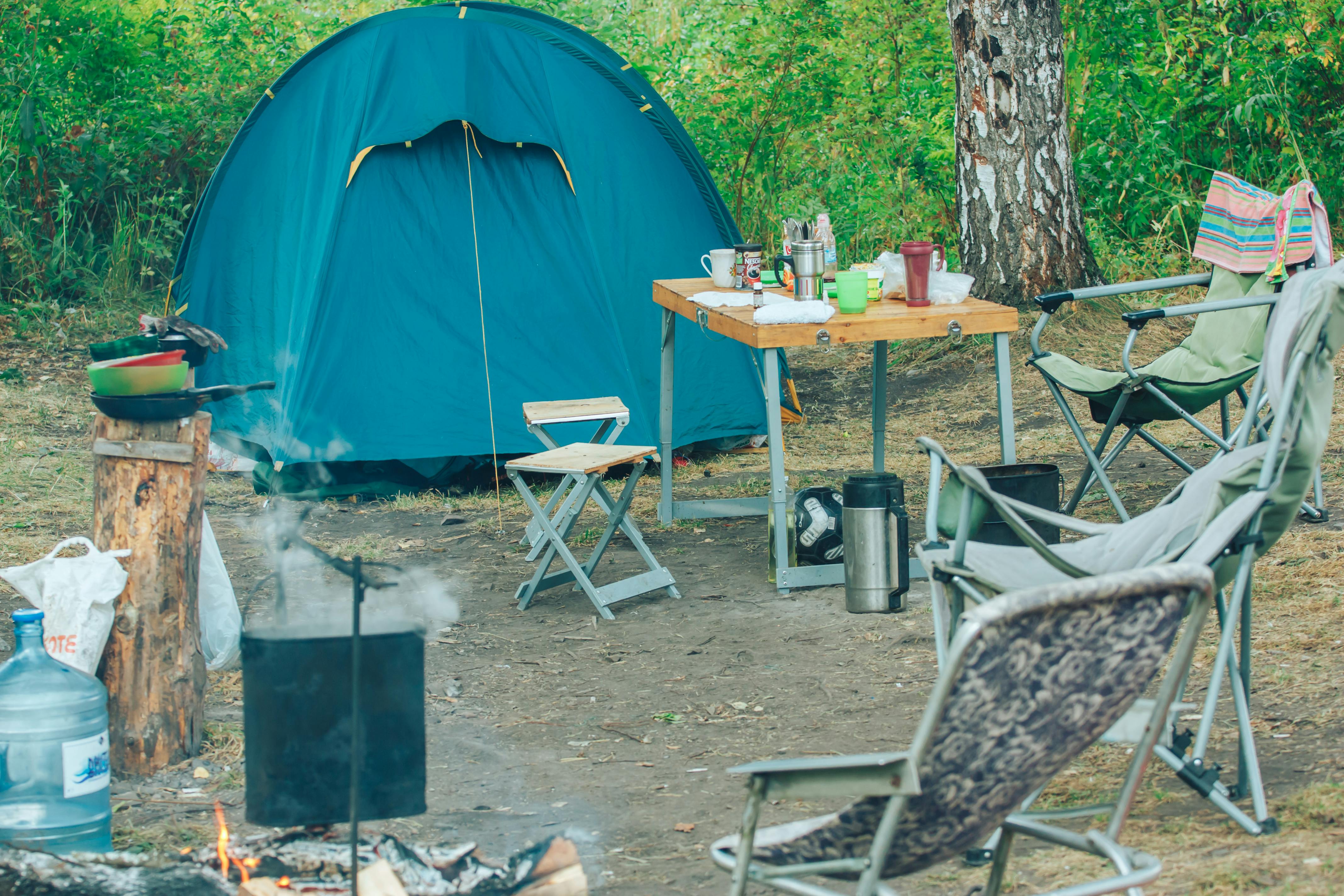
A messy campsite doesn’t just look chaotic; it tells experienced hunters that the person living in it probably wastes time, makes noise, and forgets essentials. Boots in one place, ammo in another, a pack half-zipped under a chair, and wet clothes draped across anything available all point to someone without a system.
Veterans tend to keep camp efficient because hunting mornings punish confusion. They know exactly where their layers, optics, knife, tags, and flashlight are before turning in. When your site looks like a yard sale, and you’re searching for gloves at dawn, seasoned hunters don’t need an introduction to know you’re new.
Using Bright Lights All Night
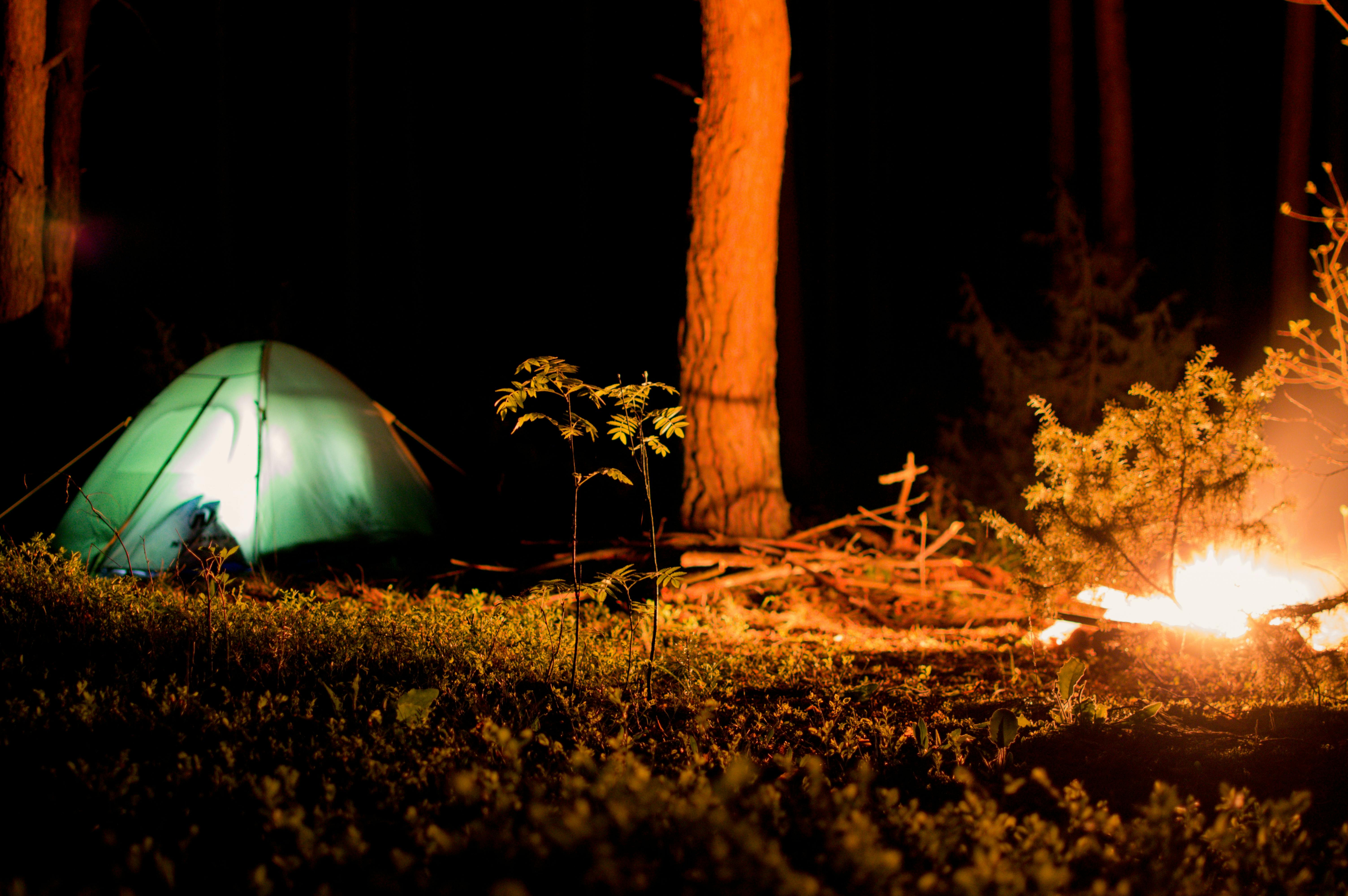
Flooding camp with white LEDs may feel practical, but to experienced hunters it’s a rookie move. Bright light wrecks night vision, draws attention, and changes the feel of a camp in a way that can ripple into the surrounding area. It also tends to encourage more movement, more noise, and less discipline overall.
Seasoned hunters usually use light sparingly and deliberately. Red or dim task lighting, quick headlamp checks, and organized gear reduce the need to turn camp into a glowing outpost. If your setup is visible from half the ridge and looks like a parking lot at midnight, people will notice for all the wrong reasons.
Neglecting Fire Safety and Smoke Control
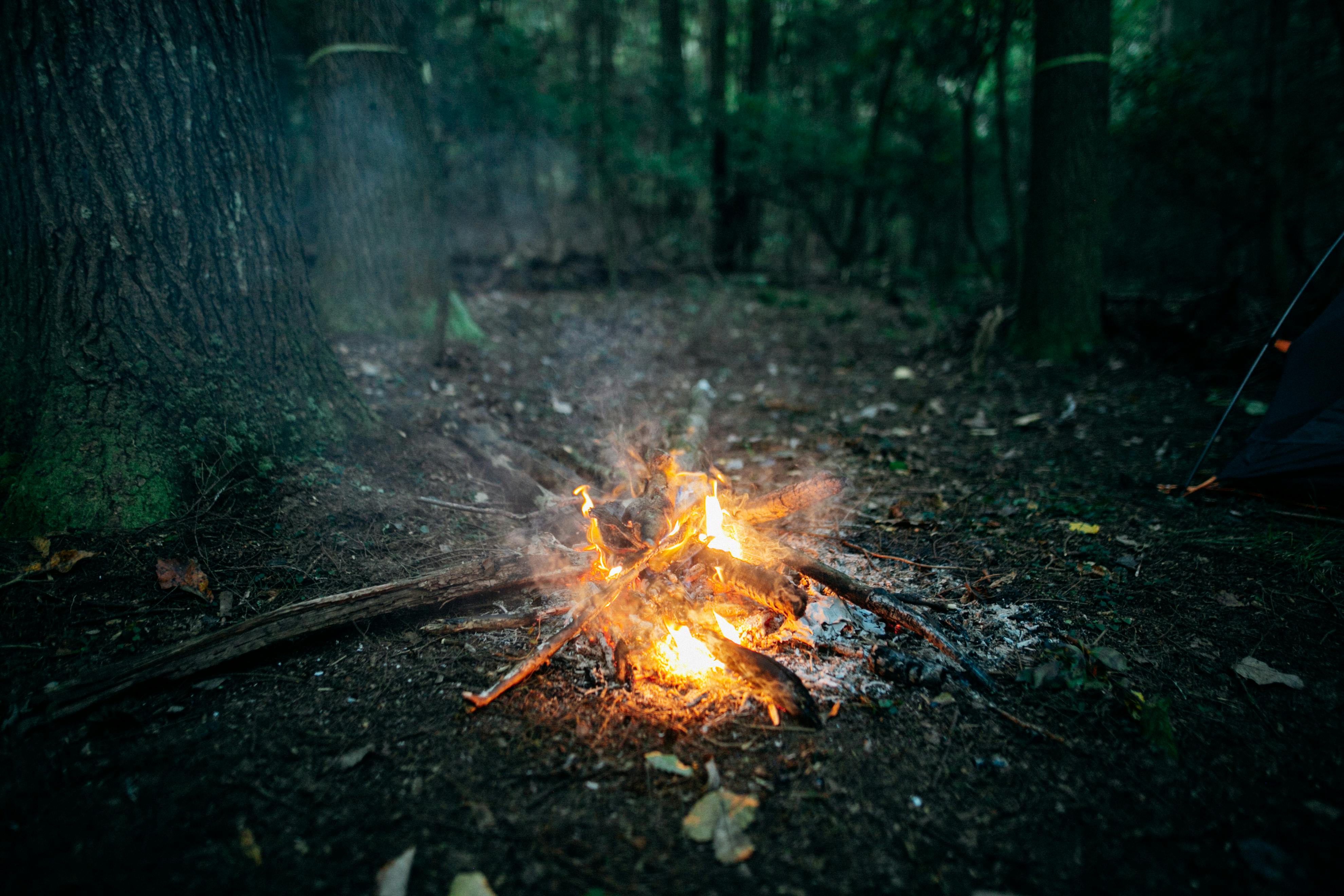
An oversized fire ring, green wood producing thick smoke, and sparks popping toward dry grass can make any experienced hunter uneasy. Fire is part of camp tradition, but in hunting country it needs to be controlled, practical, and respectful of conditions. A careless fire says a lot about judgment before anyone even mentions the day’s plan.
Veteran hunters usually build smaller, cleaner fires and think about where smoke and embers are going. They’re balancing warmth, cooking, legality, and scent all at once. If your campfire is smoking out the whole draw and threatening to become the main event, it instantly marks you as someone short on backcountry instincts.
Handling Trash and Food Scraps Carelessly

Nothing undermines a campsite faster than food wrappers blowing around, scraps left near the fire, or a cooler left unsecured overnight. Experienced hunters see that kind of carelessness as more than untidy. It can attract bears, raccoons, coyotes, and every other animal you don’t want snooping through camp while you sleep.
Good camps stay clean because clean camps stay safer and calmer. Veterans pack out waste, seal food, and keep sleeping areas separate from anything with a scent. If your site looks like lunch exploded and the local scavengers are circling, every seasoned hunter nearby will peg you as a beginner immediately.
Testing Unfamiliar Gear at Camp for the First Time
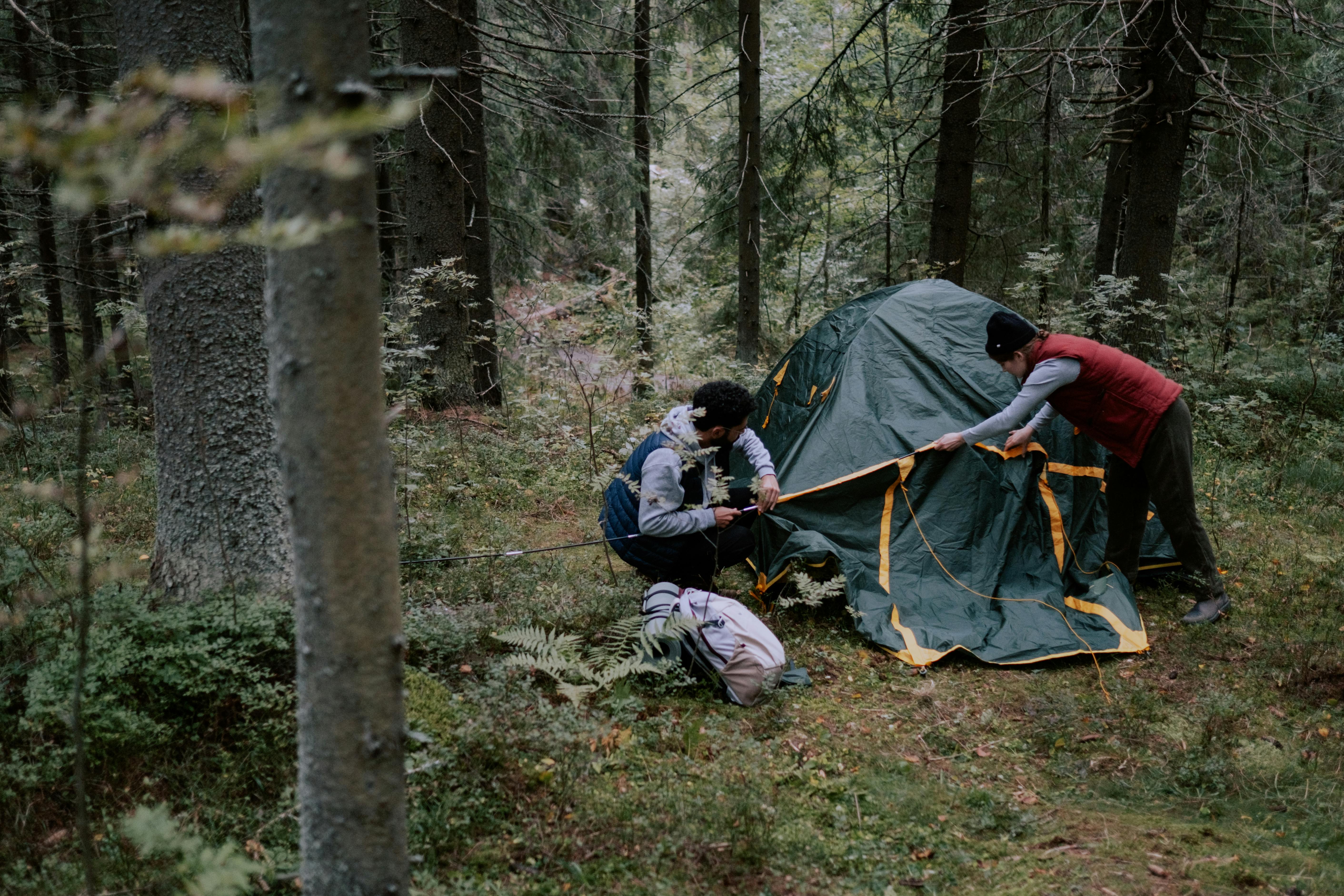
A campsite is a bad place to discover your stove won’t light, your tent is missing stakes, or your water filter doesn’t fit the bottle you brought. Experienced hunters can spot this mistake quickly because it usually comes with muttering, repacking, and long delays while everyone else is already squared away.
Veterans tend to test gear before the trip and keep camp routines simple. They know hunting days are too valuable to spend troubleshooting basics in the dark or the cold. If you’re reading instructions by headlamp and figuring out your sleeping pad valves after sunset, you’re sending a very clear beginner signal.