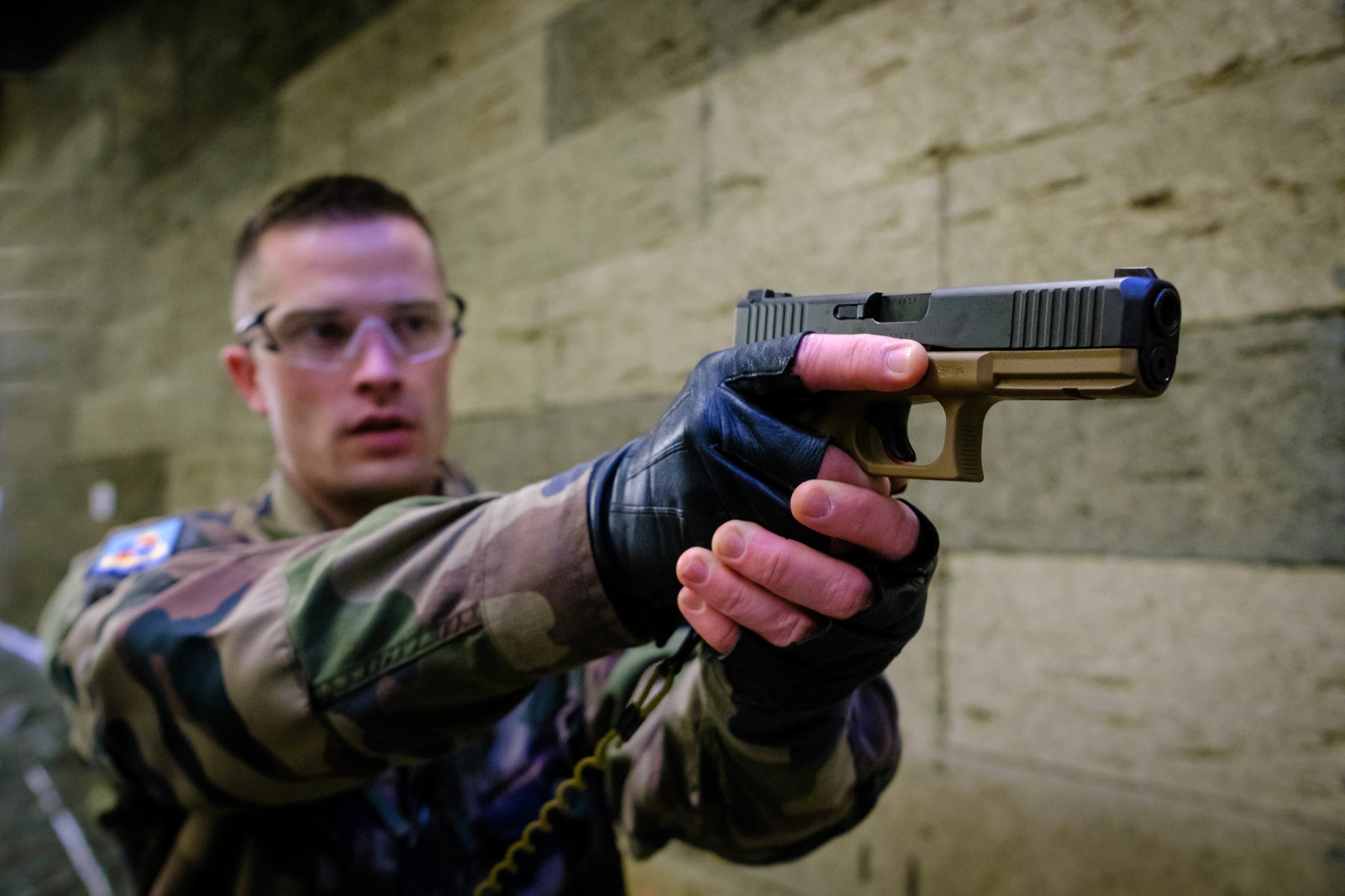
New York has opened a new chapter in the long-running fight over firearms regulation. In 2026, the state adopted restrictions aimed at so-called “convertible pistols,” a category that covers many Glock and Glock-style semiautomatic handguns. The law is tied to concerns over illegal conversion devices, but opponents argue that it sweeps ordinary, commonly owned pistols into a prohibition based on how criminals may modify them. On August 13, 2026, the Second Amendment Foundation, Firearms Policy Coalition, NRA, a firearms dealer, and individual plaintiffs filed a federal lawsuit challenging the law.
1. The lawsuit arrived almost immediately
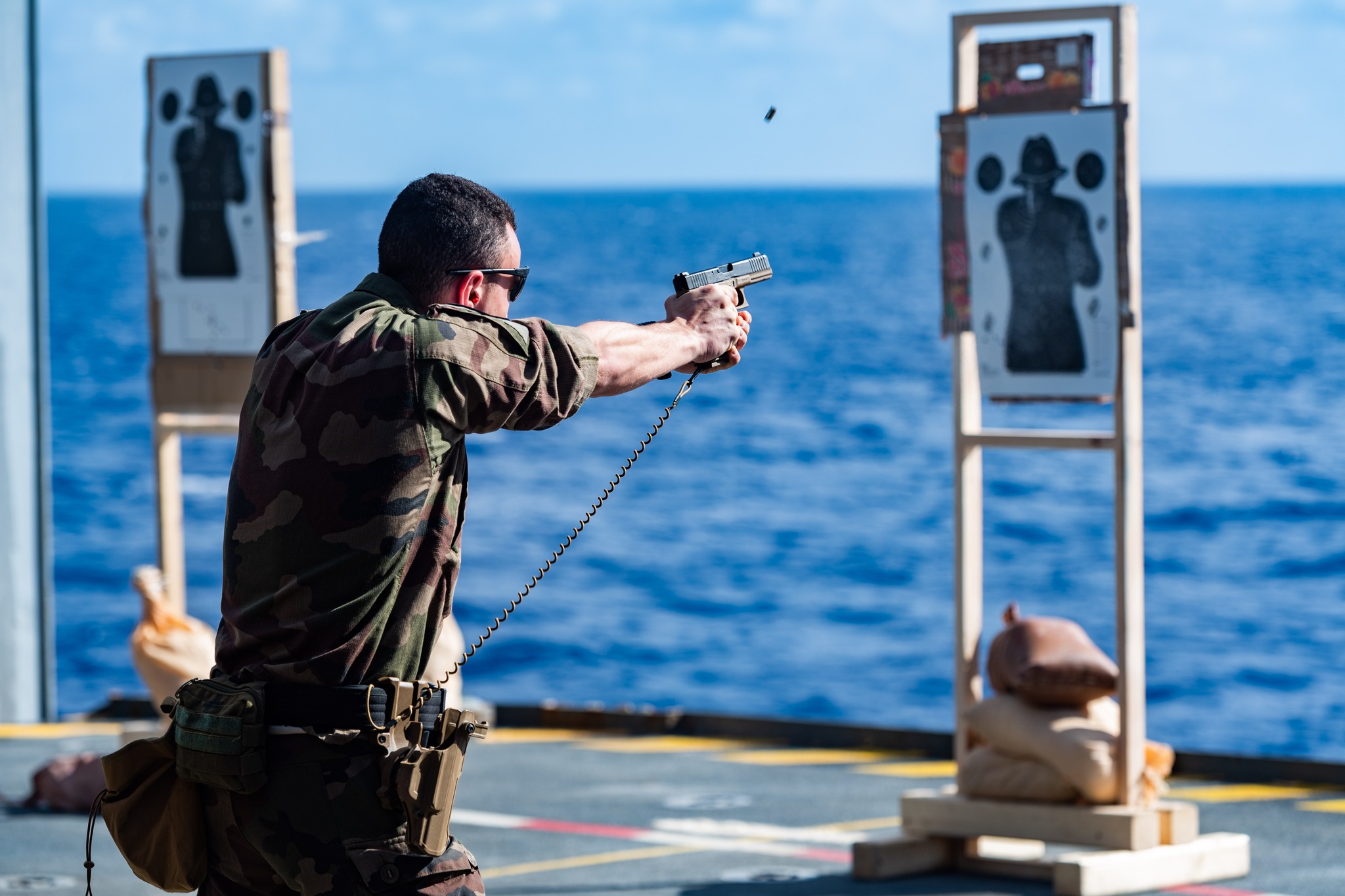
The challenge moved quickly after New York adopted its new restrictions. On August 13, 2026, plaintiffs filed The Firing Pin, LLC v. James in the U.S. District Court for the Western District of New York, asking the federal judiciary to stop the law from taking effect as written. The case is docketed as No. 1:26-cv-01718 and remains active. The plaintiffs include the Second Amendment Foundation, Firearms Policy Coalition, National Rifle Association, a licensed dealer, and 2 individual plaintiffs. Their central claim is that New York has gone beyond regulating illegal conversion devices and instead restricted ordinary handguns based on their potential for conversion.
2. New York is targeting “convertible pistols”
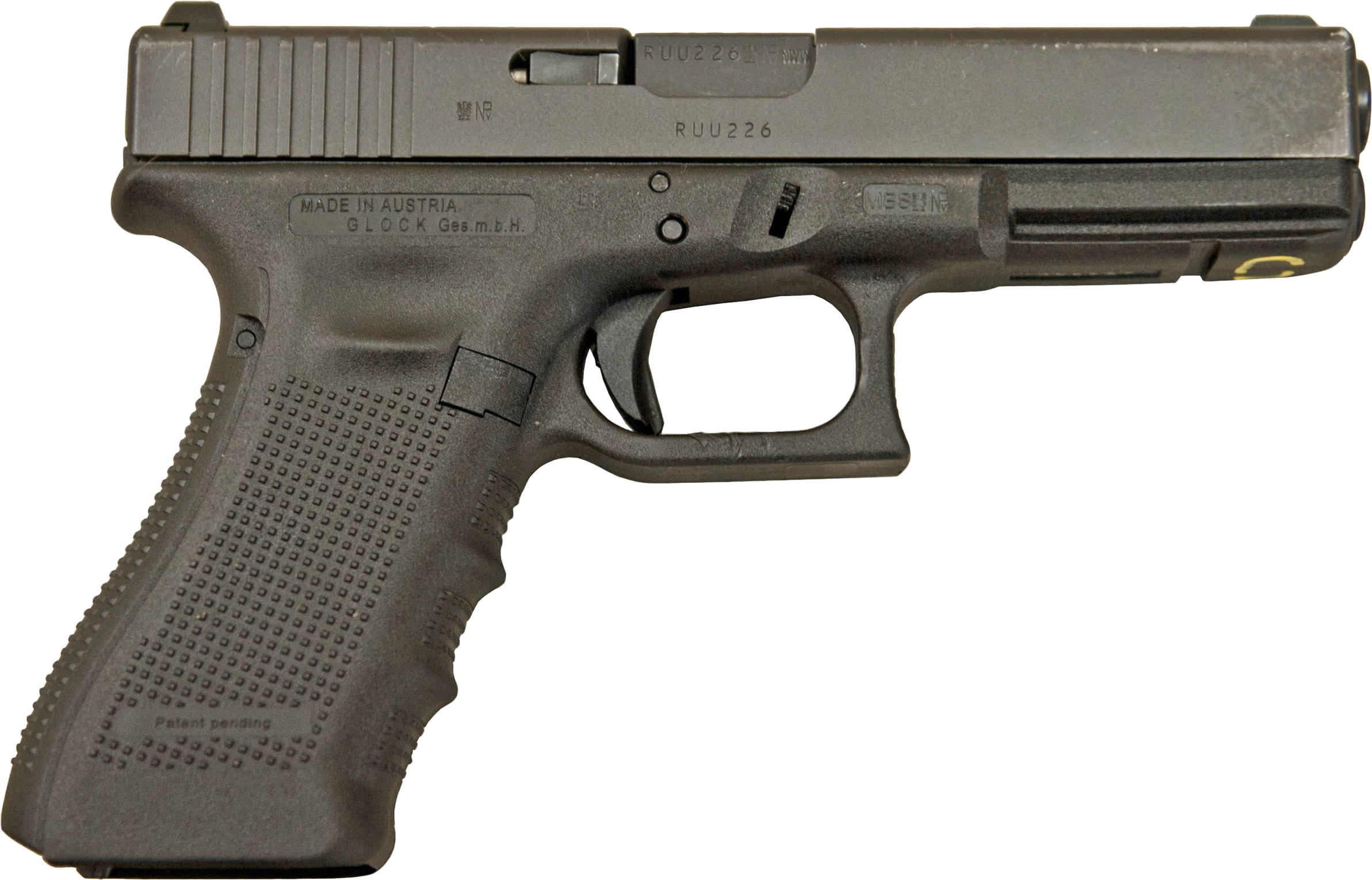
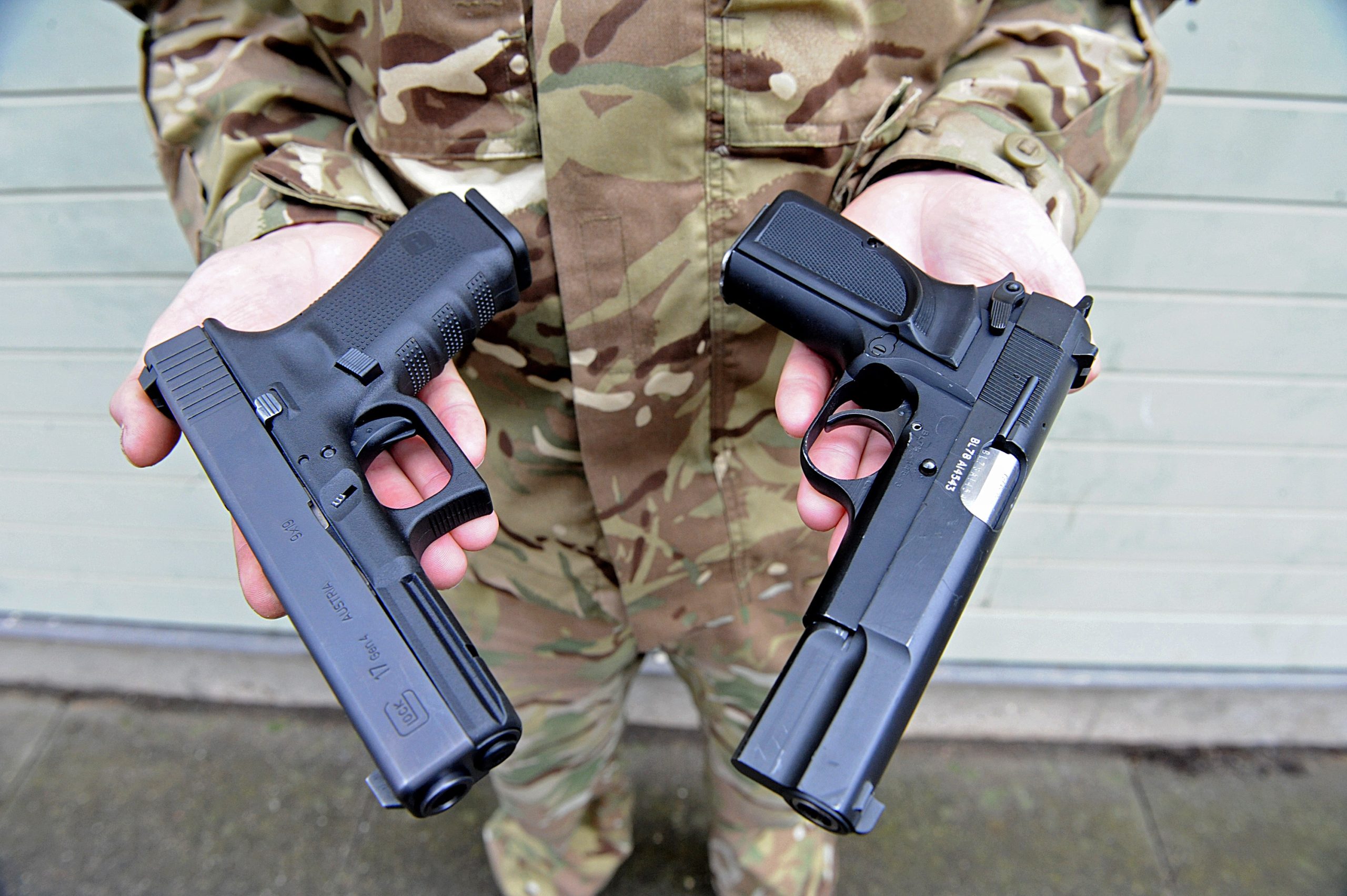
The controversy centers on a newly defined category rather than a simple list of Glock model numbers. The law identifies a “convertible pistol” using characteristics including a cruciform trigger bar, a feature associated with many Glock-pattern designs. According to the lawsuit, that definition reaches a substantial portion of Glock and Glock-style semiautomatic handguns. The legal argument therefore focuses on the breadth of the definition. Plaintiffs contend that New York has effectively prohibited commercial sales of widely owned handguns even though those firearms remain ordinary semiautomatic pistols in their lawful configuration. That distinction could become central as the court examines the statute.
3. The state says conversion devices are the real danger
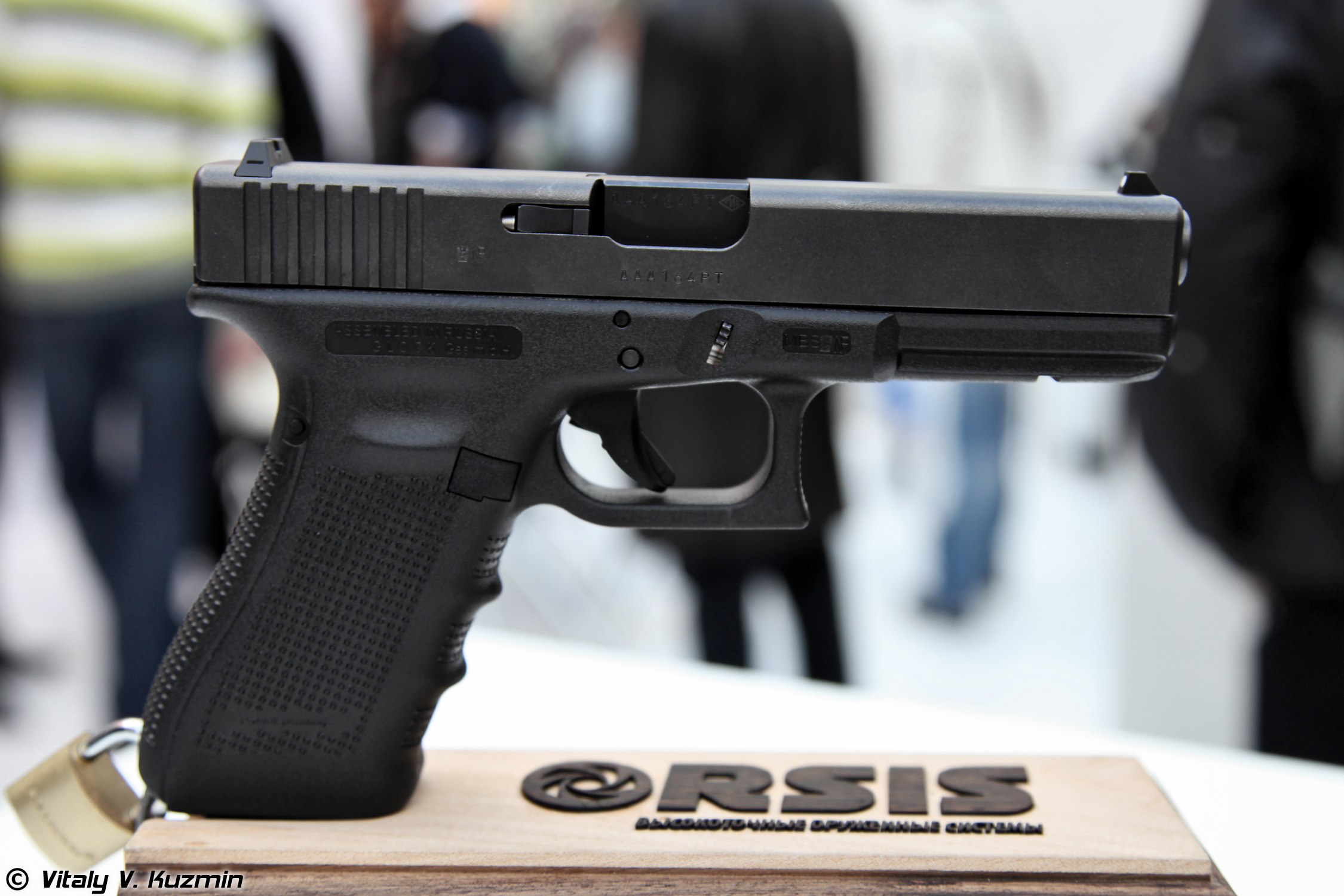
New York lawmakers built the policy around concerns involving illegal machine-gun conversion devices, commonly called Glock switches. Legislative material cited federal figures saying authorities recovered more than 31,000 machine-gun conversion devices during the preceding 5 years. The state argues that certain Glock-pattern pistols are particularly susceptible to these illegal modifications and that restricting future sales of compatible pistols can reduce the potential threat. Supporters therefore present the law as a preventive public-safety measure rather than a general prohibition on conventional handgun ownership. The lawsuit challenges whether that justification can constitutionally support restricting the underlying semiautomatic firearms.
4. The lawsuit says ordinary handguns are being swept in
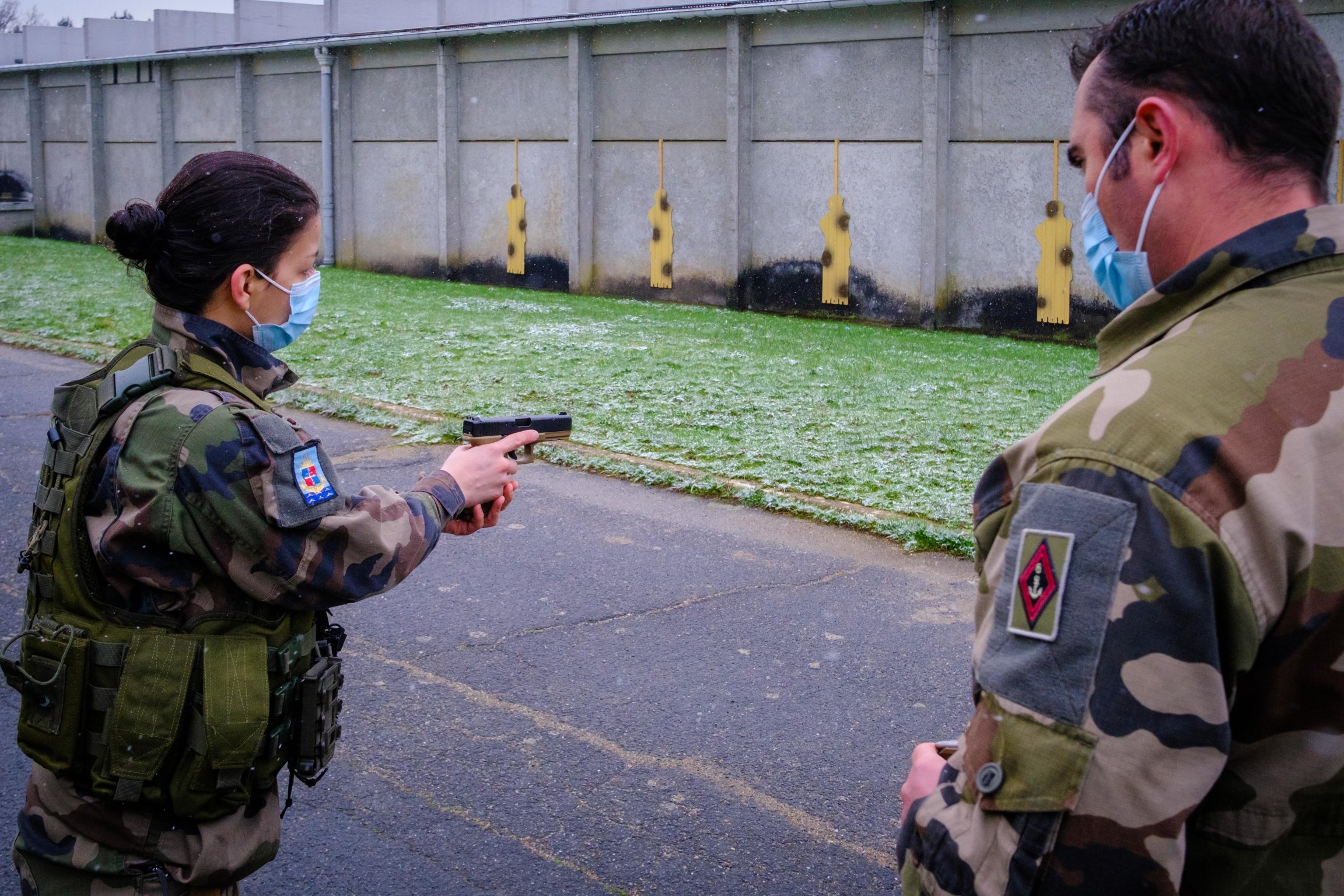
The plaintiffs’ strongest objection is that the law allegedly reaches far beyond the illegal devices that prompted it. A standard Glock is designed and sold as a semiautomatic handgun, while an illegal conversion device is separately associated with turning certain firearms into machine guns. The complaint argues that New York has nevertheless connected the two concepts so closely that lawful commercial sales of common pistols are prohibited. That creates the constitutional question at the heart of the case: can a state restrict a commonly owned firearm because criminals may illegally modify it? Plaintiffs argue that the Second and Fourteenth Amendments make that approach unconstitutional.
5. The ban is mainly aimed at future commercial transactions
One important detail is that the new regime is not simply a command for every existing owner to surrender a Glock. Contemporary reporting describes the New York approach as forward-looking, concentrating on future sales and transfers of covered pistols. The statute also contains exemptions for specified groups, including police and certain military personnel, government contractors, licensed dealers, and gunsmiths. That structure makes the case more complicated than a straightforward possession ban. Existing ownership, future commercial availability, and professional exemptions can all raise separate legal questions. The lawsuit seeks an injunction that would prevent enforcement of the challenged restrictions.
6. The penalties make the dispute especially serious
New York has attached significant consequences to violations of the new commercial restrictions. According to the Second Amendment Foundation, dealers or gunsmiths who unlawfully sell, transfer, dispose of, transport, or ship a covered pistol can face a Class D felony. The organization says violations occurring on or after May 31, 2027, may carry punishment of up to 7 years in prison and a fine of $5,000 or more. Those figures explain why the plaintiffs are seeking judicial intervention rather than waiting for enforcement disputes to develop individually. For dealers, the disagreement is not merely theoretical; the statute creates substantial potential criminal exposure.
7. The constitutional fight goes beyond Glock

Although headlines describe this as a “Glock ban,” the legal consequences could extend beyond one manufacturer. The challenged definition also covers Glock-style handguns and potentially other pistols sharing the characteristics specified by New York law. That means the case could determine how far lawmakers may go when regulating commonly owned firearms because of their compatibility with prohibited conversion technology. The plaintiffs rely on both the Second Amendment and Fourteenth Amendment, arguing that the state cannot sidestep constitutional protections simply by describing ordinary pistols as “convertible.” A ruling could therefore influence similar laws in other states.
8. The court now has to decide what happens next
The lawsuit is only beginning, so calling the law permanently struck down would be premature. The federal case was filed on August 13, 2026, and the reported status remains active. Plaintiffs are seeking a declaration that the restrictions are unconstitutional, an injunction against enforcement, and additional relief. The state’s defense will likely emphasize public safety, illegal machine-gun conversions, and its authority to regulate firearms. The eventual legal test will require the court to weigh those arguments against constitutional protections for commonly used arms. Until a judge issues further orders, the lawsuit represents a major challenge not yet a final victory for either side.