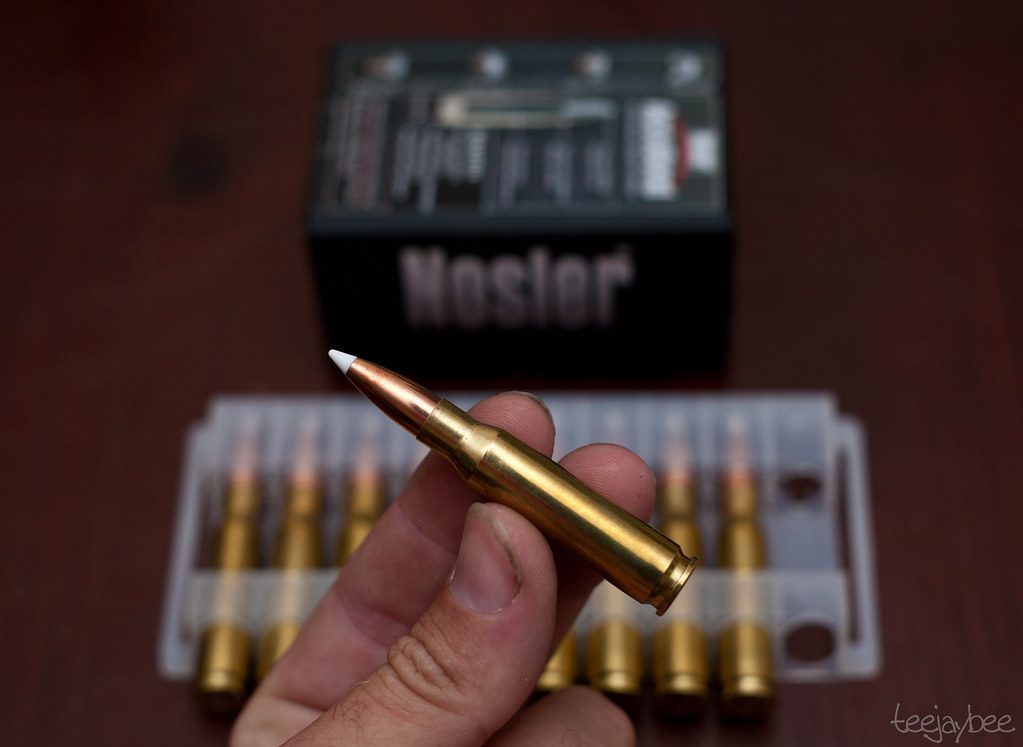
The gun counter is quieter than it was a few years ago. But when buyers do step up, they are more willing to pay for quality.
The market is cooling, but it is not collapsing
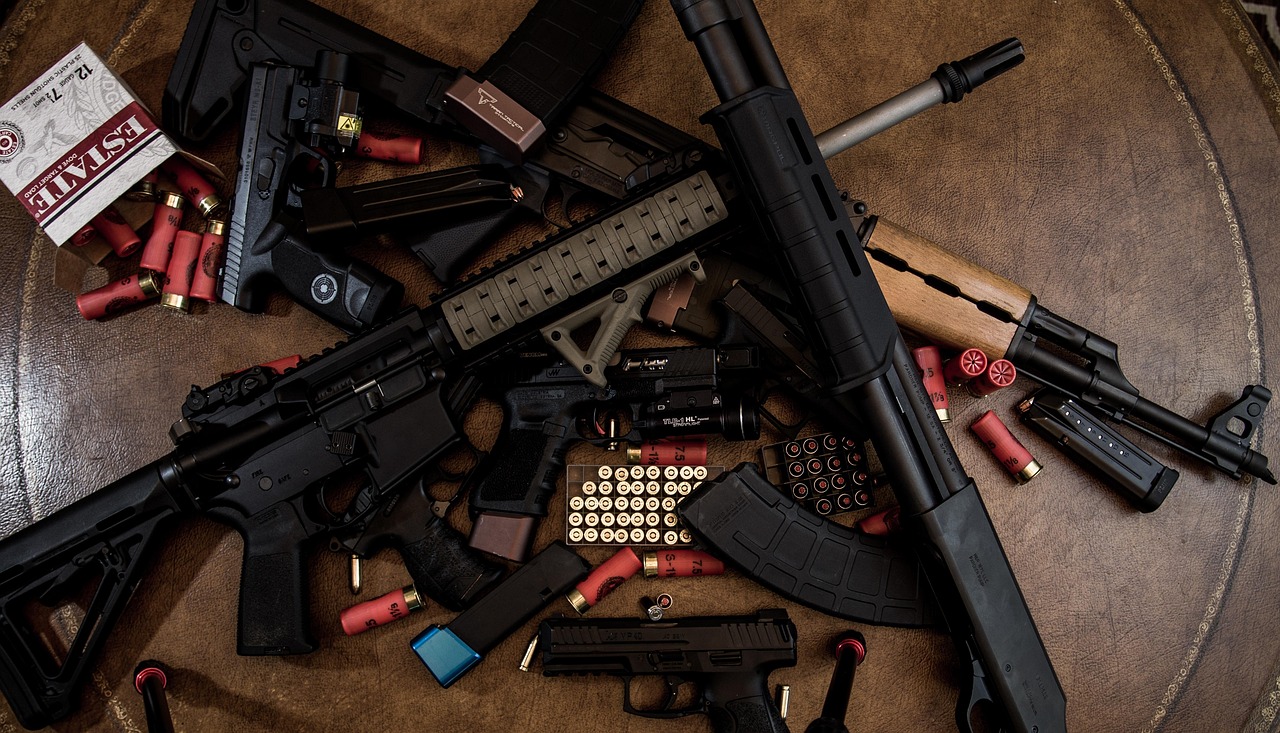
One of the biggest reasons buyers are purchasing fewer firearms this year is simple: the market is coming down from an unusually high peak. Pandemic demand, civil unrest, election anxiety, and a wave of first-time buyers pulled years of future purchases forward. According to NSSF retail data, same-store new firearm unit sales fell 12.9% in 2025 from 2024, and retailers sold 10.5% fewer new firearms than they did in 2019, which undercuts the idea that the current market is still running hot.
That softer demand appears to be carrying into 2026. NSSF and Gearfire have both pointed to continued weakness in unit sales unless a major catalyst changes the mood of the market. FBI background check data still show millions of firearm-related checks in 2026, but the bureau explicitly notes that checks do not translate one-for-one into firearm sales. That matters, because a market can stay active while still selling fewer actual guns.
So the headline is not that Americans stopped buying firearms. It is that the emergency-buying phase is over. Once panic leaves the market, consumers become choosier, and choosier buyers tend to spend more carefully and often more heavily on every single purchase.
Buyers are replacing impulse purchases with deliberate upgrades

In the high-demand years, many consumers bought whatever was available. Entry-level pistols, basic rifles, and practical shotguns moved quickly because buyers were prioritizing access and availability. In a calmer market, that urgency fades. A customer who might once have bought two affordable guns in a year is now more likely to buy one gun and insist that it have a better trigger, better sights, better finish, and a stronger brand reputation.
That shift shows up in company results. Ruger reported that its average selling price rose 10% to $384 in the second quarter of 2026, and the company tied part of that improvement to product mix. Smith & Wesson has also emphasized the strength of new products and noted that its handgun unit sales in the sporting goods channel rose much faster than NICS growth, suggesting buyers are gravitating toward specific models rather than buying indiscriminately.
This is classic consumer behavior in a normalized market. When buyers no longer feel rushed, they stop filling gaps and start refining collections. Instead of asking, “What can I get today?” they ask, “What do I actually want to own for the next 10 years?” That question almost always leads to a higher ticket.
Premium features are becoming the new baseline

The average buyer today is also more educated than the average buyer of the 2020 boom. Many first-time owners from that period are now second- or third-time buyers, and experienced consumers usually do not move backward. They want optic-ready slides, better ergonomics, threaded barrels, modular chassis systems, cleaner machining, and more refined recoil management. Those features used to feel premium. In many categories, they now feel expected.
Manufacturers have adapted to that reality by pushing newer, better-equipped models. Ruger said new products accounted for $80.9 million, or 29%, of firearm sales in its latest quarter. Smith & Wesson reported that new products made up 37.5% of total revenue in its fourth-quarter fiscal 2026 results. Those are not small side bets. They are central to how companies are sustaining revenue in a slower unit market.
For buyers, the math is easy to understand. If you are only going to buy one handgun this year instead of two, spending extra for night sights, an optics cut, upgraded texturing, or a proven carry platform feels easier to justify. Fewer guns do not mean less enthusiasm. In many cases, it means more selectivity and a stronger preference for models that feel future-proof.
Accessories and suppressors are changing how people define a gun purchase

Another reason spending per gun is rising is that buyers increasingly think beyond the firearm itself. A modern purchase often includes a red dot, weapon light, upgraded holster, extra magazines, and sometimes a suppressor host setup. Even if the customer technically buys fewer firearms, the budget attached to each platform gets much bigger.
Suppressors are a major part of that story in 2026. ATF processing data show much faster handling times than the long waits buyers once feared, and NSSF reported a 177% year-over-year increase in NFA checks in June 2026. The trade group also said more than 845,000 suppressor applications were submitted from January through May. ATF budget documents say the agency has been receiving roughly 72,000 NFA applications per week since January 1, 2026, a huge jump in volume.
That surge matters even for people not buying suppressors immediately. It reflects a buyer mindset built around complete shooting systems instead of bare firearms. A consumer shopping for a threaded pistol, short hunting rifle, or range-ready carbine is often spending up front so the gun works with optics and muzzle devices later. The firearm becomes a platform purchase, not just a hardware purchase.
Inflation, pricing pressure, and tariffs also push tickets higher
Not every bigger price tag comes from premium taste alone. Some of it is old-fashioned cost pressure. Manufacturers have dealt with higher input costs, transportation expenses, and supply-chain friction for years, and those pressures do not disappear just because unit demand cools. Smith & Wesson disclosed 2% to 3% price increases on select products effective January 1, 2026, while also pointing to lower promotional activity. In plain English, fewer discounts mean buyers pay closer to full freight.
Trade policy can add pressure, too. Reuters has reported on tariff-related price effects in the broader metals market, and while consumer prices do not move one-for-one, products built from steel, aluminum, imported components, and accessory parts can all feel that strain. Firearms may be made in America, but many parts of the wider shooting ecosystem are globally sourced, especially in optics and electronics.
The result is a market where shoppers face higher entry prices and then choose to lean into quality when they do buy. If the difference between a stripped-down gun and a better-configured model is a few hundred dollars, many buyers decide the step-up is worth it. That does not increase unit volume. Itincreases thee average transaction value.
The strongest demand is now concentrated in specific categories
A broad market slowdown can hide the fact that some niches are still doing very well. Semi-automatic handguns remain the highest-volume firearm category in NSSF retail reporting, even as total units decline. Companies with attractive carry pistols, lever guns, modern sporting rifles, and refreshed hunting platforms are still finding buyers, especially when those products bring something new to the table.
Rifle demand has been uneven rather than dead. RetailBI’s Q2 2026 report described a market defined by higher prices, leaner inventory, and uneven demand across categories, with rifle demand moving differently from the broader firearms market. That tells you consumers are not spending randomly. They are rewarding the categories and models that feel useful, collectible, or especially capable.
This concentration creates a premium effect. When volume piles into fewer standout products, those products hold their pricing better. Retailers do not have to slash margins on the items people genuinely want. A buyer who has already decided on a specific carry pistol, Marlin lever-action, or next-generation centerfire rifle is far less price-sensitive than a buyer casually browsing a rack of interchangeable budget guns.
What this means for buyers, dealers, and the rest of 2026

For buyers, the current market is a mixed bag. The frenzy is gone, inventory is generally healthier, and there is more room to compare features and wait for the right model. But the best-value move may not be buying the cheapest gun on the shelf. In a market where manufacturers are putting more emphasis on feature-rich new models and cutting back on discounting, spending a little more up front can prevent a long list of upgrades later.
For dealers, the lesson is sharper. The old formula of moving lots of low-margin units is less reliable when consumers are visiting less often and buying more selectively. Stores that understand optics-ready handguns, suppressor hosts, hunting packages, and premium accessories are better positioned than those still expecting a pure volume game. A smaller number of higher-value transactions can still support the business, but only if the staff can explain why a pricier setup earns its price.
The rest of 2026 will likely depend on whether a fresh political, regulatory, or cultural shock re-energizes broad demand. Until then, the most accurate way to read the market is this: Americans are not done buying guns. They are simply buying with more intention, and intention tends to cost more.