The Streetsweeper is one of those firearms whose reputation grew from an unusual combination of engineering, appearance, and federal regulation. Developed in South Africa for military and security-oriented roles, it used a 12-round revolving cylinder instead of the conventional tubular magazine. In 1994, the ATF classified the Striker-12/Streetsweeper as a destructive device under the National Firearms Act because it exceeded the statutory bore threshold and was not considered particularly suitable for sporting purposes.
1. It Was Built for a Very Different Job

The Streetsweeper was born from a South African design effort aimed at military, security, and anti-terror roles rather than conventional hunting. Its most recognizable feature was a spring-driven revolving cylinder holding 12 12-gauge cartridges. That made it visually unlike the tubular-magazine shotguns familiar to American sportsmen. ATF later emphasized this unusual configuration, along with its size, weight, capacity, and intended role, when reviewing its legal status. That combination shaped the controversy. It remained a legal oddity. Today.
2. The Striker-12 Connection Matters
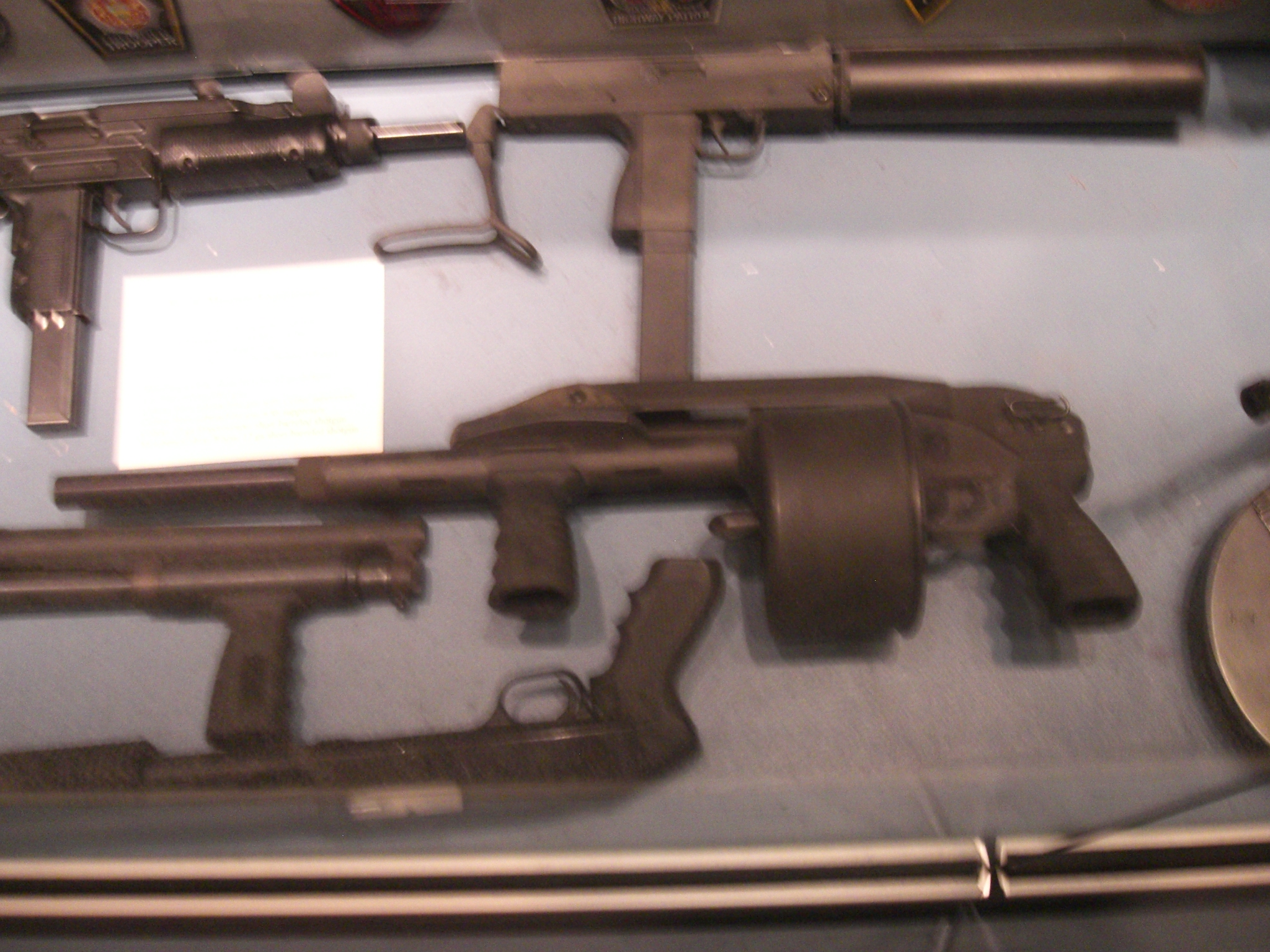
The name Streetsweeper is closely associated with the Striker-12 family, whose unusual rotary-cylinder layout made it one of the most recognizable shotguns of its era. ATF described the Striker-12 and Streetsweeper as virtually identical 12-gauge firearms. The agency recorded an 18-inch barrel, a 12-round capacity, and a design that could use either a fixed or folding shoulder stock. Those details helped distinguish it from ordinary sporting shotguns and became important evidence in the later federal review. The numbers explain why it stood apart.
3. The ATF Did Not Simply “Rename” It

The biggest surprise was not that the Streetsweeper used 12-gauge ammunition, but that the ATF decided its legal category should change. Under the National Firearms Act, a weapon with a bore over one-half inch can fall within the destructive-device definition unless the shotgun is generally recognized as particularly suitable for sporting purposes. In March 1994, ATF Ruling 94-2 concluded that the Striker-12/Streetsweeper did not meet that sporting exception. The ruling took effect on March 1, 1994, making it a landmark classification. The distinction was legally decisive.
4. Size and Weight Became Legal Evidence
ATF’s decision rested on more than the diameter of the bore. The ruling considered the firearm’s weight, bulk, configuration, intended capacity, and apparent purpose. The Streetsweeper weighed about 9.24 pounds unloaded and measured roughly 37 inches with its stock extended. With the stock folded, its overall length was about 26.5 inches. ATF viewed those characteristics together as evidence of a military-type shotgun rather than a sporting arm. Its 5.7-inch width was another recorded specification. The combination mattered to ATF.
5. Twelve Rounds Were a Major Talking Point
The revolving magazine was central to the Streetsweeper’s identity. Instead of feeding shells through a conventional tubular magazine, it used a rotating cylinder with space for 12 rounds. ATF noted that the design allowed different types of 12-gauge cartridges to be placed in the cylinder and selected through rapid indexing. The agency also stated that all 12 rounds could be fired in 3 seconds or less. That combination of capacity and unusual feeding design separated it sharply from conventional sporting shotguns. Twelve rounds made its design unusual.
6. Its Shape Was Unmistakably Different
The firearm’s physical layout also made it stand apart. ATF described two pistol grips, one positioned beneath the rear portion of the gun and another on the forearm. The weapon could be equipped with a fixed stock or a folding shoulder stock, and the ruling noted that it could be fired with the stock collapsed. Its width was listed at 5.7 inches. These details contributed to its distinctive appearance, but ATF did not rely on appearance alone. Capacity, dimensions, weight, and intended use were considered together. The distinction is important when reading the ruling.
7. Its Legal Story Continued Into 2001
The Streetsweeper’s American legal history did not end with the 1994 ruling. ATF later issued Ruling 2001-1 concerning the registration period for the Streetsweeper, Striker-12, and USAS-12. The agency stated that approximately 8,200 of the three types had been registered by that point. The registration window was set to close on May 1, 2001, and ATF stated that no further registrations would be accepted after that date. That deadline became a defining part of the model’s federal history. The deadline closed a significant legal chapter.
8. It Could Be Both a Shotgun and an NFA Weapon

An important detail is that the 1994 classification did not simply mean ATF stopped calling the weapon a shotgun. The ruling specifically described the Striker-12/Streetsweeper as a shotgun while also placing it within the National Firearms Act’s destructive-device category. That distinction matters because federal law can assign special regulatory status to a weapon without changing its basic mechanical identity. For the Streetsweeper, the legal label and physical description therefore remained separate concepts. That distinction is often misunderstood.
9. Its Reputation Became Bigger Than the Ruling
The Streetsweeper also became famous because its unusual design attracted attention far beyond its original South African purpose. Its 12-round revolving cylinder, folding-stock option, heavy construction, and distinctive silhouette made it instantly recognizable in photographs and popular media. Yet the federal record is more precise than the mythology: ATF’s decision centered on sporting suitability and the statutory bore threshold, not simply on the gun looking intimidating or unconventional. That narrower explanation is crucial to understanding the case. The statutory wording is the key.
10. The Streetsweeper Became a Regulatory Oddity

Today, the Streetsweeper remains a notable example of how firearm design and federal classification can collide. ATF’s 1994 ruling treated the Striker-12/Streetsweeper as a destructive device under the NFA because its bore exceeded one-half inch, and the agency found it was not particularly suitable for sporting purposes. The episode shows why the word shotgun alone does not determine legal treatment. Design, purpose, configuration, and statutory exceptions can all matter. Its story is unusual precisely because the mechanism stayed the same while the legal status changed. That is the real twist behind its reputation. Its history remains unusually distinctive.