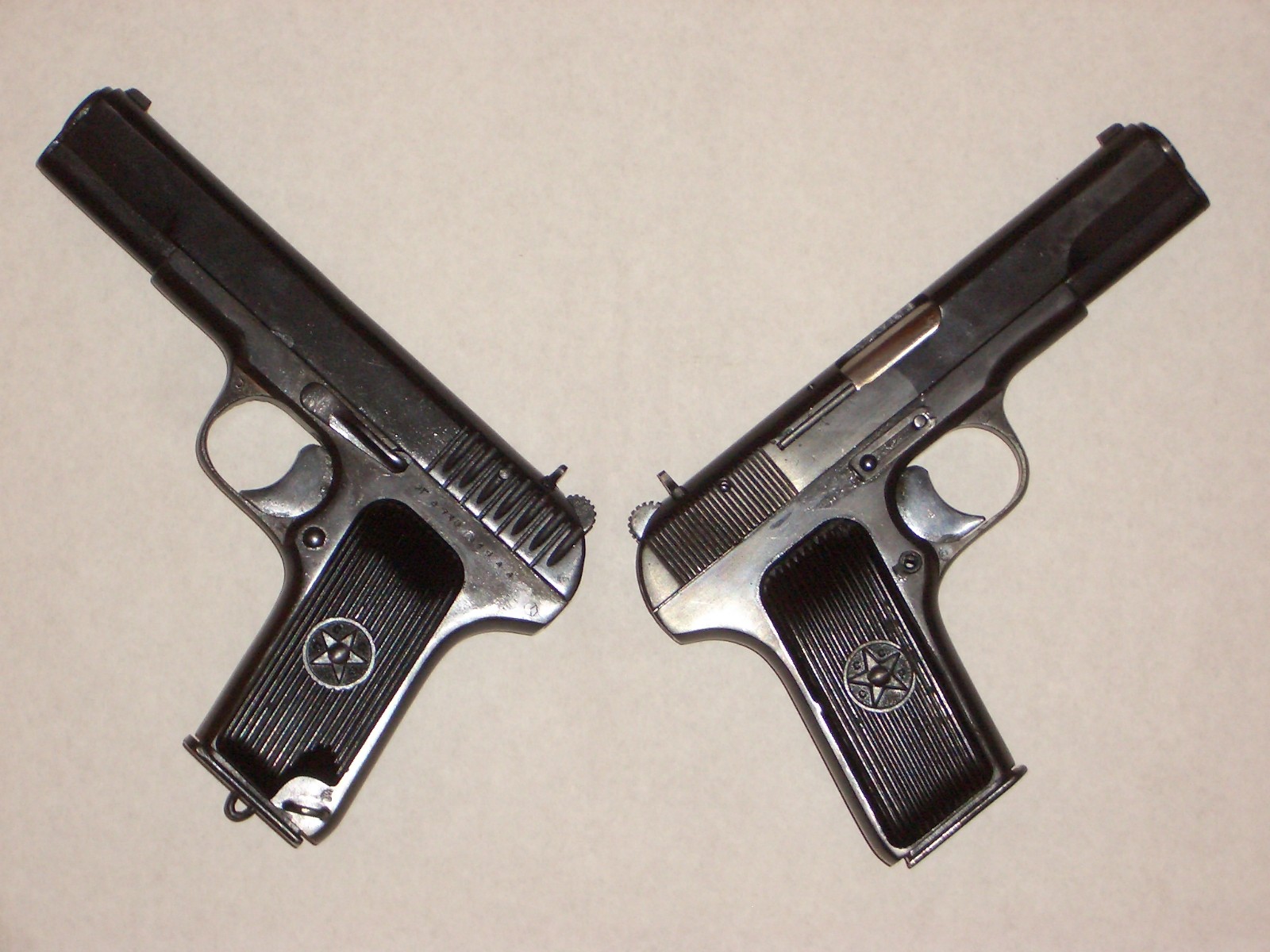
The 7.62×25 Tokarev occupies a fascinating place in twentieth-century small-arms history. Adopted by the Soviet Union in 1930, it combined a narrow projectile, bottlenecked case, and unusually high velocity for a service pistol cartridge. Its reputation for penetration became especially strong because specialized military ammunition existed alongside ordinary ball loads. Yet the cartridge’s story is broader than armor. It armed pistols, submachine guns, and military forces across Europe and Asia for decades, becoming one of the defining Soviet-era pistol rounds.
1. It Was Designed for Speed
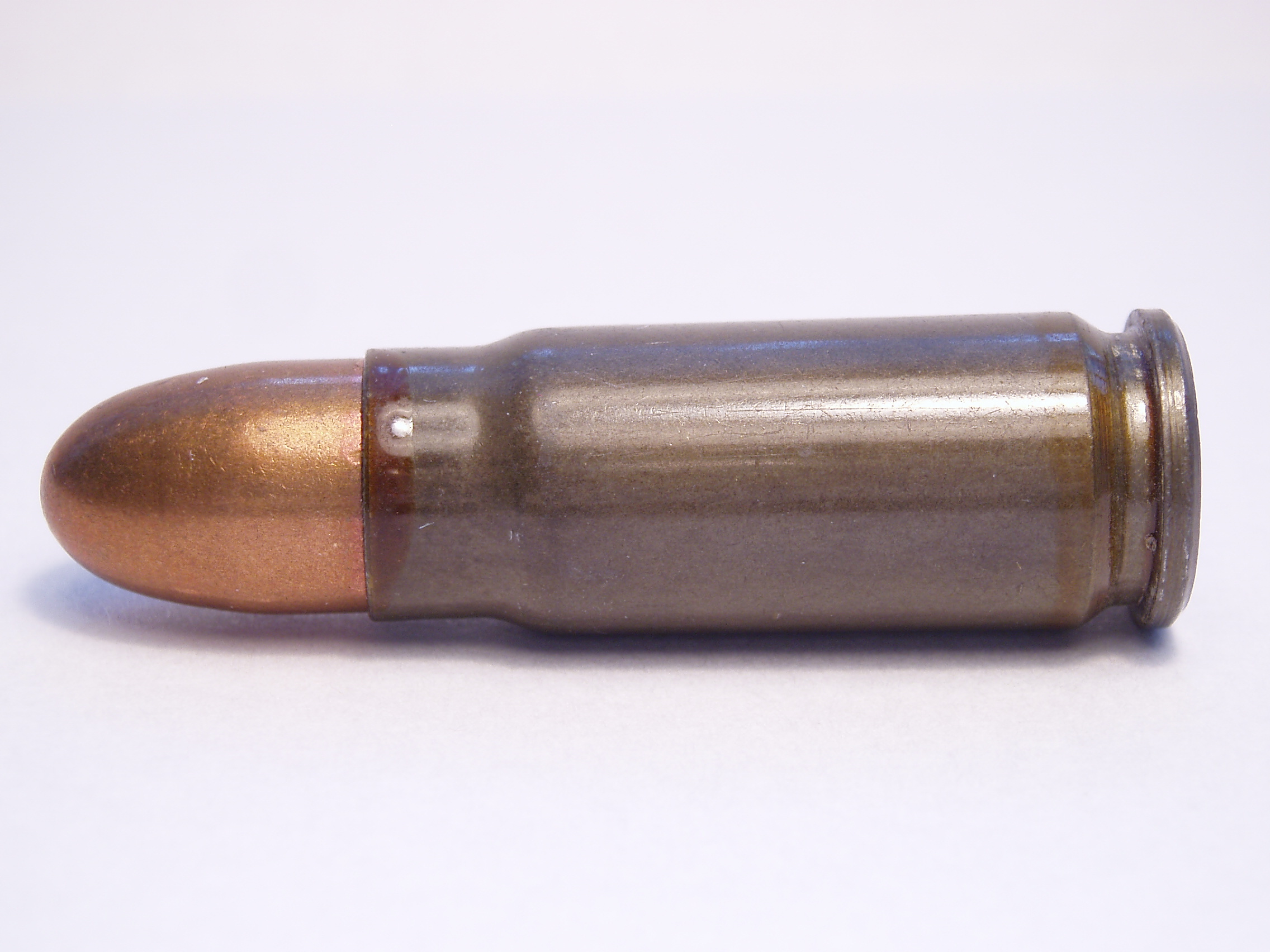
The 7.62×25 Tokarev was adopted by the Soviet Union in 1930 as a service cartridge for the new TT pistol family. Its 7.62 mm bullet and 25 mm bottlenecked case gave it an unusual profile and high velocity for a handgun round of its era. The design was based on the 7.63×25 Mauser, but Soviet ammunition was loaded differently. That distinction matters because the Tokarev was not simply a renamed Mauser cartridge. It became a Soviet military standard with its own specifications and extensive wartime production.
2. Its Penetration Reputation Had a Technical Basis
The cartridge’s penetration reputation comes mainly from its small projectile and high velocity, not from one special feature. Published examples vary widely, with loads ranging from roughly 1,300 to 1,800 feet per second depending on ammunition and barrel length. Some military variants also used hardcore projectiles. Those characteristics helped the round perform well against heavy clothing and certain older protective materials. However, armor performance is never guaranteed. Results depend on the exact armor, projectile, velocity, distance, and test standard, making broad claims about body armor misleading.
3. One Cartridge Armed Several Weapon Types
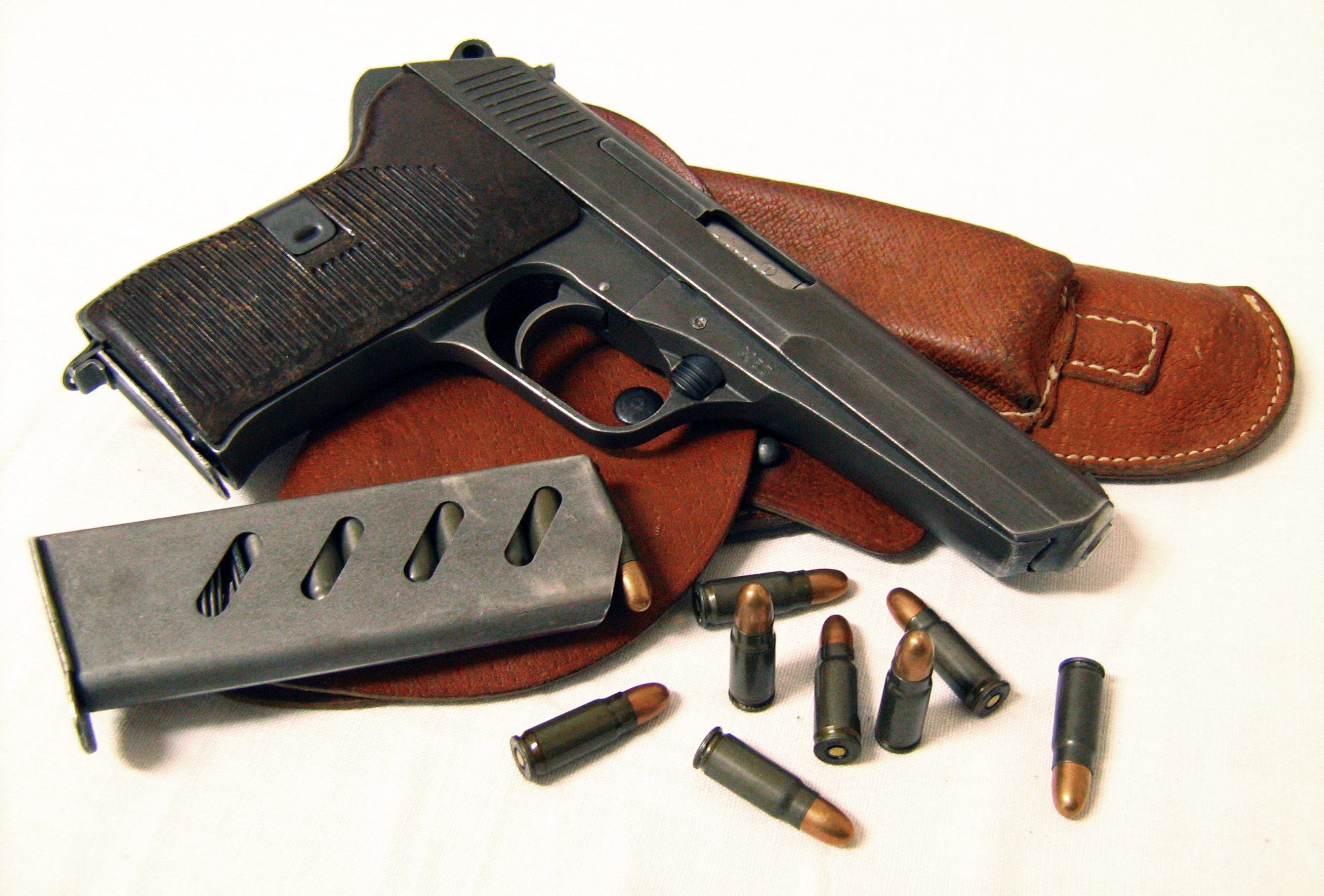
One reason the Tokarev became important was its use beyond pistols. The same 7.62×25 cartridge powered famous Soviet submachine guns, including the PPSh-41 and PPS-43. That created ammunition commonality during World War II, when huge quantities were required across different weapons. The PPSh-41 could use a 71-round drum or a 35-round box magazine. The cartridge therefore became associated with automatic weapons as well as the TT pistol, giving it a much larger military footprint than its name suggests. Its versatility was a major advantage.
4. The TT-33 Made It Famous
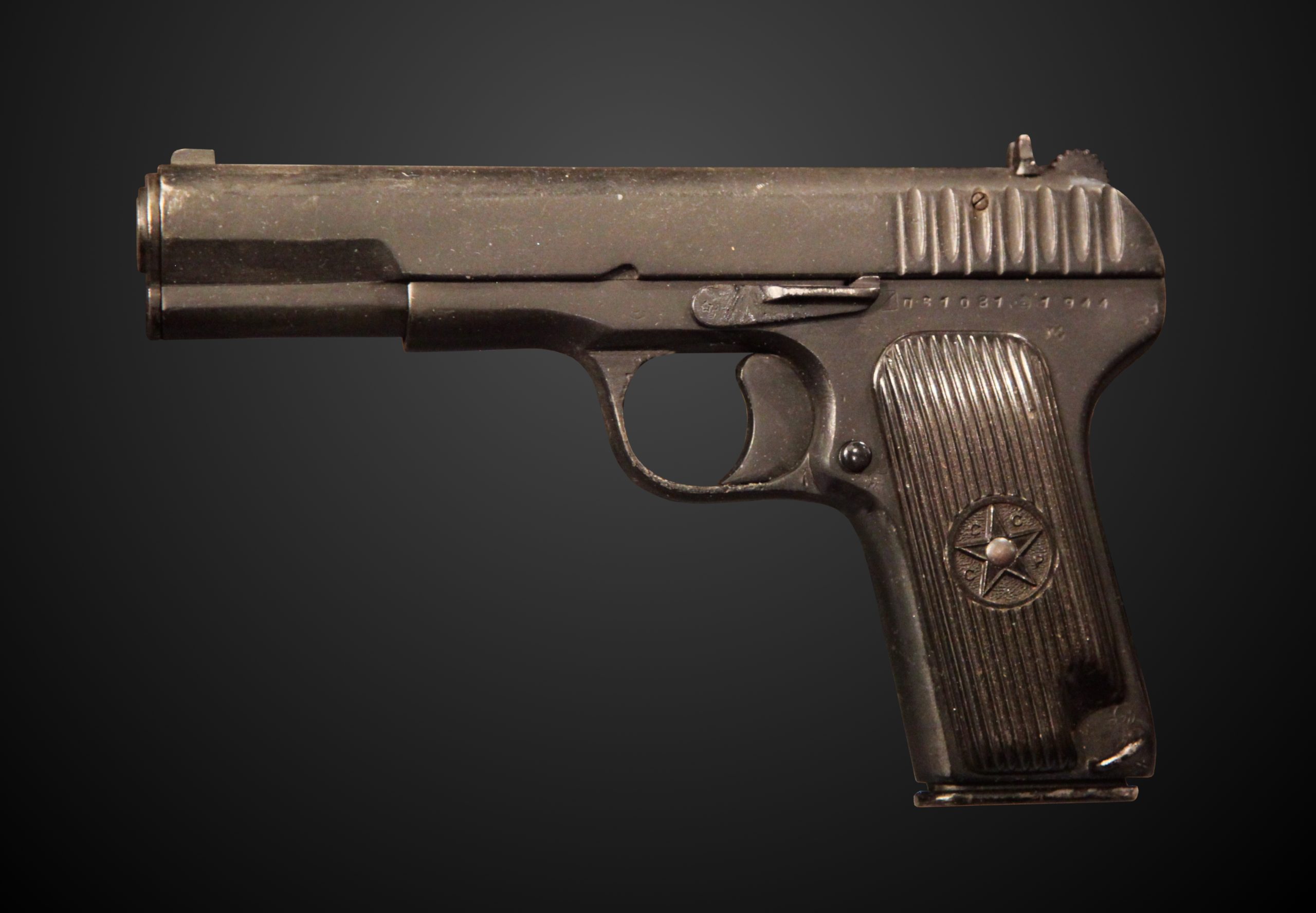
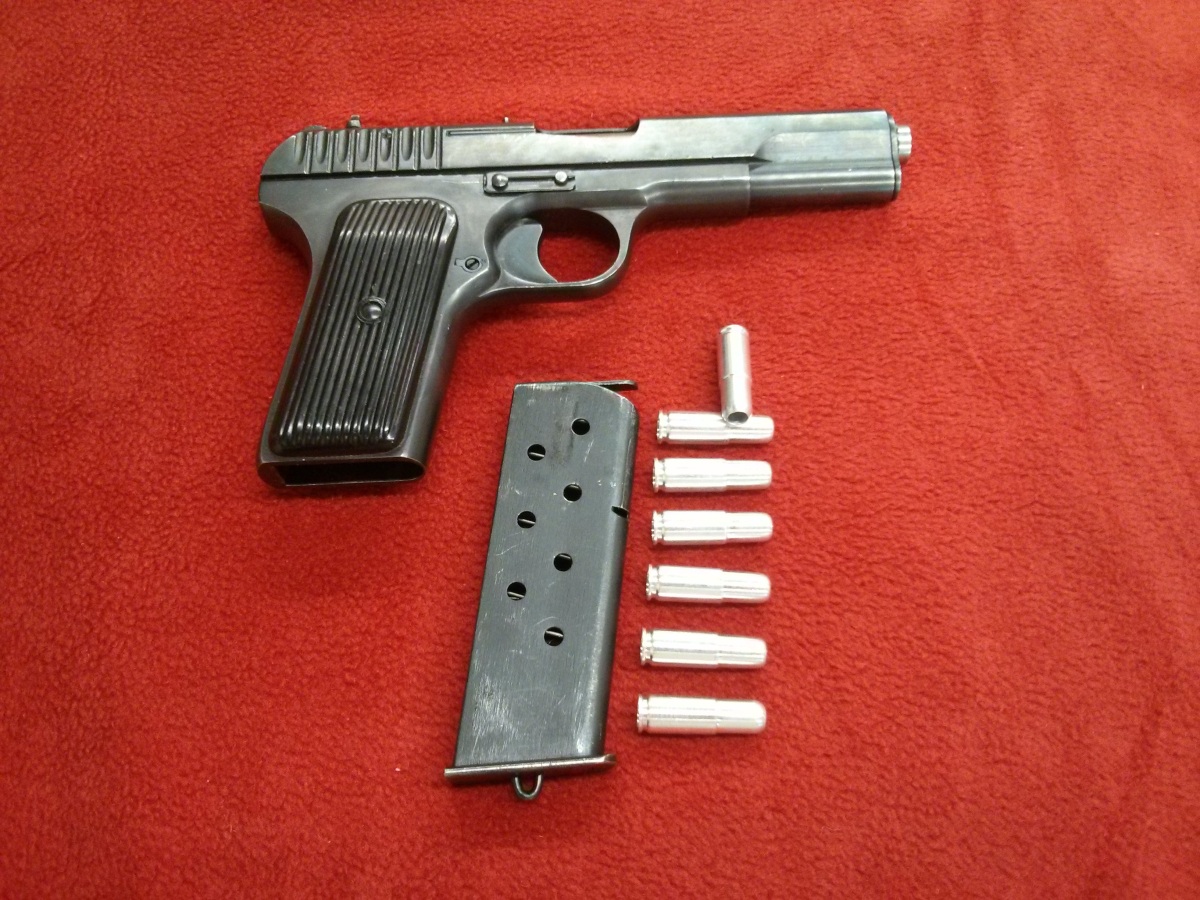
The TT-33 is the handgun most closely linked with the cartridge. Introduced during the 1930s, it used a locked-breech system and a detachable 8-round magazine. The pistol emphasized straightforward manufacture and battlefield durability, while the Tokarev cartridge gave it a fast, relatively flat-shooting character. Historical references indicate that more than 1 million TT pistols were produced during World War II alone. That huge production run helped make the 7.62×25 familiar across Soviet forces and later among countries that adopted or copied the design.
5. Its Bottlenecked Case Is Unusual
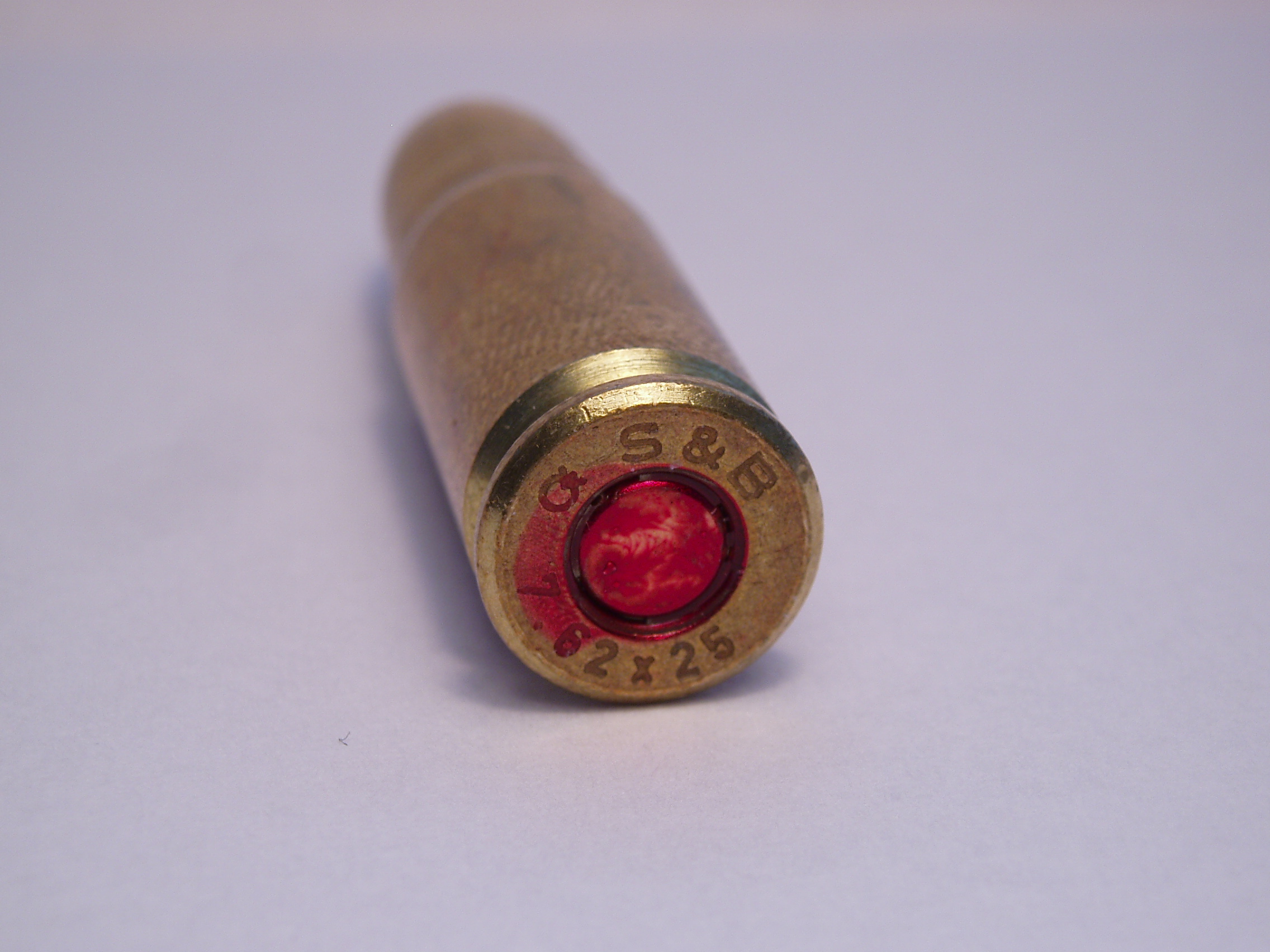
The cartridge’s physical dimensions explain its unusual appearance. It is a rimless, bottlenecked round with a case length of 25.00 mm and an overall cartridge length of about 35.20 mm. Reference data lists a bullet diameter near 7.85 mm and a common rifling twist of approximately 1 turn in 240 mm. Those figures give it proportions closer to a small bottleneck cartridge than to many conventional pistol rounds. Its geometry also reflects its Mauser ancestry, showing how earlier ammunition concepts influenced Soviet small-arms development.
6. Its Reach Extended Across Asia and Europe
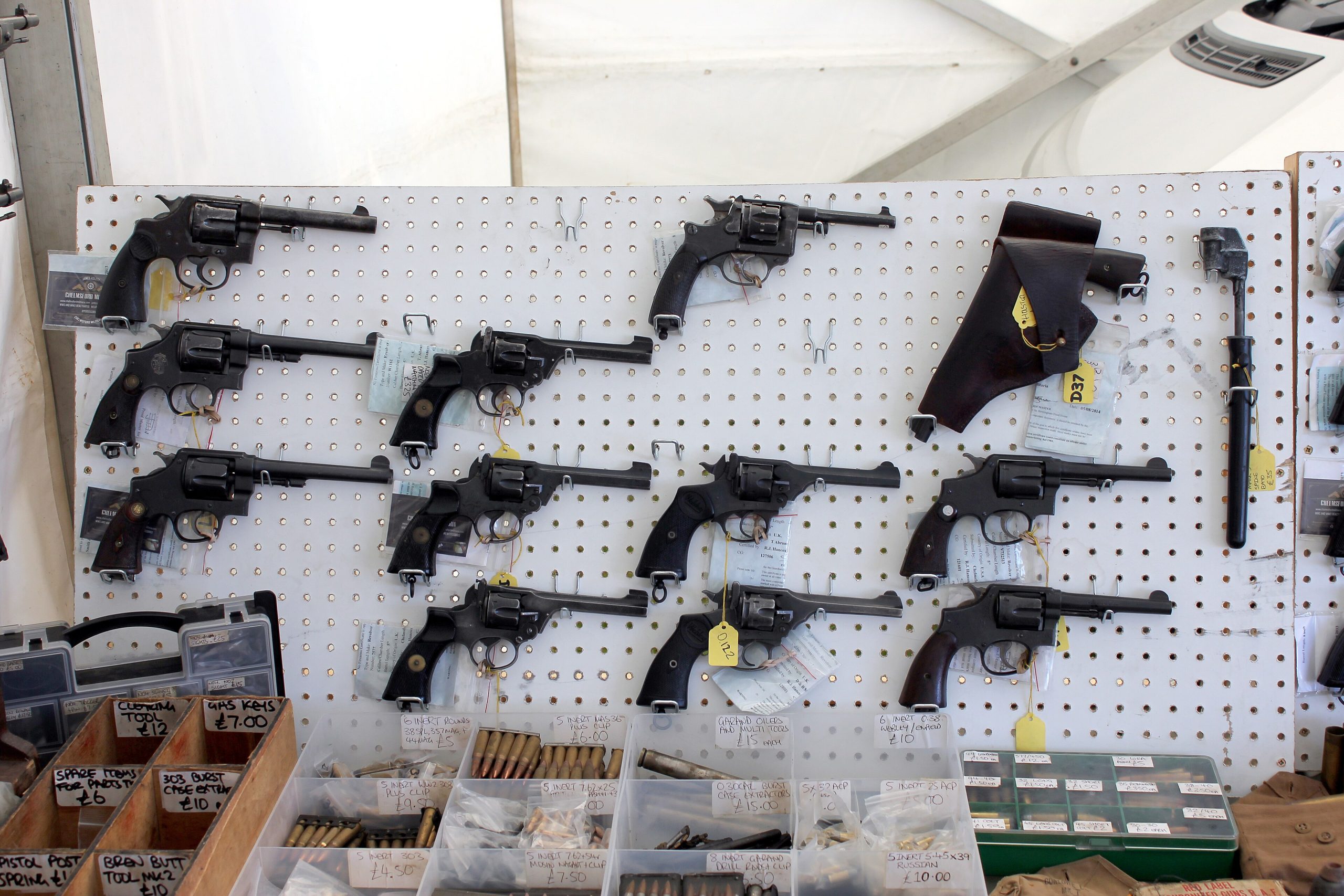
The Tokarev was not confined to Soviet service. Czechoslovakia adopted the cartridge for the vz. 52 pistols, while China produced Tokarev-pattern pistols and ammunition. Yugoslavia also developed weapons chambered for the round, and numerous submachine guns used it across Eastern Europe and Asia. This international spread kept production alive after the Soviet Union moved toward the 9x18mm Makarov. The cartridge survived because an entire family of weapons had been built around it, not because the original TT pistol remained the dominant service handgun.
7. “Armor Piercing” Needs Careful Context
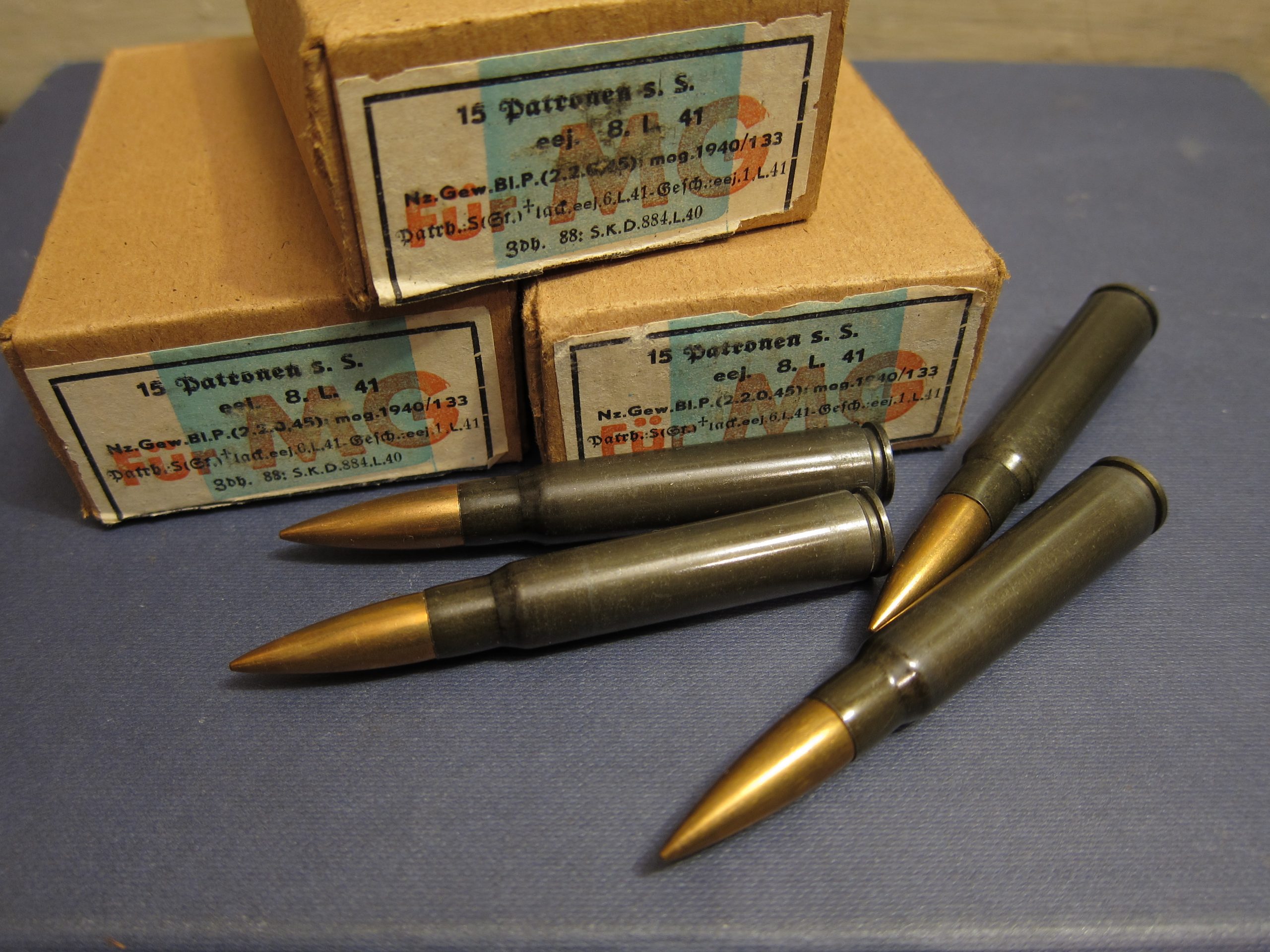
Its reputation as an armor-piercing pistol round should be treated carefully. Historical military ammunition included specialized loads such as steel-core, tracer, and incendiary types, but ordinary commercial or surplus ammunition can have very different construction. Modern body armor also varies widely by protection level and material. A cartridge that performed well against one historical vest cannot automatically be expected to defeat another. The Tokarev’s reputation is historically important, but calling it universally capable of defeating body armor oversimplifies ammunition technology and modern protection.
8. Its Service Life Outlasted the TT Pistol
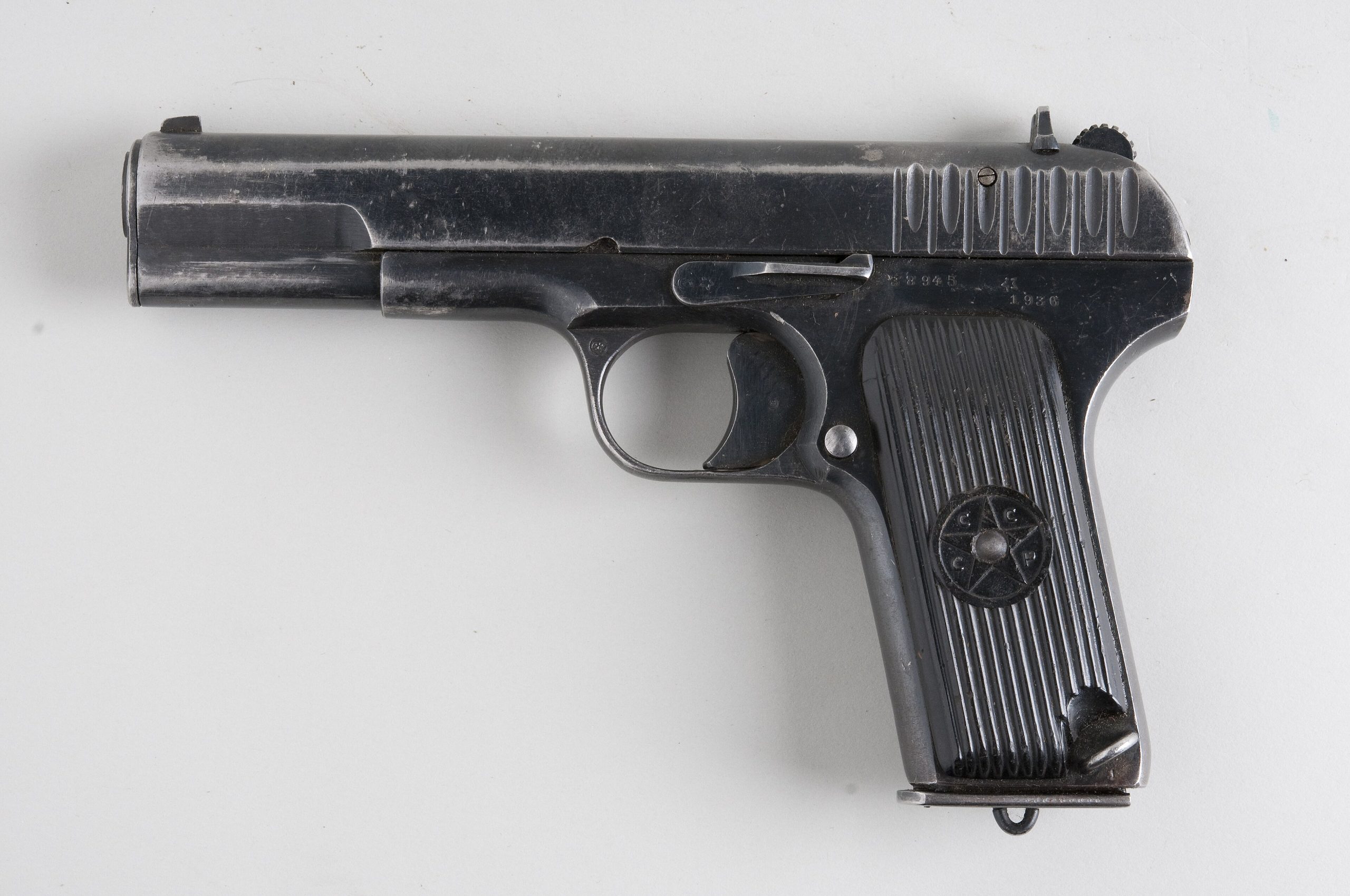
The 7.62×25 Tokarev eventually lost its central Soviet role as the 9x18mm Makarov became the standard pistol cartridge for a new generation of handguns. Yet the older round remained significant because stocks, production, and existing weapons kept it in circulation. Its legacy stretches from its 1930 adoption through World War II and the Cold War, with use in pistols and submachine guns across several countries. With 85 to 90 grain projectiles common in published examples, it remains one of the most recognizable fast pistol cartridges of the twentieth century.