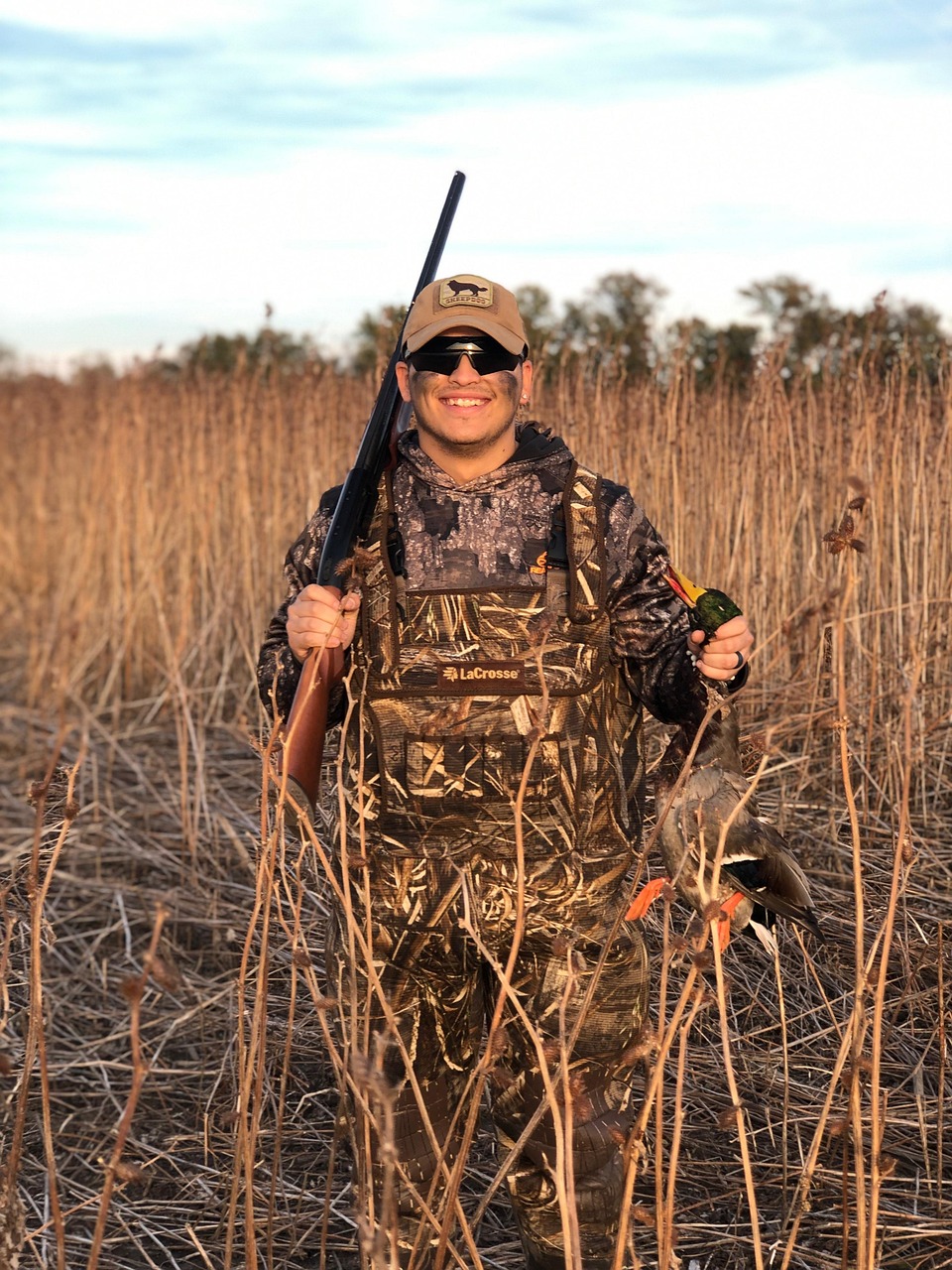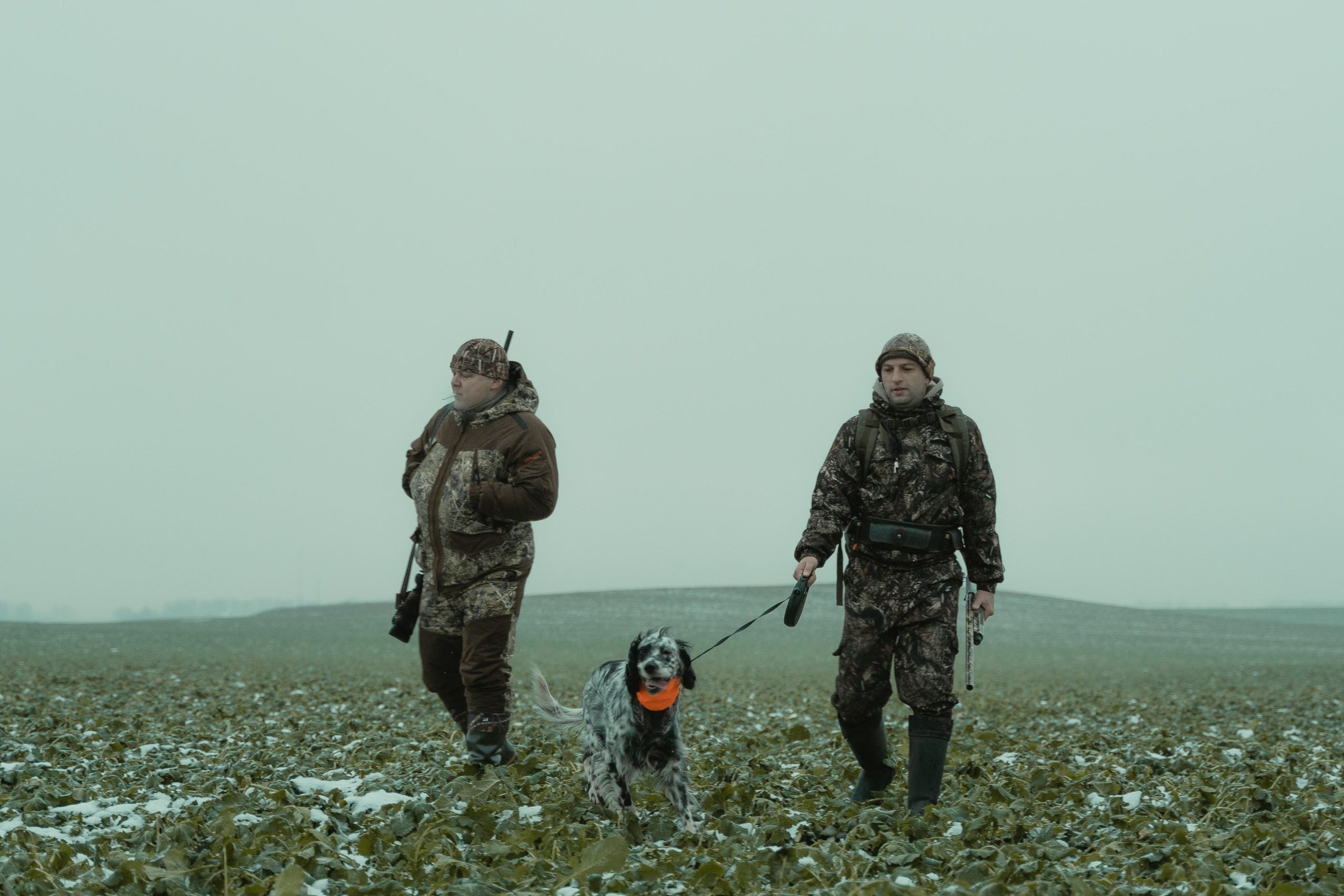
For generations, hunting was about much more than bringing home game. It taught patience, practical outdoor skills, respect for wildlife, and the importance of learning from older family members. In many communities, knowledge was passed down through stories, seasonal routines, handmade equipment, and long days spent outdoors. Today, changing lifestyles, declining participation in some rural traditions, stricter wildlife regulations, and easier access to modern equipment are reshaping these customs. Some traditions continue in dedicated families, while others are becoming harder to preserve as experienced hunters grow older and fewer young people learn the old ways.
1. Learning Directly From Older Family Members
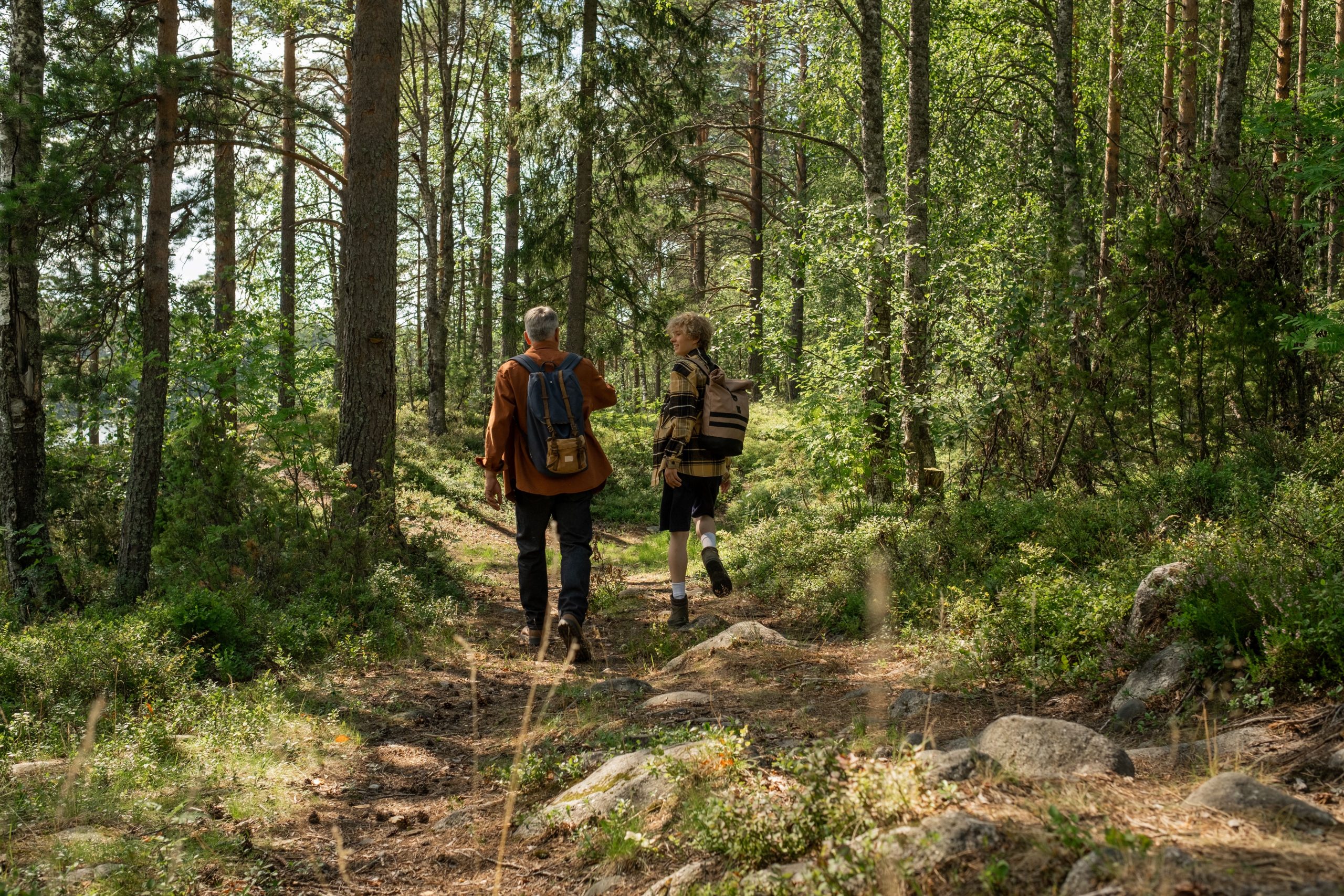
For generations, beginners learned by accompanying a parent, grandparent, aunt, or uncle rather than watching a video. An experienced hunter might explain how to read tracks, notice wind, identify habitat, and stay calm when plans changed. These lessons unfolded over many seasons, with older relatives correcting mistakes and sharing stories tied to a particular place. Busy schedules, moves to cities, and fewer shared weekends can now interrupt that chain of teaching. Mentoring still happens, but the informal family apprenticeship is less common in some communities.
2. Reading Tracks and Signs Without Digital Tools
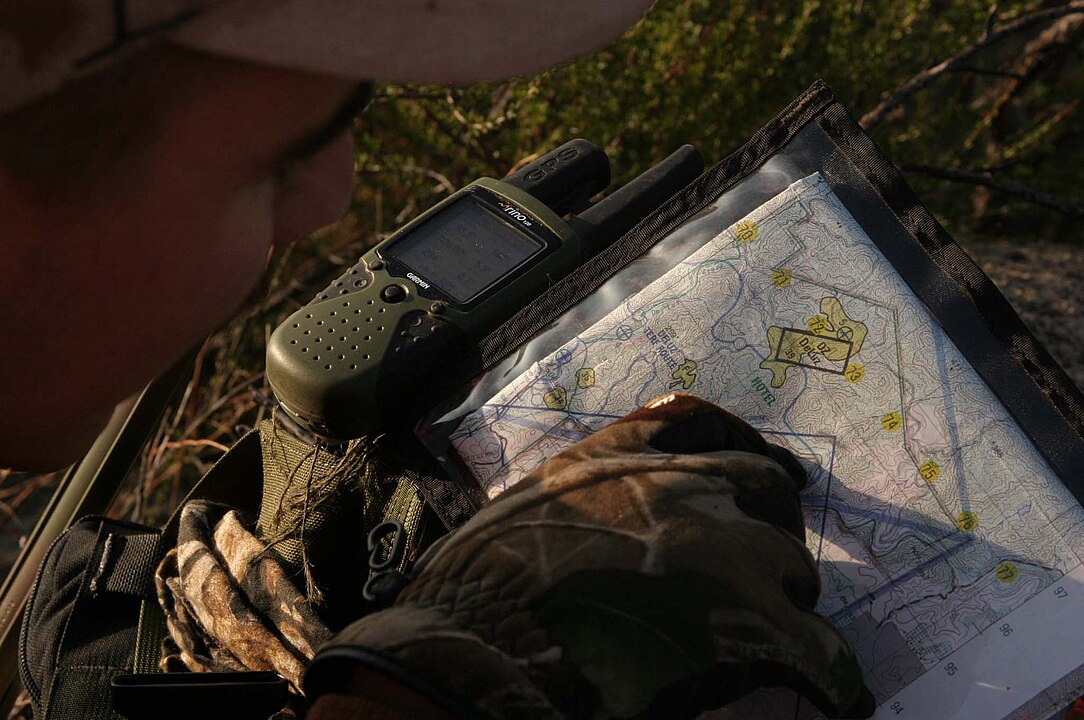
Before phone apps and digital maps became common, hunters relied on observation to understand where animals had moved. A hoofprint, bent stem, broken twig, or patch of disturbed soil could offer clues, judged alongside weather and habitat. Learning this skill took repeated outings and patient guidance, not a single lesson. GPS devices and trail cameras help people gather information, but they cannot automatically replace the ability to interpret a landscape. As fewer beginners practise tracking by eye, some locally developed knowledge risks fading.
3. Passing Down Handmade Hunting Equipment
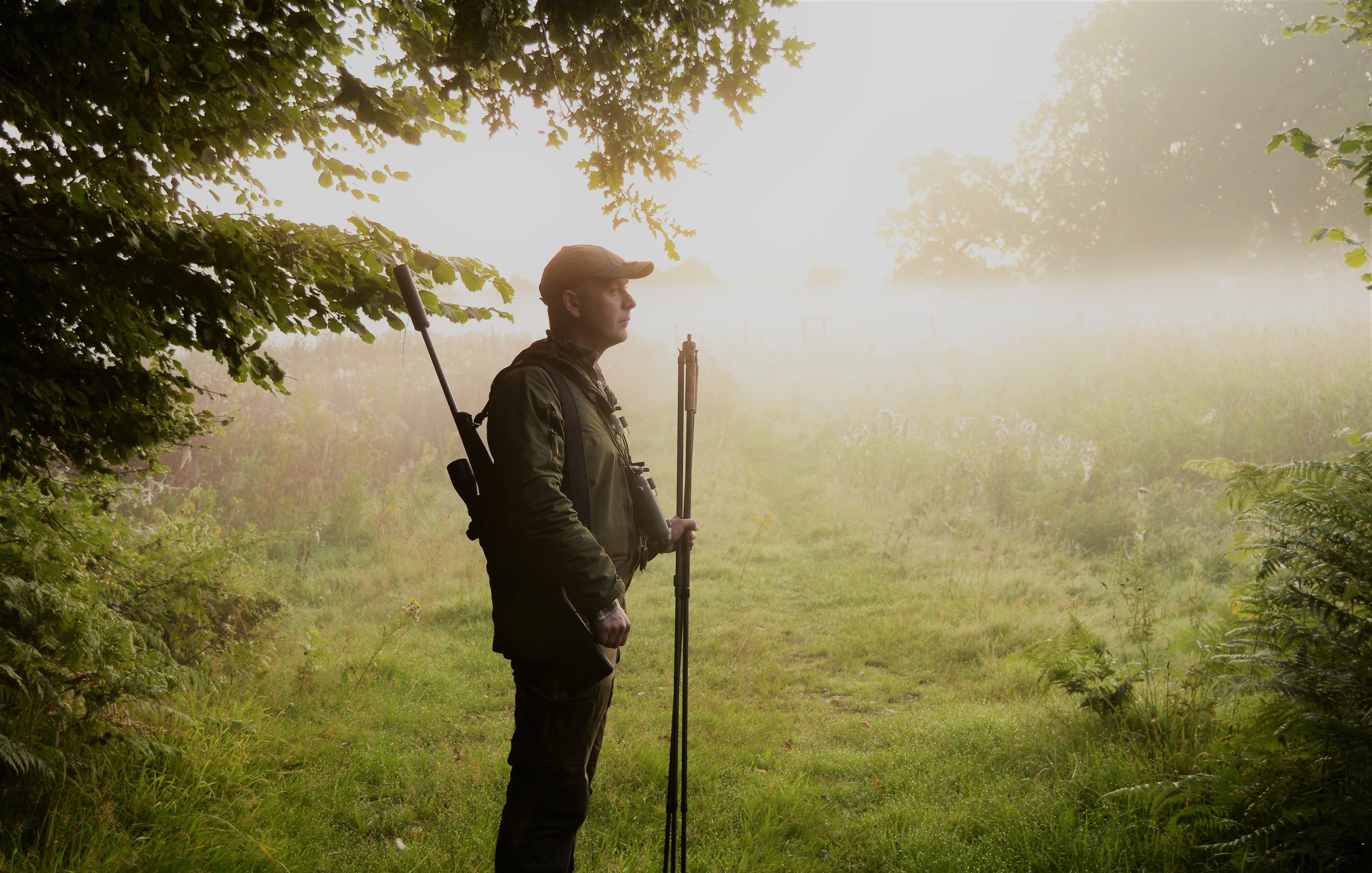
In many families, equipment was repaired, adapted, or made by hand, and the work became part of the tradition. A relative might teach a young hunter to mend a pack, care for leather, carve a simple call, or maintain tools before and after an outing. These objects carried family memories as well as practical value. Factory-made gear is widely available today, often saving time and offering specialised features. Consequently, fewer people learn the craft skills that once helped equipment last for years. Some makers and clubs still teach these methods to new generations.
4. Following Seasonal Knowledge and Local Weather
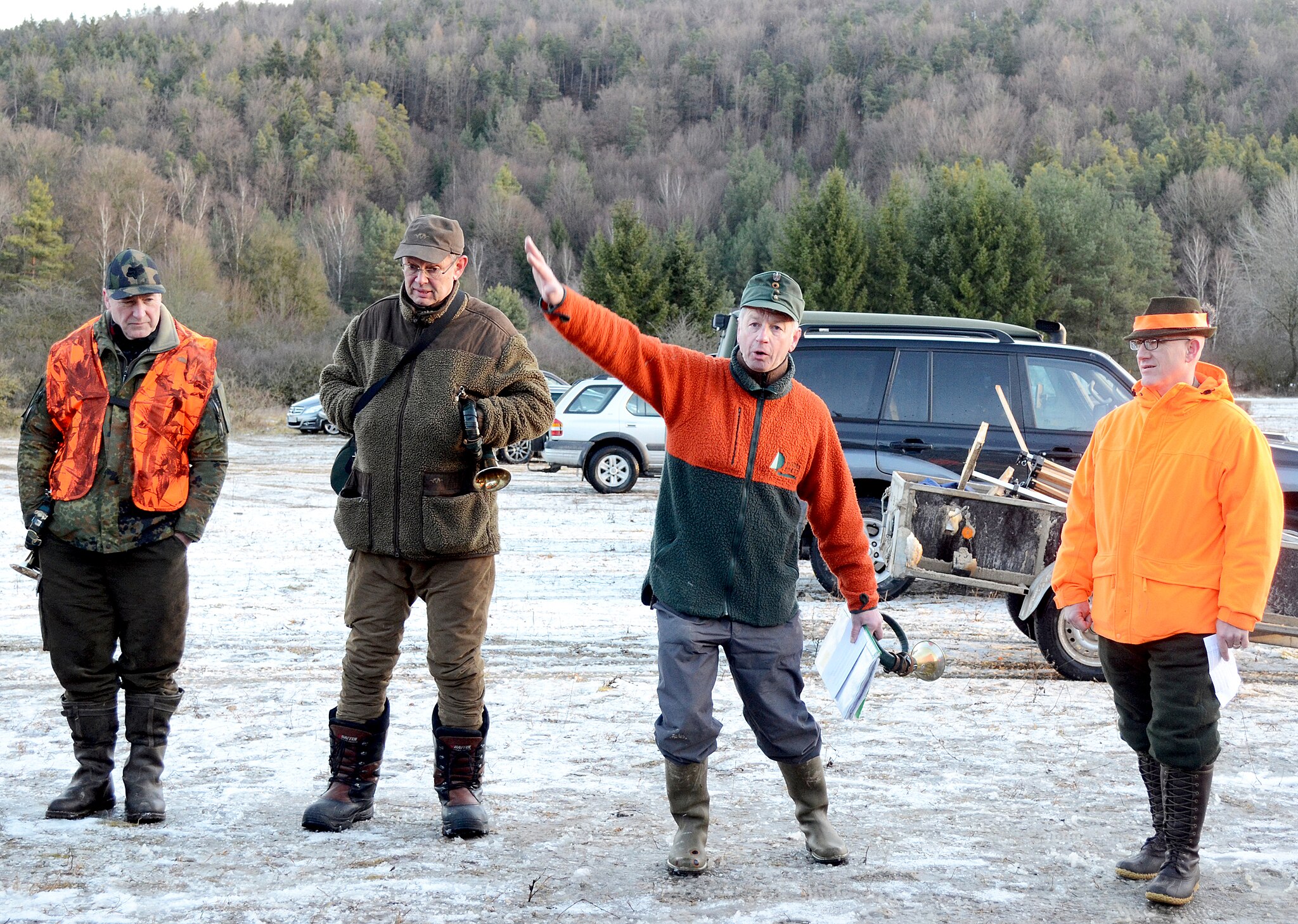
Experienced hunters built routines around seasonal signs: leaf fall, wind shifts, water levels, and animal movement. This knowledge was local, shaped by the climate and habitat of a particular region. Families passed it on through repeated trips and conversations about what had changed from one year to the next. Modern forecasts provide useful support, but changing weather and less time outdoors can weaken these long observations. Seasonal traditions endure where people keep recording, discussing, and checking what they notice across different years.
5. Sharing Food and Stories After a Hunt
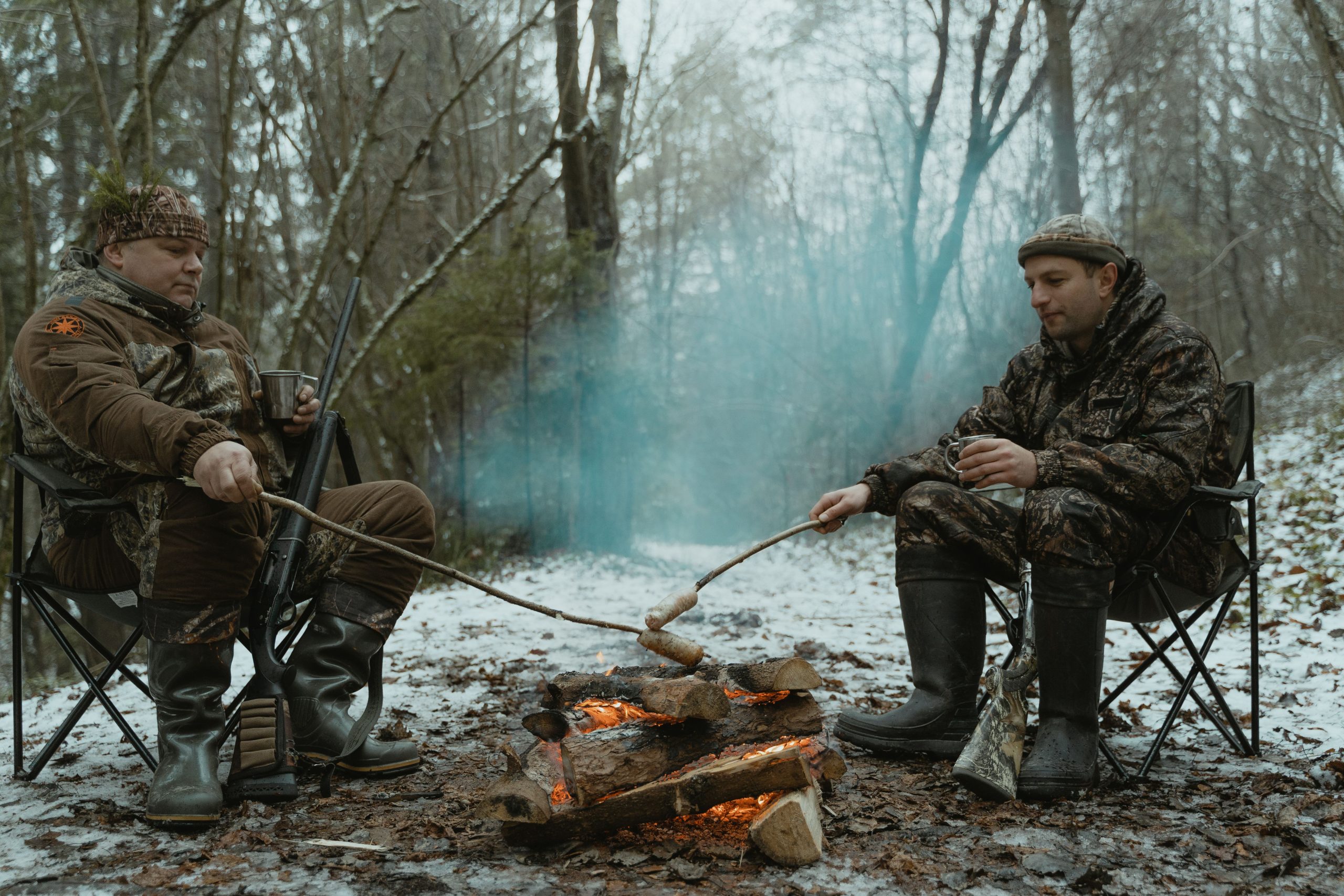
The meal after a hunt could matter as much to a family as the time spent outdoors. Relatives might prepare legally harvested game, explain how different cuts were used, and tell stories about past trips or hard lessons. These gatherings taught younger people that hunting involved responsibility, food preparation, and cooperation, not simply pursuing an animal. Store-bought food, changing diets, and busy households have reduced this ritual in some places. Where local law and safe food handling permit, shared cooking and storytelling can keep the social tradition alive.
6. Using Traditional Calls and Fieldcraft
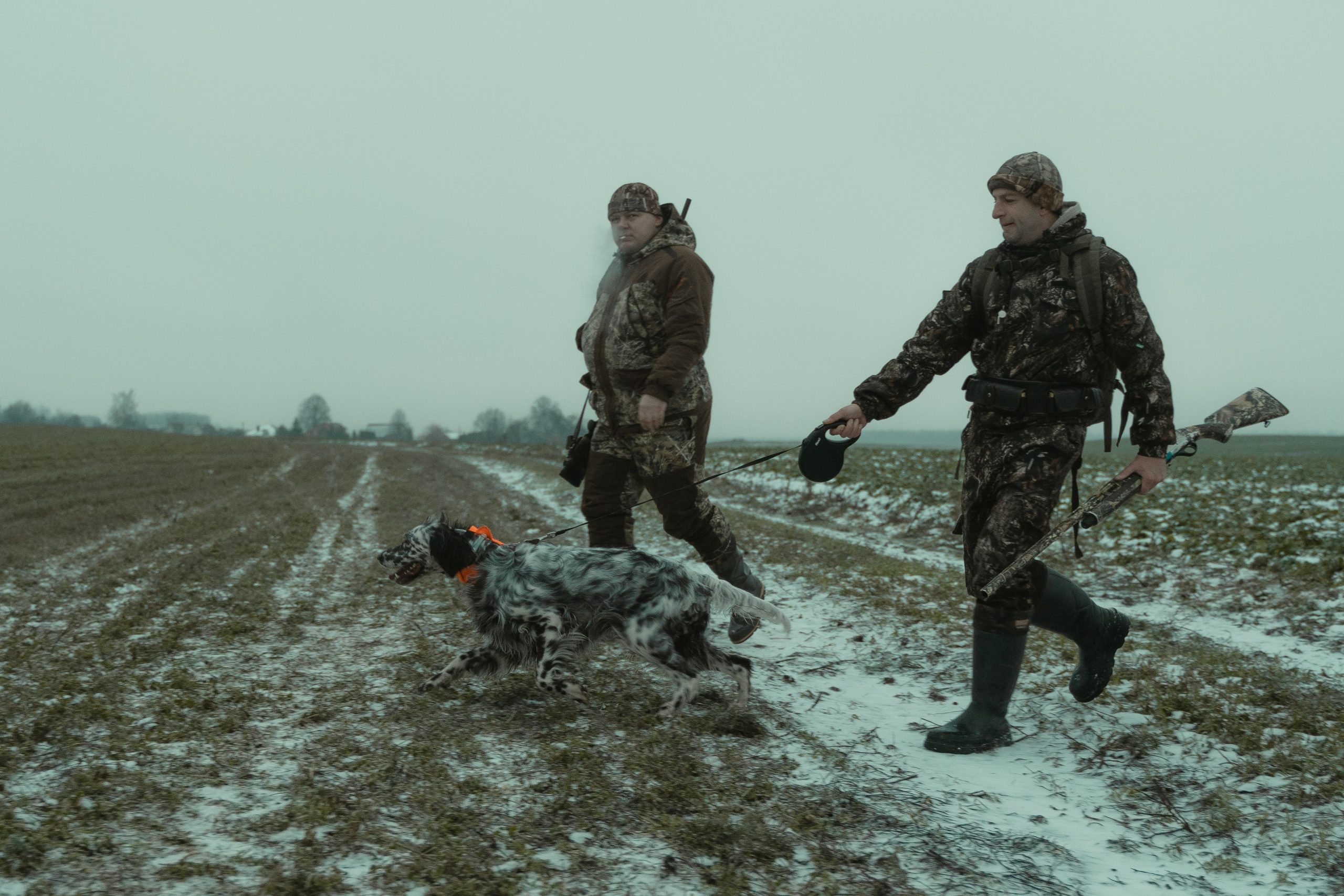
Before electronic devices became common, hunters in some regions learned to imitate animal sounds or use simple calls made from wood, bone, or reeds. The skill depended on timing, restraint, and understanding how animals might respond. Fieldcraft also included moving quietly, choosing suitable cover, and avoiding needless disturbance. Manufactured calls and digital aids can make some techniques easier, but may leave less reason to learn older methods. Traditional calling varies by species and region, so it should always be practised within current hunting rules and seasons.
7. Teaching Respect for Wildlife and the Land
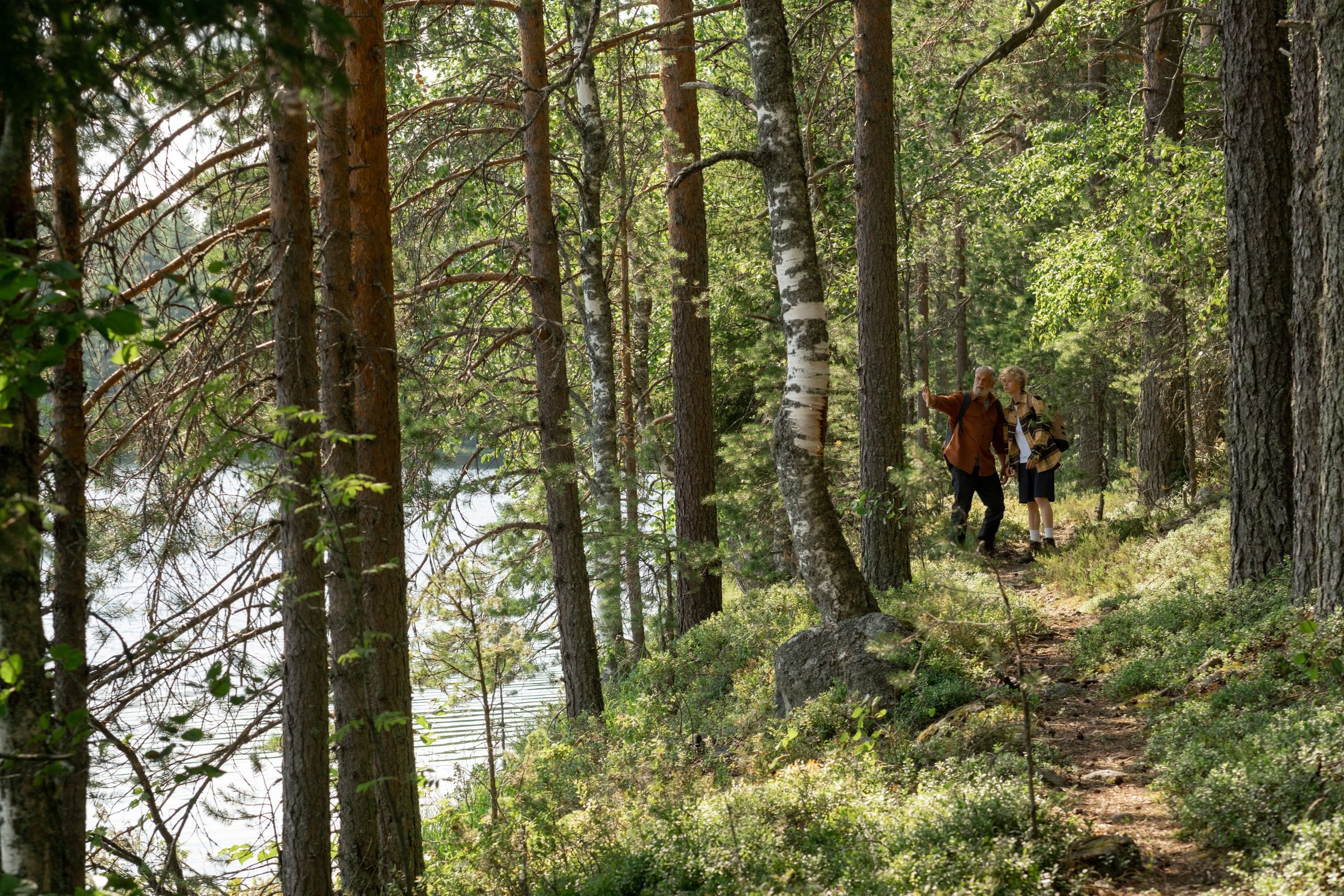
Many hunting families taught respect through everyday habits: following seasons, taking only lawful game, using meat responsibly, and leaving habitats undamaged. Elders explained these principles through examples, linking them to wildlife populations and the future of the land. When young people have fewer chances to spend time with experienced mentors, those unwritten expectations can be harder to pass on. Regulations and conservation science remain essential, while community outings and careful instruction help carry practical ethics into the next generation.