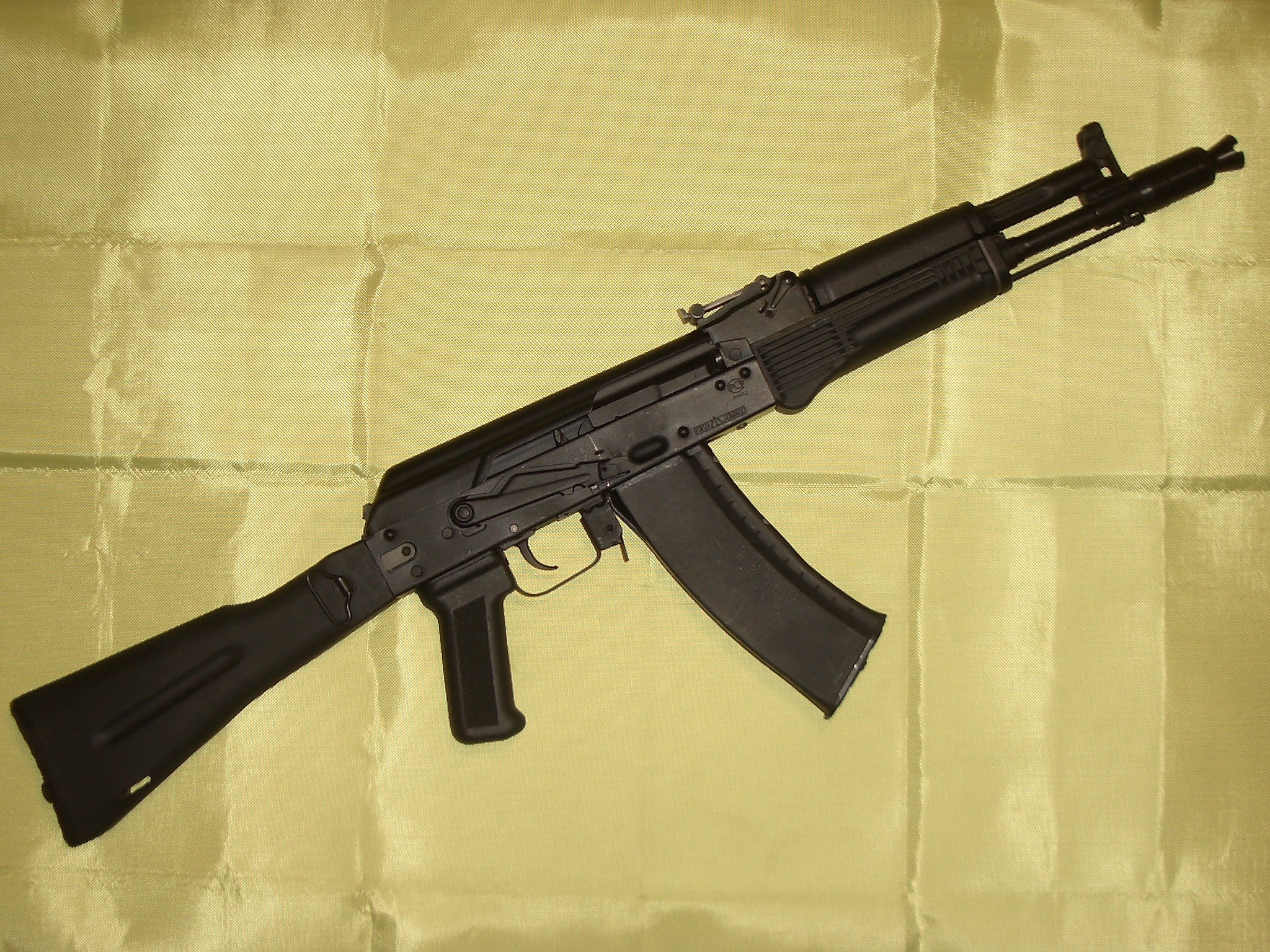
The Soviet 5.45x39mm cartridge was one of the most important small-arms changes of the Cold War. Adopted in 1974 alongside the AK-74, it replaced the heavier 7.62x39mm ammunition used by earlier Kalashnikov rifles. Its lightweight projectile, high velocity, and unusual internal construction created a reputation that became especially notorious during the Soviet-Afghan War. Afghan fighters called it the “Poison Bullet,” but the name came from the wounds it produced, not from any chemical substance inside the ammunition.
1. It Marked a Major Soviet Caliber Change
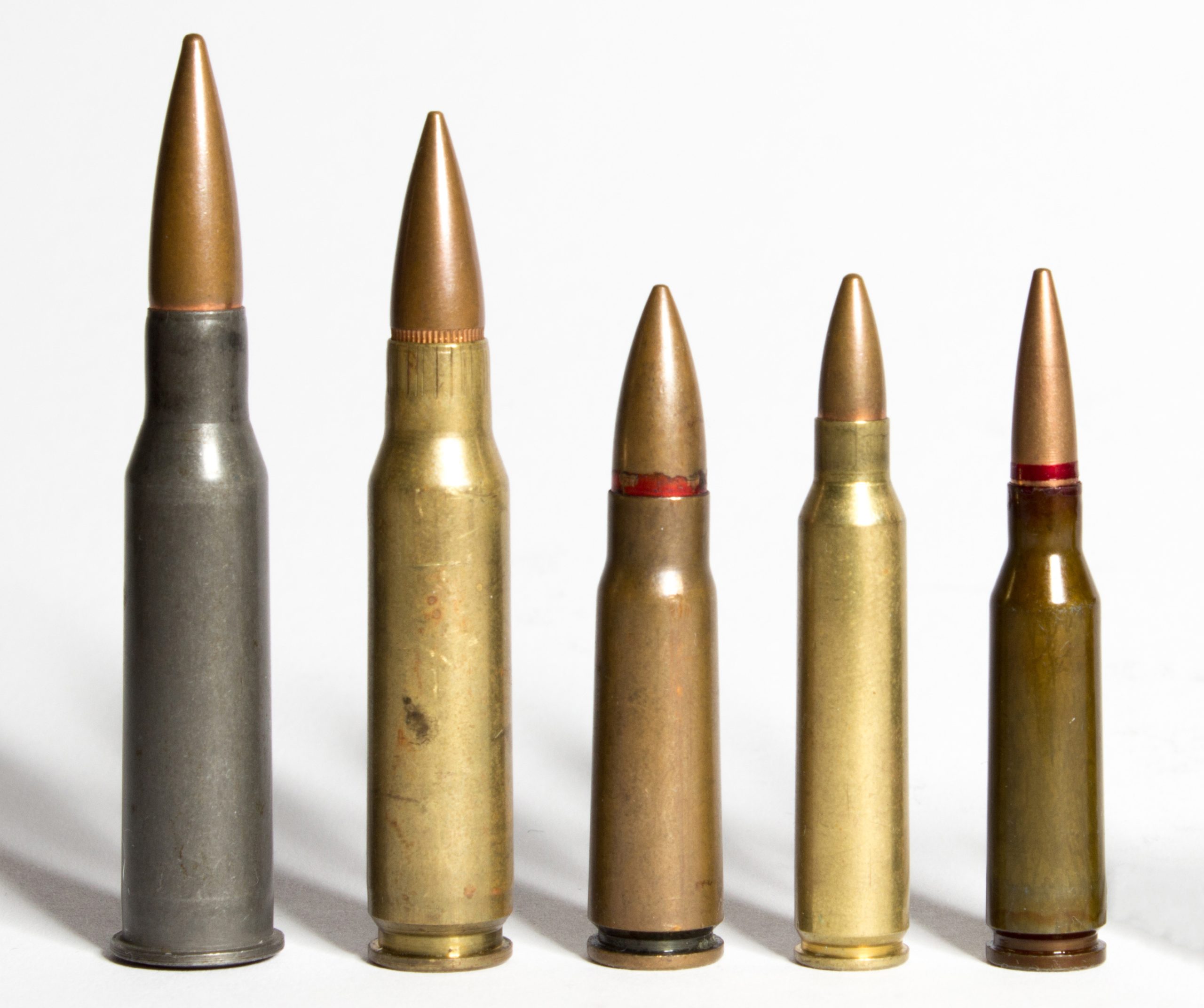
The 5.45x39mm represented a major shift in Soviet infantry ammunition. Officially adopted in 1974, it was considerably smaller than the 7.62x39mm cartridge used by the AK-47 and AKM. The new round used a lighter projectile and generated substantially less recoil, allowing soldiers to control automatic fire more easily. Its development reflected a wider Cold War movement toward smaller, faster rifle cartridges. The American 5.56x45mm had already demonstrated the military appeal of this concept, and the Soviets pursued a comparable solution. The change affected both rifles and logistics.
2. The Original 7N6 Bullet Was Unusually Complex
The standard 7N6 projectile was not simply a small conventional full-metal-jacket bullet. It weighed about 3.43 grams, or roughly 53 grains, and contained a mild-steel core surrounded by lead and enclosed by a metal jacket. Most unusually, a small air cavity existed inside the forward portion of the projectile. That empty space helped move the bullet’s center of gravity rearward. When the projectile encountered soft tissue, this geometry could encourage rapid yaw. The effect became central to the cartridge’s fearsome reputation.
3. “Poison” Never Meant Actual Poison
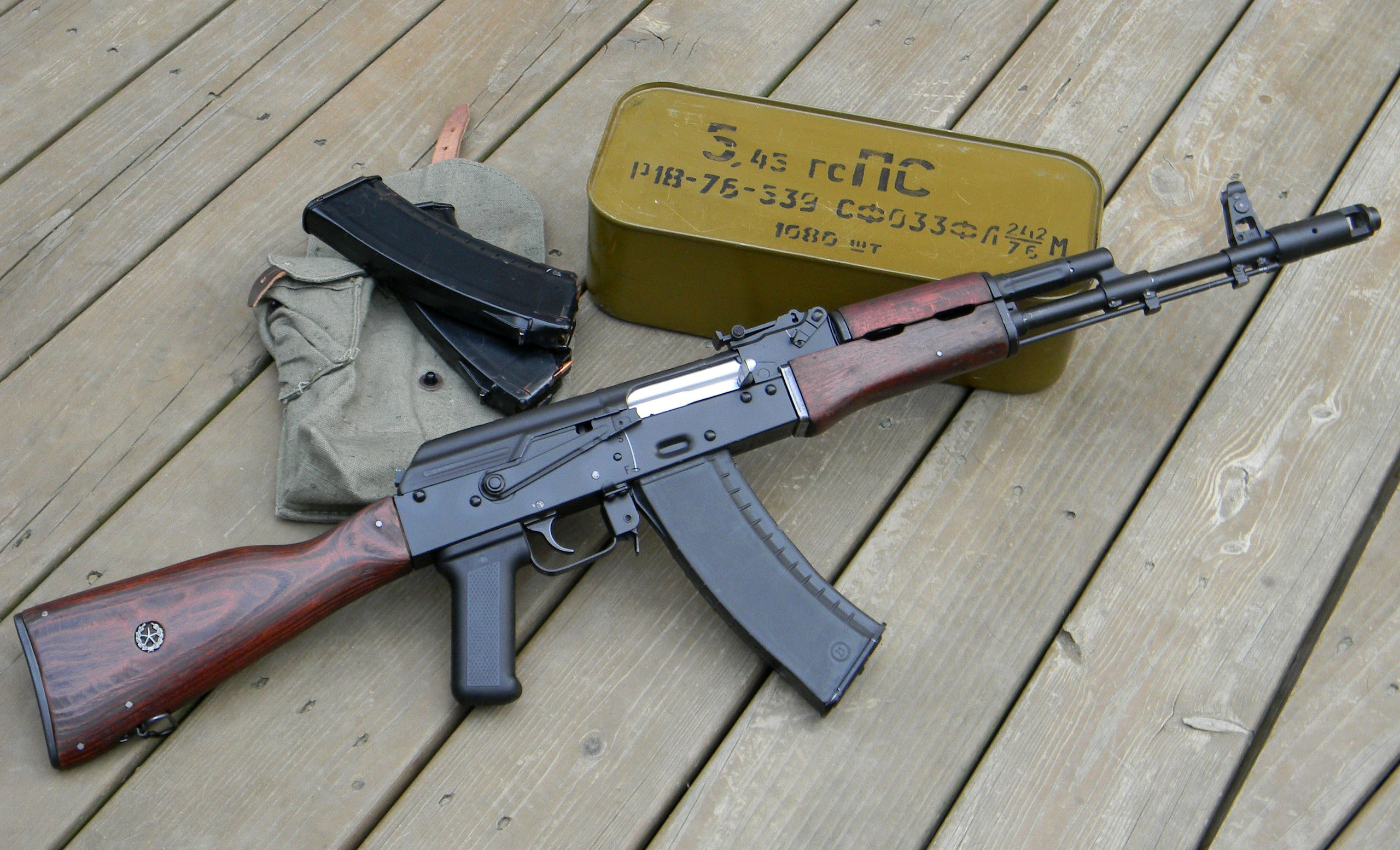
The nickname can easily create the wrong impression. There was no chemical poison deliberately placed inside ordinary 7N6 ammunition. The expression developed during the Soviet-Afghan War, when Afghan fighters encountered the new cartridge and observed unusually severe wounds. Compared with the older 7.62x39mm ammunition they already knew, the small 5.45mm projectile could behave very differently after striking tissue. Delayed treatment, infection, and limited medical resources sometimes made battlefield injuries dramatically worse. Those experiences helped produce a nickname that sounded far more sinister than the cartridge’s actual construction.
4. The Air Space Was the Interesting Engineering Detail
The tiny cavity near the nose was arguably the most famous feature of the original 7N6 design. The projectile’s steel core did not extend completely into the tip, leaving approximately 5 millimeters of open space ahead of it. That arrangement placed more of the bullet’s mass toward the rear and made its flight through tissue less stable after impact. The result was a tendency to yaw rather than simply travel point-forward. This was not the same mechanism as a conventional expanding hollow-point bullet. Its behavior came primarily from projectile geometry and instability.
5. Its Small Size Helped Make It Fast
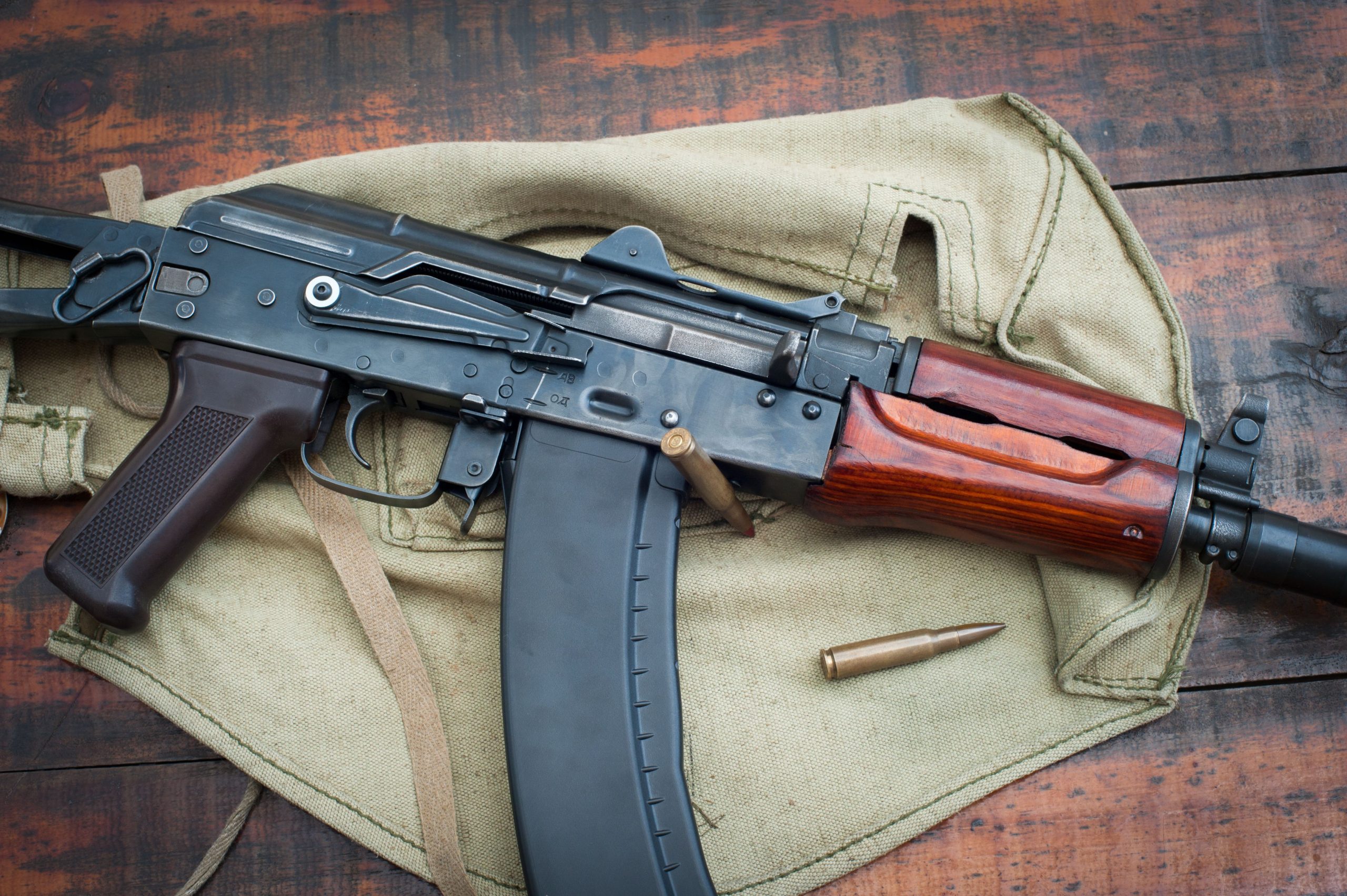
The 5.45x39mm was designed around a relatively light projectile traveling at high velocity. Representative descriptions put the original military projectile at around 3.4 grams, while published velocity figures commonly approach 900 meters per second depending on the test conditions and barrel length. That combination produced a comparatively flat trajectory and helped reduce recoil. The cartridge also weighed less than the older 7.62x39mm ammunition, allowing soldiers to carry more individual rounds for a similar ammunition burden. These practical advantages were central to the Soviet decision to adopt it.
6. Afghanistan Made Its Reputation Famous
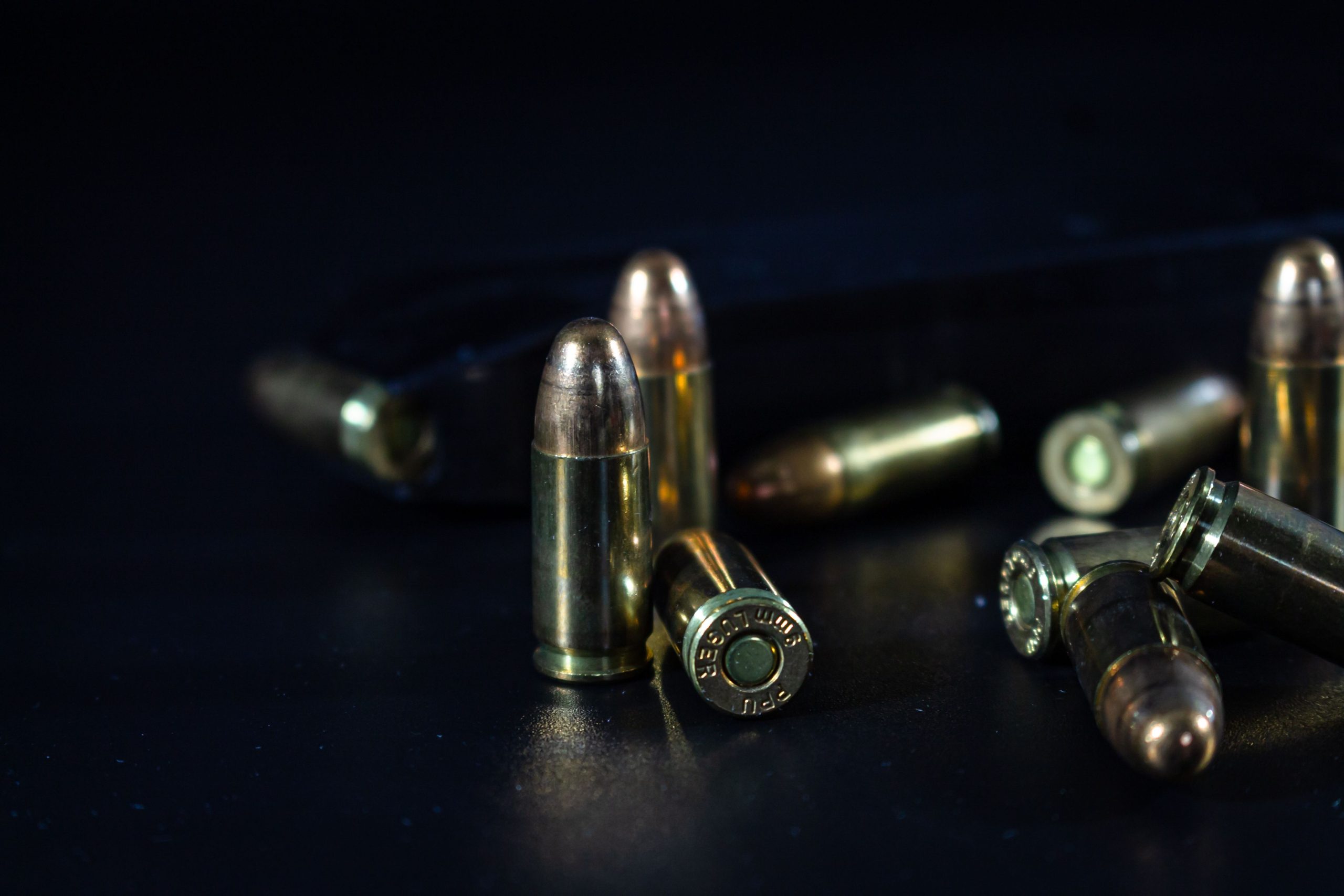
The cartridge’s infamous nickname became strongly associated with the Soviet-Afghan War, which lasted from 1979 to 1989. Soviet troops using the AK-74 brought the new ammunition into a conflict where many opposing fighters were already familiar with older Kalashnikov cartridges. The difference in projectile behavior quickly attracted attention. Reports of severe wounds helped create the belief that something unusual was inside the ammunition. In reality, the reputation reflected the interaction of projectile design, velocity, impact behavior, and battlefield medical conditions rather than a hidden toxic substance. Afghanistan turned a technical design into a legend.
7. Later Versions Changed the Penetration Equation
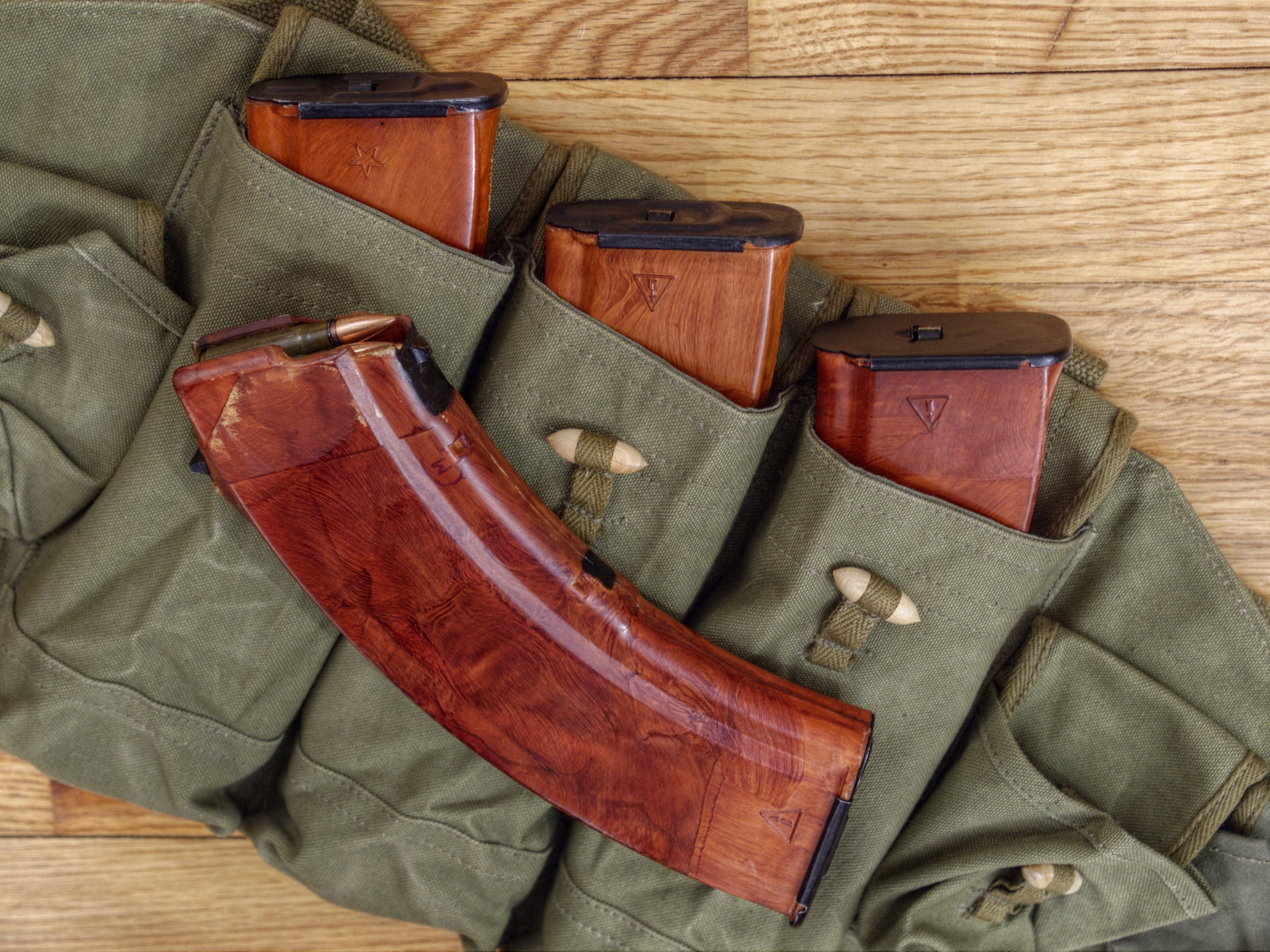
The original 7N6 was not the final form of Soviet 5.45mm military ammunition. Later developments included improved-penetration designs, reflecting changing requirements and advances in protective equipment. The 7N10, for example, introduced a stronger penetrator and became associated with improved penetration performance. Other specialized variants followed, including the 7N22 armor-piercing cartridge. These developments show that the Soviet ammunition program was not focused on one mysterious “poison” bullet. It was a continuing family of cartridges adapted to changing battlefield requirements and protective technologies.
8. The Round Was Designed for More Than Wounding
It is misleading to describe the 5.45x39mm solely through its terminal reputation. Soviet designers were also pursuing controllability, ammunition weight, effective range, and practical automatic-fire performance. A lighter projectile meant soldiers could carry more ammunition without increasing their load as dramatically. Lower recoil helped keep bursts closer together, while high velocity provided a relatively flat trajectory. The cartridge therefore represented a complete infantry-system change rather than a single attempt to create greater battlefield injury. Its famous reputation came later and overshadowed many of its original military advantages.
9. Its Legacy Survived the Soviet Union
The 5.45x39mm did not disappear with the Soviet Union. The cartridge remained associated with the AK-74 family and numerous later rifles derived from the same basic system. Its history now stretches across more than 50 years, from Soviet adoption in 1974 through conflicts and military service well beyond the Cold War. The “Poison Bullet” nickname remains one of the most memorable stories associated with it, but its deeper legacy is technological. It represents the Soviet transition toward smaller-caliber, high-velocity infantry ammunition and a different philosophy of controllable rifle fire.