One local gun store is suddenly carrying national legal weight. What happens next in Missouri could influence the future of suppressor and short-barreled firearm regulation across the country.
The Missouri case that turned a retailer into a national test case

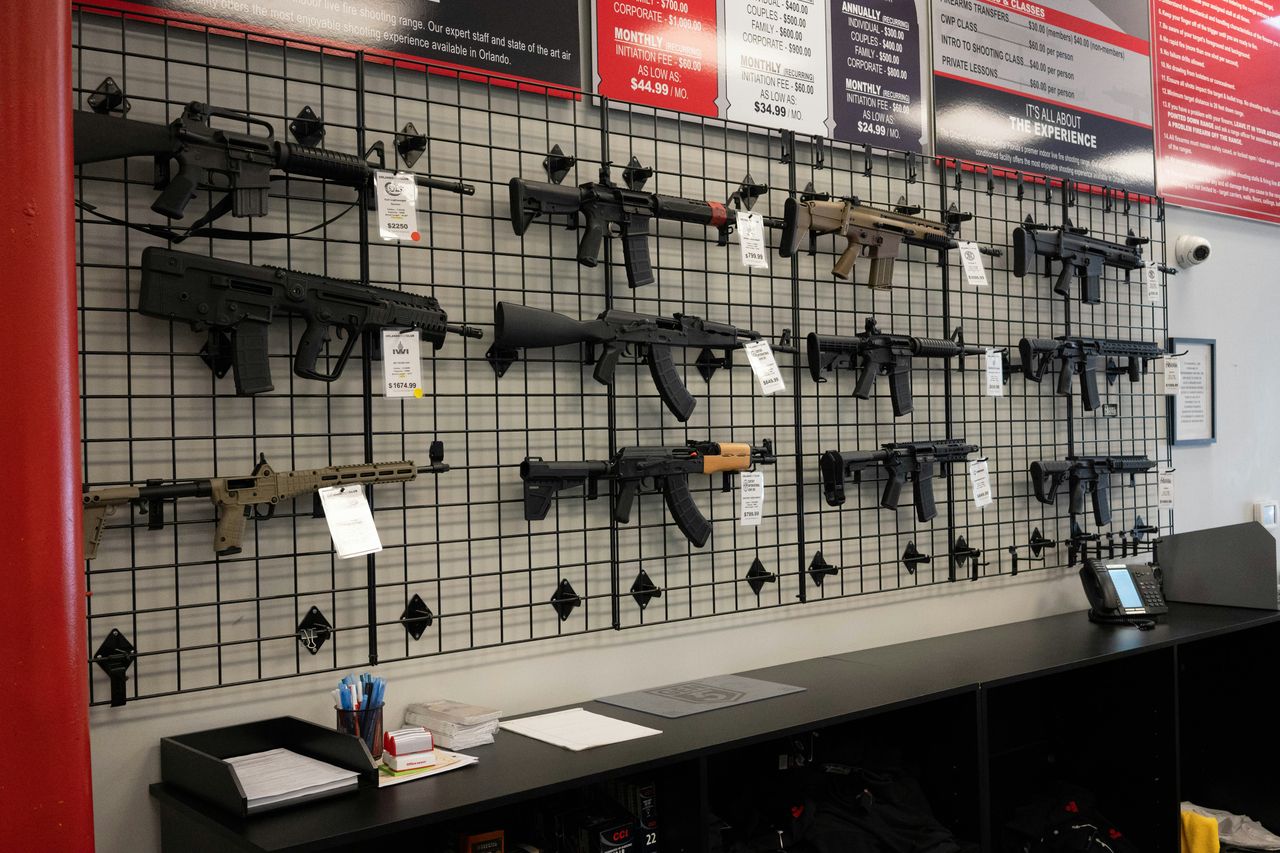
The retailer at the heart of this fight is Prime Protection STL Tactical Boutique, a federally licensed gun store in Bridgeton, Missouri. In the pending federal case Brown v. ATF, Prime Protection STL is not a side character. It is one of the named plaintiffs challenging the continued enforcement of major parts of the National Firearms Act, or NFA, in the U.S. District Court for the Eastern District of Missouri.
According to the complaint and case summaries published by the Firearms Policy Coalition and the Second Amendment Foundation, the lawsuit was filed on August 1, 2025. The plaintiff lineup includes individual gun owners, Prime Protection STL, the NRA, FPC, SAF, and the American Suppressor Association. As of August 2026, the case remains active, with an August 10, 2026 hearing transcript now listed in the docket activity.
That matters because this is no longer a theoretical policy debate. It is a live constitutional challenge backed by an actual retailer that says federal law is directly interfering with what it can sell and what its customers are willing to buy.
Prime Protection’s role gives the case something courts often look for: a concrete business injury. The store is not merely arguing ideology. It is claiming that the NFA’s registration rules suppress lawful commerce in suppressors, short-barreled rifles, and short-barreled shotguns.
Why Prime Protection STL gives the lawsuit unusual force
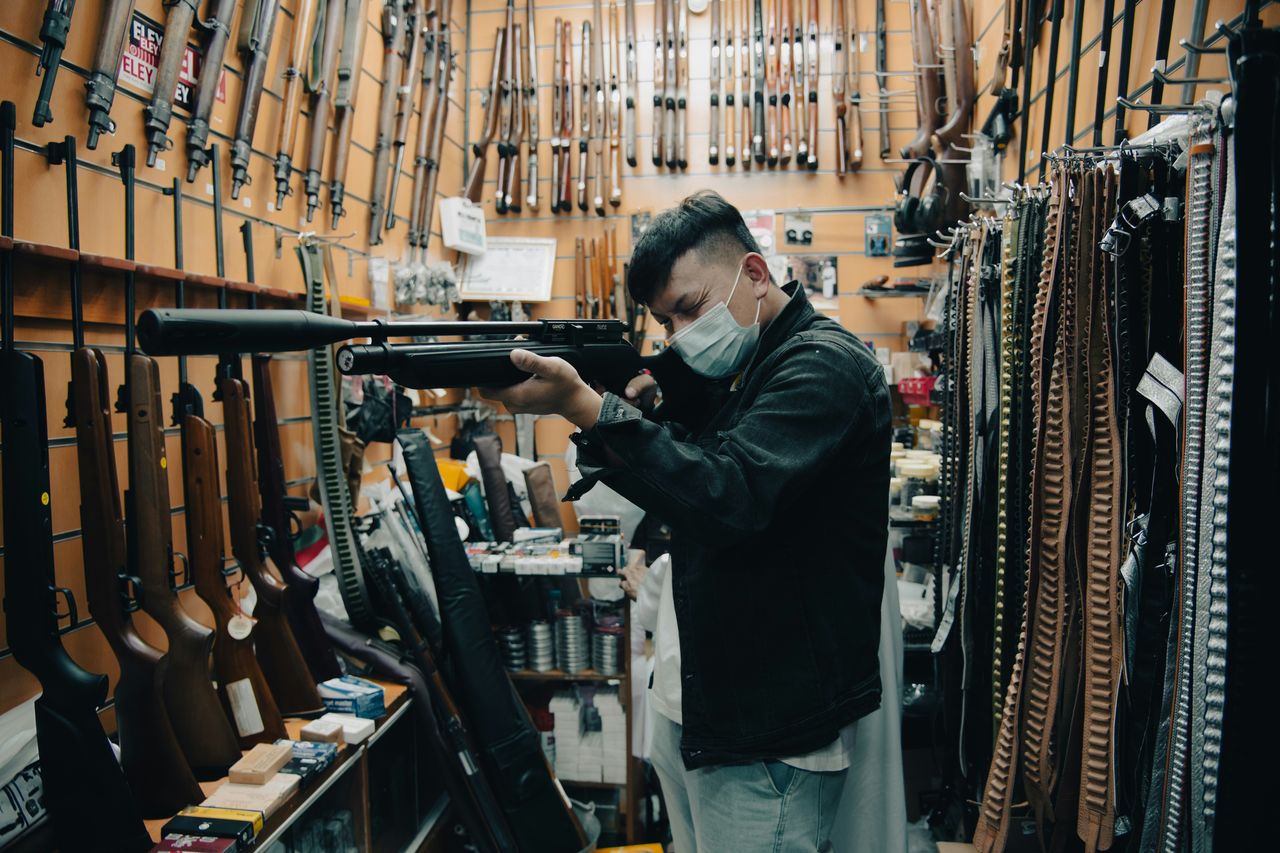
The complaint describes Prime Protection STL as a Black-owned, federally licensed firearms store in St. Louis County with a primarily Black customer base. That is a notable detail because the plaintiffs are not framing the case only as a technical fight over paperwork. They are also presenting it as a real-world burden that falls on ordinary customers who do not want to navigate what the complaint calls intrusive federal requirements.
In the filing, the retailer says it is licensed to sell NFA items but has not sold any because customers do not want to comply with the process. The complaint further says that, absent the challenged federal rules, the store would sell suppressors, short-barreled rifles, and short-barreled shotguns without having to route those transactions through the NFA system.
That makes Prime Protection especially useful as a plaintiff. A retailer can explain delayed sales, lost customers, chilled demand, and the practical friction that comes with extra federal registration steps. Courts tend to pay close attention when a plaintiff can show measurable harm rather than broad disagreement with a statute.
There is also a strategic element here. A Missouri retailer lets the challengers show that this is not just a fight being driven by large national advocacy groups. It is anchored in a local business that says federal law is changing what happens at the gun counter every day.
The core legal argument against the NFA after the tax went to $0

The lawsuit’s main argument is simple enough for nonlawyers to follow. The NFA was enacted in 1934 and has long required registration of certain firearms and firearm accessories, along with a tax on making or transferring them. For decades, that tax was $200 for regulated items like suppressors and short-barreled rifles.
But according to the SAF and AP, Congress and President Donald Trump eliminated that $200 tax for silencers, short-barreled rifles, short-barreled shotguns, and “any other weapons,” with the change taking effect on January 1, 2026. The Missouri plaintiffs argue that once the tax became $0, the constitutional foundation for a tax-driven registration regime largely disappeared.
That is why supporters of the suit keep returning to the same line of attack. If the NFA was historically justified as an exercise of Congress’s taxing power, what happens when the tax is gone but the registration and criminal penalties remain? In plain terms, the plaintiffs say Washington is still enforcing the machinery of a tax law after removing the tax itself.
This is the legal opening that transformed a regional retailer into a national player. Prime Protection STL helps put commercial facts behind a constitutional theory that might otherwise sound abstract.
Why are suppressors the flashpoint in this fight
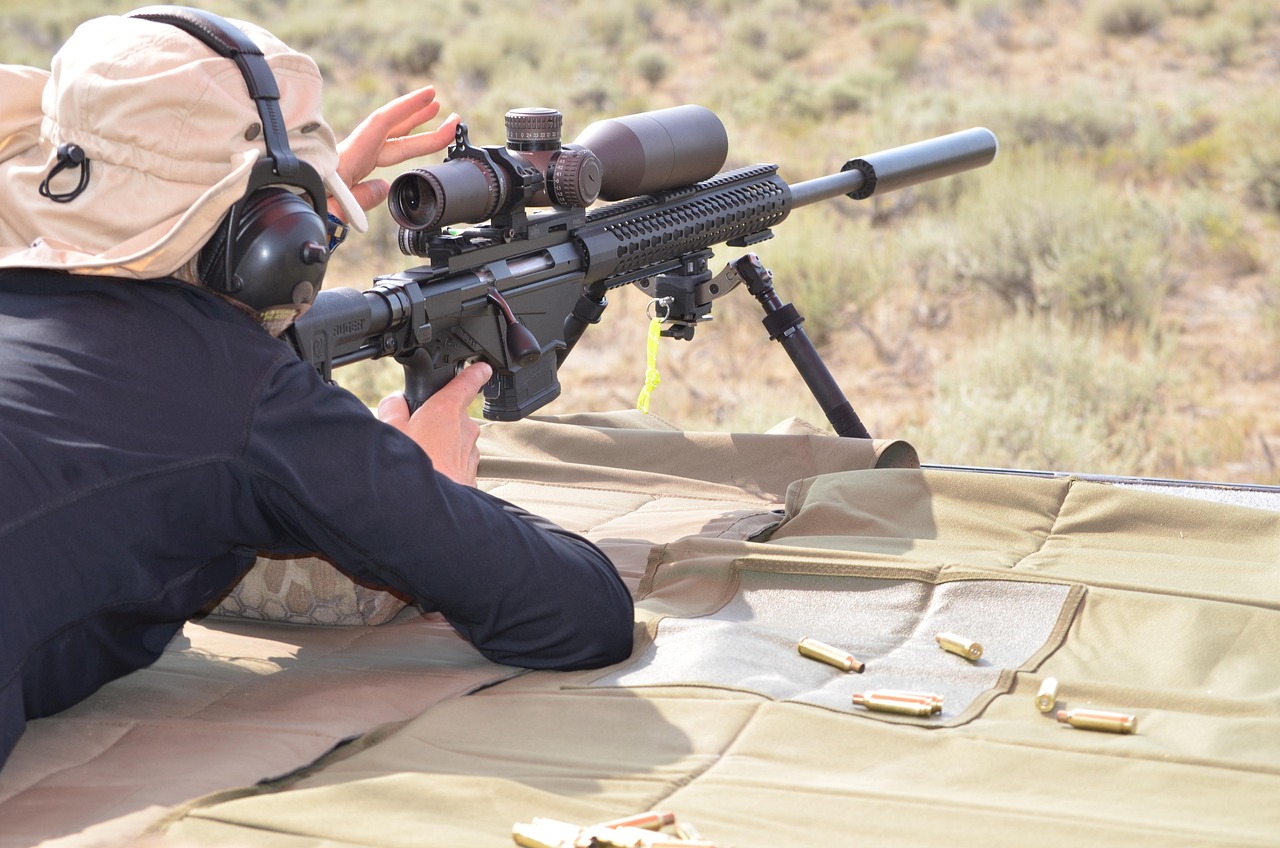
Suppressors are at the center of this challenge for both legal and political reasons. They are one of the most heavily discussed NFA items, and advocates routinely argue that they function more like hearing protection devices than criminal tools. The American Suppressor Association has leaned hard into that point, describing suppressors as modern hearing protection and emphasizing lawful sporting and defensive uses.
The challengers also argue that suppressors fall within the Second Amendment’s protection because they are closely tied to the operation and use of firearms. That question has become more important since the Supreme Court’s Bruen decision changed how lower courts analyze gun regulations, pushing judges to focus more on text, history, and tradition.
At the same time, suppressors make for a compelling retail story. Unlike more exotic NFA items, suppressors occupy a growing part of the lawful shooting market. They appeal to hunters, recreational shooters, and customers concerned about noise, recoil management, and range comfort.
For a store like Prime Protection STL, that means the law is not blocking some fringe product category. It is allegedly cutting off sales in a segment with broad consumer interest. That helps explain why this retailer is such a strong face for the challenge.
Missouri is not the only battleground, but its case could be one of the biggest

This lawsuit is landing at the same time that other NFA challenges are moving in different courts. The biggest recent jolt came from Texas, where AP reported on August 13, 2026, that a federal court order striking down regulations on suppressors and certain short-barreled firearms took effect after the Justice Department did not appeal within the judge’s seven-day deadline.
That Texas order is not a national injunction. It benefits the parties in that suit, including some dealers outside northern Texas, but it does not automatically erase the NFA everywhere. Even so, it changed the tone around these cases. What had looked like a long-game constitutional campaign now looks more immediate.
That shift raises the stakes in Missouri. Brown v. ATF is still pending, but it sits in a legal environment where at least one federal judge has already concluded that these regulations cannot stand after the tax change. Judges are not bound by every district court decision elsewhere, yet they absolutely notice them.
So Missouri is part of a broader wave, but it still matters on its own terms. A favorable ruling there could deepen the split in lower courts and push the issue closer to the Supreme Court.
What gun owners, retailers, and regulators are really watching
For gun owners, the practical question is whether NFA registration for certain items can survive if the tax rationale no longer does. For retailers, the question is even more immediate. Can they stock, market, and transfer suppressors or short-barreled firearms like ordinary firearms, or will a separate federal regime remain in place?
Prime Protection STL embodies that uncertainty. The complaint says the business has the federal licensing needed to deal in NFA items, yet claims the current rules have effectively prevented those sales from happening. If a court accepts that logic, the case becomes a powerful example of how federal regulation can distort a lawful market even without an active tax burden.
Regulators, meanwhile, are watching a different issue. If courts start treating the remaining NFA framework as constitutionally detached from Congress’s taxing power, the government may have to defend the system on narrower and more contested grounds, including public safety and historical analogues under modern Second Amendment doctrine.
That is a much harder battlefield than simply saying Congress imposed a tax and attached recordkeeping to it. Once the tax drops to zero, the old script gets shaky fast.
Why this Missouri retailer matters far beyond Missouri
Prime Protection STL is now central because it turns a sweeping constitutional challenge into a grounded story about a local business, real customers, and blocked transactions. That combination is powerful in litigation. Courts often want to see not just a legal theory, but also a plaintiff who can show exactly how the law bites in daily life.
The Missouri case also arrives at a moment when the NFA looks more vulnerable than it has in years. The statute is still on the books, and Brown v. ATF has not yet produced a final ruling. But the August 2026 Texas development shows that judges are now willing to test whether the law’s remaining structure can survive after the tax was wiped away.
If that momentum continues, Prime Protection STL may be remembered as more than just one St. Louis area gun shop. It could become one of the businesses that helped force the next major judicial reckoning over the NFA.
And that is why this case matters. It is not only about Missouri, and it is not only about one retailer. It is about whether one of America’s oldest federal gun laws can still stand in its current form after one of its core pillars was removed.