Concealed carry advice often assumes a younger body, faster reflexes, and a wardrobe built around a belt and waistband holster. Many seniors say the real conversation should be about adapting to changing mobility, grip strength, vision, and daily routines without sacrificing safety. This gallery explores the practical adjustments older carriers keep making quietly, even when the wider firearms industry barely mentions them.
Holsters need to prioritize comfort over trend
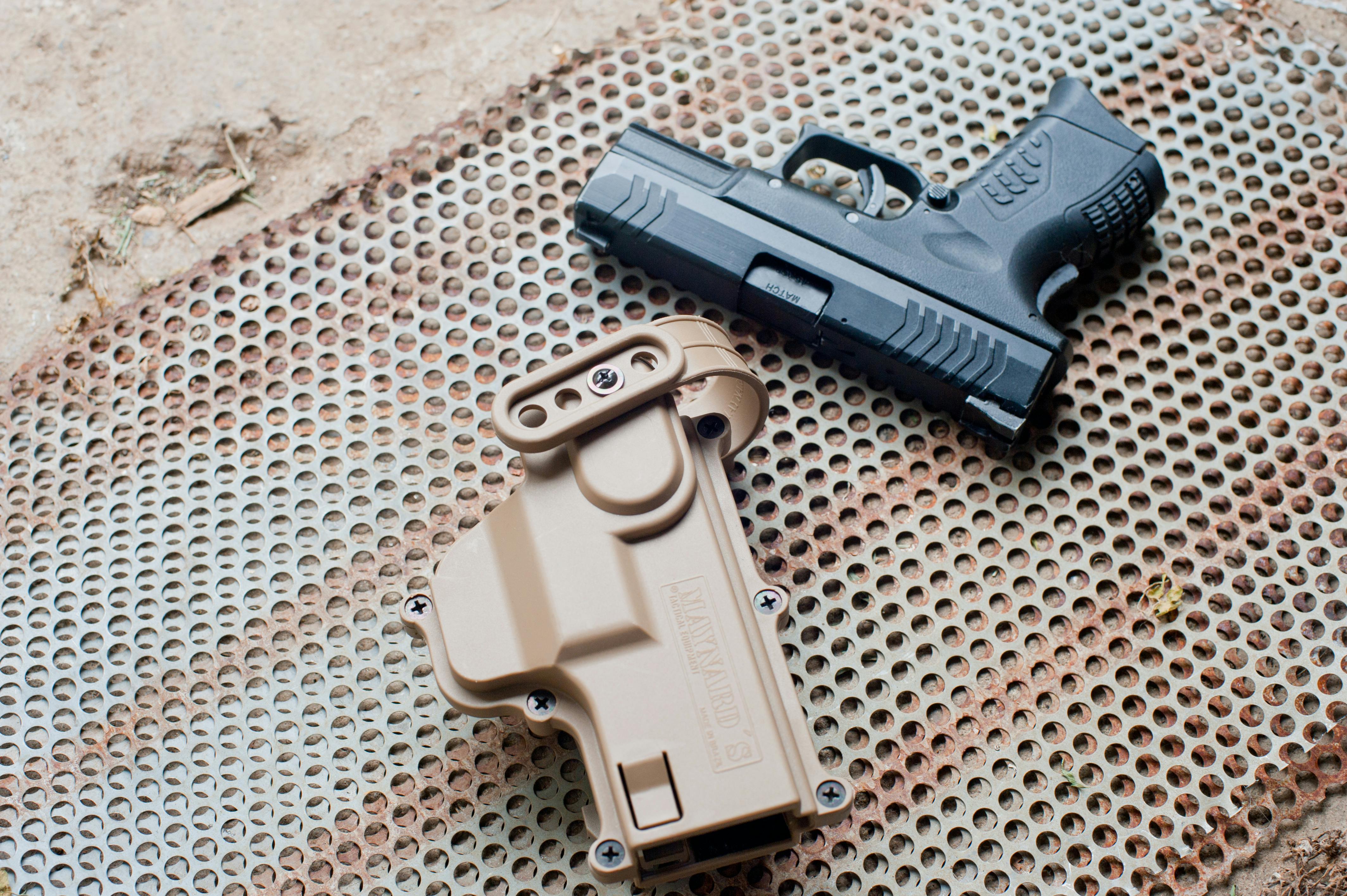
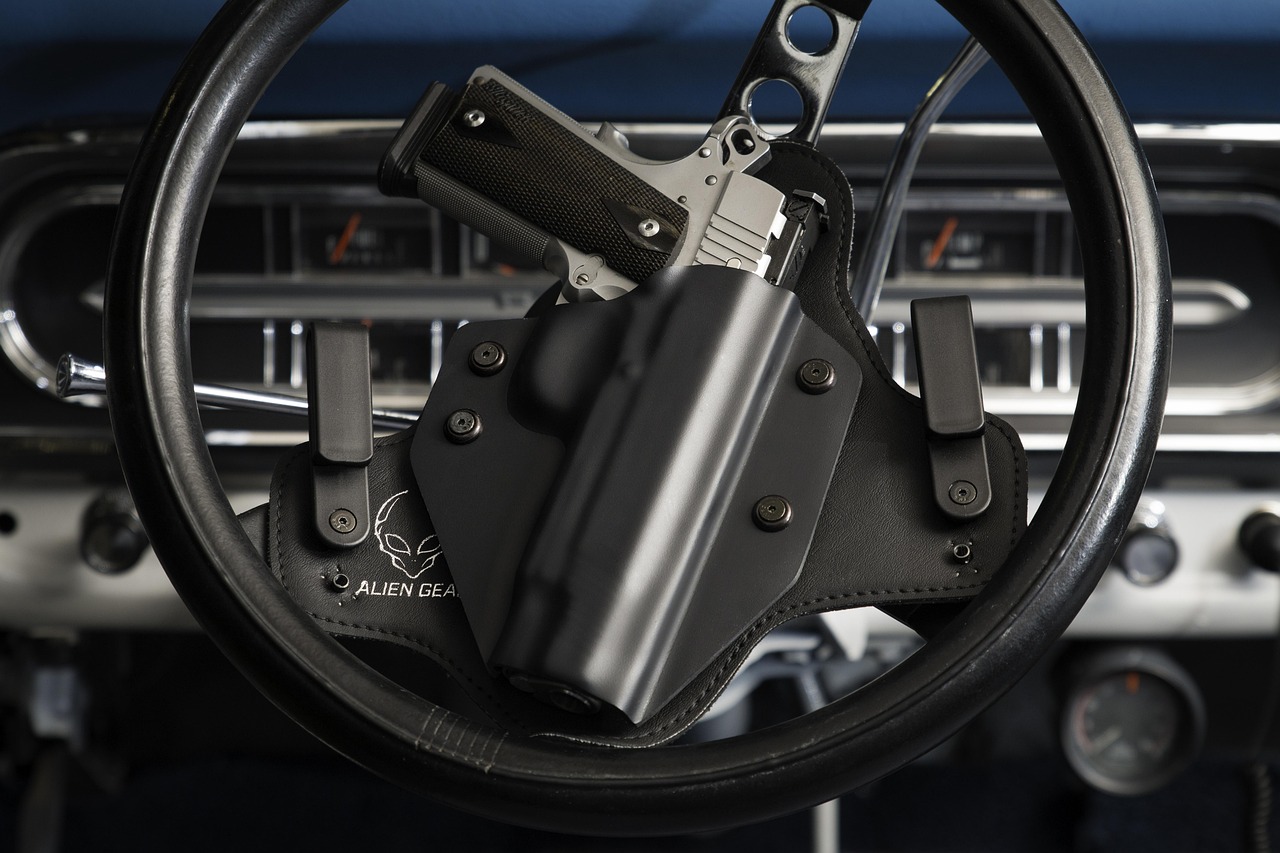
A lot of carry gear is marketed around minimal bulk and fast draw times, but seniors often say all-day comfort matters more than what is currently popular. If a holster digs into the hip, presses on the lower back, or feels unstable when sitting, it usually gets left at home.
That is why older carriers often move toward softer backing, better ride height adjustment, and designs that spread weight more evenly. The best setup is not the one that looks tactical online. It is the one someone can wear through errands, appointments, and long drives without constantly fidgeting or giving up on carrying altogether.
Smaller guns are not always easier to run
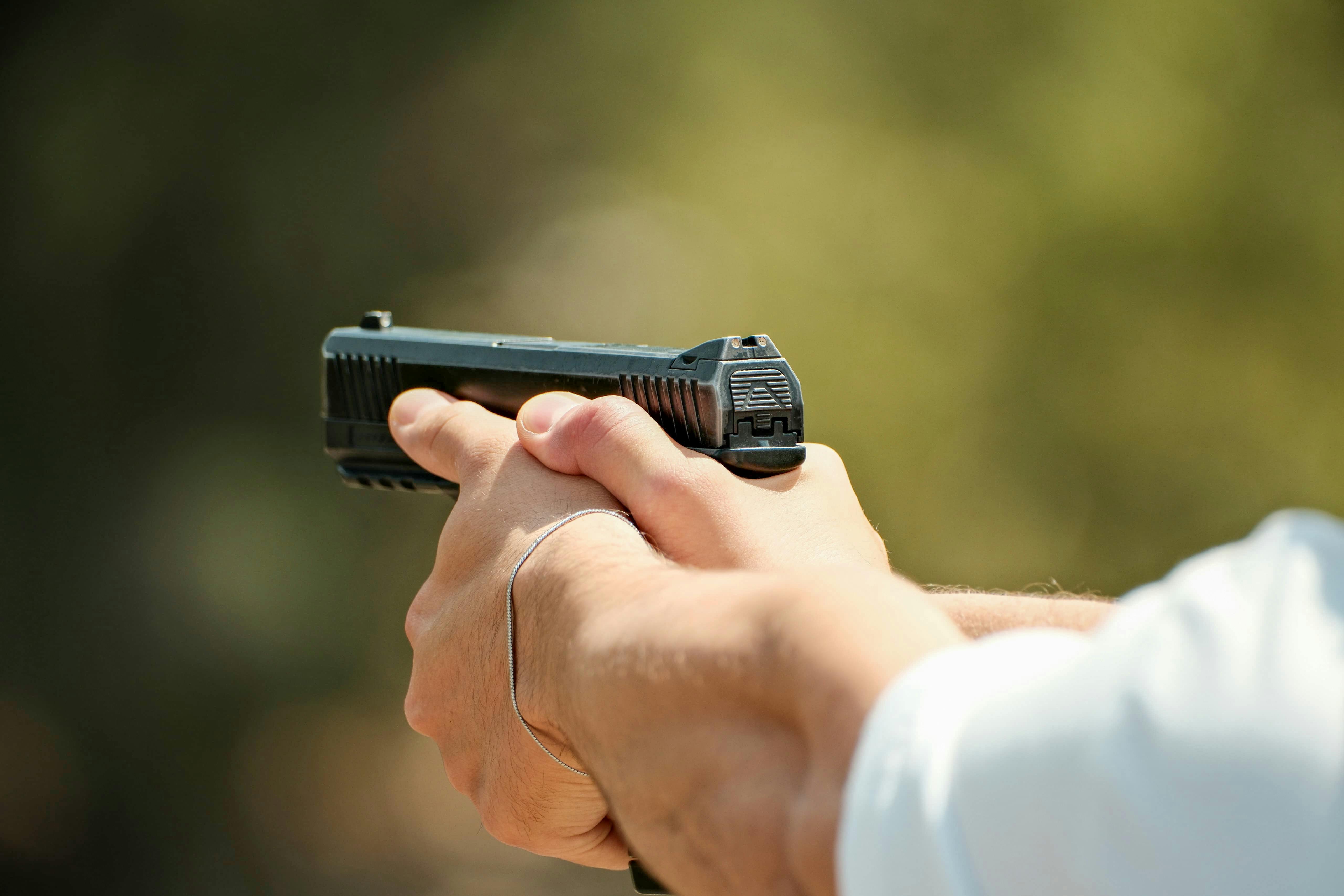
The industry loves to suggest that a tiny pistol is the obvious answer for older adults, but many seniors say the opposite is often true. Very small handguns can be harder to rack, snappier to shoot, and less forgiving for hands dealing with arthritis or reduced grip strength.
A slightly larger firearm may hide a little less easily, yet it can offer a fuller grip, softer recoil, and controls that are easier to manipulate under stress. For many older carriers, confidence comes from manageability, not minimum dimensions. The better question is not how small a gun can be, but how reliably it can be operated on a real day.
Wardrobe changes can matter as much as gun choice

Concealed carry conversations often focus on firearms and holsters, but seniors point out that clothing becomes a major variable with age. Weight fluctuations, medical devices, suspenders, elastic waistbands, and the preference for looser or layered clothing can all change what carry method works best.
A setup that disappears under a fitted untucked shirt at 40 may print badly or shift awkwardly at 70. Many older adults end up rethinking jackets, overshirts, pocket design, and fabric stiffness before they ever swap calibers. In real life, concealment is usually a clothing problem first and a gear problem second.
Seated access deserves more attention
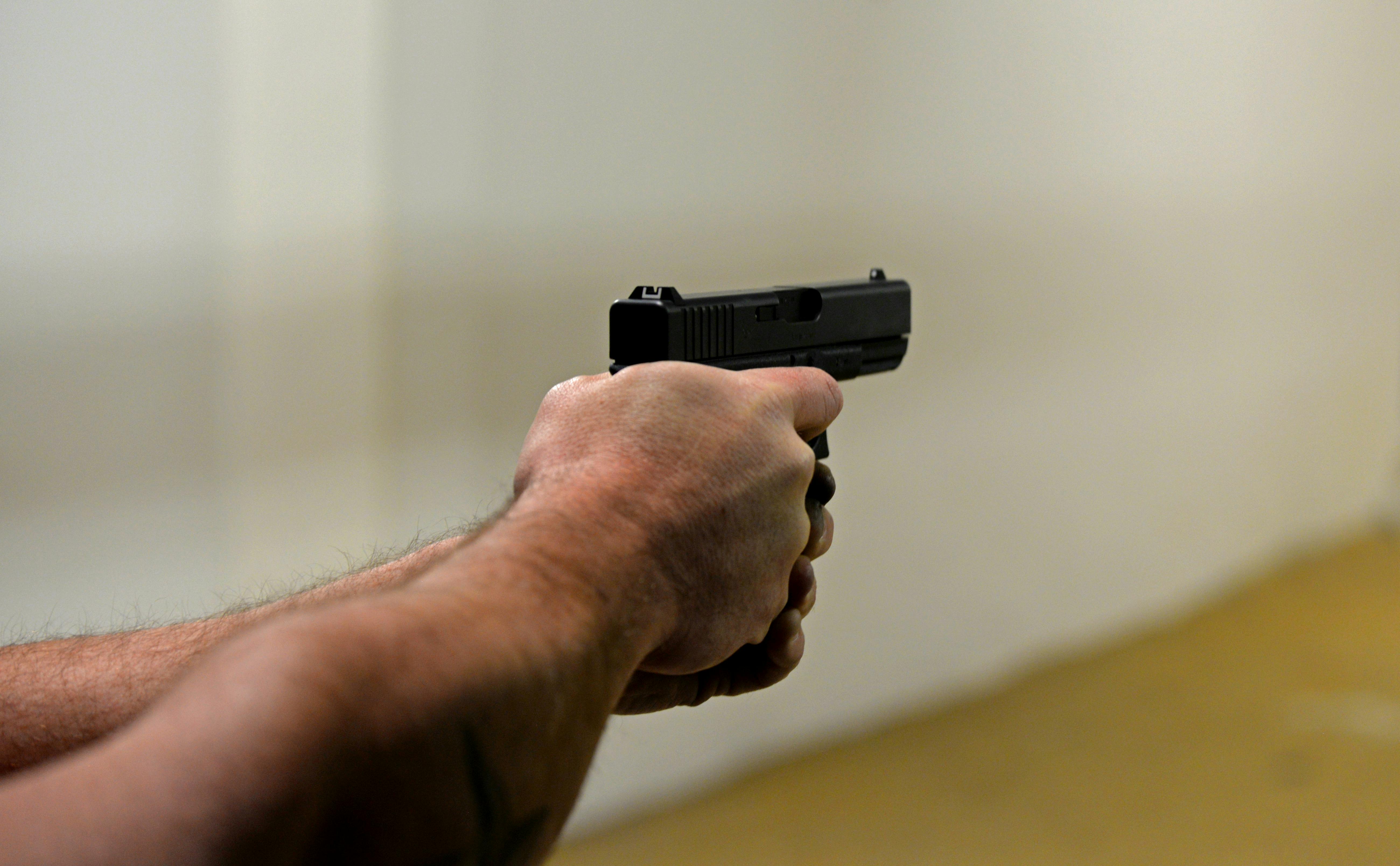
A surprising amount of concealed carry advice assumes the person is standing upright and moving freely. Seniors often say that is not how much of daily life looks. Time spent driving, sitting at restaurants, attending appointments, or using mobility aids can make a standard draw much harder than people expect.
That is why access from a chair or vehicle becomes a serious issue, not a niche concern. A carry position that feels perfect while standing in front of a mirror may become nearly unreachable when seat belts, armrests, or stiffer joints enter the picture. Older carriers say realistic practice should include the positions they actually live in every day.
Grip strength changes everything
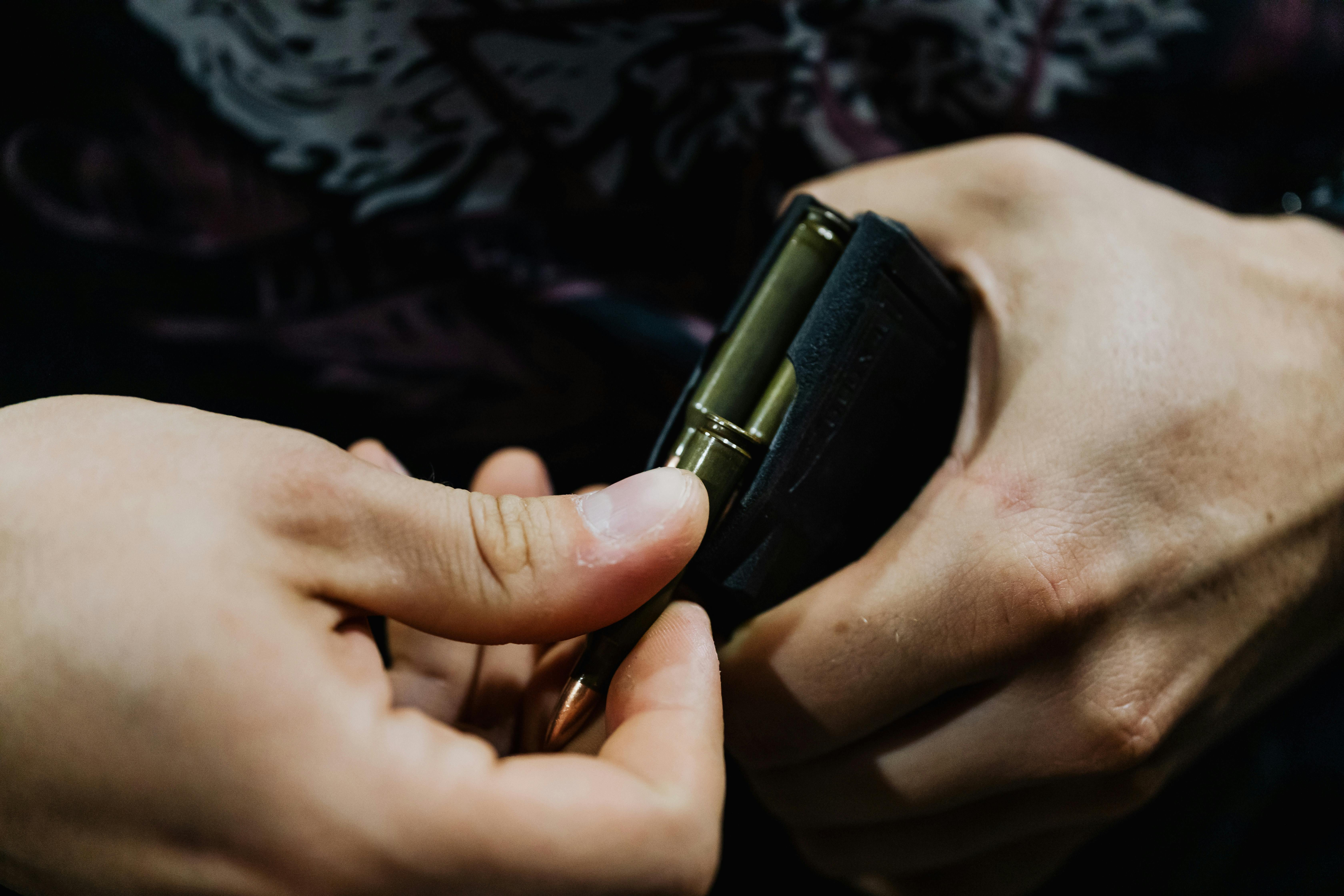
Reduced hand strength affects more than just recoil tolerance. Seniors say it can influence every part of concealed carry, from loading magazines to clearing malfunctions to getting a secure draw under pressure. Yet plenty of product marketing still treats hand strength as an afterthought.
This is where texture, slide design, magazine loaders, and easy-to-reach controls start to matter in a much bigger way. A firearm that feels acceptable during a slow demo at the counter may become frustrating after repeated manipulations. Older carriers often learn that small ergonomic differences are not minor at all. They are the difference between confident ownership and a gun that slowly turns into a safe queen.
Vision-friendly setups are often overlooked
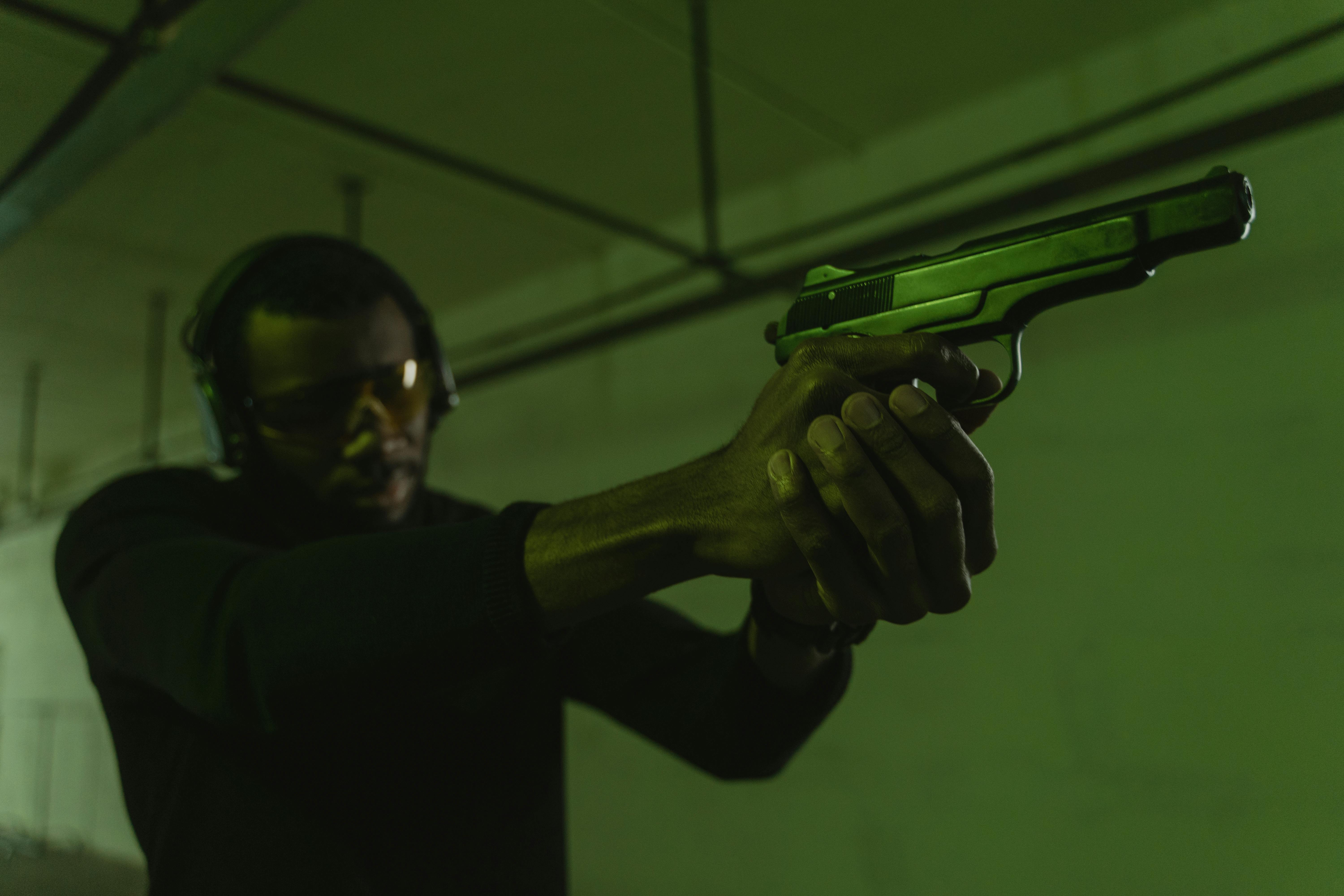
Aging eyes can change the concealed carry equation more than many people in the industry admit. Seniors frequently mention difficulty picking up small iron sights, tracking a front sight quickly, or reading fine markings during low light or indoor conditions.
That is why high-visibility sights, brighter contrast, and optics-ready options deserve more serious discussion. What works for a younger shooter on a sunny range may not translate well in a dim parking lot or a hallway at night. Older adults are not asking for gimmicks. They are asking for sighting systems that match how they actually see, especially when speed and clarity matter most.
Recoil management matters more than caliber debates
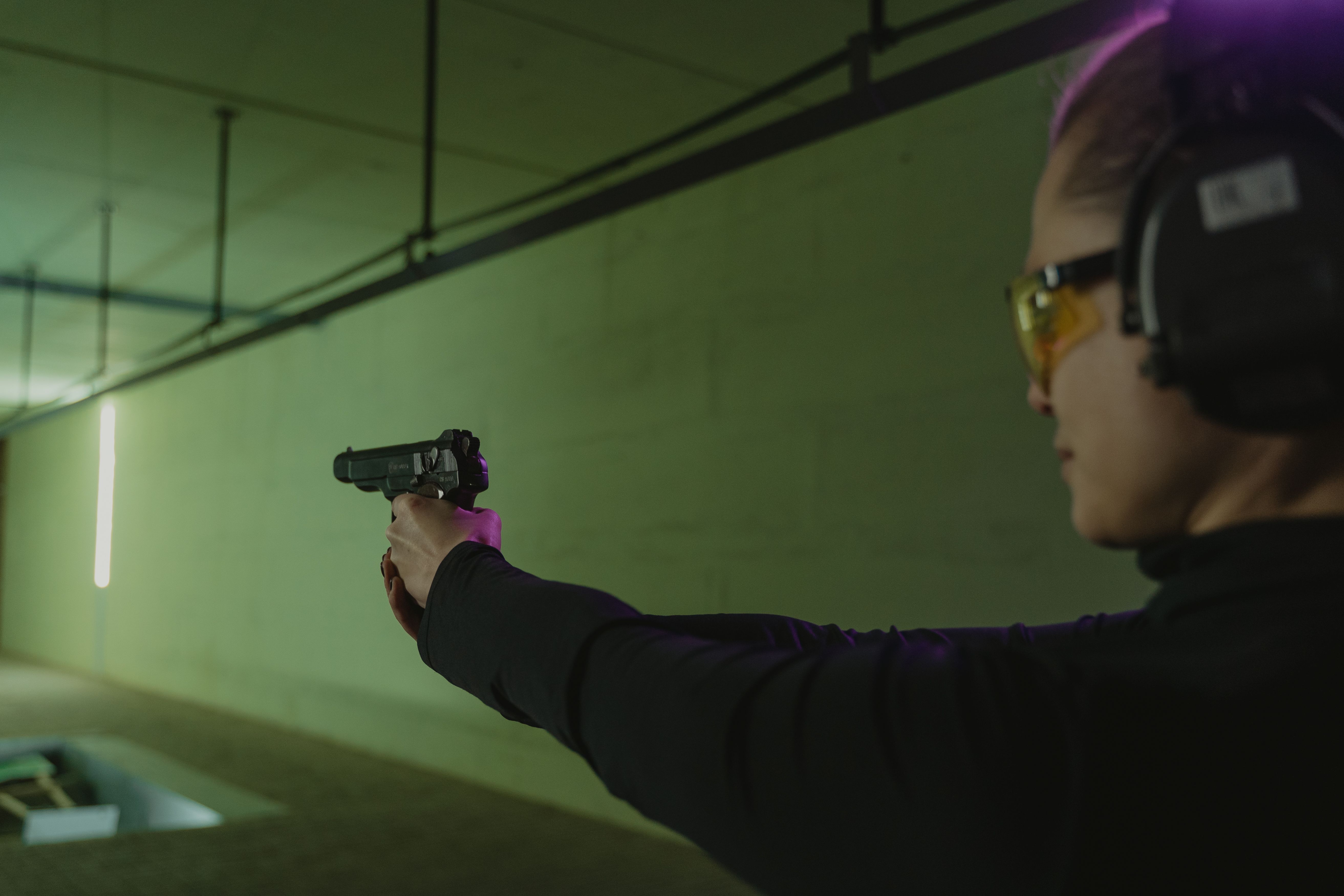
Caliber arguments rarely reflect the physical realities many seniors are dealing with. Older carriers often say the bigger issue is whether they can deliver accurate follow-up shots without pain, flinching, or losing control of the gun after the first round.
For someone managing arthritis, joint sensitivity, or reduced upper-body strength, recoil is not an abstract talking point. It is a training and confidence issue. That can lead seniors to favor loads and platforms they can shoot well rather than the option that sounds best in a debate. Practical accuracy, faster recovery, and willingness to practice regularly usually win out over chest-thumping caliber preferences.
Practice has to adapt to aging bodies
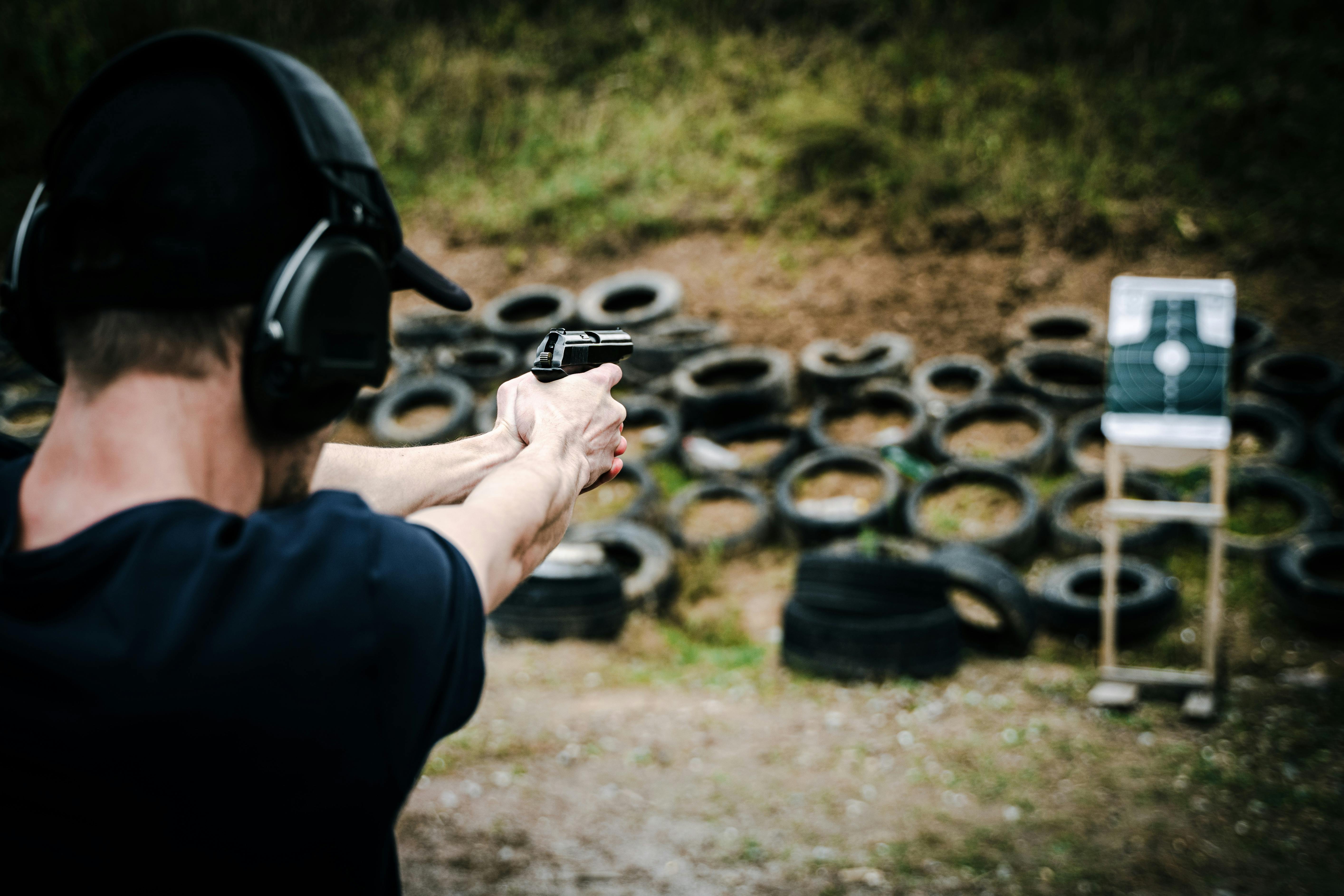
Many seniors say the biggest missed conversation is not equipment at all. It is how training should evolve. Long range sessions, repetitive drills, and awkward shooting positions may become less realistic or less sustainable with age, even for experienced carriers who have been shooting for decades.
That does not mean standards disappear. It means practice gets smarter and more intentional. Shorter sessions, more frequent breaks, dry-fire work, and emphasis on safe, repeatable fundamentals can keep skills sharp without wearing the body down. Older adults often benefit from training plans built around consistency instead of intensity, which is not glamorous advice but may be the most useful of all.
Medical realities affect carry choices

Hip replacements, back pain, blood thinners, shoulder problems, and balance concerns all shape concealed carry in ways many standard buying guides barely acknowledge. Seniors say these medical realities can influence where a firearm can be worn, how much weight is tolerable, and whether a certain draw motion is even practical.
This is one reason older carriers often experiment more than younger ones. They are not being picky. They are trying to work around very real physical limits while still keeping the firearm secure and accessible. A setup that ignores those limits may look efficient on paper, but in daily life it can become uncomfortable, unsafe, or simply impossible to use well.
Routine and readiness need a simpler system
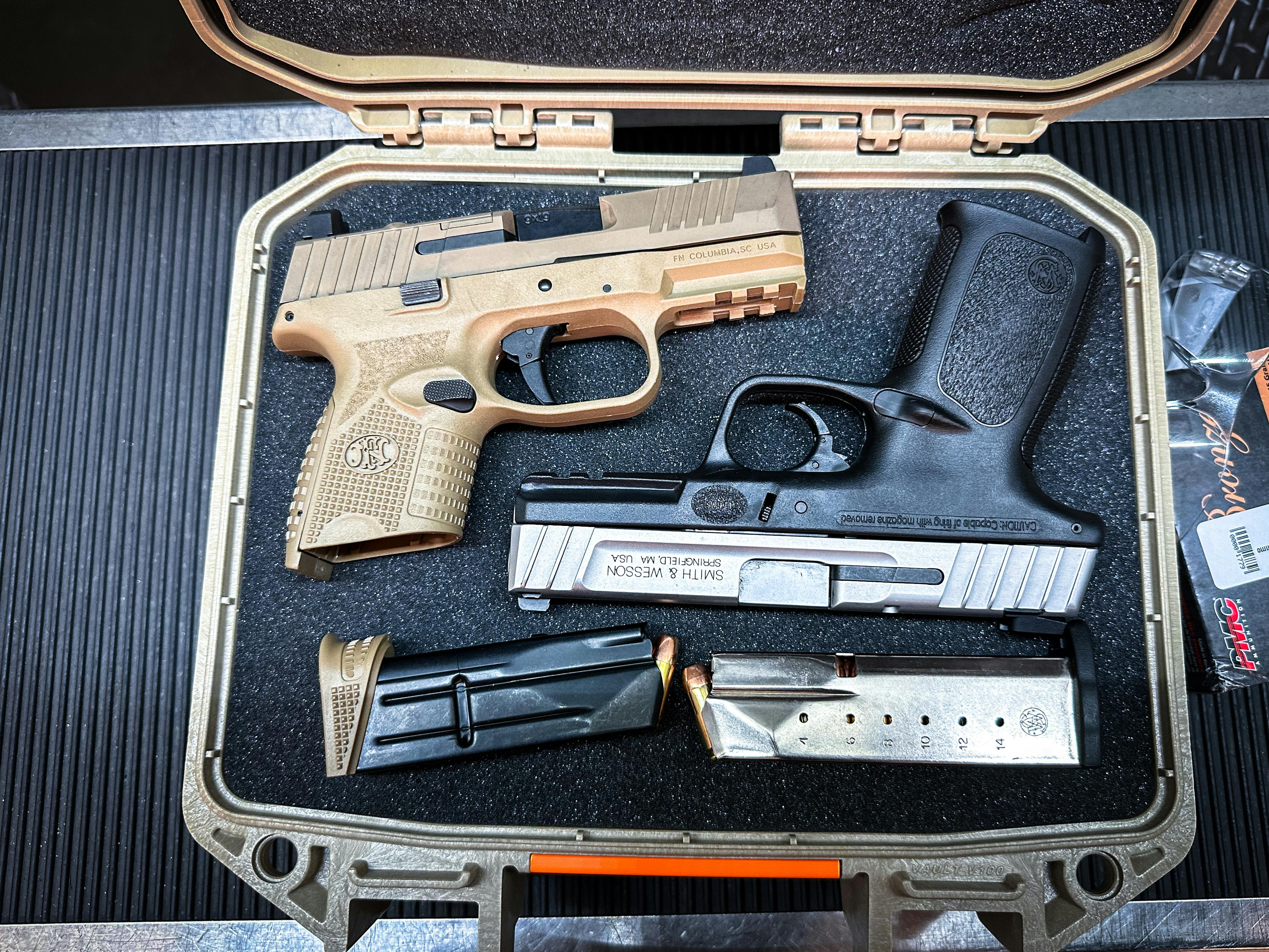
Seniors often say the best concealed carry adjustment is simplifying the whole process. Complicated gear rotations, multiple holster systems, and inconsistent storage habits create more chances for mistakes, especially when daily routines include medications, doctor visits, and changing schedules.
A simple, repeatable system tends to work better. The same placement, the same checks, and the same secure storage habits reduce mental friction and help maintain safe handling. Older carriers frequently emphasize that readiness is not just about having a firearm nearby. It is about creating a routine that remains clear and dependable on busy days, tired days, and the kind of ordinary days when details are easiest to miss.