A backcountry survival kit used to be a small pouch of just-in-case items. Today, it is a decision-making system carried on your back, worn on your body, and increasingly connected to satellites overhead.
From improvised essentials to standardized systems
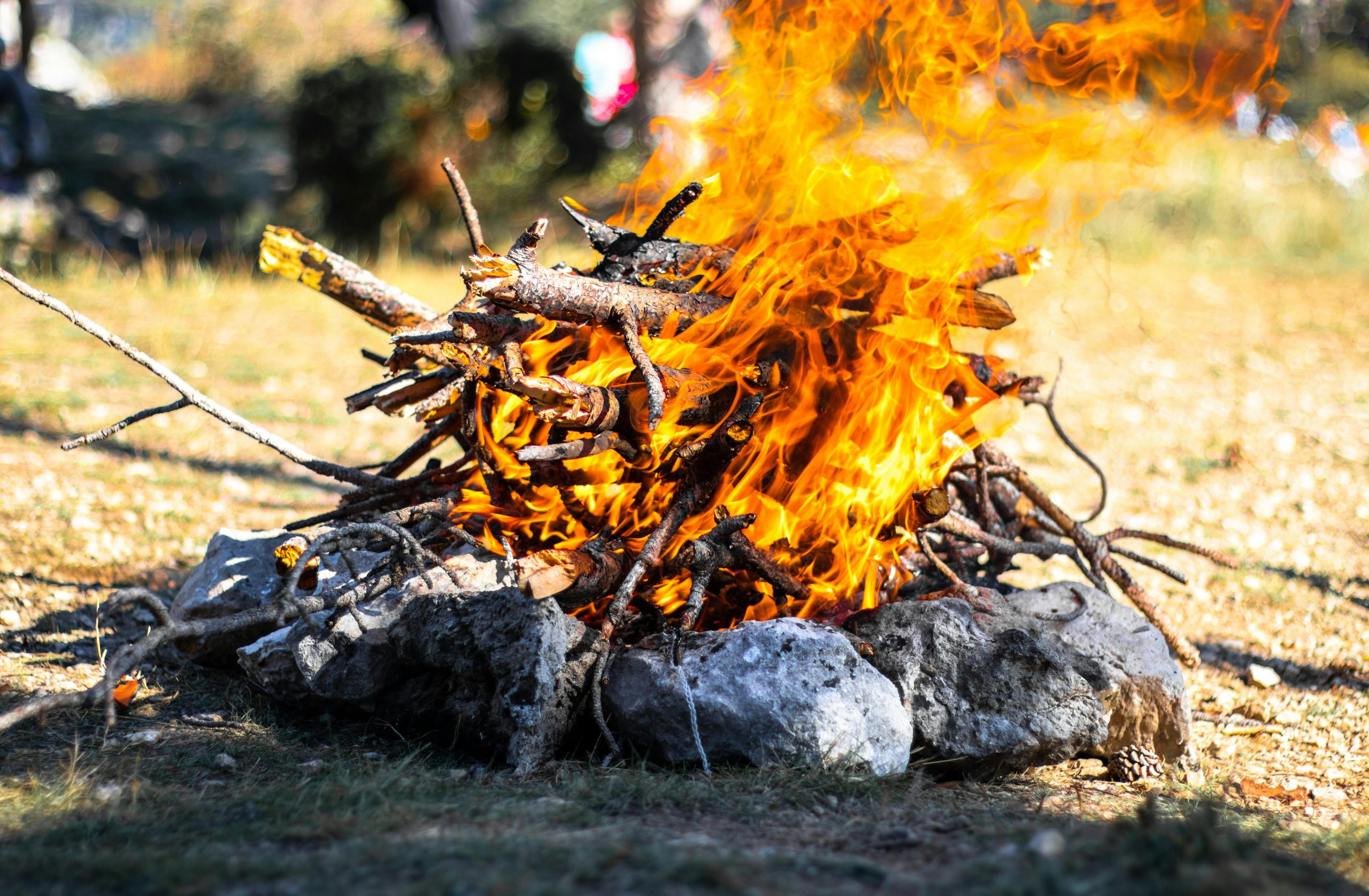
The earliest backcountry survival kits were shaped by necessity, not consumer design. Hunters, surveyors, climbers, and military travelers packed what they knew would keep them alive through an unplanned night out: fire starters, a cutting tool, extra food, water containers, and wool layers. The focus was practical endurance, and every item had to justify its weight.
Over time, that rough collection of gear became more formal. The Mountaineers trace the origins of the Ten Essentials to the 1930s, and note that the system was formalized in 1974 in the third edition of Mountaineering: The Freedom of the Hills. That shift mattered because it reframed survival gear as a repeatable checklist rather than a matter of instinct alone, according to The Mountaineers.
That logic still shapes outdoor packing today. The National Park Service continues to promote the Ten Essentials as a modern baseline, including navigation, insulation, illumination, first aid, fire, repair tools, nutrition, hydration, and emergency shelter. In other words, the classic survival kit did not disappear. It matured into a system that helps travelers prepare for injury, delay, weather shifts, and getting lost.
What changed most was not the mission, but the margin for error. Standardized kits made backcountry safety more teachable, more transferable, and less dependent on hard-won personal experience. That democratized wilderness travel, but it also created a challenge that still exists now: people can buy a kit far faster than they can learn to use it well.
The era when weight, durability, and redundancy ruled

For decades, survival kits were defined by rugged simplicity. Waterproof matches, magnesium fire starters, foil blankets, purification tablets, signaling mirrors, nylon cord, and compact first aid supplies became staples because they were cheap, durable, and mechanically reliable. In a harsh environment, fewer failure points often meant better odds.
This period also established the backcountry rule that two is one and one is none. A hiker might carry a map and compass, plus a basic whistle and flashlight, plus a backup way to make fire. Redundancy was not seen as overpacking. It was an acknowledgment that cold, fatigue, and stress make even easy tasks harder.
Material science improved these kits without changing their philosophy. Synthetic insulation outperformed old cotton layers in wet weather, better headlamps replaced weak incandescent flashlights, and lighter water treatment options reduced the need to carry excessive water weight. According to the CDC, hypothermia can occur even above 40°F when people are chilled by rain, sweat, or cold water, which explains why dry insulation and shelter became central rather than optional.
This was also the age when survival kits became modular. Instead of one large emergency bag, experienced travelers built layered systems: pockets for immediate-use items, a daypack for core gear, and camp storage for less urgent equipment. That structure remains one of the smartest design ideas in survival planning, because access can matter as much as possession.
Navigation changed the kit before communication did
Navigation was one of the first parts of the survival kit to go truly modern. A topographic map and compass are still foundational because they work without batteries, subscriptions, or signal coverage. Yet electronic navigation changed how backcountry travelers estimate distance, track pace, relocate routes, and record exit options during deteriorating conditions.
The National Park Service now lists a GPS alongside a map and compass within the modern Ten Essentials framework. That reflects reality on the trail: many hikers and skiers depend on handheld GPS units, watch mapping, or phone-based offline maps to reduce uncertainty before it becomes an emergency.
This shift produced a subtle but important change in survival kits. Older kits were often built around post-error recovery, meaning what to do after getting lost. Modern navigation tools aim to prevent that moment entirely through route lines, breadcrumb tracking, waypoint marking, and elevation awareness. Prevention has become part of the loadout.
Still, digital navigation introduced new vulnerabilities. Batteries drain faster in cold weather, screens break, and users can become passive followers rather than active navigators. The best modern kits, therefore, combine classic and digital tools, using electronics for efficiency and analog tools for resilience. That hybrid approach is less glamorous than a fully connected setup, but it is far more dependable when conditions turn serious.
Satellite rescue devices redefined emergency response.
No category transformed backcountry survival kits more dramatically than satellite communication. Personal locator beacons, or PLBs, and satellite messengers changed the old survival equation from endure until discovered to call for rescue with precise location data. For remote travelers, that is a profound upgrade in survivability.
NOAA says 406 MHz personal locator beacons are designed for individuals in remote settings, can include GNSS position data for roughly 100-meter accuracy, and must provide at least 24 hours of battery life once activated. That is a major leap from older signaling methods such as flares, mirrors, or smoke, all of which depend heavily on visibility and timing.
Satellite messengers added another layer by making emergencies interactive. Garmin says inReach devices support two-way messaging and SOS communication with a 24/7 response center, allowing users to exchange details about injuries, terrain, or weather obstacles. Garmin also says the inReach Mini 2 can provide up to 30 days of battery life in its stated use conditions, which helps explain why compact communicators are now common in serious hiking, paddling, and ski kits.
These tools are powerful, but they do not replace self-reliance. The Mountaineers caution that batteries die, electronics fail, mountain weather can block rescue, and rescuers may not be immediately available. The modern lesson is clear: a distress beacon can summon help, but it cannot keep you warm while you wait.
Specialized kits emerged for snow, desert, and alpine travel.
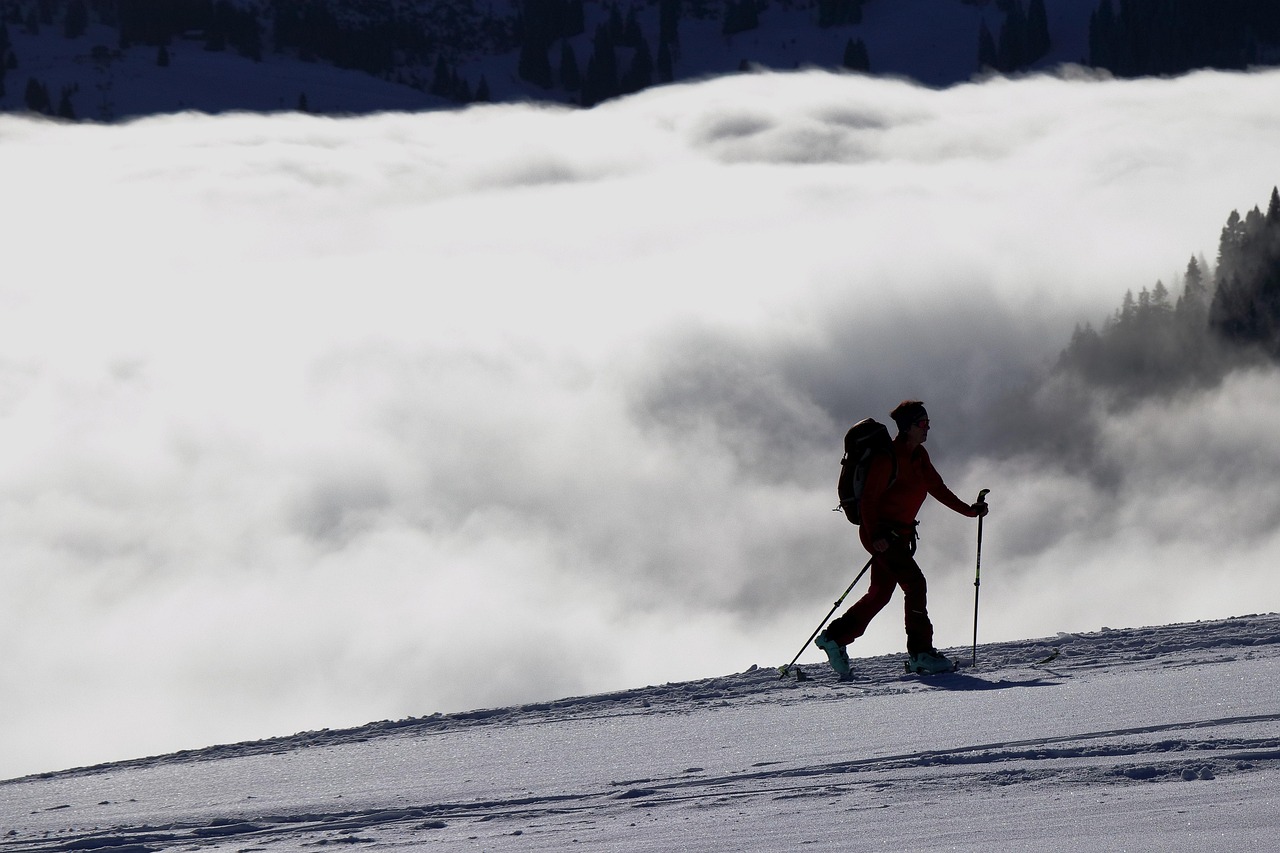
As outdoor recreation expanded, survival kits stopped being one-size-fits-all. A desert day hiker, a ski tourer, and an alpine climber all face different failure modes, so their emergency gear evolved accordingly. The result is the specialized loadout, a kit shaped by terrain, season, and rescue timeline.
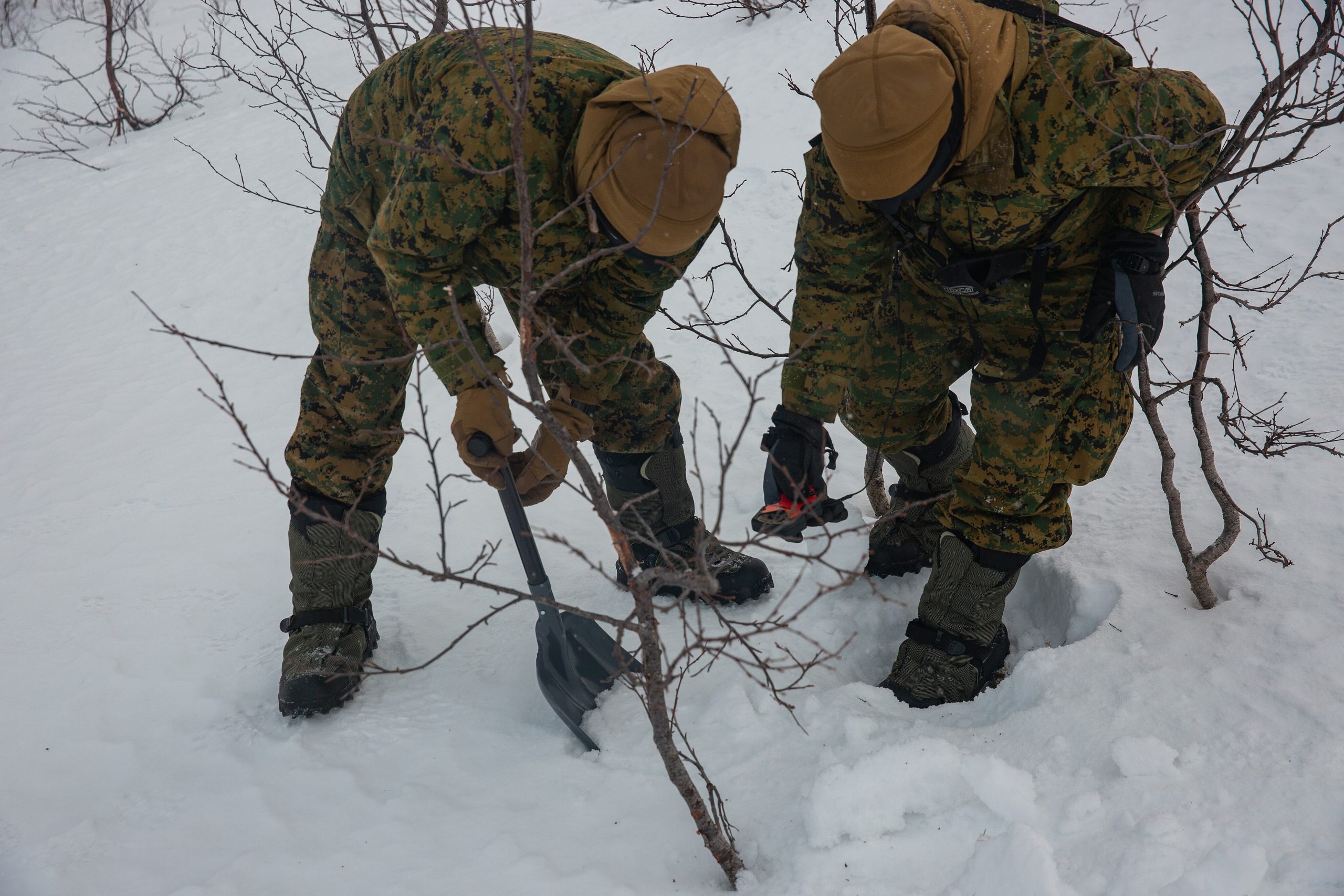
In snow country, avalanche rescue equipment became non-negotiable. Modern avalanche transceivers use the international 457 kHz standard, allowing compatibility across brands, and avalanche safety organizations emphasize trailhead function checks before every tour. REI also notes that electronics such as phones and radios should be kept 40-60 cm away from a transceiver to reduce interference, a reminder that more technology can create new complications.
Winter kits also expanded to include insulated sit pads, emergency bivies, spare gloves, thermoses, and repair parts for bindings or snowshoes. In hot and dry terrain, by contrast, the emphasis shifts toward sun protection, electrolyte support, extra water capacity, and shade-making capability. Alpine kits may prioritize helmets, crevasse gear, and robust weatherproof layers over comfort items.
This specialization marks a mature phase in survival planning. The smartest kits are no longer built around a generic emergency. They are built around the most probable emergencies for a specific landscape, season, and activity. That is a more nuanced form of preparedness, and usually a more effective one.
Smart materials and compact design changed what people carry.

The modern survival kit is not only more electronic. It is also more efficient. Improvements in textiles, batteries, filtration, and miniaturization mean people can carry more capability with less bulk, which raises the chance that critical gear actually makes it into the pack on every outing.
Emergency shelters offer a good example. Older space blankets were light but fragile and awkward in the wind. Newer bivy sacks, reinforced reflective shelters, and ultralight tarps provide more practical heat retention and weather protection with only a modest weight penalty. Likewise, compact headlamps now produce far more usable light than older models while using less power.
Water treatment also evolved from simple iodine tablets to lightweight squeeze filters, UV purifiers, and modular gravity systems. First aid kits followed the same pattern, becoming more customizable and more focused on trauma control, blister care, and medication management for real field problems rather than generic supplies. Even repair kits got smarter, with tape wraps, gear patches, valve tools, and micro multitools tailored to modern equipment.
The net effect is cultural as much as technical. When gear becomes lighter and more packable, people are more willing to bring it. Survival kits used to feel like burdensome insurance. Increasingly, they feel like integrated parts of efficient backcountry travel.
The future kit will be more connected, but judgment remains the core tool
The next stage of backcountry survival kits is already visible. Satellite communication is moving into smaller devices, including watches and app-linked tools, while weather forecasting, digital mapping, and live tracking are increasingly tied together. Garmin support materials now describe watches with built-in inReach functionality that can handle SOS and messaging while selecting connection methods to preserve battery life.
That trend points toward a highly networked survival kit: wearable navigation, automatic check-ins, shared trip plans, portable power banks, and device ecosystems designed to reduce uncertainty. Some of this is unquestionably beneficial. Faster signaling, better location data, and cleaner communication can reduce search areas and improve rescue coordination when minutes matter.
But the core truth of wilderness safety has not changed. A survival kit is still only as effective as the person who packed it, maintained it, and practiced with it. A dead battery, poor route choice, or overconfidence can erase the advantages of expensive gear faster than any marketing copy admits.
The best backcountry loadouts of the future will not be the most high-tech. They will be the most balanced: analog, where failure is unacceptable, digital, where it adds real value, and always organized around sound judgment, realistic planning, and respect for conditions. That is the real evolution, and it is not for sale in a box.