
One trigger pull used to mean a long pause. The 1800s changed that rhythm for good.
From one shot to many

At the start of the 19th century, most firearms were still single-shot muzzleloaders. A shooter had to measure powder, seat the projectile, prime the gun, and then fire, which made every extra shot slow and awkward under pressure.
That old system worked, but only up to a point. As armies, settlers, hunters, and lawmen pushed into harsher conditions, demand grew for weapons that could fire again without a full reload after every shot.
The idea of repeating fire was older than the 1800s, but practical execution was the real challenge. According to the Library of Congress and the Smithsonian, the century became the moment when the repeating rifle finally moved from clever concept to dependable working arm.
The mechanical breakthrough that mattered
The biggest leap was not just one invention, but a stack of them arriving in the right order. Better machining, more consistent parts, improved ignition systems, and stronger actions all made repeaters more realistic than they had been in earlier eras.
One of the most important changes was the shift toward self-contained metallic cartridges. The National Park Service notes that repeaters like the Spencer and Henry used metallic ammunition, which made loading faster, cleaner, and far more reliable than loose powder and ball.
Lever-action systems also helped solve the speed problem elegantly. With one movement, the shooter could eject a spent case, chamber a new round, and cock the mechanism, turning the rifle from a slow-loading tool into a practical rapid-fire weapon.
Civil War proof of concept
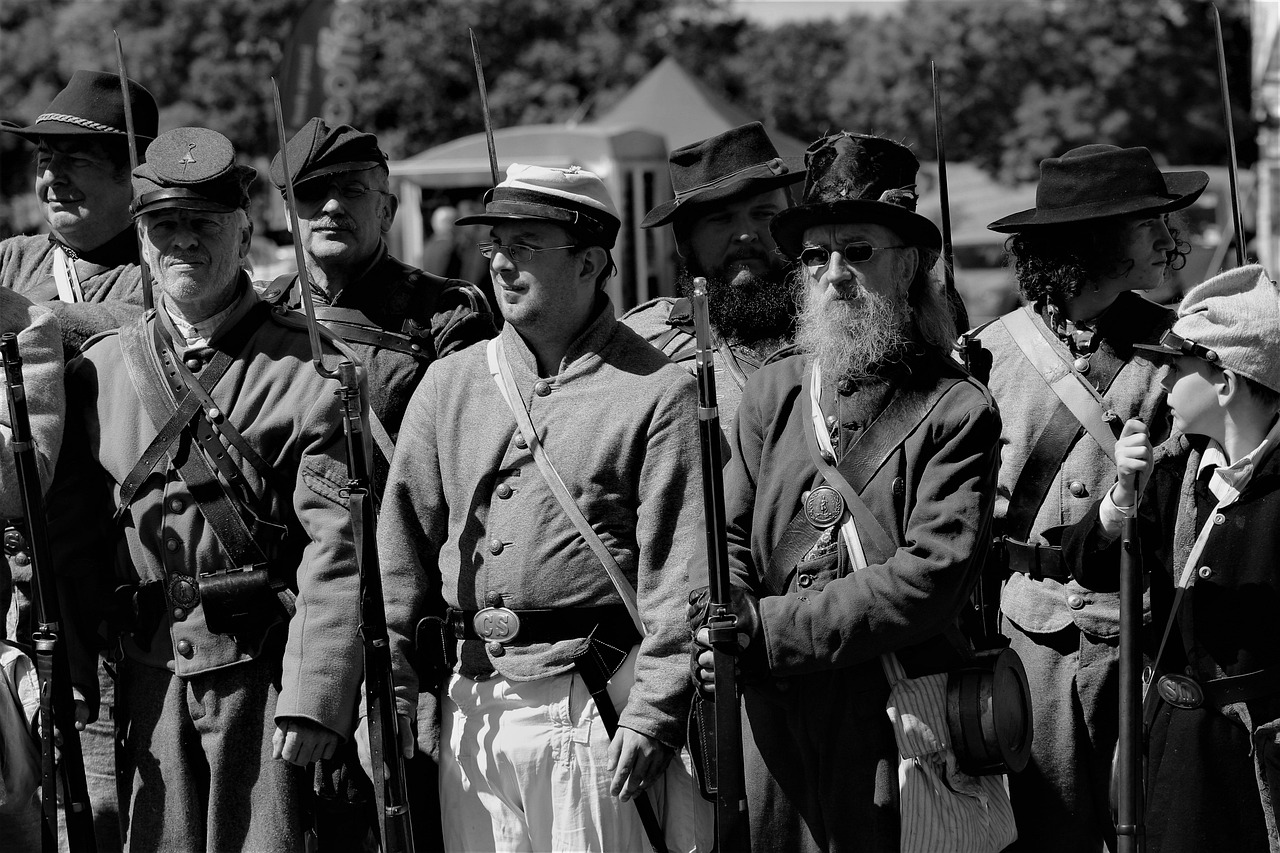
The American Civil War gave repeating rifles their most dramatic early proving ground. The Spencer carried seven rimfire cartridges in the buttstock magazine, while the Henry used a 15-round tubular magazine under the barrel, giving soldiers a firepower advantage that was startling for the time.
National Park Service materials describe the Henry as revolutionary and identify the Spencer as one of the war’s notable repeaters. In real combat, that mattered because volume of fire could pin down opponents, disrupt charges, and buy precious seconds in close engagements.
Even so, repeaters did not instantly replace everything else. Cost, ammunition supply, training demands, and conservative military procurement kept single-shot arms in service, which is why the 1860s were a transition point rather than an overnight revolution.
Why Winchester became the symbol
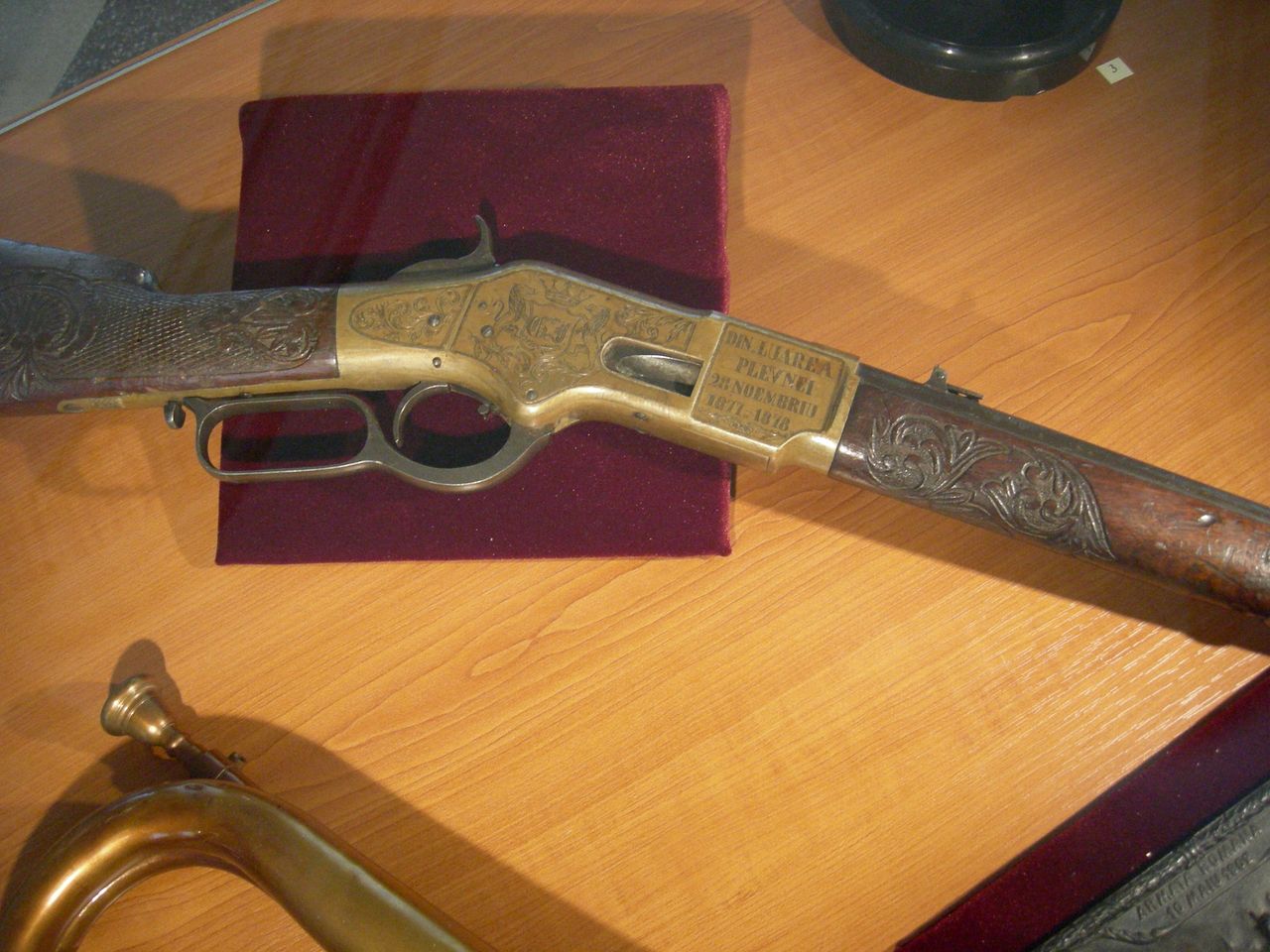
If one name came to define the repeating rifle, it was Winchester. The Library of Congress describes the Model 1866 as the first reliable lever-action repeater produced as the first Winchester, building on improvements to the earlier Henry pattern.
That matters because symbols shape history almost as much as mechanisms do. Winchester rifles became tied to westward expansion, frontier marketing, and the image of fast, repeatable fire in a compact shoulder arm.
The company also benefited from timing. By the late 1800s, industrial production in the United States had advanced enough that firms could build complex firearms with far greater consistency, helping repeaters become commercial products rather than fragile novelties.
The limits of early repeaters
For all their appeal, 19th-century repeaters had real drawbacks. Early cartridges were less powerful than some larger single-shot military rounds, tubular magazines imposed design limits, and black powder fouling still punished guns that were fired hard and often.
Military officials noticed those tradeoffs. Springfield Armory history shows that even after the Civil War, the U.S. government kept large numbers of single-shot arms in service and later adopted trapdoor breechloaders before moving to a bolt-action repeating rifle in 1892.
That hesitation was logical, not backward. Armies wanted range, durability, simple logistics, and controlled ammunition use, while civilians often valued speed and convenience more, so the repeating rifle advanced unevenly across different parts of the gun world.
Why the 1800s were the turning point
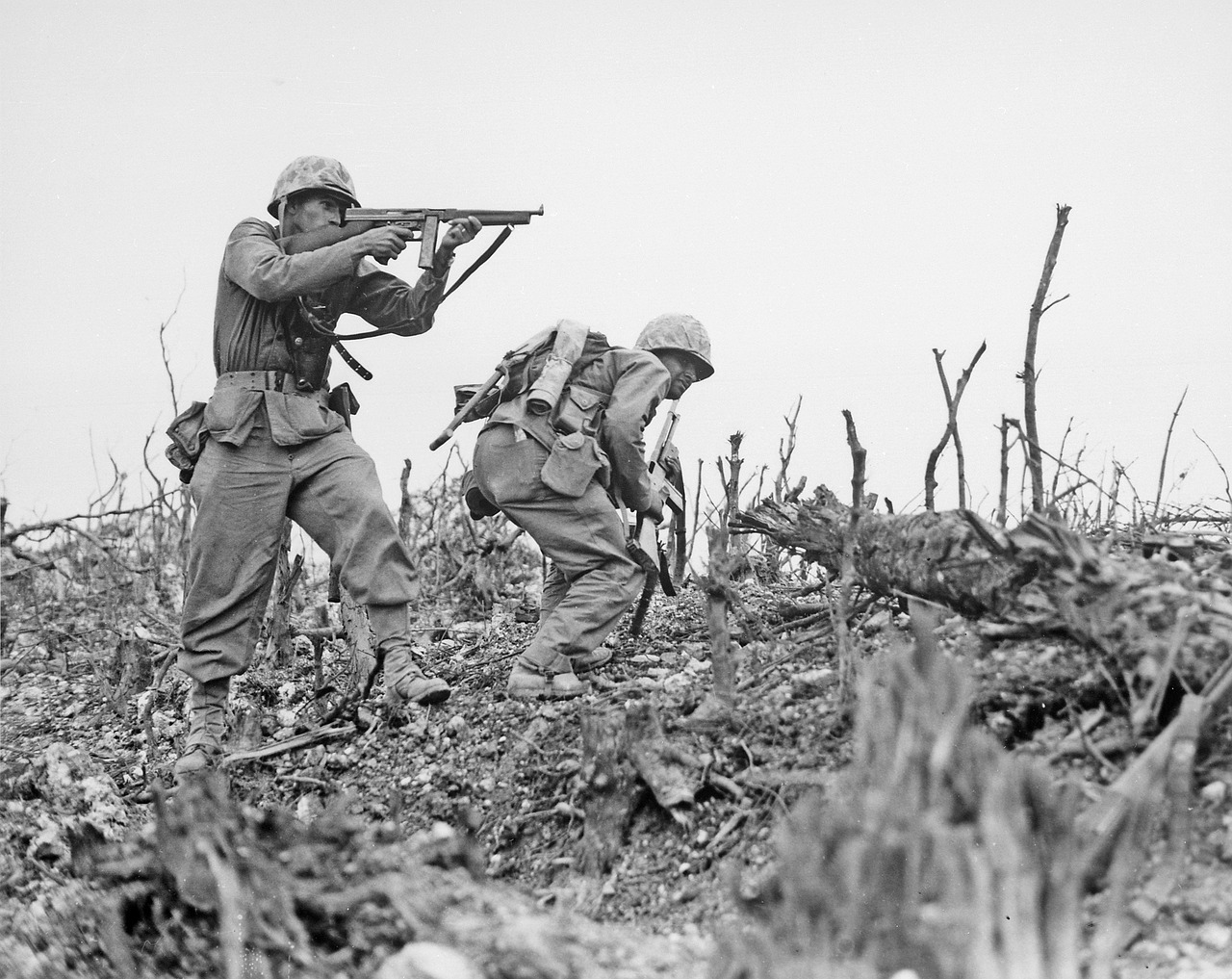
The 1800s mattered because they established the modern direction of firearm development. Once repeaters proved they could be reliable, reloadable, and manufacturable at scale, the industry stopped asking whether multi-shot shoulder arms were possible and started asking how to improve them.
From there, the path led naturally toward stronger actions, better cartridges, smokeless powder, box magazines, and eventually the repeating rifles that dominated the 20th century. In that sense, the century’s greatest achievement was not one famous gun, but a permanent shift in expectations.
After the repeating rifle, shooters no longer accepted long pauses between shots as inevitable. That change in mindset was the real revolution, and it began in earnest in the 1800s.