Firearms often look like products of their own time, but many modern designs contain mechanical ideas that first appeared decades earlier. Some concepts survived because they solved the same engineering problem in a different period, while others returned after designers found better materials, manufacturing methods, or ammunition. These nine examples show how ideas can cross generations, with familiar mechanisms reappearing in surprisingly different guns.
1. Ruger No. 1 and the 19th-Century Falling-Block Rifle
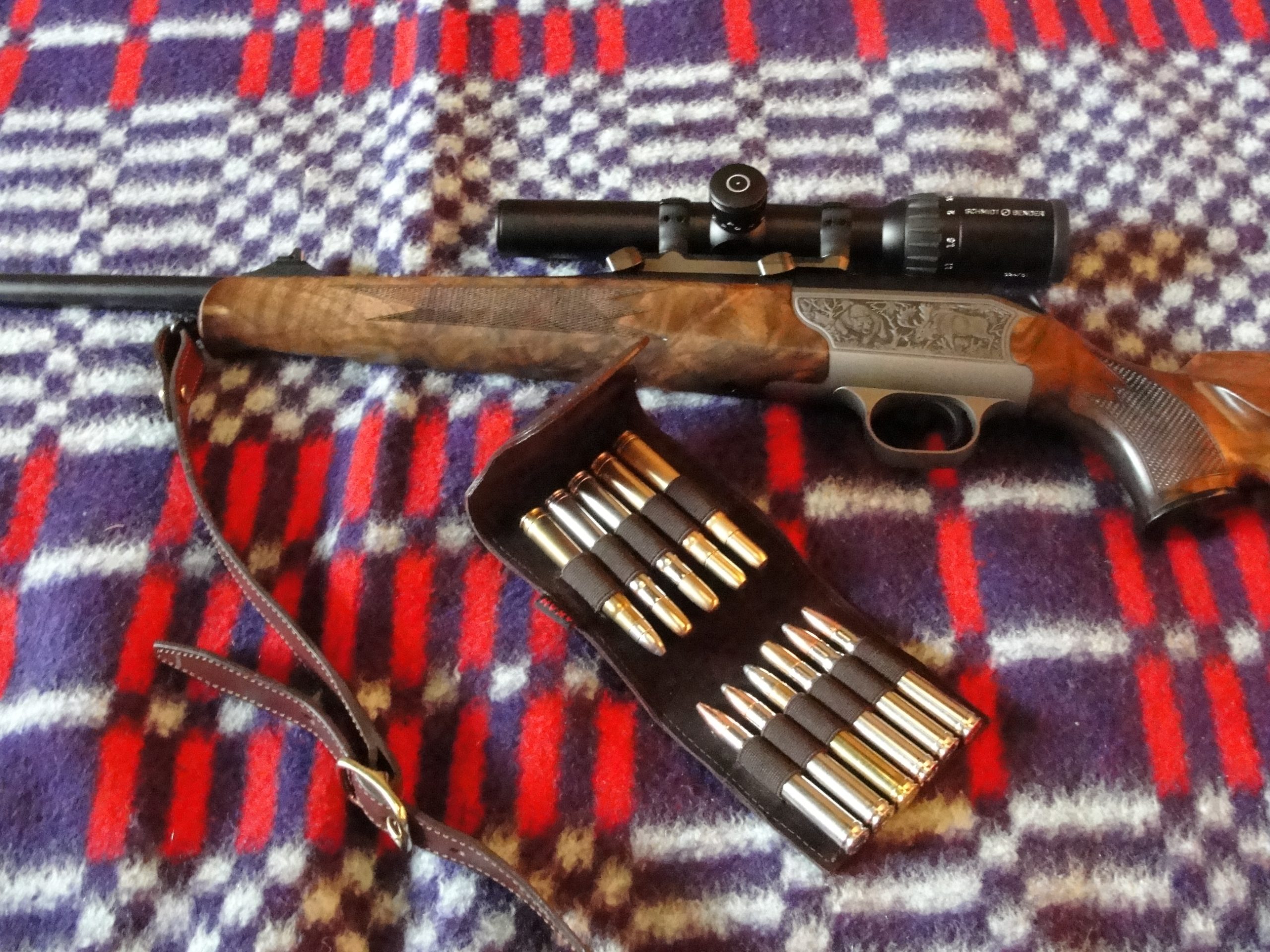
The Ruger No. 1 is a modern single-shot rifle, yet its core idea reaches back to the heavy falling-block rifles of the 19th century. Its compact action drops a solid breechblock to open the chamber, then locks it behind the cartridge when closed. The concept resembles rifles such as the Sharps, even though the Ruger arrived roughly a century later. Ruger introduced the No. 1 in 1967, showing that an old mechanical answer could still suit a modern sporting rifle. Its appeal is compact strength, not high-capacity fire. That makes it a useful example of old mechanics finding new life.
2. Henry Big Boy and 19th-Century Lever Guns
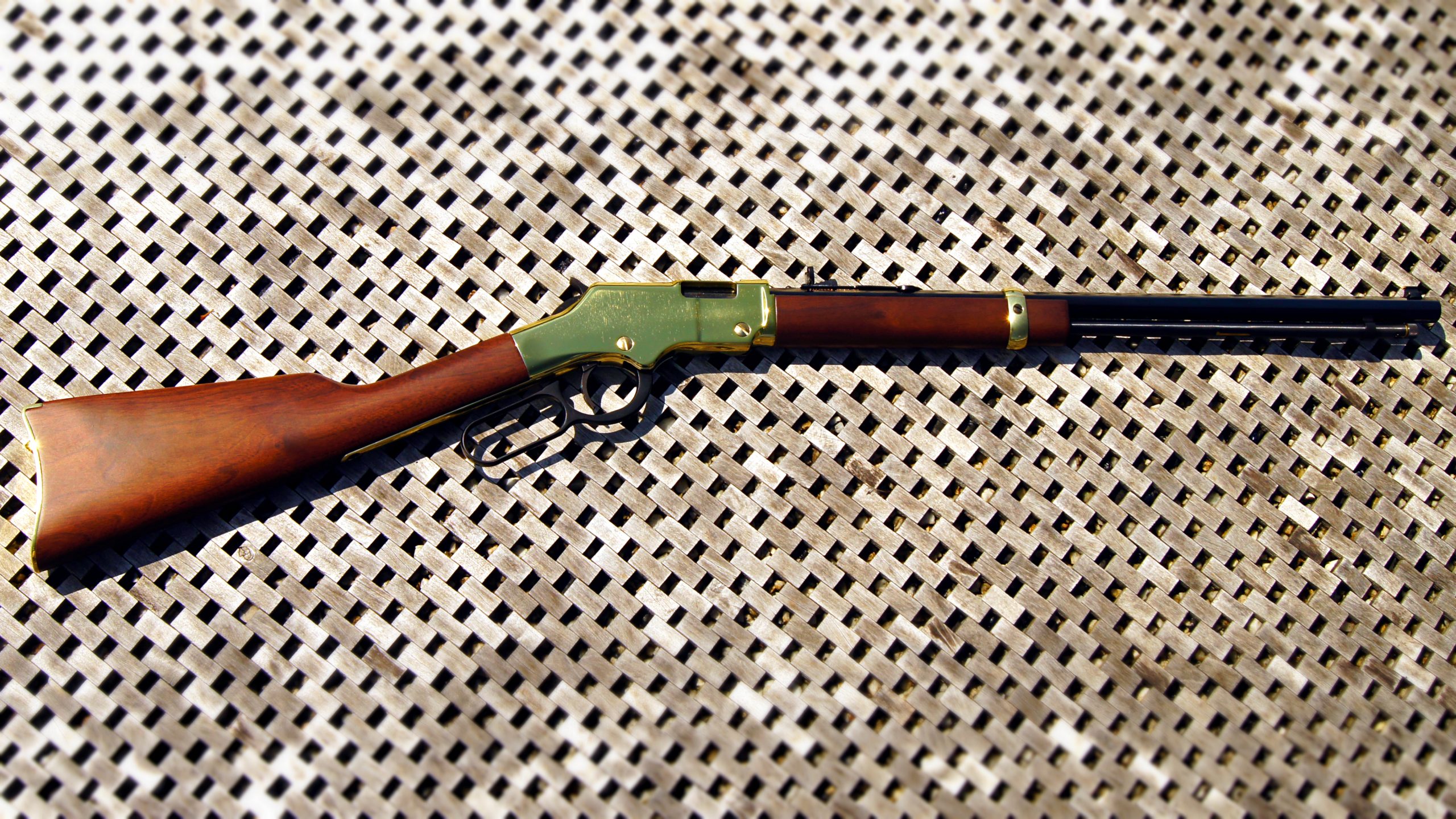
The modern Henry Big Boy and other lever-action rifles carry a design idea that began with 19th-century repeating arms, but the deeper connection reaches to even earlier lever-operated mechanisms. The shooter moves a lever to cycle the action, just as users did with classic Winchesters from the 1800s. Henry’s modern rifles use contemporary steels, cartridges, sights, and manufacturing, yet the basic human motion remains recognizable. The original Winchester 1873 appeared in 1873, while the Henry Big Boy debuted in 1997, leaving more than 120 years between two generations.
3. Beretta 8000 Cougar and the Steyr M1912
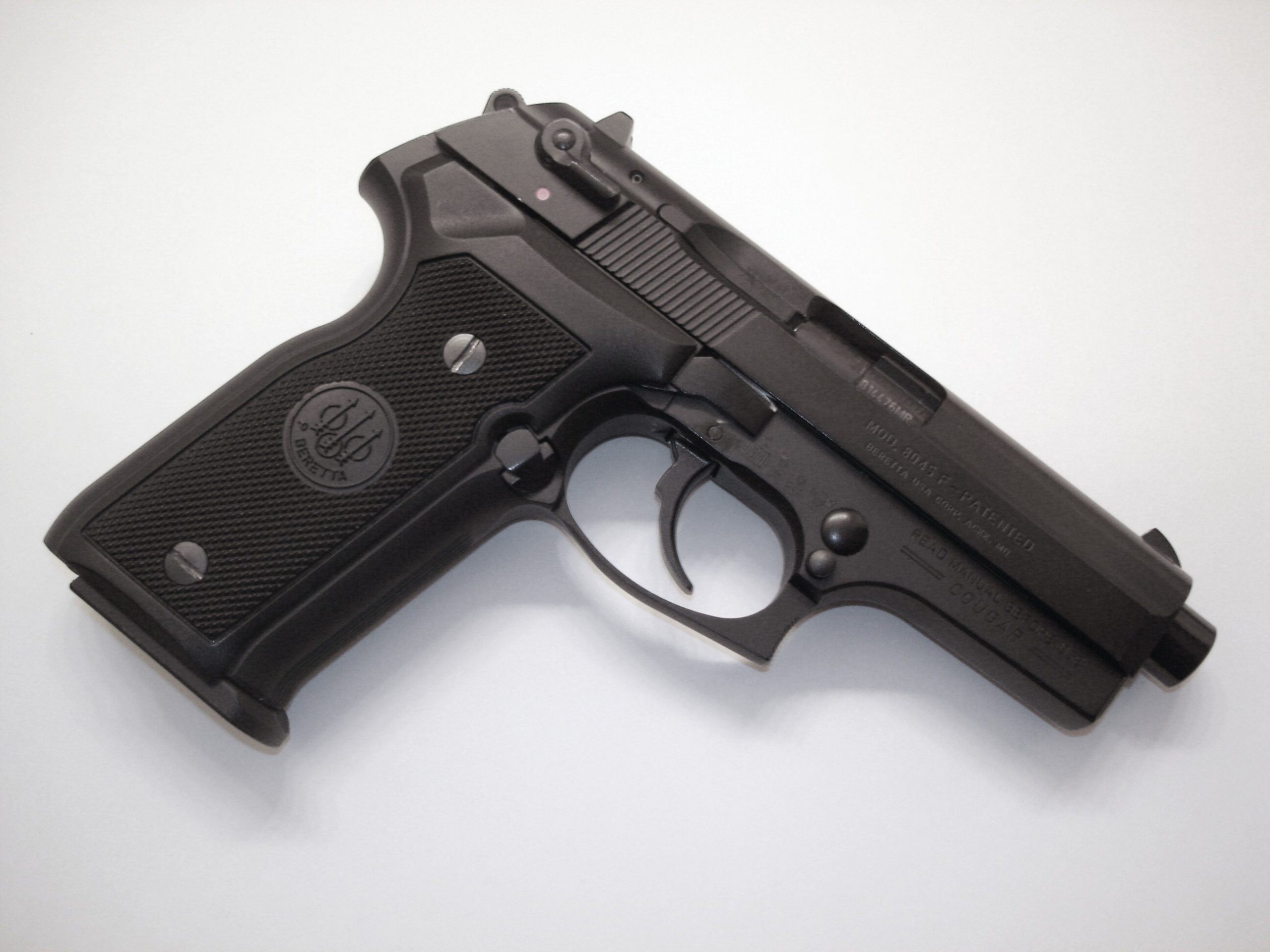
The Beretta 8000 Cougar brought a rotating-barrel locking idea into the modern service-pistol era, yet the basic concept has a clear relative in the Steyr M1912. Rotating barrels were explored in the early 20th century because turning the barrel could unlock the action without a conventional tilting system. The Cougar appeared in 1994 and used a short recoil, rotating-barrel system, making it a very different pistol from the Steyr. The shared idea is controlled barrel rotation as part of locking and unlocking, separated by more than 80 years of engineering development.
4. FN Five-seveN and Early Delayed-Blowback Experiments
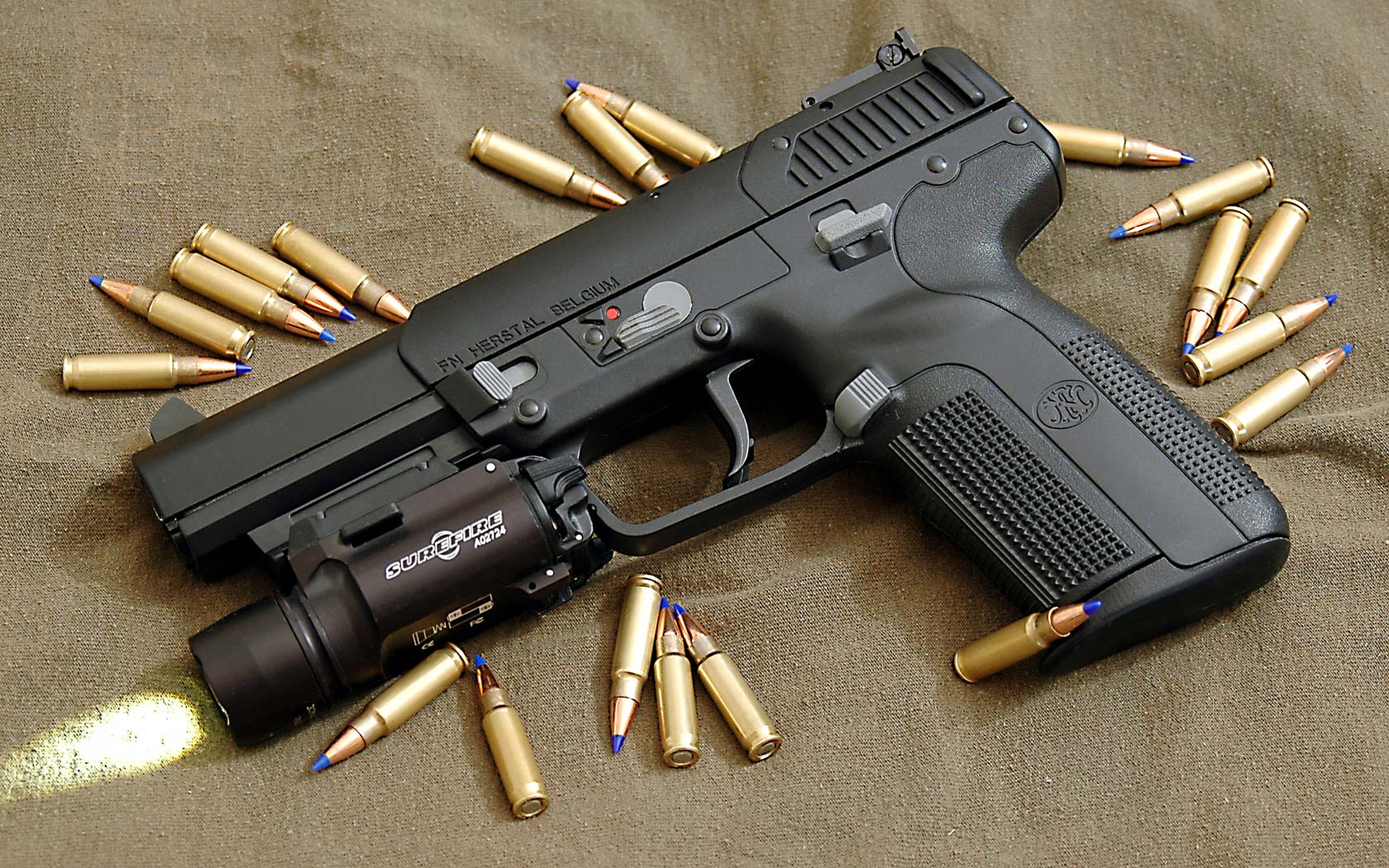
The FN Five-seveN uses a delayed-blowback principle that sounds modern but belongs to a family of ideas explored long before the pistol appeared. Early designers such as Mannlicher investigated ways to slow breech opening in the 1890s, seeking safer operation without a conventional locked action. The Five-seveN, introduced in the late 1990s, uses its 5.7x28mm cartridge and a delayed system suited to that pressure and cartridge geometry. The connection is not a direct copy, but the same engineering question: how can rearward movement be controlled before the breech opens fully?
5. HK MP5 and World War II Roller Technology
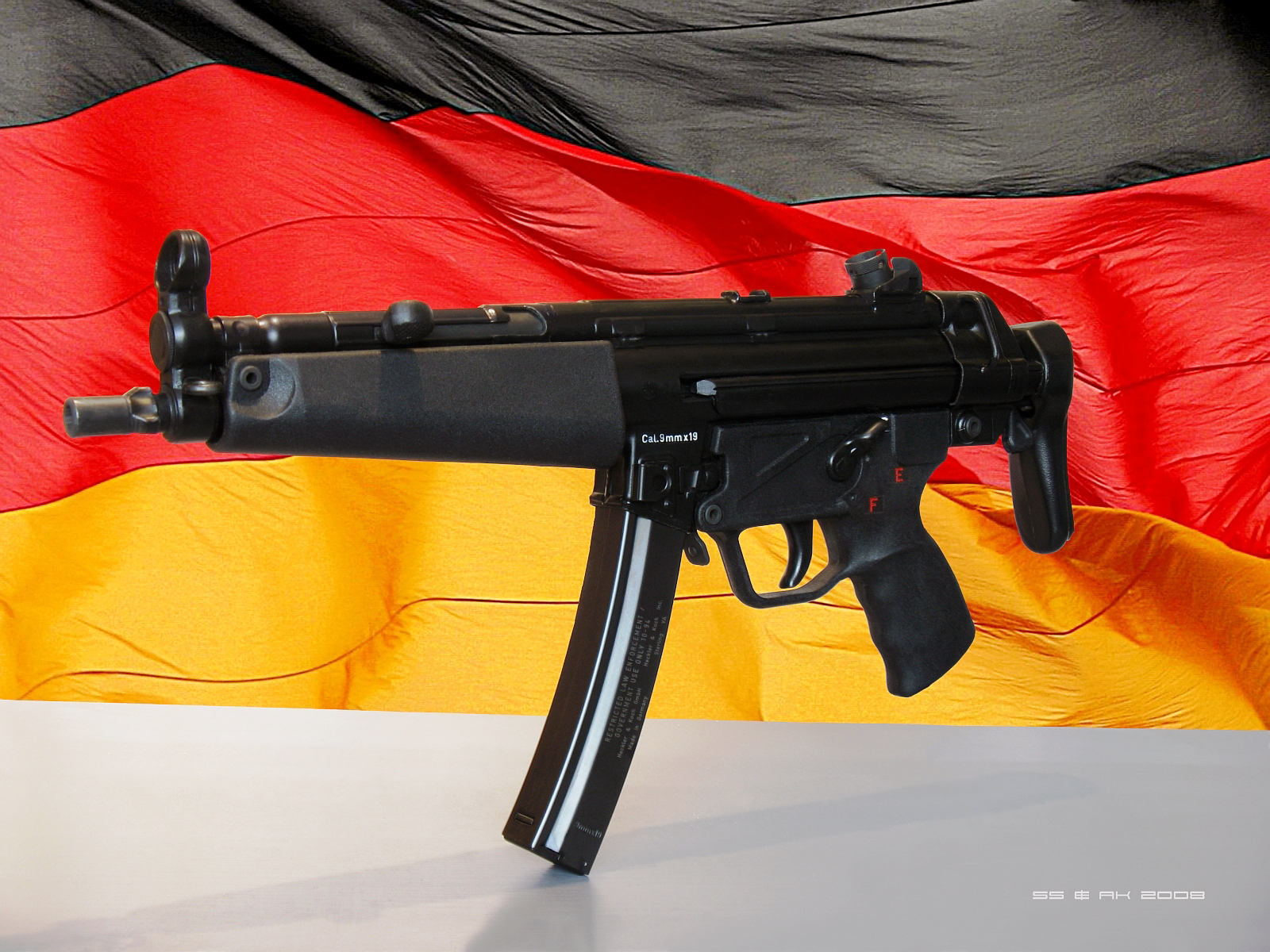
The HK MP5 is strongly associated with modern police and military service, yet its roller-delayed action grew from a mechanism developed during World War II. The surprising part is how the idea evolved rather than simply survived. German experimental designs in 1944 and 1945 explored rollers to delay bolt movement, and the concept later matured through Spain’s CETME program before Heckler & Koch developed its famous family. The MP5 entered service in the 1960s. Its 9x19mm chambering and compact format made a complicated historical mechanism commercially famous.
6. Remington 870 and the Victorian Pump-Action Idea
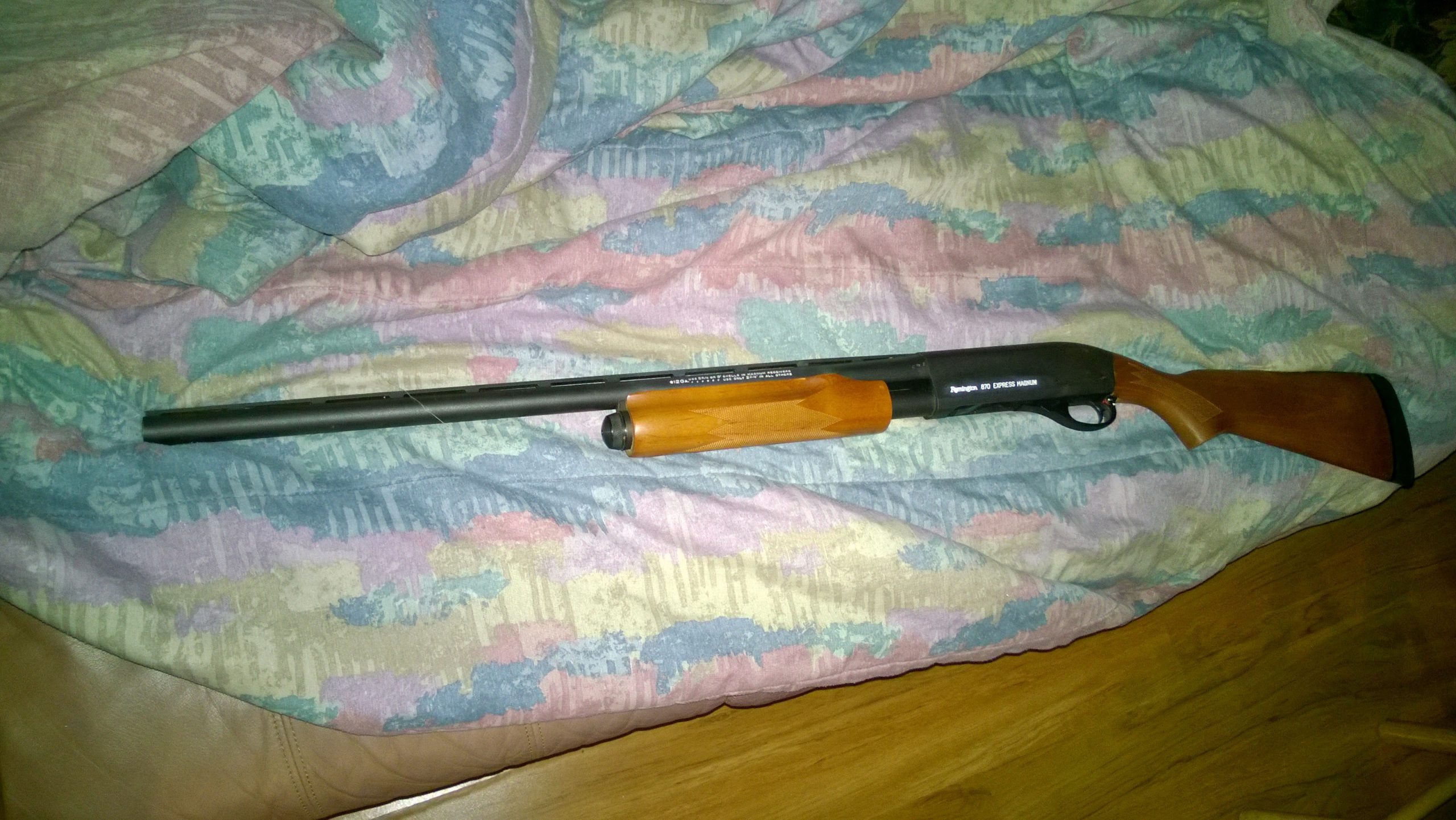
The Remington 870 looks like a conventional modern pump shotgun, but its manual slide action belongs to a repeating-gun tradition that predates the 20th century. Pump-operated firearms appeared in the late 1800s, when designers were searching for faster follow-up shots without the complexity of self-loading mechanisms. Remington introduced the Model 870 in 1950, more than 70 years after the first commercial pump guns. The enduring design idea is simple: the user’s back-and-forth movement cycles extraction, ejection, loading, and cocking through one mechanically linked action.
7. Beretta 92 and an Italian Open-Slide Tradition
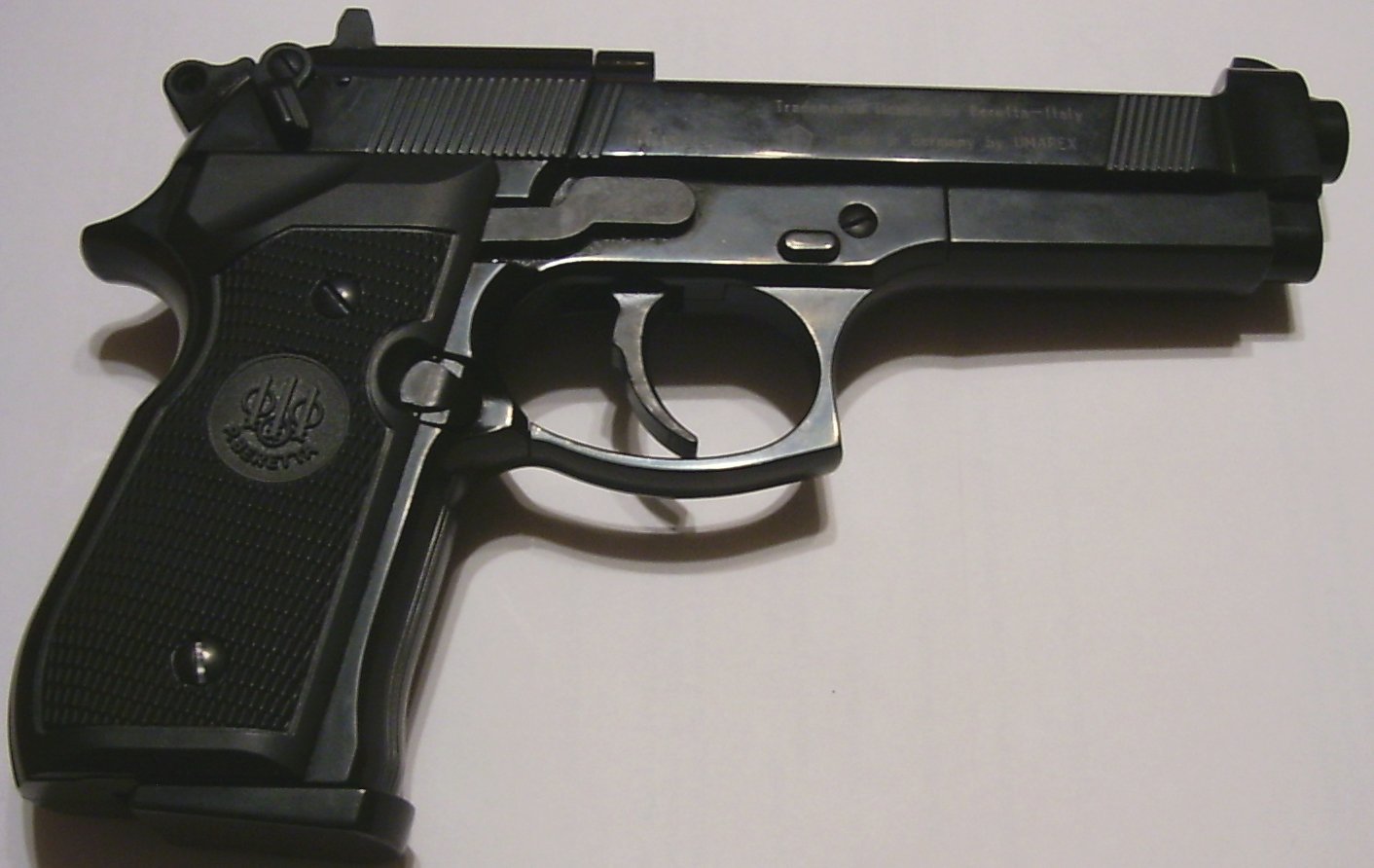
The Beretta 92’s open-slide layout recalls a much older Italian pistol tradition, especially the Beretta Model 1915 and later Beretta service pistols. Rather than enclosing the barrel beneath a conventional full-length slide, the design leaves much of the barrel exposed. The 92 appeared in 1975, while Beretta’s first self-loading military pistol dates to 1915, creating a 60-year design lineage. The open-top arrangement can help visual inspection and feeding reliability while giving the pistol its instantly recognizable profile. The concept survived because its practical traits remained useful.
8. CMMG Banshee and Early Delayed-Blowback Ideas
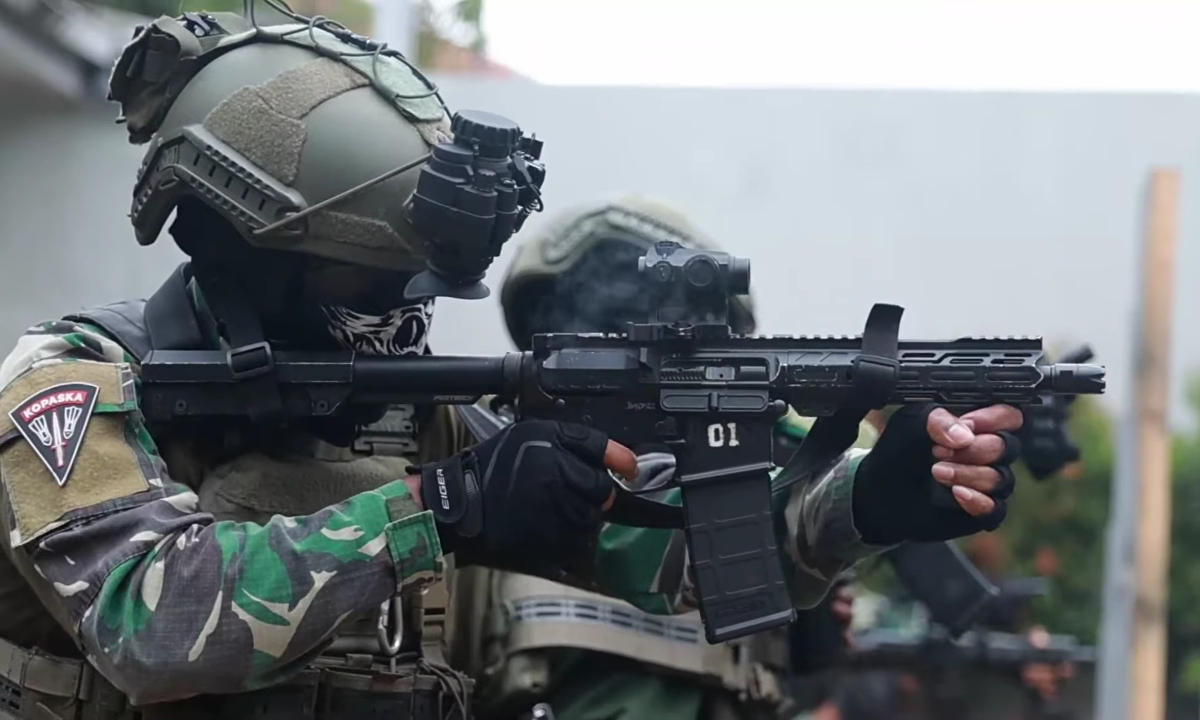
The CMMG Banshee’s radial-delayed blowback system is a modern answer to an old problem: how to slow the opening of a blowback action without using a traditional locking system. Delayed-blowback mechanisms were already being explored around the turn of the 20th century, including toggle and other retarding arrangements. CMMG’s modern radial system uses the geometry of the bolt and barrel extension to delay movement, showing how the same basic engineering goal can be revisited with new machining and materials. The Banshee line was introduced in the 2010s.
9. Ruger Wrangler and the 1873 Single-Action Revolver
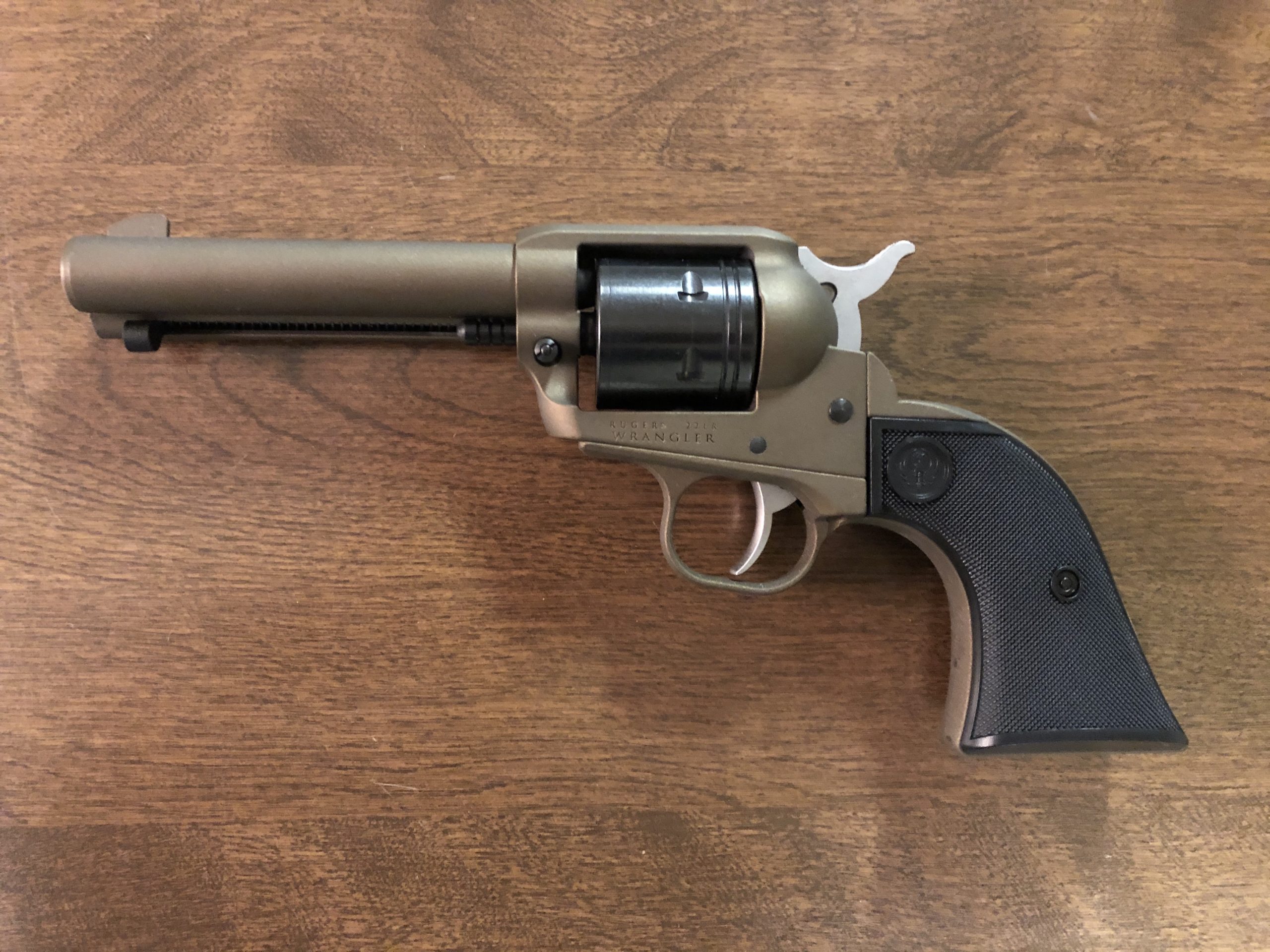
The modern Ruger Wrangler and similar single-action revolvers draw directly from the mechanical philosophy of 19th-century frontier revolvers, rather than merely copying their appearance. The cylinder rotates one chamber at a time while the hammer and trigger operate through a deliberately simple mechanism. Ruger introduced the Wrangler in 2019, using a modern aluminum frame and contemporary manufacturing while retaining a traditional single-action layout. The lineage reaches back to the Colt Single Action Army of 1873. That puts the basic idea roughly 146 years apart.