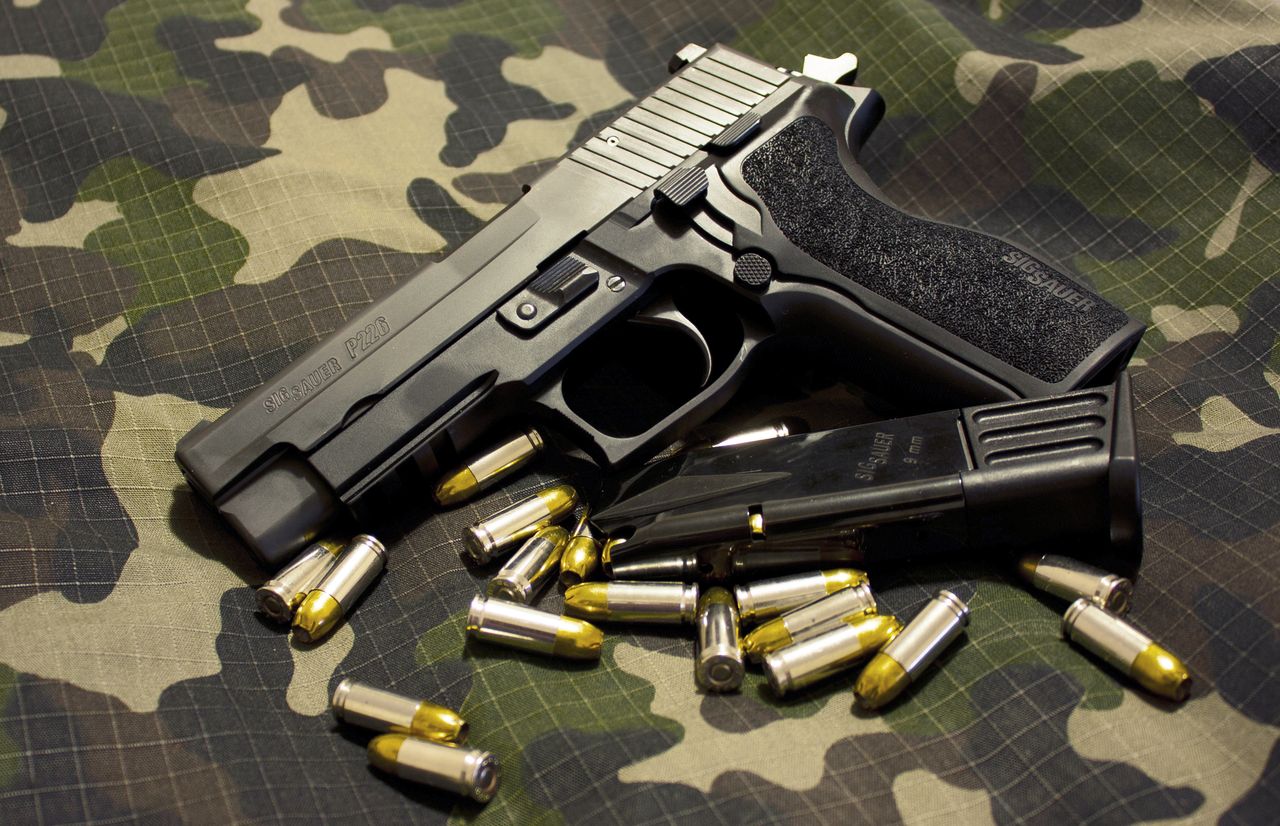
Sometimes the gun that finishes second ends up with the stronger legend. That is exactly what happened with the SIG Sauer P226.
Built for one contest
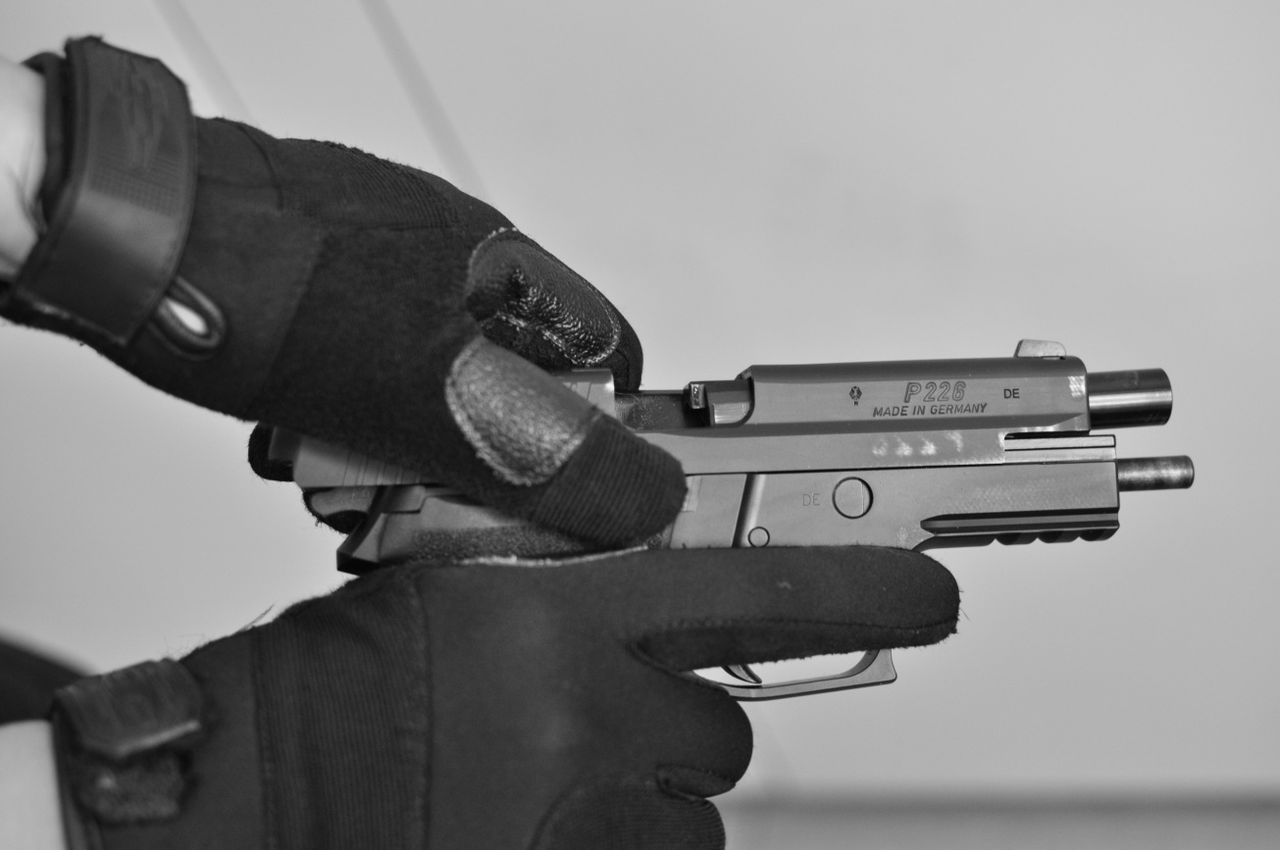
The P226 was created for a single high-stakes purpose: the U.S. military’s XM9 pistol trials in the 1980s. Those trials were meant to find a 9mm replacement for the long-serving M1911A1, and the field included major names from Europe and America.
According to SIG Sauer’s own history, the P226 was developed specifically for that competition. By the end, only two pistols had truly separated themselves from the pack: Beretta’s 92F and SIG’s P226.
That matters because the P226 was not an accidental success. It was engineered from day one to survive military abuse, deliver high magazine capacity, and meet a changing NATO-oriented sidearm requirement.
Why it lost on paper
Here is the twist that gave the pistol its mystique: the P226 did not lose because it failed badly. Government records and later summaries show that the final decision came down heavily to total package cost, including magazines and spare parts, not just the sticker price of the pistol itself.
GAO records on the Beretta selection make clear that the Army’s M9 award was part of a broader procurement decision, not a simple beauty contest. Multiple later accounts, including widely cited overviews of the XM9 outcome, note that Beretta’s total bid came in lower even though the two finalists were very closely matched.
That kind of loss tends to age well. In enthusiast culture, “almost won, but lost on cost” often becomes a badge of honor.
Losing made the story better
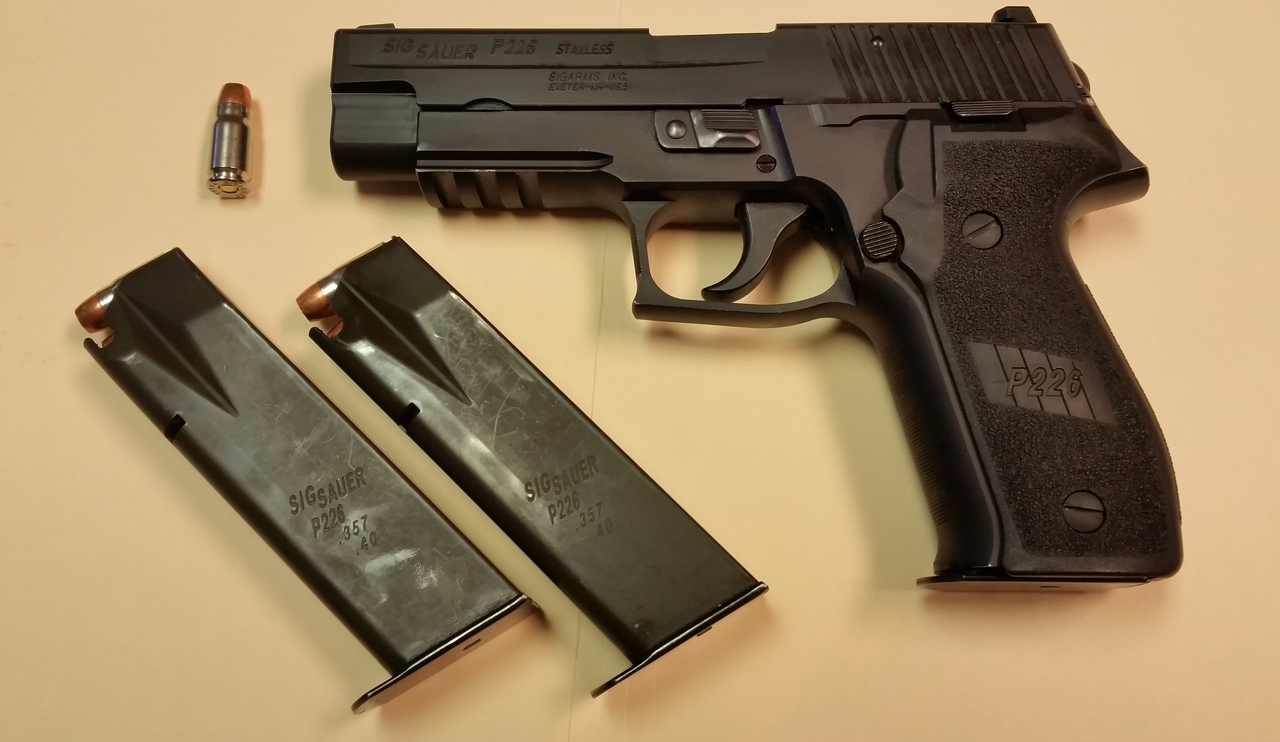
If the P226 had simply become another standard-issue service pistol, its history might be flatter. Instead, it became the sidearm people talked about as the one that nearly took the crown.
That narrative helped. Shooters, police buyers, and military-minded civilians could see the pistol as a top-tier contender that had already survived the toughest public test available. A gun does not have to win a contract to gain credibility from it.
In fact, losing the biggest competition gave the P226 something even more durable than a procurement line item: a reputation. It was the pistol that proved itself under the brightest light and then carried that aura into the commercial market.
The real victory came later
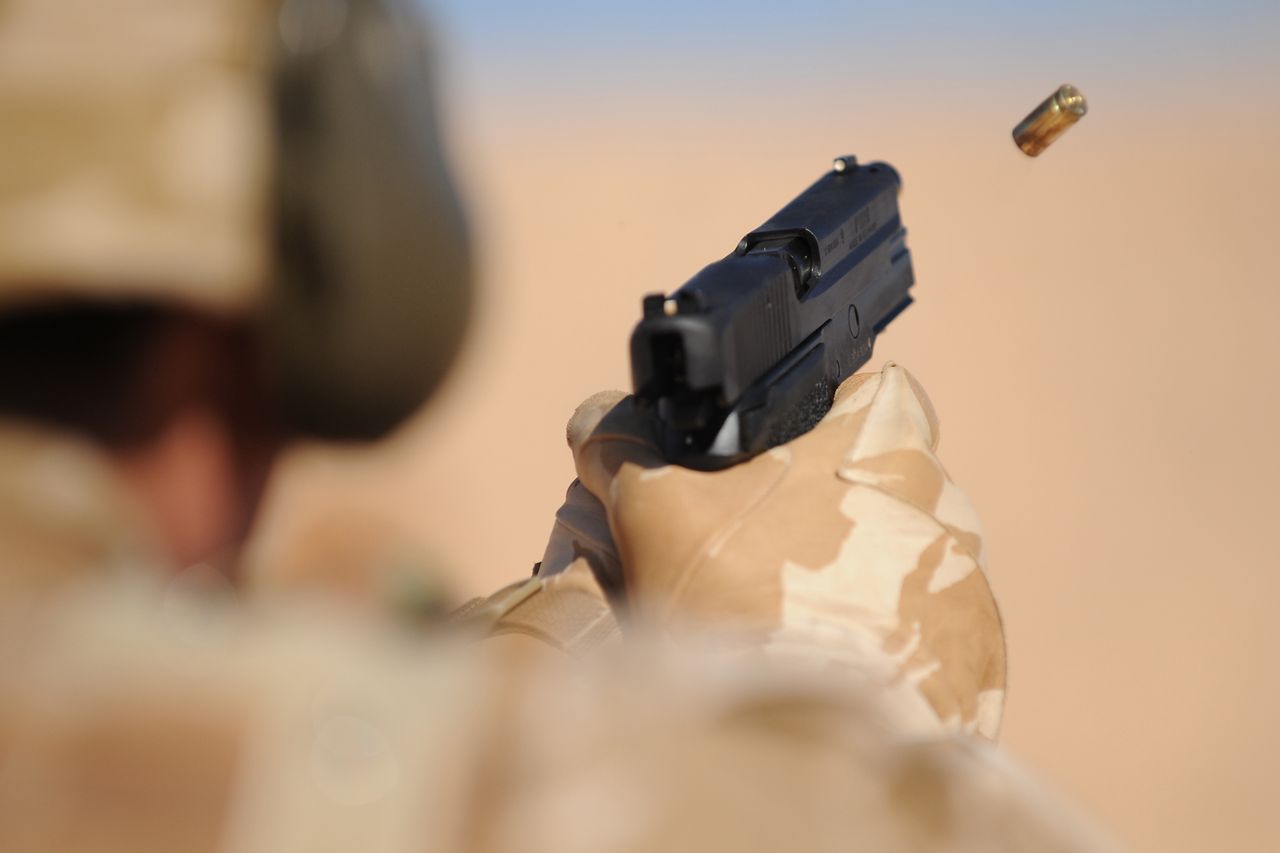
The most important second act came with elite users. SIG Sauer notes that the P226 was adopted by the U.S. Navy SEALs in 1989 as the Mk25, giving the pistol a level of prestige that ordinary contract wins rarely deliver.
That adoption changed the public image of the gun. Instead of being remembered as the runner-up to the Beretta M9, it became associated with maritime reliability, special operations credibility, and serious professional use.
For many shooters, that was more powerful than general issue status. The military at large picked Beretta, but one of the most demanding communities in uniform picked SIG.
Why the P226 still matters
The P226 endured because it delivered where it counted: durability, shootability, and trust. It also arrived at a moment when double-stack 9mm service pistols were reshaping police and military sidearm doctrine around the world.
Its metal-frame construction, double-action/single-action system, and excellent ergonomics gave it a feel that many shooters still prefer over lighter polymer designs. Even as striker-fired pistols took over much of the market, the P226 held a premium reputation.
That is the irony at the center of its fame. The pistol lost its most important competition, then built a stronger legacy because people kept treating it like a winner anyway.
The lesson behind the legend
Gun history is full of winners that became footnotes and losers that became icons. The P226 belongs firmly in the second category.
Beretta absolutely earned the M9 contract, and the 92 series became famous in its own right. But the P226 gained something different and, in some ways, more lasting: the mystique of a pistol that was good enough to stand at the top, then went on to prove itself elsewhere.
That is why the P226 remains so interesting. It lost the contest everyone remembers and somehow came out of it even more famous.