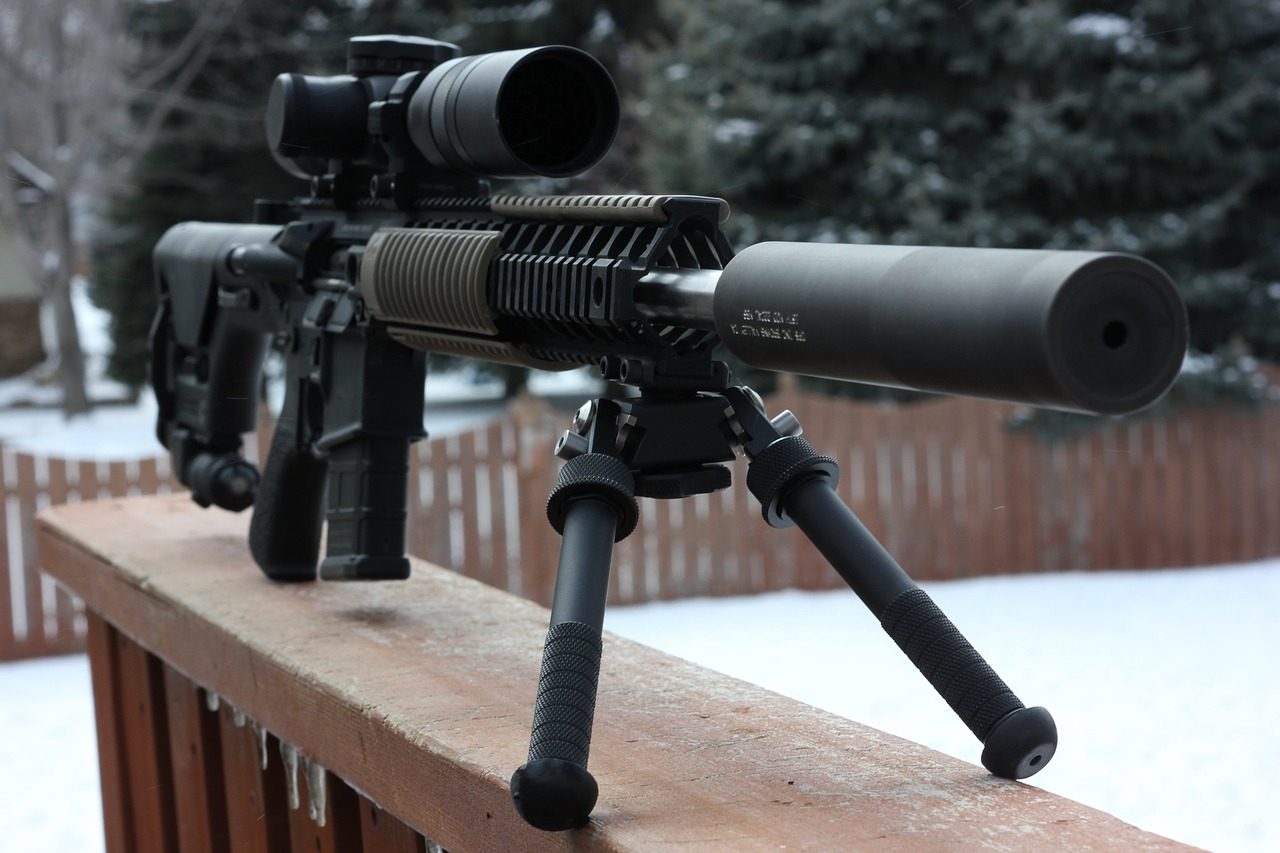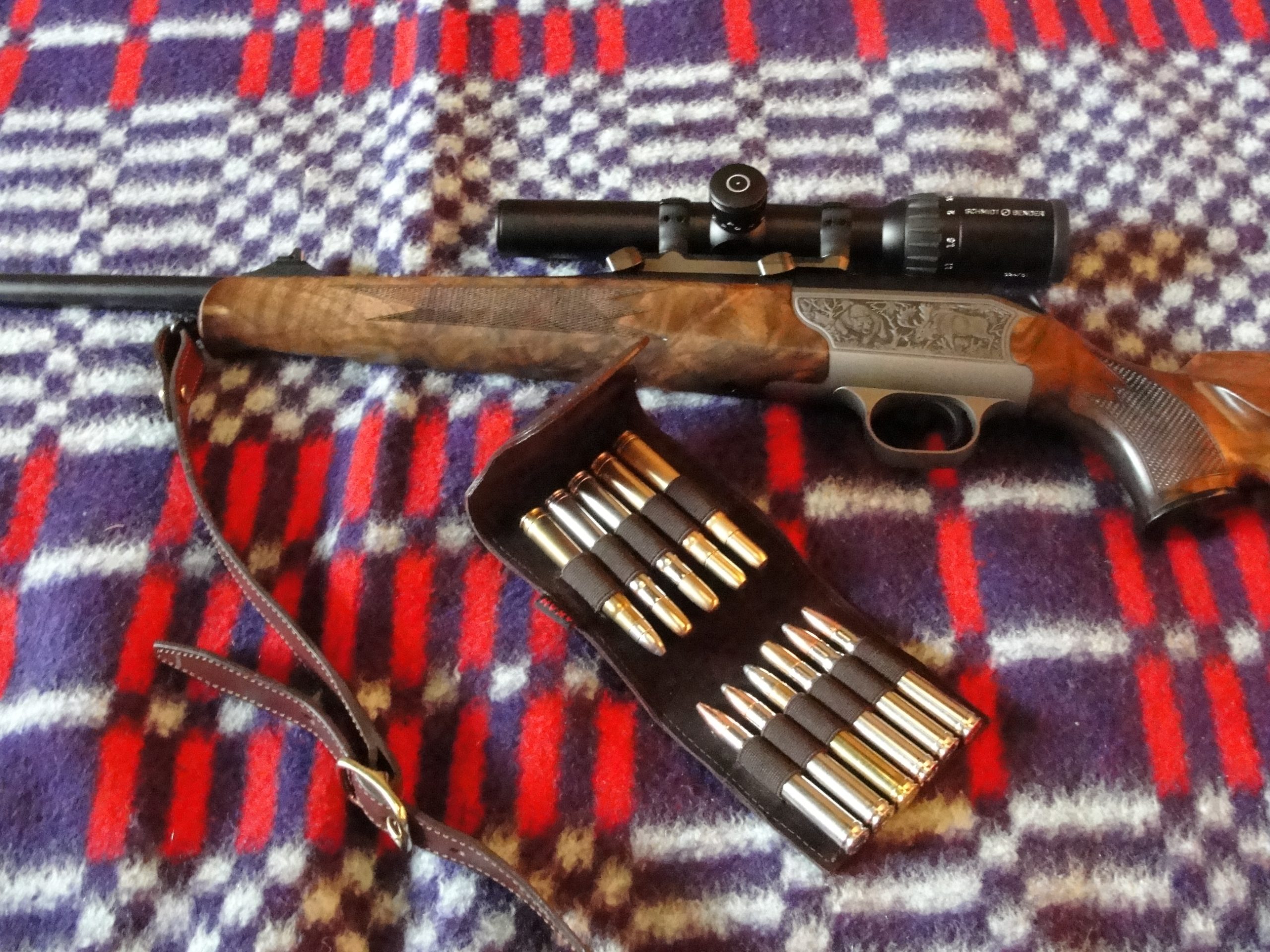
Introduced by Holland & Holland in 1912, the .375 H&H Magnum became far more than a successful hunting cartridge. Its real legacy was the case: long, tapered, rimless, and fitted with a raised belt ahead of the extractor groove. That combination solved a practical problem for powerful ammunition intended for magazine rifles. The shallow 15-degree shoulder was not ideal for conventional shoulder headspacing, so the belt supplied a positive stop in the chamber. At about 2.85 inches long, the case also offered substantial powder capacity without becoming excessively wide. That basic architecture became a template for generations of later magnum cartridges.
1. The 1912 Case Became the Blueprint
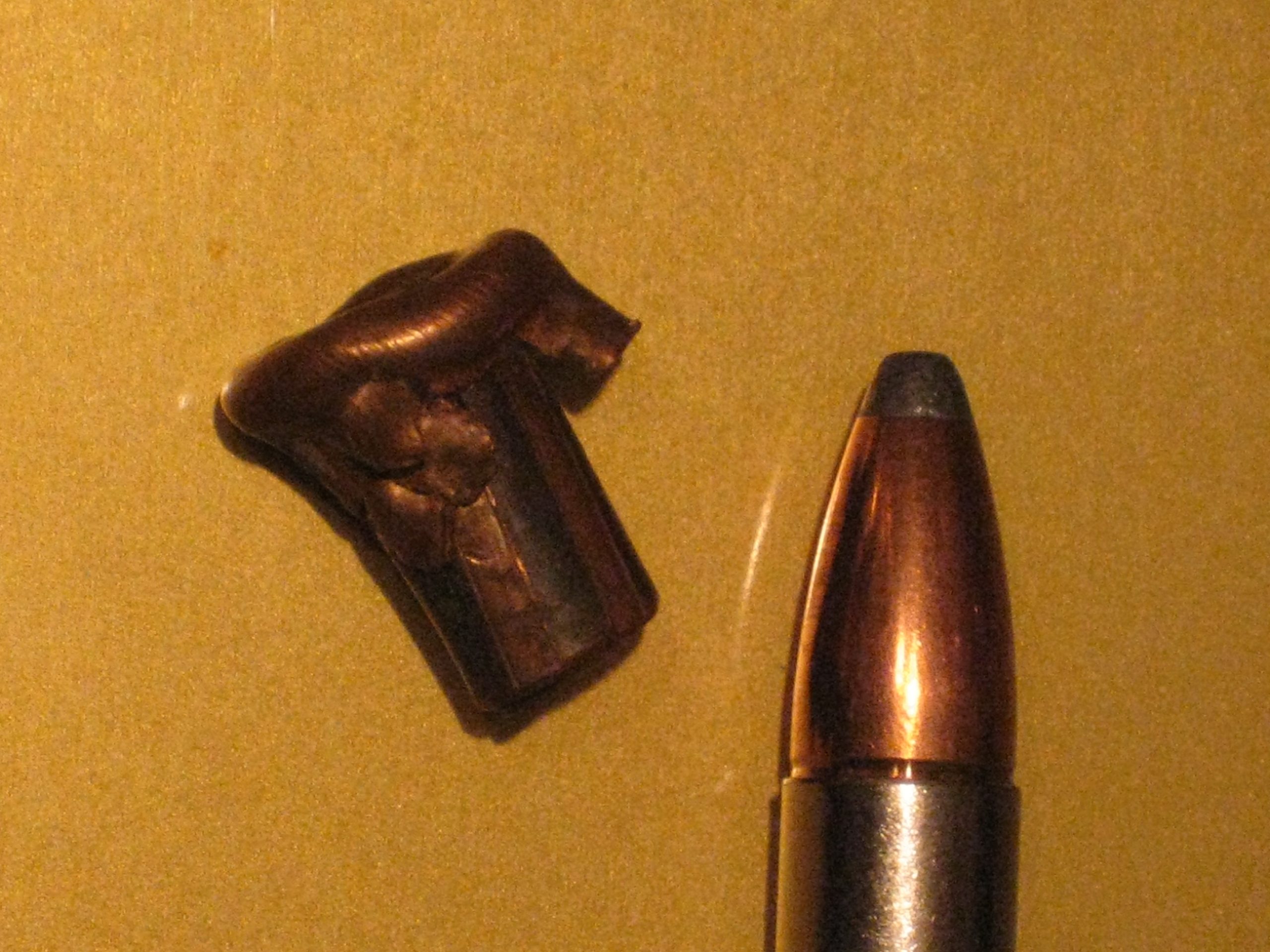
Introduced by Holland & Holland in 1912, the .375 H&H Magnum became far more than a successful hunting cartridge. Its real legacy was the case: long, tapered, rimless, and fitted with a raised belt ahead of the extractor groove. That combination solved a practical problem for powerful ammunition intended for magazine rifles. The shallow 15-degree shoulder was not ideal for conventional shoulder headspacing, so the belt supplied a positive stop in the chamber. At about 2.85 inches long, the case also offered substantial powder capacity without becoming excessively wide. That basic architecture became a template for generations of later magnum cartridges.
2. It Refined an Earlier Belted-Case Idea
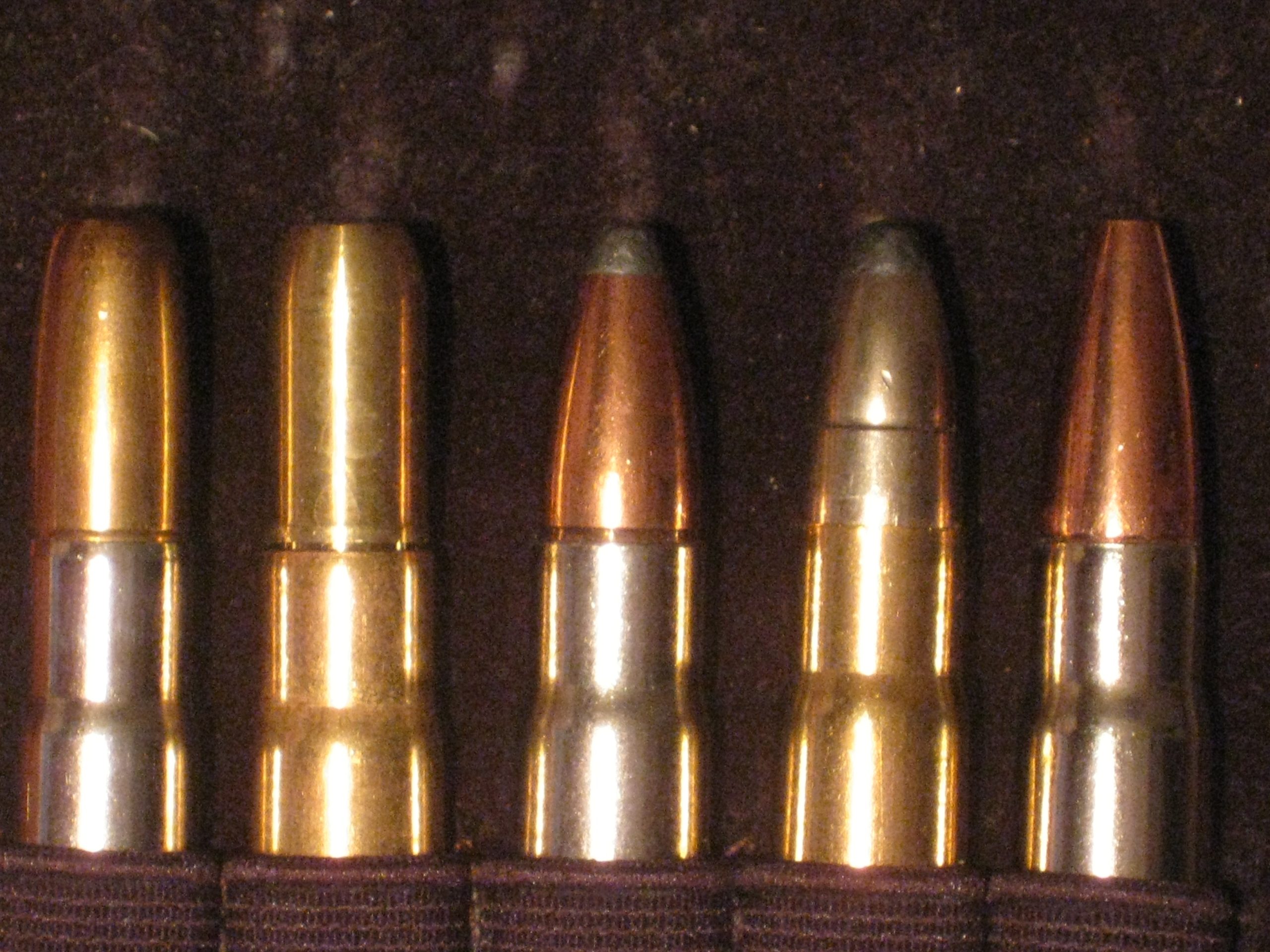
The .375 H&H did not invent the belted case from nothing, and that distinction matters. Earlier Holland & Holland developments had already explored the idea, while a British patent for a belted cartridge dates to 1891. What the 1912 .375 achieved was turning the concept into a hugely successful, practical cartridge family foundation. Its improved case combined the belt with a long body and gently sloping shoulder, creating a format other designers could readily adapt. The .300 H&H followed the same basic lineage, and later cartridges borrowed or modified its dimensions. The .375 therefore became influential because it proved the design could work commercially.
3. The Taper Helped Repeating Rifles Feed Smoothly
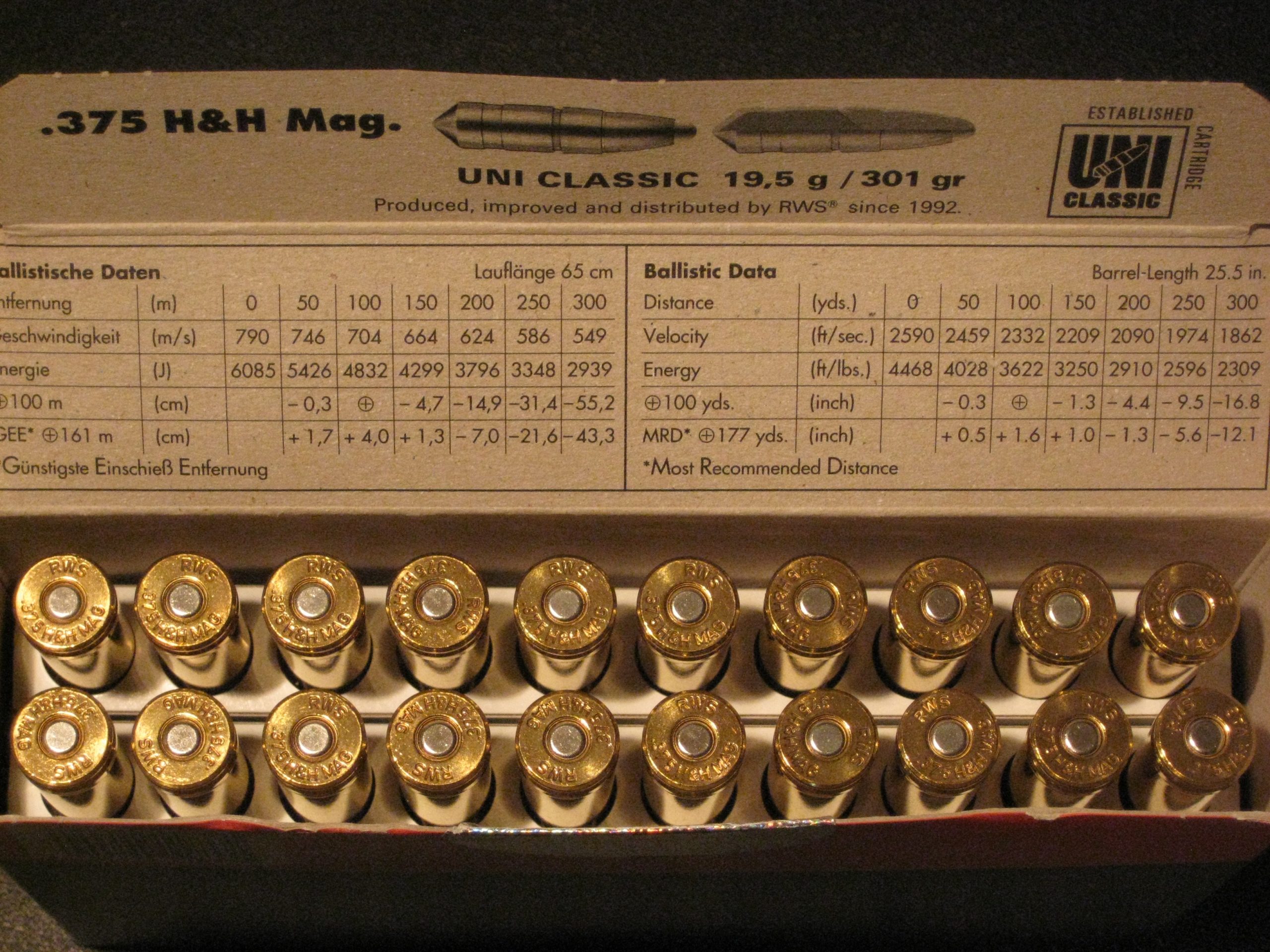
One reason the case spread so widely was its friendly behavior in a repeating rifle. The .375 H&H uses a rimless case, so cartridges sit neatly in a box magazine instead of presenting the protruding rim associated with traditional rimmed ammunition. Its long taper and modest shoulder also encourage smooth chambering and extraction. That mattered enormously in hunting rifles expected to function in heat, dust, or hurried conditions. The original cartridge measured about 3.60 inches overall, making it a long-action round, but the length provided room for a useful powder charge and long bullets. Designers gained a practical starting point rather than a blank sheet.
4. The Gentle 15-Degree Shoulder Was Deliberate

The case’s 15-degree shoulder is one of its most recognizable dimensions, and it was a deliberate engineering compromise. Modern high-performance cartridges often use sharper shoulders because they can simplify certain aspects of case geometry and powder capacity. The .375 H&H instead retained a gentle transition from body to neck. Early Cordite propellant influenced that shape, while the generous taper supported reliable extraction. It was not the most space-efficient case by modern standards, but it was exceptionally practical. With a case length of about 2.85 inches and an overall length near 3.60 inches, the proportions became a recognizable blueprint for later magnum designs.
5. Its Descendants Became a Huge Magnum Family

The most important legacy of the .375 H&H case is the family of cartridges built from it. The .300 H&H Magnum used the same basic architecture with a smaller .30-caliber bullet, and later designers pushed the concept further. Weatherby developed several magnums from H&H-derived cases, while cartridges such as the 7mm Remington Magnum, .338 Winchester Magnum, and .458 Winchester Magnum helped establish the broader magnum era through related belted-case conventions. Not every later magnum is literally based on the .375 H&H, so calling it the parent of all magnums would be inaccurate. Its influence was enormous, but not universal. That distinction is important when tracing cartridge ancestry.
6. The Belt Was Mainly About Headspacing

The belt itself is often misunderstood as a symbol of extra strength. Its principal historical purpose was headspacing: the forward edge of the belt provided a controlled stop for the cartridge in the chamber. That was especially useful because the .375 H&H’s shallow shoulder was not well suited to conventional shoulder headspacing. The belt therefore performed a job that a rim could perform on older cartridges, while keeping the case rimless for smoother magazine feeding. Later cartridges sometimes retained the belt even when their sharper shoulders could provide effective headspacing themselves. In those designs, the belt became more tradition than necessity.
7. Three Original Bullet Weights Showed Its Versatility

The original .375 H&H was also designed around a remarkably broad performance envelope. Early factory offerings included 235-, 270-, and 300-grain bullets, with published velocities of about 2,800, 2,650, and 2,500 feet per second, respectively. That spread helped the cartridge serve different hunting roles rather than being tied to one load. The famous 300-grain option became especially associated with heavy game, while lighter bullets provided flatter trajectories. The case had enough capacity to support these varied loads without requiring an unusually wide body. Its versatility became another reason manufacturers and hunters continued to value the design.
8. The .532-Inch Head Became a Magnum Standard
Another important number in the .375 H&H story is the approximately .532-inch case-head diameter. That dimension became strongly associated with the typical full-length belted-magnum family and gave designers a substantial case body without requiring an oversized rim. The arrangement worked especially well with long-action bolt rifles, although it required an appropriate bolt face and magazine system. Later cartridges retained, modified, or built around related dimensions while changing bullet diameter, shoulder shape, and case capacity. The result was a recognizable design language: a large case head, belt, long body, and enough internal volume to support powerful rifle ammunition.
9. It Was Powerful Without Becoming Excessively Wide

The .375 H&H’s proportions were another part of its success. Instead of creating a very short and fat case, Holland & Holland used a comparatively long body with substantial taper. The case length of approximately 2.85 inches and overall cartridge length of 3.60 inches gave designers considerable internal volume while retaining a shape suited to conventional rifle magazines. Early loads already demonstrated the concept, including a 300-grain projectile at roughly 2,500 feet per second. That combination offered serious power without the extreme case diameter of some later high-capacity cartridges. Its balanced dimensions helped make the design adaptable rather than merely powerful.
10. Its Influence Lasted More Than a Century

More than a century after its introduction, the .375 H&H case remains a reference point whenever classic magnum architecture is discussed. Its dimensions became familiar enough that the .532-inch case-head diameter and belt were widely associated with full-length belted magnums. Yet modern cartridge designers have increasingly explored beltless cases, shorter actions, rebated rims, and sharper shoulders. That evolution does not erase the .375 H&H’s achievement. Introduced in 1912, it demonstrated that a powerful rimless cartridge could feed smoothly, headspace positively, and offer generous capacity in a practical sporting rifle. Few cartridge cases have left such a long technical shadow.