Tagging an elk is only half the job. The real test often starts when the celebration ends and hundreds of pounds of meat still need to come off the mountain. These common pack out mistakes can spoil meat, drain energy, and turn a hard-earned hunt into a miserable memory faster than any snowstorm.
Waiting Too Long to Start the Pack Out

After the shot, many hunters pause longer than they should, telling stories, taking photos, or simply soaking it all in. That moment is earned, but every extra minute matters when a large animal is down in rough country and daylight is slipping away.
Delay creates a chain reaction. Meat cools more slowly, routes get harder to navigate in the dark, and fatigue rises because the job now extends into the worst part of the day.
A clean, calm plan right after recovery keeps the hunt from turning chaotic. The earlier the first load starts moving, the better the odds that both meat quality and hunter morale stay intact.
Underestimating How Heavy the Loads Really Are

An elk can humble even fit hunters who think they can carry more than they should. On a map, the truck may not look far away, but steep grades, deadfall, and thin air make every pound feel heavier within the first few hundred yards.
Trying to save one trip by overloading often costs more time than it saves. Slower travel, constant rest stops, and sloppy footing can turn one oversized load into a safety problem.
Smart pack outs are built on realistic weights, not optimism. Moderate loads move faster, preserve balance, and leave enough energy for the second and third trip when the mountain starts collecting payment.
Skipping a Real Route Plan

The shortest line on a GPS is not always the best way out. Hunters sometimes charge downhill without studying creek crossings, blowdowns, sidehills, or private land boundaries that can complicate a pack out fast.
A poor route drains energy in ways people do not expect. One bad crossing or one cliffed-out section can force a loaded hunter to backtrack with burning legs and fading light.
The better move is to pause and think like a transporter, not a pursuer. Choosing a slightly longer trail, gentler ridge, or cleaner timber band can save hours and reduce risk for every load that follows.
Failing to Cool the Meat Fast Enough

One of the biggest pack out mistakes starts before the first step. If quarters stay piled together, trapped under hide, or exposed to warm air without circulation, meat quality can decline long before anyone reaches camp.
Cooling meat is about speed and airflow. Get it skinned, bagged properly, and hung where shade and breeze can do their work while the hauling begins.
Hunters who rush the carry but neglect the cooling process often learn a hard lesson at home. A successful hunt is not measured only by a punched tag. It is measured by how much clean, well-cared-for meat actually makes it to the freezer.
Using the Wrong Pack or a Bad Load Setup

A pack built for day hiking is not automatically built for hauling meat. Weak suspension, poor belt support, and sloppy lash points can turn a manageable load into a swaying, spine-grinding mess.
Even good packs fail when the weight is packed badly. Meat set too low, too far back, or unevenly distributed pulls a hunter off balance and makes every step more dangerous.
A proper load rides close, high enough to stay controllable, and tight enough that it does not shift on sidehills or deadfall. Pack out misery is often less about toughness and more about whether the system was designed for the job.
Not Bringing Enough Game Bags and Cord

This mistake seems small until the animal is down and the scramble begins. Hunters who pack too few game bags or only a token amount of cord end up improvising at the worst possible moment.
Improvisation usually means compromised meat care. Quarters may touch dirt, hang poorly, or remain in awkward piles because there is no simple way to separate, protect, and suspend them correctly.
Extra game bags and cord weigh very little compared with the trouble they prevent. In the backcountry, a few overlooked ounces can decide whether the pack out feels organized and efficient or ragged from the very first load.
Trying to Do Everything Solo When Help Is Available

Pride has ruined more than a few pack outs. Some hunters insist on handling every load alone, even when partners, nearby campmates, or stock support could reduce risk and protect the meat.
Solo hauling multiplies fatigue quickly. It also raises the stakes if something goes wrong, because one twisted knee, one wrong step, or one navigation error can leave both hunter and meat in a bad spot.
There is nothing heroic about turning a recoverable task into an emergency. Calling for help, coordinating loads, or staging the work sensibly is often the smartest choice a hunter makes all season.
Neglecting Hydration and Calories

Many hunters treat the pack out like a final sprint, but it is more like an endurance event with heavy consequences. Once the excitement fades, the body starts asking hard questions about water, salt, and calories.
Without fuel, judgment slips. Steps get lazy, route choices worsen, and the chance of cramping or bonking rises right when the load is least forgiving.
A few quick snacks and steady hydration can completely change how a pack out feels. Hunters who eat and drink early usually move more safely and recover better, while those who wait often end up bargaining with every switchback on the mountain.
Packing in the Heat of the Day When You Do Not Have To

Sometimes there is no choice, but many hunters create unnecessary suffering by hauling the heaviest loads during the hottest hours. Heat punishes both people and meat, especially on exposed slopes with little airflow.
The body runs hotter under weight, and fatigue arrives faster than expected. Meanwhile, every minute in warm conditions adds pressure to an already time-sensitive meat care situation.
Early morning, evening, and shaded windows can make the same route feel completely different. Timing is a pack out tool, and hunters who use it wisely often finish stronger, safer, and with less damage to morale than those who simply grind through the worst conditions.
Leaving Critical Gear at Camp or in the Truck

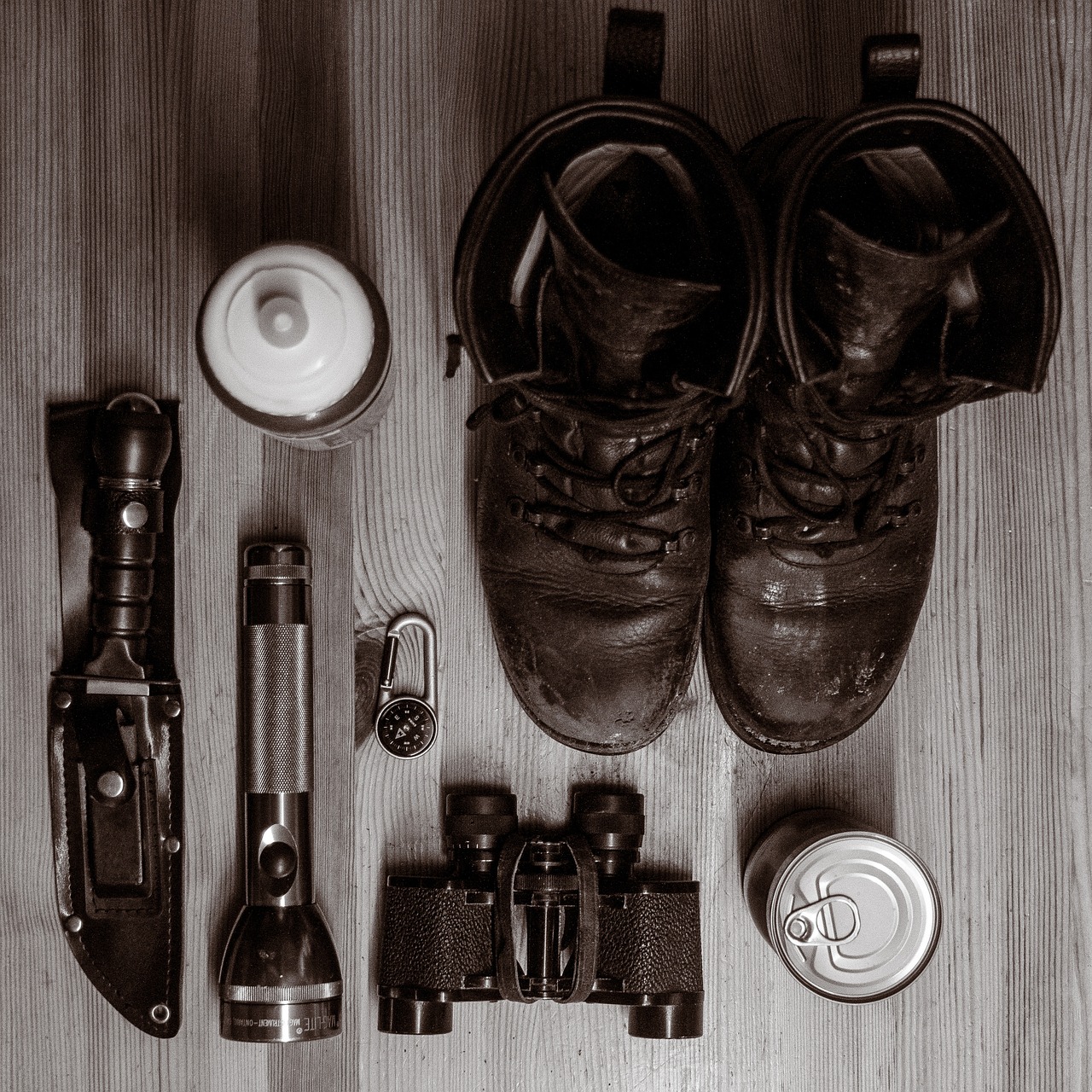
Pack outs fall apart when essential items are not on hand where the animal drops. Headlamps, knives, batteries, gloves, flagging, and spare layers always seem obvious until they are sitting miles away in camp.
That gap forces bad compromises. Hunters work in poor light, rush cuts, fumble with straps, or start hiking underdressed once temperatures fall after sunset.
The best field kits are built for the after-shot phase, not just the stalk. A little discipline before the hunt keeps the recovery efficient and protects against the kind of avoidable discomfort that grows into real problems deep in the backcountry.
Pushing Through Exhaustion Instead of Resting Smart

There is a fine line between determination and stubbornness. Hunters who refuse short recovery breaks often think they are staying tough, but extreme fatigue usually steals more time than a deliberate stop ever would.
Exhaustion changes posture and decision-making. Feet drag, balance gets sloppy, and simple obstacles like loose rock or a fallen log become much more serious under a heavy load.
Smart rests are part of the system, not a sign of weakness. A few minutes to breathe, drink, and reset the pack can restore enough control to make the next mile safer and noticeably faster.
Ignoring Safety Because the Tag Is Already Filled

Success can make hunters careless. Once the elk is down, people sometimes relax mentally and accept risks they would never take during the actual hunt, from dangerous creek crossings to unstable descents with overloaded packs.
That mind-set is costly because the pack out is often the most injury-prone part of the entire experience. A filled tag does not make gravity, cold, darkness, or rough terrain any less serious.
Finishing well requires the same discipline it took to get the shot opportunity in the first place. The hunt is not over at recovery. It is over when every person gets out safely and the meat comes with them.