Some firearms become tools. A few become legends.
The Parker Brothers shotgun belongs in that second category, especially when two names like Theodore Roosevelt and Annie Oakley are part of the story.
Why the Parker Brothers name carried so much weight
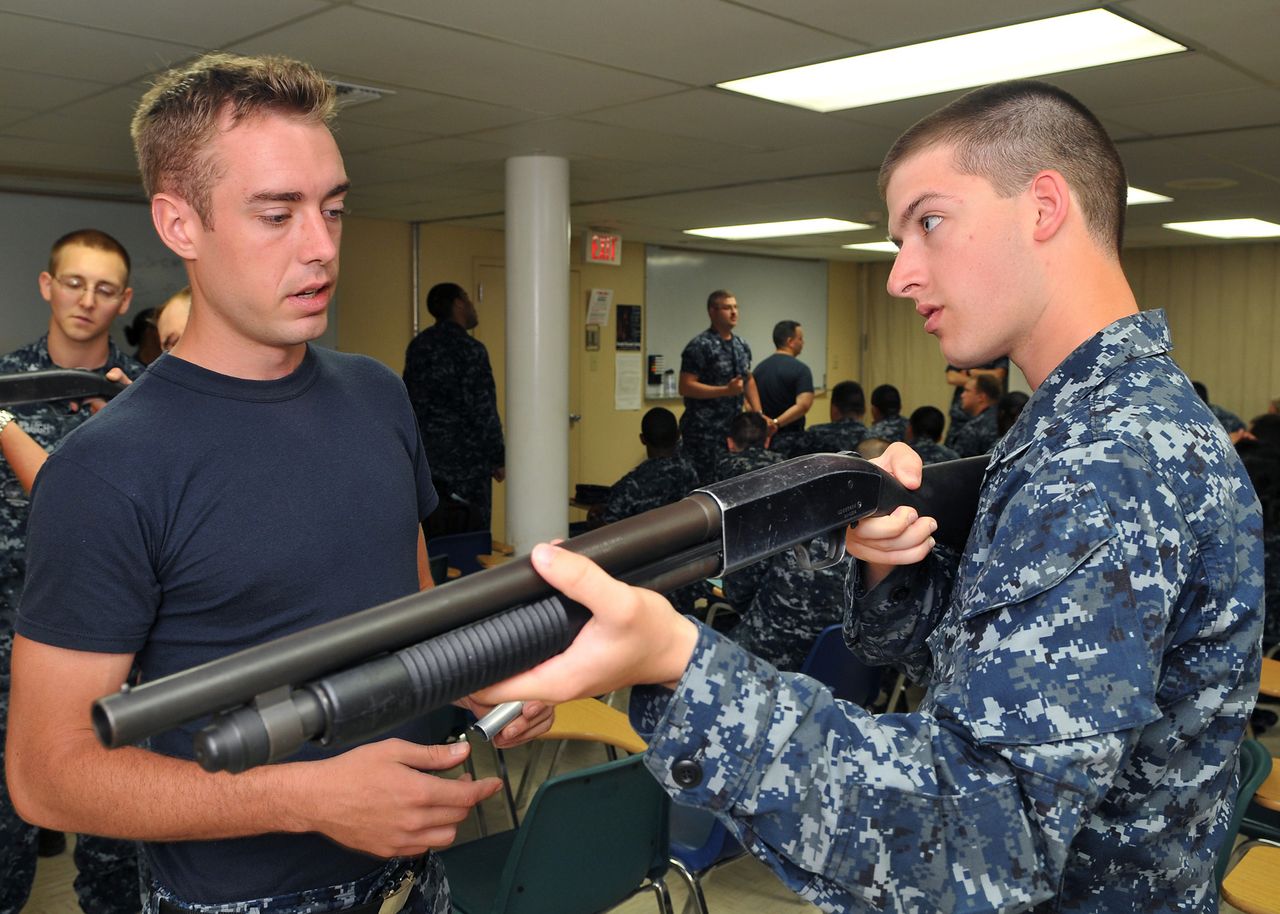
Mass Communication Specialist 3rd Class Ruben Reed/U.S. Navy/Wikimedia Commons
By the late 19th century, Parker Brothers had built a reputation that went far beyond ordinary sporting arms. The company, based in Meriden, Connecticut, became known for side-by-side shotguns that blended mechanical strength with an elegant finish. Collectors still lean on factory records preserved through the Parker Gun Collectors Association, a sign of how seriously the brand’s paper trail and craftsmanship are taken today. Parker’s admirers long called it “America’s Finest Shotgun,” and that reputation was not marketing fluff alone.
Part of the appeal was consistency. Parker guns were offered in a wide spread of grades, from practical field guns to lavishly engraved high-grade pieces, which let the brand serve working hunters, wealthy sportsmen, and exhibition shooters alike. That broad reach helped Parker occupy a rare place in American gun culture. It was both aspirational and usable.
The company also thrived at a moment when upland hunting, trapshooting, and live bird competition were central parts of sporting life. A shotgun had to point naturally, fire reliably, and survive heavy use. Parker earned praise because it met all three tests and because owners believed they were buying a lifetime gun rather than a disposable product.
That combination of performance and prestige explains why famous shooters gravitated to the marque. When public figures chose a Parker, they were not just buying steel and walnut. They were buying confidence.
Annie Oakley and the Parker as a performer’s working gun

Annie Oakley’s connection to Parker shotguns is one of the strongest celebrity associations in American firearms history. According to the NRA Museums, one Parker BH Grade shotgun was purchased by her husband and shooting partner Frank Butler on March 22, 1901, but it was soon returned so Oakley could recover her original Parker that had been taken in trade. That detail says a lot. A champion exhibition shooter was given the chance to move into a newer gun and still wanted the older Parker she trusted.
That kind of loyalty matters more than any advertisement. Oakley’s work depended on instinctive handling and absolute familiarity. In exhibition shooting, tiny differences in balance, stock dimensions, or sighting feel can ruin timing. If she preferred her established Parker, it suggests the gun had become almost an extension of her hands.
Museum descriptions also note that one of Oakley’s favorite shotguns was a Parker Brothers double barrel. That fits the broader pattern of the era, when top trap and exhibition shooters often favored Parker guns for their balance and durability. Oakley’s fame amplified that preference in front of enormous audiences.
Her image helped make the Parker more than a competition arm. It became a cultural object tied to poise, accuracy, and American showmanship. In Oakley’s case, the Parker was not a prop. It was trusted equipment.
Theodore Roosevelt and the sporting culture Parker represented

Theodore Roosevelt’s direct relationship with Parker shotguns is often discussed in the broader context of his sporting life, even though his best-documented safari guns also included rifles and other makers’ firearms. Roosevelt moved in exactly the kind of late 19th- and early 20th-century sporting circles where Parker held enormous prestige. He was a serious hunter, a conservation-minded outdoorsman, and a public figure who understood quality gear. In that world, Parker was already a byword for a first-class American shotgun.
What makes the Roosevelt connection compelling is not just the question of one specific gun, but what Parker represented to men of his generation. Roosevelt admired equipment that worked hard and reflected disciplined use. He had little patience for fragile luxury, but he did appreciate excellent craftsmanship when it served real field performance. Parker fit that philosophy neatly.
The same social class that embraced upland bird hunting, duck shooting, and gentlemanly competition often regarded Parker as a top-shelf choice. A Parker in that environment signaled discernment without sacrificing utility. It was refined, but not delicate.
So when people speak of the Parker trusted by Roosevelt, they are really talking about a gun that matched his broader ideals. It was American-made, mechanically respected, and deeply tied to the nation’s sporting identity.
What made Parker shotguns mechanically special
Parker shotguns earned their standing because they were not merely handsome. They were built to be shot. The company developed a reputation for strong actions, excellent barrel work, and handling qualities that made the gun feel lively without becoming whippy. For hunters chasing quail, grouse, or pheasants, that balance mattered every time the gun came to the shoulder.
Another strength was variety. Parker offered hammer and hammerless guns, multiple frame sizes, different barrel steels, and grades ranging from plain field pieces to highly embellished examples. That range lets shooters order guns suited to very specific uses. A trap competitor might prioritize one setup, while a bird hunter might want another. Parker could accommodate both.
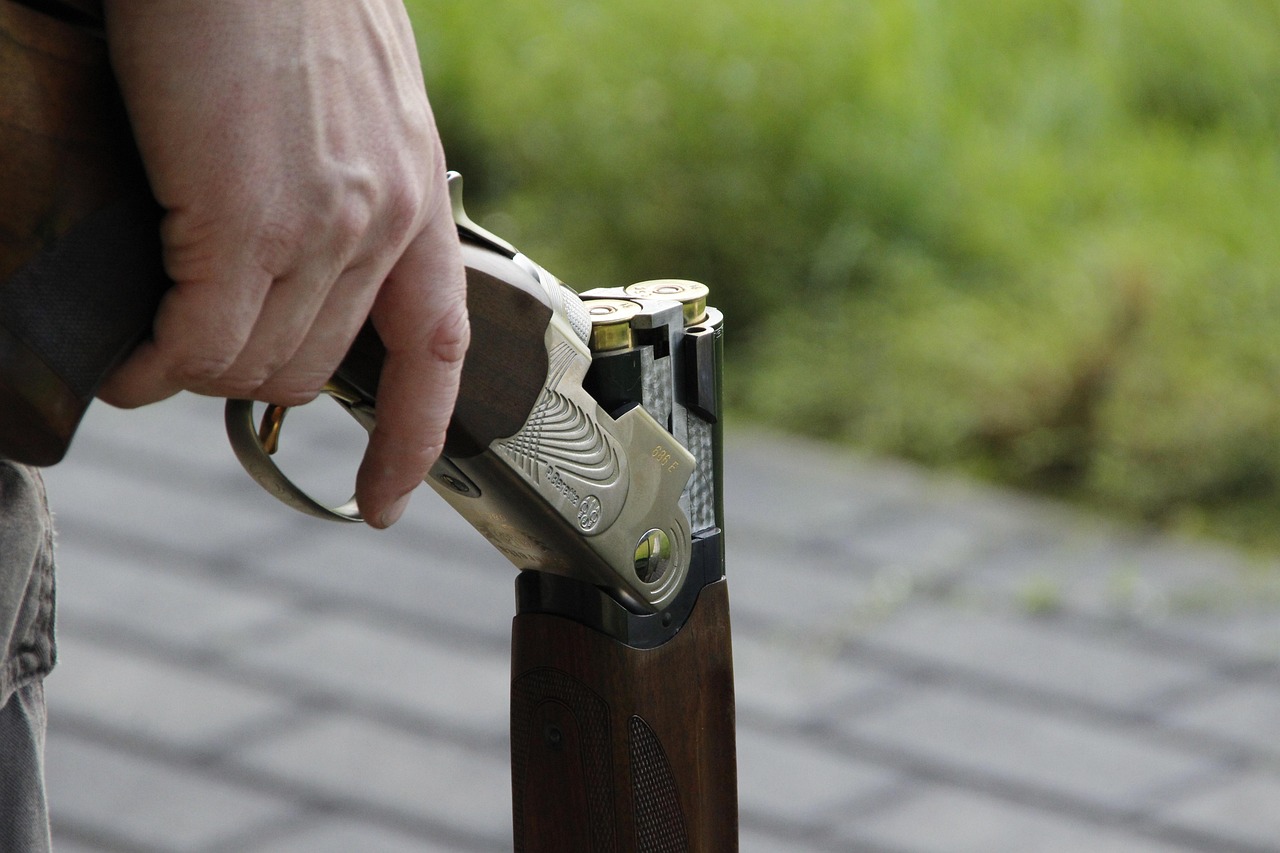
Stock fit also played a major role in Parker’s reputation. In the classic double-gun world, dimensions such as drop, cast, and length of pull determine whether a shotgun points where the shooter looks. Experienced users knew a properly fitted Parker could feel unusually natural. That is one reason many old owners stayed fiercely loyal to their individual guns.
The result was a shotgun that delivered more than visual charm. It gave shooters repeatable confidence. For exhibition stars like Oakley and demanding outdoorsmen in Roosevelt’s orbit, that was the real measure of excellence.
From field gun to status symbol in American life
Parker’s rise tells us something larger about America at the turn of the century. This was a period when sporting arms occupied a visible place in public life. Trapshooting clubs, upland hunts, and exhibition matches were social events as much as sporting occasions. A fine shotgun could function like a tailored coat or a well-made saddle. It showed taste, resources, and seriousness.
Yet Parker never survived on status alone. Plenty of expensive guns have been forgotten because they lacked soul in actual use. Parker endured because people used them hard, passed them down, and talked about them with affection. That emotional durability matters. It is one thing to own a luxury object. It is another way to build family memories around it.
The brand also benefited from the rise of sporting press coverage and public personalities. When famous shooters and sportsmen were seen with Parker guns, ordinary buyers drew a simple conclusion: if the best trusted Parker, it was worth aspiring to. That kind of social proof was powerful long before the term existed.
By the early 20th century, the Parker had become more than a shotgun brand. It was a marker of American sporting legitimacy, equally at home in marsh grass, on the trap line, or in a polished gun case.
Why collectors still chase Parkers today

Modern collectors continue to pursue Parker shotguns for three major reasons: craftsmanship, documentation, and historical association. The Parker Gun Collectors Association maintains access to factory records and authentication letters, which give buyers a rare level of confidence when researching original configuration. In the collector world, provenance is everything, and Parker is unusually strong on that front.
Condition is another driver. Original finish, matching components, sharp engraving, and untouched wood can separate an ordinary collectible from an extraordinary one. High-grade Parkers attract obvious attention, but even field-grade examples generate enthusiasm because they connect owners to real American hunting history rather than a museum-only fantasy.
Celebrity ownership or association can elevate interest dramatically. A documented Annie Oakley-related Parker is in a different category from a comparable anonymous gun. The same is true of any solid Roosevelt connection. Famous names do not replace condition and authenticity, but they intensify both emotional and market appeal.
Collectors also appreciate that Parkers remain deeply studied. Books, association research, auction descriptions, and museum holdings keep refining what we know. In a crowded antique arms market, Parker stands out because the conversation around it is still alive.
The enduring myth and reality of the Parker legend

The legend of the Parker Brothers shotgun survives because it rests on more than nostalgia. Annie Oakley’s preference for her familiar Parker, even after another gun entered the picture, points to practical trust. The broader Roosevelt association reflects the brand’s place among serious American sportsmen who valued quality with backbone. Those are not accidental endorsements. They are clues to how the guns performed in the hands of people who could choose almost anything.
At the same time, myth can overrun precision if we are not careful. Not every claim attached to a famous Parker is equally documented, and the wisest collectors always return to factory records, museum holdings, and well-established scholarship. That caution does not diminish the gun’s story. It strengthens it.
What remains undeniable is the brand’s cultural weight. Parker managed to become both a working shotgun and an American icon. Very few firearms occupy that middle ground for long.
That is why the Parker still matters. It was trusted by people whose reputations depended on skill, judgment, and results, and that kind of trust is the hardest thing any gunmaker can earn.