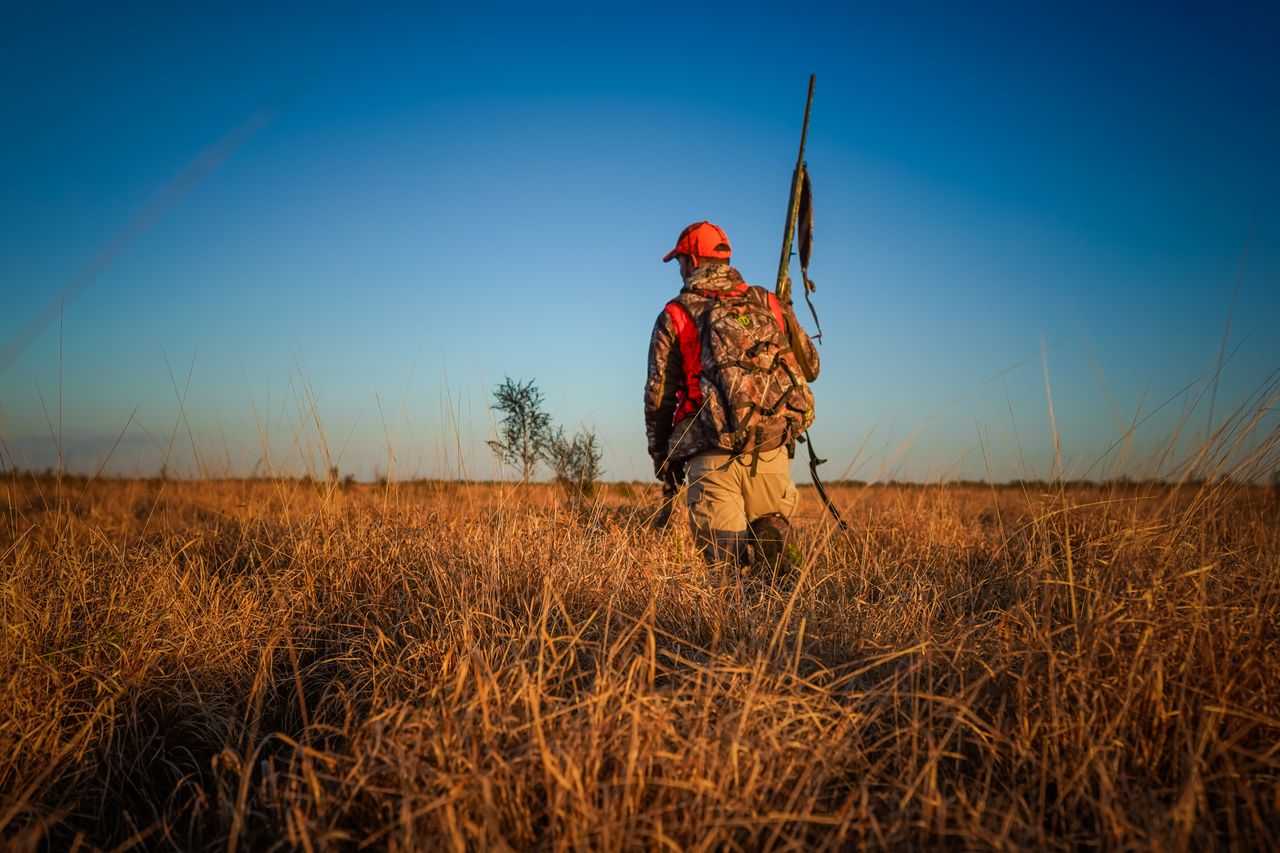
For many hunters, public land represents freedom, access, and tradition. But each season, it can feel a little more crowded, a little more pressured, and a lot more complicated to hunt well. This gallery breaks down the biggest reasons public land hunting is getting tougher and offers realistic ways to adjust without giving up the experience that draws people there in the first place.
More Hunters Are Using the Same Ground
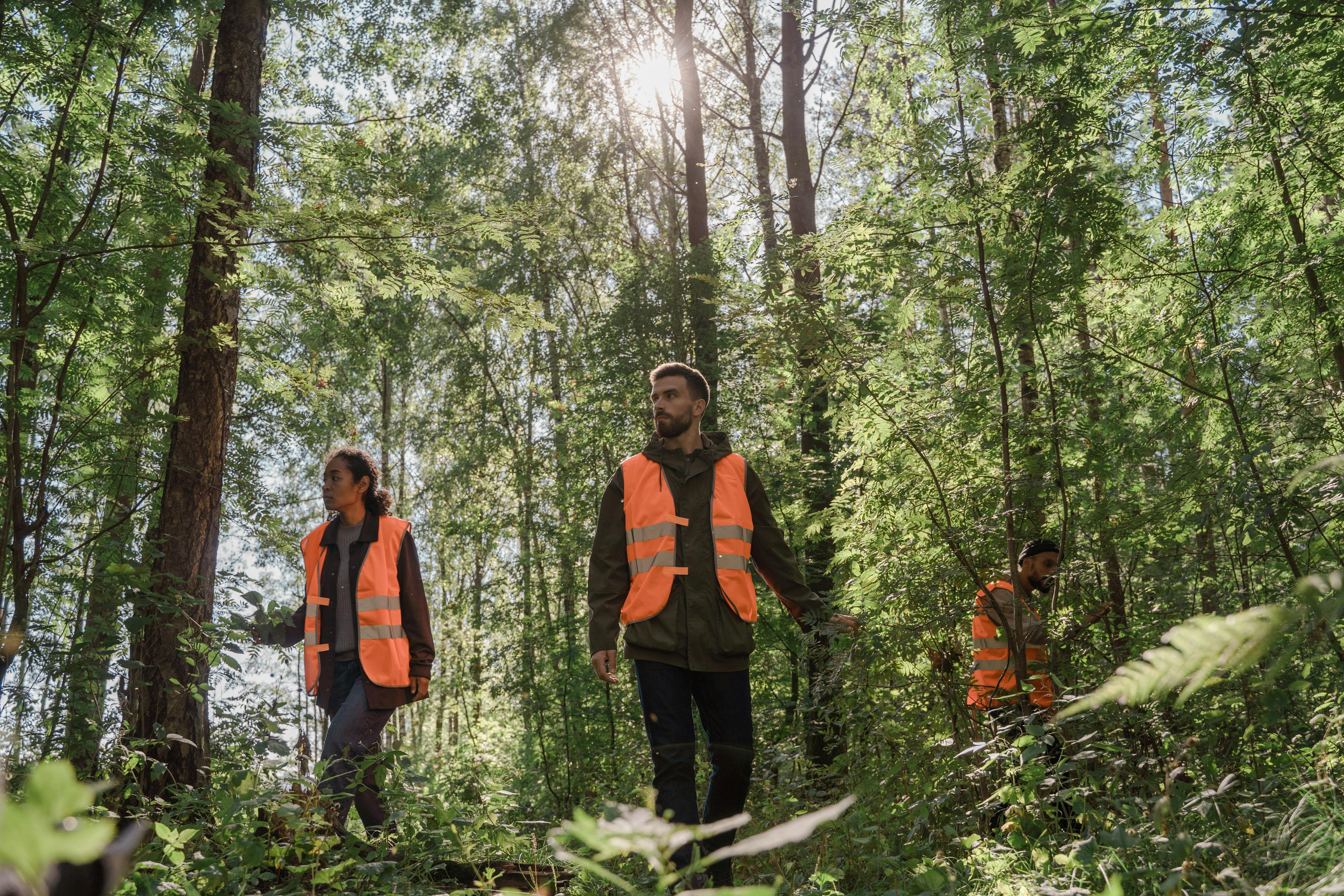
Public land has always attracted do-it-yourself hunters, but recent seasons have brought a noticeable surge in participation. More people are discovering hunting through social media, digital scouting tools, and a growing interest in self-guided outdoor experiences, which means once-quiet areas now see steady boot traffic.
That pressure changes animal behavior fast. Deer, turkeys, elk, and waterfowl react to repeated disturbance by shifting feeding times, bedding deeper, or leaving accessible spots altogether.
What can you do? Hunt overlooked parcels, weekdays, poor-weather windows, and less glamorous access points. The best move is often not hunting harder, but hunting where others are least willing to go.
Access Is Better Mapped Than Ever
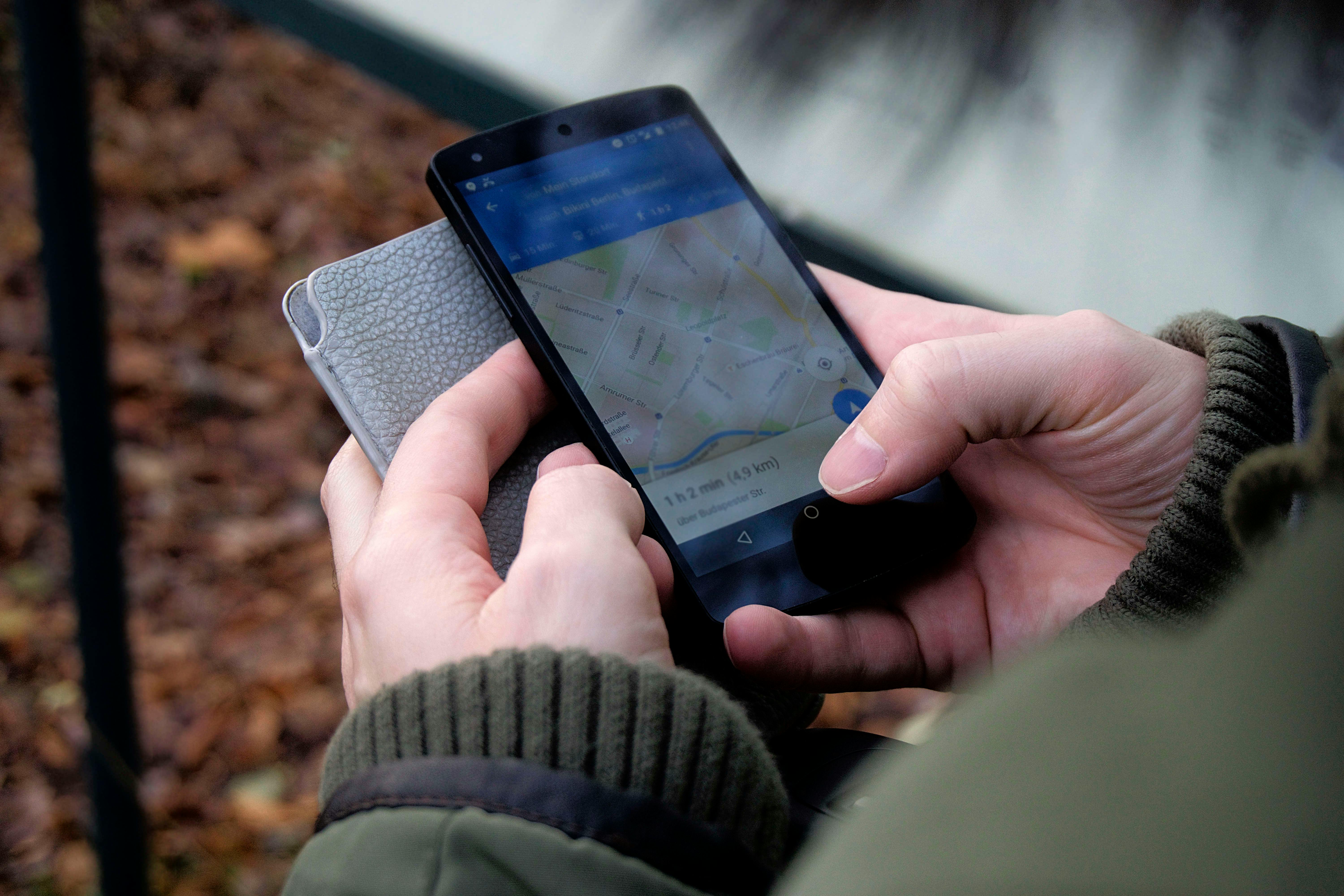
Modern mapping apps have made public land easier to understand, but they have also made hidden spots far less hidden. The ridge, saddle, marsh edge, or tucked-away gate that once took years to learn can now appear on thousands of screens before opening day.
That kind of shared knowledge compresses pressure into the most obvious productive zones. Animals feel it, and so do hunters who arrive expecting solitude.
The answer is to use the same technology differently. Instead of chasing popular pins, study terrain transitions, overlooked boundaries, walk-in corners, and ugly-looking country that others scroll past. A map is only as useful as the imagination behind it.
Wildlife Gets Educated Earlier in the Season
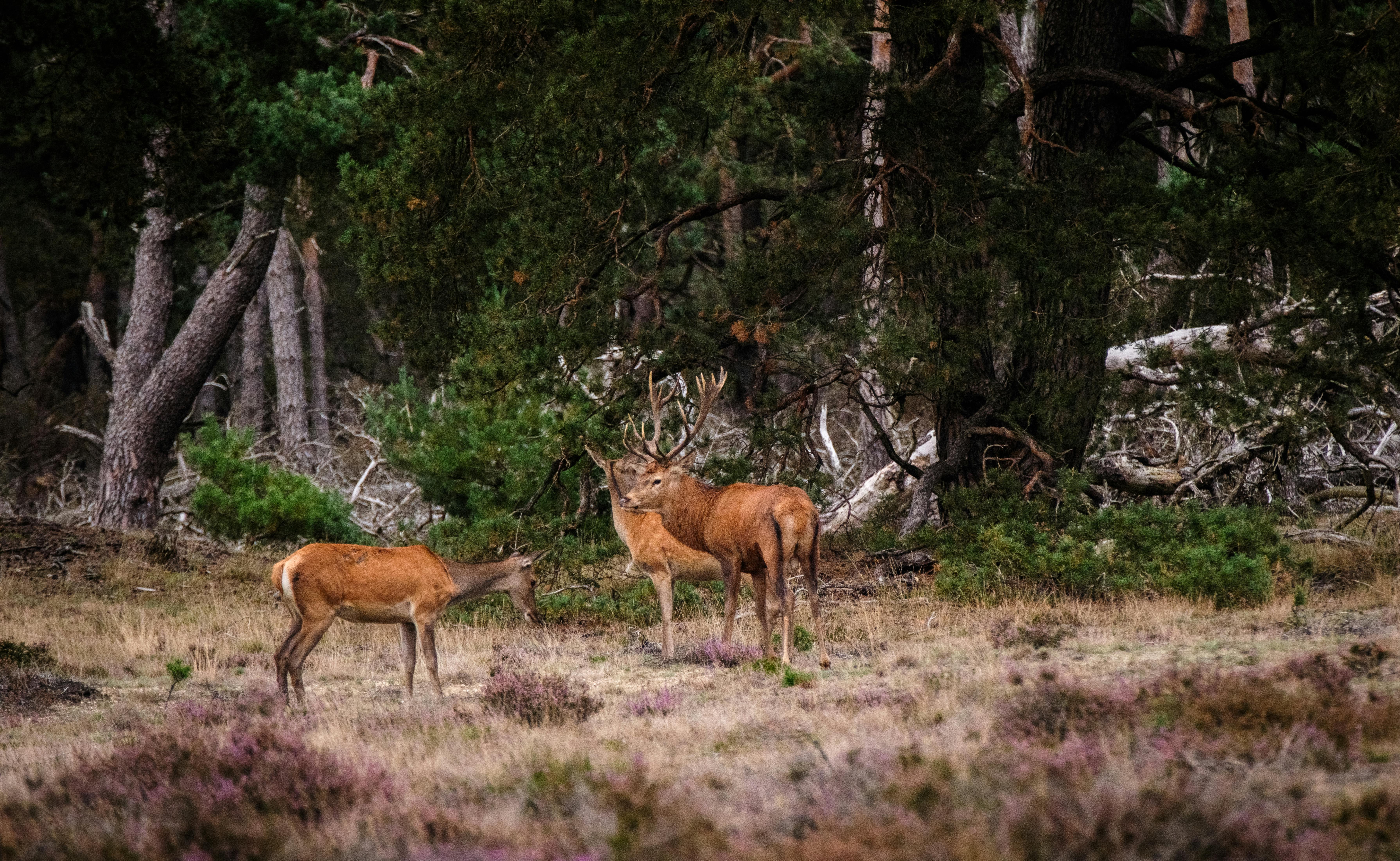
On heavily hunted public ground, animals are often reacting to pressure well before peak dates arrive. A few early encounters, bumped bedding areas, or constant scent and noise can teach mature game to abandon predictable patterns almost overnight.
That makes hunting feel tougher not because animals disappeared, but because they adapted first. Older bucks go nocturnal, gobblers stop sounding off, and pressured ducks start avoiding obvious setups.
Your response should be flexibility. Hunt transitions after pressure events, focus on entry and exit routes, and pay attention to where animals move after being disturbed. Public land success often comes from following pressure, not avoiding the fact that it exists.
Habitat Quality Is Uneven Across Public Parcels
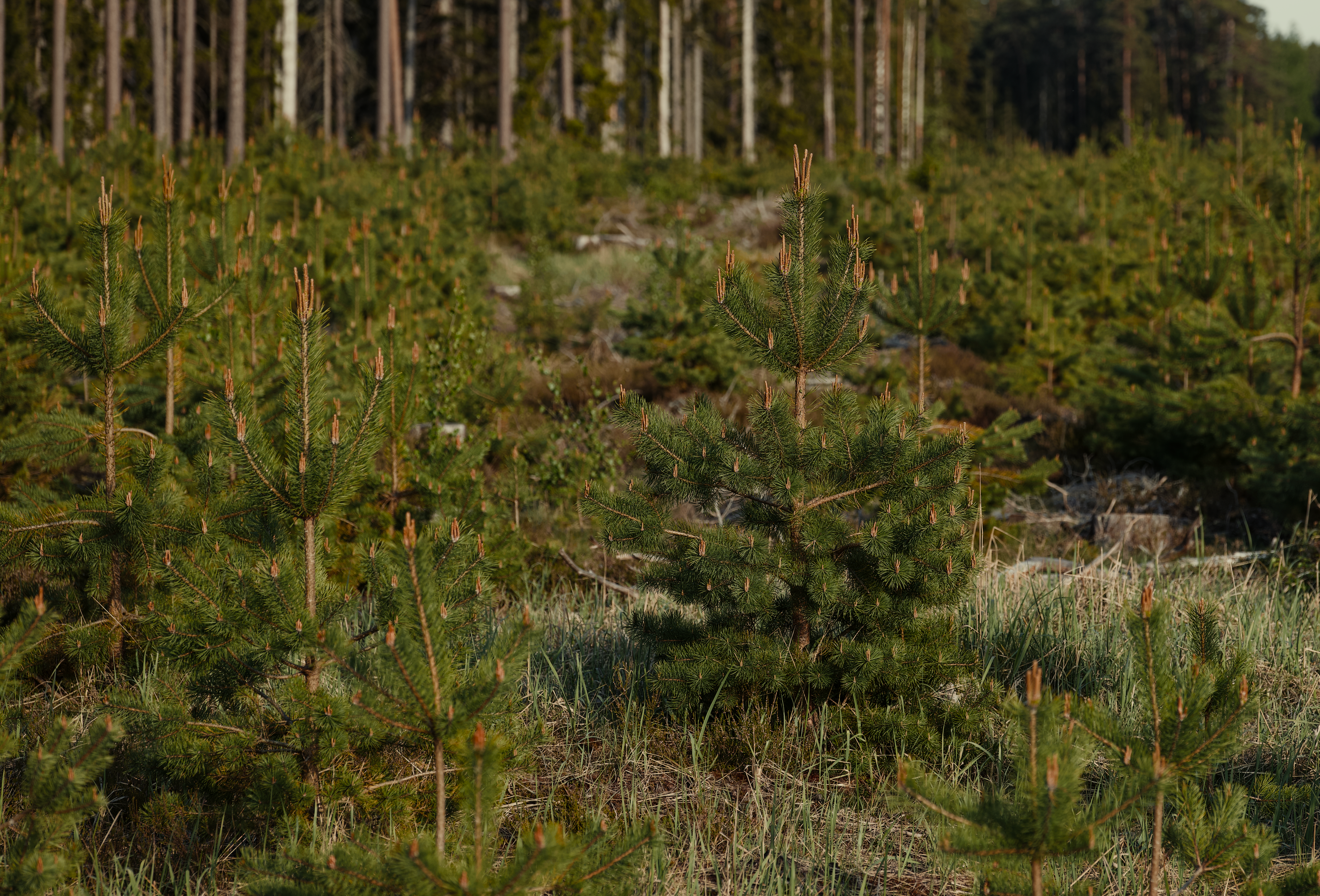
Not all public land is equal, even when it looks similar on a map. Some areas have great age structure, food, cover, and water, while others suffer from poor timber diversity, overbrowsing, invasive plants, or years of habitat neglect.
Hunters often pile into the same better-looking tracts, which intensifies competition and leaves weaker parcels underused. The result is a few hotspots carrying most of the pressure.
The smart play is to think like a habitat scout before you think like a hunter. Look for recent burns, timber cuts, edge cover, mast production, early successional growth, and overlooked water sources. Better habitat often reveals better opportunity long before season opens.
Shorter Attention Spans Create More Disturbance
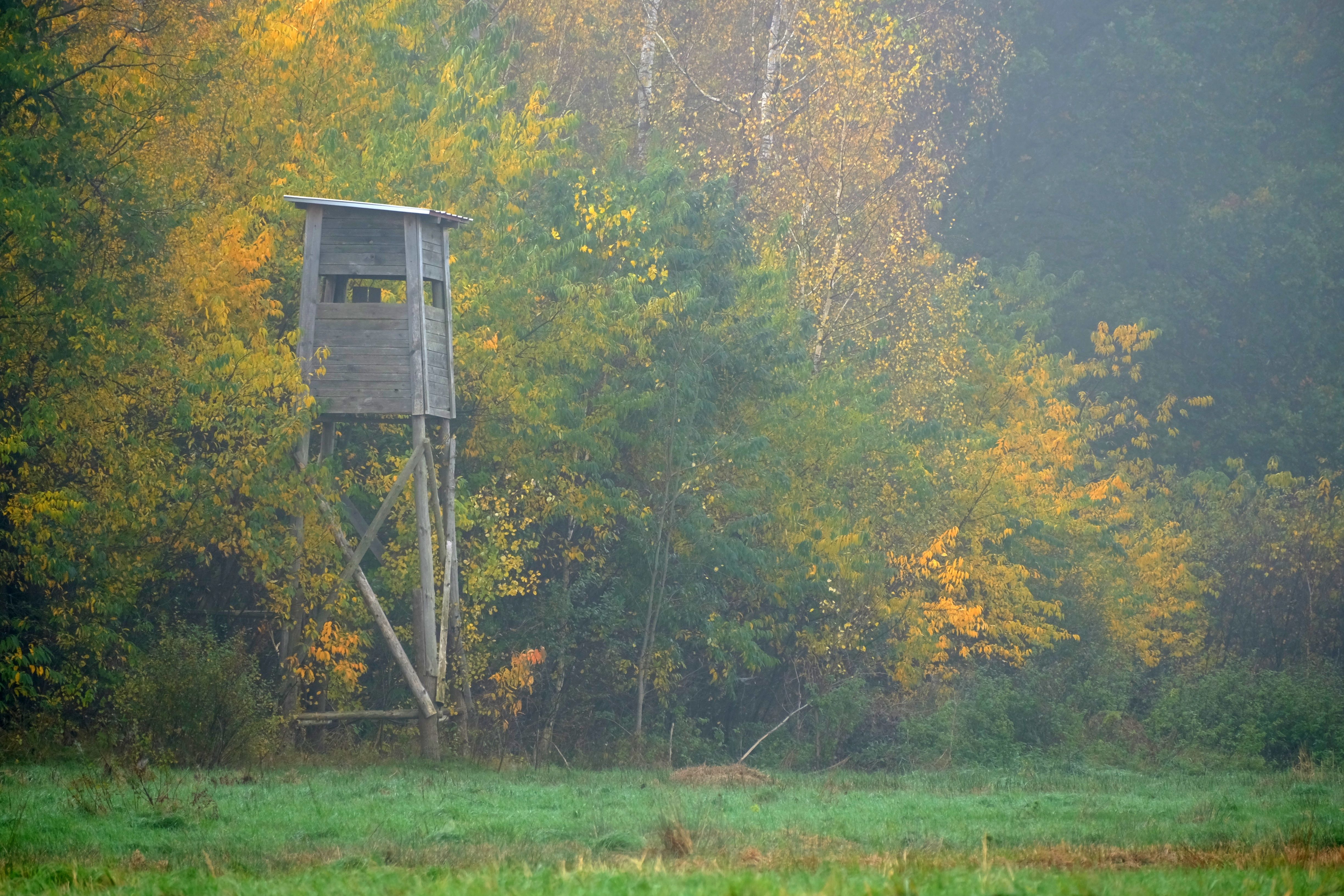
A lot of hunters now move quickly from spot to spot, especially when a morning does not produce immediate action. That restlessness can turn entire public areas into revolving doors of trucks, boots, calling, and midmorning repositioning.
Animals notice all of it. Constant human movement creates a rolling wave of disturbance that makes game less visible and less predictable, even in places with healthy populations.
One of the best counters is patience with purpose. Pick stronger setups, stay longer when conditions are right, and treat low-odds windows seriously. Let others push the woods around while you wait where pressured animals are most likely to slip through once the commotion starts.
Public Land Rules Keep Getting More Complex
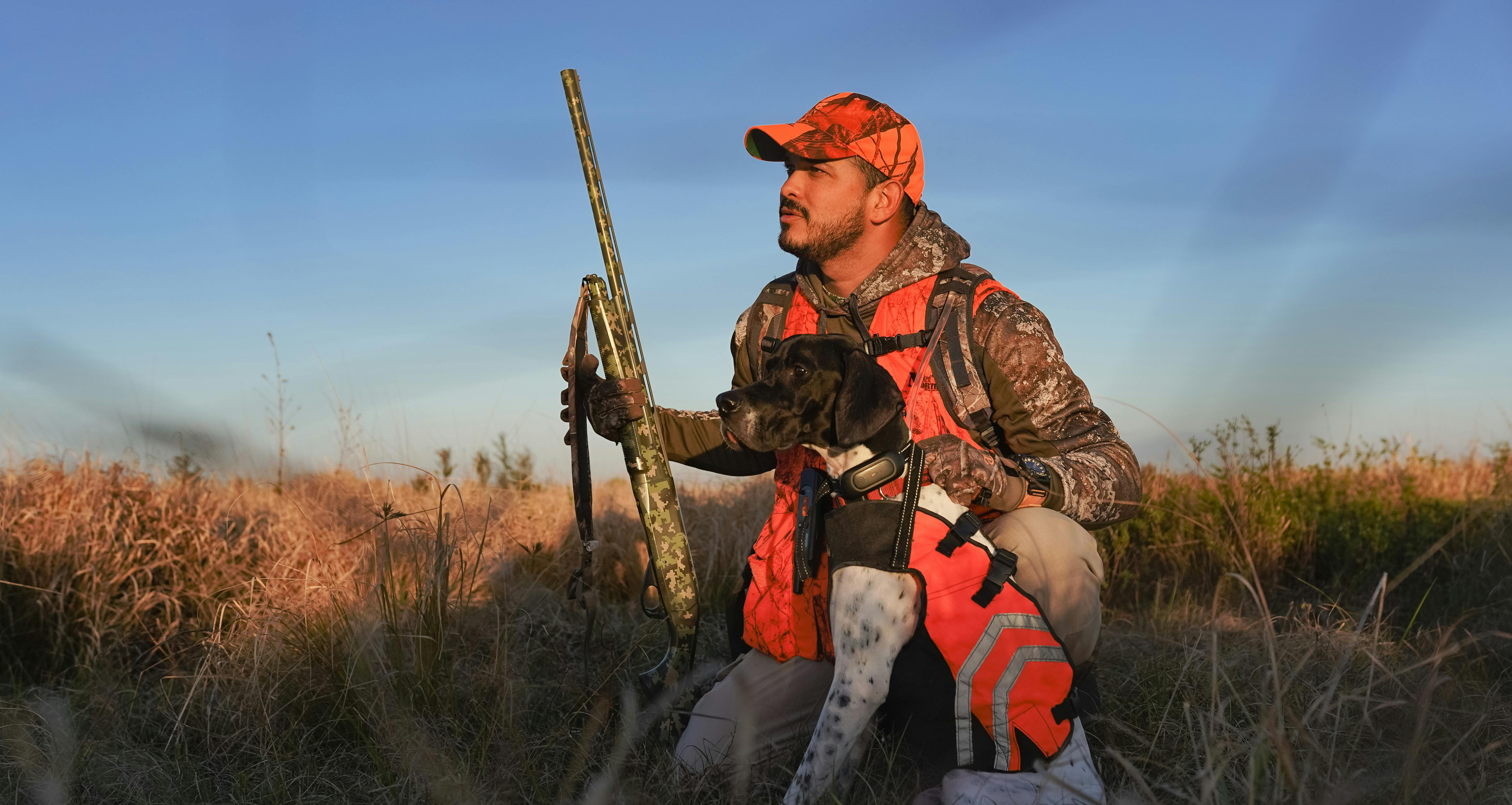
Regulations are often more detailed now, and for good reason. Agencies are trying to balance safety, wildlife health, crowding, weapon types, access methods, tagging systems, and local conservation goals. For hunters, though, that can make every trip feel like a paperwork test.
Confusion leads to missed opportunities, avoidable mistakes, and a tendency to skip unfamiliar areas altogether. Complexity can become its own barrier to entry.
What helps is building a simple preseason system. Read area-specific rules early, save season dates, confirm access hours, and understand local restrictions before you leave home. Hunters who know the details usually move with more confidence and waste less precious time in the field.
Weather Swings Are Making Patterns Less Reliable
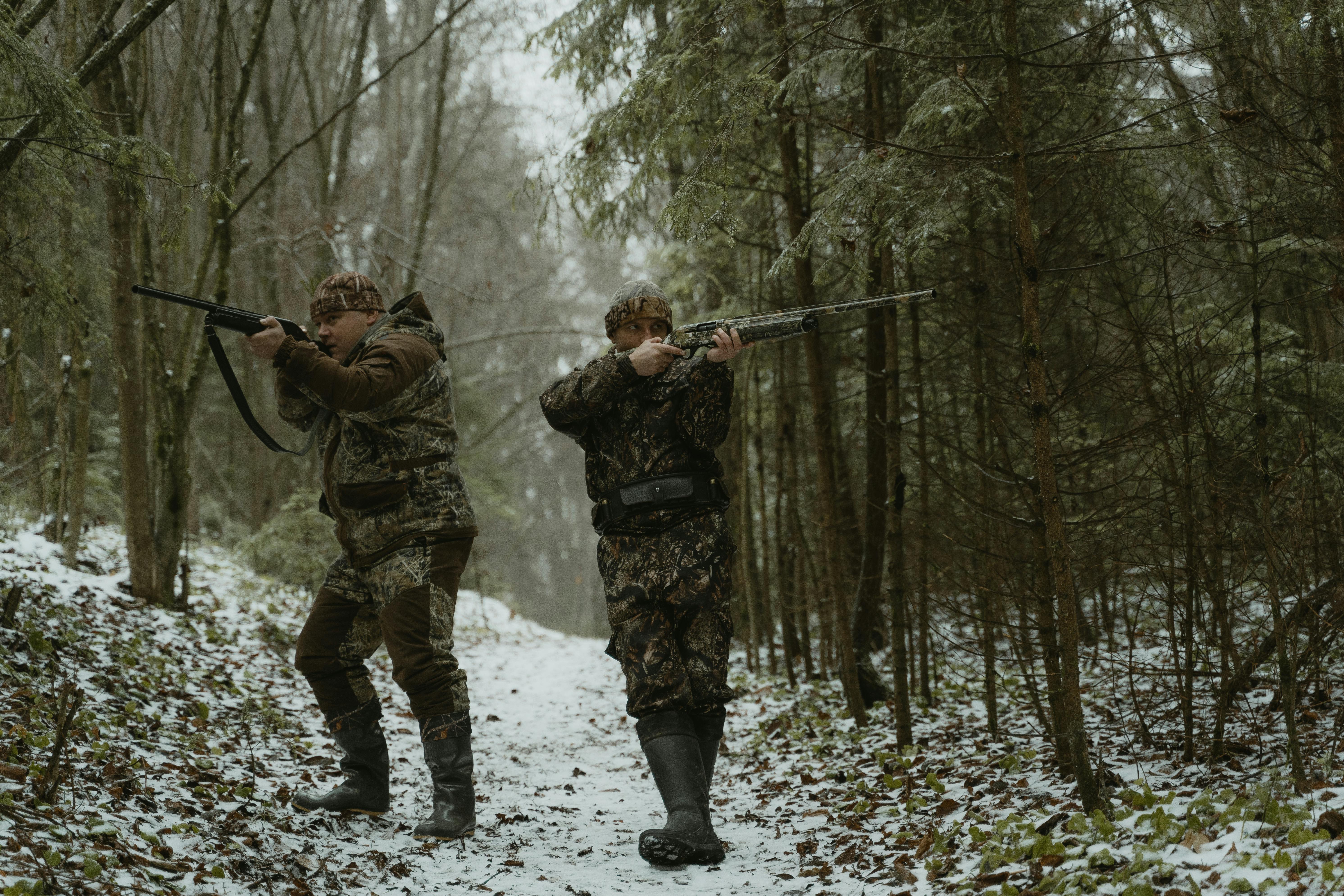
Seasonal weather has always influenced hunting, but sharper swings in temperature, wind, drought, rain, and unseasonable warmth can throw off long-trusted patterns. A setup that produced year after year may suddenly go cold when food, water, or movement windows shift.
Public land hunters feel this especially hard because they have less control over habitat and less flexibility to manipulate conditions. They are reacting in real time.
That means preparation has to become more dynamic. Track current food sources, monitor water during dry periods, and be willing to abandon old assumptions quickly. The hunters adjusting to this week’s conditions, not last year’s memories, usually stay in the game longer.
Limited Parking Concentrates Pressure Fast
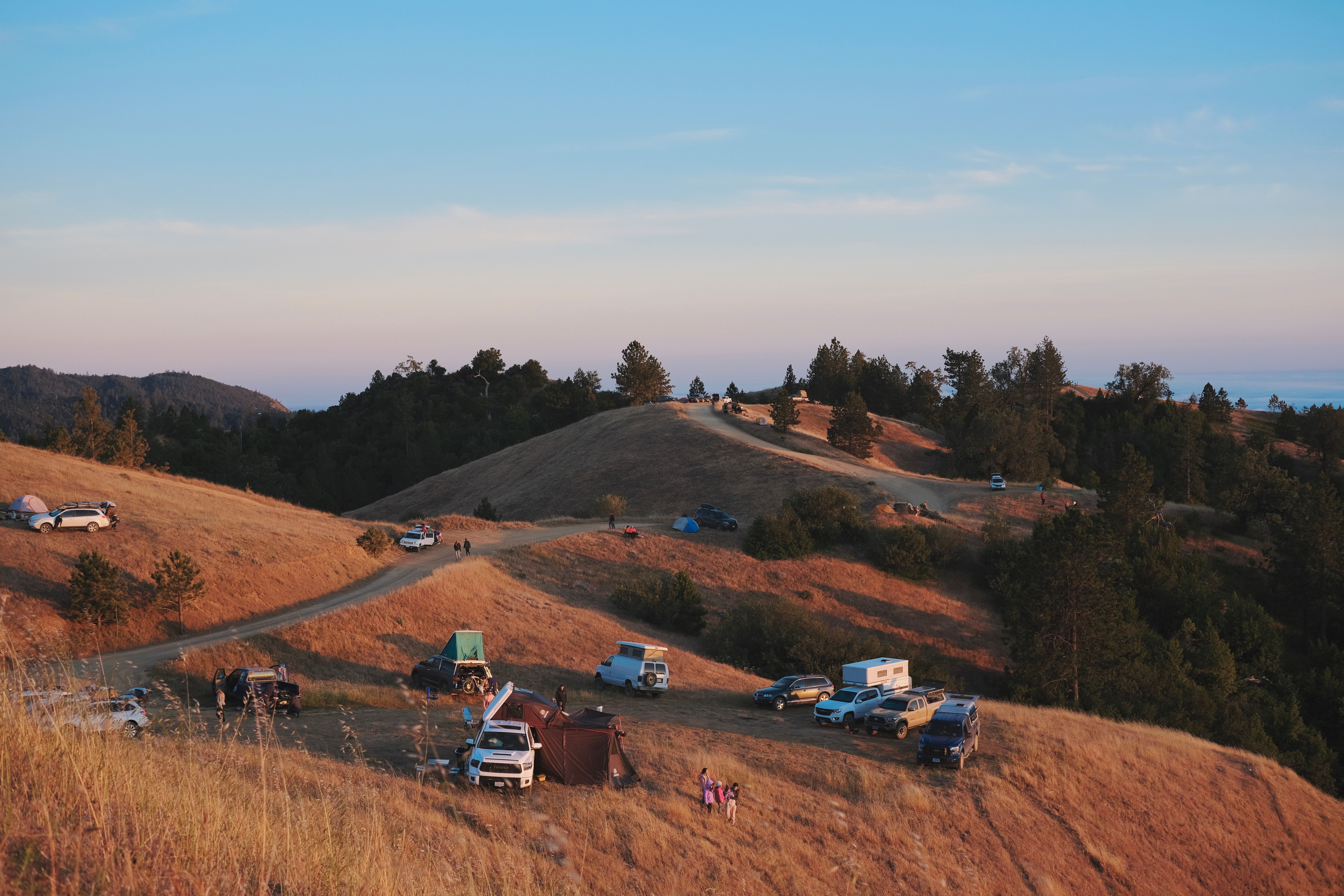
Sometimes the real bottleneck is not acreage but access. A large public tract may look spacious on paper, yet if most hunters enter from the same few parking lots, gates, boat ramps, or trailheads, pressure stacks up immediately in predictable corridors.
Game learns those patterns quickly. Areas nearest easy entry get bumped first, while terrain beyond difficult creeks, steep climbs, or awkward routes often receives much lighter pressure.
You do not always need more land, just a better approach. Study alternate access, legal walk-ins, paddle routes, and longer loops that separate you from the opening-day crowd. A different entry can make familiar ground hunt like a completely different property.
Online Advice Sends Everyone to the Same Spots

Hunting media has made the sport more accessible, but it has also created a copycat effect. When the same tactics, timing, terrain features, and public-land success stories circulate widely, hunters naturally converge on similar places with similar expectations.
The result is a strange kind of overeducation. Everyone knows what a good pinch point, oak flat, bedding edge, or roost ridge looks like, so the obvious spots get hammered first.
The better move is developing local instincts instead of chasing generic formulas. Use advice as a starting point, then test it against what your area, season, and pressure levels actually show you. Original thinking is a serious advantage on crowded public ground.
Success Now Depends More on Adaptation Than Tradition
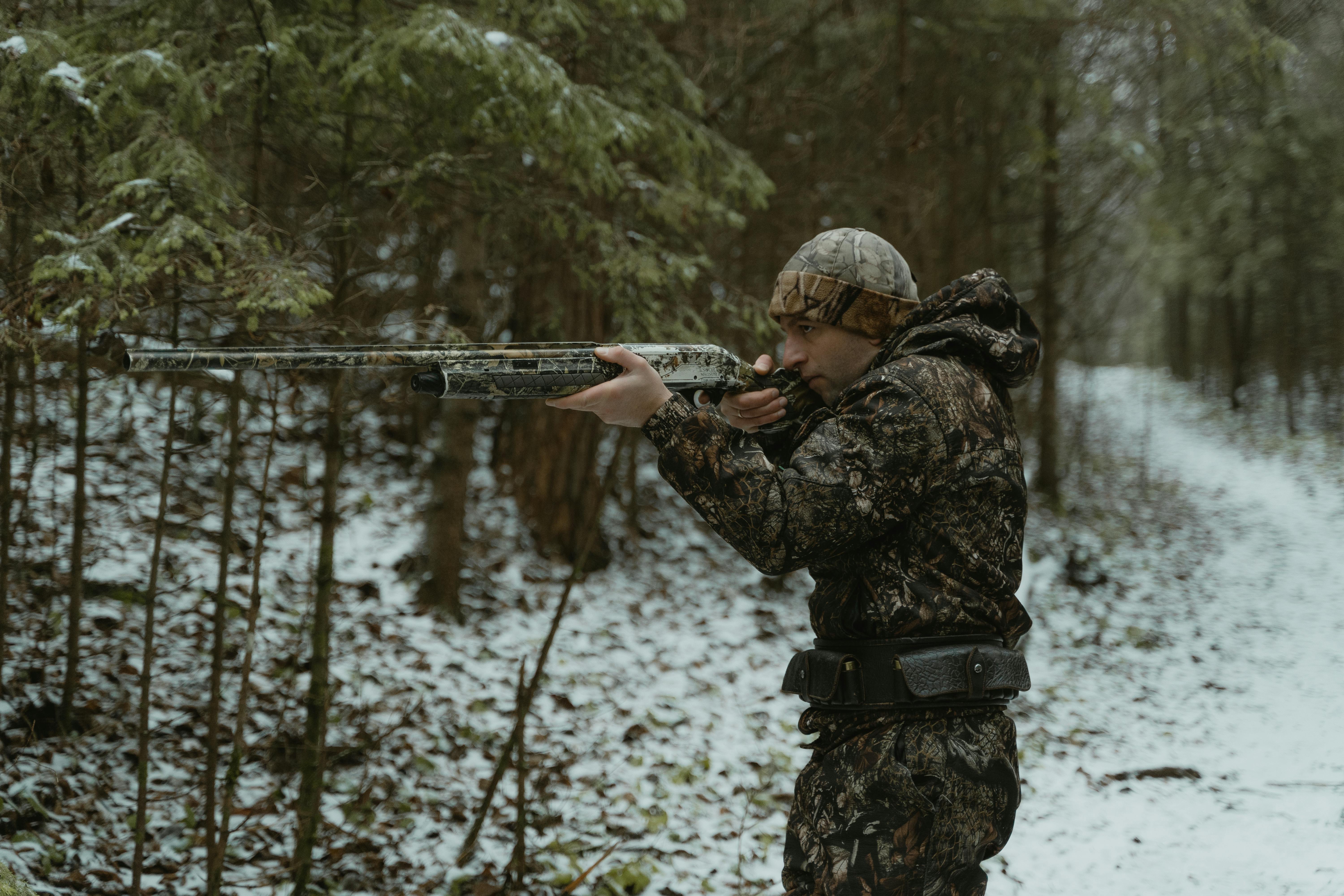
The biggest reason public land hunting feels harder may be simple: the old rhythm no longer guarantees the old results. More people, smarter animals, changing habitat, shifting weather, and constant information flow have altered the playing field in ways many hunters can feel immediately.
That does not mean public land is finished. It means the best hunters are becoming better observers, more patient planners, and more willing to change tactics without abandoning the traditions they value.
If there is one takeaway, it is this: adaptability is now part of the craft. Scout wider, think deeper, move smarter, and keep your expectations realistic. Public land still offers real opportunity, but it increasingly rewards hunters who evolve with it.