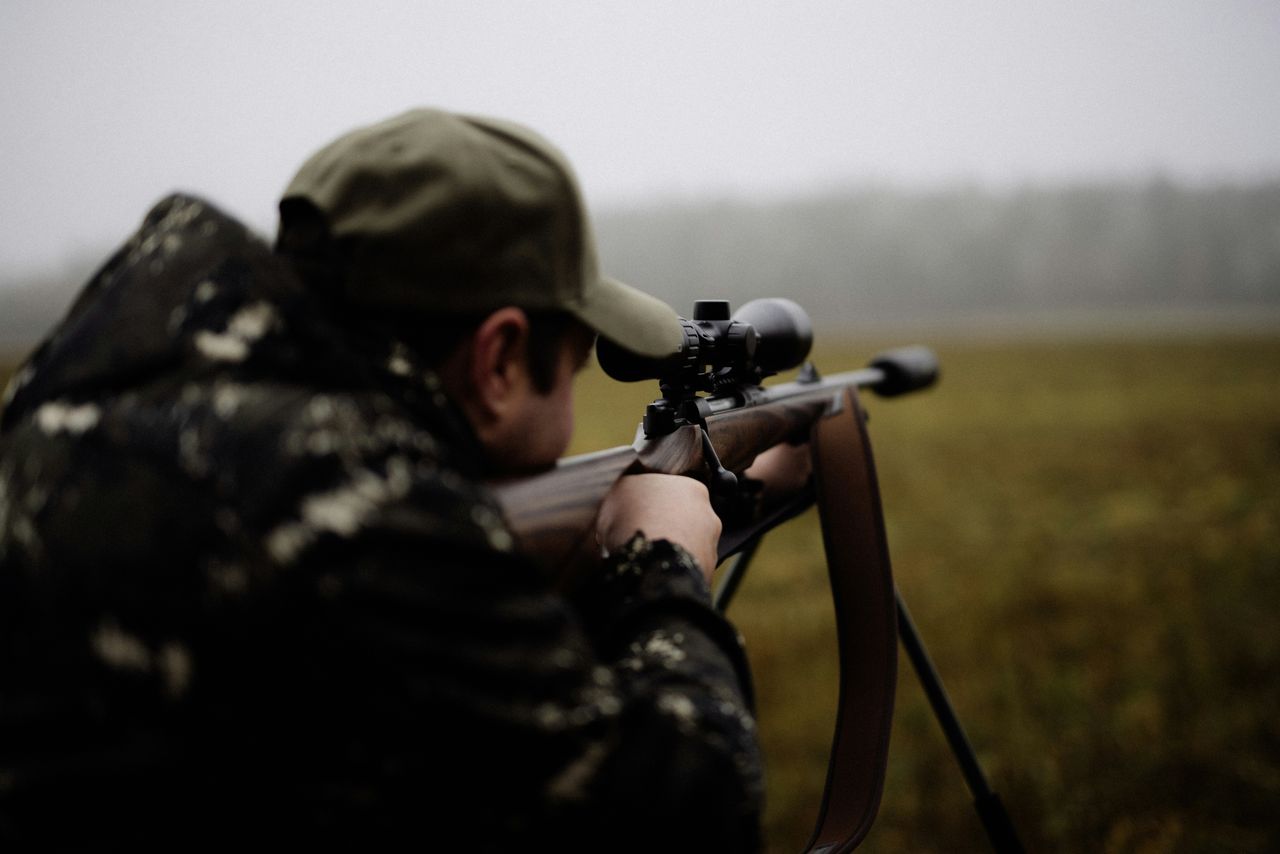
No rifle is perfect, and seasoned hunters know that better than anyone. Yet some models earn such deep loyalty that owners gladly live with one nagging weakness in exchange for reliability, accuracy, history, or handling. This gallery explores six well-loved rifles and the one flaw many hunters shrug off because the rest of the experience is so strong.
Remington 700
The Remington 700 became a favorite because it points naturally, shoots accurately, and spawned an aftermarket universe that lets owners tune almost every part. For many hunters, it is the familiar old standard, the rifle they know instinctively when a buck appears for only a few seconds.
The flaw people forgive is the ongoing cloud of trigger controversy and the reputation baggage that came with it. Even hunters who replace the trigger or inspect the rifle carefully often keep coming back, because the action is smooth, the platform is proven, and generations of hunters have filled freezers with one.
Winchester Model 70
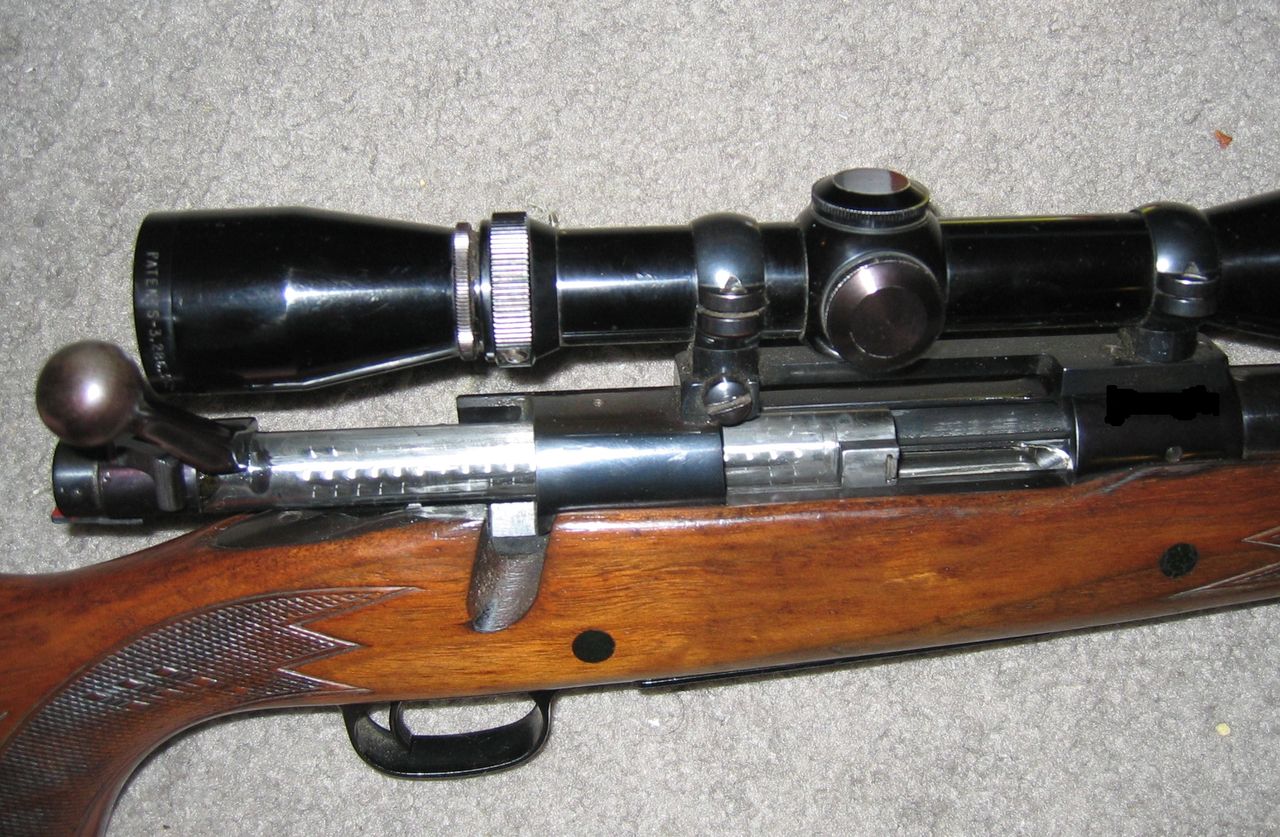
The Winchester Model 70 carries a kind of prestige that goes beyond simple performance. Known by many as the Rifleman’s Rifle, it blends graceful lines, dependable field manners, and a controlled-round-feed reputation that inspires confidence when conditions get rough and shots matter.
The flaw hunters often excuse is weight, especially in traditional walnut-and-steel versions that feel noticeably heavier on long hikes. Still, that same heft steadies the rifle when shooting from awkward positions, softens recoil, and reinforces the sense that you are carrying a serious, heirloom-grade tool rather than a disposable piece of gear.
Ruger American
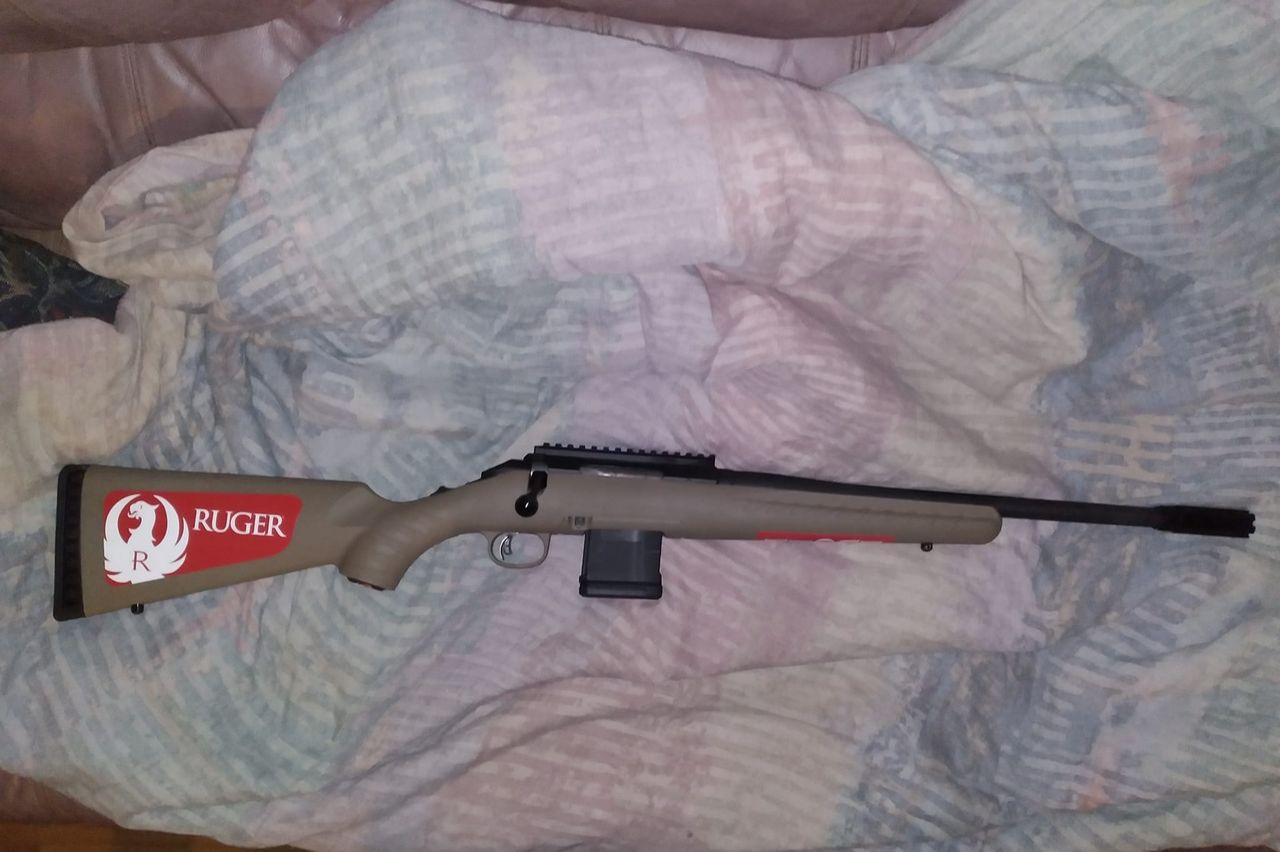
The Ruger American earned praise by doing the hardest thing in the rifle market: offering honest accuracy and practical reliability at a price many hunters can actually justify. It is not trying to be aristocratic. It is trying to work every season, in bad weather, with very little drama.
The flaw most owners acknowledge is that the rifle can feel plain, even cheap, with a utilitarian stock and finish that lack romance. But when a modestly priced rifle prints tight groups and keeps performing after rough trips in trucks, blinds, and wet fields, many hunters decide good-looking is optional and effective is what matters.
Savage 110
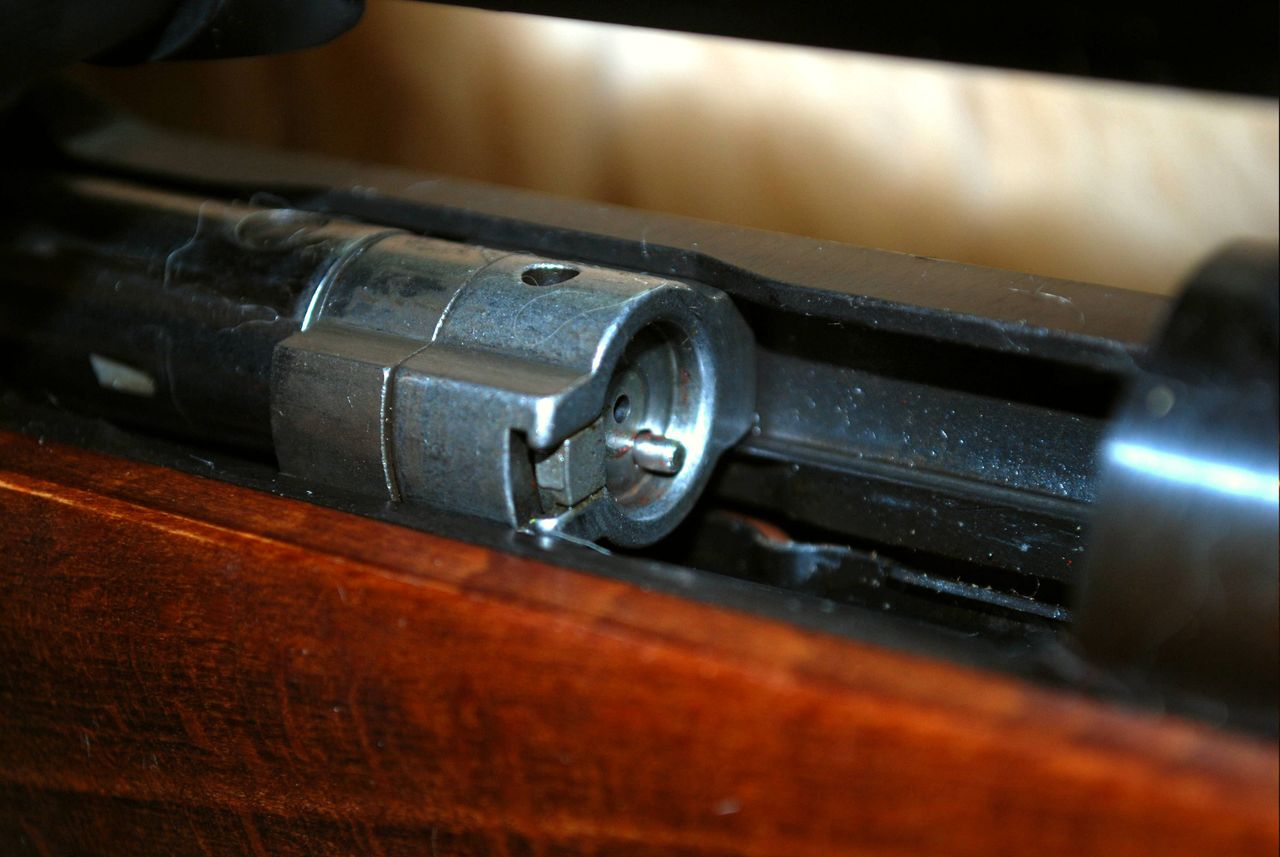
The Savage 110 developed a loyal following the old-fashioned way, by shooting better than some people expected and doing it consistently. Hunters who care more about results than glamour often admire the rifle’s accuracy, straightforward design, and practical value, especially when stretching distance across bean fields or Western country.
The forgiven flaw is appearance. Even fans admit some versions look more functional than elegant, and the barrel nut has long divided traditionalists who prefer cleaner lines. Yet that same no-nonsense engineering helped make the rifle both accurate and affordable, so many owners happily overlook cosmetics when the target and the game animal keep confirming the choice.
Browning BAR
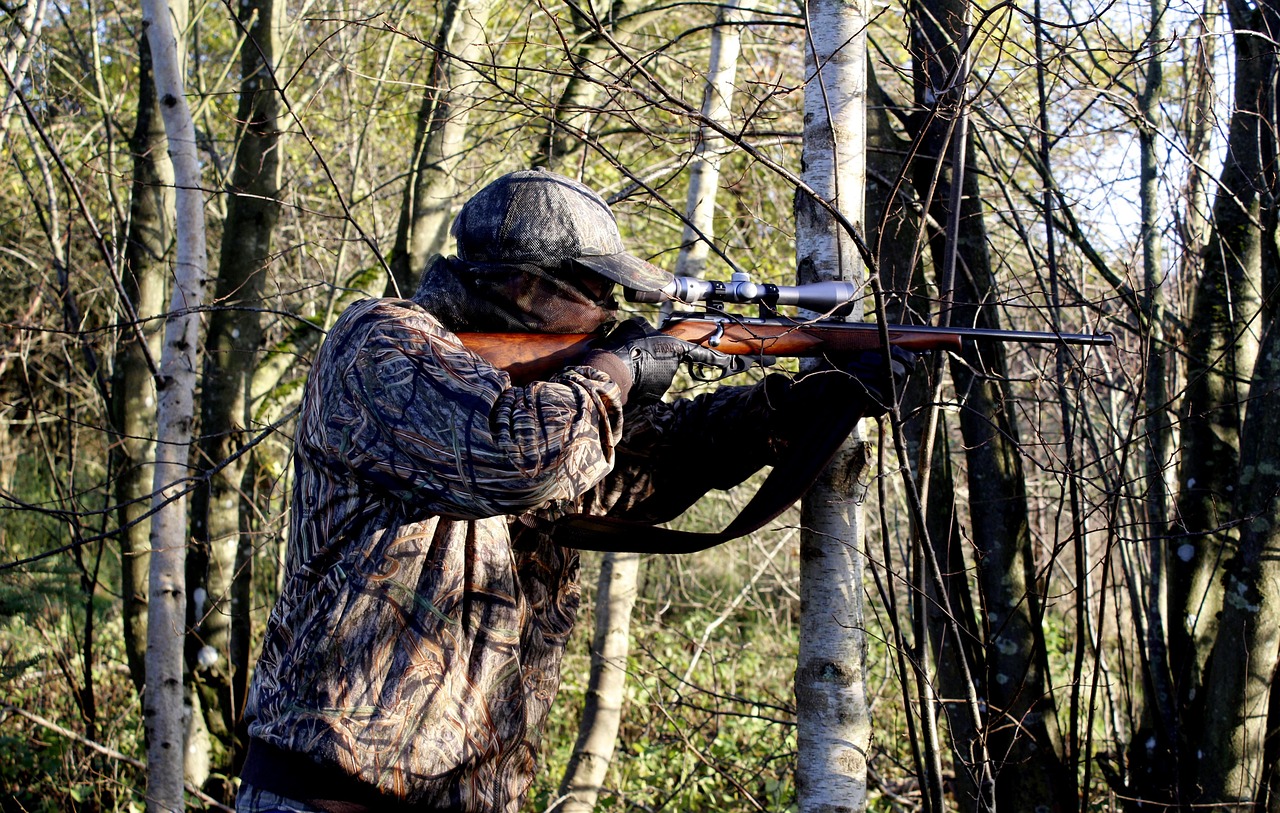
The Browning BAR has a special appeal for hunters who want semi-automatic follow-up capability in a rifle that still feels refined and serious. It has long been appreciated in deer camps where quick second shots can matter, and where reliability under real hunting conditions carries more weight than trend-driven bragging rights.
The flaw many forgive is its extra bulk and weight compared with lighter bolt guns. Carrying one all day can remind you that the action is doing more work than a simpler design. Even so, fans stick with it because the recoil impulse is often comfortable, the handling is familiar, and the speed of operation inspires real confidence.
Marlin 336
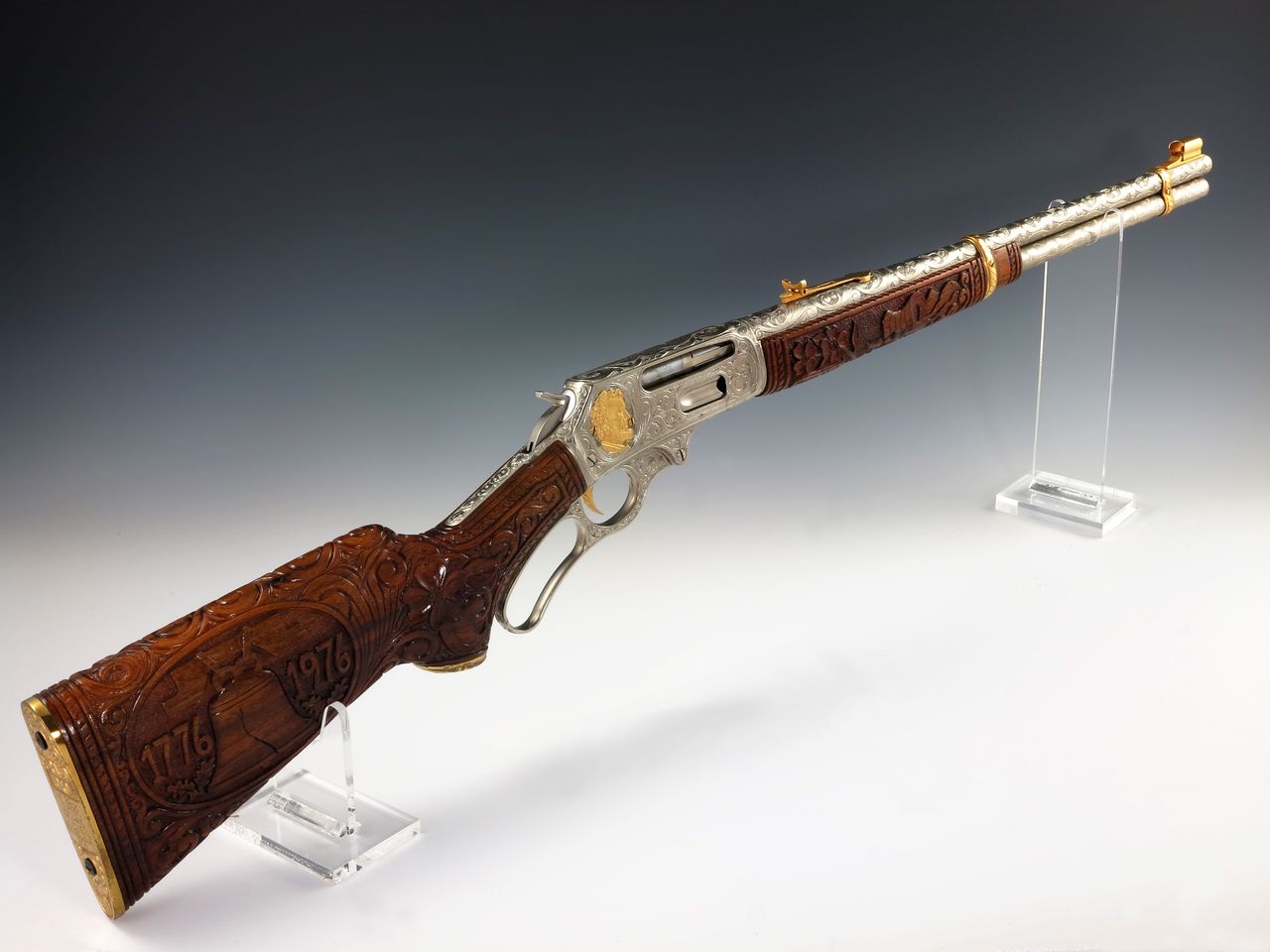
The Marlin 336 remains deeply loved because it feels like hunting heritage in the hands. Compact, quick to shoulder, and wonderfully suited to brush country, it has anchored countless whitetail seasons. For many hunters, it is less about bragging groups at long range and more about confidence at the distances where game is actually encountered.
The flaw owners willingly accept is range limitation compared with modern bolt rifles chambered for flatter-shooting cartridges. A lever gun in .30-30 is not built to dominate wide-open country. But in thick timber or rolling hardwoods, where shots come fast and inside sensible distances, the 336 still feels exactly right.