Even in today’s modern world, there are still wild corners where humans are not the apex predators. Across forests, rivers, and oceans, a handful of species continue to view people as potential prey, sometimes by instinct, sometimes by opportunity. These creatures serve as chilling reminders of nature’s raw power. Understanding where they roam and how they hunt is essential for anyone exploring the true wilderness, where survival still follows primal rules.
1. Great White Shark
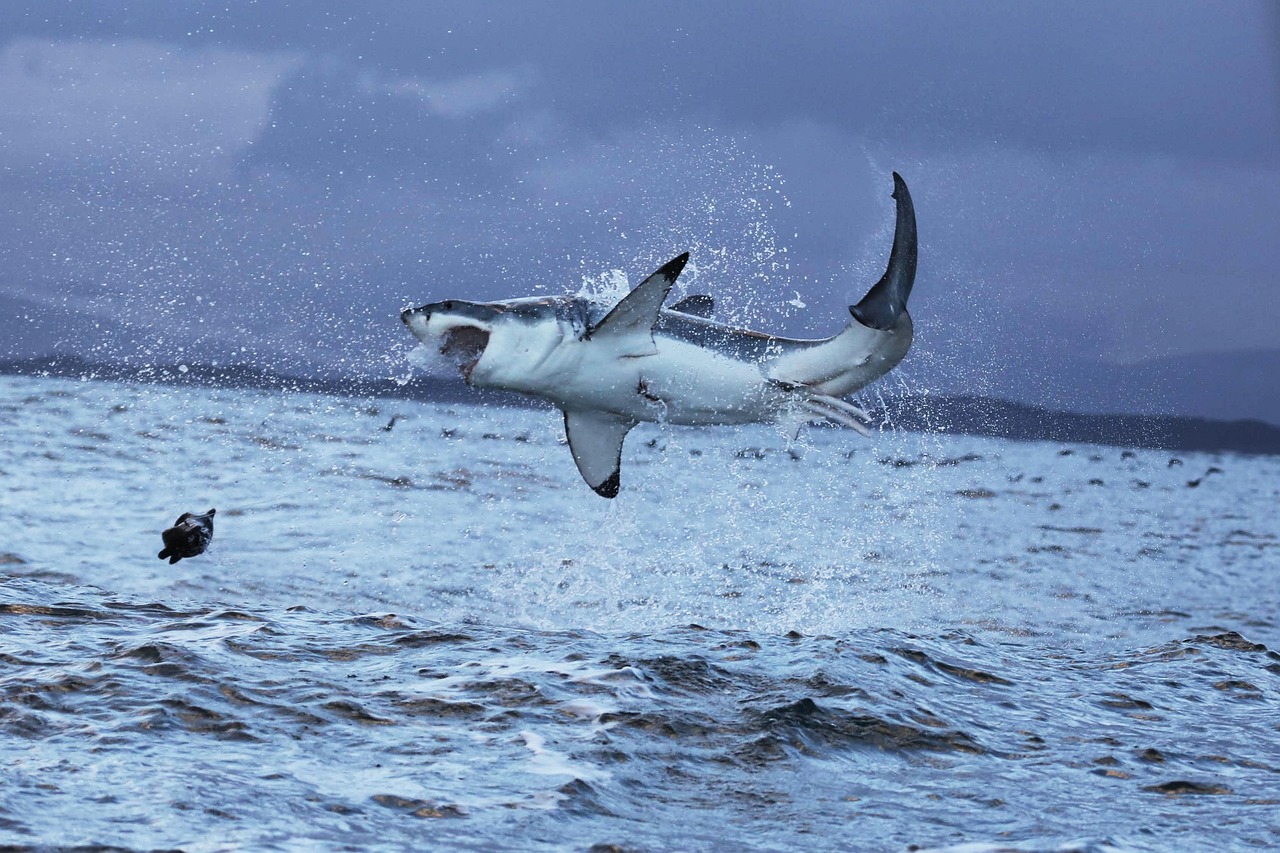
The great white shark is one of the ocean’s most feared hunters. Found near South Africa, California, and Australia, it patrols coastlines in search of seals and sea lions but occasionally mistakes swimmers or surfers for prey. Its incredible speed, sharp senses, and powerful bite make it the ultimate marine predator. Despite its fearsome reputation, most attacks are cases of curiosity or mistaken identity, yet every encounter shows how little control humans have in the deep.
2. Bengal Tiger
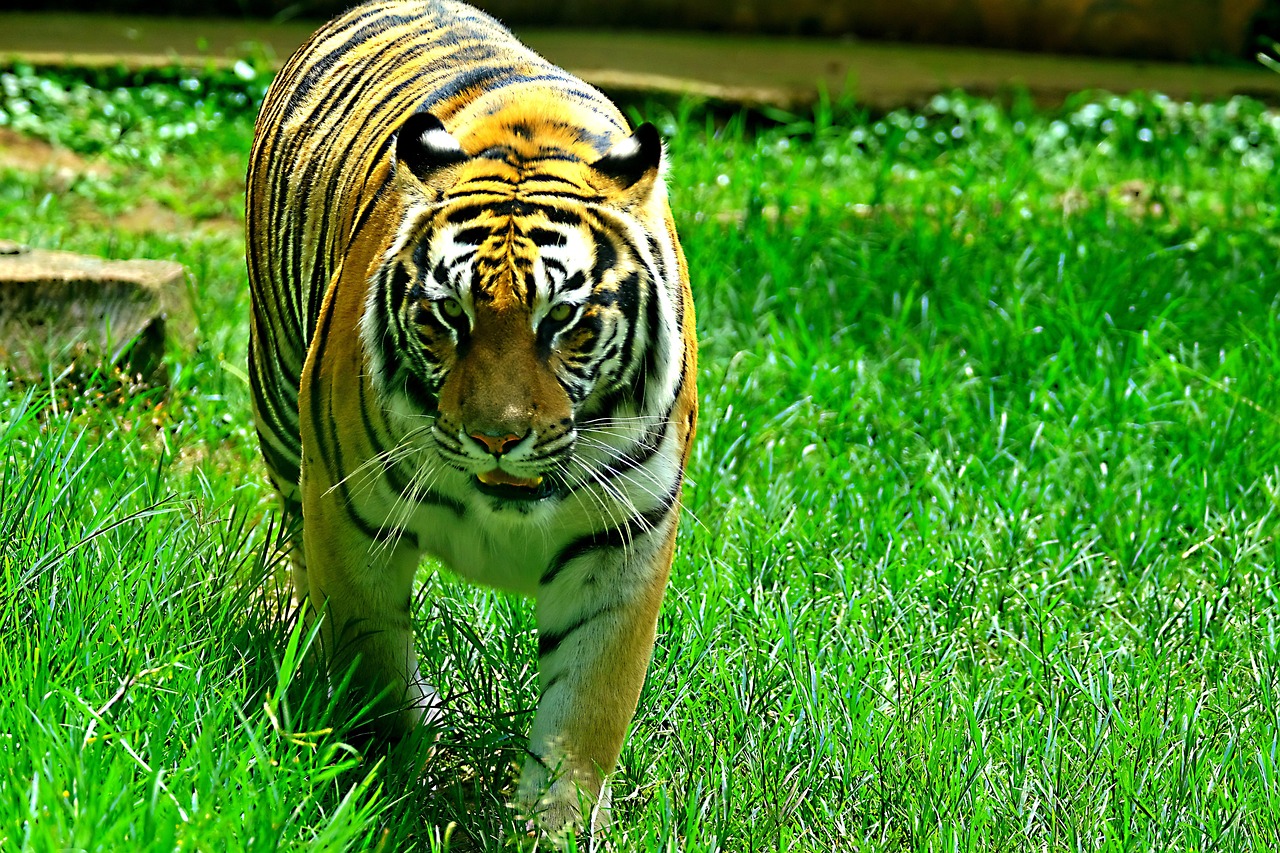
The Bengal tiger’s territory stretches across India’s dense forests and the Sundarbans mangroves of Bangladesh, where it has long clashed with humans. These massive cats are strong, stealthy, and territorial, often attacking when people wander too close to their hunting grounds. Deforestation and encroachment have intensified conflicts. Villagers sometimes wear masks on the backs of their heads to deter ambushes, a haunting example of coexistence with one of Earth’s most lethal hunters.
3. Nile Crocodile
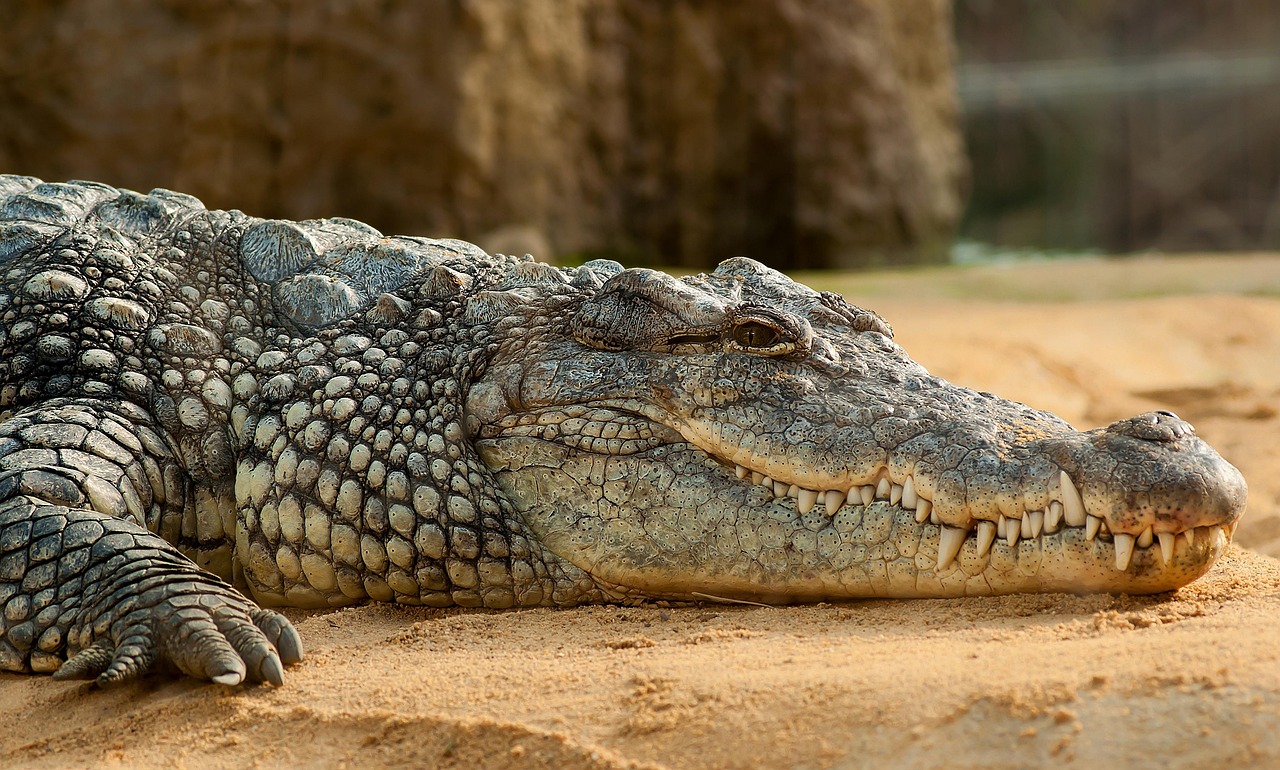
The Nile crocodile is Africa’s most dangerous predator, responsible for hundreds of human deaths each year. Found in rivers and lakes across the continent, it waits silently beneath the surface, striking with lightning speed when prey approaches the water’s edge. Its immense jaw strength and ambush tactics make escape nearly impossible. Communities near these waters treat every visit to the shore as a calculated risk, knowing these ancient reptiles rule their domain without mercy.
4. Polar Bear
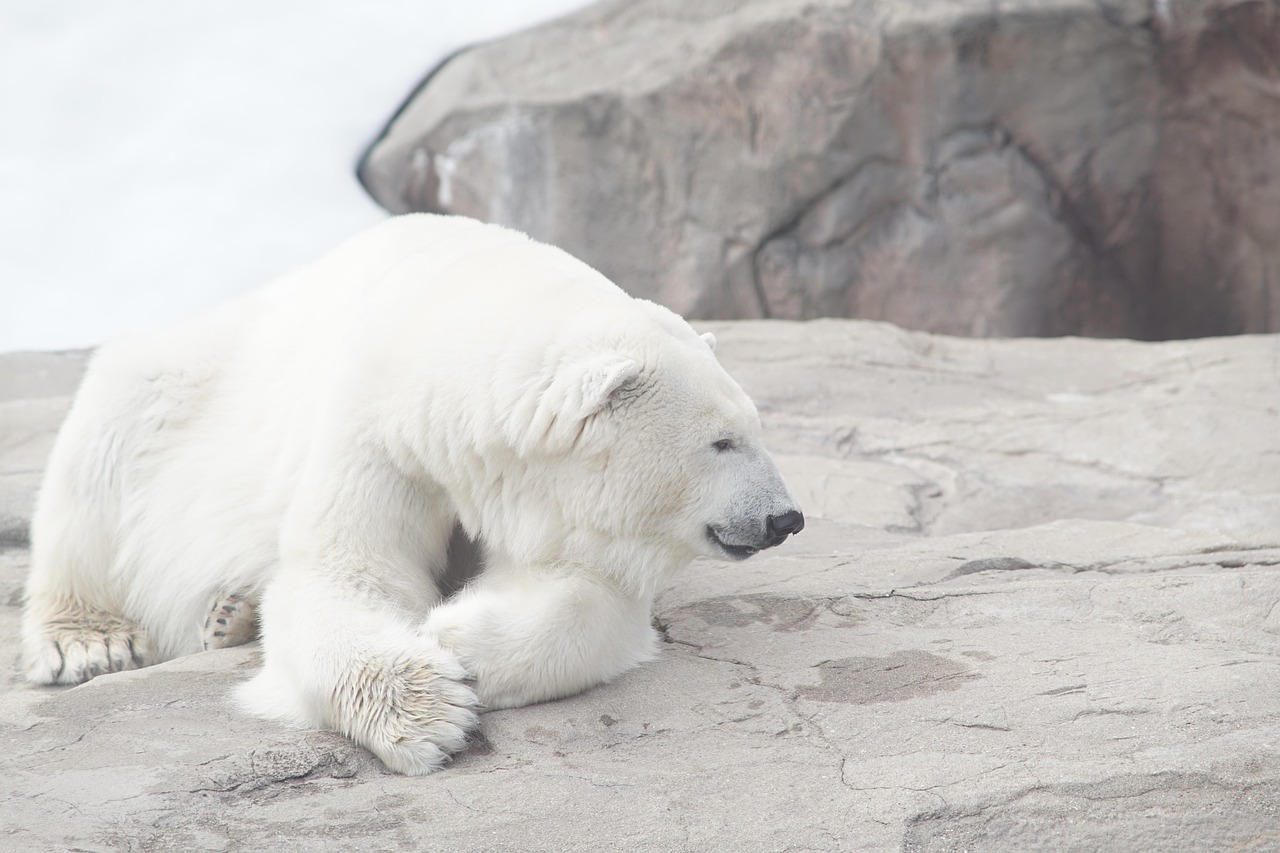
In the frozen Arctic, the polar bear reigns at the top of the food chain. As sea ice shrinks, encounters between bears and humans in northern Canada and Russia have become more frequent. Unlike most predators, polar bears sometimes stalk humans deliberately when hungry. Weighing up to 1,500 pounds, they rely on stealth, endurance, and an exceptional sense of smell. In this stark white wilderness, a single misstep can turn a polar expedition into a deadly pursuit.
5. Saltwater Crocodile
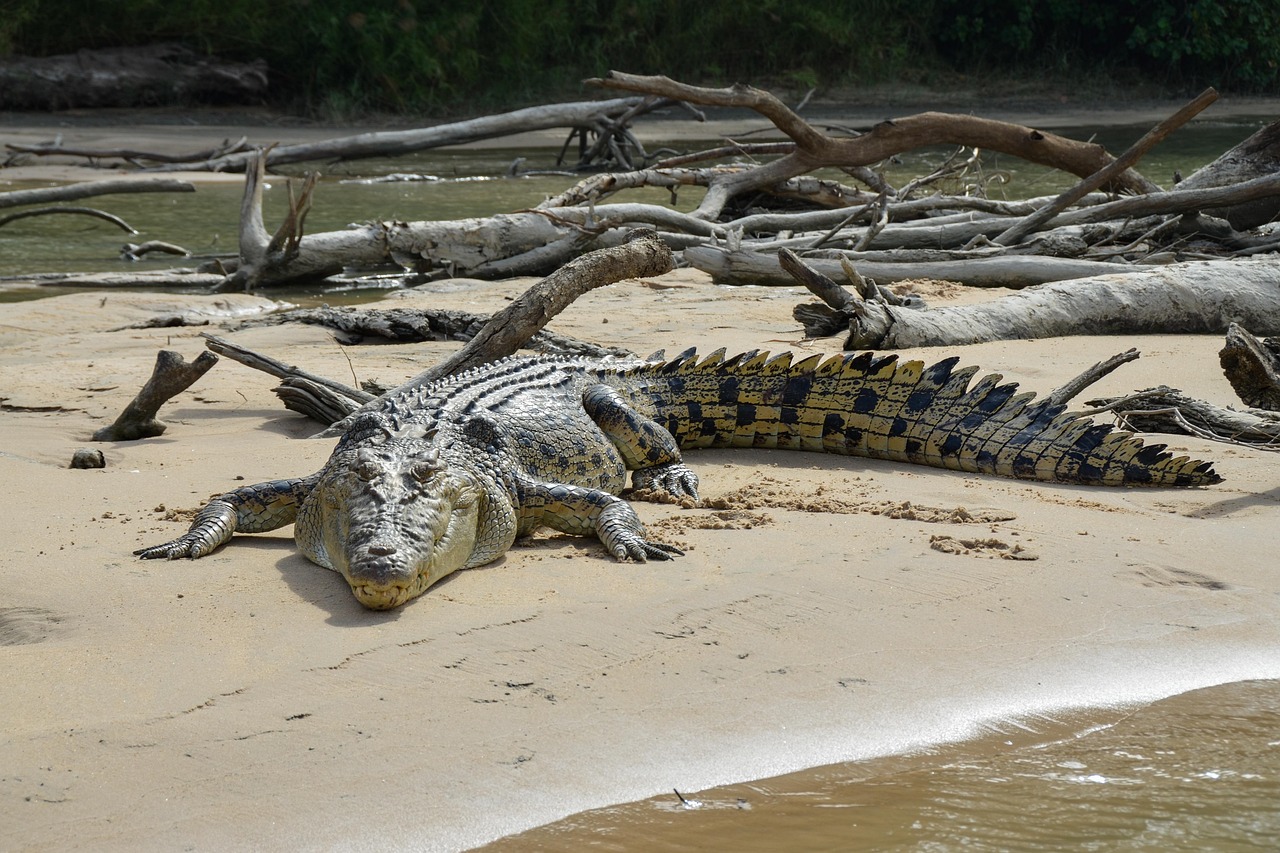
The saltwater crocodile, or “saltie,” is the largest living reptile and one of nature’s most efficient killers. Found in estuaries, swamps, and coastal areas from India to northern Australia, it strikes with terrifying precision. Capable of dragging large animals, including humans, underwater in seconds, this predator has no equal in its territory. Locals respect it deeply, often avoiding entire waterways. In saltie country, survival depends on vigilance and keeping a healthy distance from the water’s edge.
6. African Lion
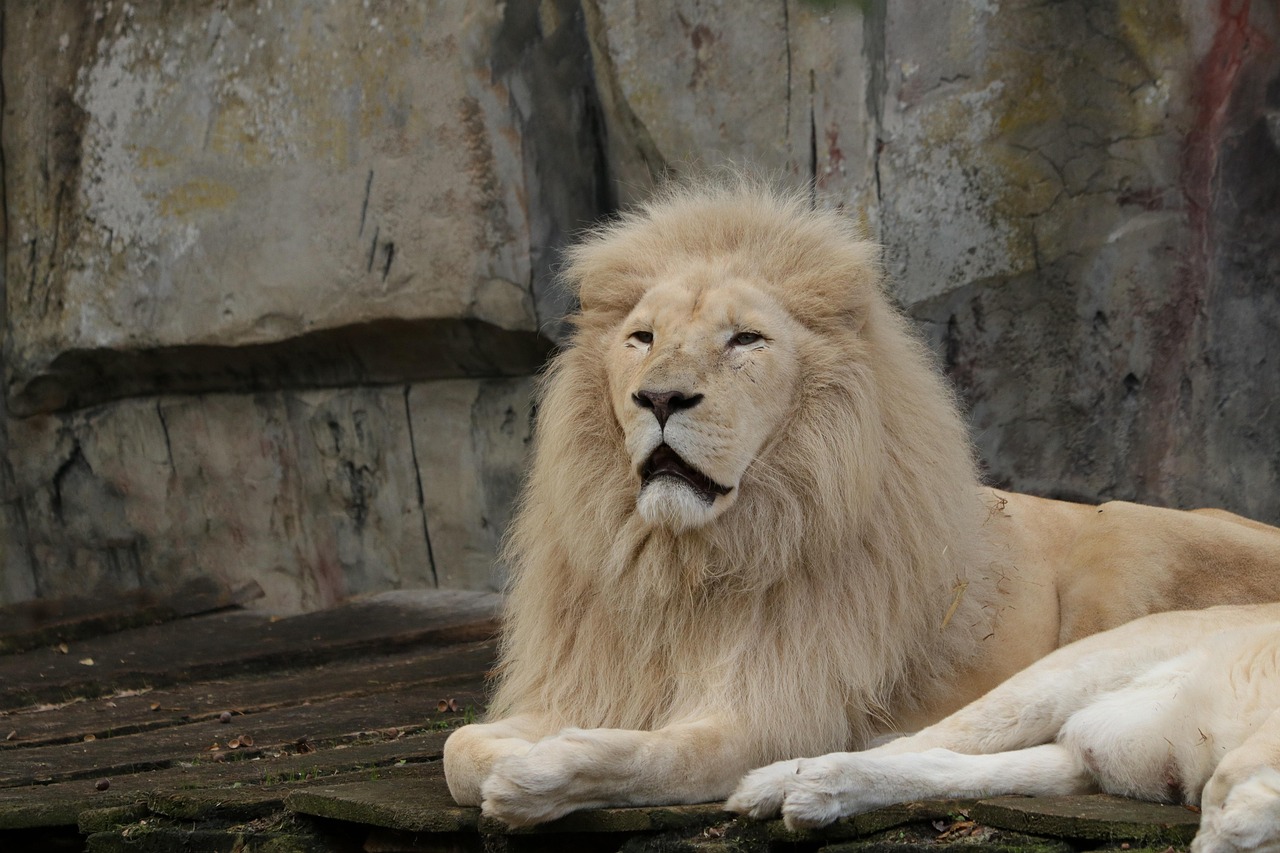
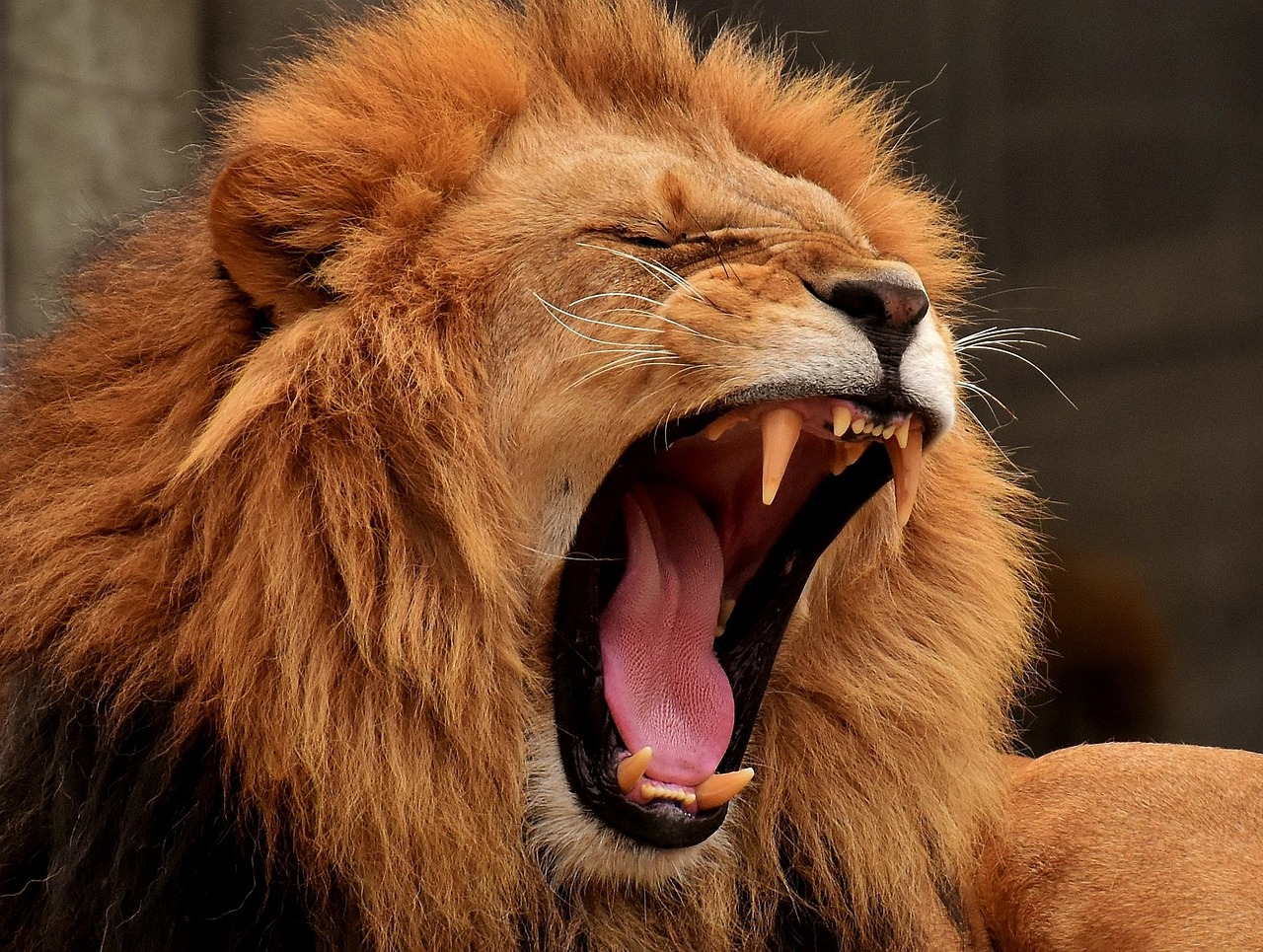
Lions usually target wildebeests or zebras, but under stress, hunger, or illness, they may turn to humans. The “Man-Eaters of Tsavo” remain infamous for their 19th-century attacks in Kenya. Modern incidents often occur when villages overlap lion ranges or livestock replaces natural prey. Moving in coordinated prides, lions embody power and precision. Though majestic in appearance, these cats remind travelers that Africa’s savannas are still ruled by ancient instincts, not human boundaries.
7. Leopard
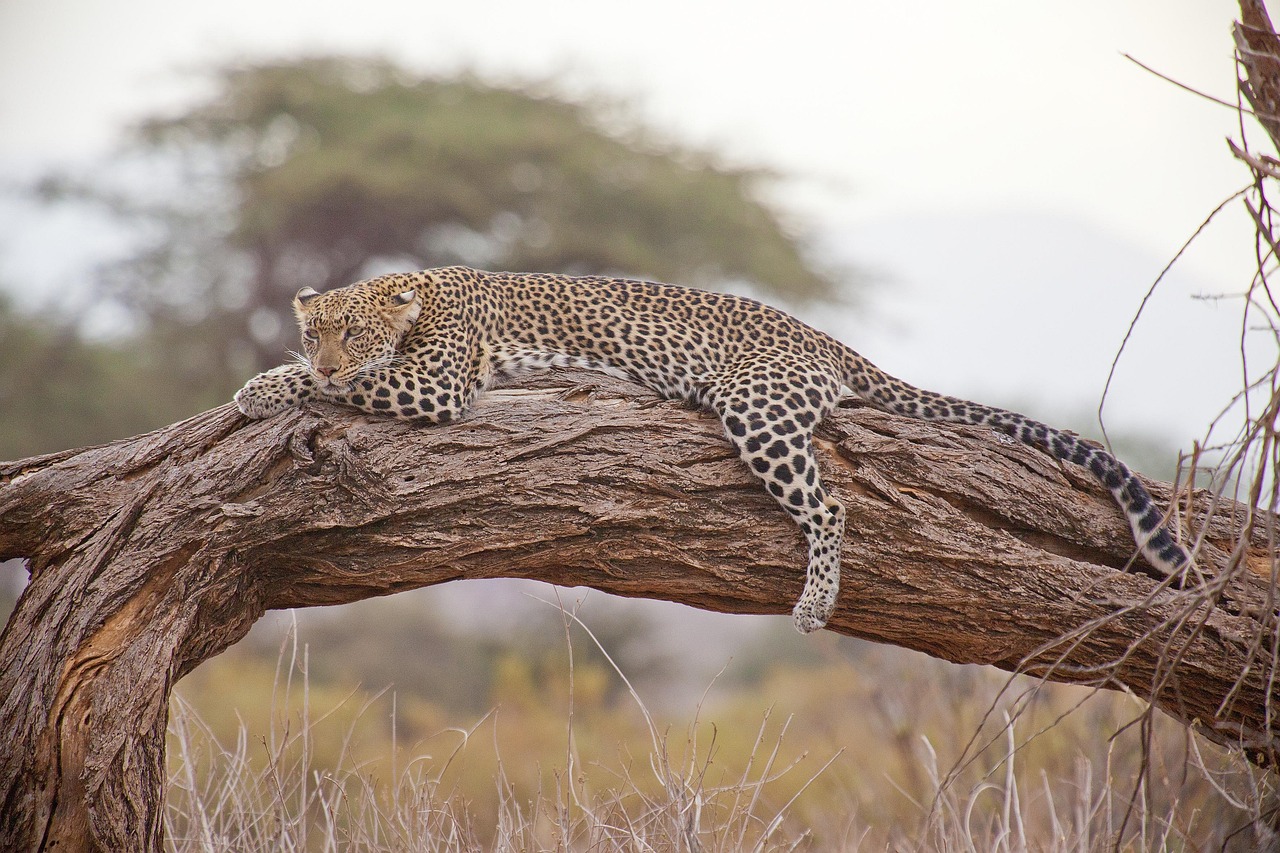
Leopards are solitary, secretive, and astonishingly adaptable, thriving from city edges in India to the wild plains of Africa. They rarely seek out humans but sometimes target people in remote areas when traditional prey runs low. Their agility and silent movement make them deadly ambushers. Known to drag victims into trees, leopards are elusive even to experienced hunters. In regions like Uttarakhand, entire villages remain alert after dusk, knowing how easily they vanish into the dark.
8. Grizzly Bear
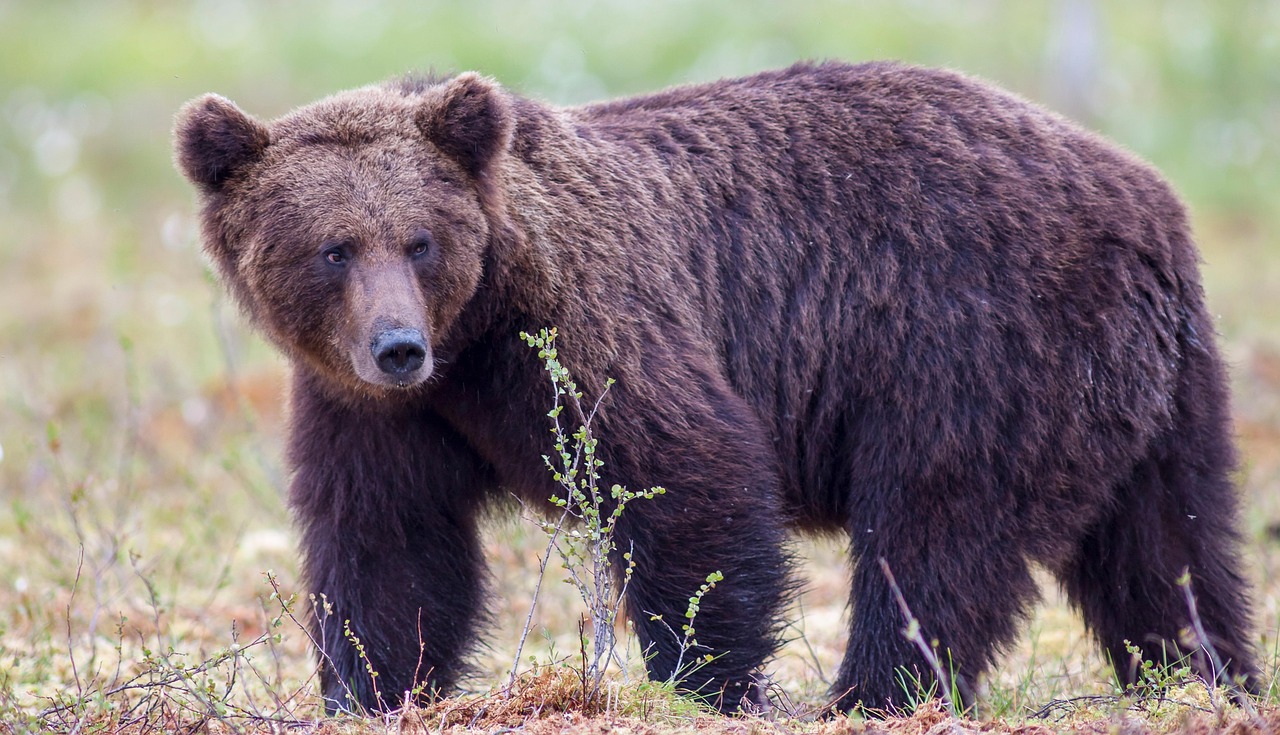
Grizzly bears, found in Alaska, Canada, and the northwestern United States, can weigh over 800 pounds and sprint faster than a horse. Though they rarely hunt humans intentionally, surprise encounters often lead to deadly charges. Most attacks happen near cubs or food caches. Their raw strength allows them to topple trees or crush bones effortlessly. Staying safe in bear country means carrying deterrents like bear spray and respecting nature’s boundaries, never assuming you’re alone in the woods.
9. Cougar
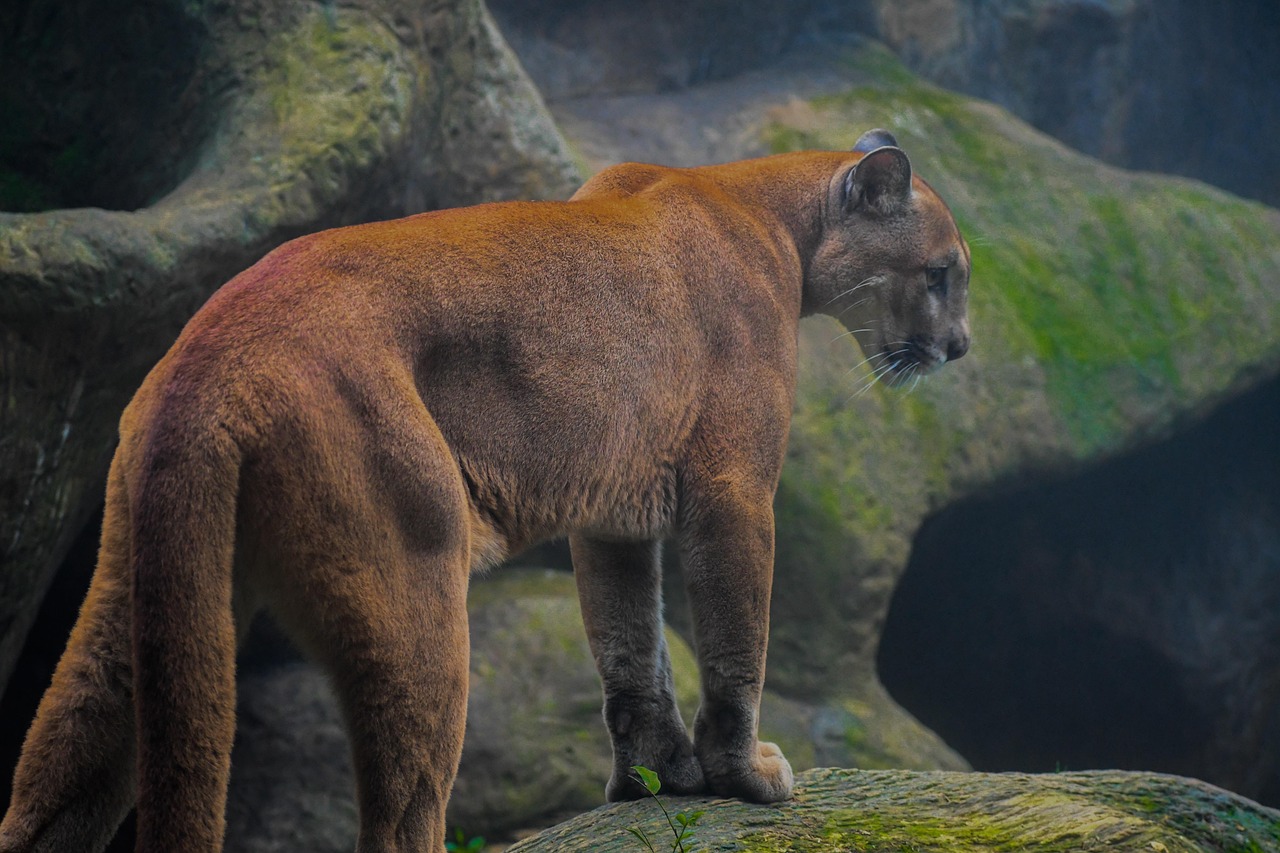
Also called mountain lions or pumas, cougars are silent stalkers of the American wilderness. They typically avoid people, but isolated hikers or children can trigger their predatory instincts. Living across rugged mountains and deserts, they rely on stealth and ambush tactics. Attacks, though rare, are quick and fierce. Experts advise maintaining eye contact, appearing larger, and never running away. In cougar country, it’s not paranoia to glance over your shoulder; it’s good survival sense.
10. Komodo
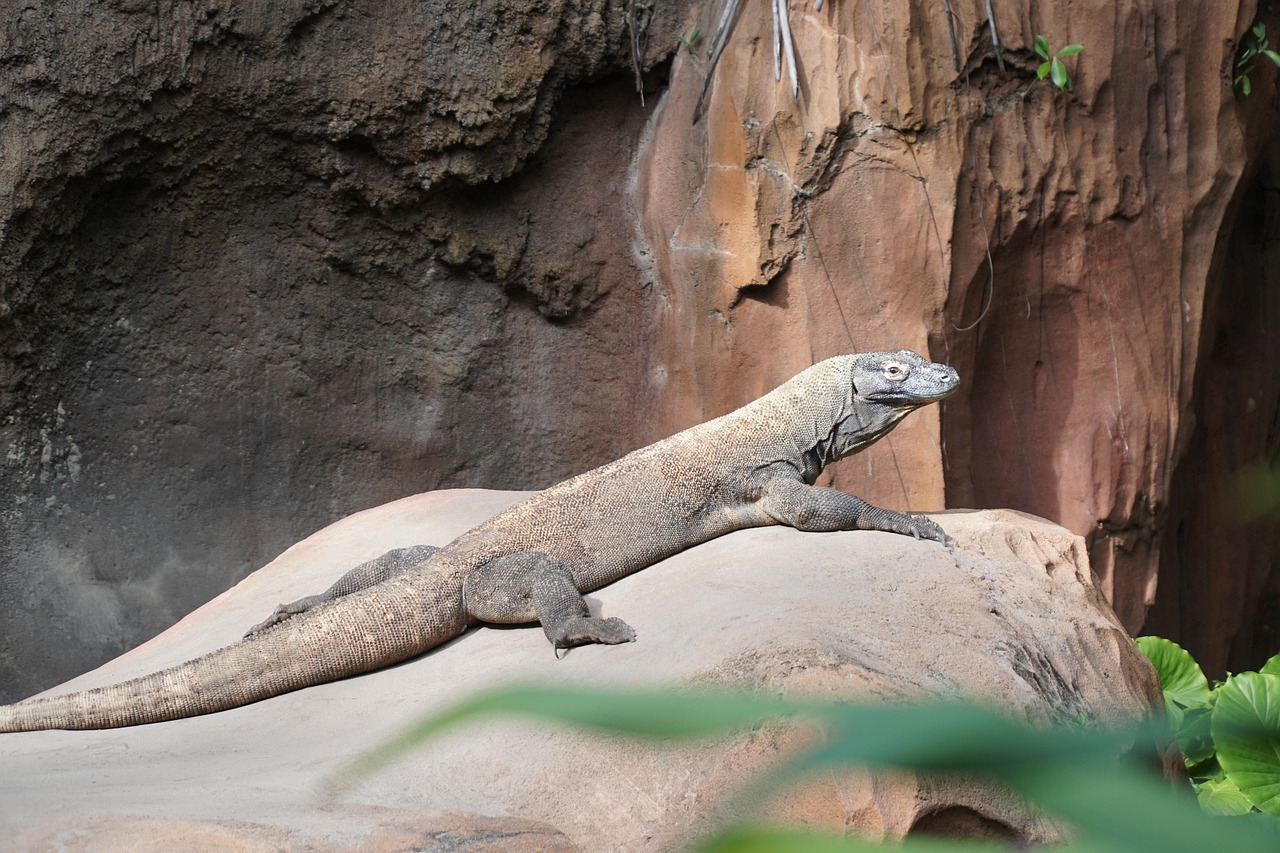
Komodo dragon, native to Indonesia’s Komodo and Rinca Islands, is the world’s largest lizard and a ruthless hunter. Using venom and razor-sharp teeth, it can bring down prey many times its size. Attacks on humans are infrequent but often fatal due to infections from its bacteria-rich bite. These dragons patrol their territory confidently, unafraid of humans. Travelers are warned to keep a distance, as even a single bite can turn exploration into a desperate fight for life.
11. Hyena
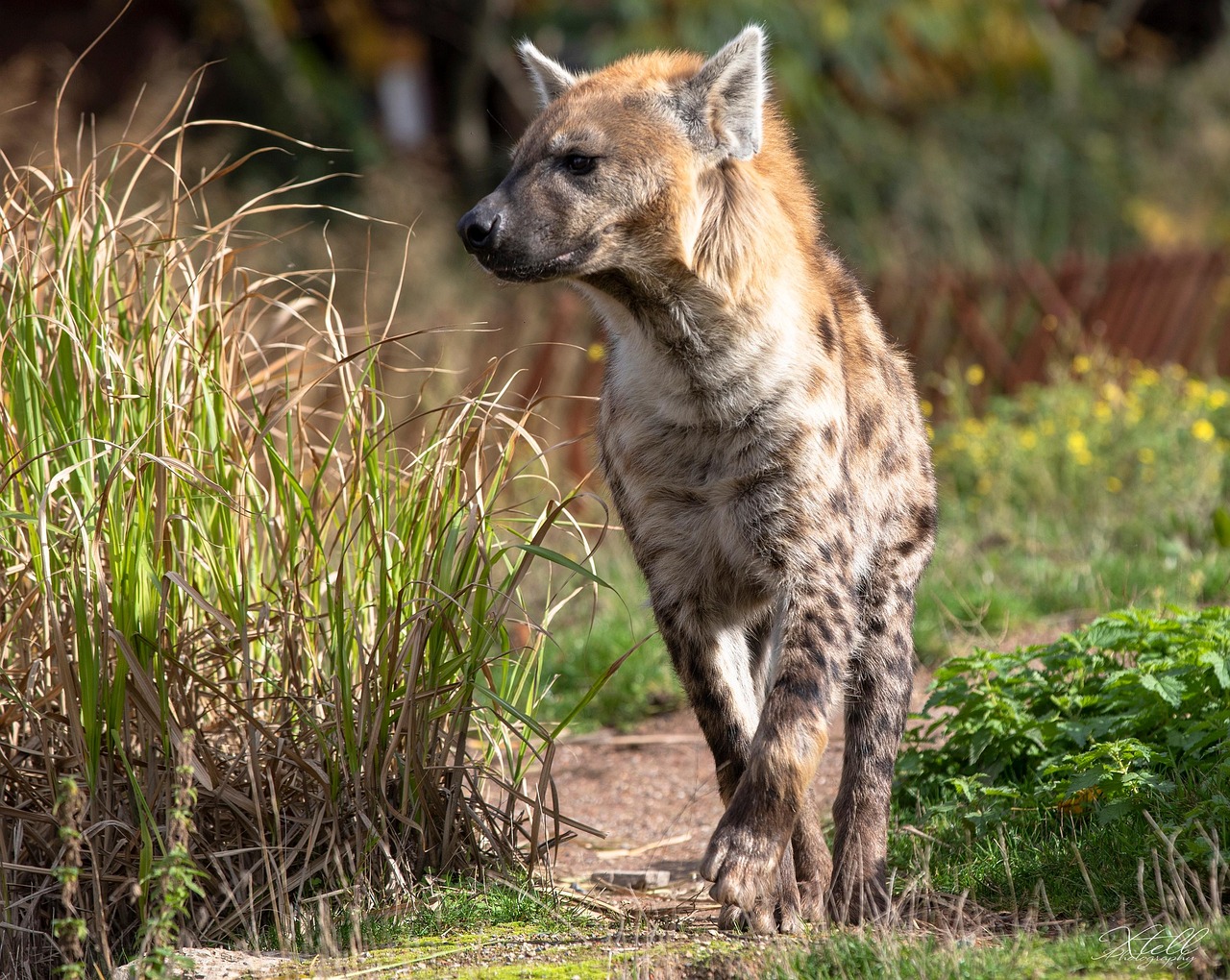
Hyenas are often seen as scavengers, but when food runs scarce, they become bold and dangerous. In drought-stricken regions of Tanzania or Ethiopia, packs have been known to attack sleeping villagers or travelers. Their strong jaws can crush bones easily, and their intelligence allows them to hunt strategically. They are fearless in groups, testing human defenses before striking. At night, their chilling laughter-like calls echo across the plains, a reminder that darkness belongs to them.
12. Wolf
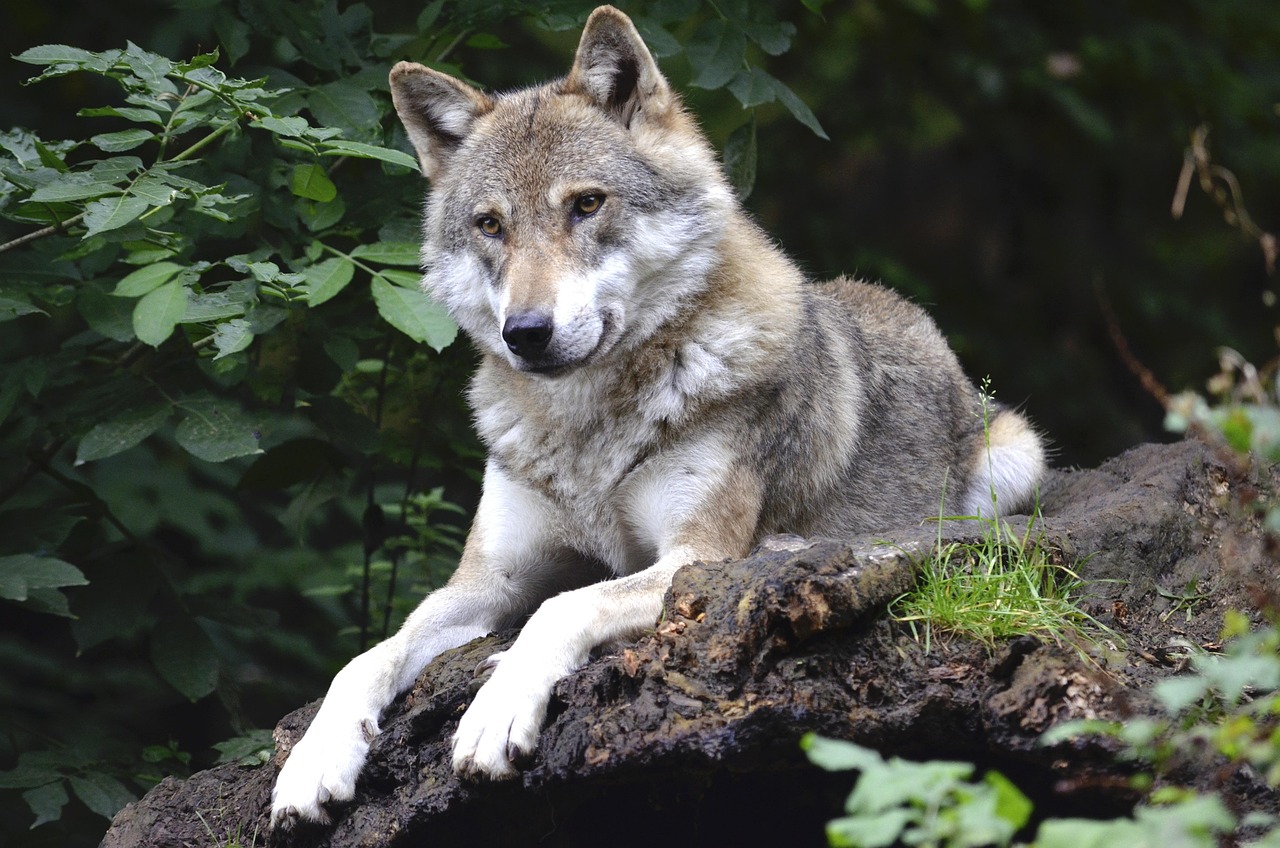
Wolves inspire both admiration and fear. While modern attacks are rare, history records deadly encounters during harsh winters when hunger drove packs closer to villages. They are expert strategists, communicating and coordinating silently. Found across the tundras of Russia, forests of Canada, and mountains of Eastern Europe, wolves still hold a mystic power over human imagination. Though protected in many areas, they remain symbols of wild intelligence and primal danger.
13. Black Caiman
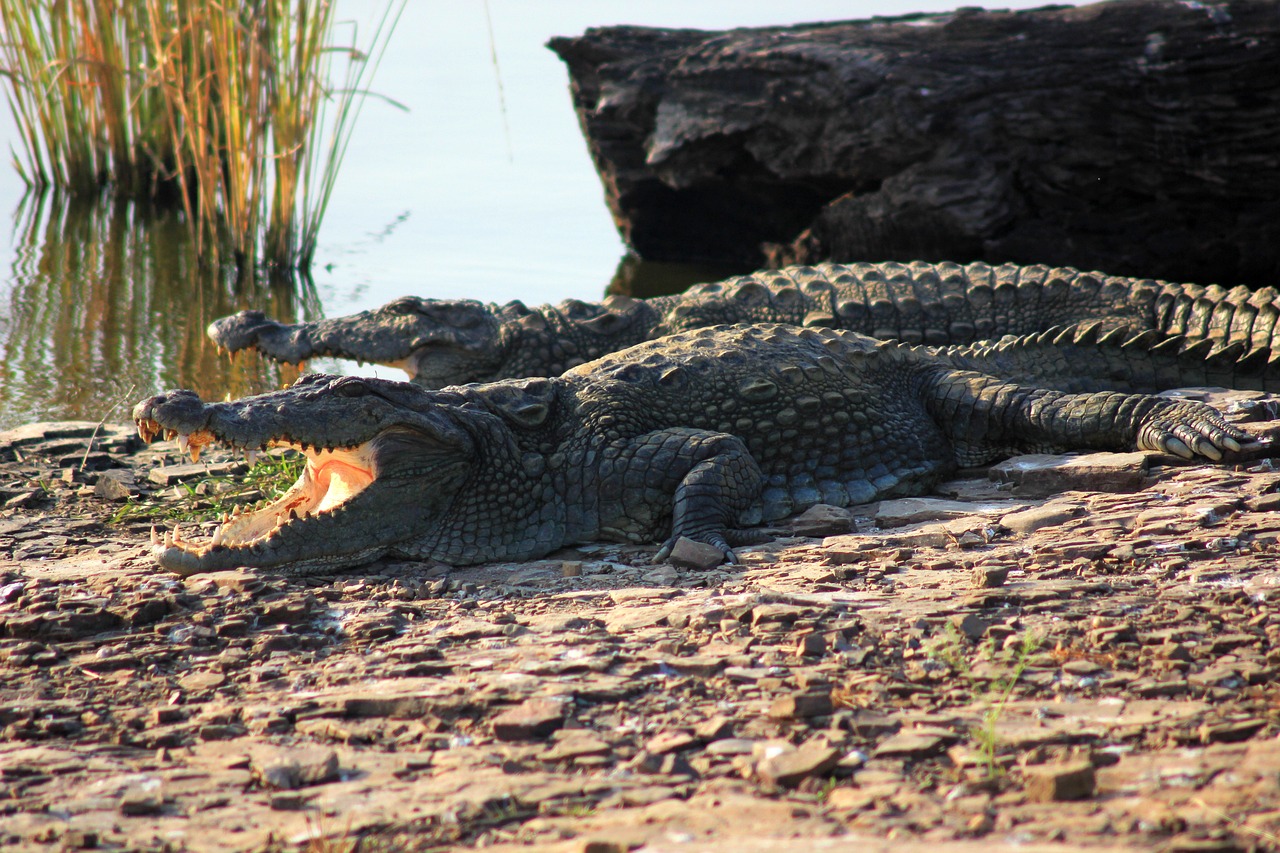
The black caiman dominates South America’s waterways. Reaching lengths over 15 feet, it lurks silently beneath dark, swampy rivers. Fishermen and night travelers are at greatest risk, especially when unaware of its approach. With a crushing bite and immense strength, it can overpower nearly any animal, including humans. Its dark hide provides perfect camouflage, making it nearly invisible after dusk. In the Amazon, silence often means one thing: something unseen is already watching.