Some stories hit harder than a headline ever can. This one is about memory, craftsmanship, and the long road a family heirloom sometimes takes to get home.
A burglary that never really left the family
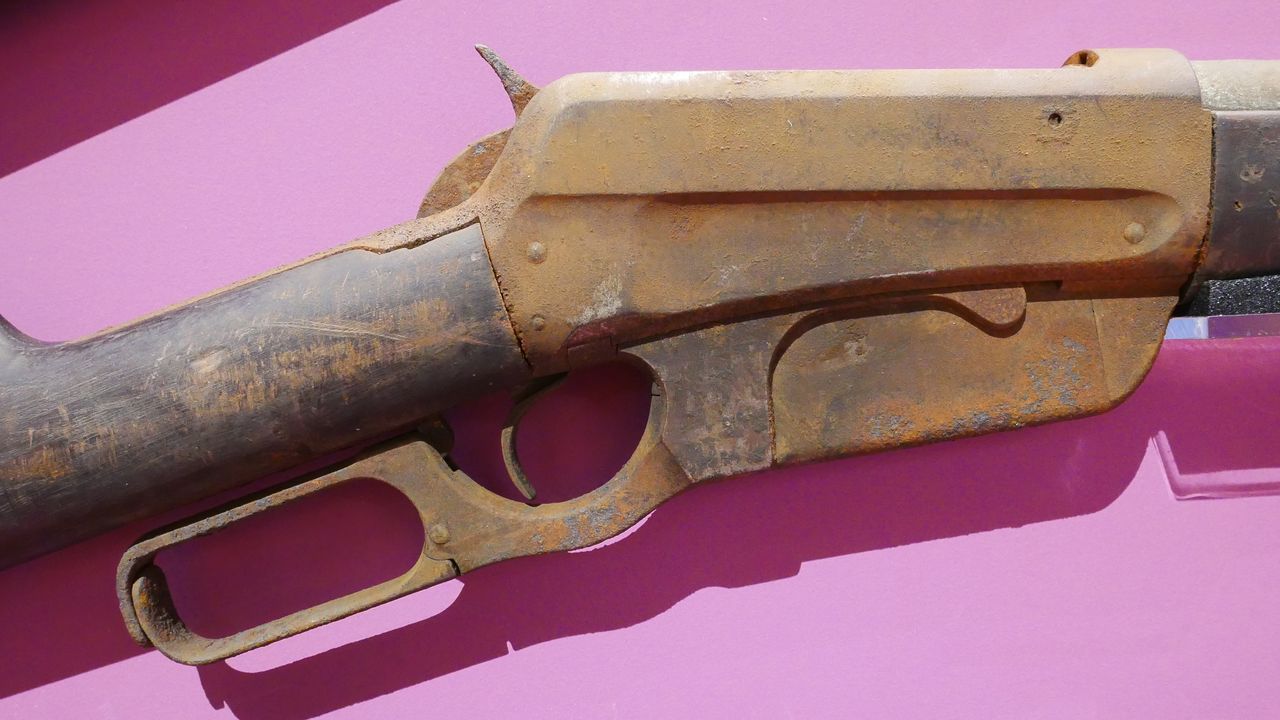
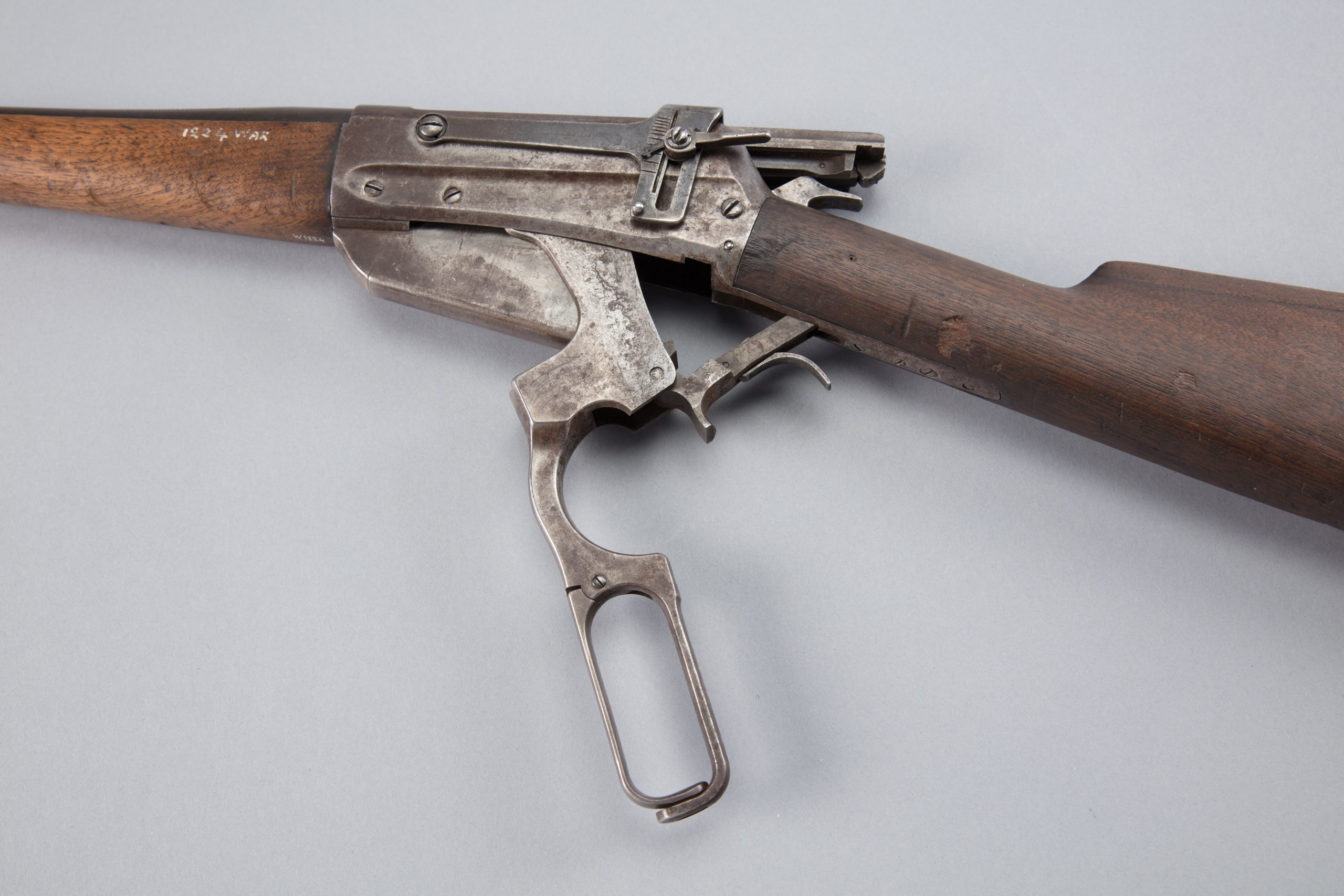
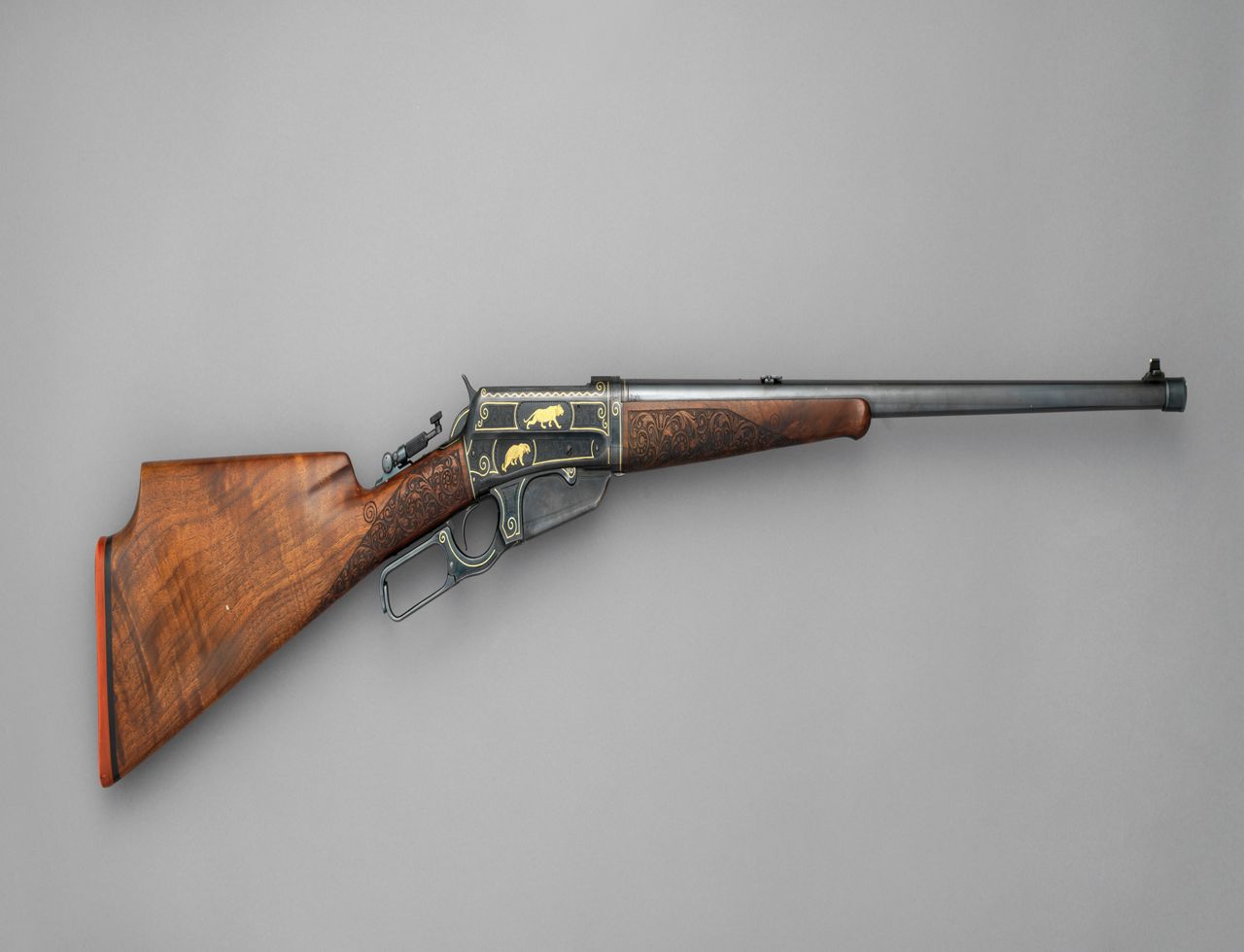
In 1973, a break-in at James Slocum’s home led to the theft of 16 guns from his father’s collection, according to Knoxville police. Several firearms were eventually recovered, but one stood apart from the rest. It was a Winchester Model 1895 with unusual family significance.
Police said the rifle had been gifted to Slocum’s grandfather by Winchester in the early 1930s. The reason mattered. He had personally developed a distinctive bolt design that the company continued using long afterward, turning the gun into both a keepsake and a piece of firearms history.
That combination is what made the loss linger. Plenty of stolen property can be replaced in a practical sense, but an heirloom tied to family work, pride, and invention lives in a different category. For the Slocums, this was never just another item on a police report.
Why this firearm was far more than a collectible
Collectors understand that rarity drives value, but family history can outweigh any auction estimate. In this case, the rifle carried both. Knoxville police said the gun had historical importance inside the family long before anyone talked about market price or collector demand.
The story also illustrates how American gun culture often overlaps with family identity. Firearms are frequently passed down as tools, trophies, or reminders of a relative’s trade and skill. When one disappears, what is lost is not only steel and walnut, but also a tangible connection to people who are gone.
That helps explain why recoveries like this resonate even with readers who know nothing about Winchester models. The return of an heirloom restores continuity. It gives descendants something solid to hold onto, especially when the original owner or maker is no longer alive to tell the story firsthand.
The break that reopened a half-century-old case
The case finally moved because the rifle resurfaced through the auction market. Knoxville police said Property Crimes Detective David Ogle traced the firearm through two auction companies and determined it had most recently been purchased in Virginia for $31,625.
That figure says a lot by itself. A price like that signals scarcity, provenance, and serious collector interest. It also shows why old stolen firearms can remain hidden for decades before suddenly reappearing when records, serial numbers, or a careful transaction bring them into view.
Just as important, the most recent buyer agreed to return the rifle to the Slocum family. That decision turned a cold property case into something deeply human. Without that cooperation, the story might still have ended in a legal file instead of a family reunion.
The detective work behind the reunion

Recovering stolen property after 52 years is not routine police work. It requires patience, intact records, serial-number verification, and somebody willing to keep pushing when the easy answer is to stop. By all accounts, Detective Ogle did exactly that.
According to Knoxville police, Ogle followed the rifle’s path through separate auction channels until he could identify where it had landed. That kind of trace work is especially important with legacy firearms, which may change hands through estates, collectors, and licensed dealers over many years.
There is also a broader lesson here for gun owners and families. Old documentation matters. Serial numbers, photographs, handwritten notes, and even family stories can become critical evidence decades later. A gun safe protects a firearm in the moment, but records protect its identity for the long haul.
Why stories like this land with so many people
Even outside the firearms world, people understand the emotional pull of recovered heirlooms. A wedding ring, a watch, a military medal, or a rifle handed down through generations can anchor family memory in a way few modern possessions do.
That is why this case feels larger than a local recovery. It touches on heritage, trust, and the strange endurance of objects that outlast the people who owned them. When an item survives theft, resale, and time itself, its return can feel almost improbable.
There is also something reassuring in the fact that detailed police work still matters. In an era dominated by fast headlines, this was a reminder that persistence can pay off, even when the clock has run for more than half a century.
A homecoming with meaning beyond the object itself
On March 14, 2026, Knoxville police announced that the family had been reunited with the rifle after more than 52 years. The department described it as a priceless piece of family history, and that is the right phrase for a return like this.
Yes, the gun had collector value. But its true worth was always tied to the grandfather who helped shape its design and the family that carried that story forward. Money can measure rarity, but it cannot fully measure inheritance.
In the end, this was not simply about a recovered Winchester. It was about a family getting back a piece of itself. For anyone who has ever inherited something with a story attached, that is the part that stays with you.