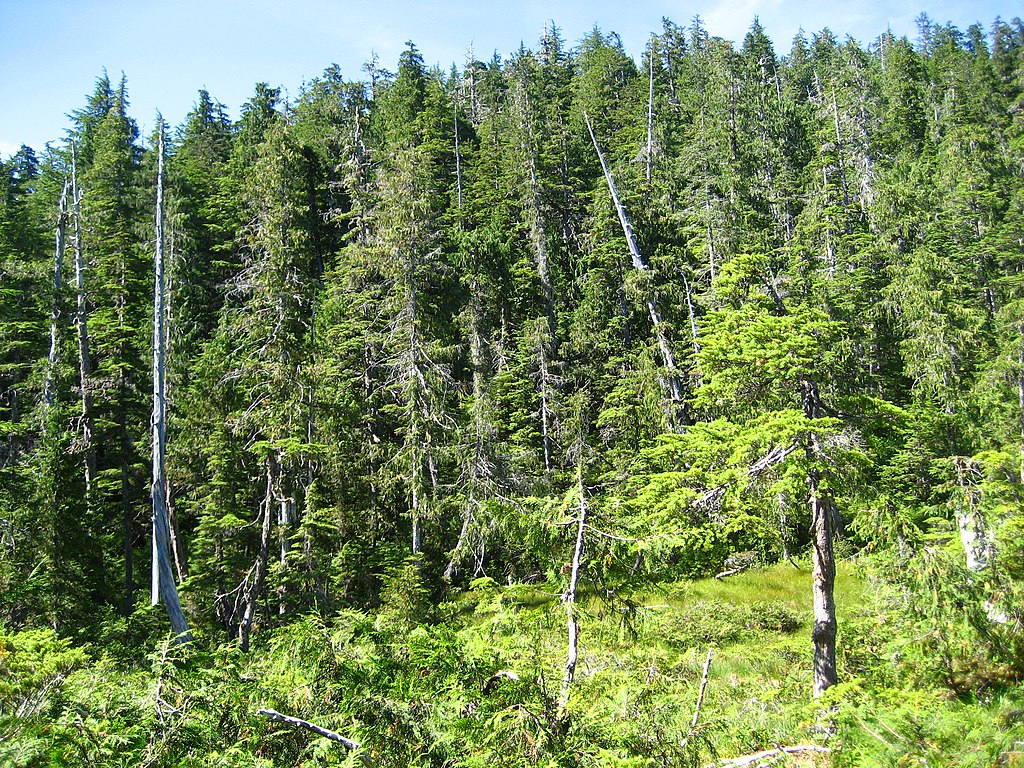
In the misty expanse of Alaska’s temperate rainforests, where ancient spruce and cedar once stood tall, hope is finally taking root again. After decades of destructive logging that stripped the land of balance, tribal crews have stepped forward to heal what was lost. Their work isn’t just environmental, it’s cultural, spiritual, and deeply personal. This restoration project unites generations, blending traditional knowledge with modern ecological science to bring the rainforest back to life.
Reclaiming the Ancestral Forests
For many Alaska Native tribes, the forest represents more than just land; it’s part of their identity. Tribal crews are returning to areas once stripped bare, replanting native trees like Sitka spruce and western hemlock. These species were essential for canoes, shelters, and ceremonies. Every seedling planted honors ancestral stewardship, restoring the land’s health while reconnecting people to their heritage. This effort is both an ecological revival and a cultural renewal intertwined.
Healing Land Scarred by Logging
Decades of industrial logging left deep scars on eroded soil, damaged rivers, and vanished wildlife habitats. The tribal restoration effort focuses on rebuilding these ecosystems layer by layer. Crews stabilize stream banks, remove invasive plants, and encourage the regrowth of understory vegetation vital for animals like deer and bears. Restoring the natural balance not only heals the forest but also revives the food systems and traditions tied to it for centuries
Combining Traditional Knowledge and Modern Science
This project thrives on cooperation between ancient wisdom and new research. Elders share insight on seasonal cycles, tree spacing, and plant behavior, while biologists use mapping tools to monitor recovery. Together, they track soil moisture, species diversity, and growth rates to ensure sustainability. It’s a rare harmony between heritage and innovation, proving that respect for traditional knowledge can lead to modern restoration in powerful, enduring ways.
Restoring Salmon Habitats in Fragile Streams
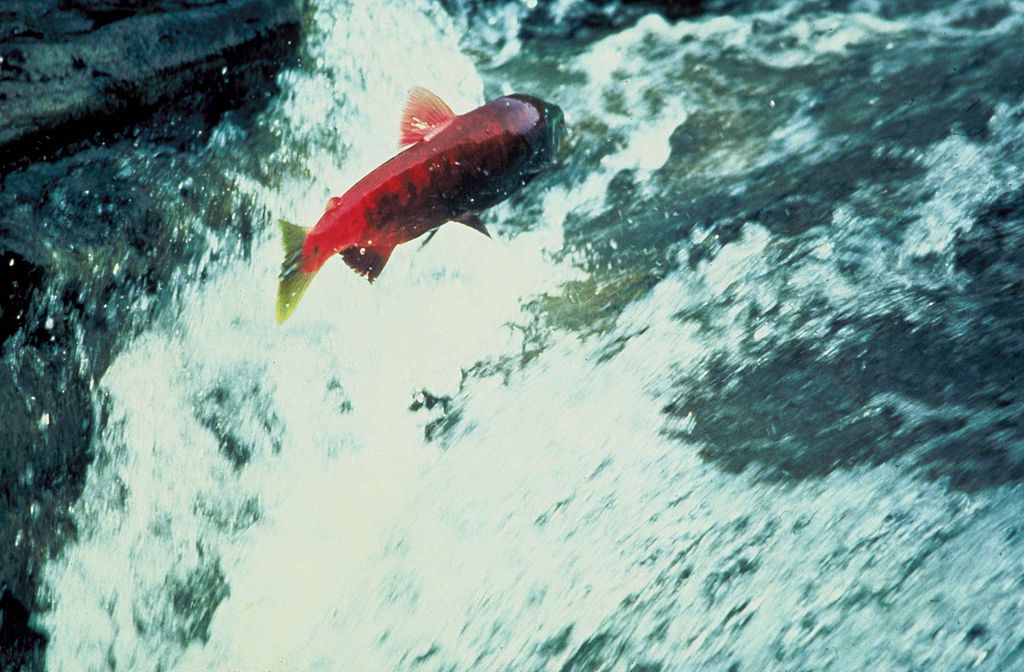
Salmon are central to Alaska Native culture and ecology, but years of logging destroyed vital spawning grounds. Tribal crews are rebuilding stream channels and reintroducing natural barriers to control flow and sediment. By restoring shade with replanted trees, they help cool the water, creating healthier habitats. This revival supports both the salmon population and the coastal communities that have depended on these fish for countless generations.
Empowering Local Youth Through Restoration Work
One of the most inspiring aspects of the project is its focus on youth involvement. Young tribal members learn traditional skills such as plant identification and respectful harvesting alongside ecological restoration techniques. This hands-on experience builds pride and connection while offering real career paths in conservation. The forest becomes both a classroom and a heritage site, ensuring the next generation continues this legacy of stewardship and sustainability.
Reviving Cultural Ties Through the Land
Each restoration site is a living link between past and present. As teams replant cedar groves or clear waterways, they also revive songs, stories, and ceremonies once tied to these places. The act of healing the land rekindles cultural memory. What began as environmental repair becomes a movement to restore identity, pride, and unity. For many, this work represents spiritual healing as much as ecological recovery.
Battling Invasive Species and Forest Disease
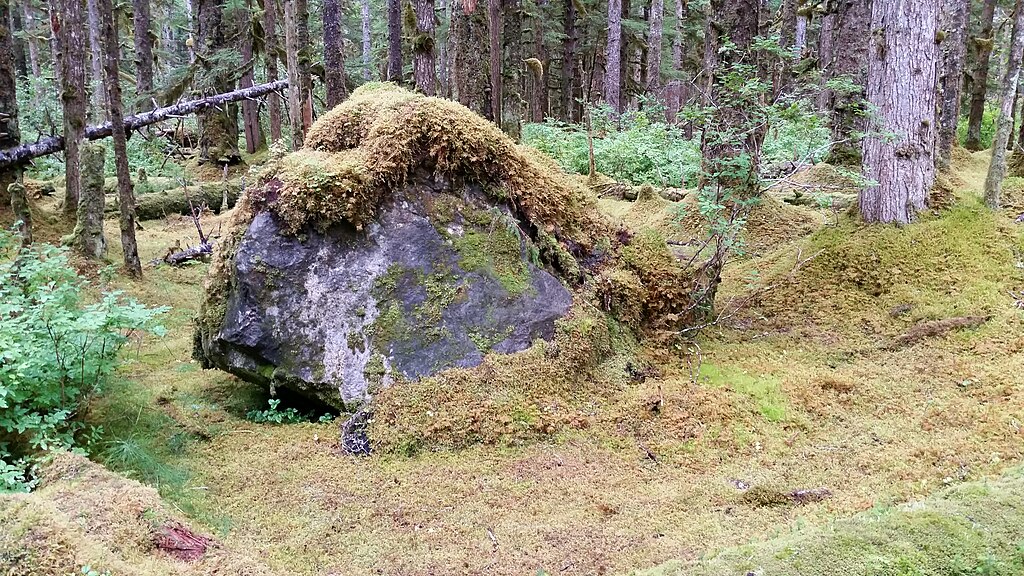
The restoration process faces challenges from invasive species and tree diseases that thrive in disturbed areas. Tribal crews use natural methods, manual removal, controlled burns, and traditional plant barriers to suppress these threats without chemicals. They monitor soil health closely, ensuring native plants reclaim dominance. This patient, careful approach protects biodiversity while honoring ancestral principles of balance, proving restoration can be both scientific and deeply ethical.
Economic Renewal Rooted in Sustainability
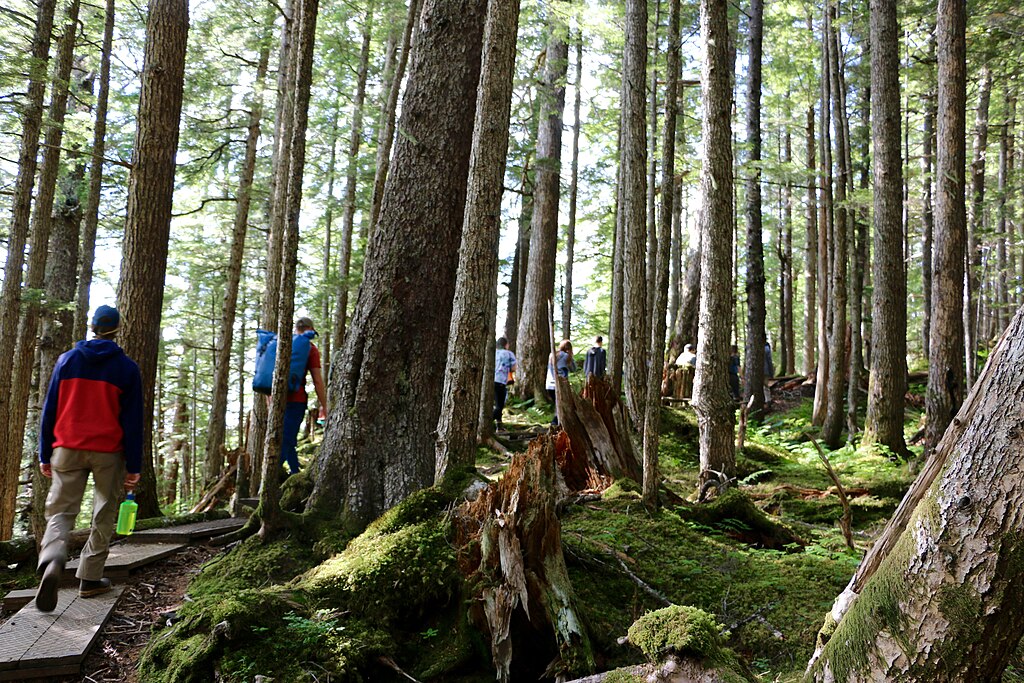
Beyond healing the environment, restoration brings new economic opportunities. By hiring locally and sourcing materials sustainably, the project supports tribal economies. Crews use renewable wood products and eco tourism to generate income while preserving forest integrity. This balance between livelihood and responsibility demonstrates that long-term prosperity doesn’t depend on extraction but on respect, patience, and sustainable coexistence with nature’s rhythm.
Collaboration with Federal and Environmental Partners
The project has grown through partnerships between tribal governments, environmental groups, and federal agencies. These alliances provide resources, training, and funding while respecting tribal leadership. Together, they’ve developed a model for future restoration projects that prioritizes Indigenous sovereignty. By working as equals, these groups show how cooperation rooted in respect can repair not just land, but long-standing divisions between communities and institutions.
A Legacy for Future Generations
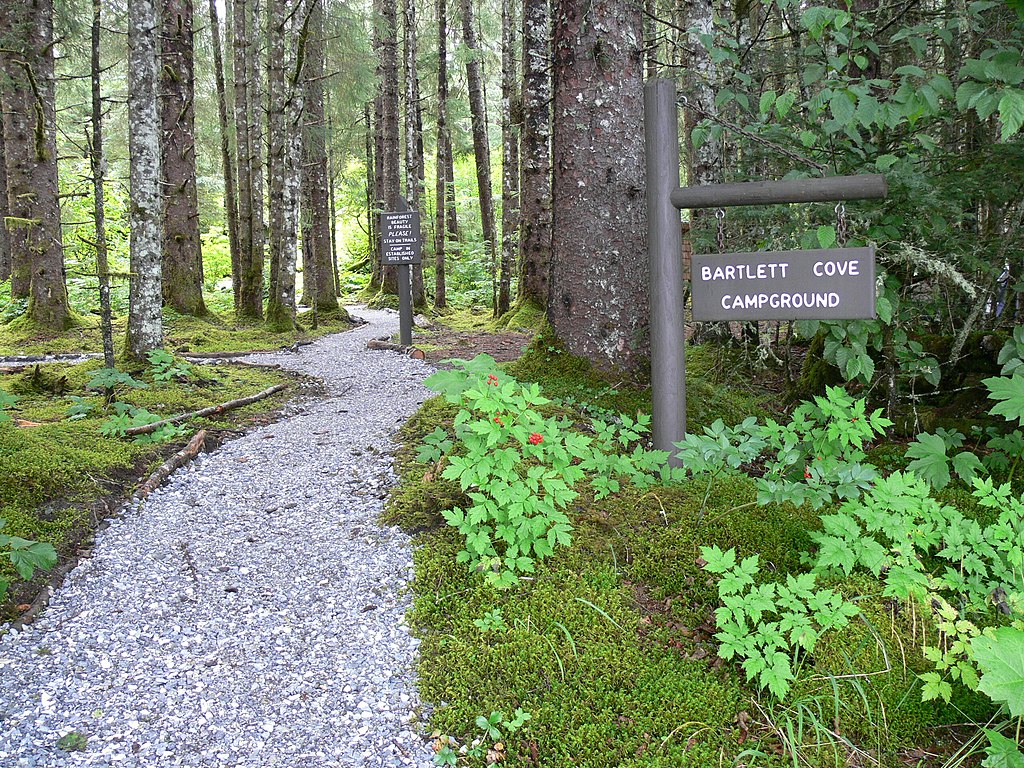
Each newly planted tree symbolizes hope for the future. As forests mature, they’ll shelter wildlife, stabilize the climate, and provide materials for traditional use once again. The project’s real success lies in passing knowledge forward, ensuring that today’s restoration becomes tomorrow’s tradition. Through dedication and unity, Alaska’s tribal crews aren’t just rebuilding a forest; they’re reawakening a living legacy that will stand for generations to come.