The next big Second Amendment fight is headed to the nation’s highest court. And this time, the ruling could reach far beyond one county outside Chicago.
Why This Case Matters Now

The Supreme Court has scheduled oral arguments for December 2, 2026, in Viramontes v. Cook County, a closely watched challenge to a local ban on certain semiautomatic firearms. The justices agreed on June 30, 2026, to hear the case, consolidating it with a related Connecticut matter for one hour of argument. That alone signals the court sees a national question worth settling.
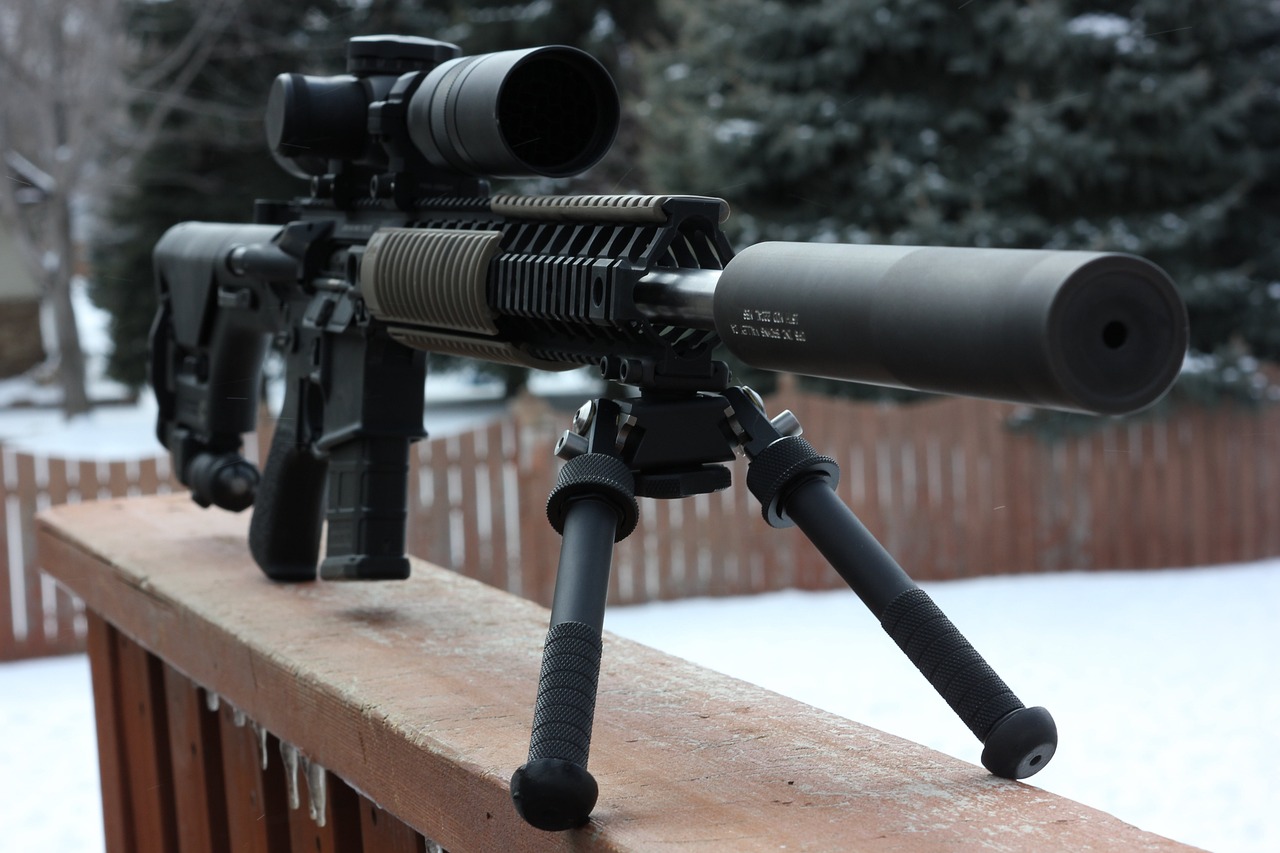
At the center of the dispute is Cook County’s long-running ban on what officials call assault weapons, including many AR-15-style rifles. The county’s ordinance traces back to 2006 and was later tightened, making it one of the more prominent local firearm restrictions in the country. Supporters say the law is a public-safety measure aimed at reducing the risks posed by rapid-fire, detachable-magazine firearms.
Challengers argue the ban directly targets arms that are commonly owned by law-abiding Americans for lawful purposes, including home defense, sport shooting, and training. That claim matters because modern Second Amendment cases increasingly turn on whether a firearm is in common use. If the court agrees, the decision could unsettle similar laws in multiple states and cities.
The Legal Question Before The Justices
On paper, the question sounds narrow: can a county or state ban possession of certain semiautomatic rifles and still comply with the Second Amendment? In reality, the answer could define the limits of gun regulation for years. Courts across the country have struggled to apply the Supreme Court’s recent instructions in firearm cases.
The challengers say these rifles are plainly protected “arms” under the Constitution. They contend governments cannot remove them from civilian hands simply by labeling them unusually dangerous, especially when millions are already owned nationwide. Their broader point is that popularity and lawful use should weigh heavily in the constitutional analysis.
Cook County and other defenders of these laws respond that the Second Amendment has never barred every weapons regulation. They argue that governments have long had authority to restrict especially dangerous weapons and that semiautomatic rifles with military-style features fit that tradition. Expect the justices to press both sides on where self-defense ends and public-danger concerns begin.
The Five Supreme Court Precedents In The Background
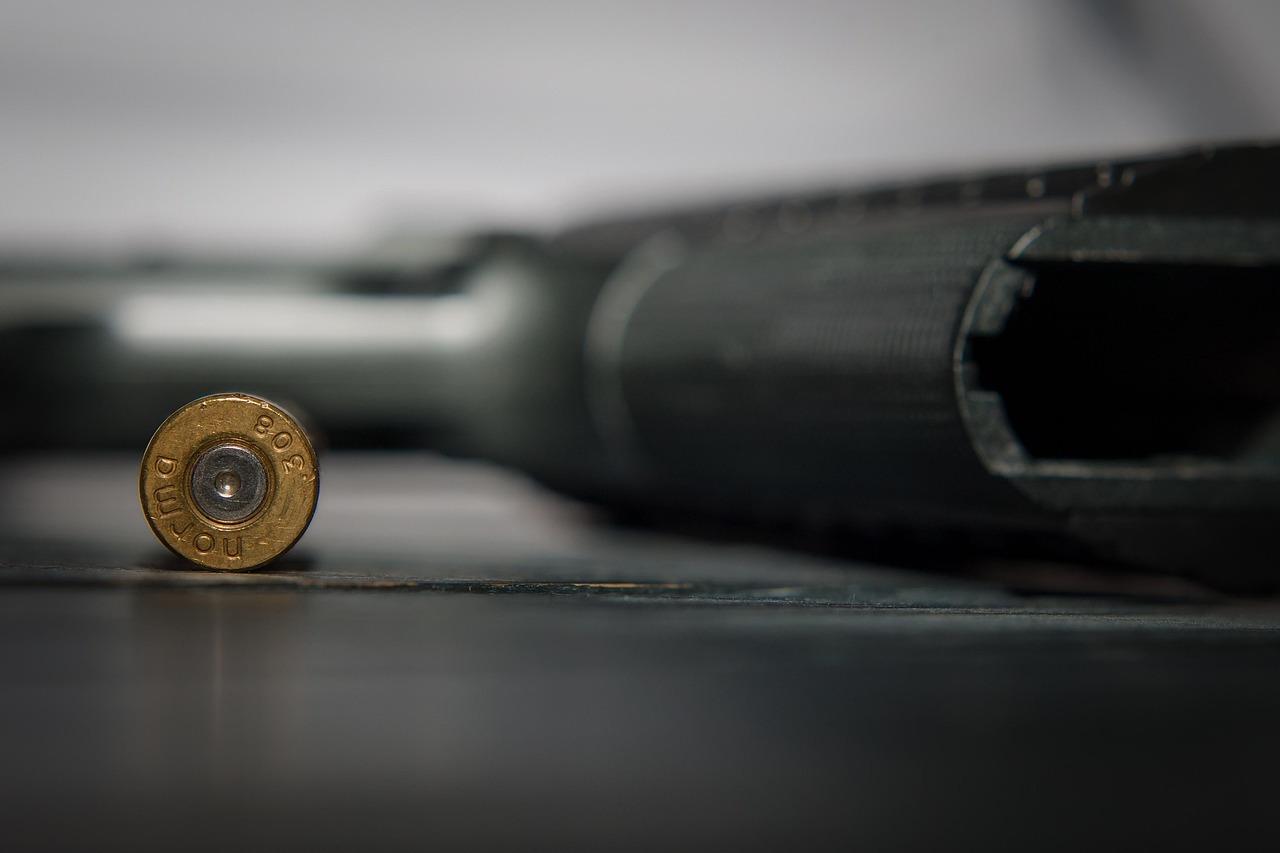
This case will likely be argued through the lens of five modern precedents. The first is District of Columbia v. Heller in 2008, where the Court recognized an individual right to possess a firearm for self-defense in the home. That decision became the foundation for nearly every major Second Amendment case that followed.
Then came McDonald v. Chicago in 2010, which applied that right against state and local governments through the Fourteenth Amendment. That matters here because Cook County is a local government, not Congress. Without McDonald, this fight would look very different.
The other key guideposts are Caetano v. Massachusetts, New York State Rifle & Pistol Association v. Bruen, and United States v. Rahimi. Caetano signaled that newer weapons are not excluded just because they did not exist in 1791. Bruen rejected the old balancing approach used by many lower courts and said modern gun laws must fit this nation’s historical tradition of firearm regulation. Rahimi, decided in 2024, showed that history still allows some disarmament laws when they are closely tied to longstanding analogies.
Why Lower Courts Have Been So Divided
Since Bruen, judges have been asking the same hard question in case after case: what counts as a true historical analogue? That is where assault-weapon cases have split. Some courts have upheld bans by emphasizing historical limits on especially dangerous weapons, while others have viewed broad modern prohibitions with far more skepticism.
The Seventh Circuit, which covers Illinois, upheld related bans in earlier litigation including Bevis v. City of Naperville. That court concluded that governments may regulate weapons seen as particularly dangerous and akin to military arms, even after Bruen. The Viramontes challenge arrived at the Supreme Court after that lower-court path largely favored Cook County.
Elsewhere, judges and litigants have clashed over whether AR-15-style rifles are exceptional or ordinary. Gun-rights advocates stress their enormous civilian ownership numbers and routine lawful use. Gun-control supporters point to their recurring role in high-profile mass shootings and argue that constitutional protection should not prevent communities from addressing extraordinary risk.
What A Supreme Court Ruling Could Change
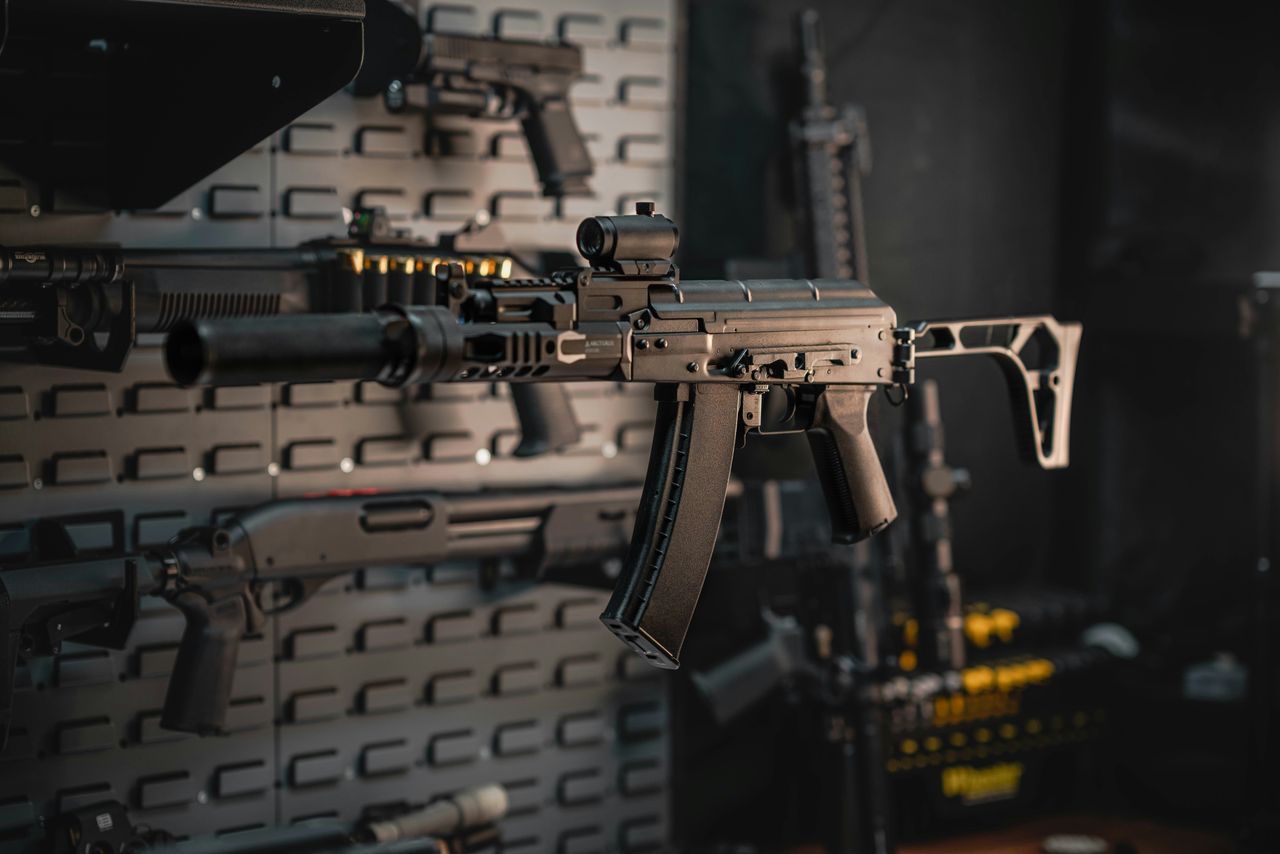
A ruling for the challengers could put state and local assault-weapon bans on very shaky ground. Laws in places like Illinois, Connecticut, and other jurisdictions with similar feature-based restrictions would likely face immediate new challenges. The practical effect could be broader than one headline case because lower courts would have to revisit how they analyze bans on firearms and magazines.
A ruling for Cook County would not end Second Amendment litigation, but it would give governments stronger footing to defend these laws. It could also clarify that Bruen does not automatically doom every modern weapons restriction. That would be especially important for lawmakers trying to draft regulations that survive constitutional review.
Either way, the decision expected by late June 2027 should offer something lower courts have lacked: a direct answer on semiautomatic rifle bans. Justice Brett Kavanaugh previously suggested the court would likely take up the AR-15 issue soon. Now that moment has arrived, and the outcome could become one of the most important gun rulings in a generation.
The Bigger National Debate Behind The Case
This case is about doctrine, history, and constitutional text, but it is also about a larger cultural divide. For millions of Americans, semiautomatic rifles symbolize lawful self-reliance, sport, and a constitutional right that should not shrink with changing politics. For others, those same firearms represent a level of firepower communities should be allowed to restrict.
That tension helps explain why the Supreme Court’s answer will resonate far beyond lawyers and judges. A constitutional rule broad enough to protect these firearms would limit how far local experimentation can go. A rule allowing bans would confirm that public-safety regulation still has meaningful room under the Second Amendment.
The justices are not being asked to settle America’s gun debate once and for all. But they are being asked to say whether a modern class of widely owned semiautomatic firearms can be banned by state and local governments. On December 2, 2026, that question moves from political argument to constitutional reckoning.