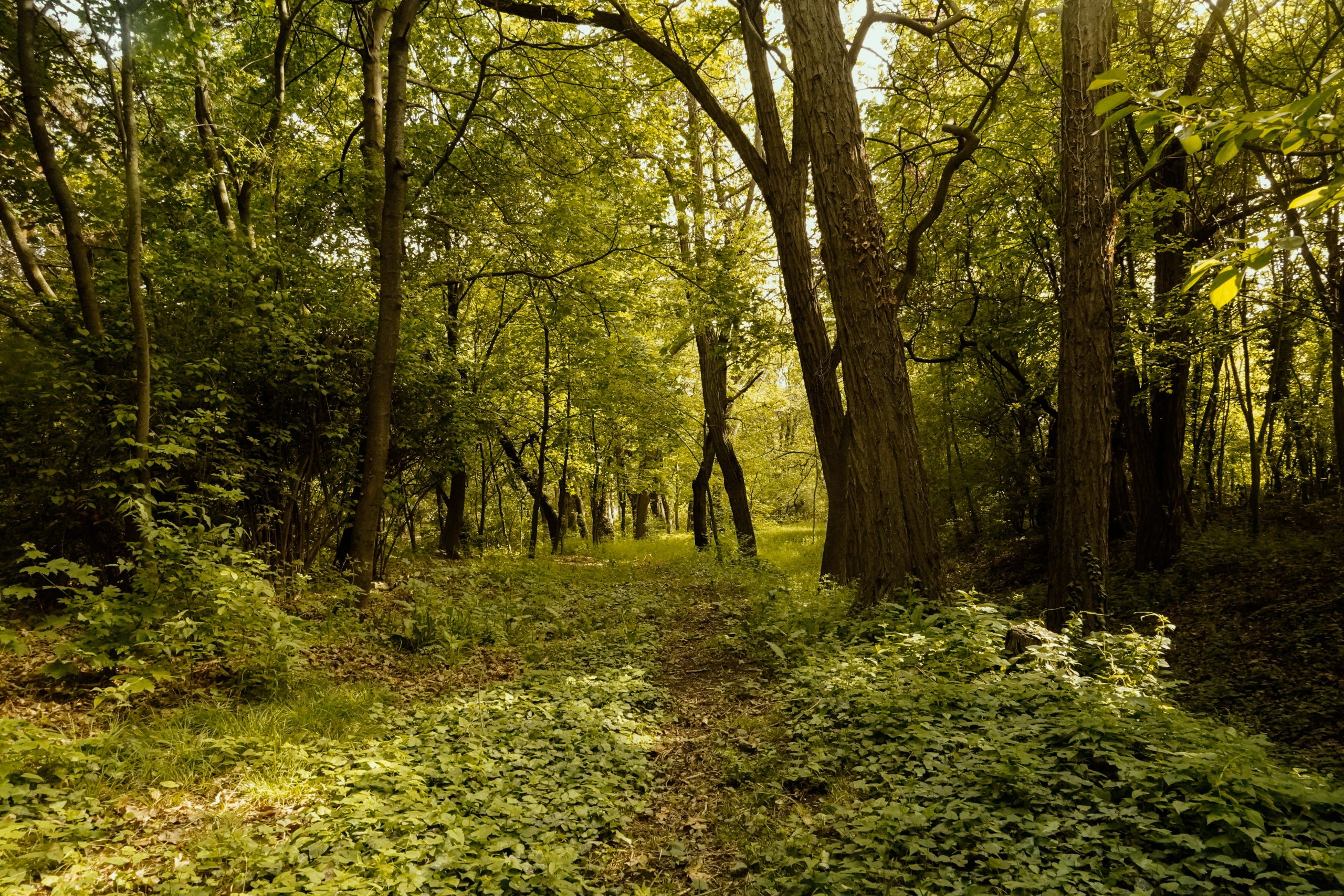
The woods have their own language, from birds calling through the canopy to streams rushing over rocks. Most sounds are harmless, but sudden changes can reveal wildlife, unstable trees, flooding, or shifting terrain before you can see the cause. Learning to notice these acoustic clues does not mean fearing every noise. It means slowing down, paying attention, and giving yourself more time to react when something unusual happens.
1. A Sudden Burst of Alarm Calls

When several birds suddenly explode into sharp, repeated calls, stop and listen before moving on. Birds may be reacting to a predator, a snake, a person, or another disturbance you cannot see. One isolated call is normal, but a concentrated chorus from several directions deserves attention. Forest birds often reveal activity hidden by leaves and thick cover. Pause for about 30 seconds, scan the trail edges, and avoid walking blindly into dense vegetation. In many forests, alarm calls are useful clues rather than proof of danger. Do not follow the calls into thick cover.
2. Repeated Monkey Alarm Calls
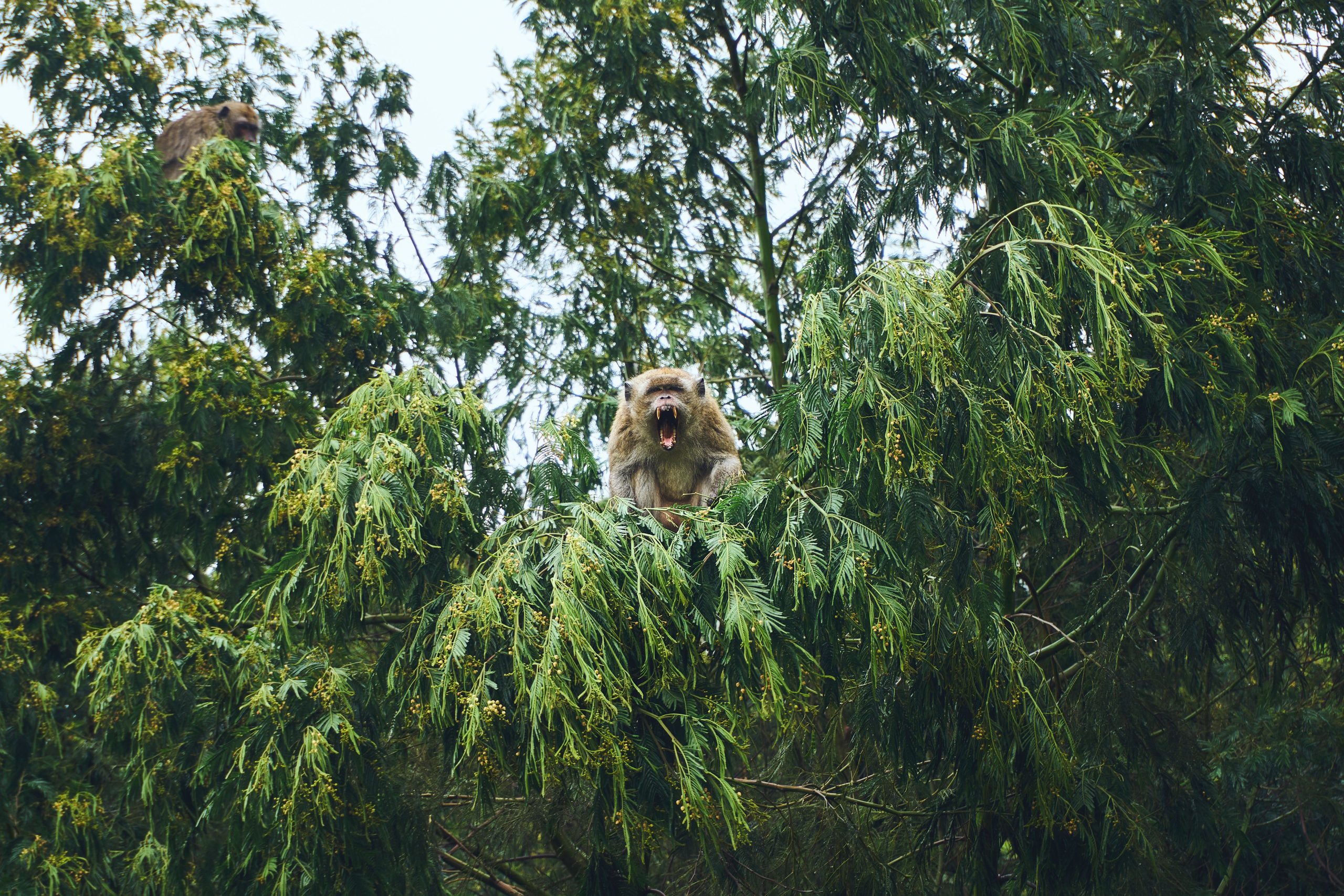
A troop of monkeys making persistent alarm calls can signal that something unusual is moving nearby. Depending on the forest, they may react to a leopard, large snake, eagle, human intruder, or another threat. The important clue is repetition and direction, not simply one loud call. Stop for 30 to 60 seconds and observe the canopy, ground, and trail ahead. If the calls keep following your route, slow down and increase your awareness. Never assume you have identified the cause without seeing it. The important clue is repetition and direction, not simply one loud call. Stay alert.
3. A Rattling or Hissing Sound
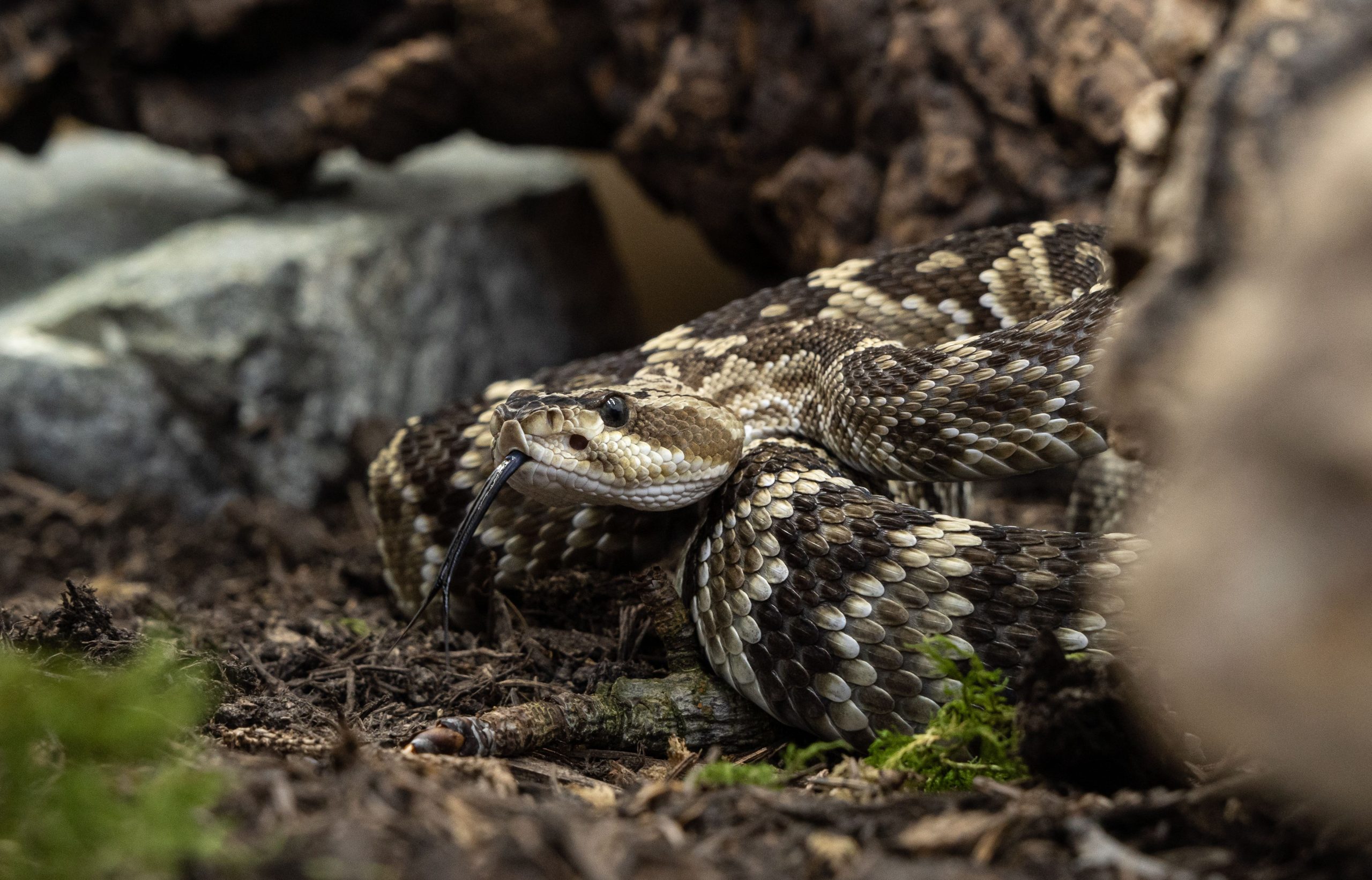
A dry rattle, hiss, or sudden movement in leaf litter deserves immediate attention, especially in regions where venomous snakes occur. A rattlesnake’s rattle is a warning signal, while other snakes may hiss or move through leaves without making a clear warning sound. Stop your feet, locate the sound without reaching into cover, and slowly create distance. Never kick logs, grab rocks, or put a hand into a dark crevice. Give the animal a wide route to escape. Snake behavior varies by species, so sound alone cannot identify one safely. Distance is the safest first response.
4. Heavy Rustling in Dense Brush
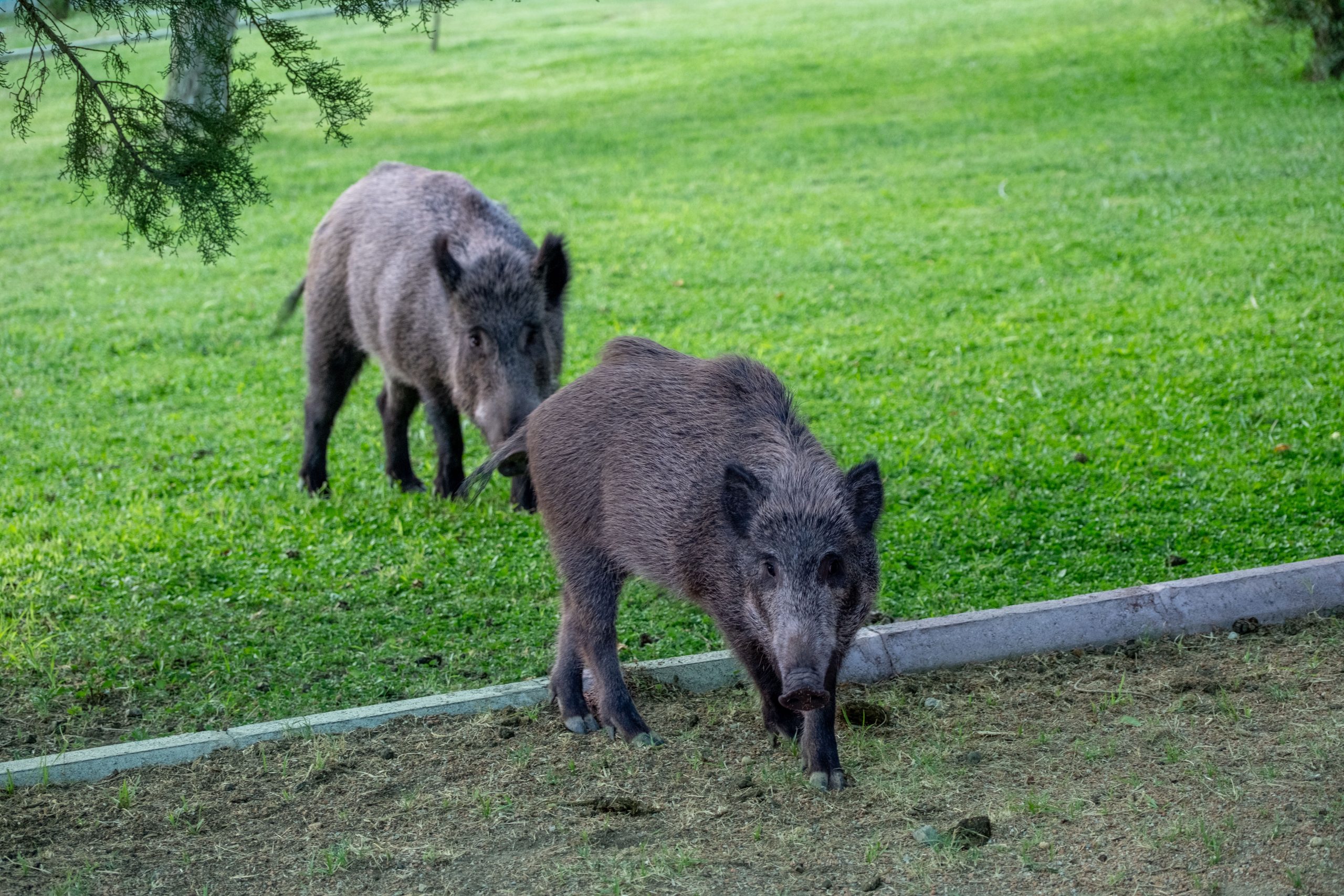
A strong, deliberate rustle moving through thick brush is different from leaves shifting in a light breeze. It could be a deer, wild boar, bear, person, or another animal, and the vegetation may prevent you from seeing it. Do not push forward simply to find out what caused the noise. Stop, keep a clear escape route, and listen for a second sound or change in direction. If the movement approaches rather than fades, back away calmly. Dense cover is exactly where visibility is poorest, so distance is more useful than curiosity. Give the unseen animal room to move away.
5. A Deep Growl, Huff, or Snort

A low growl, forceful huff, or repeated snort can mean an animal is aware of you and wants space. Bears, wild boar, and other wildlife can make warning or defensive sounds, although the exact meaning depends on species and context. Do not imitate the sound, shout blindly, or move closer for a better look. Stop, identify a safe direction, and retreat slowly if the animal is nearby. In bear country, official guidance stresses staying calm and avoiding sudden movements. Treat an unfamiliar low warning sound as a reason to create distance. Space is usually safer than confrontation.
6. Branches Cracking Above You

A sharp crack overhead can be more dangerous than it sounds. Dead limbs and unstable trees may break during strong wind, heavy rain, storms, or without an obvious warning. Forest safety guidance recommends looking up for broken tops, dead branches, leaning trees, and other signs of structural weakness. If you hear repeated cracking, move away from the tree canopy and avoid stopping underneath dead or damaged trees. A clearing is generally preferable for a rest stop. Never assume a tree is safe simply because there is no visible movement. Move out from under questionable limbs.
7. A Sudden Roar of Wind
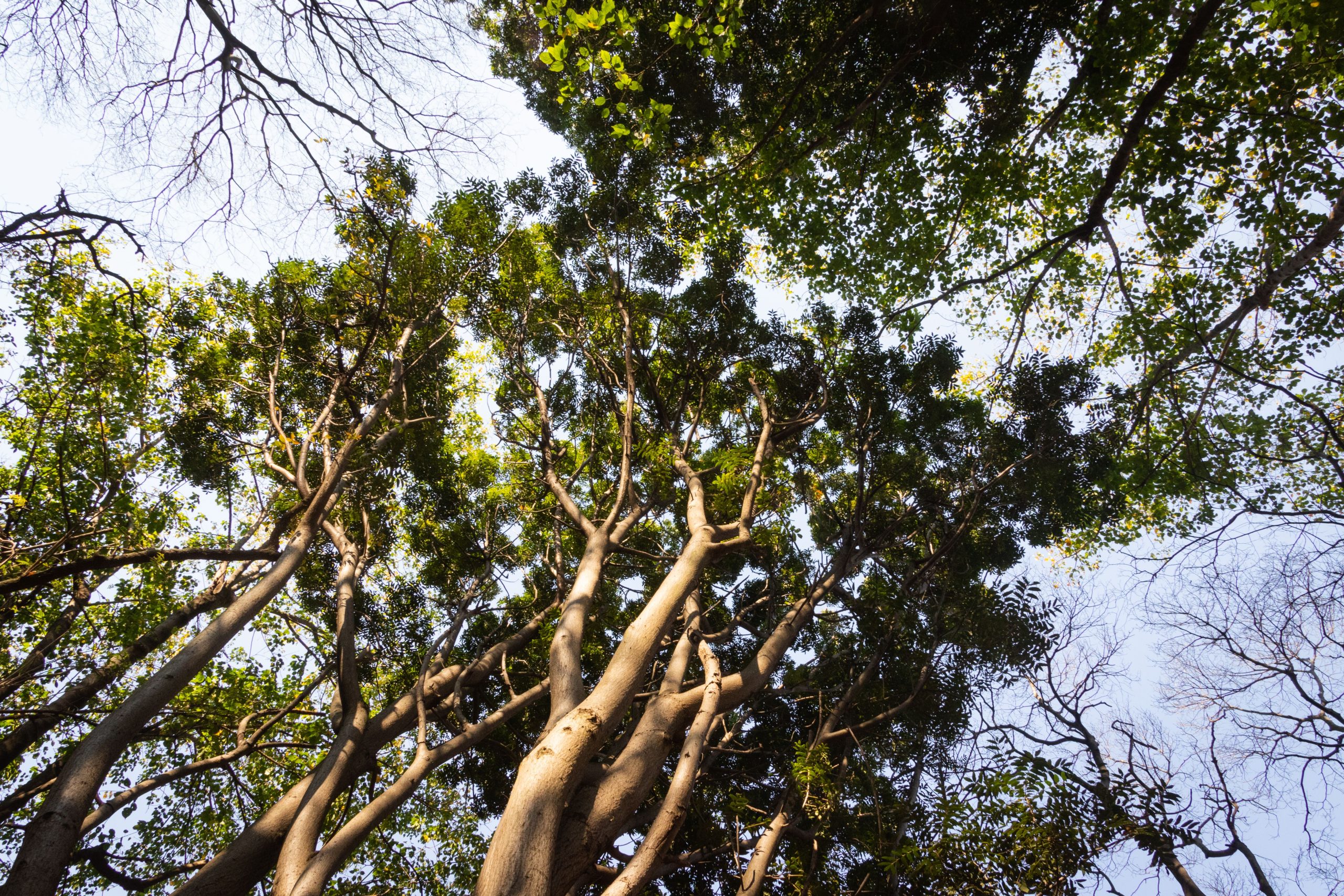
A rapid rise from quiet air to strong, sustained wind can change forest conditions within minutes. Wind can snap branches, topple weakened trees, blow debris across trails, and mask sound. Listen for creaks, cracks, and falling limbs rather than treating wind as harmless. If gusts become strong, leave exposed or heavily wooded areas when practical and avoid standing beneath dead trees. A sudden wind shift is also a useful reason to reassess the weather, route, and time remaining. Pause.
8. Water Suddenly Sounding Much Louder

If a stream or river suddenly becomes much louder, do not assume the change is only a pleasant natural effect. Heavy rain upstream can raise water levels even when your location is relatively dry, turning a familiar crossing into a dangerous one. Listen for a deeper, faster rush and watch whether water is carrying branches, foam, or debris. Never attempt to cross a swollen stream just because it was safe earlier. Official hiking guidance recommends turning back or waiting for water to recede when flooding makes a crossing unsafe. Conditions can change faster than the trail.
9. The Sound of Rockfall or Sliding Soil
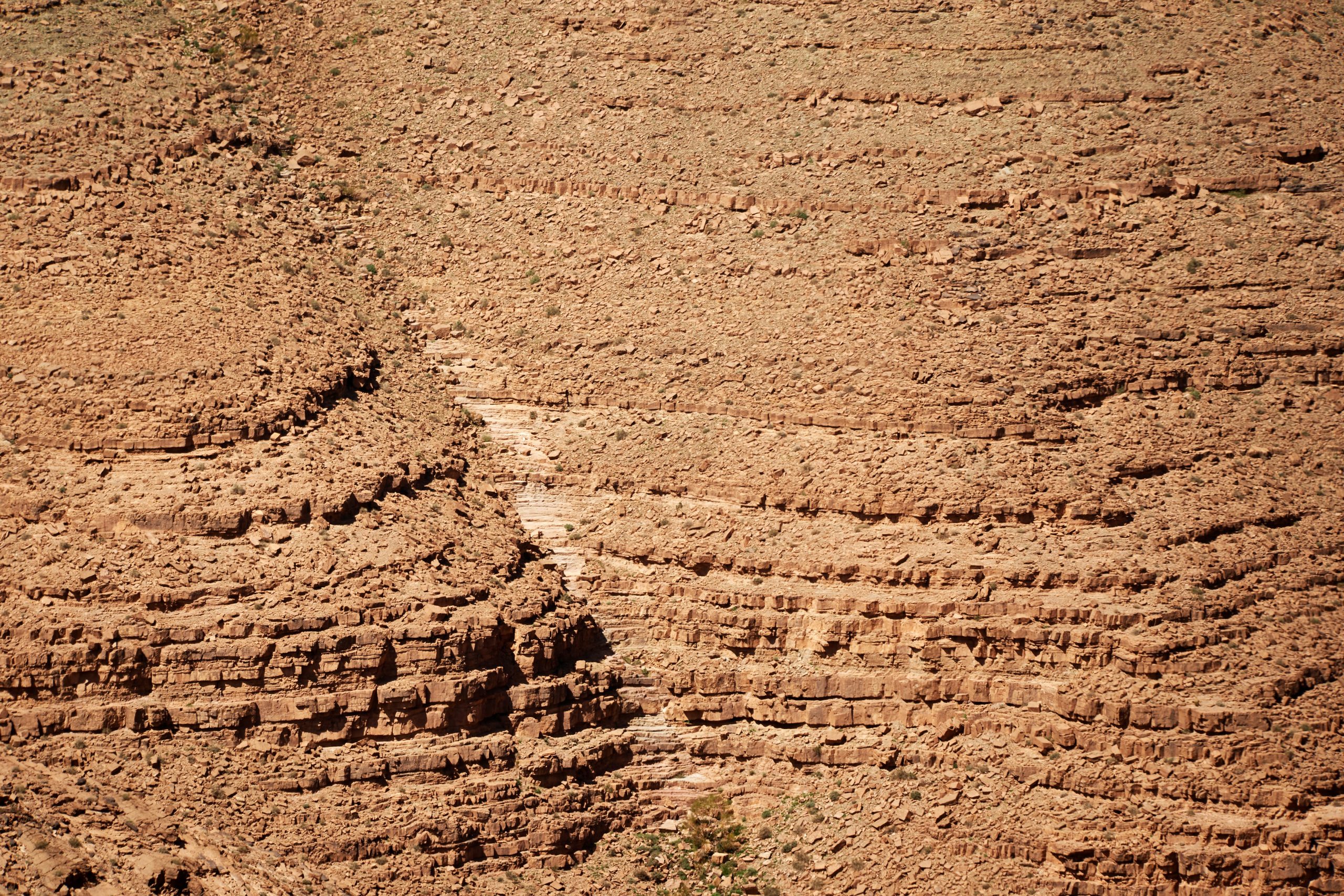
A burst of tumbling stones, cracking earth, or sliding gravel can signal unstable ground on a steep slope, cliff, or trail cut. The first movement may be small, but additional material can follow, particularly after heavy rain or freeze-thaw conditions. Move away from the slope or exposed edge rather than walking closer to inspect it. Warn companions and choose a stable alternative route if one exists. Do not linger beneath a rock face simply because the initial sound has stopped. Sudden ground movement is a practical reason to increase distance immediately. Leave.
10. An Unusual Silence After Normal Forest Noise
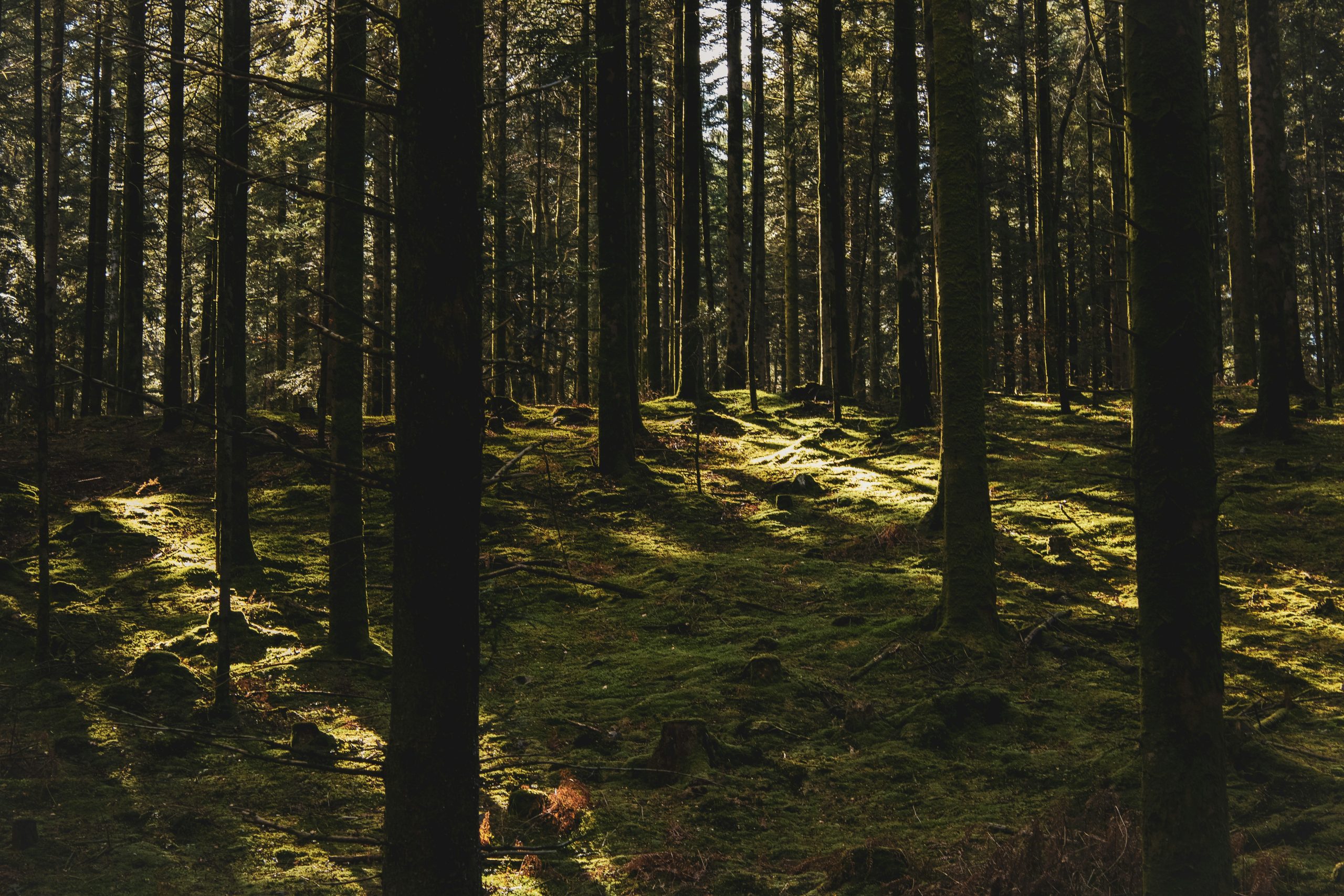
Silence itself is not proof that danger is present, but a sudden change from a busy soundscape to near silence can be worth noticing. Birds may stop calling when a disturbance passes through, while wind, rain, or people can also change the forest’s normal rhythm. Stop for 30 seconds and compare what you hear now with moments earlier. Look around without entering thick cover. If the silence is followed by alarm calls, heavy movement, or an unfamiliar animal sound, slow down and reassess your route before continuing. The goal is to notice meaningful changes early. Listen closely.