Some handguns make a terrific first impression, whether it’s the brand name, the trigger feel at the counter, or a reputation built online. But once owners spend real time carrying, shooting, and maintaining them, a few models start to lose their shine. This gallery explores pistols that often look like forever guns at first, yet frequently get traded when practical realities set in.
Glock 43
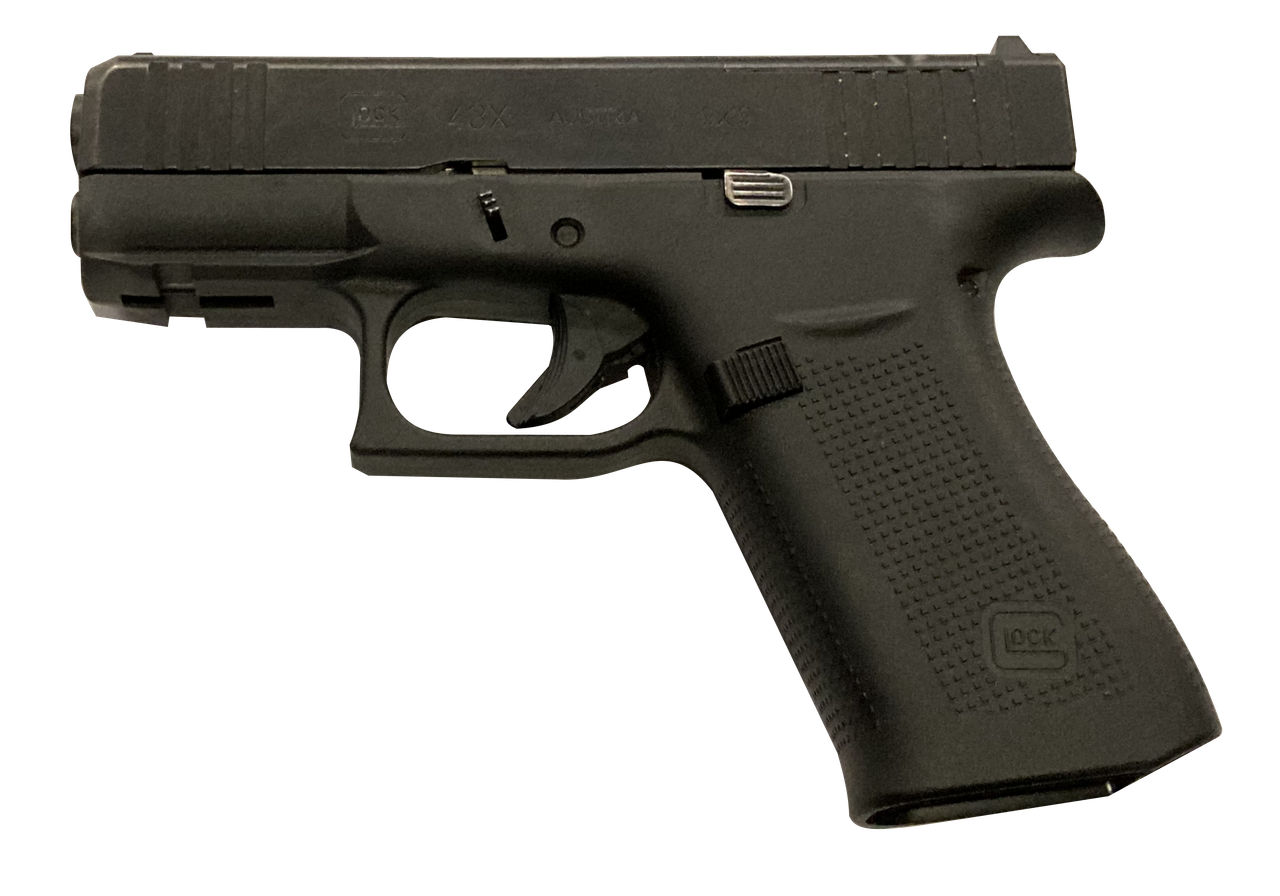
The Glock 43 has all the ingredients of a long-term favorite: trusted branding, slim dimensions, and a reputation for reliability. For many buyers, it feels like the obvious answer for discreet daily carry, especially if they already own other Glock pistols.
Then the trade thoughts start creeping in. Some owners find the capacity limiting compared with newer micro-compacts, while others decide the small grip and snappy recoil make practice less enjoyable than expected.
It still does what it was built to do, but the market moved fast. A pistol that once felt perfectly sensible can suddenly feel outclassed sitting next to higher-capacity options of nearly the same size.
Smith & Wesson M&P Shield
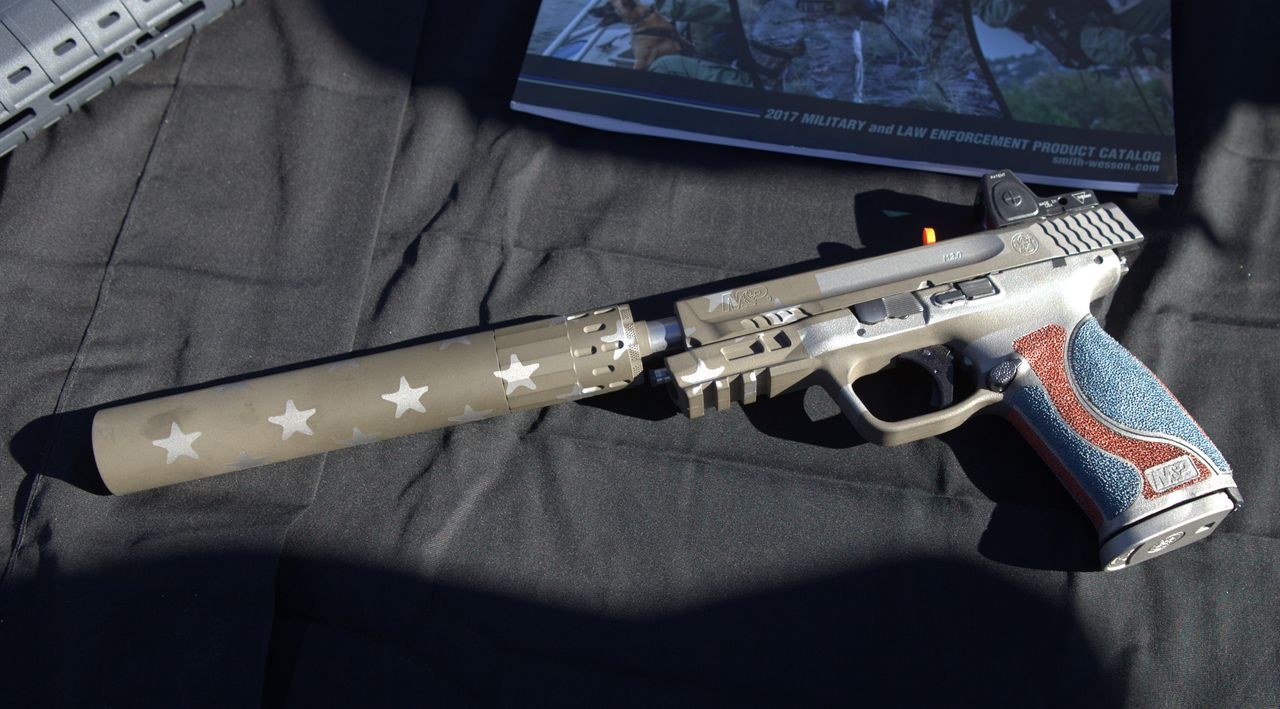
The original M&P Shield earned its place as a practical, affordable carry gun for a huge number of people. It’s thin, dependable, and easy to recommend, which is exactly why so many first-time concealed carriers brought one home.
Over time, though, some owners decide they want more rounds without increasing size too much. Others discover that the narrow grip and modest sight radius leave them wanting a little more comfort or confidence during longer range sessions.
That doesn’t make the Shield a bad pistol. It just means a once-cutting-edge favorite can feel a little dated when newer designs offer more capacity and often better shootability in roughly the same footprint.
Springfield Hellcat
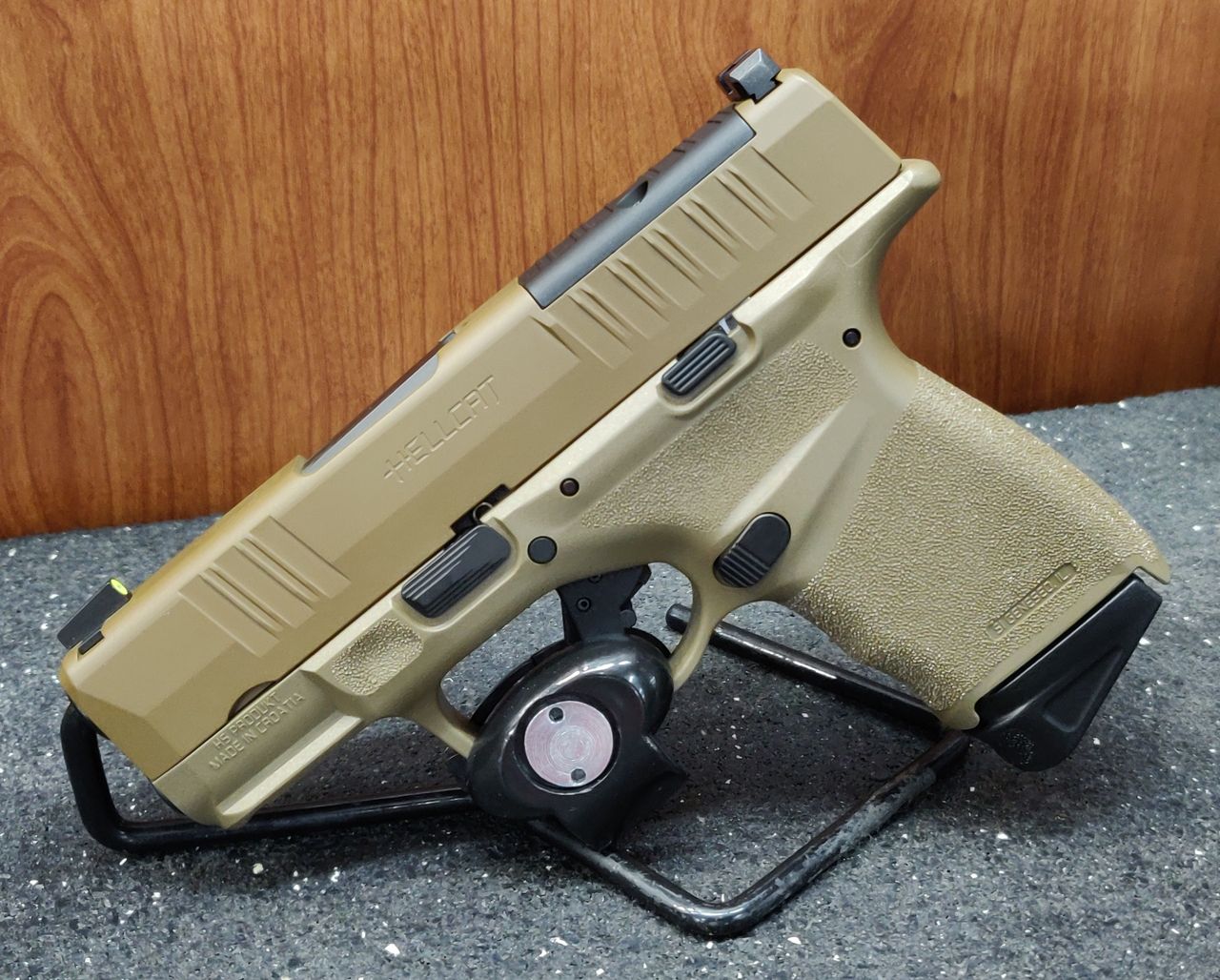
The Hellcat arrived with serious momentum, winning buyers over with impressive capacity in a truly compact package. On paper, it checks nearly every modern concealed-carry box, and that spec sheet appeal has convinced plenty of owners they’ve found their ideal everyday pistol.
In actual use, some people decide the trade-off is sharper recoil and a grip that feels busy or cramped under speed. Others never quite bond with the trigger or simply find they shoot competing micro-compacts better.
That gap between specifications and personal fit matters more than people expect. A pistol can be objectively capable and still wind up traded because it never becomes the effortless extension of the hand owners hoped for.
SIG Sauer P365
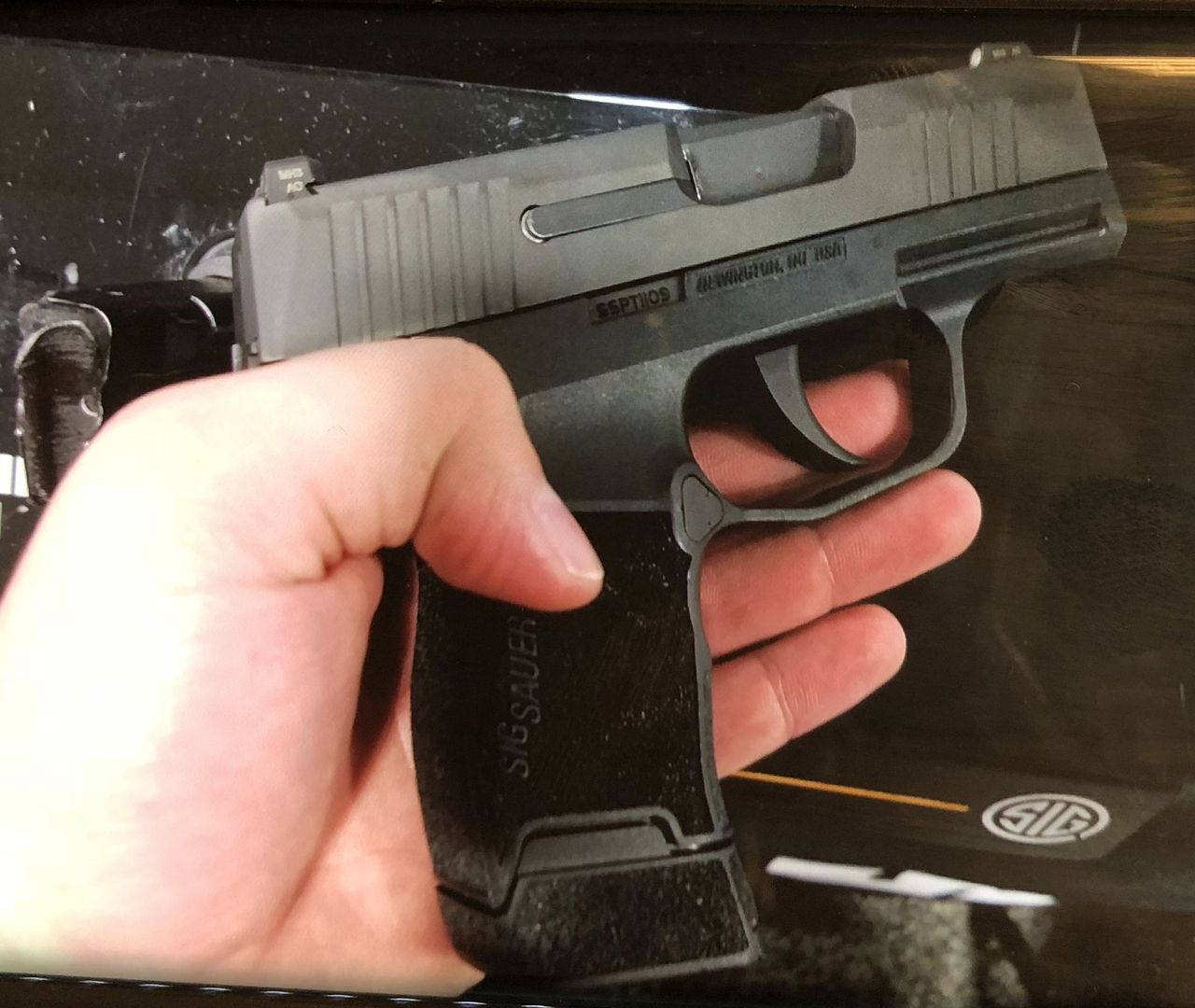
The SIG P365 changed the concealed-carry market by proving tiny pistols could hold a lot more ammunition than buyers were used to. Its influence is hard to overstate, and many owners bought one thinking they had found the rare pistol that does almost everything well.
Yet not every relationship lasts. Some shooters find the very compact frame a little too lively in recoil, while others start eyeing XL or macro variants for better control and then wonder why they’re keeping the smaller version.
That’s the strange success story of the P365. It’s so good at launching a platform that owners sometimes trade the original simply because they’ve discovered a larger version they enjoy shooting more.
Ruger LCP
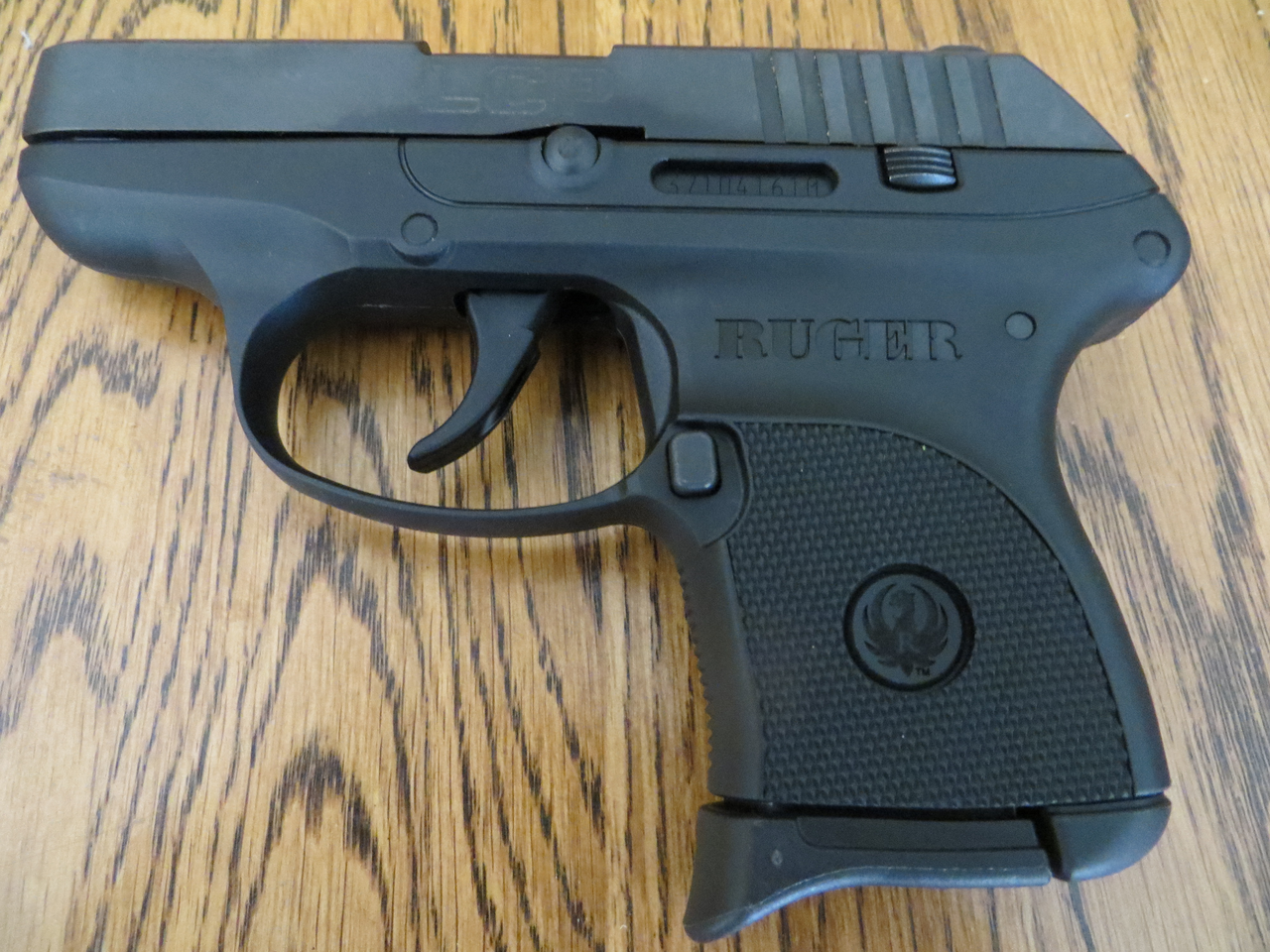
The Ruger LCP is often purchased with a very specific mission in mind: deep concealment when nothing else seems practical. As a pocket pistol, it makes an immediate kind of sense, and owners love how easy it is to carry when wardrobe or weather narrows the options.
The trouble comes at the range. Many owners eventually realize that a pistol this small can be unpleasant to practice with regularly, and that can create a disconnect between carrying often and training enough.
That’s when the trade calculus changes. A gun that disappears in a pocket may still get moved along if the owner decides a slightly larger 9mm is easier to shoot, easier to trust, and still simple enough to carry daily.
Walther CCP
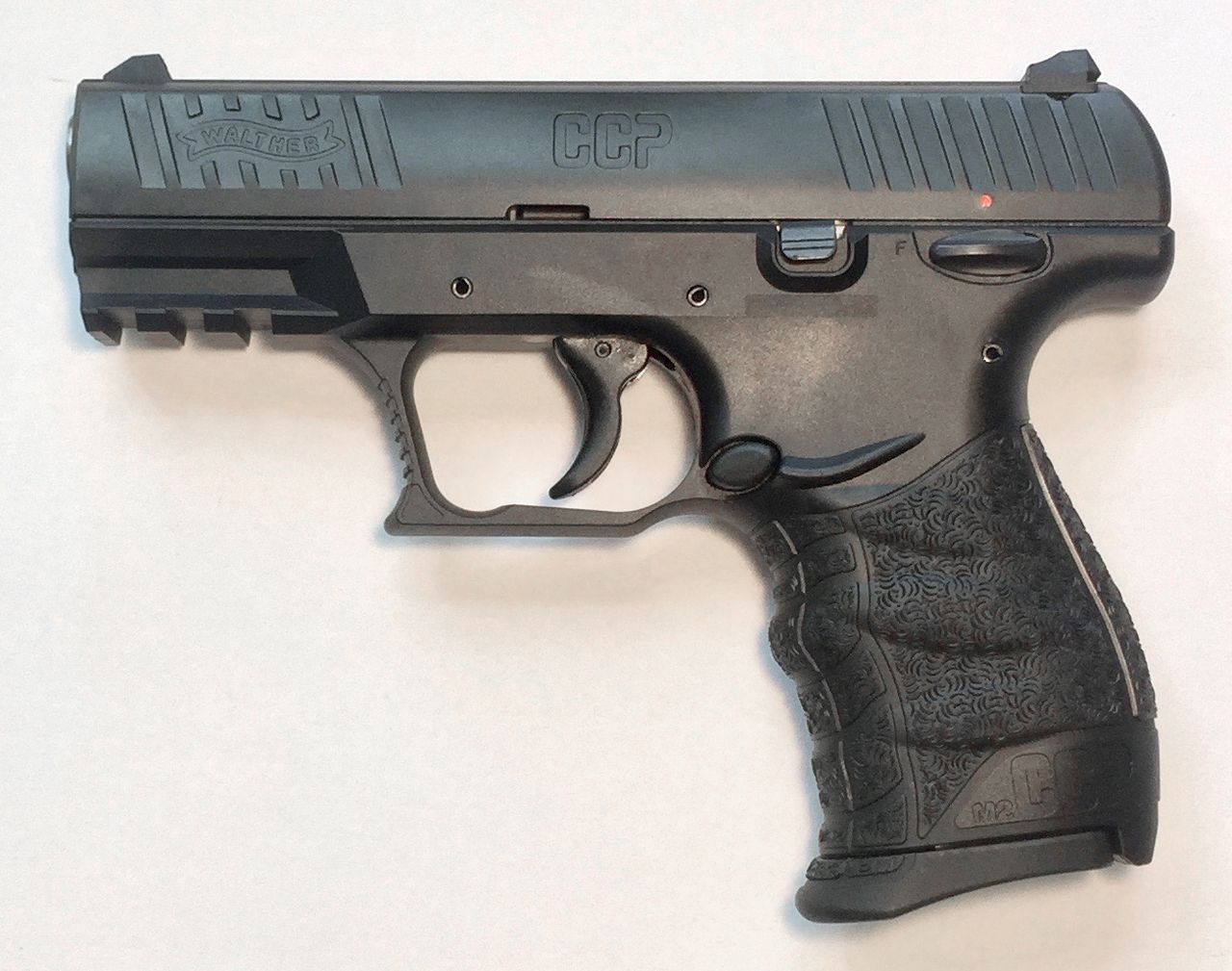
The Walther CCP attracts buyers with its user-friendly slide operation and comfortable ergonomics. For people concerned about hand strength or simply wanting a soft-shooting carry pistol, it can seem like a smart, thoughtful design right from the gun counter.
After ownership begins, enthusiasm sometimes cools. Some users find the takedown process fussy, while others decide the trigger and overall shooting experience don’t quite match the promise of the pistol’s easy-handling concept.
That’s often enough to inspire a trade. When a handgun’s standout feature solves one problem but introduces new frustrations, owners may start looking for something simpler, especially if they value straightforward maintenance and consistency above all else.
Beretta Pico

The Beretta Pico has long appealed to buyers who want an ultra-thin, highly concealable pistol from a respected manufacturer. It feels purpose-built for pocket carry, and that kind of specialization can be very attractive when discretion matters more than anything else.
But specialized guns can be difficult to love long term. Owners sometimes discover that the tiny controls, minimal grip area, and modest chambering make the pistol feel more like an emergency option than a gun they truly enjoy owning.
That’s usually the turning point. Once the novelty of extreme concealability fades, many people decide they’d rather carry something just a little larger if it means better handling, more confidence, and a more satisfying day at the range.
Kimber Micro 9
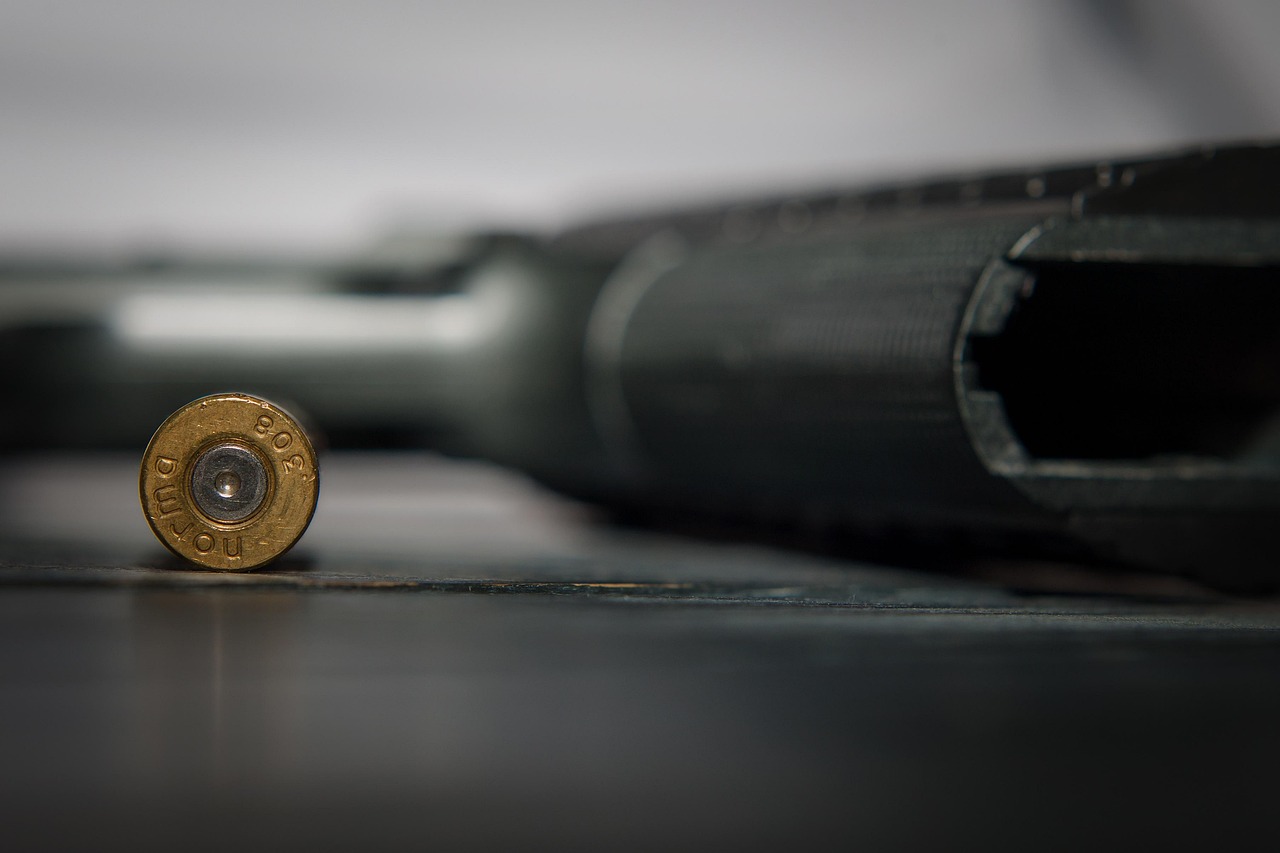
The Kimber Micro 9 has undeniable visual appeal. It often catches buyers with its 1911-inspired styling, compact profile, and upscale finishes, creating the impression of a refined little carry pistol that blends classic taste with modern practicality.
Living with it can tell a more complicated story. Some owners report that a gun chosen for looks and familiar controls turns out to be pickier than expected, or simply not as forgiving under regular carry and range use as polymer competitors.
That mismatch can send it to the trade pile. A beautiful pistol may be admired every time the case opens, but if it demands more patience than the owner wants to give, charm alone usually stops being enough.
Springfield XD-S
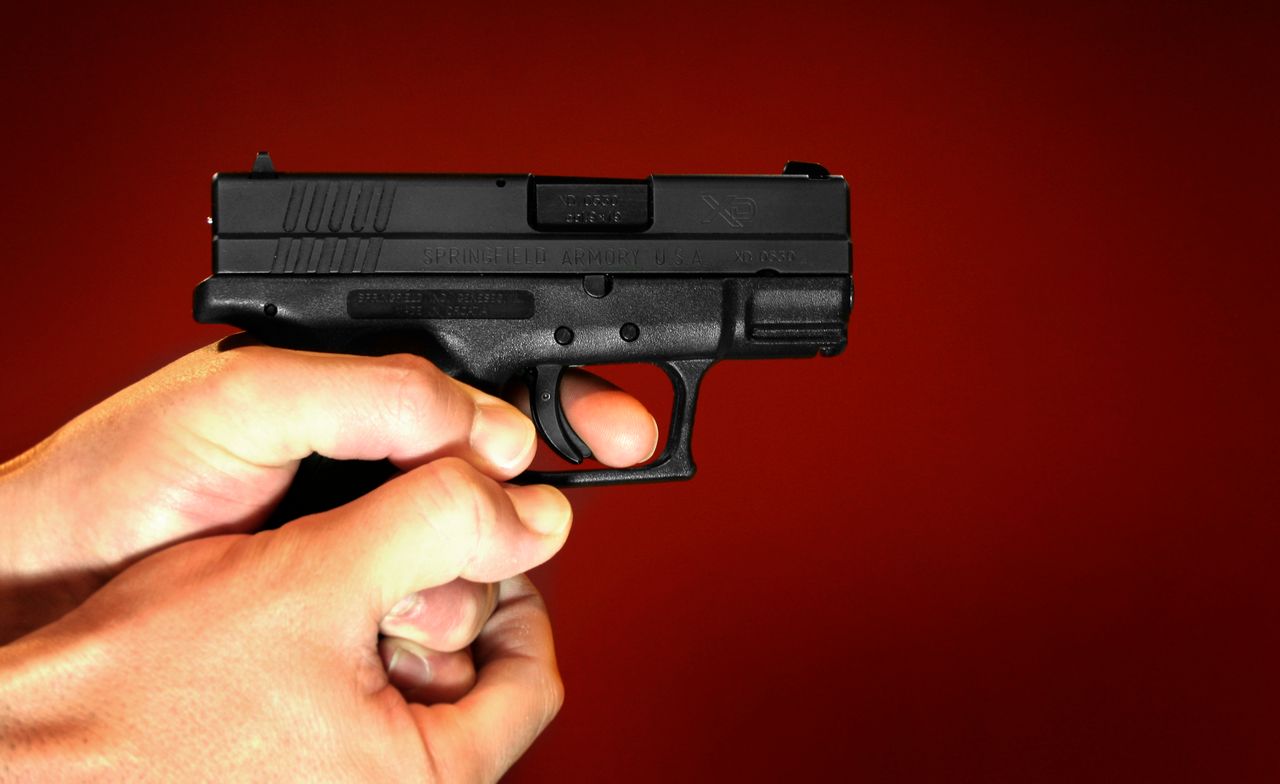
The Springfield XD-S arrived as a slim, serious carry pistol in an era when thin single-stack 9mms were in high demand. It won buyers with a reassuringly substantial feel, a familiar grip angle for many shooters, and a strong reputation for practical everyday use.
As choices expanded, some owners began seeing it differently. The capacity now feels modest, and the shooting experience can come across as less refined than newer compact and micro-compact alternatives.
That doesn’t erase what made it popular. It just means a pistol that once represented a great compromise may now feel caught between categories, too large to excuse its round count and too limited to keep pace with more recent designs.
Ruger SR9c
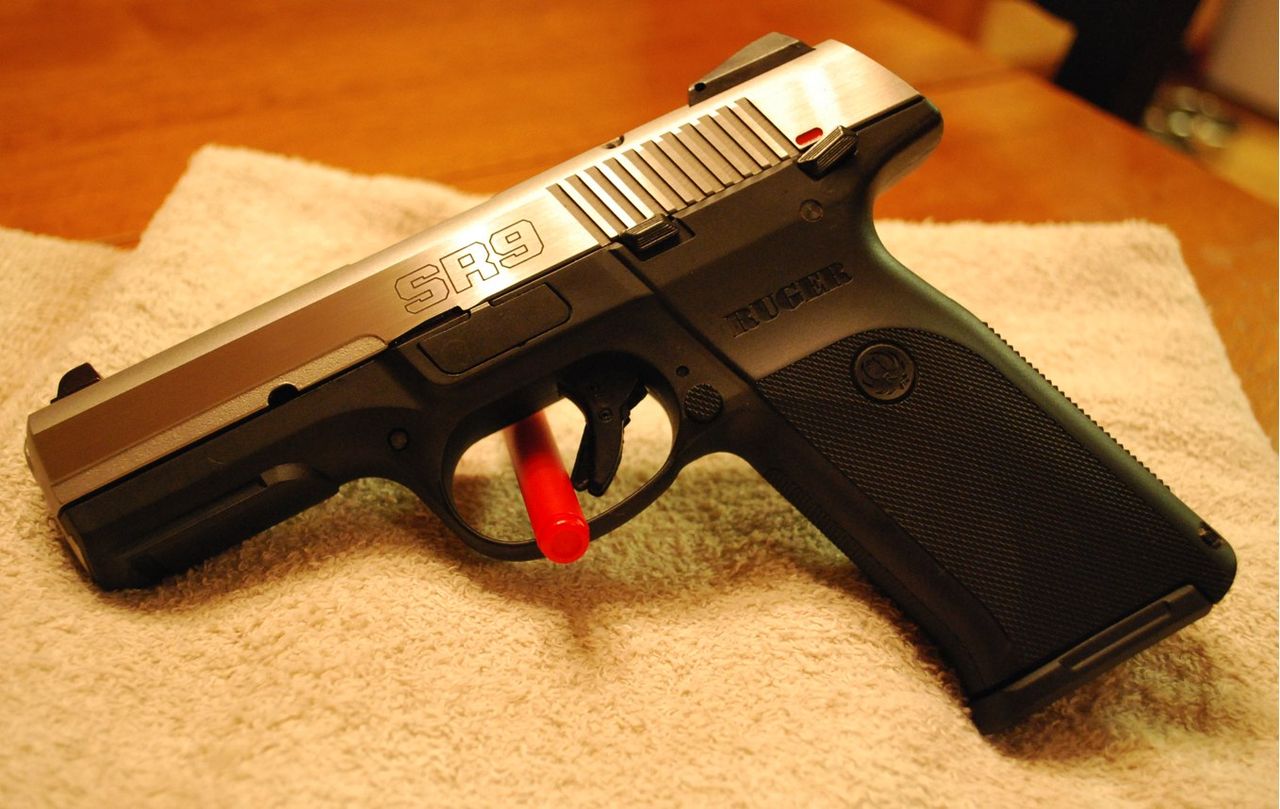
The Ruger SR9c often impressed shoppers by offering a lot of value in one box. It delivered decent capacity, compact dimensions, and a price that made it easier to justify than some better-known competitors, especially for buyers who wanted one pistol to handle multiple roles.
With time, owners sometimes decide the trigger, overall feel, or controls no longer compare favorably with more modern options. Others simply move on as newer compacts become slimmer, simpler, and easier to customize.
That’s a common path for competent older designs. The SR9c rarely disappoints in dramatic fashion, but it can slowly lose ground in an owner’s mind until it becomes the gun that makes the most sense to trade toward something fresher.
Taurus G3c
The Taurus G3c has won over many buyers by offering an appealing mix of price, features, and everyday practicality. For budget-conscious shoppers, it can look like the kind of smart purchase that covers concealed carry, home defense, and range duty without straining the wallet.
But value purchases sometimes invite second thoughts. Some owners eventually decide they want a stronger aftermarket, a different brand reputation, or simply a pistol with a trigger and finish that feel a little more polished.
That doesn’t mean the G3c failed its mission. It often means the owner used it as an entry point, learned what mattered most, and then traded up once preferences became clearer and confidence in spending more started to grow.
CZ P-10 M
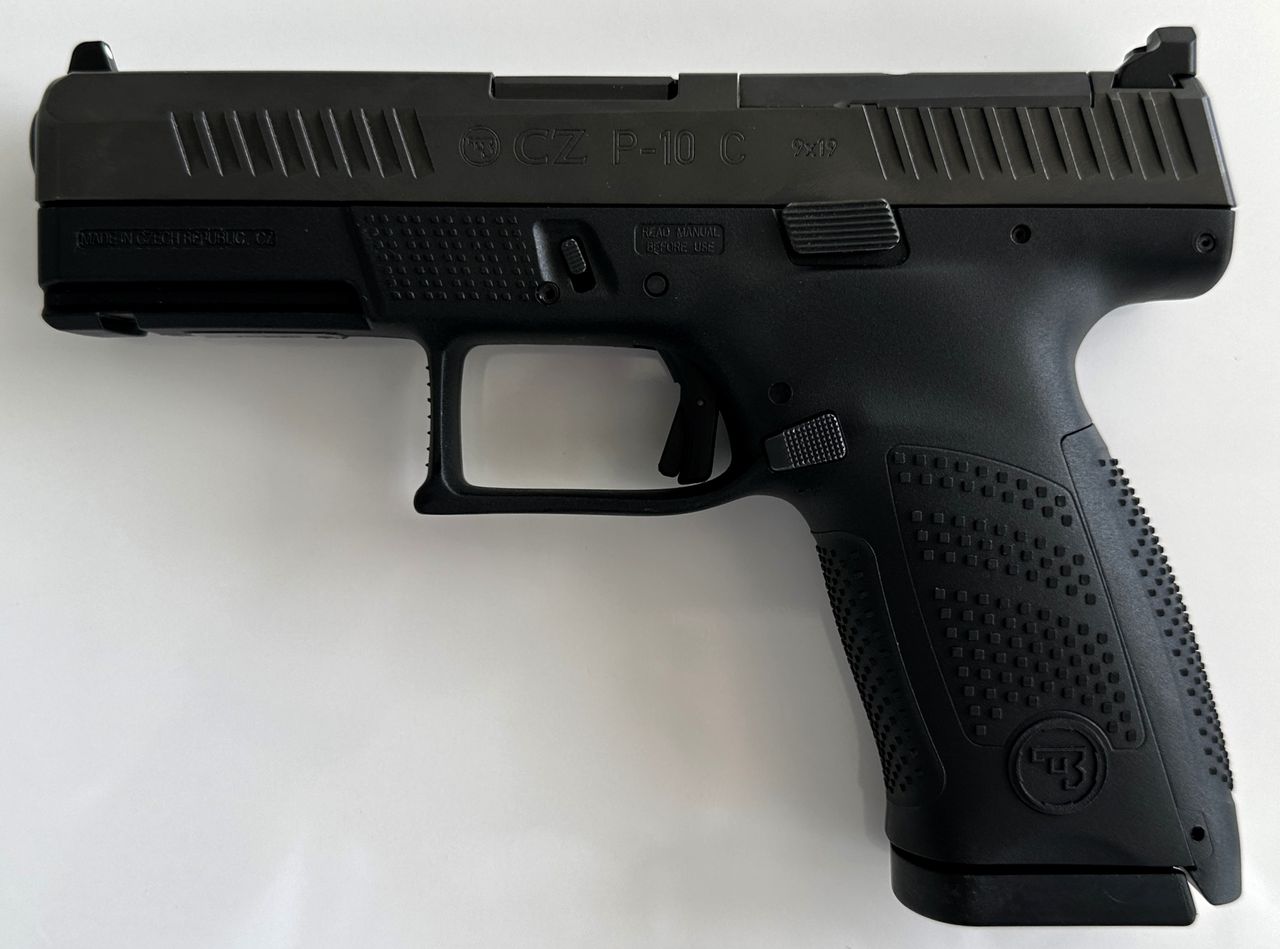
The CZ P-10 M carries a lot of brand goodwill into the buying decision. Shoppers familiar with CZ’s excellent reputation often assume a slim, modern carry pistol from the company will be an easy win, especially for those wanting something cleaner and more streamlined.
In practice, some owners find the stripped-down approach less appealing than expected. Lower capacity than many rivals and a shooting feel that doesn’t always stand out can make the pistol seem overshadowed by more competitive options.
That can be frustrating because expectations start high. When a respected badge is attached to a pistol that feels merely adequate instead of memorable, owners are often quick to move it along and keep searching within a crowded category.
SIG Sauer P238
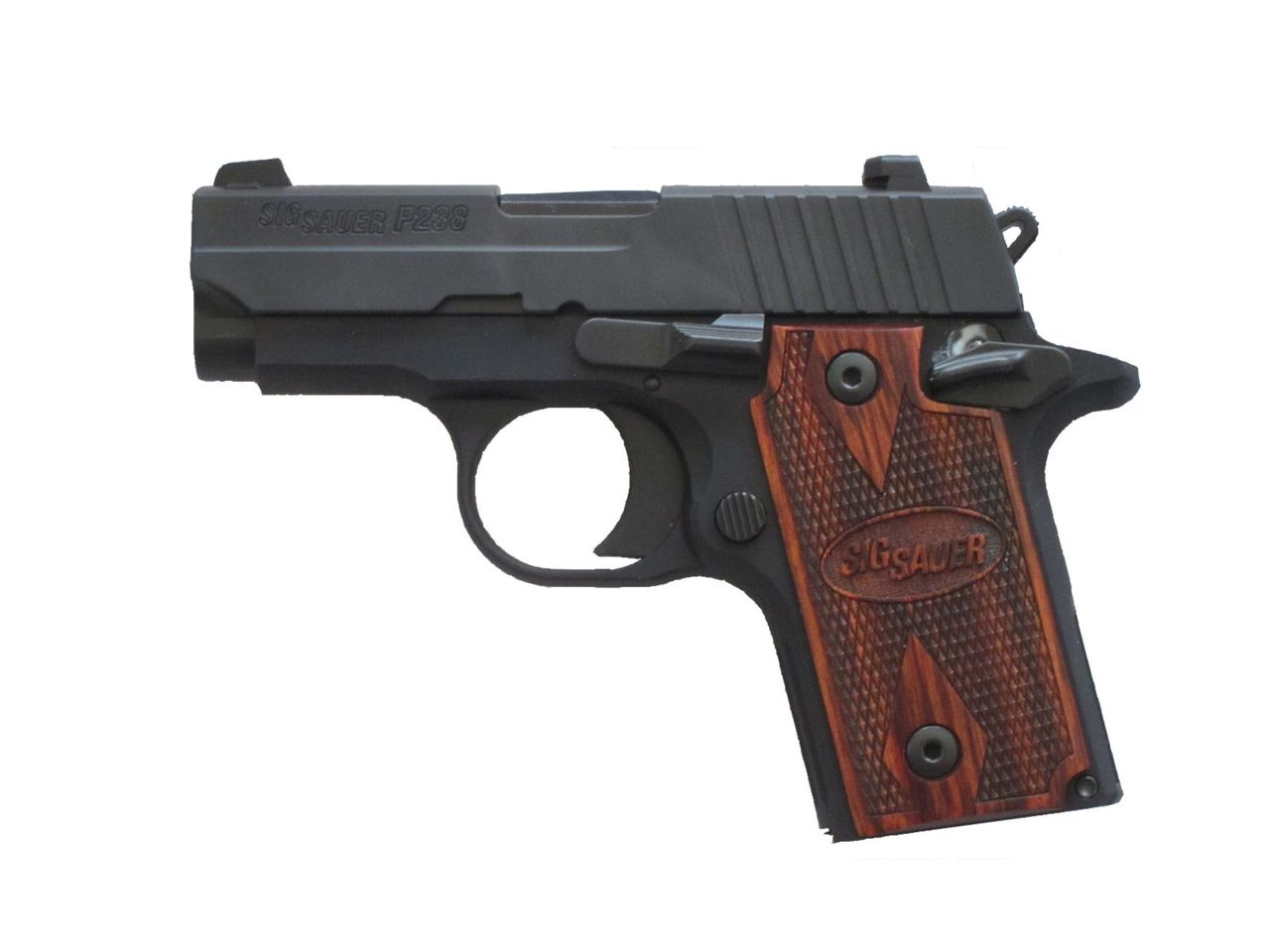
The SIG P238 has a way of charming people immediately. It’s compact, attractive, and surprisingly pleasant for its size, which helps it stand apart from harsher little pocket pistols that feel purely utilitarian from the moment they’re picked up.
Eventually, some owners question whether carrying .380 in a metal-frame pistol still makes sense when larger-capacity 9mms have become so compact. Others love the gun but dislike managing manual-safety carry in such a small defensive package.
So the trade doesn’t always come from disappointment. Sometimes it comes from changing priorities, where a pistol once appreciated for refinement and softness gets replaced by something viewed as more efficient, modern, or straightforward under stress.
Mossberg MC2sc
The Mossberg MC2sc often earns attention from buyers who want a fresh alternative to the usual carry-gun names. It offers useful features, competitive capacity, and a generally good first impression that makes people wonder why it isn’t discussed more often.
That same under-the-radar status can work against it later. Some owners start wanting broader holster availability, a larger aftermarket, or the reassurance that comes with choosing a model supported everywhere from local shops to training classes.
There’s nothing unusual about that shift. A pistol can perform well and still get traded because ownership is about more than the gun alone. Ecosystem, accessories, and long-term confidence often matter just as much as how it shot on day one.
Canik TP9 Elite SC
The Canik TP9 Elite SC is easy to like at first because it offers a lot for the money. Buyers often praise the trigger, feature set, and overall value, and that combination can make it feel like a keeper before the first box of ammunition is finished.
Then real-world carry enters the conversation. Some owners decide it’s simply chunkier and heavier than they want from a subcompact, especially compared with slimmer pistols that disappear more easily under daily clothing.
That’s a familiar compromise in the carry world. A pistol can be excellent on the range and still lose its place if it feels more like a compact shooting gun than a genuinely convenient everyday companion.