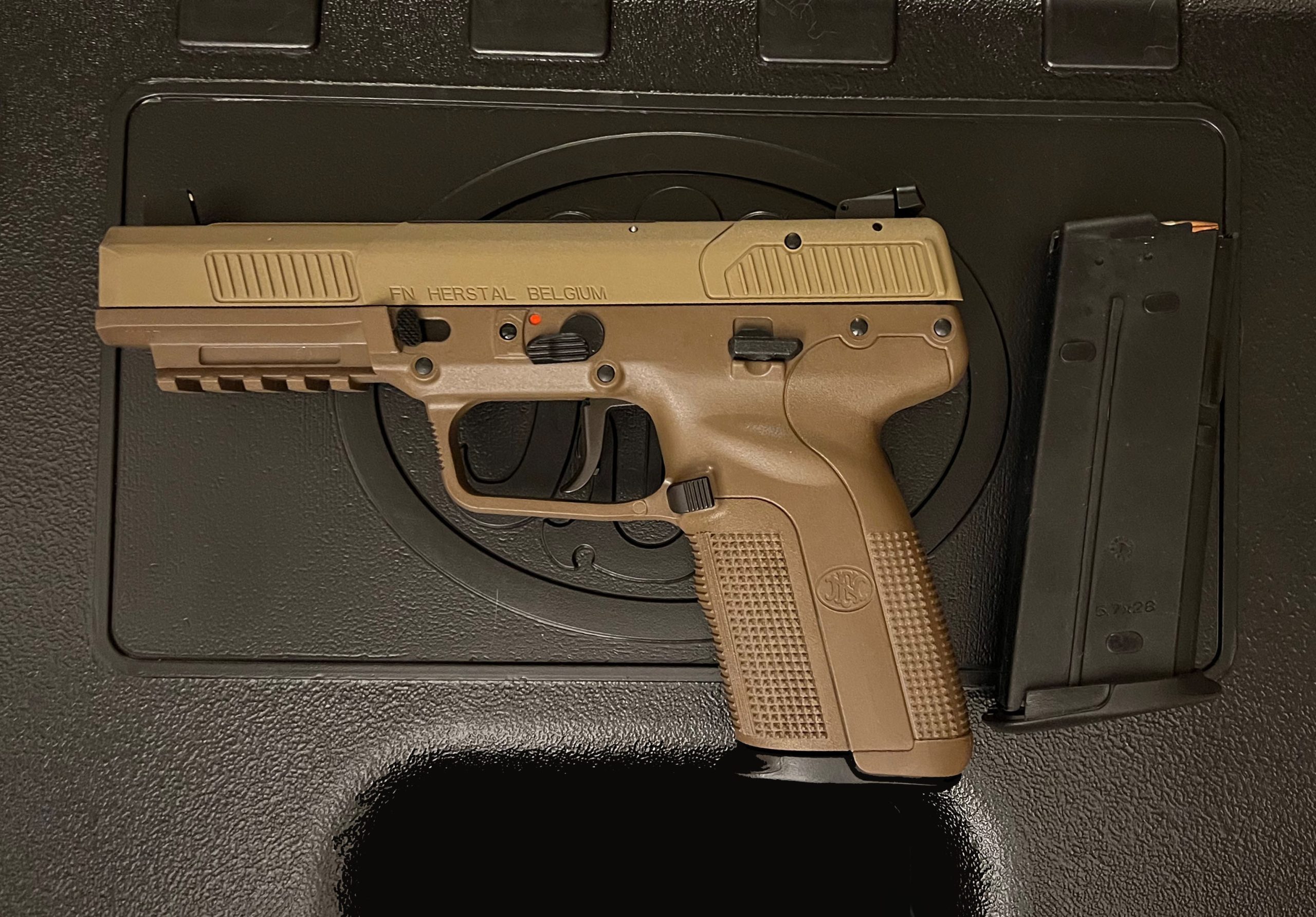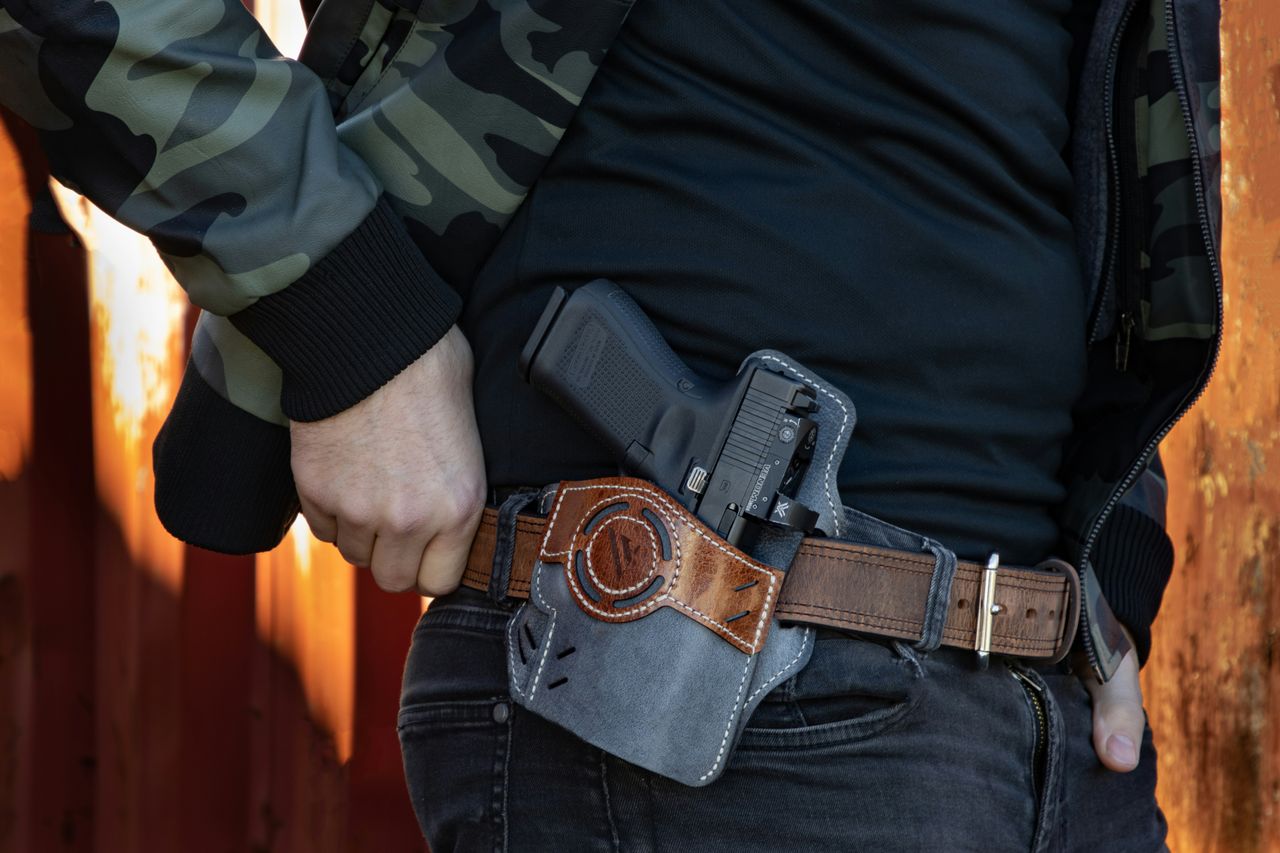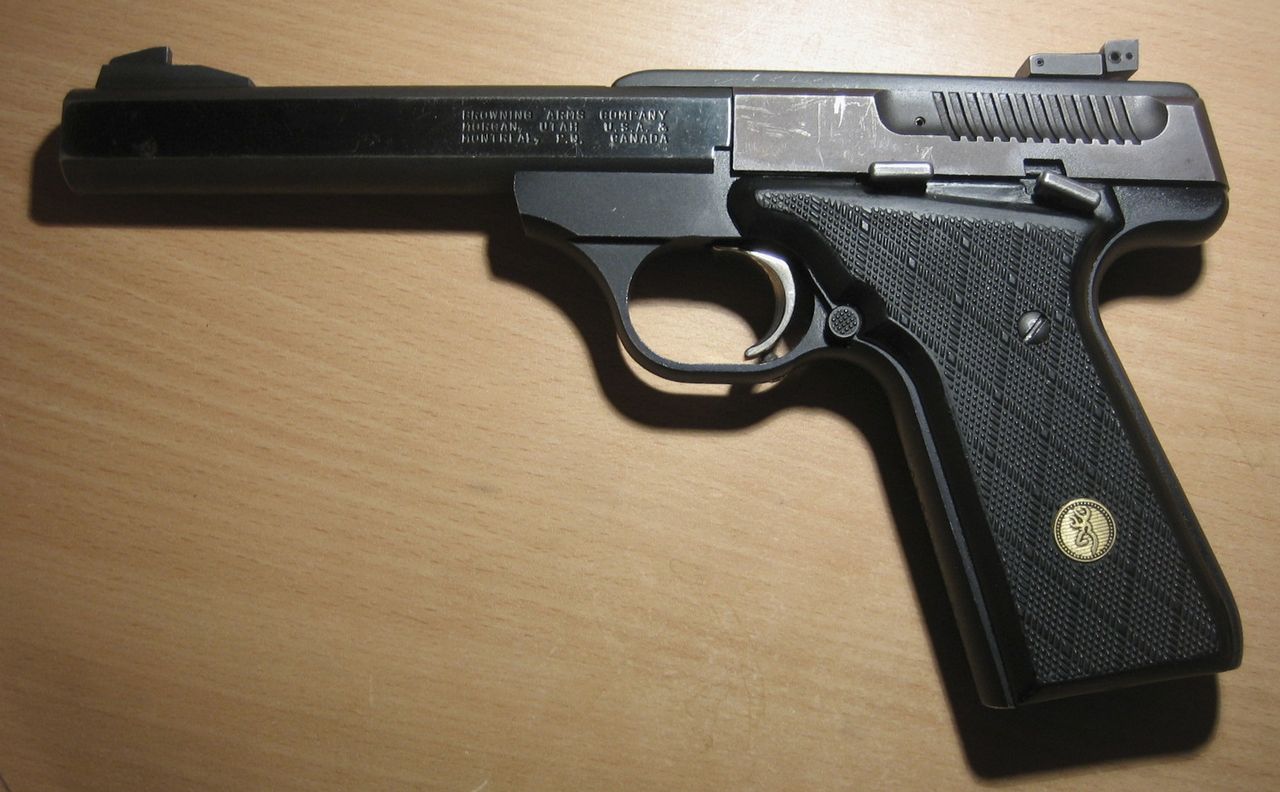
A Browning Buck Mark can be a handy rimfire companion around small-game camp, especially when the setup matches the way you hunt, hike, and practice. This gallery looks at seven useful configurations built around portability, comfort, accuracy, and camp realism. Whether you favor a simple field pistol or a more refined trail-side tack driver, these ideas show how the same platform can serve very different roles.
Light Trail Carry Setup
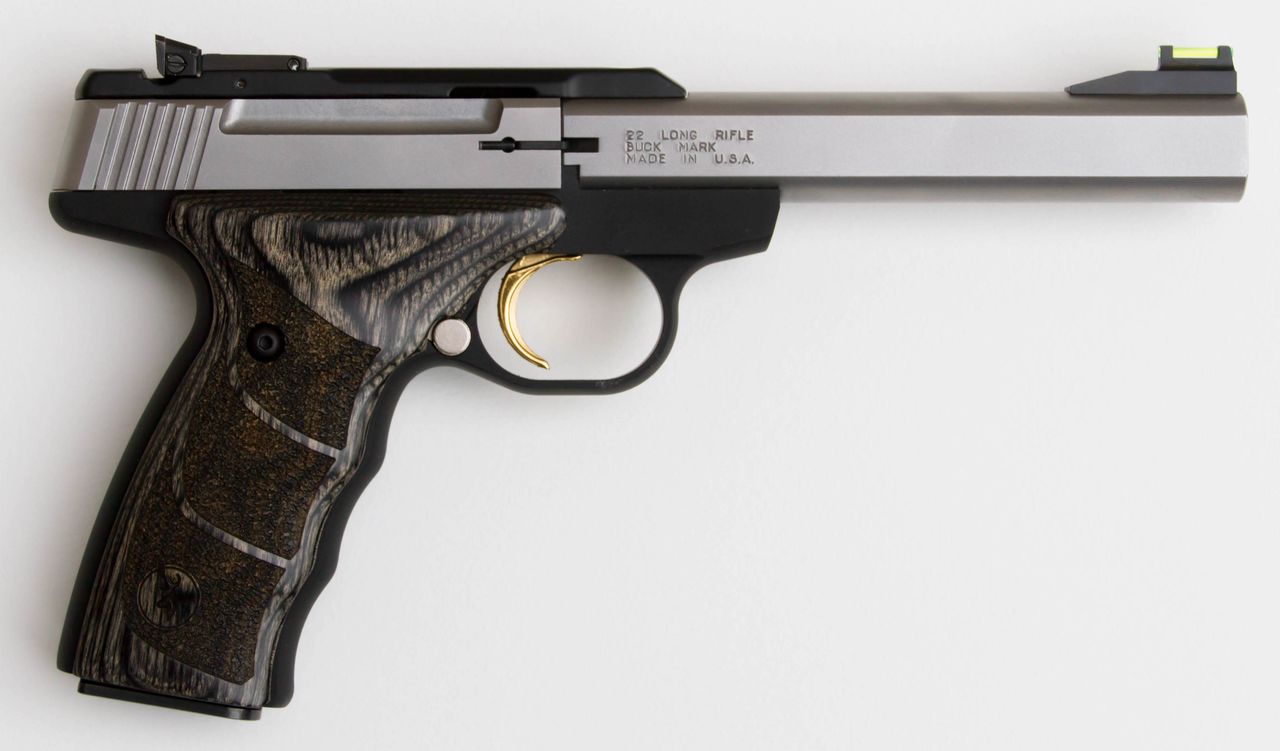
For hunters who cover ground all day, a light Buck Mark setup makes immediate sense. A trim barrel profile, simple iron sights, and a low-bulk holster keep the pistol easy to carry without turning it into another piece of camp clutter. It is the kind of arrangement that disappears on the hip until you actually need it.
This setup shines when camp chores blend into scouting walks, firewood runs, and quick hunts near the tree line. The goal is not to build a range toy with every accessory attached. It is to keep handling fast, pack weight down, and the pistol ready for the practical little jobs a rimfire often handles around camp.
Camp Meat Pot Setup
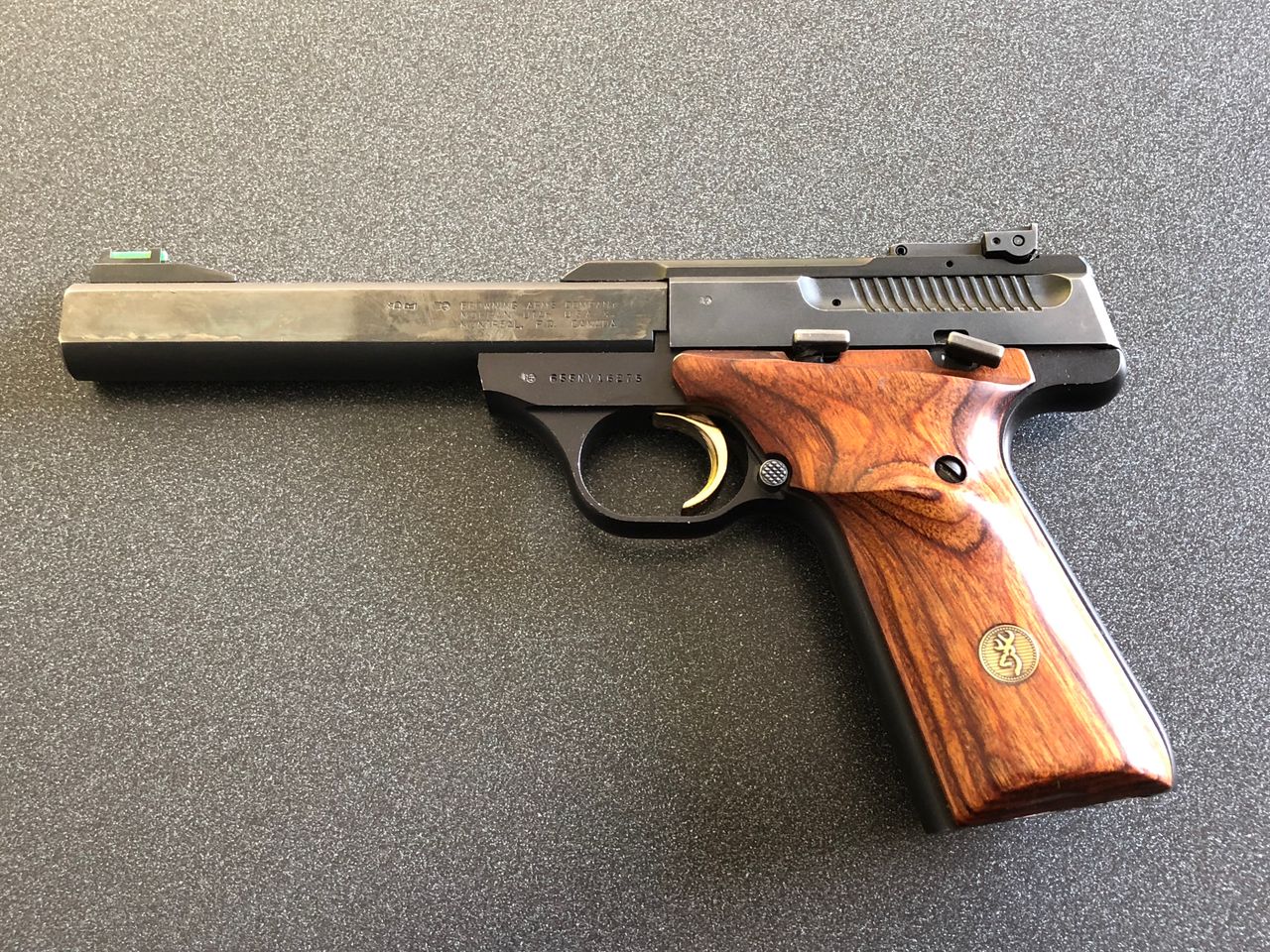
Some Buck Mark owners want a straightforward field pistol that is built around one mission: clean, confident small-game work for camp meals. In that role, a balanced barrel length, high-visibility sights, and grips that stay secure with cold or dusty hands can make all the difference when a quick opportunity appears.
This kind of setup favors predictability over flash. You want a pistol that points naturally, cycles reliably, and is easy to shoot well from improvised positions near camp. When rabbits or squirrels are the realistic target, a practical meat-pot Buck Mark becomes less about style and more about making the most of a simple, useful rimfire platform.
Red Dot Woods Walker Setup
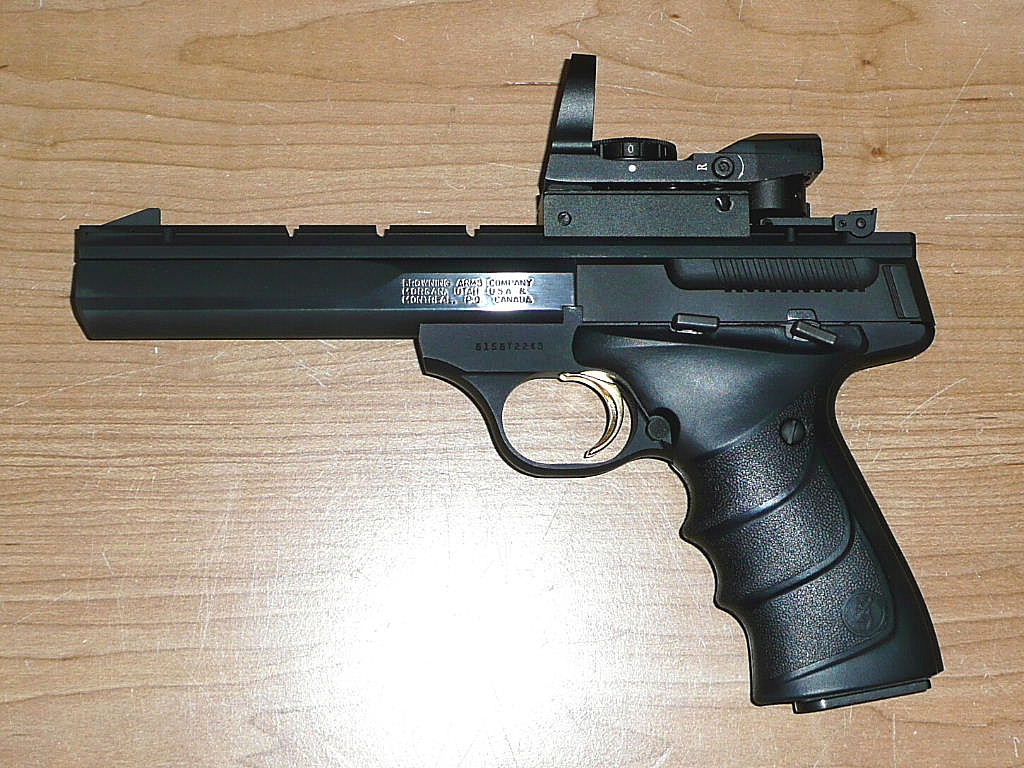
A Buck Mark fitted with a compact red dot can feel especially at home in a small-game camp where shots may come fast and from awkward angles. The optic helps the eye settle quickly, and for many shooters it reduces the fussy alignment work that iron sights demand under shifting woodland light.
This is a smart setup for people who spend as much time plinking and practicing as they do hunting. It brings a modern, confidence-building feel to a classic rimfire role. Keep the optic low, durable, and reasonably light, and the pistol still carries well while offering the kind of easy sight picture that makes trail shooting more relaxed and more precise.
Suppressor-Ready Quiet Camp Setup
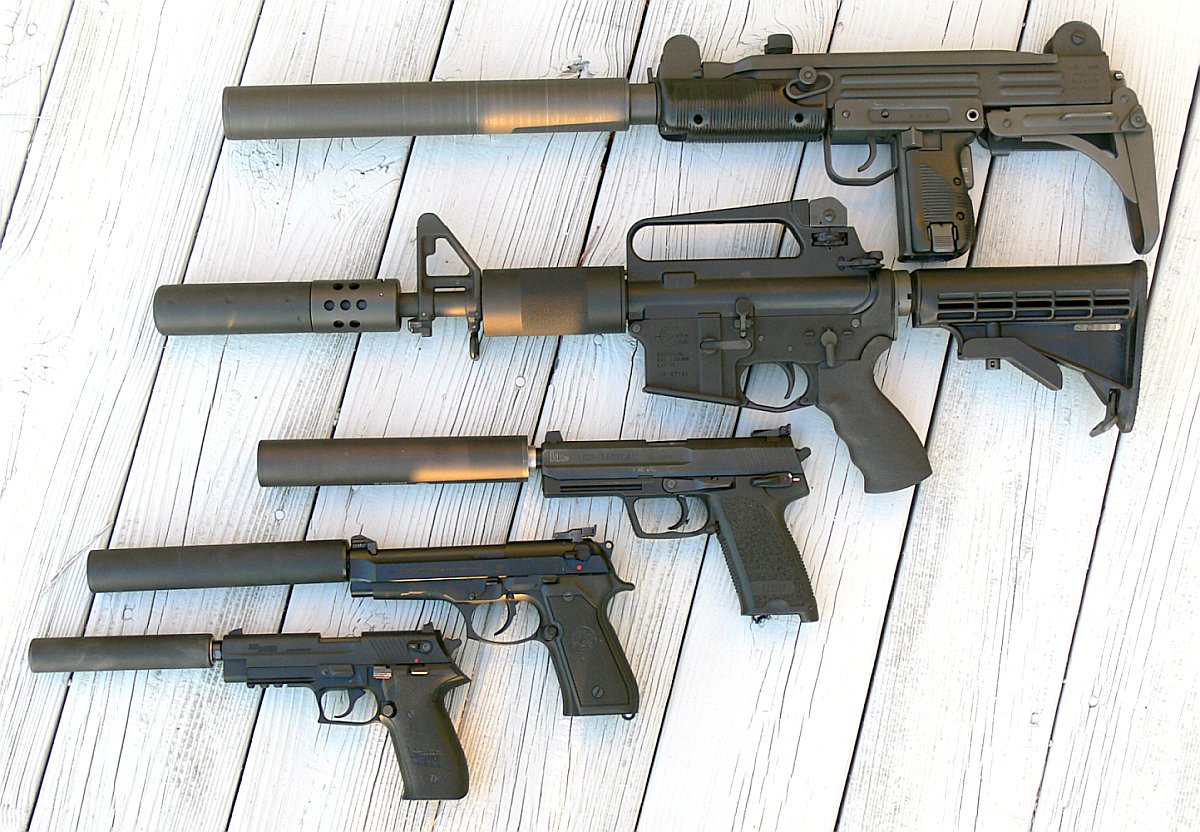
Where legal and appropriate, a suppressor-ready Buck Mark setup adds a different kind of camp appeal. The obvious benefit is reduced report, but the real charm is how much calmer the entire shooting experience becomes. Practice feels less jarring, camp communication is easier, and the overall pace of a day in the woods can stay pleasantly low-key.
A threaded-barrel arrangement works best when the rest of the setup remains simple and dependable. Good sights, a sensible holster, and a clean maintenance routine matter more than extra gadgets here. The result is a rimfire camp pistol that feels refined without becoming fragile, and that can turn a quick trip behind camp into an easygoing, neighborly shooting session.
Bench and Plinking Setup

Not every Buck Mark in camp needs to be optimized for wandering trails. Some are there to anchor the fun after chores are done, when tin cans, paper targets, and friendly bragging rights take over. A slightly longer barrel, comfortable target-style grips, and crisp sight picture make this setup ideal for camp-range afternoons.
There is also real value in a pistol that encourages practice. The more enjoyable it is to shoot from a bench, stump, or folding table, the more likely everyone is to spend time refining trigger control and follow-through. That improved familiarity carries back into the field, which makes a plinking-focused Buck Mark a lot more useful than its playful personality first suggests.
Compact Pack Gun Setup

For camps built around hiking in, canoeing, or keeping gear lean, a compact Buck Mark setup earns its place by packing neatly and doing several jobs well. It should ride securely in a case or chest rig, resist snagging on layers, and remain easy to access when the day shifts from travel mode to hunting mode.
This arrangement is all about efficient dimensions and smart compromises. You may give up a little sight radius or some bench-friendly steadiness, but you gain a pistol that feels easier to live with over long miles. In a camp where every ounce and cubic inch matters, a compact pack gun setup can be the version that gets brought along every single time.
Cold Weather Glove-Friendly Setup
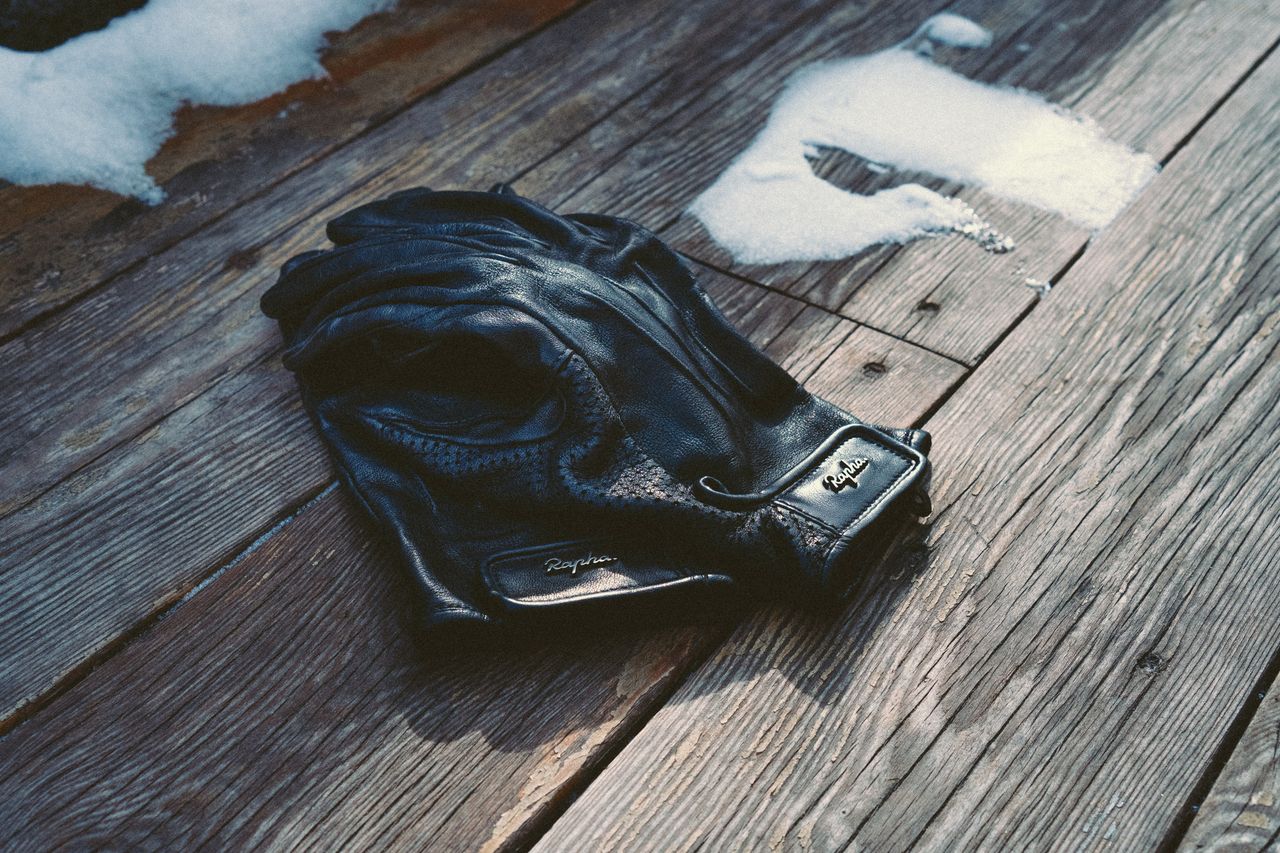
A Buck Mark that works beautifully in summer can feel very different once gloves, layers, and numb fingers enter the picture. For late-season camps, the best setup emphasizes controls you can manage cleanly, grips that stay positive in damp weather, and sights that remain visible when the light turns gray and flat.
This is less glamorous than adding optics or barrel accessories, but it may be more important for real-world camp use. A pistol that remains easy to manipulate in cold weather helps preserve both safety and confidence. When your hands are stiff and the air is biting, simple ergonomics become the feature you appreciate most, and the Buck Mark platform can adapt surprisingly well to that reality.