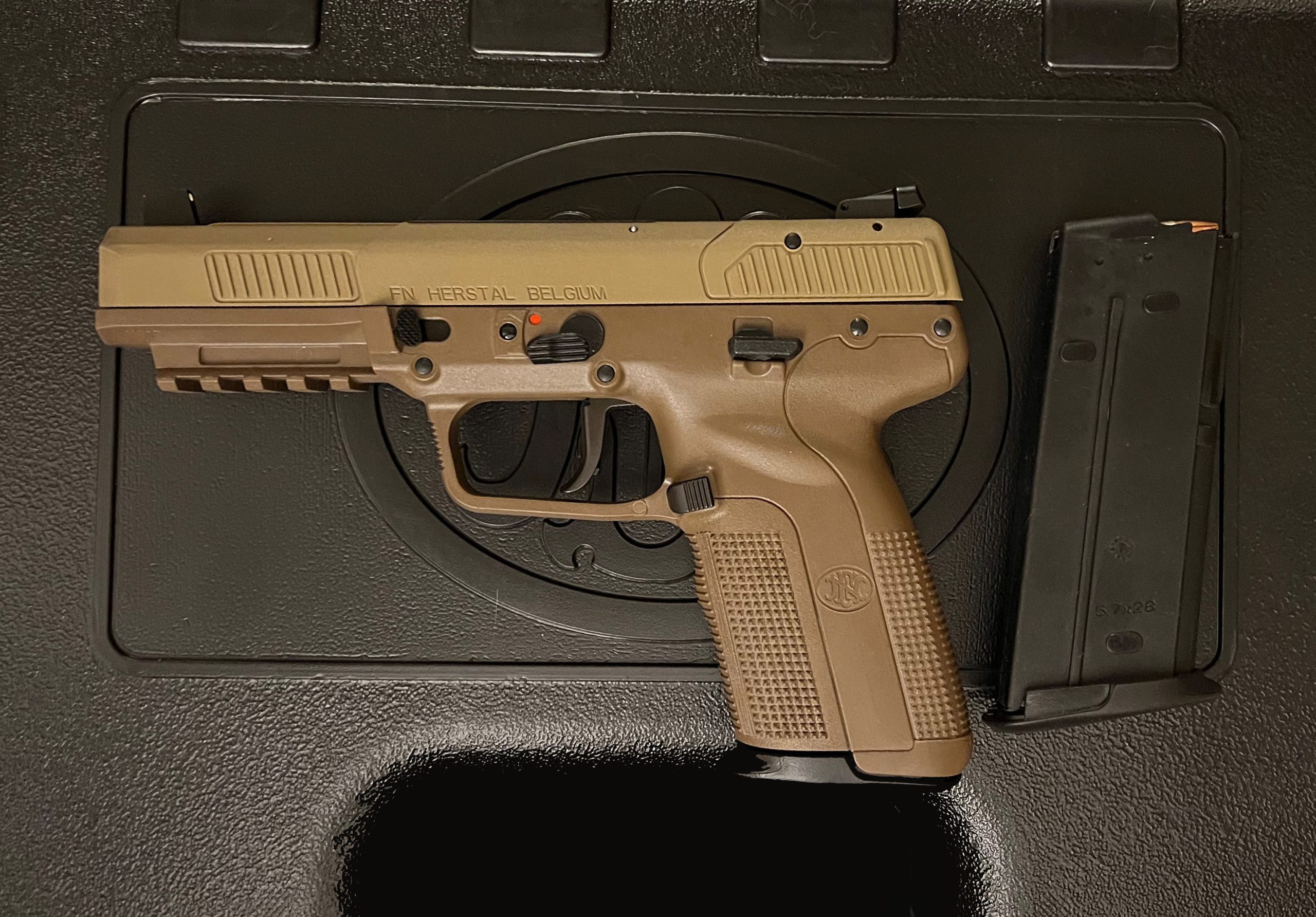
The FN Five-seveN earned a reputation unlike almost any other modern handgun. Its story is not simply about a pistol, but about a purpose-built cartridge, unusual engineering, and the changing role of body armor. The famous armor-penetration claim is also more complicated than headlines suggest. Here are nine facts that explain what made the Five-seveN distinctive, where its reputation came from, and why the details of ammunition and armor standards matter.
1. It Was Designed Around a Completely Different Cartridge
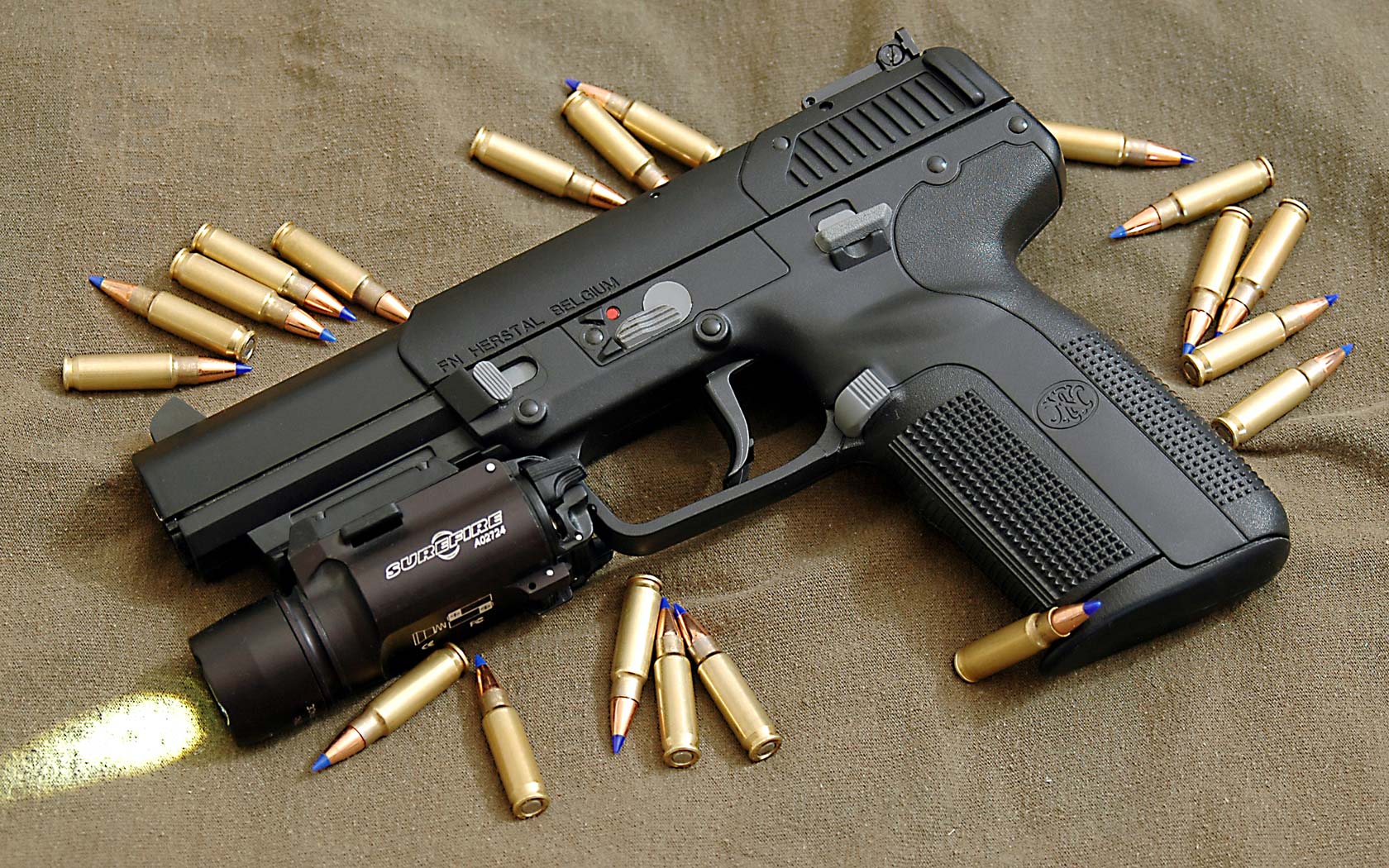
The FN Five-seveN was built around an unusual idea: a handgun could use a small, fast cartridge rather than a traditional heavy pistol round. FN Herstal developed the 5.7x28mm family in the late 1980s as body armor became more common, then paired it with the P90 and Five-seveN. The pistol’s reputation for defeating some soft armor therefore comes from the ammunition system, not a magical property of the handgun itself. Different 5.7x28mm loads also behave differently. That separation between pistol design and cartridge design is one of the most important facts behind the Five-seveN’s reputation.
2. Velocity Became the Core of Its Identity
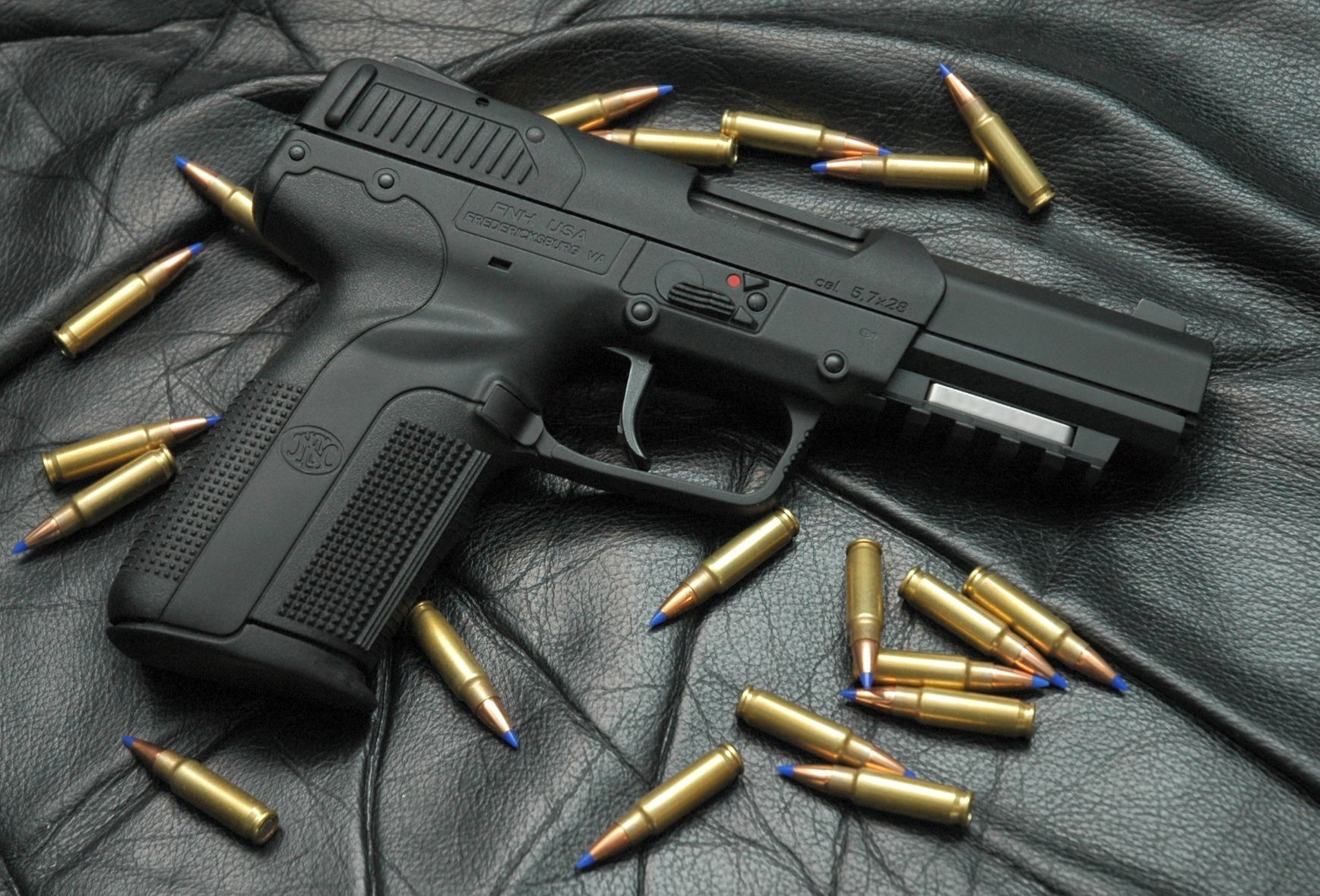
The cartridge is the real engineering story. The 5.7x28mm case is narrow and relatively long compared with many conventional handgun cartridges, allowing a lightweight projectile to reach high velocity from a pistol-length barrel. FN lists about 615 m/s for SS190 from the Five-seveN Mk2, while the same load reaches about 715 m/s from the P90. That difference shows why barrel length matters. The system was intended to occupy a middle ground between conventional pistol ammunition and rifle cartridges, emphasizing velocity, compact ammunition,n and controllable recoil rather than a large, heavy bullet.
3. “Armor Killer” Is an Oversimplified Description
The phrase “body armor can’t stop it” is too broad. Armor performance depends on the armor model, test standard, projectile, distance, and impact conditions. FN specifically describes its 5.7x28mm NATO ammunition as capable of penetrating soft body armor and helmets under stated conditions, while its technical sheet reports SS190 perforating a CRISAT target beyond 100 meters in testing. That does not mean every Five-seveN round defeats every vest. Modern armor can include different materials and protection levels, and a result against one test target should never be treated as a universal promise of penetration. Armor claims therefore need a named load and test setup.
4. Twenty Rounds Helped Make It Stand Out
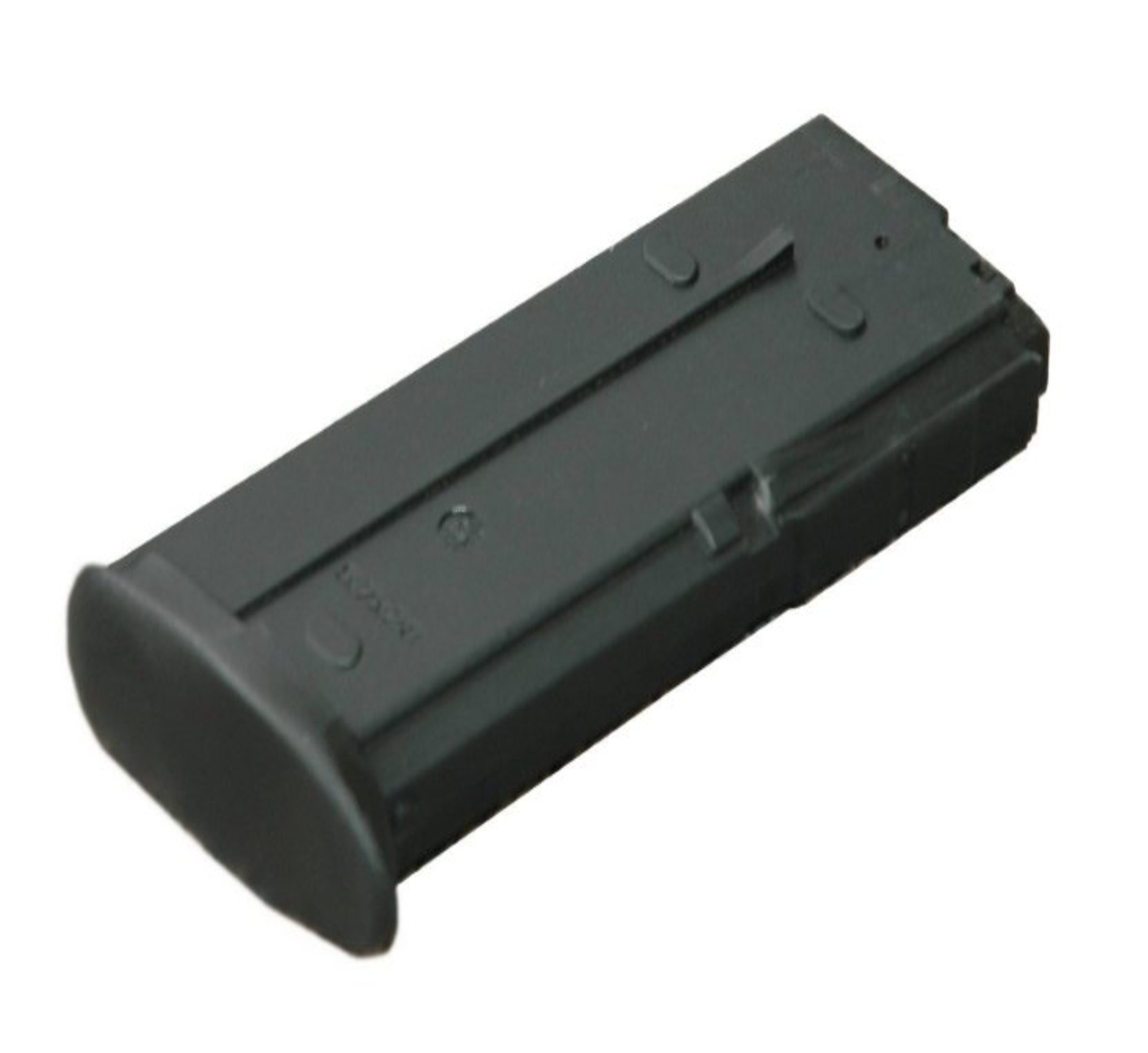
One reason the Five-seveN feels unusual is its ammunition capacity. FN’s current Mk3 MRD specification lists a standard 20-round magazine, giving the pistol a notably high capacity for its class. The compact 5.7mm cartridge makes that possible without requiring an exceptionally bulky magazine for the role. FN also emphasizes low recoil and rapid target engagement, characteristics that helped the platform develop a following among military and law-enforcement users. The capacity is a design feature, not proof that it is inherently superior to every service handgun. It also shaped the pistol’s identity.
5. Its Small Projectile Was Part of the Formula
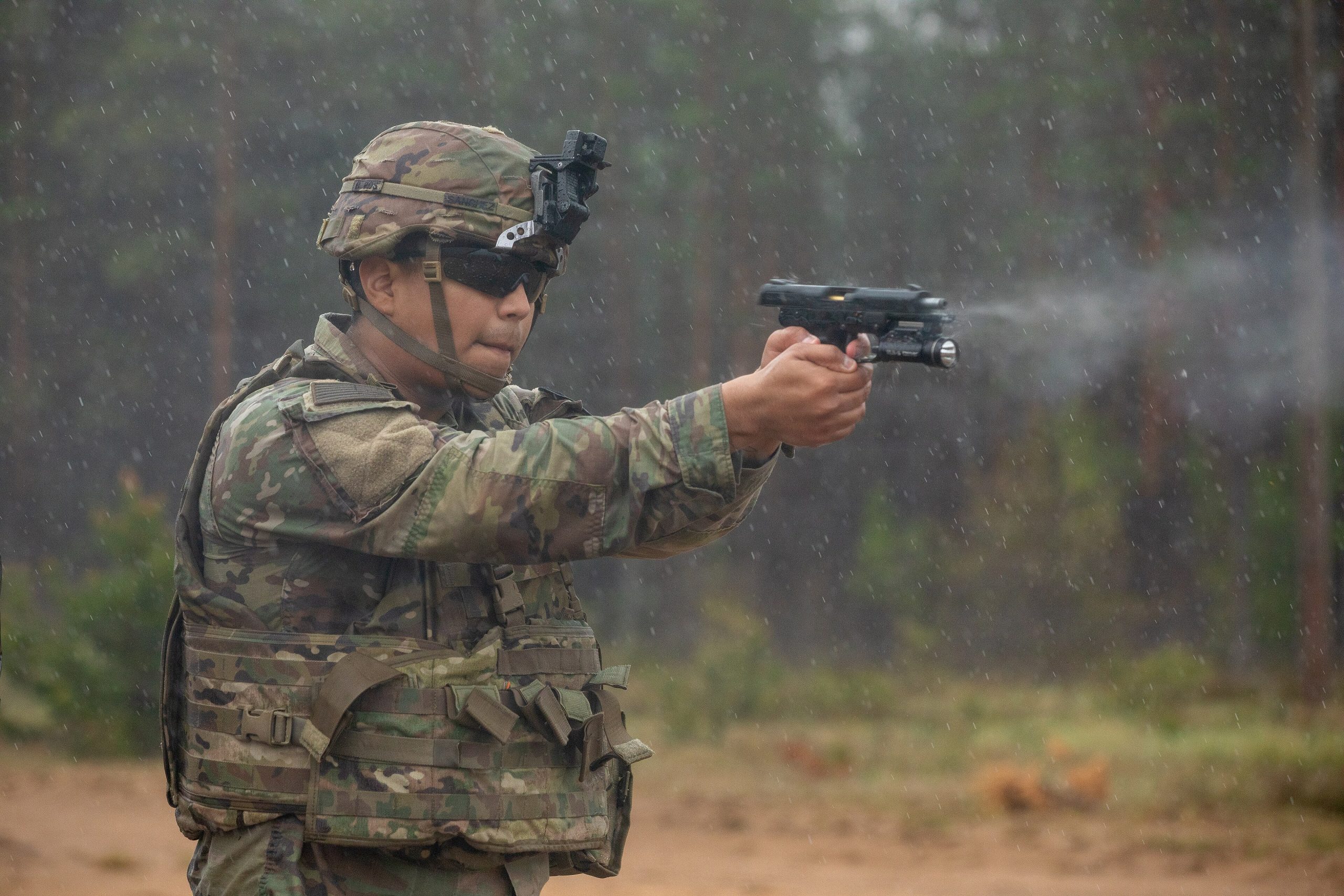
Velocity is central to the Five-seveN’s identity, but velocity alone does not explain armor performance. Projectile construction, shape, hardness, and the armor’s material all contribute to what happens at impact. FN’s SS190 specification lists a projectile mass of about 2 grams, or 31.2 grains, and a Five-seveN muzzle velocity around 615 m/s. That combination is very different from a typical heavyweight pistol bullet. The cartridge was engineered as a complete system, and its small projectile allows the weapon to deliver high speed while keeping recoil comparatively modest for rapid follow-up shots. Its performance reflects several interacting design choices.
6. It Shares Its Cartridge With the P90
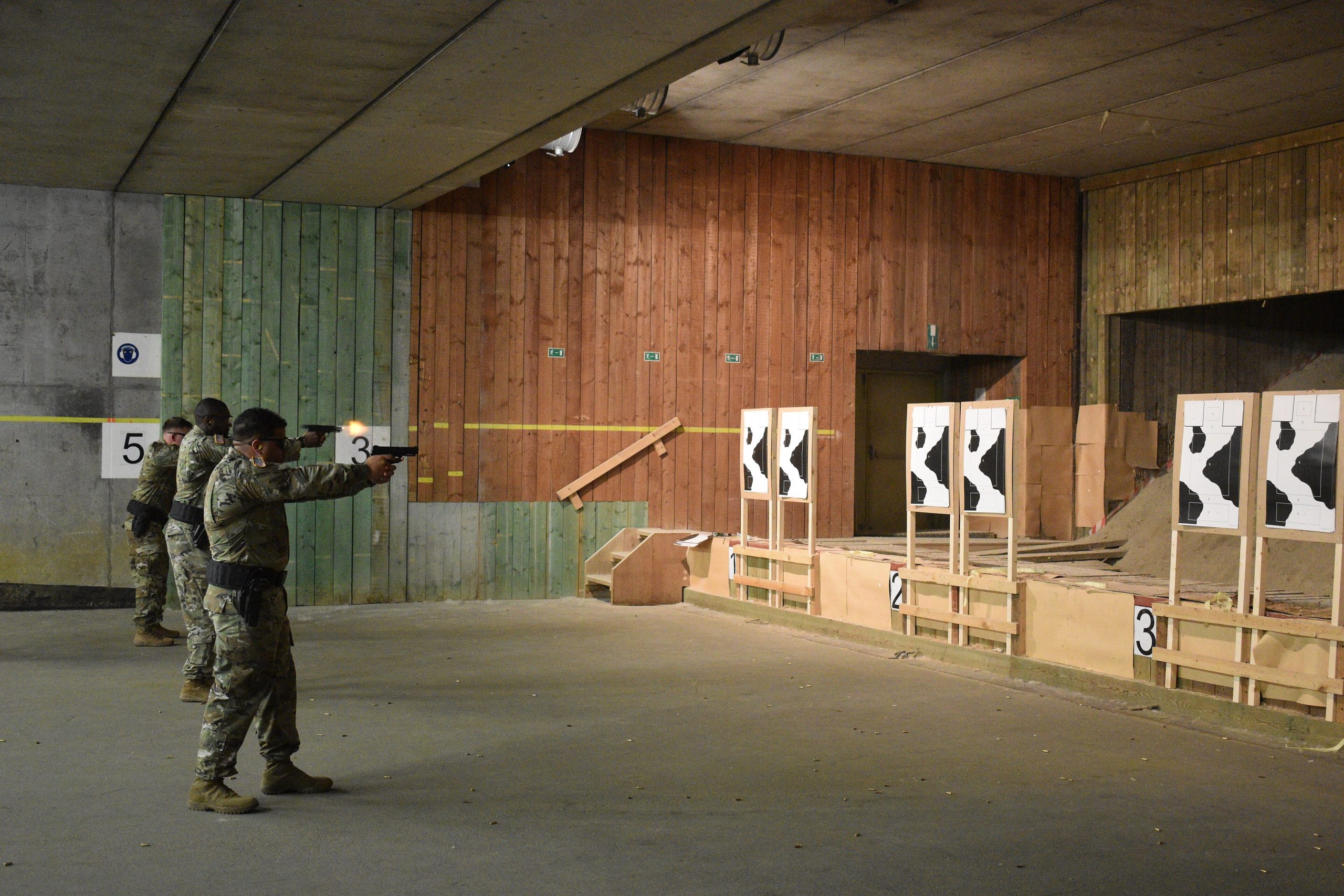
The pistol also became famous because it shares its cartridge with the FN P90, creating a deliberately integrated weapon family. FN designed the 5.7x28mm cartridge first and then developed the P90 and Five-seveN around it. That pairing simplified the concept of a compact firearm system using one specialized cartridge. In 2021, NATO standardized 5.7x28mm under STANAG 4509, giving the caliber a formal place alongside established NATO small-arms cartridges. The Five-seveN therefore represents more than an unusual handgun; it is one part of a broader ammunition-and-weapon architecture. That shared caliber remains a defining historical feature of the system. It was key to the original concept.
7. Not Every 5.7mm Round Has the Same Purpose
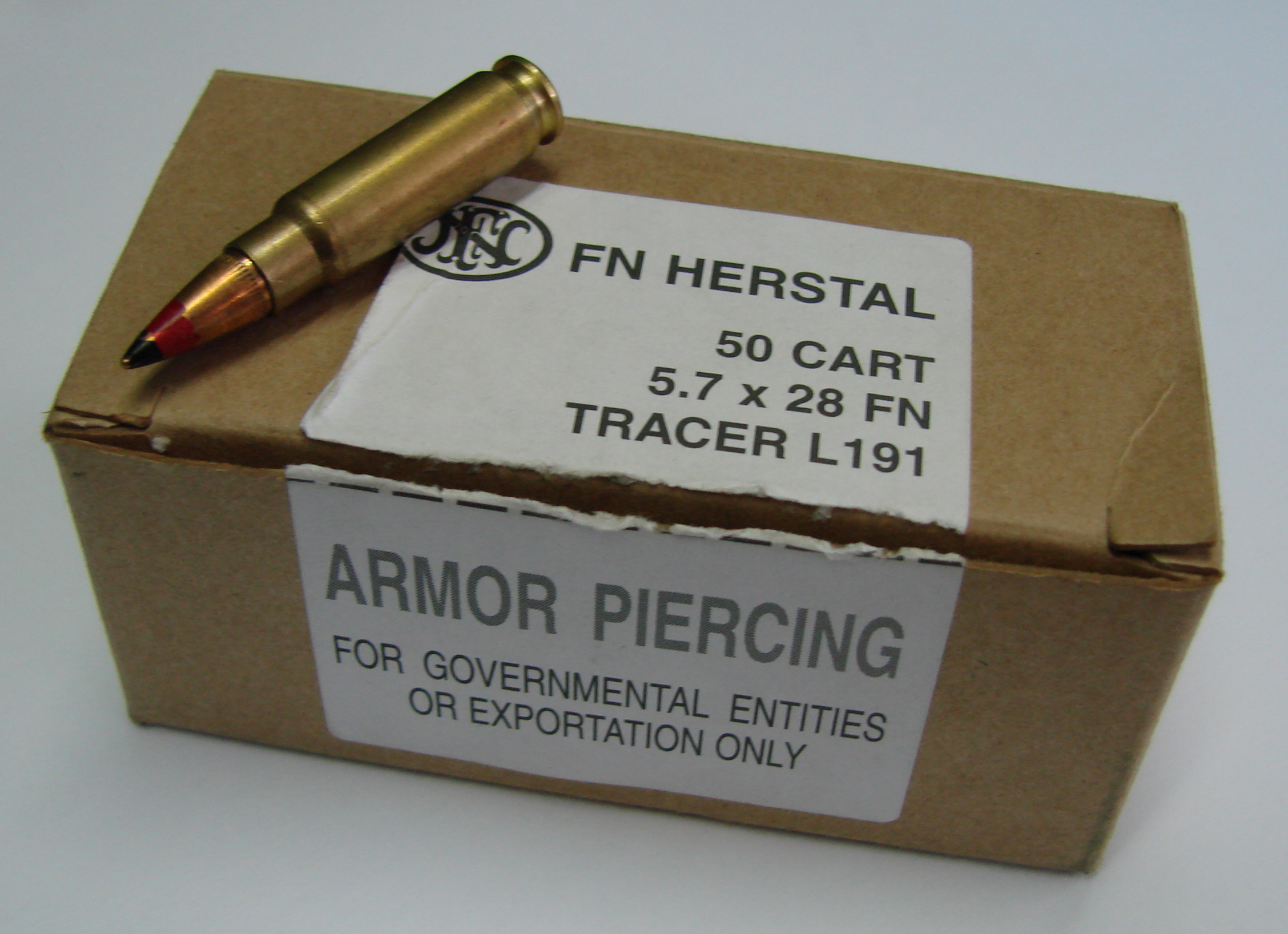
Another misconception concerns the ammunition available for the pistol. The 5.7x28mm label covers multiple loads, and their purposes are not identical. FN’s published family includes ball, tracer, subsonic, soft and frangible cartridges, while its technical data gives separate performance figures for each. This matters when discussing armor because an armor-related result associated with one projectile cannot automatically be transferred to another. In other words, saying “the Five-seveN penetrates armor” without naming the ammunition and test conditions leaves out the most important part of the story. That is why 5.7mm comparisons can produce conflicting claims.
8. The Modern Version Is Far More Refined
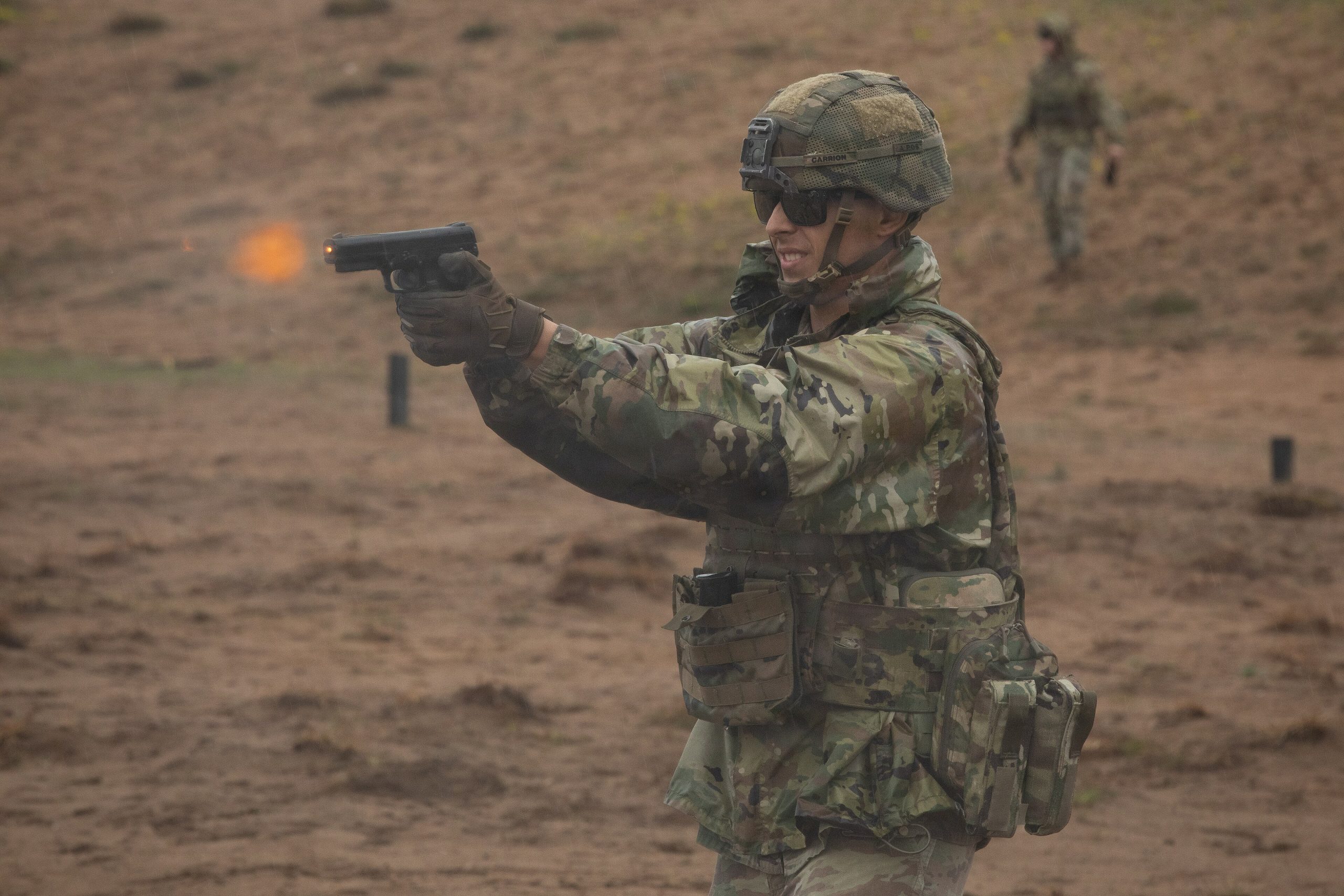
The Five-seveN’s design has also evolved rather than remaining frozen since its introduction. FN’s current Mk3 MRD version was revised after user feedback, adding updated ergonomics, textured grip surfaces and an interface for commonly used miniature red-dot sights. FN states that the pistol retains the proven performance of earlier versions while improving usability. Its standard magazine remains 20 rounds, and the company describes the pistol as extremely reliable and military qualified. Those details help explain why the model has survived for decades: its appeal is based on a complete system of capacity, recoil characteristics, optics compatibility,y and specialized ammunition.
9. Its Reputation Is More Nuanced Than the Myth
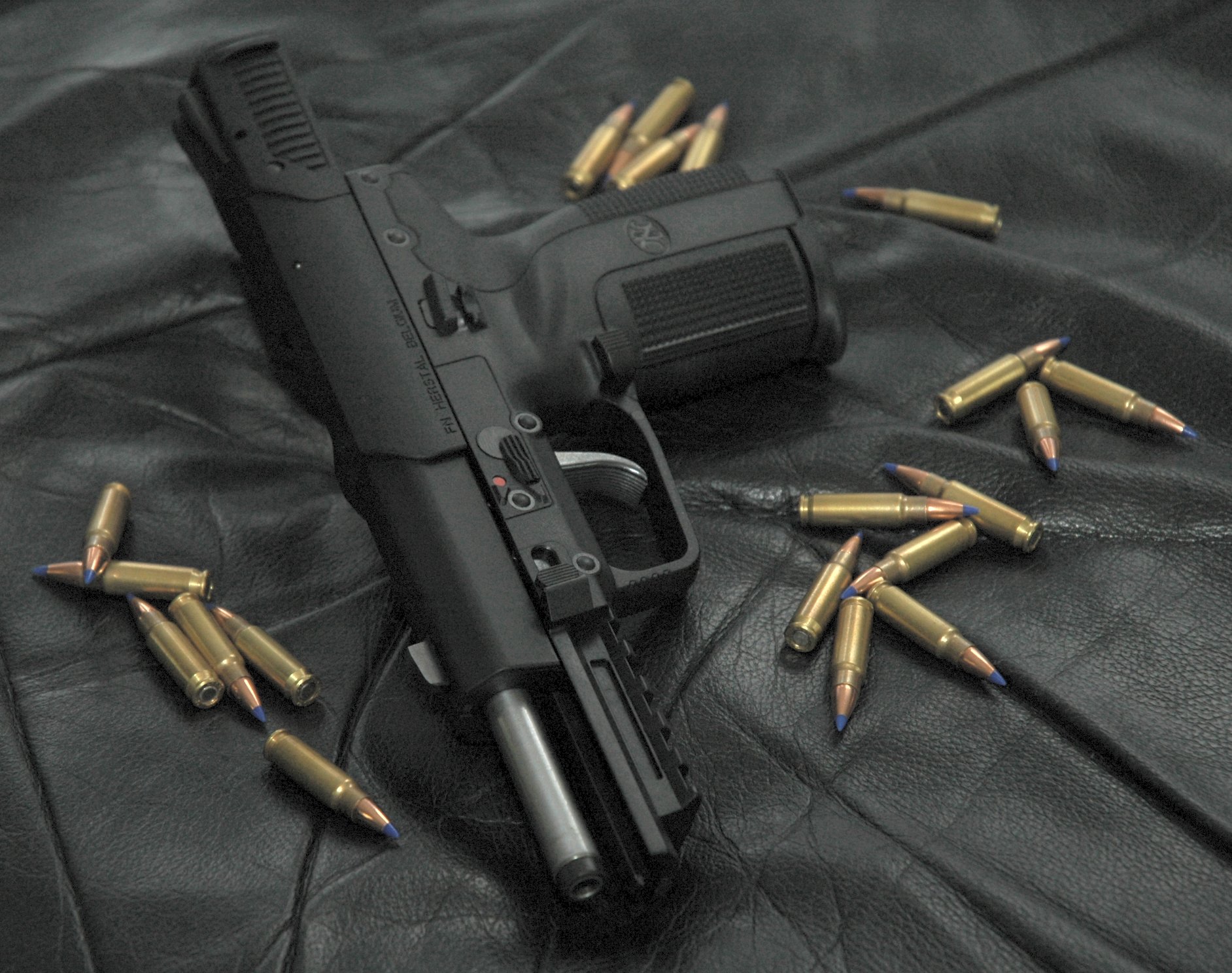
Ultimately, the FN Five-seveN is best understood as a specialized answer to a specific problem rather than an unstoppable “armor killer.” Its unusual 5.7x28mm cartridge combines a small projectile with high velocity, while selected loads were developed with soft-armor penetration in mind. FN’s published figures show why the concept attracted attention, including roughly 615 m/s for SS190 from the Mk2 pistol and NATO standardization under STANAG 4509. Yet armor is never a single category, and protection levels vary. The interesting story is therefore the engineering compromise: compact ammunition, high capacity and low recoil paired with a purpose-built cartridge.