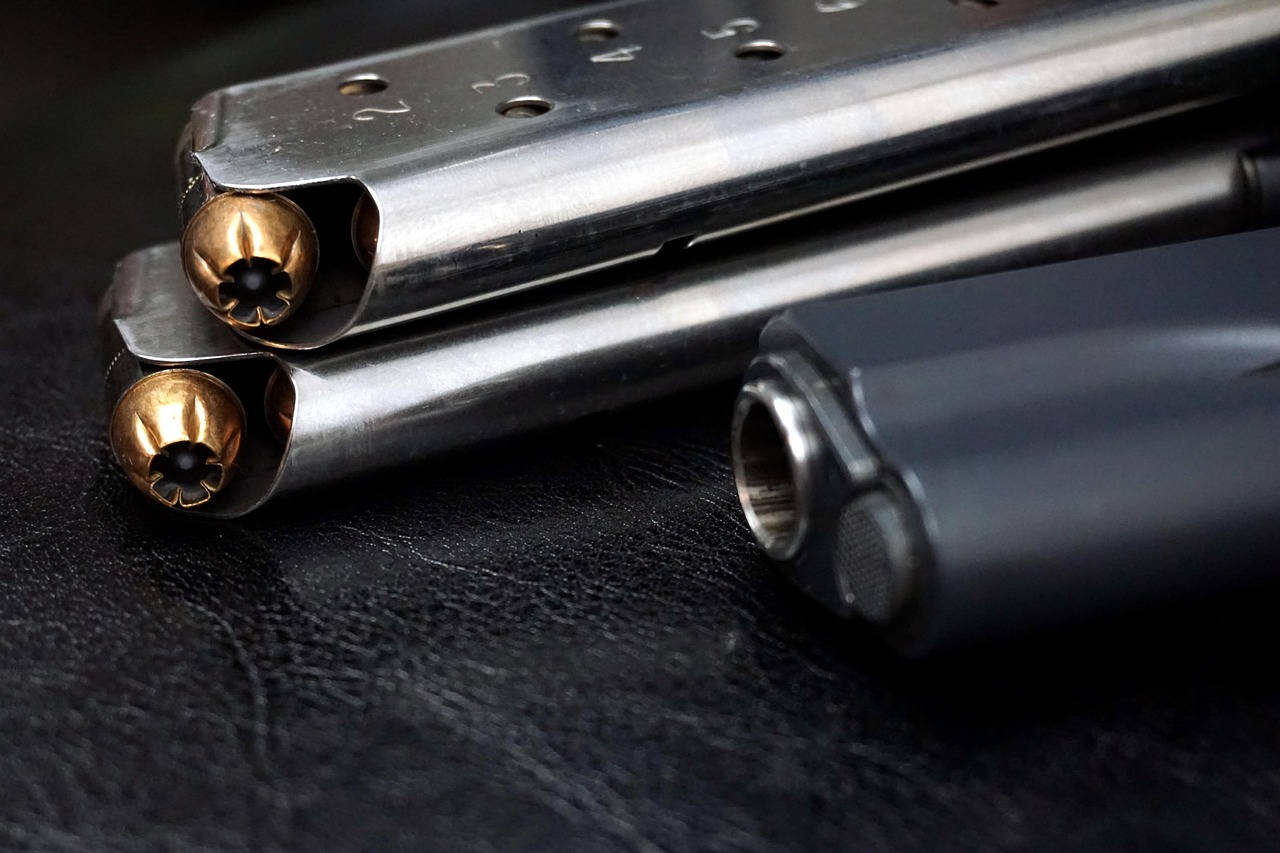
Not every handgun cartridge gets to become a household name. Some arrive with real promise, attract a loyal following, and then quietly slip out of factory lineups as demand shifts and newer options take over. This gallery revisits 10 pistol calibers that once mattered to shooters, collectors, or law enforcement, but now survive mostly in used guns, specialty runs, and enthusiast conversations.
.41 Action Express
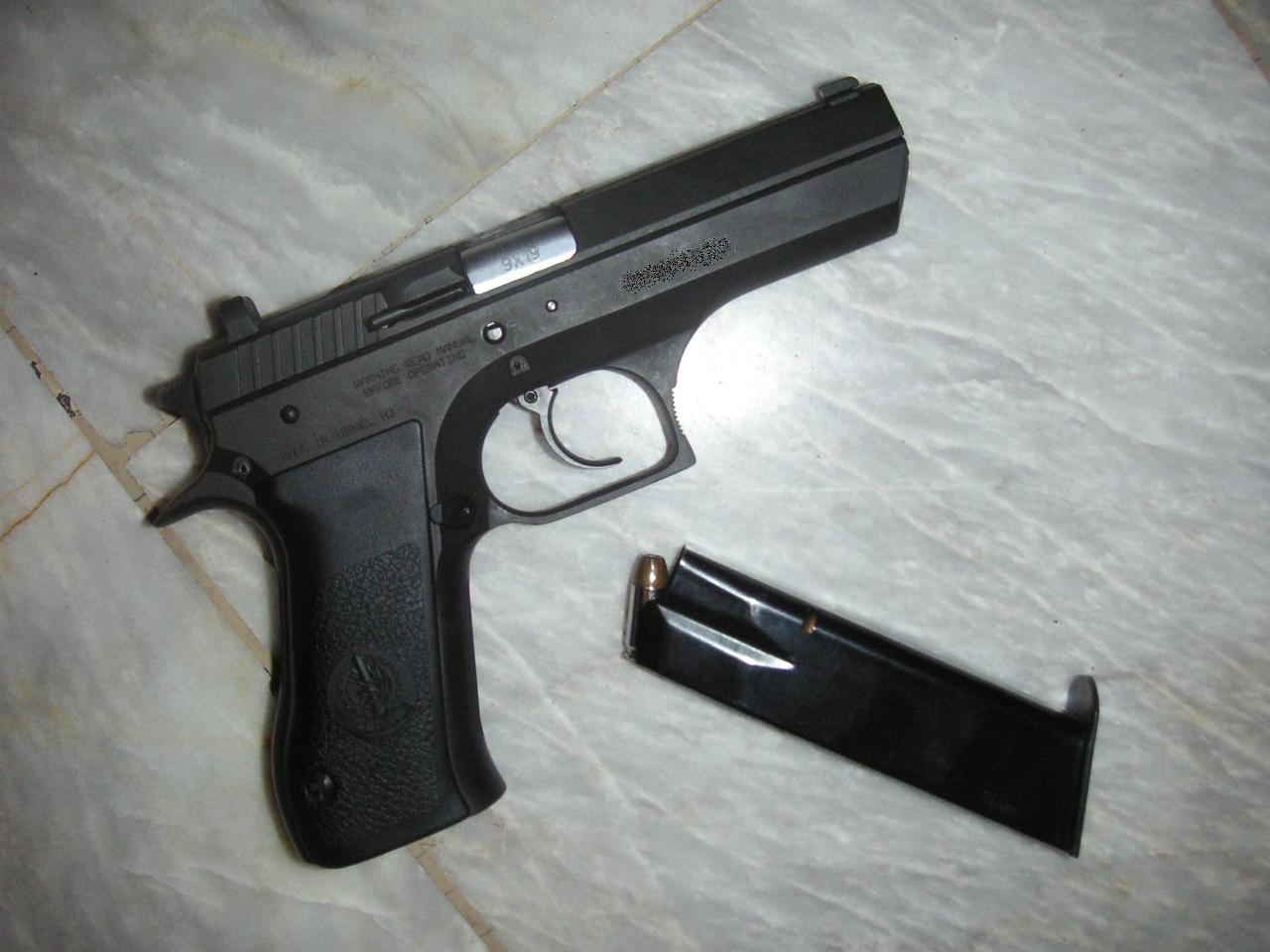
The .41 Action Express was one of those clever ideas that seemed to solve a real problem. Introduced in the late 1980s, it promised .41-caliber performance in 9mm-size pistols, letting shooters swap barrels without changing the entire platform. On paper, that kind of convenience looked like a winner.
In practice, it arrived just as .40 S&W was preparing to dominate the conversation. Once manufacturers and law enforcement agencies rallied around .40, the .41 AE lost its oxygen almost overnight. Today it stands as a fascinating might-have-been, remembered more for its smart engineering than for any long-term commercial success.
.45 GAP
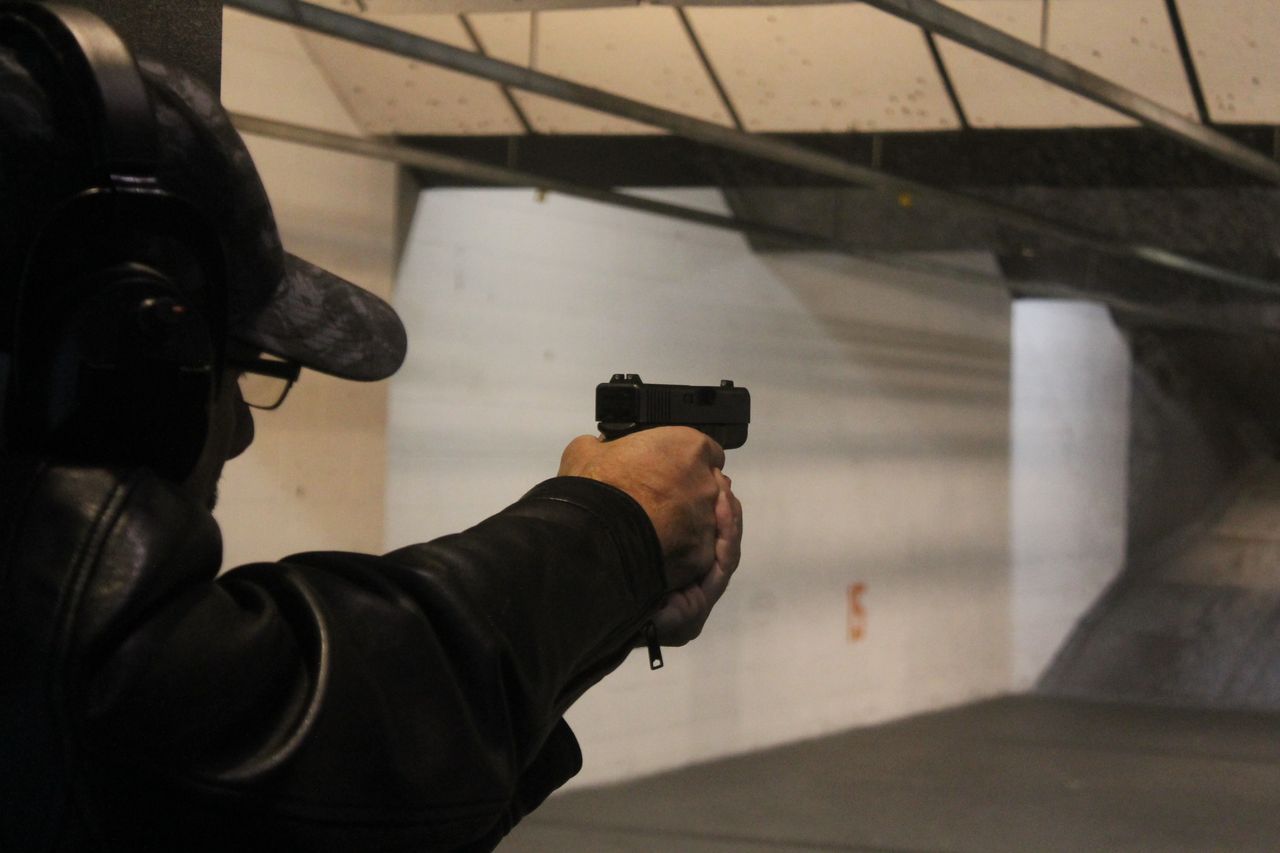
Glock created .45 GAP to deliver .45-caliber performance from a shorter cartridge that could fit into more compact grip frames. The pitch was straightforward: give shooters .45 power in a handgun with ergonomics closer to a 9mm or .40. For some departments and individual users, that sounded genuinely appealing.
But the market never fully embraced the tradeoff. Standard .45 ACP already had a century of loyalty, broad ammunition support, and a huge installed base of pistols. Once agencies moved away and civilian demand softened, manufacturers trimmed their offerings. The .45 GAP still exists, but not with anything close to the momentum it once hoped to build.
.356 TSW
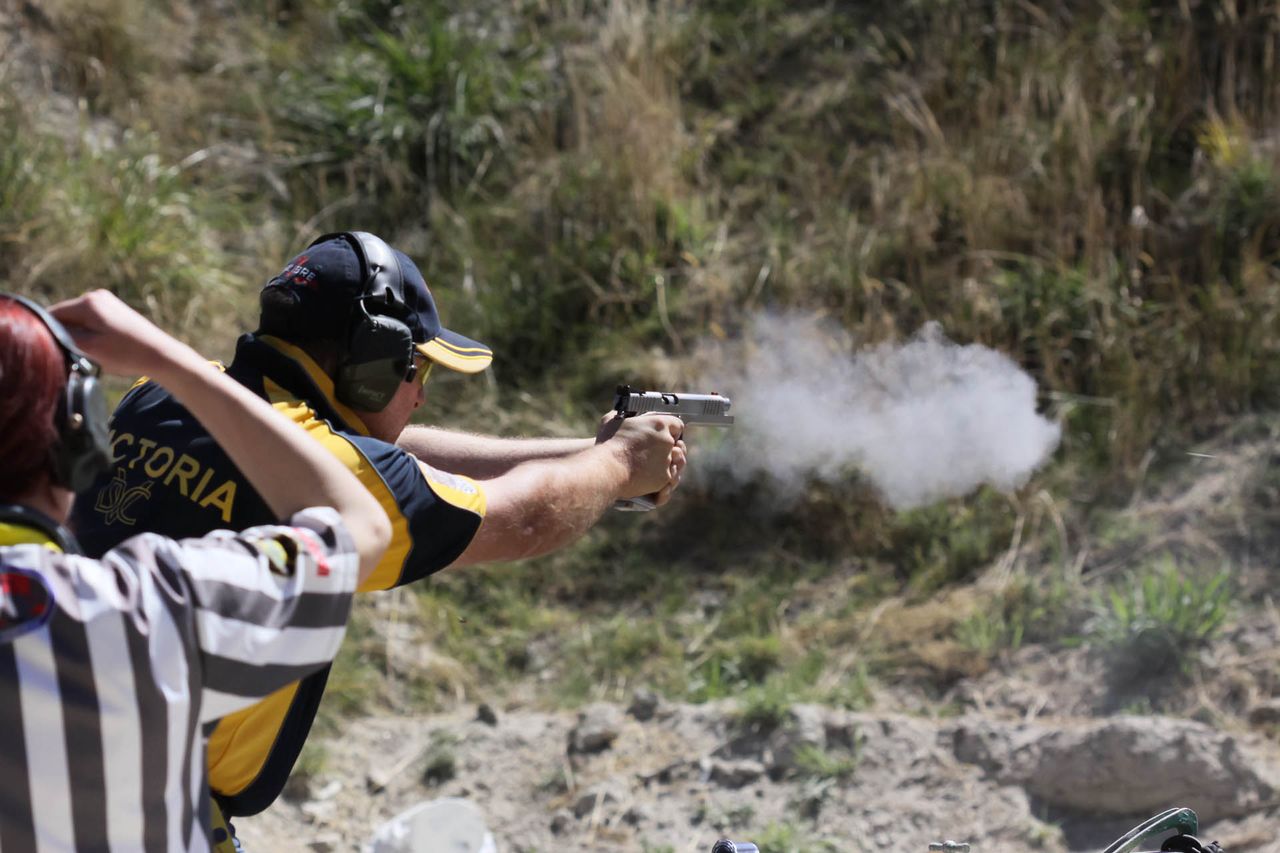
The .356 TSW, or Team Smith & Wesson, was designed with competition in mind. It pushed a 9mm-diameter bullet faster than standard 9mm loads and was meant to offer advantages in action shooting, where power factor and reliable feeding can make a real difference. It had a serious purpose and a serious audience.
Still, niche competition cartridges often live or die by rules, support, and timing. The .356 TSW never broke into the mainstream, and only a handful of pistols were built around it. Without broader factory backing, it became the kind of round enthusiasts talk about with admiration, even as it faded from regular production lineups.
.38 ACP
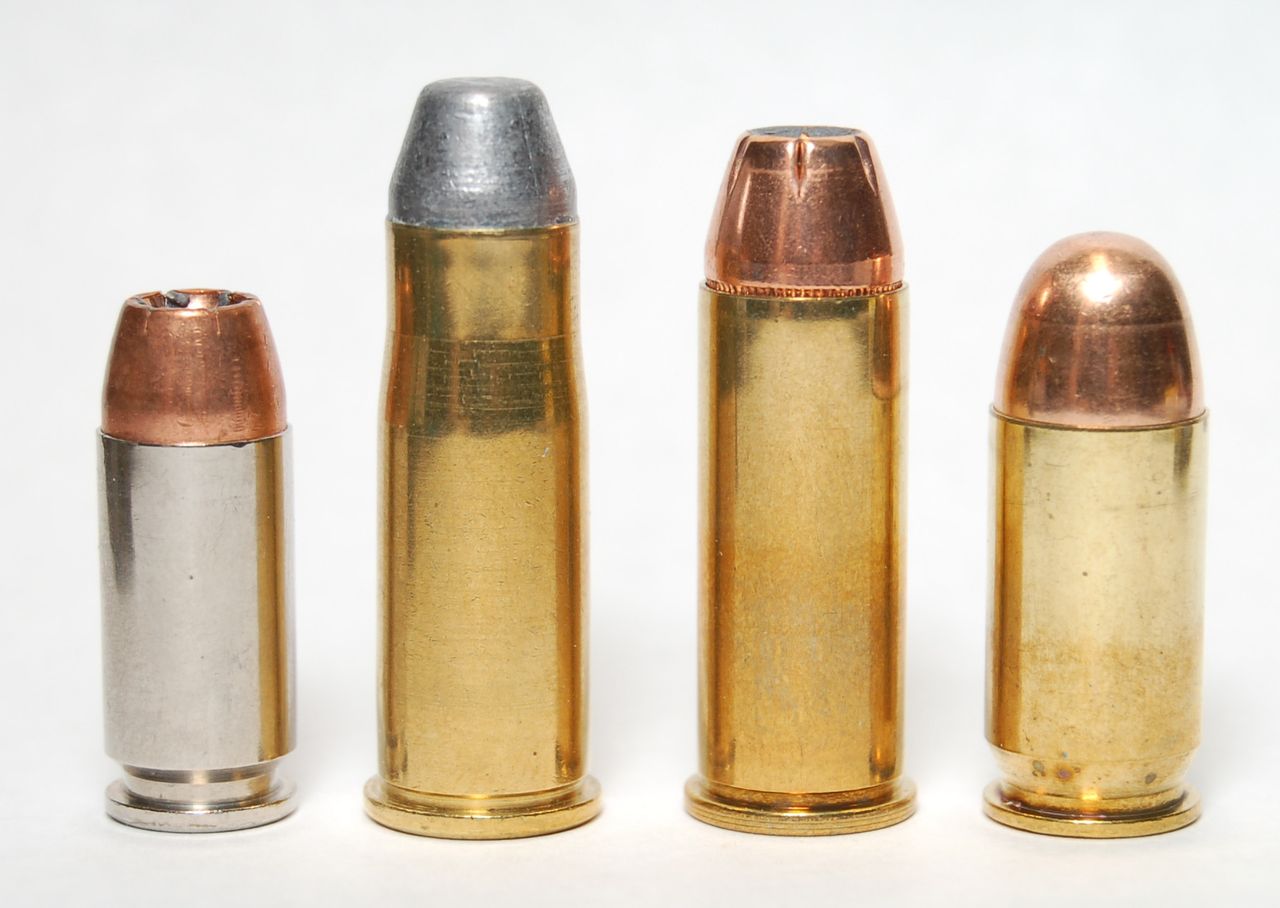
The .38 ACP has an important place in handgun history, even if it no longer occupies much shelf space. Developed by John Browning at the turn of the 20th century, it helped shape the early era of semi-automatic pistols and offered more speed than many revolver cartridges of its day. That alone gives it lasting historical weight.
Its biggest problem was being overshadowed by its own descendant. The .38 Super took the concept further and became far more relevant for defensive use, competition, and export markets. As a result, the original .38 ACP slowly retreated from mainstream catalogs, surviving mainly in historical discussions and the occasional specialty ammunition listing.
9mm Federal
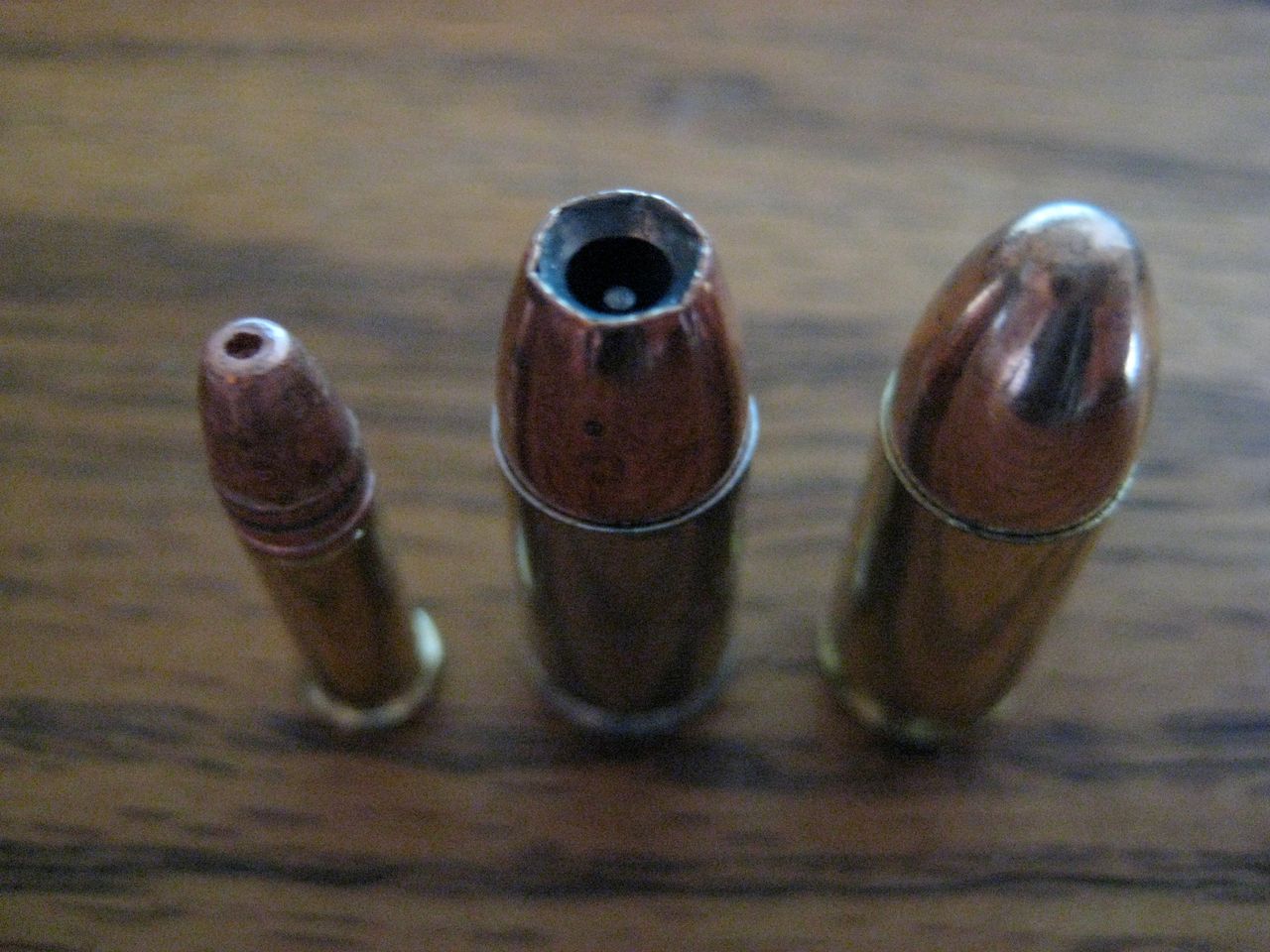
The 9mm Federal is a great example of how a cartridge can disappear almost as quickly as it appears. Introduced in the late 1980s, it was essentially a rimmed 9mm designed for revolvers, giving wheel-gun fans a chance to use popular 9mm bullets without moon clips. It was a tidy, practical concept.
Then came the safety concern that changed everything. Because the cartridge could chamber in some .38 S&W revolvers, manufacturers faced an obvious risk. The round was withdrawn before it ever had time to build a real foothold. Today, it remains more of a cautionary tale and collector curiosity than a lasting chapter in revolver development.
.30 Luger
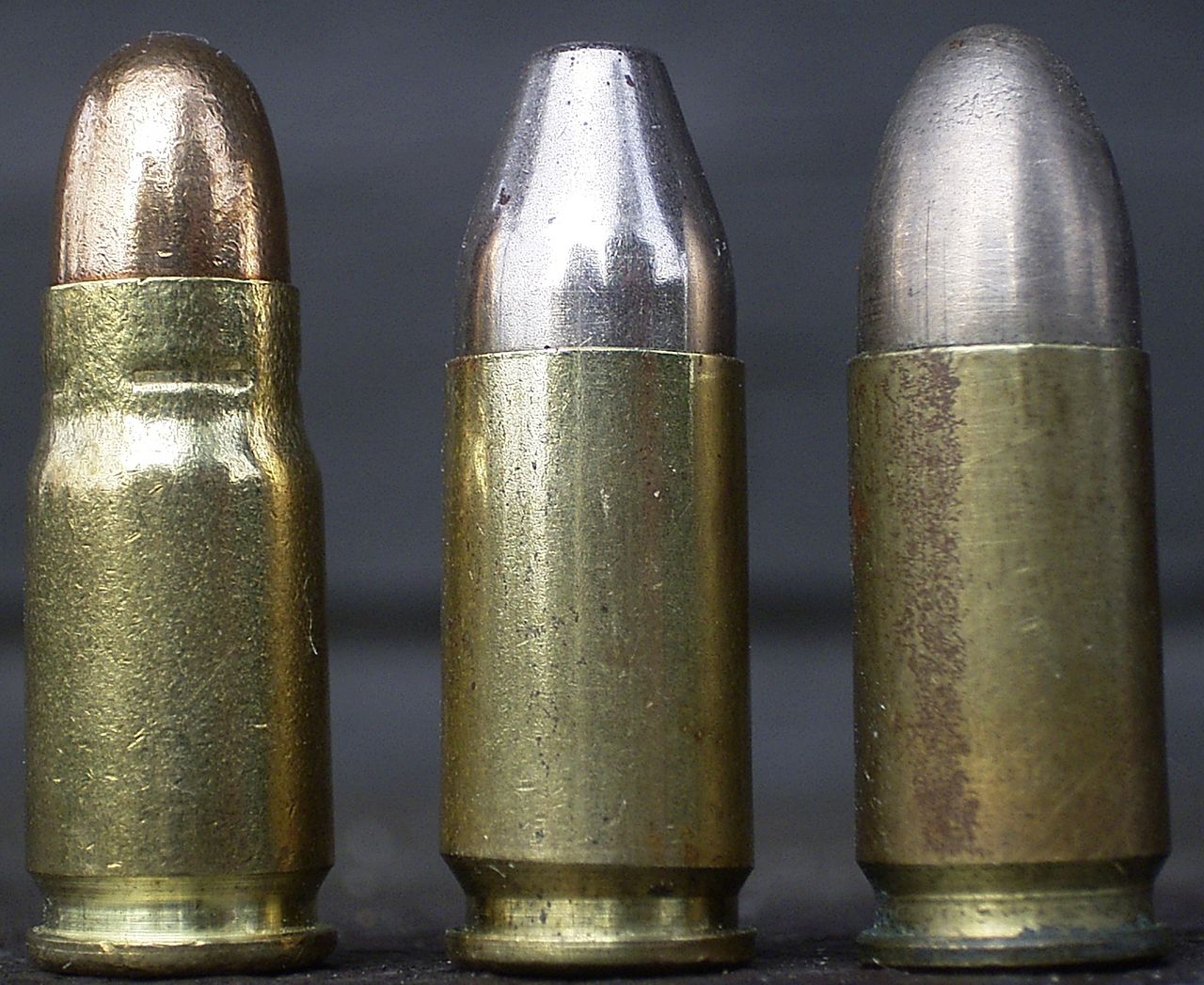
Before 9mm Luger became one of the most successful handgun cartridges in the world, the .30 Luger was part of the story. Known in Europe as 7.65×21mm Parabellum, it offered mild recoil, good accuracy, and a refined shooting experience in classic pistols. For many early semi-auto designs, it made perfect sense.
History simply moved in another direction. Military and police demand increasingly favored larger-diameter bullets, and 9mm Luger became the obvious standard-bearer. That left .30 Luger in a shrinking niche, appreciated by collectors and owners of period pistols but mostly absent from major modern handgun lineups. It lingers as an elegant round from a formative chapter in firearms design.
.32 NAA

The .32 NAA was one of those modern boutique cartridges aimed at concealed-carry users who wanted something a little different. Developed by necking down .380 ACP to take a .32-caliber bullet, it chased higher velocity and flatter performance from compact handguns. It sounded innovative, especially in the era of pocket pistols.
The challenge was that innovation alone does not guarantee adoption. Ammunition availability remained limited, pistol choices were narrow, and mainstream buyers often stuck with better-known calibers they could find anywhere. As interest cooled, manufacturers moved on. The .32 NAA still has fans, but it never grew beyond a specialist option with a small footprint in the market.
.400 Cor-Bon

The .400 Cor-Bon tried to blend speed and power by necking a .45 ACP case down to accept a .40-caliber bullet. The result was a bottleneck pistol cartridge with strong velocity and a distinctly hot-rod personality. For handloaders and performance-minded shooters, it had undeniable appeal.
But factory success usually depends on more than ballistic excitement. The .400 Cor-Bon lived in a crowded market already dominated by 9mm, .40 S&W, 10mm Auto, and .45 ACP, all of which had far broader support. Without widespread handgun adoption, it became increasingly hard for manufacturers to justify regular lineup space. What remains is a cartridge remembered fondly by those who liked unusual solutions.
.357 SIG
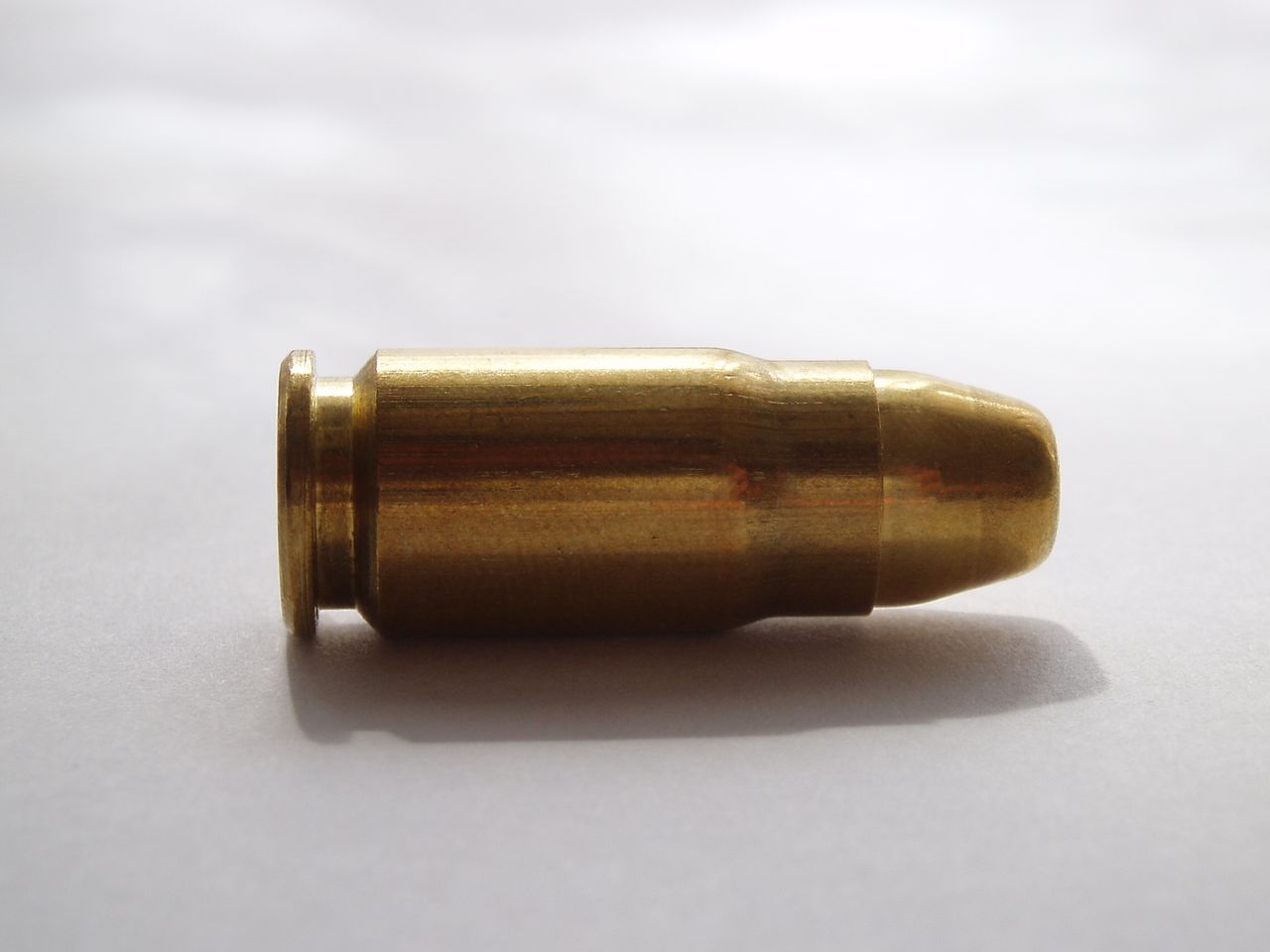
The .357 SIG is not extinct, but it has undeniably fallen out of many manufacturers’ regular lineups. Launched with the promise of magnum-like performance in a semi-auto platform, it developed a reputation for speed, barrier penetration, and reliable feeding. Law enforcement agencies gave it real credibility, and for a while it looked like a major contender.
Then the broader market shifted. Improvements in 9mm defensive loads reduced the need for a more expensive, louder, and snappier alternative. As agencies standardized elsewhere and civilian demand leveled off, many gun makers scaled back their .357 SIG offerings. It still has believers, but it no longer commands the production attention it once did.
.327 Federal Magnum
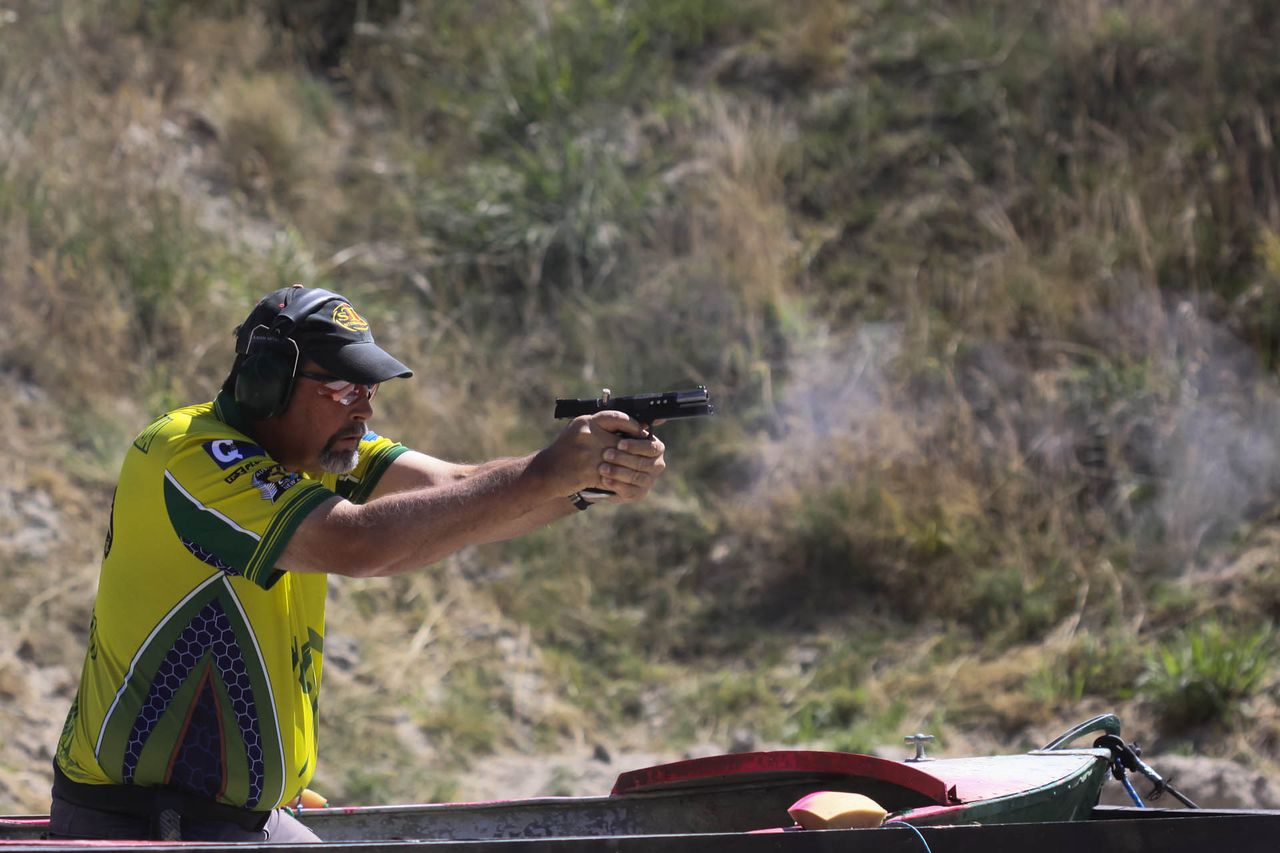
The .327 Federal Magnum arrived with a strong pitch: magnum-level performance, flatter shooting than traditional small revolver rounds, and an extra round of capacity in compact wheel guns. For revolver fans, those are not small advantages. It also offered versatility, since compatible firearms could often shoot several related .32-caliber cartridges.
Yet the mainstream market remained stubbornly focused on familiar options. Buyers shopping for revolvers often stayed with .38 Special or .357 Magnum, while semi-auto users looked elsewhere entirely. That left .327 Federal Magnum as a respected but thinly supported choice, with fewer handgun models than early excitement suggested. It survives, though usually on the edges rather than at the center of manufacturers’ catalogs.