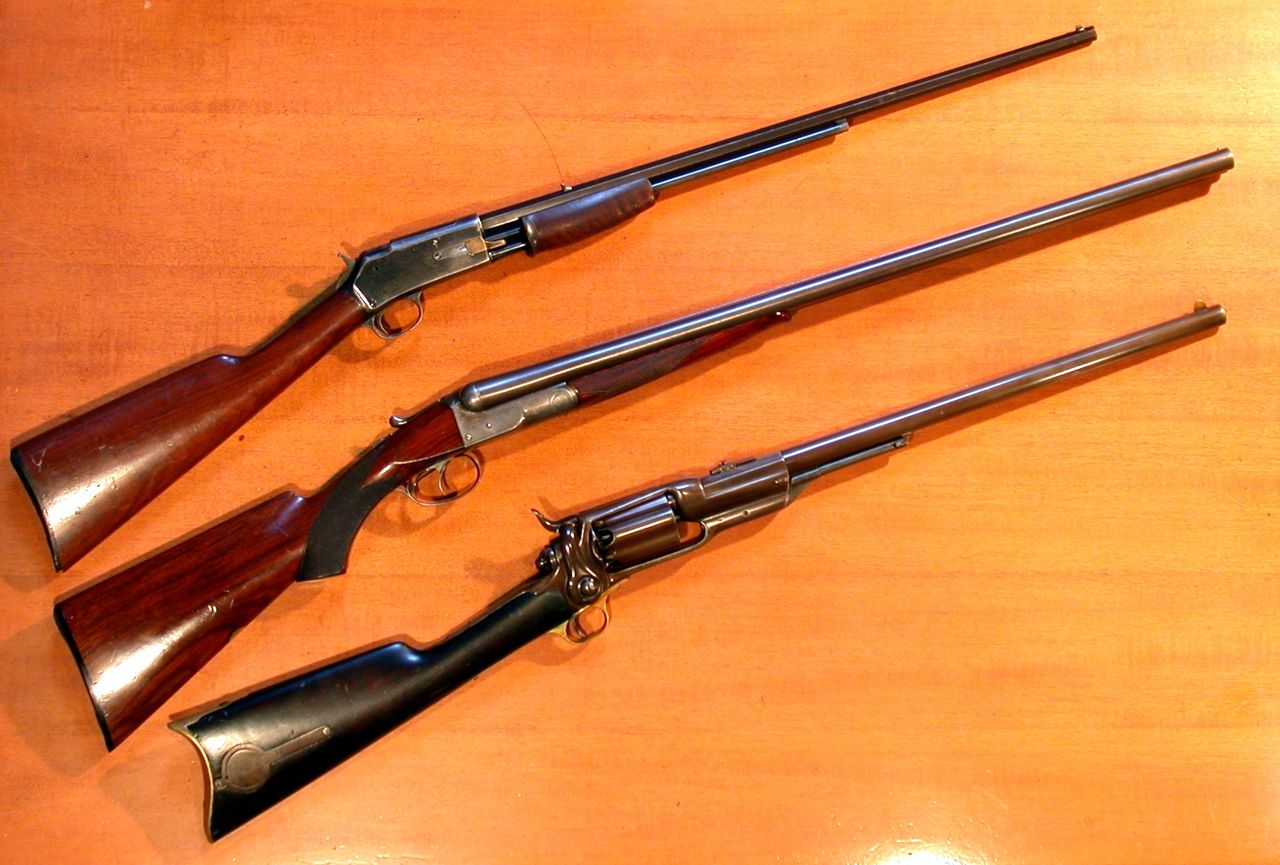
The Colt Lightning looked like a bold step forward: fast, unusual, and backed by one of the biggest names in American firearms. Yet despite its promise, this slide-action rifle never secured the kind of loyal following enjoyed by some of its rivals. These slides explore six features and circumstances that made the Lightning intriguing in theory, but less convincing in the real world.
A pump-action system that felt unfamiliar
The Colt Lightning stood out because it used a slide-action system at a time when many shooters were far more comfortable with lever guns. In the late 19th century, habits mattered, and familiarity often won out over novelty. A rifle could be clever, but if it felt odd in the hands, buyers noticed immediately.
That difference in handling made the Lightning memorable, but not always lovable. For ranchers, hunters, and everyday owners, a new manual of arms meant more practice and more chances for mistakes under stress. The pump format was fast, yet it asked the market to change its rhythm before the market was ready.
A reputation for being mechanically finicky
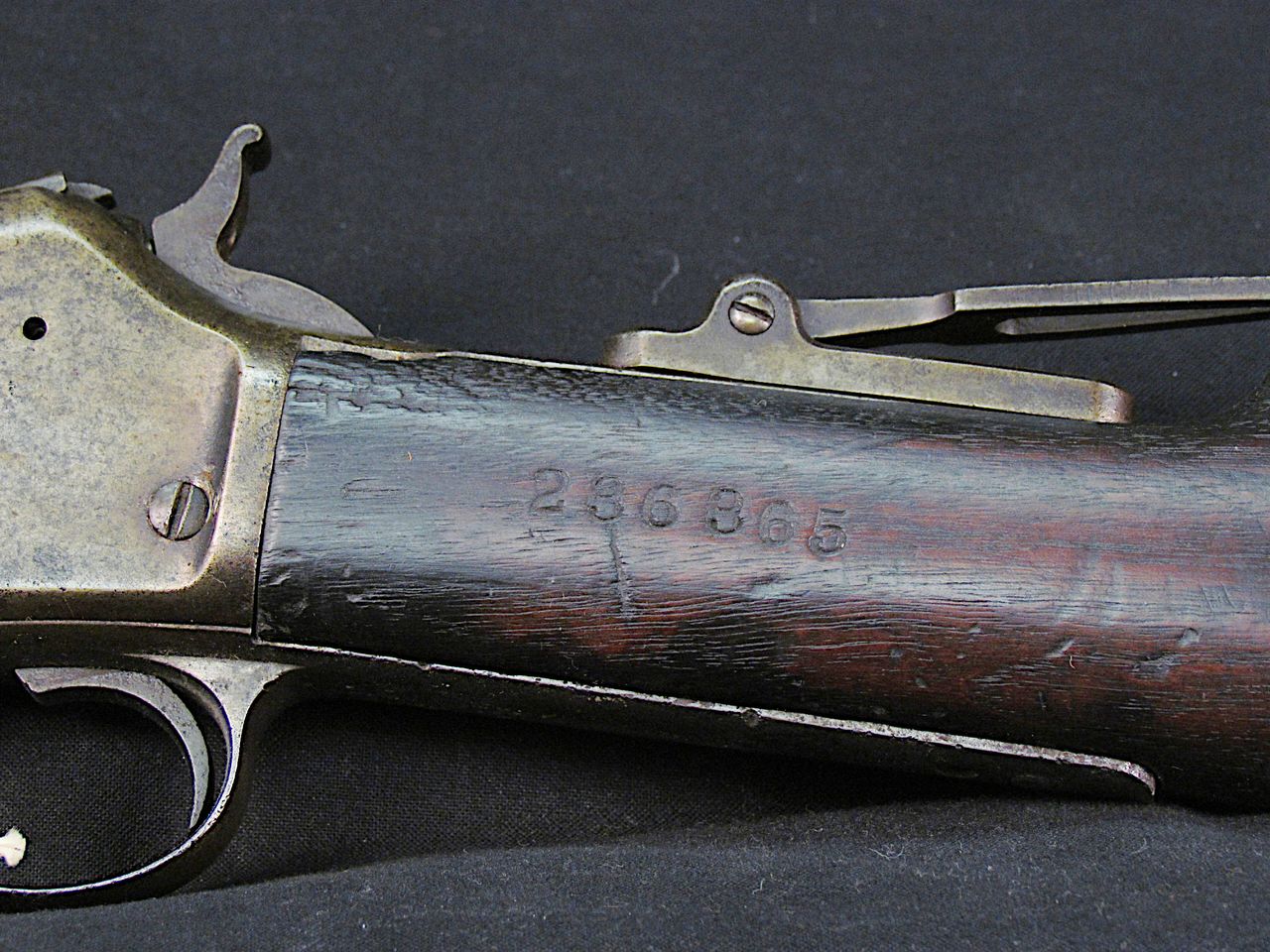
One of the biggest knocks against the Lightning was its reputation for sensitivity. Compared with some tougher competitors, it was often seen as a rifle that demanded a bit more care, cleaner operation, and more exact handling. That may not sound fatal, but in a working firearm, confidence is everything.
Owners and collectors have long noted that the action could be less forgiving if cycled poorly or allowed to wear unevenly. In an era when rifles were expected to function in dust, rain, and hard daily use, that sort of reputation spread quickly. Even a hint of fussiness could make practical buyers look elsewhere.
Competition from stronger Winchester loyalty
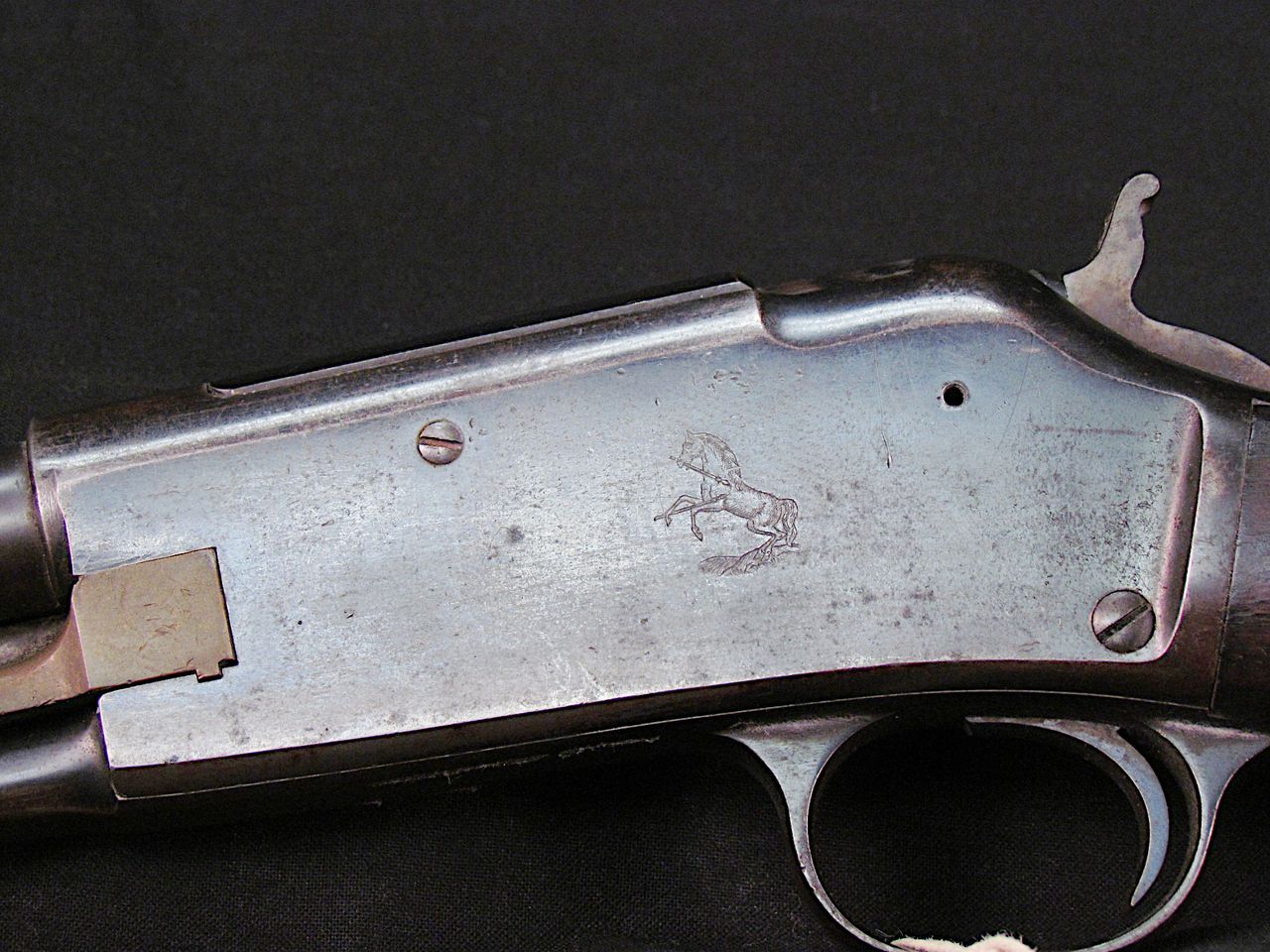
The Lightning entered a market where Winchester already held enormous cultural and commercial ground. Lever-action Winchesters were not just popular products, they were trusted companions with a growing legend around them. That kind of brand momentum is difficult for any rival to interrupt.
Colt was already a giant name in revolvers, but rifles were a different battlefield. Buyers who wanted a repeating long gun often defaulted to what neighbors, shopkeepers, and working cowhands already knew. The Lightning may have had speed and style, but it was trying to unseat an established favorite rather than create an entirely new lane.
Delicate timing and wear concerns
The Lightning’s design depended on parts working together with fairly precise timing, and that could become a drawback over years of use. A rifle intended for regular field service needs to tolerate wear gracefully, not just perform well when fresh from the factory. This is where the Lightning often faced criticism.
As use accumulated, small issues in fit or timing could affect reliability in ways owners found frustrating. That did not mean every example failed, but it did mean the rifle could lose trust faster than a simpler or sturdier rival. In practical terms, durability is often remembered more fondly than innovation.
Less appeal to rough-use frontier buyers

A lot of firearms history comes down to where a gun actually lived, not how it looked in a catalog. On the frontier and in rural working environments, rifles were tools first. They were bounced in wagons, carried in weather, and expected to keep running without much pampering.
The Lightning struggled to inspire the same rugged confidence as some competing repeaters. If a rifle earned a reputation, fair or not, for preferring cleaner conditions and smoother handling, many hard-use buyers would simply pass. In that sense, the Colt may have been interestingly designed, but its image did not fully match the realities of rough daily service.
An awkward fit in Colt’s own identity
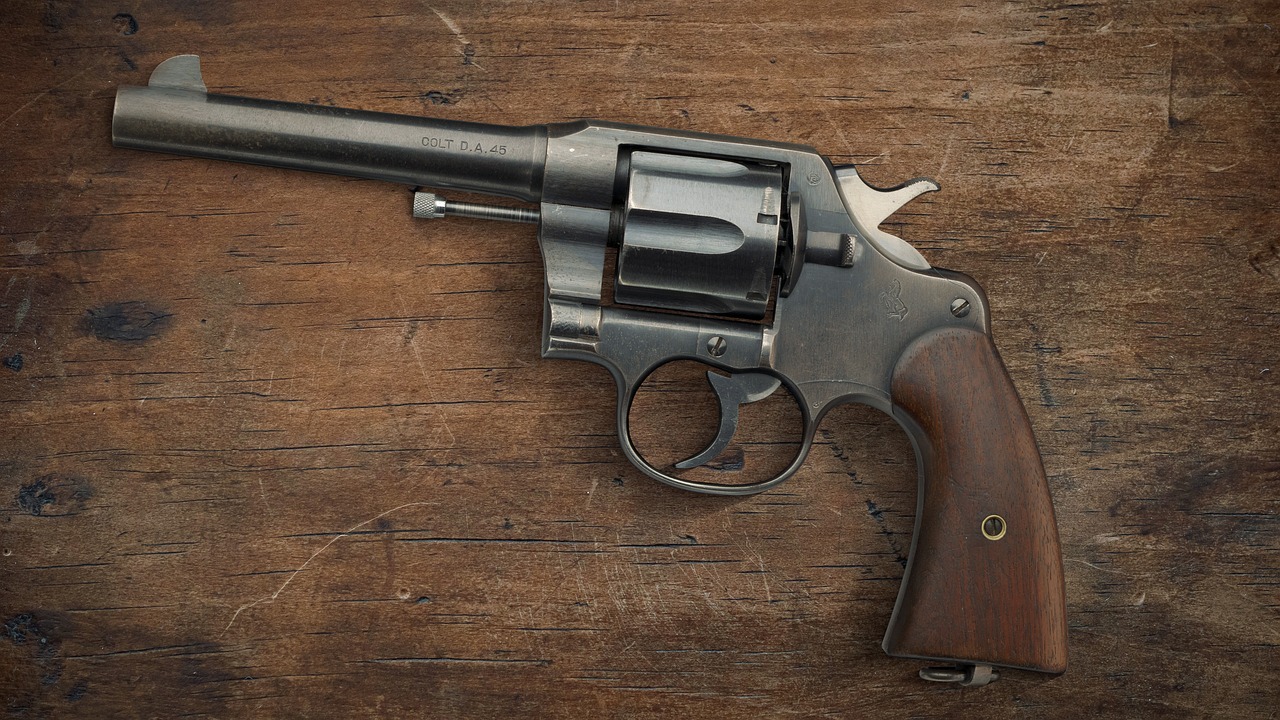
Colt’s name carried enormous weight, but mostly because of handguns. The company’s revolvers had a powerful identity in American life, from military service to frontier lore. The Lightning, by contrast, occupied a less natural spot in the brand story and had to work harder to define itself.
That mismatch mattered more than it might seem. When consumers think of a maker in one category, convincing them to trust a different product line can be difficult. Colt could certainly build rifles, but the Lightning never became the company’s signature long gun. It remained a fascinating side chapter instead of a central success.