.50 BMG has a larger-than-life reputation, but its real shock often comes at the cash register. Spend a day shooting it, and the ammo bill can climb past what many handgun owners spend on an entire range setup. Here are eight simple reasons this cartridge costs so much every time the trigger is pulled.
The cartridge is physically huge
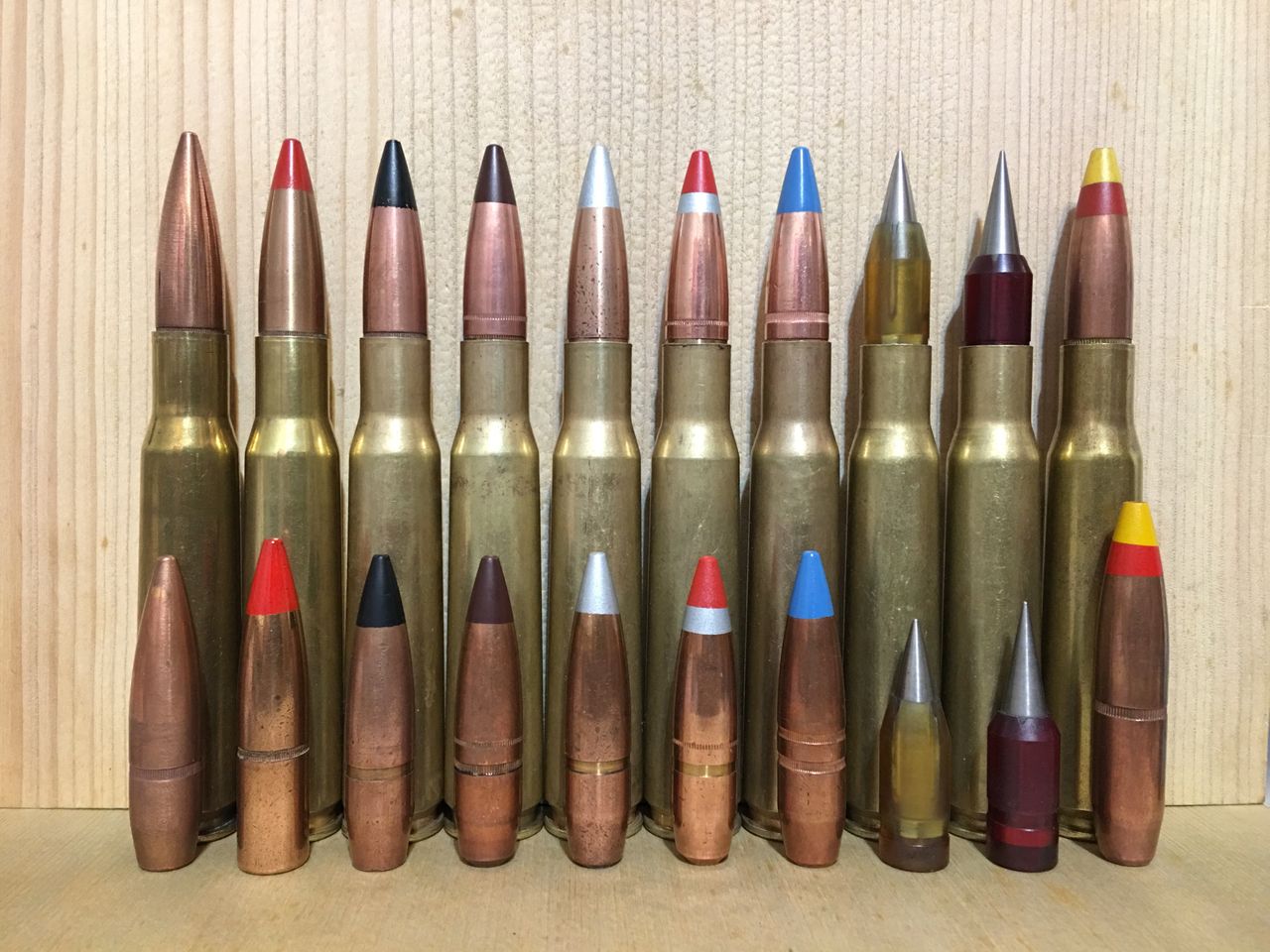
The most obvious reason is also the easiest to miss until you see one next to common handgun ammo. A .50 BMG cartridge is enormous, with a much larger case, heavier bullet, and dramatically greater internal volume than rounds like 9mm or .45 ACP.
That size translates directly into cost. More brass goes into the case, more lead and copper go into the projectile, and every single round simply uses more raw material before manufacturing even begins.
When each cartridge starts life as a much bigger pile of metal, the final price was never going to look anything like a typical handgun round.
It burns a lot more powder
A handgun round uses a relatively modest powder charge, which helps keep cost per shot manageable. A .50 BMG round, by contrast, needs a much larger amount of propellant to push that heavy bullet at the speeds shooters expect.
Powder is not free, and using several times more of it in every cartridge adds up quickly. The cost difference is not just about a slightly bigger round. It is about a fundamentally different scale of performance.
When people talk about .50 BMG being expensive to shoot, a big part of that story is the amount of energy packed into each trigger pull, and the powder bill behind it.
Bullets are heavier and more complex
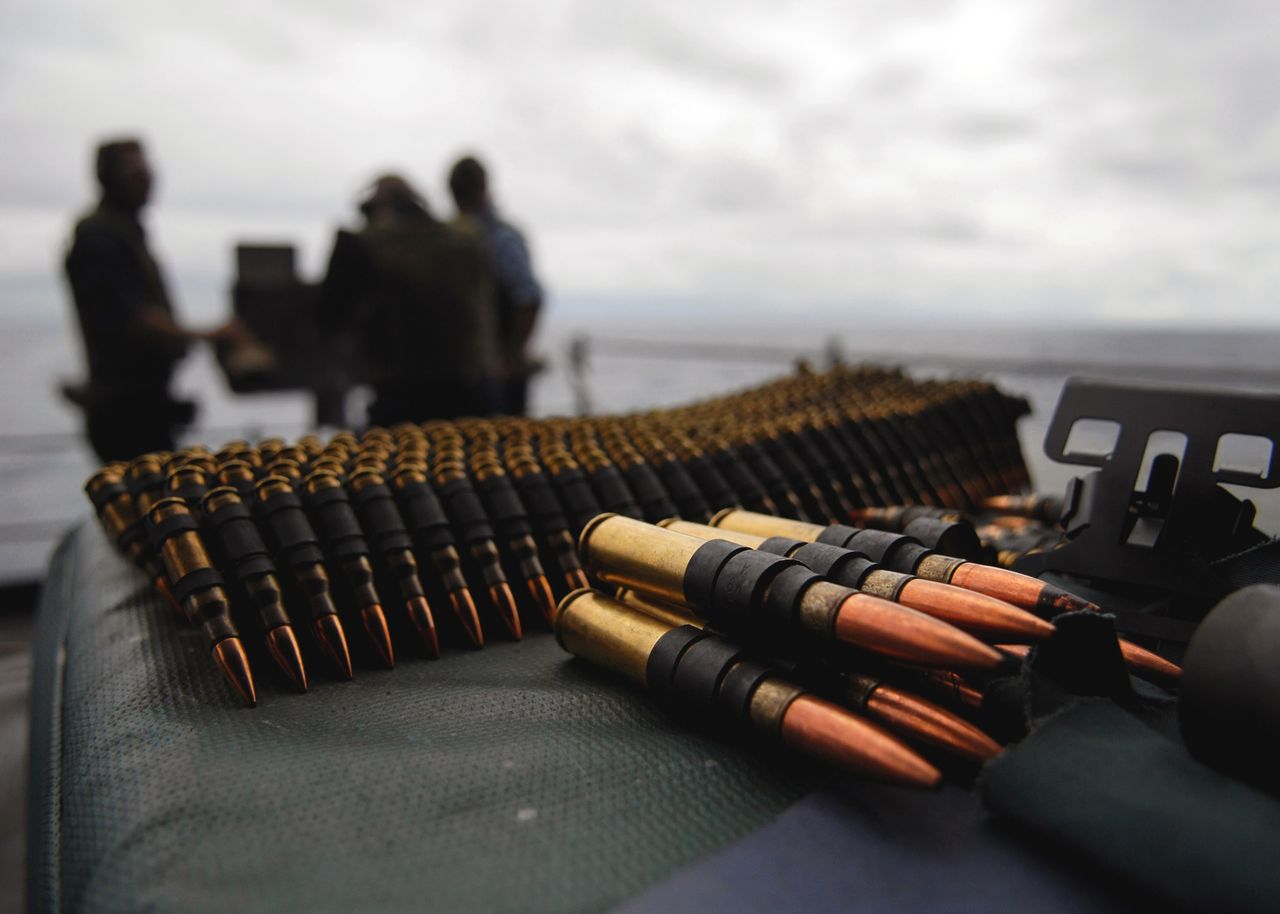
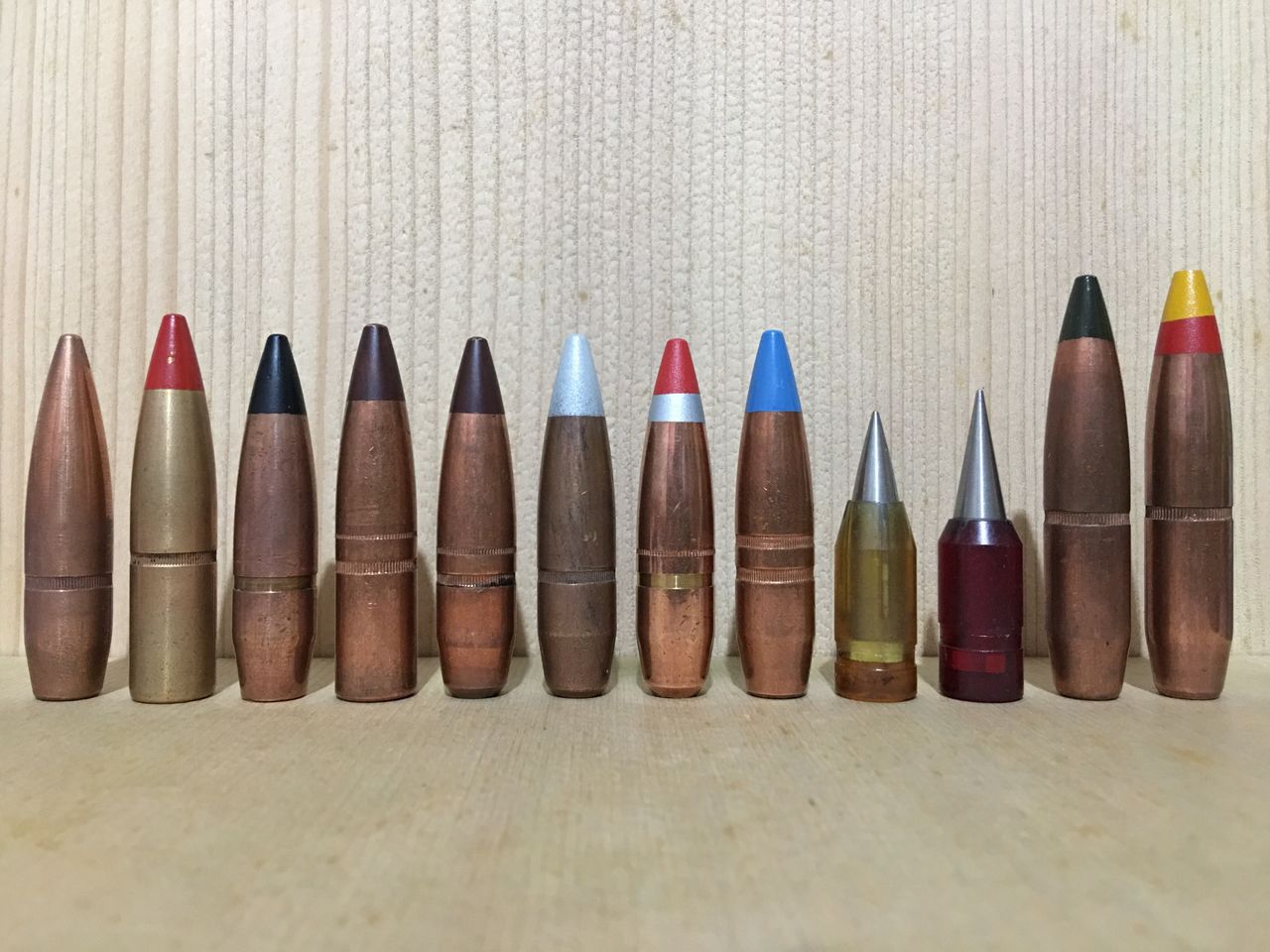
The projectile itself is another major cost driver. A .50 BMG bullet is far heavier than a standard handgun bullet, and many loads are designed for long-range stability, accuracy, and retained energy rather than casual plinking.
That often means more refined manufacturing, carefully formed jackets, and specialized projectile designs. Match loads, armor-piercing variants where legal, and other purpose-built rounds are not bargain-bin products.
Even basic ball ammunition benefits from the fact that this cartridge has demanding performance expectations. You are not just paying for more metal. You are paying for a bullet built to do serious work over serious distance.
Production runs are smaller than handgun ammo

Handgun ammo is a mass-market staple. Manufacturers make huge quantities of 9mm, .40 S&W, and .45 ACP because those calibers move constantly through gun shops, ranges, and training classes.
.50 BMG lives in a much smaller lane. Fewer shooters own rifles chambered for it, fewer ranges allow it, and fewer people buy it by the case for routine practice. That means less economy of scale.
When production runs are smaller, the overhead gets spread across fewer cartridges. The result is predictable: each round carries more of the manufacturing burden, and the shelf price stays well above what handgun shooters are used to seeing.
Quality control tends to be more demanding
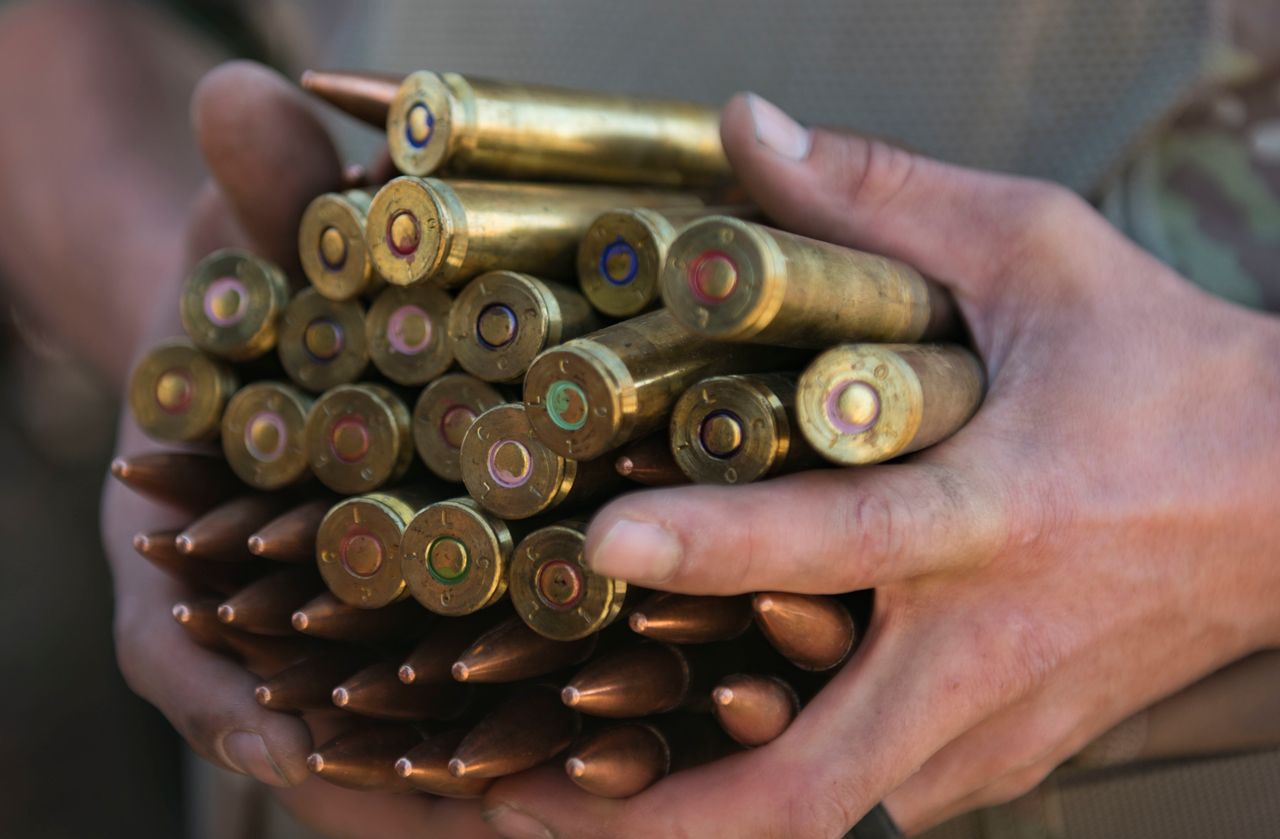
With a cartridge this powerful, consistency matters. Shooters expect reliable ignition, stable velocities, and dependable performance in rifles built for long-range use and substantial chamber pressures.
That puts pressure on manufacturers to hold tight tolerances and inspect components carefully. A premium cartridge with this much powder and material wrapped into it does not leave much room for sloppy production.
Better quality control is good news for shooters, but it is not free. More inspection, more precision, and more care at every stage of assembly all show up in the cost of each box.
Shipping and storage cost more than you think

A case of handgun ammo is heavy enough. A meaningful quantity of .50 BMG is another story entirely. These cartridges take up more space, weigh more per round, and are generally more expensive to move through the supply chain.
That affects freight costs, warehousing, retailer handling, and even how much shelf space a shop is willing to devote to them. Every step from factory to customer carries a little more expense than it would with smaller, more common ammo.
It is an unglamorous reason, but a real one. Big, dense, specialty products are simply pricier to stock and ship, and buyers end up absorbing part of that reality.
Range sessions go through money fast
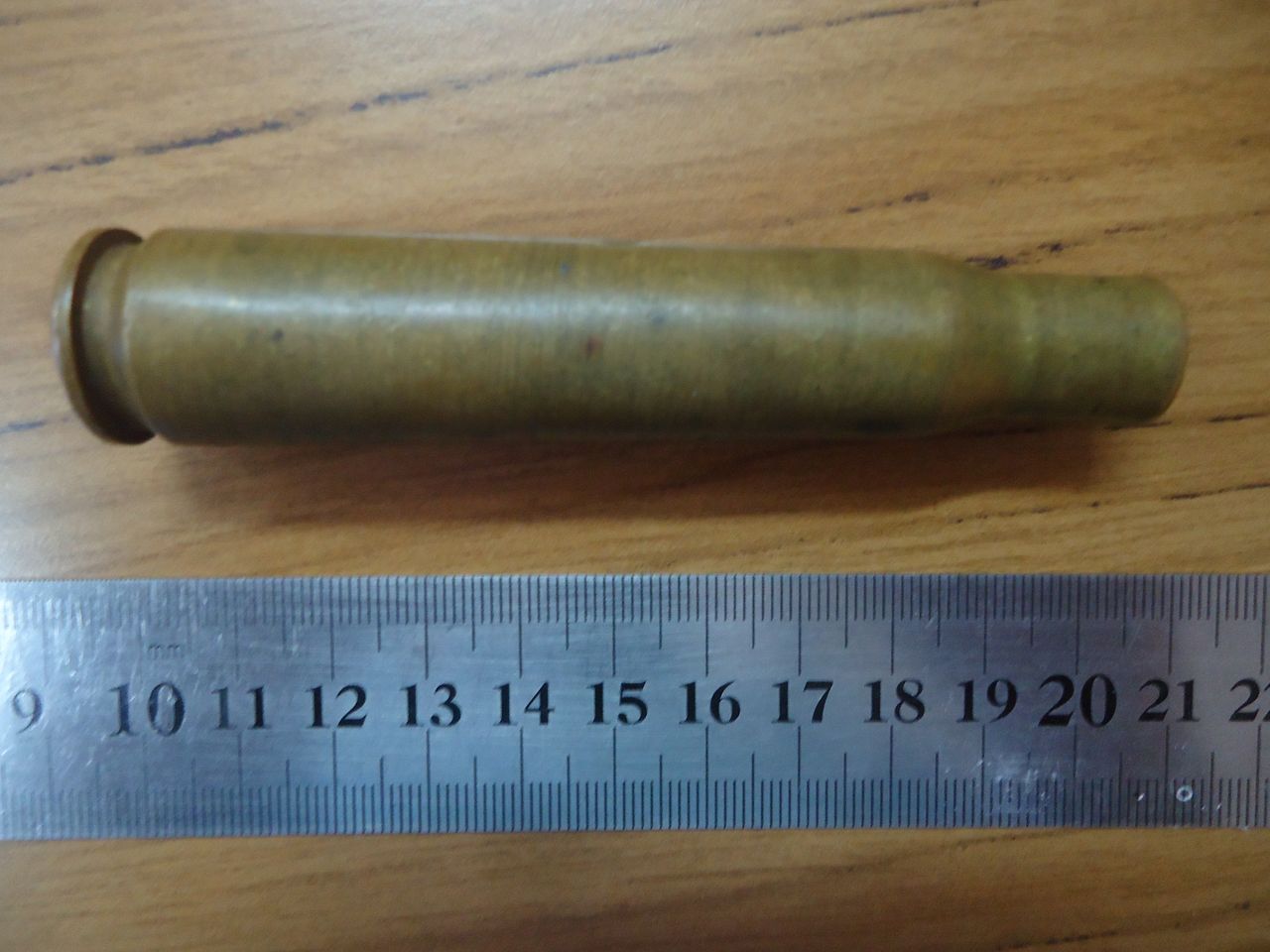
Even if you accept the higher price per round, the pace of spending is what surprises many first-time shooters. With handgun ammo, a few magazines can feel affordable. With .50 BMG, every shot has a distinctly premium feel.
A modest afternoon at the range can burn through a budget quickly, especially if the goal is to confirm zero, stretch distance, and let friends take a turn. The dollar total climbs faster than people expect because each trigger press is already expensive.
That is why a day with a .50 often costs more than a handgun outing. You are not imagining it. The meter is simply running much faster from the very first round.
The rifle market around it is specialized
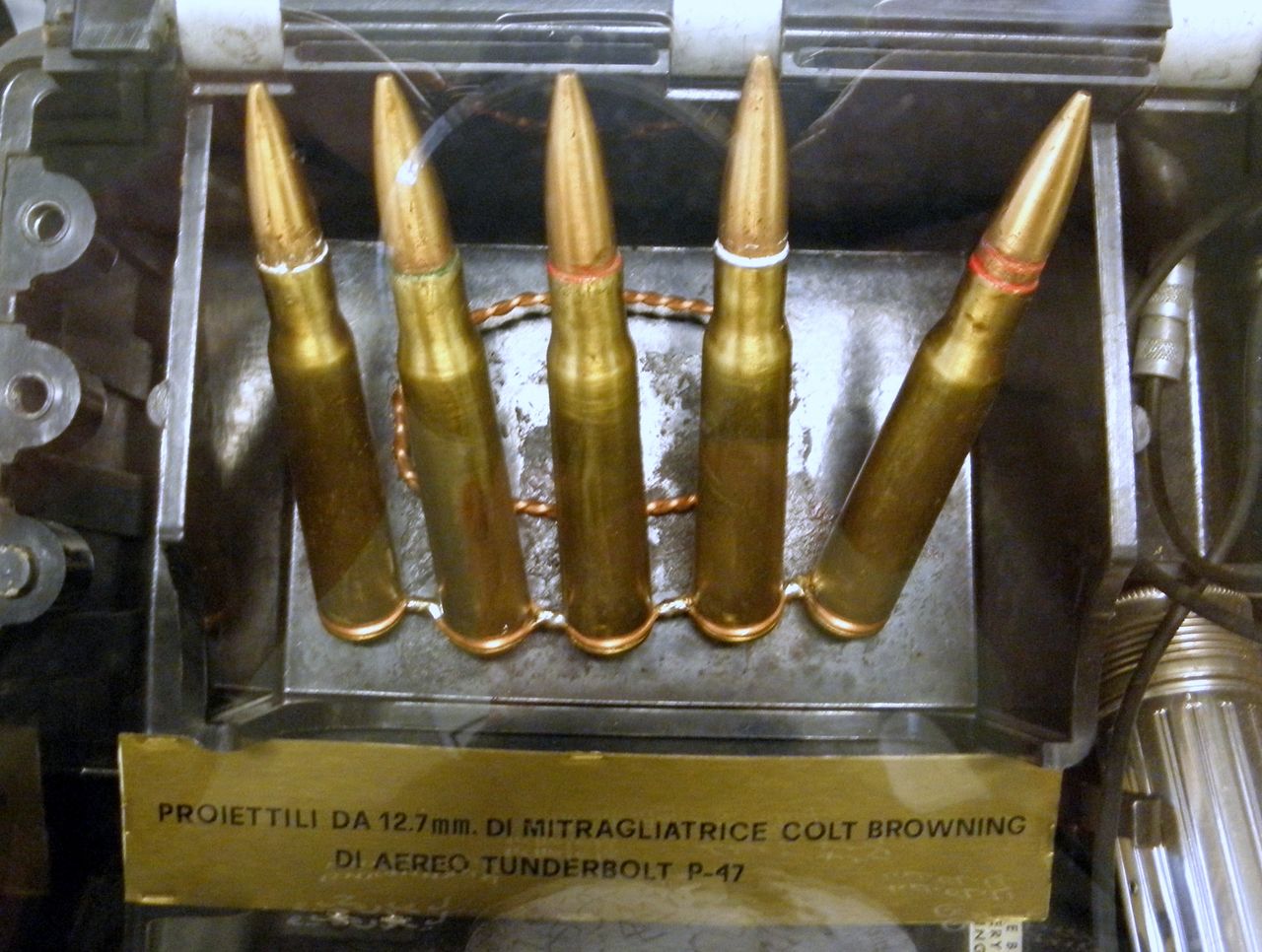
Ammo pricing does not exist in a vacuum. .50 BMG belongs to a niche ecosystem of large rifles, specialized optics, heavy-duty accessories, and long-range shooting culture. It is not a broad, everyday segment like handgun ownership.
That niche status influences demand, inventory decisions, and how aggressively manufacturers compete on price. There are fewer impulse buyers, fewer bulk training programs, and fewer high-volume consumers compared with mainstream pistol calibers.
In plain terms, .50 BMG ammo is expensive because the whole category is specialized. It sits in a premium corner of the shooting world, and its ammunition is priced exactly like something built for a smaller, serious audience.