Walk into many sporting goods stores and a first-time muzzleloader buyer often gets steered toward the same easy package: a basic rifle, generic pellets, and whatever bullets happen to be hanging nearby. Serious black powder hunters tend to build around reliability first, then accuracy, then manageable recoil. These nine setups reflect the combinations veteran hunters keep recommending when they want real-world performance instead of beginner-marketed convenience.
Break-action inline with loose powder and a bonded sabot bullet

Hunters who have moved past entry-level kits often start here because the formula is simple and proven. A quality break-action inline gives easy access to the breech, and loose powder lets shooters fine-tune charges instead of accepting whatever a pellet stack happens to deliver.
Pair that with a bonded sabot bullet and the result is usually more consistent ignition and tighter downrange performance. Experienced black powder hunters like this setup because it balances convenience with control, especially for deer hunters who want a dependable 150-yard rifle without chasing gimmicks.
Bolt-action inline with a full-bore conical for thick cover hunts
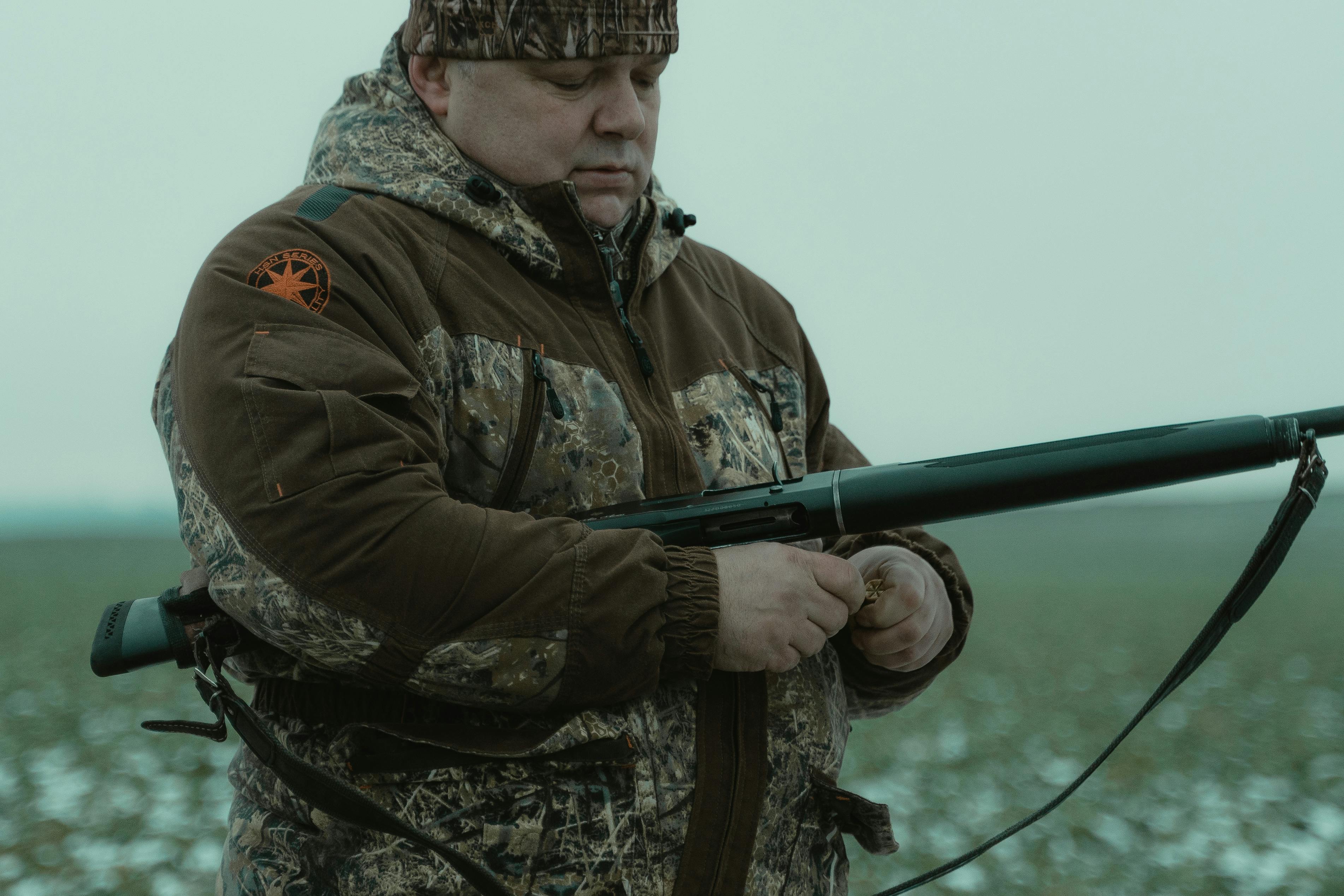
In brushy timber and short-range whitetail country, many seasoned hunters prefer a heavier full-bore conical over the flashy high-speed options marketed to beginners. A solid bolt-action inline helps keep the platform rigid, and that often translates to confidence when shots come fast and close.
The appeal is not just nostalgia. Full-bore conicals can hit hard, penetrate well, and avoid some of the loading quirks that show up with certain sabot combinations in dirty barrels. For hunters who rarely shoot beyond 100 yards, this setup has a reputation for practical authority.
Stainless steel inline with a sealed primer system for wet weather
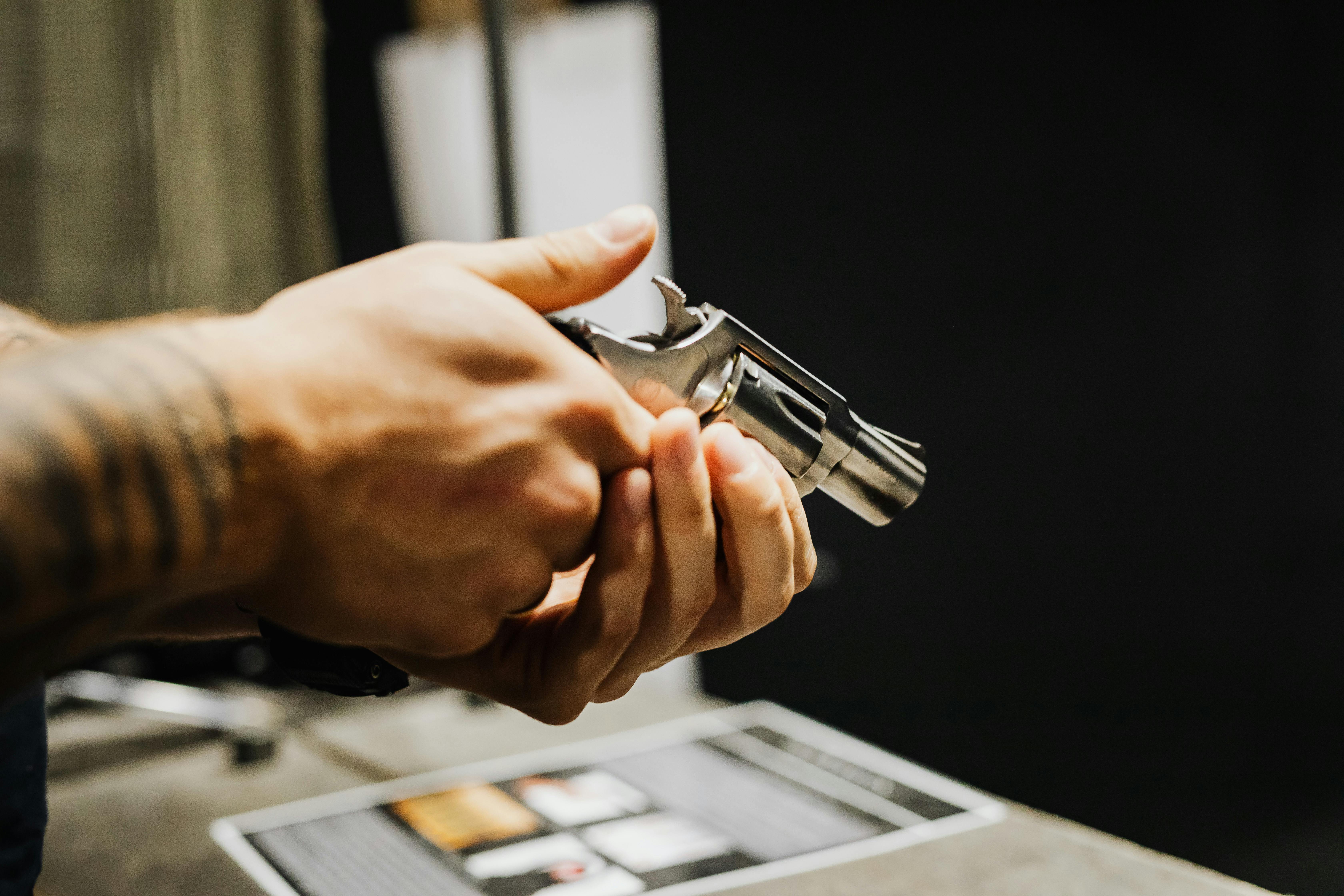
Bad weather is where bargain muzzleloader packages tend to show their limitations. Hunters who spend real time in late-season rain, sleet, and snow often upgrade to stainless steel rifles with better corrosion resistance and a more weatherproof ignition design.
A sealed primer system matters because moisture and fouling are relentless enemies in black powder hunting. When the action shields the primer well and the rifle shrugs off damp conditions, confidence stays high. Veteran hunters consistently praise this kind of setup because it keeps working when a cheap starter rig starts feeling like a liability.
Premium inline with a 1x or 2x scope built for fast woods shots
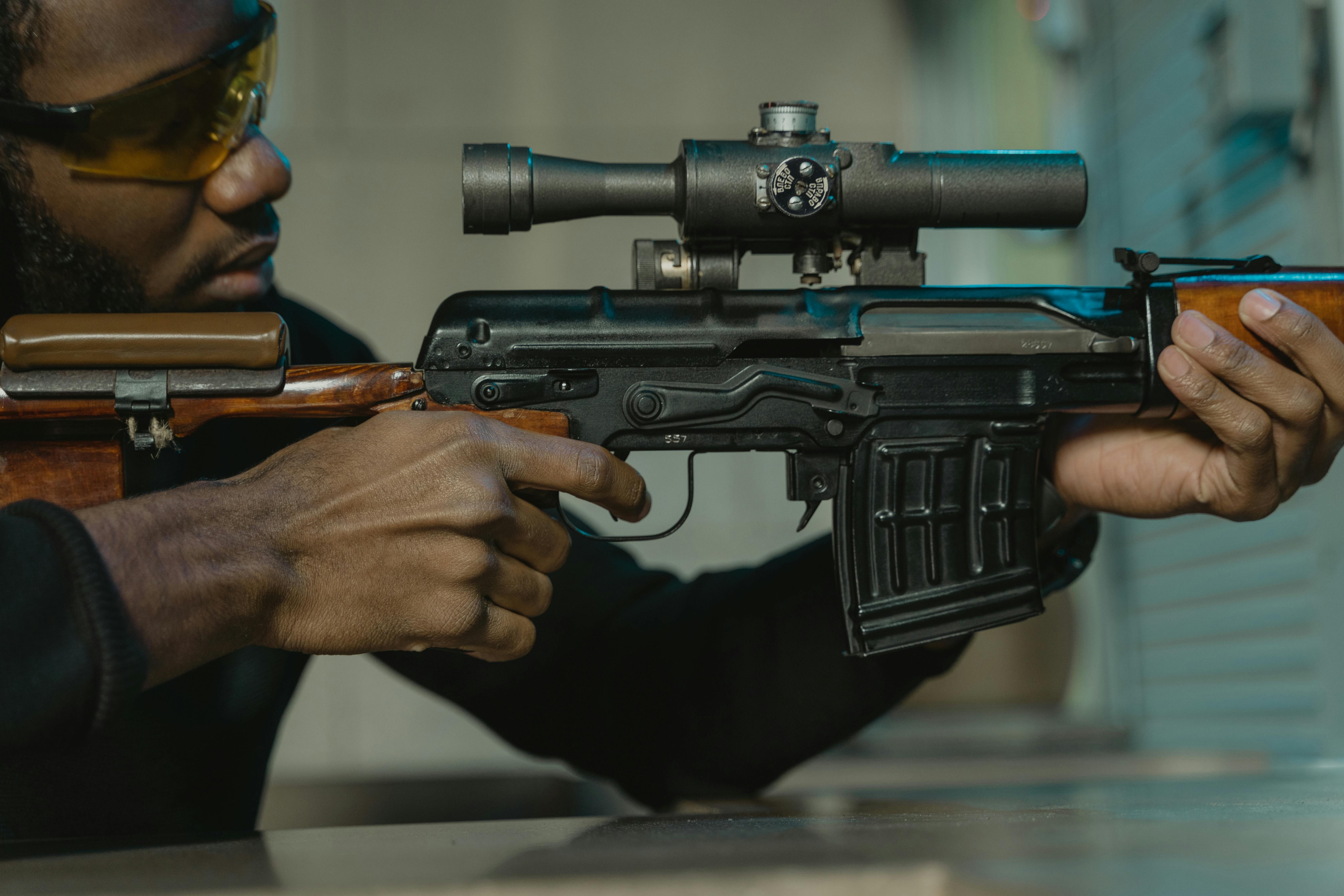
Beginners are often sold oversized optics that look impressive on a counter but feel clumsy in the field. Serious black powder hunters in hardwoods usually lean toward lighter glass, especially low-magnification scopes that offer a wide field of view and quick target acquisition.
On a premium inline, a 1x or 2x optic can make the whole rifle feel handier and more balanced. It is a setup that favors speed, clean sight pictures, and realistic hunting distances. For hunters slipping through timber or sitting over short food-plot lanes, this combination often outperforms bulkier, higher-powered arrangements.
Long-range inline with loose powder and high-BC sabot bullets

Some experienced hunters build muzzleloaders more like precision centerfire rigs, especially where regulations and open country make longer shots possible. In those cases, loose powder is usually part of the recipe because precise charge adjustment matters when you are stretching the platform.
Matched with high-BC sabot bullets, a well-made inline can deliver surprisingly disciplined accuracy. The point is not turning a muzzleloader into something it is not. It is about maximizing trajectory, wind resistance, and consistency in a legal hunting tool. Compared with generic beginner loads, this setup is usually far more intentional and far less forgiving of sloppy technique.
Compact youth or small-frame inline tuned with reduced recoil loads

A common beginner mistake is assuming every new shooter needs the hottest possible muzzleloader load. Veteran hunters know a lighter, shorter rifle with a carefully tuned recoil level often produces better field results, especially for youth hunters or smaller-framed adults.
Reduced recoil does not mean reduced usefulness. With the right bullet and a consistent powder charge, these rifles can be extremely effective on deer inside sane distances. Serious hunters like this approach because it builds confidence, improves follow-through, and encourages practice. In the real world, a comfortable shooter with a manageable setup usually beats a flinching shooter with magnum marketing.
Traditional sidelock with patched round ball for close-range simplicity
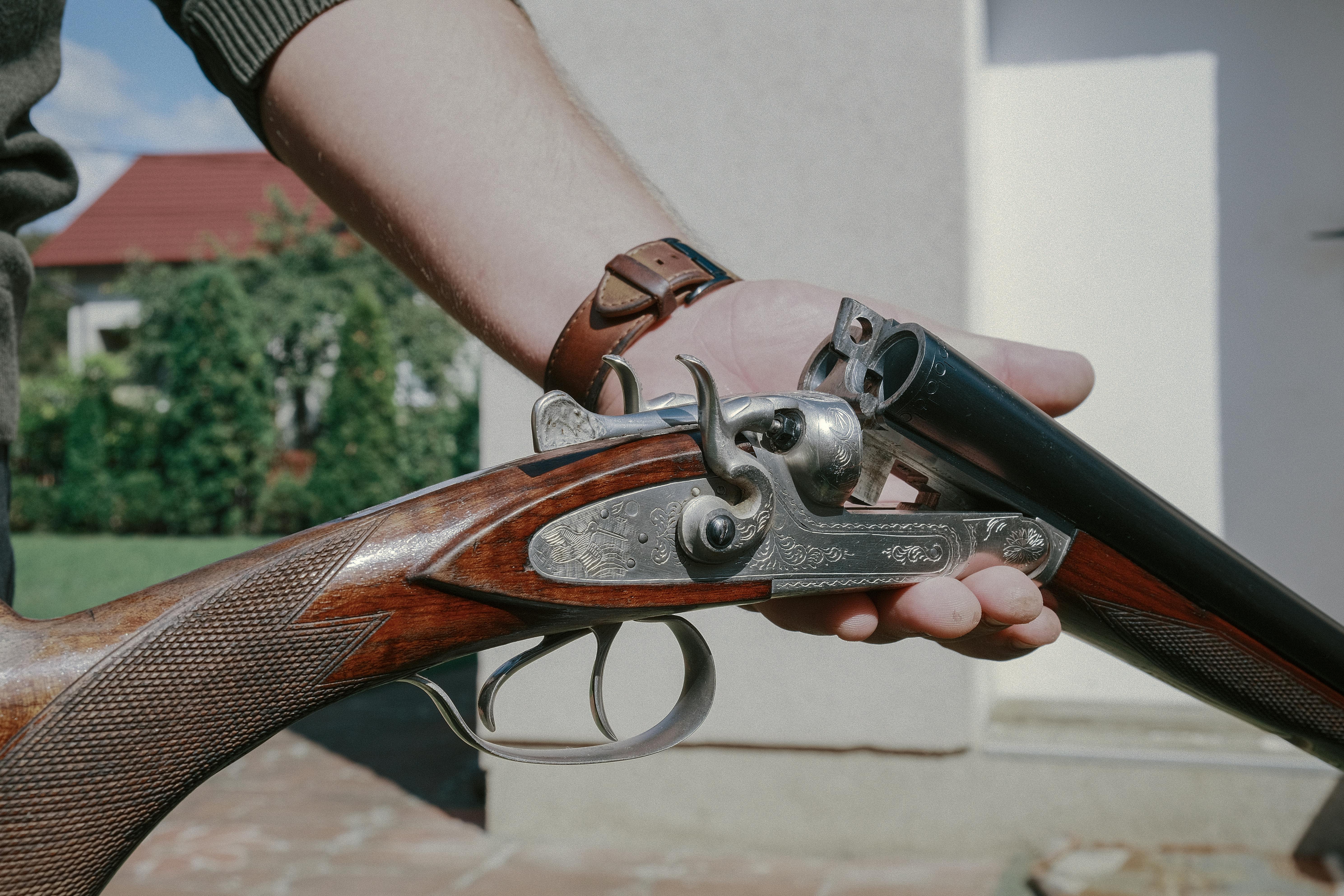
Not every better-performing setup is modern. Plenty of experienced black powder hunters still defend the sidelock and patched round ball for woods ranges where shots are close and handling matters more than raw velocity.
This setup asks more of the hunter, but that is part of the attraction. A properly tuned traditional rifle can load smoothly, carry beautifully, and deliver admirable accuracy inside its intended envelope. Compared with the one-size-fits-all beginner package, the sidelock route is more specialized and more honest about limitations. In the hands of someone who practices, it can be wonderfully effective and deeply satisfying.
Inline set up around a peep sight for legal primitive seasons

In states with tighter equipment rules, experienced hunters often skip the struggle of forcing scope-like precision out of an awkward legal setup. Instead, they embrace a clean, durable peep sight system on a dependable inline and build the rest of the rifle around that reality.
A good peep sight is fast, rugged, and surprisingly precise when paired with a load the rifle truly likes. Hunters who spend time with them often report better practical shooting than with cheap open sights commonly included on starter guns. This setup shines for people who want legal compliance without sacrificing confidence at realistic hunting ranges.
High-end custom inline matched to one exact load and primer

The hunters most obsessed with consistency eventually stop experimenting with everything and commit to one recipe. A custom or semi-custom inline, carefully matched to a specific primer, powder charge, sabot, and bullet, can become astonishingly repeatable when nothing in the system is left to chance.
That is the opposite of the beginner approach, which often mixes random shelf components and hopes for the best. Serious black powder hunters talk about this setup almost like a tuned instrument. It costs more upfront, but the payoff is confidence in ignition, easier troubleshooting, and the kind of accuracy that makes every cold-bore shot feel predictable.