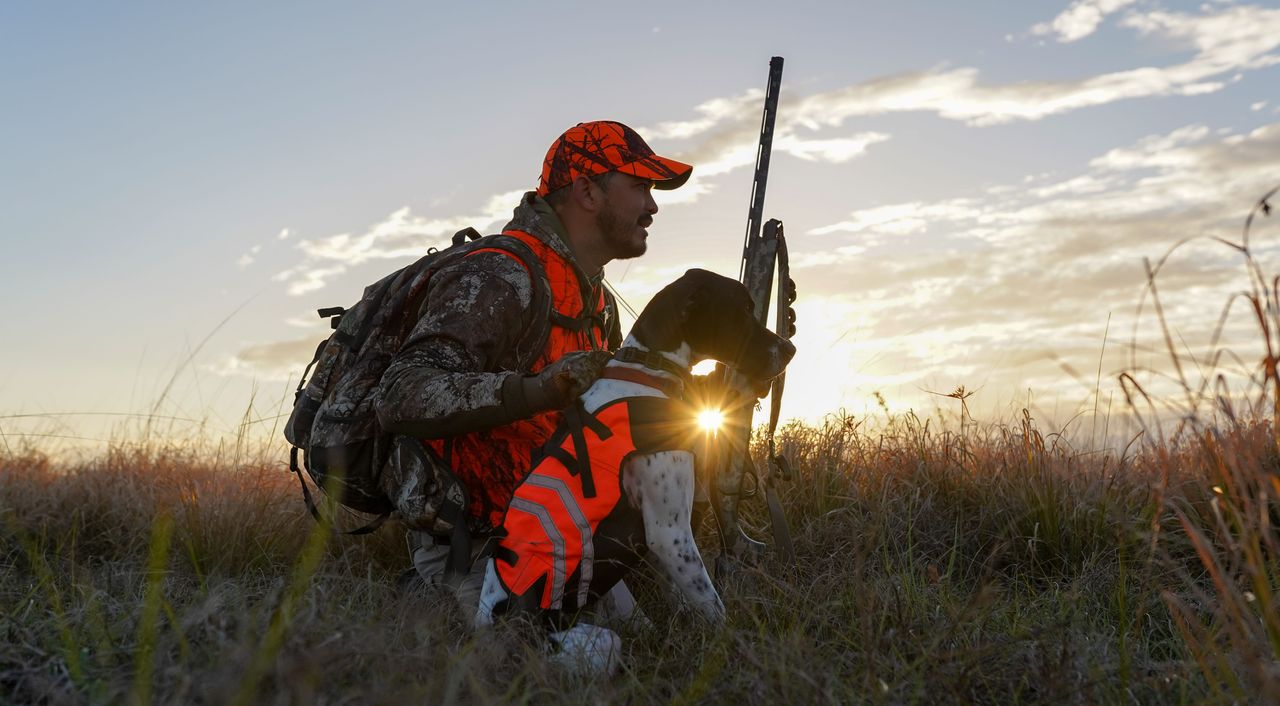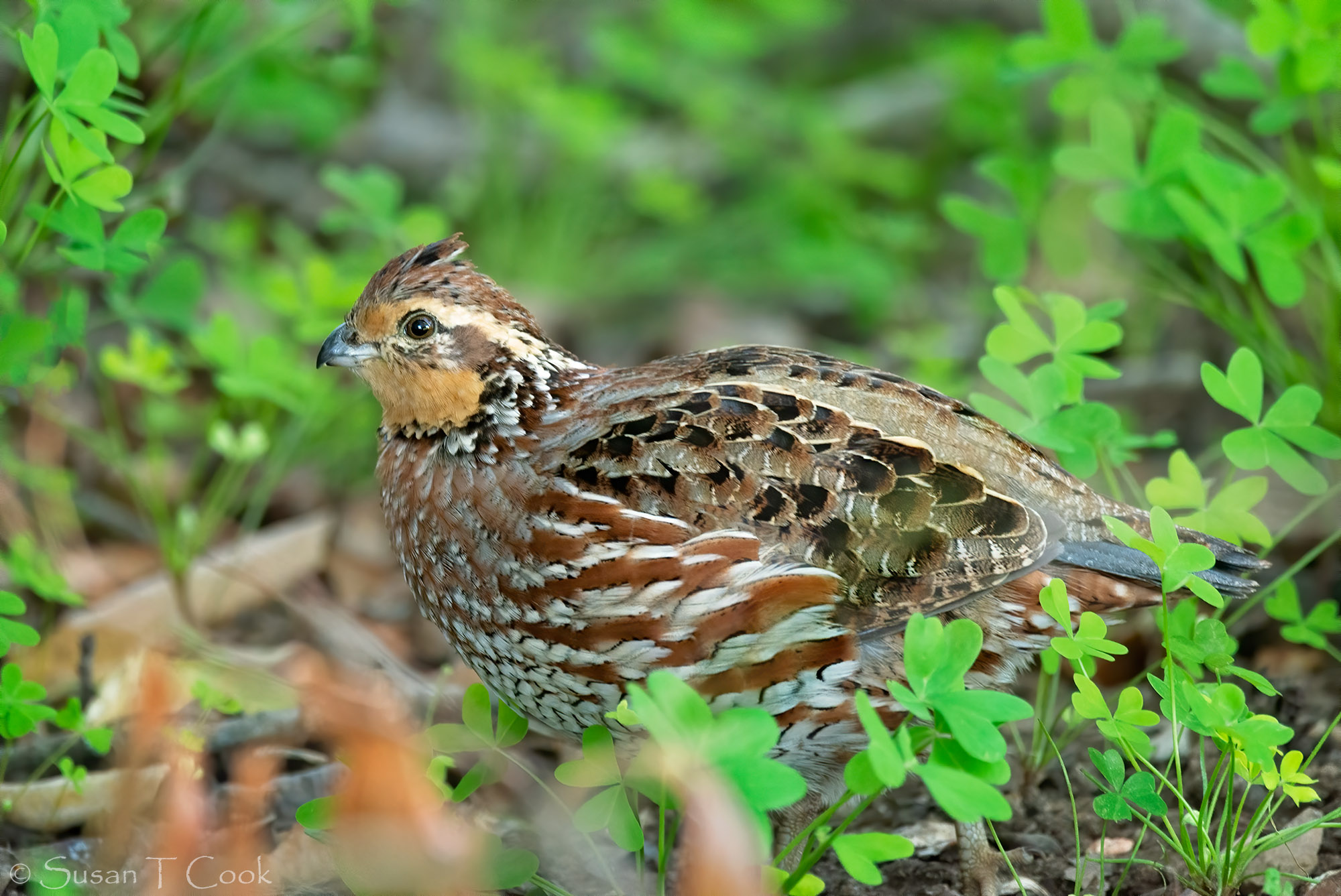
Bobwhite quail hunting once stood as one of the classic introductions to upland hunting, combining walking, shooting, habitat knowledge, and the teamwork of a good bird dog. Today, many new hunters rarely encounter the tradition at all. Declining wild quail populations, disappearing habitat, limited access, and fewer experienced mentors have made the sport harder to discover. For someone entering hunting in the 2020s, bobwhite hunting can seem like a specialized pursuit rather than a common part of the outdoor experience. Here are 7 major reasons it is fading from the radar of a new generation.
1. Wild Bobwhites Are Harder to Find
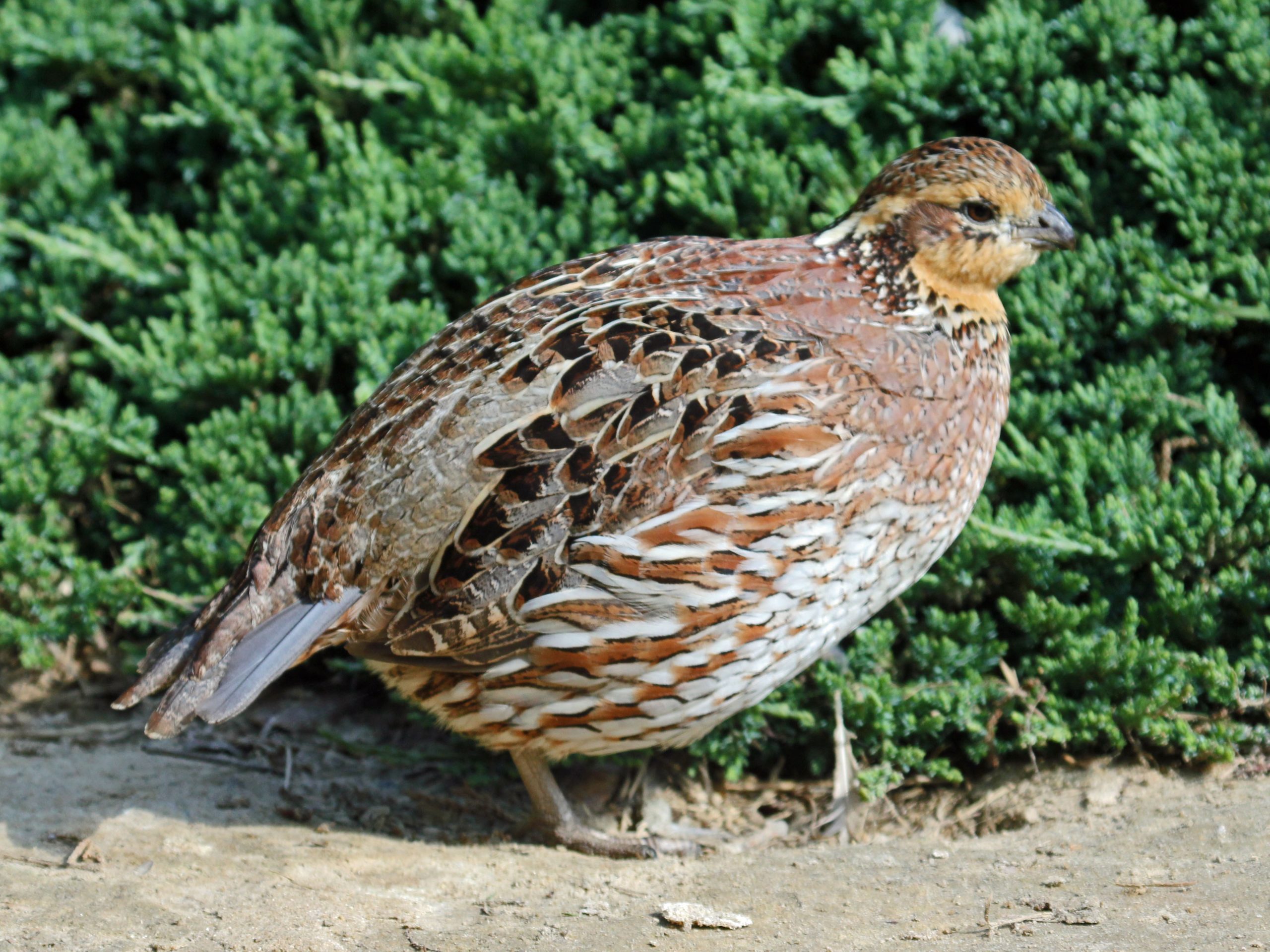
Bobwhite quail hunting once felt like a natural gateway into upland hunting, but fewer young hunters now encounter it. The change is not simply about declining interest. Quail numbers have fallen in many regions, suitable cover has disappeared, and other outdoor pursuits compete for the same weekends. A hunter starting today may also have fewer mentors, fewer birds, and fewer places where a traditional quail hunt still feels easy to experience. Those pressures combine to make bobwhite hunting less visible to a new generation, especially before age 30.
2. Fewer Birds Can Mean Fewer First Experiences
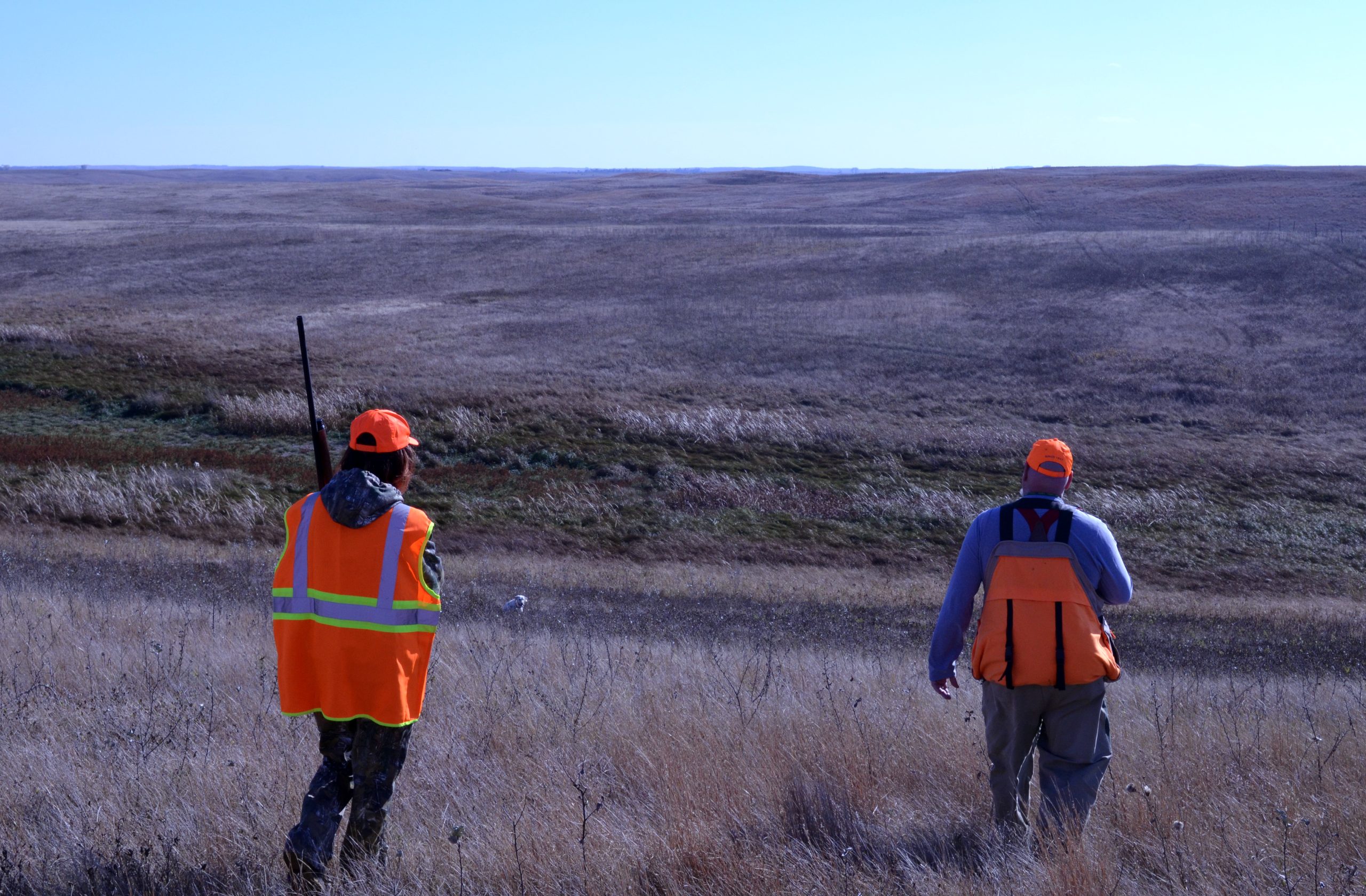
One major problem is that wild bobwhite quail are no longer common across much of their former range. In many areas, changes in farming, grazing, fire management, and development have reduced the brushy cover quail need for food and shelter. When hunters walk several hours and flush only 1 or 2 birds, the experience can feel discouraging compared with species that remain more abundant. Fewer encounters also mean fewer chances for beginners to build confidence and learn the rhythm of a proper covey hunt during a 1-day outing for a first-time hunter.
3. Good Quail Habitat Is Increasingly Difficult to Find
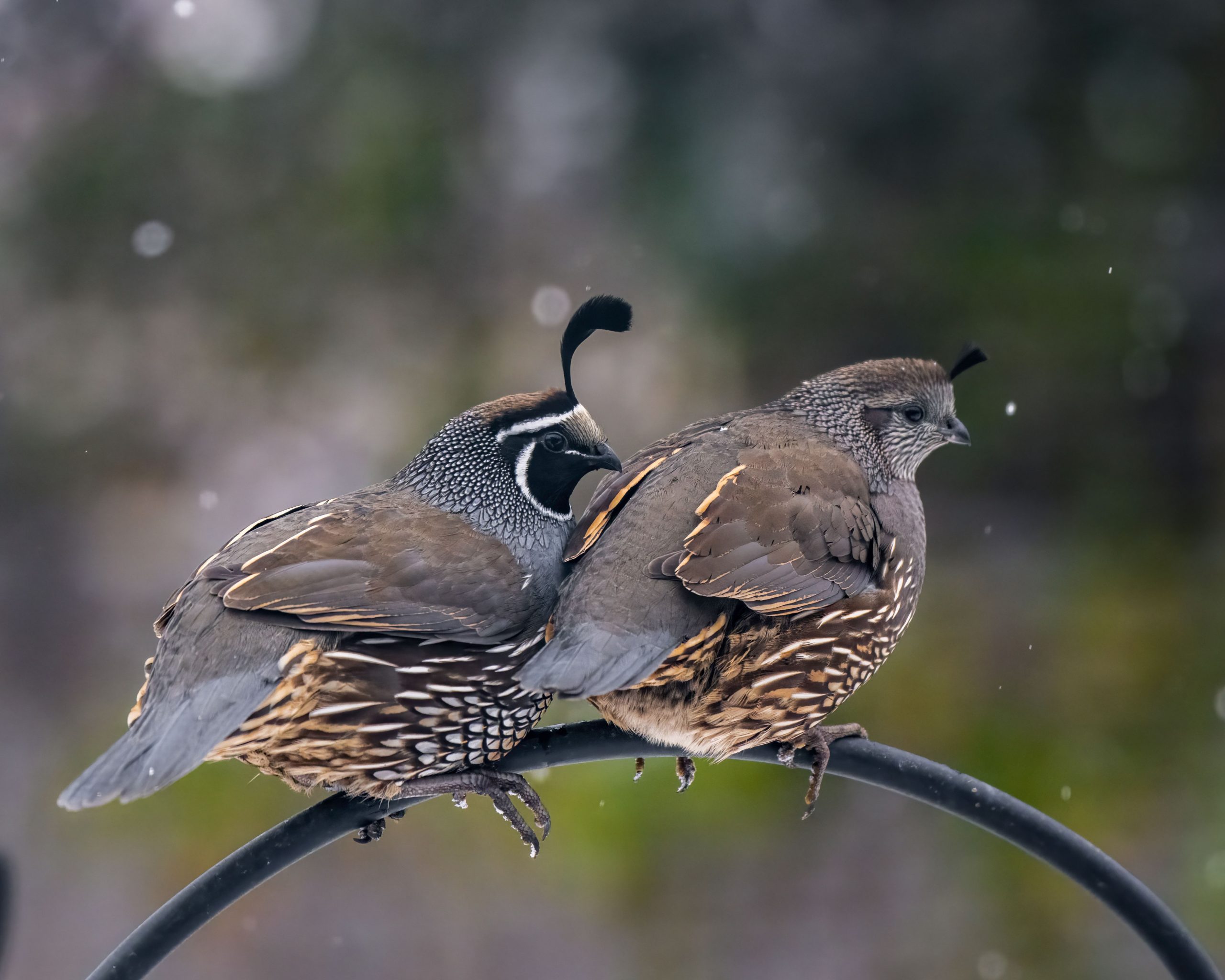
Quail hunting usually depends on habitat that looks messy rather than manicured. Bobwhites need a mix of grasses, weeds, bare ground, shrubs, and low cover close together. Modern fields often become too clean, too wooded, or too developed for that combination to persist. A property may look healthy to a casual observer yet offer little usable quail habitat. For a new hunter, finding productive ground can therefore require more research, permission requests, scouting, and travel than many expect before their first season, sometimes across 2 or 3 properties.
4. The Tradition Often Needs an Experienced Mentor
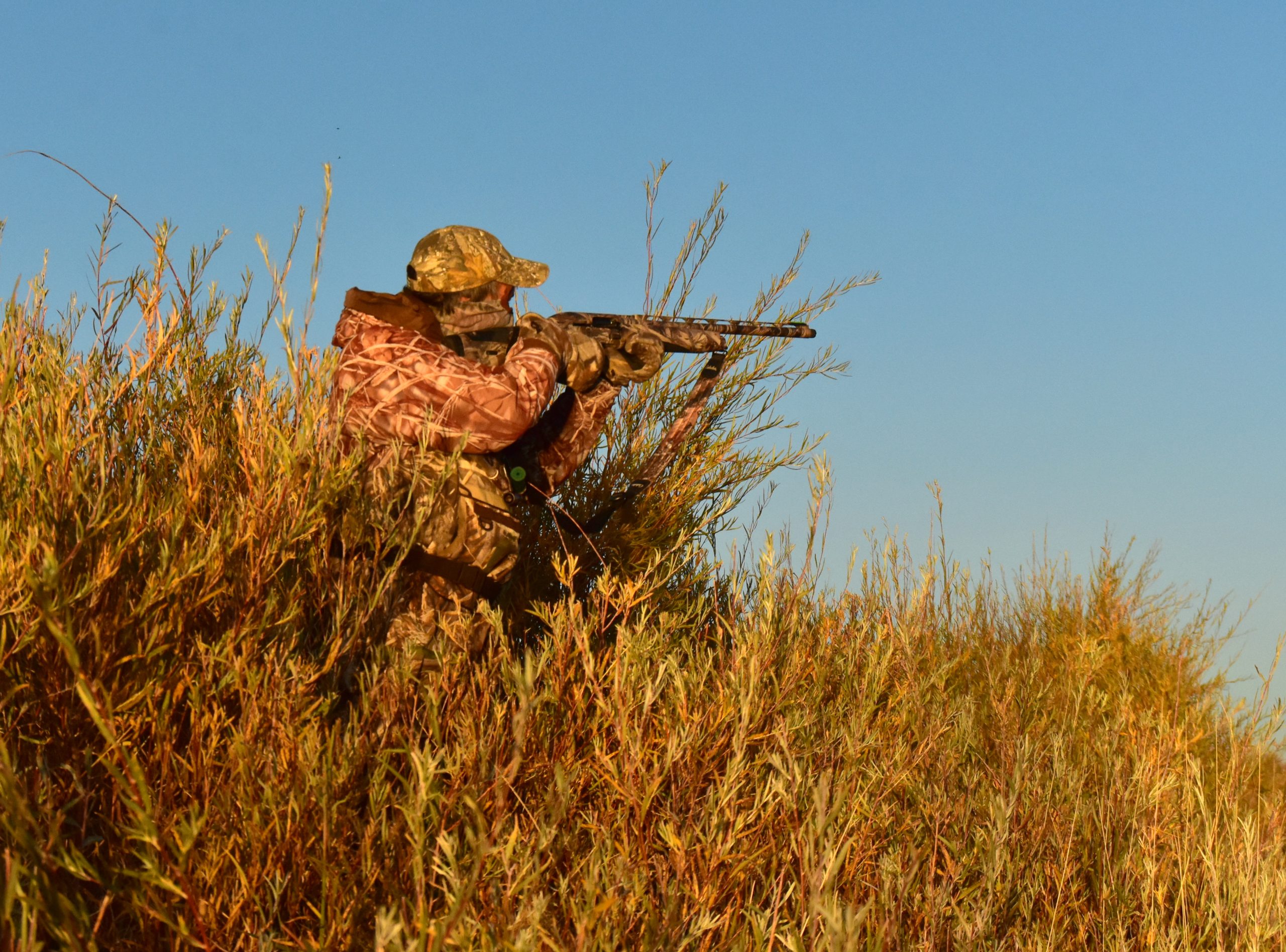
Another reason quail hunting slips off the radar is that it can require guidance. Experienced hunters know how to read tracks, listen for covey calls, work likely cover, handle a flushing bird, and keep dogs effective without crowding them. A beginner who has never hunted quail may not know where to start or whom to ask. If local clubs lose older members faster than younger hunters join, valuable knowledge can disappear with them. That creates a cycle where fewer newcomers discover the tradition each year, leaving a gap of 10 or more years in local experience.
5. Quail Hunting Can Demand More Time Than Beginners Have
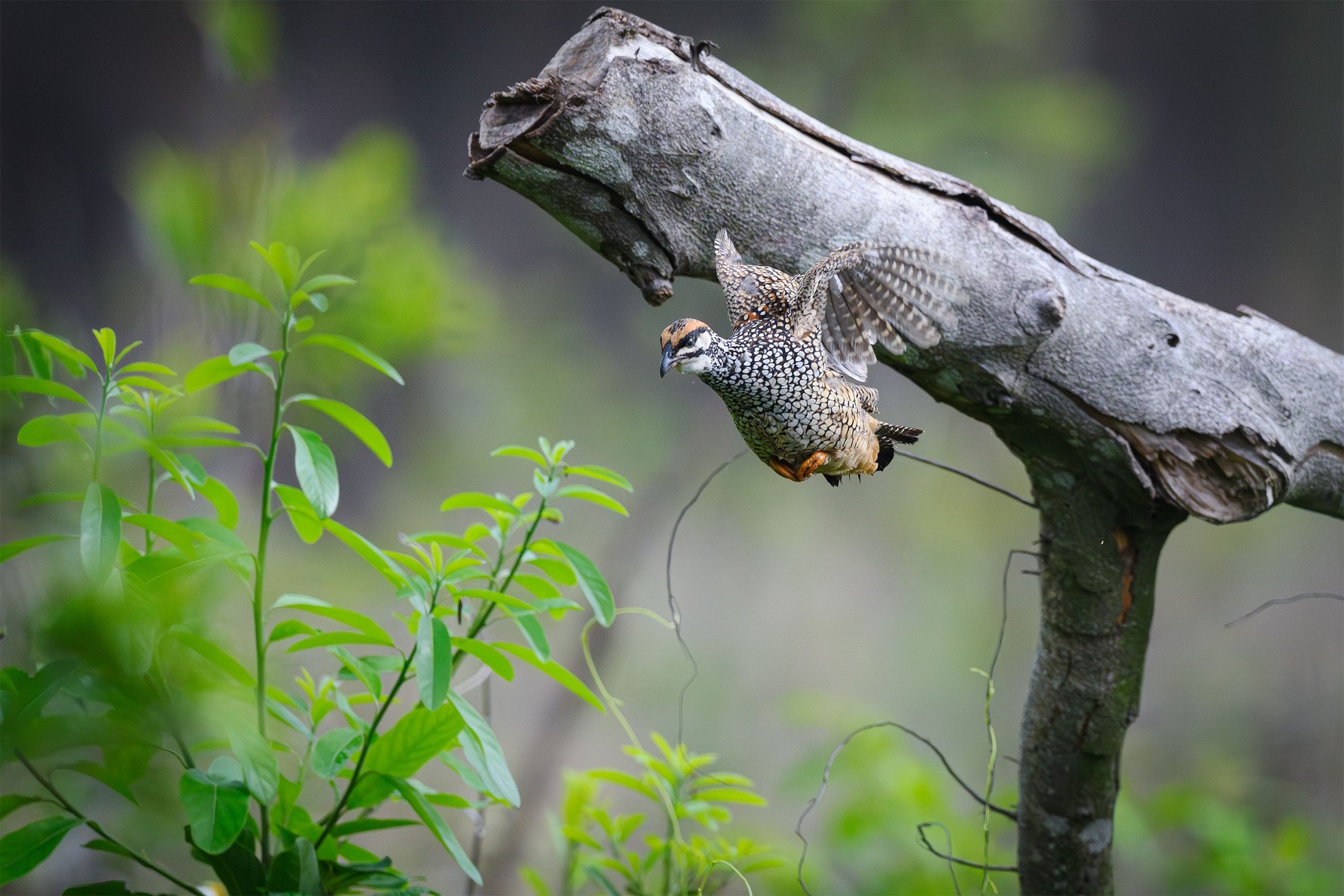
Time is another serious obstacle for modern hunters. A successful quail outing may involve scouting, securing access, maintaining dogs, traveling to suitable cover, and spending several hours in the field. A hunter with only 2 free days each month may choose deer, waterfowl, or other pursuits that offer a more predictable return. Quail hunting can be especially demanding when wild birds are scarce. The effort remains rewarding for committed hunters, but the time investment can make the tradition harder to attract beginners who have limited weekends available.
6. Bird Dogs Add a Major Commitment
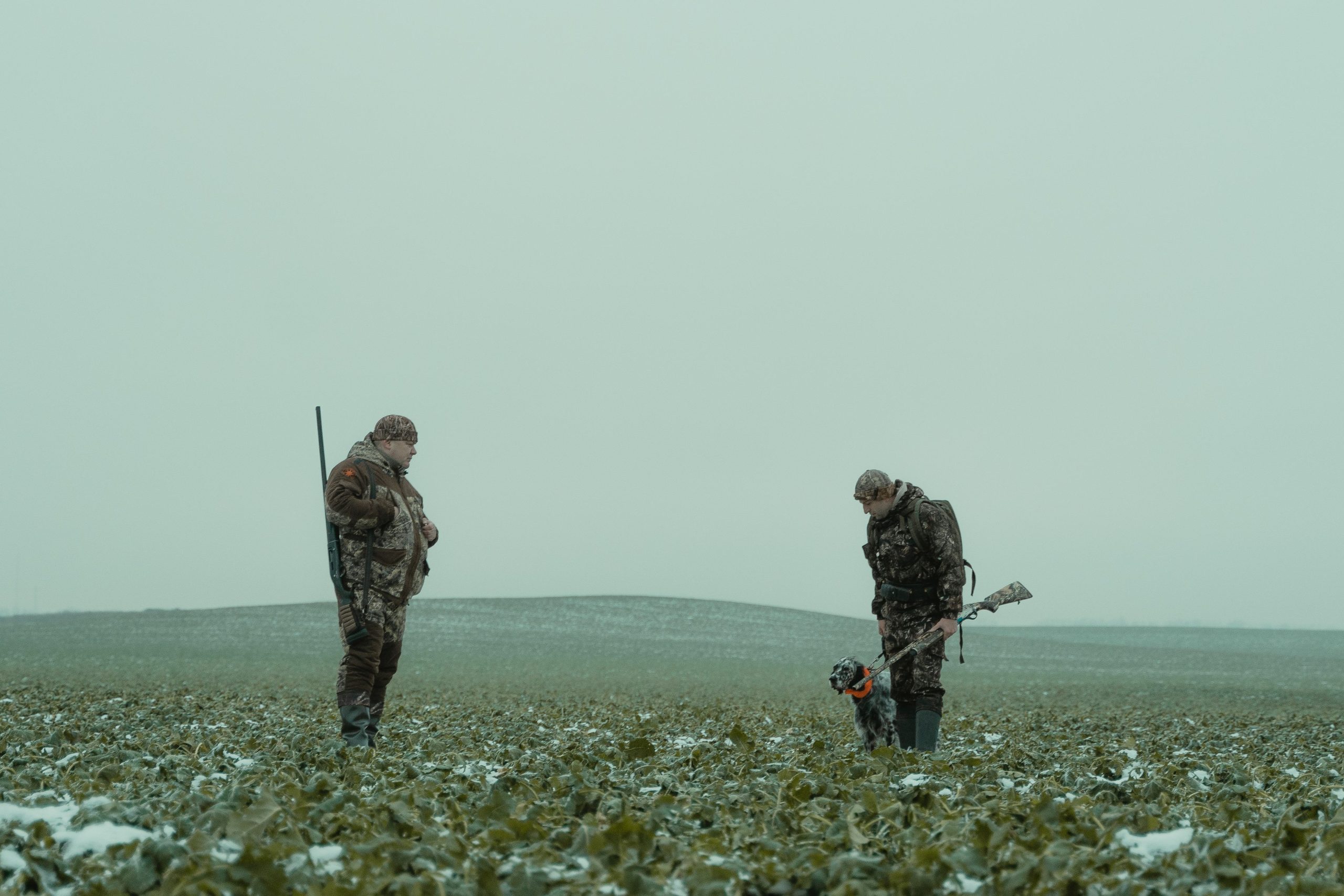
Dogs are deeply connected to the classic bobwhite experience, yet owning and maintaining a bird dog adds another layer of commitment. Feeding, training, veterinary care, transportation, and regular conditioning all require money and time. A beginner may hesitate to spend hundreds or thousands of dollars on a dog before knowing whether quail hunting will become a lasting hobby. Guided hunts can provide an introduction, but they may not be affordable or available nearby. That practical barrier can keep curious newcomers from ever trying the sport, even once.
7. Fewer Families Are Passing the Tradition Down
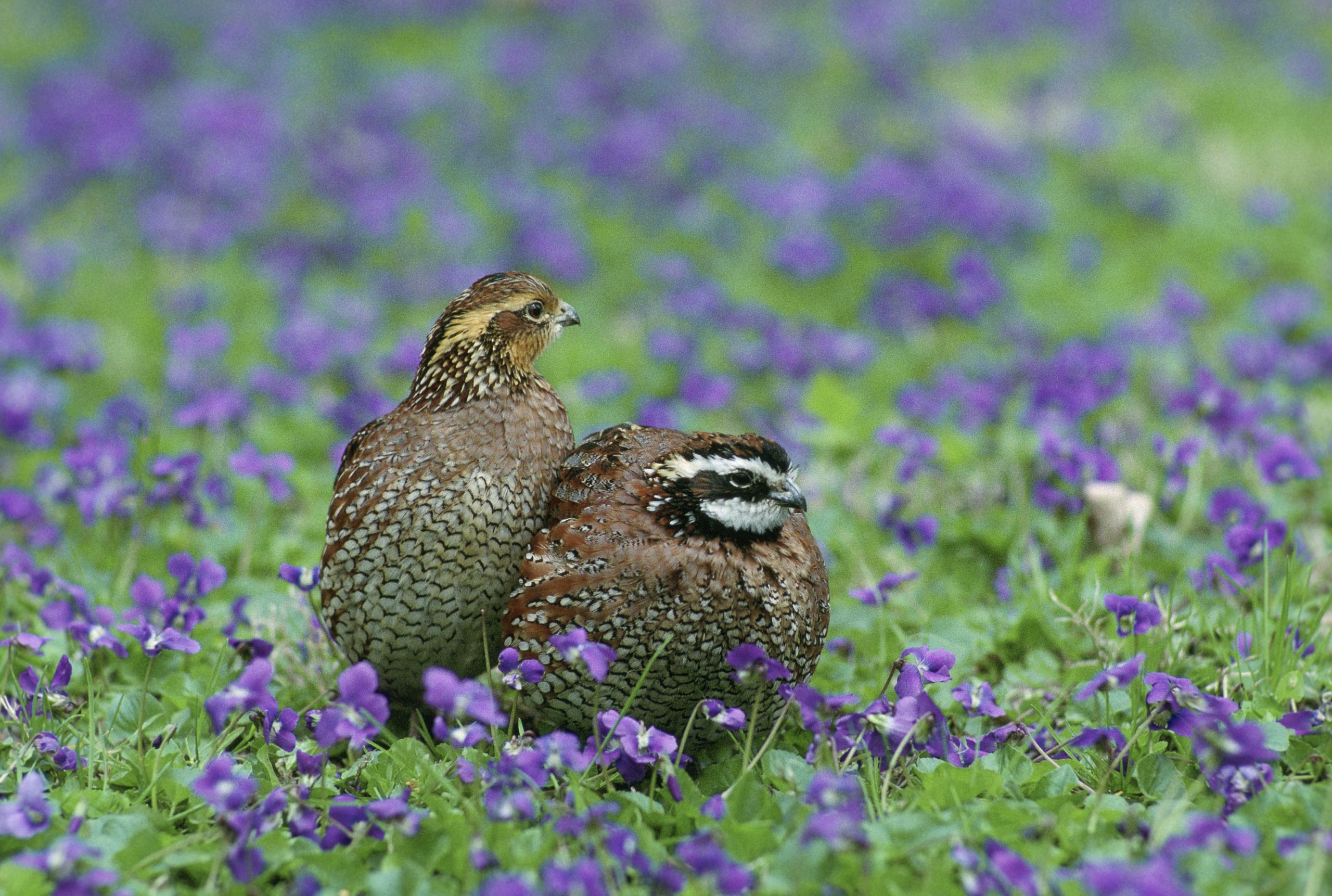
Changing outdoor culture also plays a role in bobwhite hunting’s fading visibility. New hunters often discover shooting through deer hunting, waterfowl, target ranges, online videos, or modern sporting events rather than through traditional quail camps. When wild coveys are harder to find, fewer families pass down quail traditions from one generation to the next. Even a 10-year gap between generations can weaken that connection. Without accessible mentors, habitat, and affordable opportunities, bobwhite hunting can remain a respected tradition that many young hunters simply never encounter.