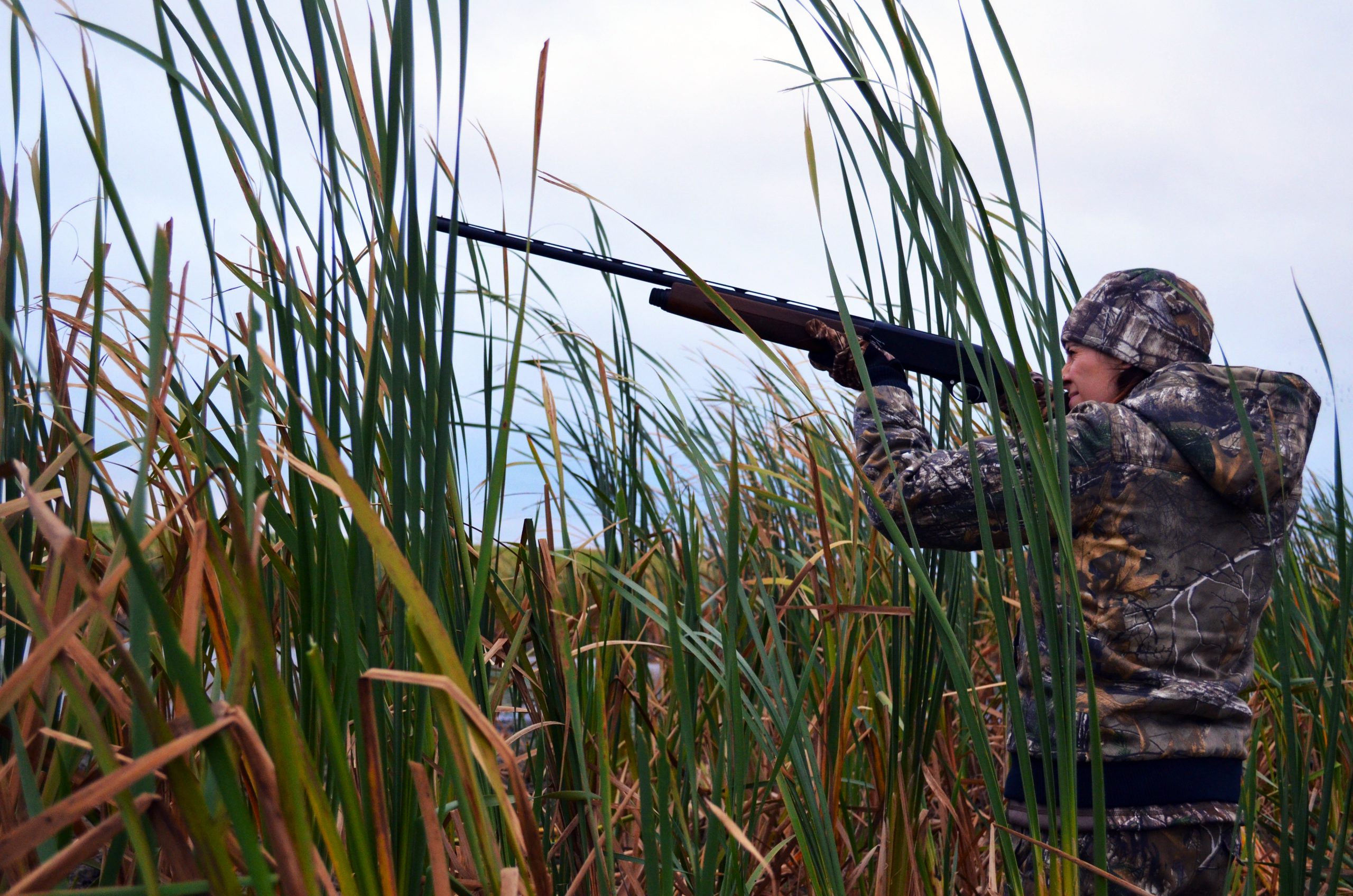
Environmental concerns have changed hunting ammunition more than many shooters realize. What began with worries about lead poisoning in waterfowl gradually expanded into new shot materials, lead-free bullets, and ammunition designed for areas with special wildlife protections. Steel, bismuth, tungsten, and copper are now established alternatives, while some hunters have had to rethink familiar calibers because suitable nonlead loads are not always easy to find. These changes have affected ammunition choices, regulations, availability, and even how hunters prepare older firearms for modern loads.
1. Steel Shot
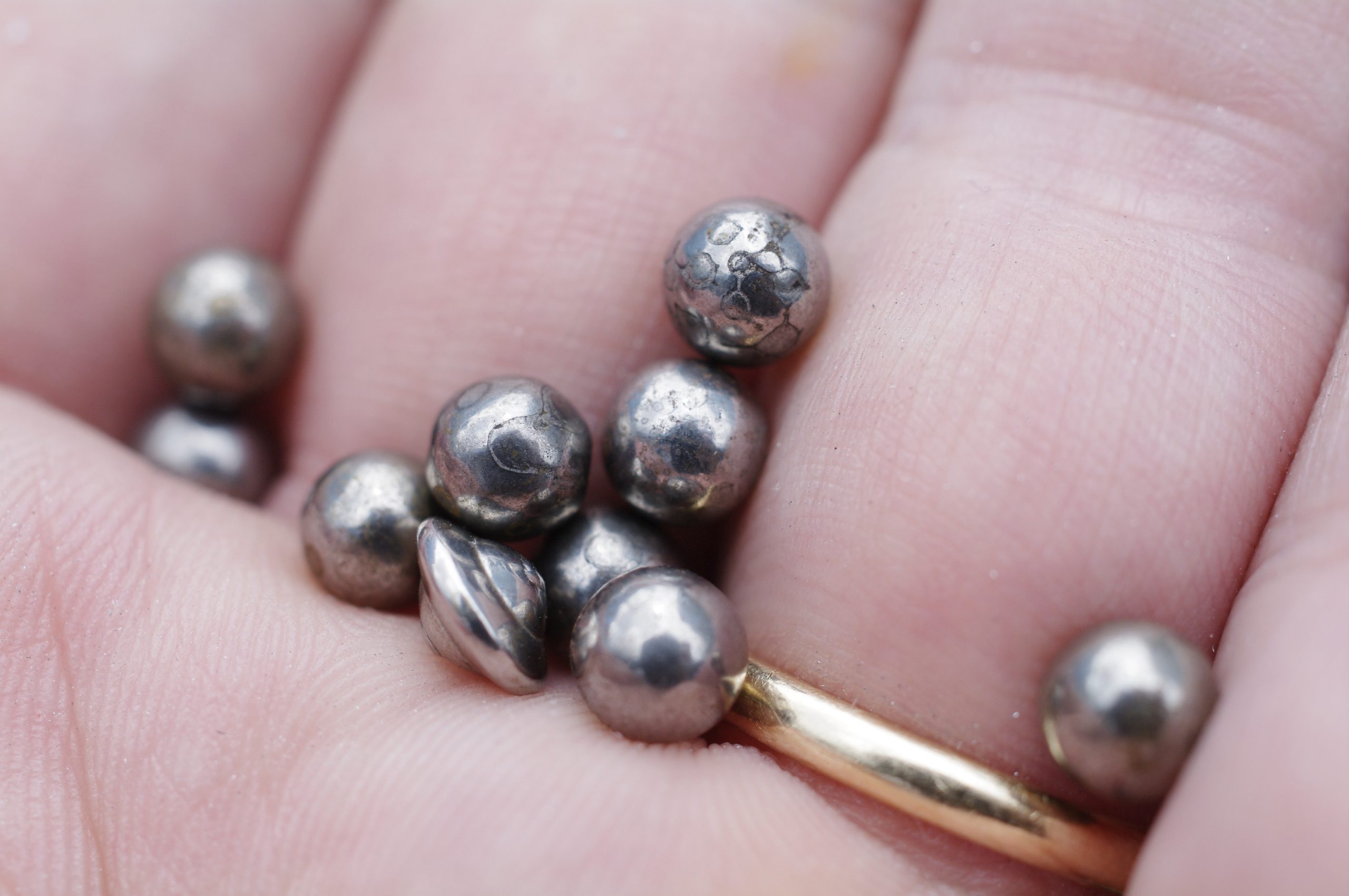
Steel shot became one of the biggest ammunition changes in modern waterfowl hunting after concerns about lead poisoning moved from research into regulation. The U.S. began phasing out lead shot for waterfowl in the 1980s, and the nationwide requirement took effect in 1991. Steel became the familiar alternative, but its lower density changed how hunters viewed pellet size and patterning. Today, federal rules still require approved nontoxic shot for ducks, geese, swans, and coots, while several other materials have joined steel. The shift turned an environmental concern into a permanent part of waterfowl ammunition selection.
2. Bismuth-Tin Shot
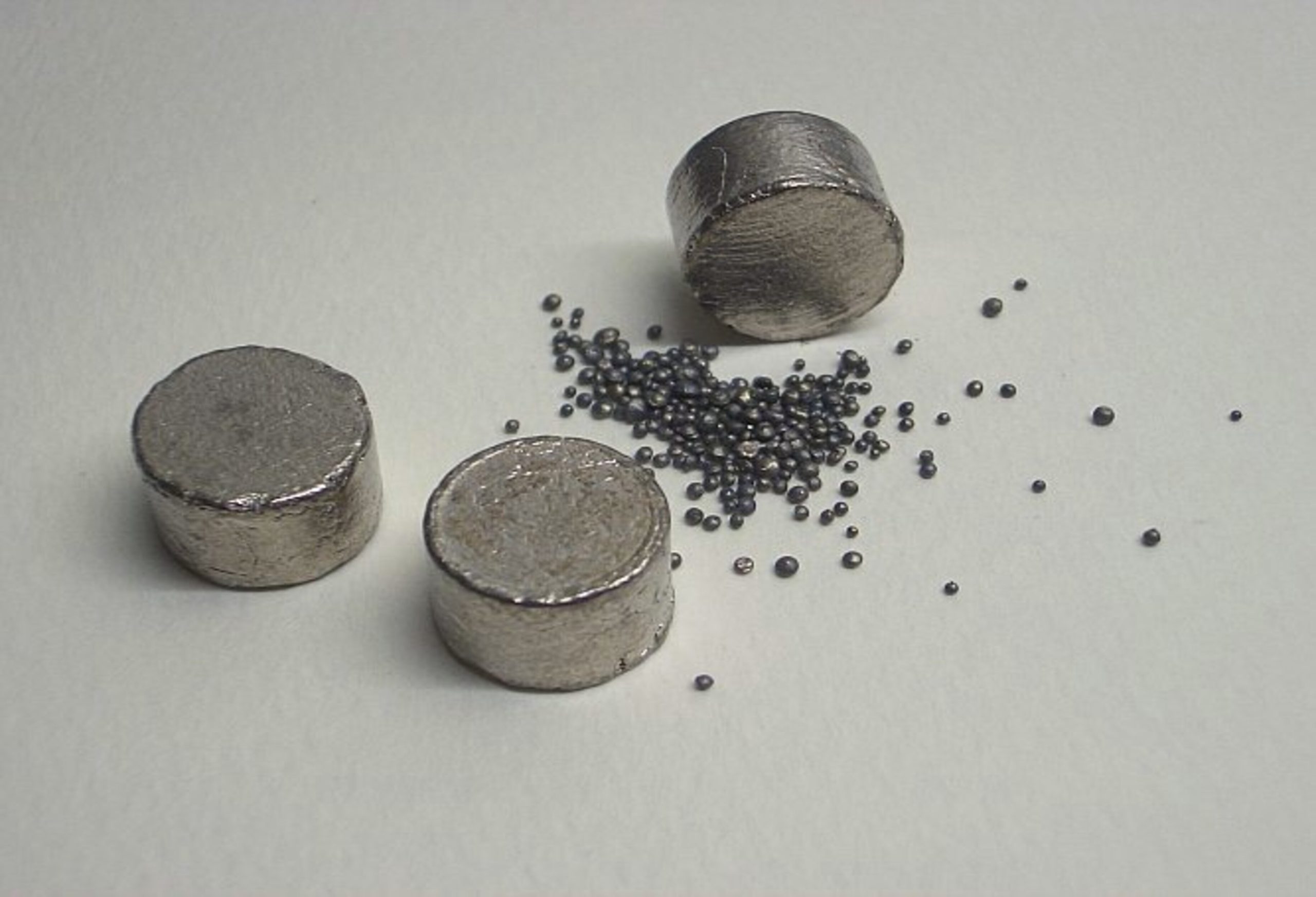
Bismuth-tin shot emerged as hunters looked for a nontoxic option that behaved differently from steel. The U.S. Fish and Wildlife Service lists bismuth-tin as an approved nontoxic shot, with the specified composition being 97% bismuth and 3% tin. Its arrival mattered because hunters were no longer limited to a single replacement for lead. Bismuth is denser than steel, giving manufacturers another route for designing hunting loads. The material has become especially interesting for hunters using older shotguns, although ammunition and firearm compatibility still need to be checked before a hunt.
3. Tungsten Shot

Tungsten shot represents another major step in the move away from traditional lead pellets. The material attracted attention because manufacturers could create dense hunting loads without using lead, and federal authorities have approved several tungsten-based formulations for waterfowl hunting. In 2006, the U.S. Fish and Wildlife Service added 4 new nontoxic shot types, including tungsten-iron-copper-nickel and tungsten-tin-iron mixtures. That expansion showed how quickly ammunition makers were moving beyond simple steel replacements. Today, tungsten remains one of the more specialized choices for hunters seeking dense pellets under nontoxic ammunition rules.
4. Copper-Clad Iron Shot

Copper-clad iron shot developed as another way to combine an iron core with a different exterior material while remaining within approved nontoxic ammunition standards. Federal rules list copper-clad iron among approved shot types, with the composition allowing an iron core and copper cladding. The important change was not simply replacing one metal with another, but giving manufacturers another way to engineer pellet behavior while avoiding lead. Its inclusion alongside steel, bismuth, and tungsten options shows how environmental concerns pushed shotgun ammunition toward a much broader materials market than existed several decades ago.
5. Tungsten-Iron-Nickel Shot

Tungsten-iron-nickel shot is one of the more unusual products created as ammunition manufacturers searched for alternatives to lead. The federal approval list permits formulations containing tungsten and iron with nickel, providing manufacturers flexibility in how the pellets are constructed. The U.S. Fish and Wildlife Service approved several new nontoxic formulations in 2006, expanding the number of choices available to waterfowl hunters. This matters because environmental regulations did not simply create a single replacement material. Instead, they encouraged ammunition companies to experiment with different metal combinations, densities, and manufacturing approaches.
6. Tungsten-Polymer Shot

Tungsten-polymer shot represents another unusual response to the demand for nontoxic ammunition. Unlike conventional steel, these loads use tungsten combined with a polymer-based material, creating a completely different approach to pellet construction. Federal guidance has included tungsten-polymer among approved alternatives for waterfowl applications. The development is significant because the environmental transition opened the door to ammunition designs that would have been unnecessary when lead dominated the market. Hunters now encounter several approved material families rather than one universal substitute, although the exact product, firearm, and hunting regulations still need to be checked before use.
7. Copper Centerfire Bullets
Copper centerfire bullets became increasingly important as concerns about lead fragments in game animals and scavenging wildlife expanded beyond wetlands. California eventually required nonlead ammunition for taking wildlife with firearms statewide, with full implementation required by July 1, 2019. Most nonlead hunting bullets used by American hunters are copper-based, although designs vary between manufacturers. The change means hunters may now compare traditional lead-core bullets with monolithic copper projectiles when selecting ammunition. In places with nonlead requirements, the question is no longer simply which bullet shoots accurately, but whether the exact load is legally certified.
8. Nonlead .22 Rimfire Ammunition

The .22 Long Rifle shows that environmental ammunition changes are not limited to big-game cartridges. Nonlead rimfire ammunition has become a particular concern in California because .22 LR is widely used for small-animal control and hunting. A 2026 California Fish and Wildlife Journal article noted that 2 manufacturers, CCI and Norma, discontinued their nonlead .22 LR products in early 2024, leaving a temporary availability problem. The same report found that 177 of 213 surveyed local hunters, or 83%, regularly used .22 LR. That combination of popularity and limited nonlead supply makes this small cartridge unusually important.
9. Tungsten-Tin-Iron Shot
Tungsten-tin-iron shot illustrates how far nontoxic ammunition development has moved from the original steel-shot transition. The U.S. Fish and Wildlife Service approved a formulation containing 58% tungsten, 38% tin, and 4% iron in 2006. The approval was part of a broader expansion that added 4 new nontoxic shot formulations that year. Instead of simply accepting the limitations of the first lead replacement, ammunition makers developed increasingly varied combinations of metals. For hunters, that means environmental regulation helped create an ammunition market where pellet composition itself can become an important consideration when selecting a legal load.