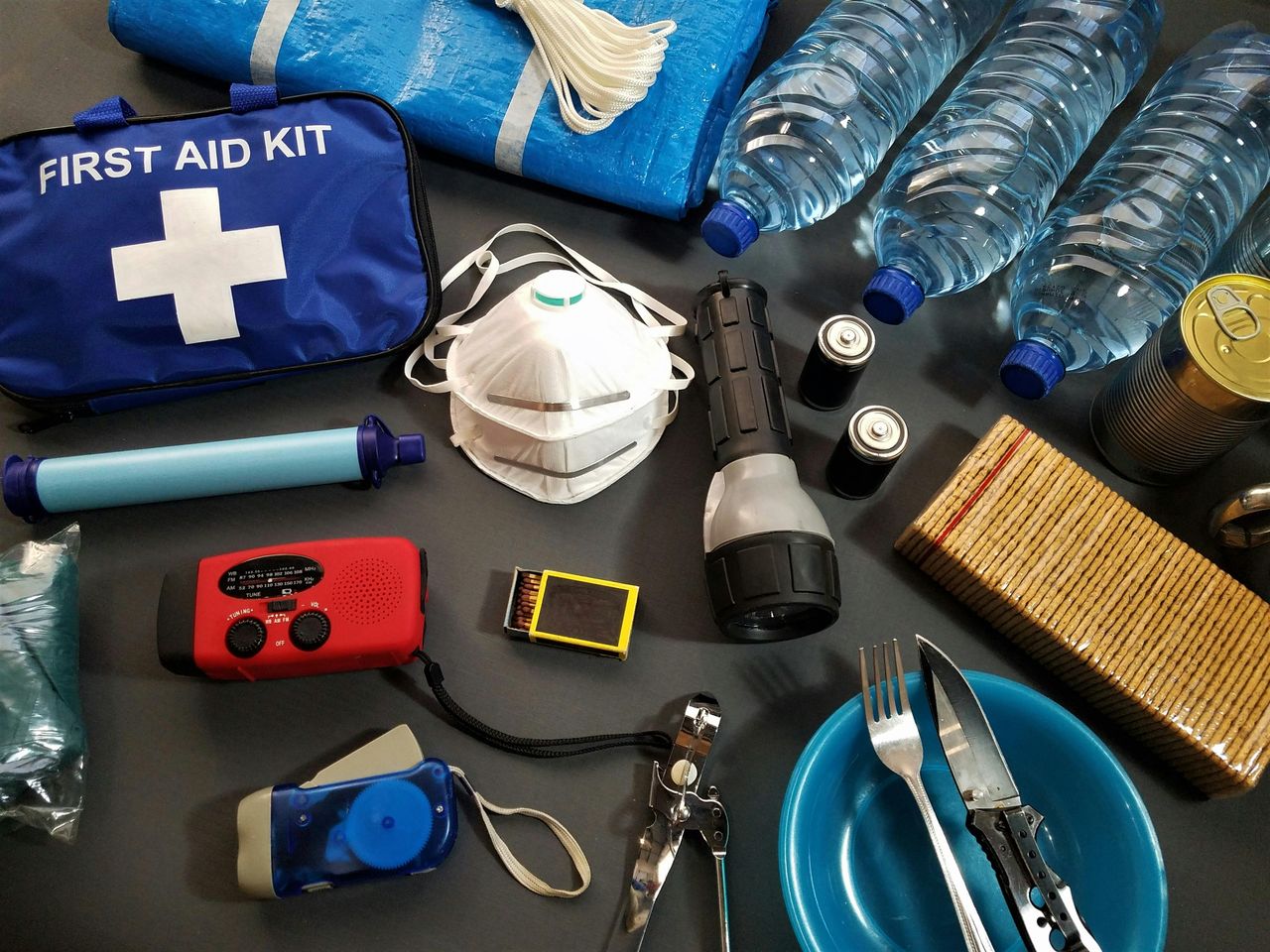
When people imagine emergency shortages, they usually think about the dramatic stuff first. But ask anyone who has stretched supplies beyond a few days, and the real pain points are often ordinary items that disappear quietly and fast. This gallery looks at seven common stockpile staples that seem abundant at first, then become week-two problems when routines, hygiene, and basic comfort start wearing down your reserve.
Batteries
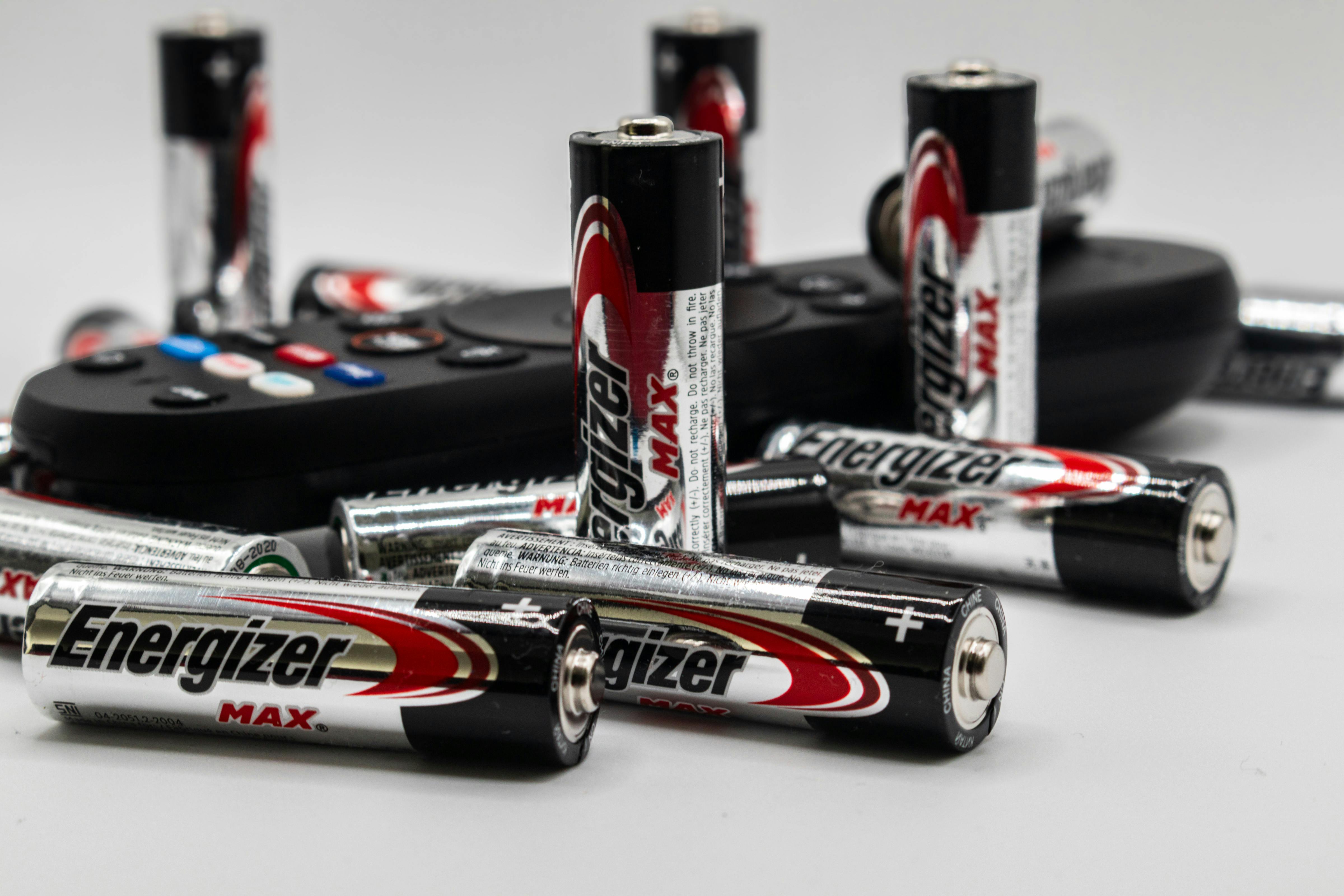
Batteries feel like a smart first buy because they are easy to stack, easy to store, and connected to almost every emergency checklist people have ever seen. The problem is that beginners often count pieces, not usage. A drawer full of AAs looks impressive until flashlights, lanterns, radios, thermometers, and kids’ comfort items all start pulling from the same stash.
Experienced preppers know week two is when battery math gets real. Devices get used longer than expected, rechargeable backups need their own power plan, and people suddenly notice how many essentials still depend on disposable cells. It is not the number you own that matters most. It is how fast your household burns through them once the outage stops feeling temporary.
Wet Wipes

Wet wipes seem like a comfort purchase until they become a sanitation system. In the first few days, people use them freely for hands, faces, counters, quick cleanups, and the kind of makeshift bathing that feels manageable when water is limited. That convenience hides how quickly a bulk pack shrinks once every mess gets solved with another pull from the top.
By week two, experienced preppers are far more careful. They know wipes become substitute sink, shower, and laundry all at once, especially if water pressure is unreliable or hot water is gone. What looked like an oversized case suddenly has a countdown attached to it. Hygiene fatigue sets in fast when your easiest cleanup option starts running low.
Propane Canisters

Small propane canisters disappear faster than most people expect because they get assigned too many jobs. One camp stove meal here, a pot of coffee there, maybe some boiling water for dishes or instant food, and suddenly a canister that seemed built for emergencies is already half gone. Beginners often buy fuel with weekend camping in mind, not two weeks of repeated daily use.
Seasoned preppers think in burn time, not canister count. They know cold weather, wind, and longer simmering meals can eat through fuel reserves with surprising speed. Week two is usually when people realize they planned food storage more carefully than cooking fuel. A pantry full of shelf-stable meals is far less comforting when the flame supply is fading.
Dish Soap

Dish soap rarely gets attention in glamorous preparedness talk, but it becomes one of the most quietly valuable supplies in a household. It cleans cookware, cups, utensils, food containers, cutting surfaces, and hands in a pinch. When water is limited, people tend to use more soap per wash because they are trying to make fewer cleaning sessions count.
That is why experienced preppers watch it closely. By week two, greasy pans, reused dishes, and improvised washing stations can chew through a bottle much faster than normal life would suggest. The issue is not just cleanliness. It is morale. Eating from sticky cookware and trying to cook in yesterday’s residue makes a hard situation feel even harder, and that is exactly the kind of friction that builds over time.
Trash Bags
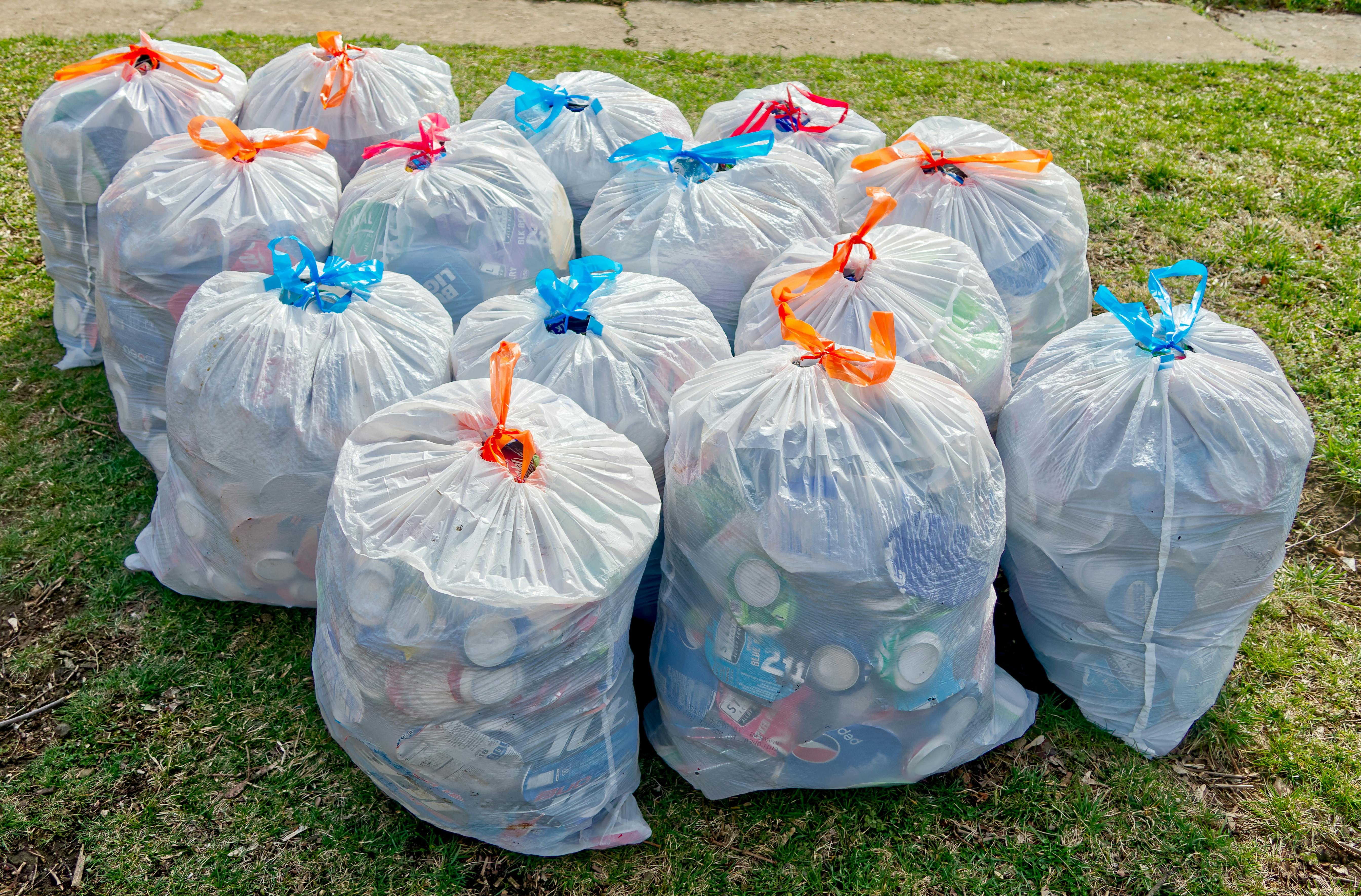
Trash bags seem almost impossible to underestimate until you live without normal pickup, normal cleanup, and normal plumbing confidence. People reach for them constantly. They handle garbage, food scraps, wet clothing, broken packaging, improvised toilet liners, leak control, and separation of clean items from dirty ones. A box that usually lasts months can start thinning out in a matter of days.
Veteran preppers know this is not just about waste. It is about containment, odor, sanitation, and keeping a cramped living space functional when routines are fraying. By week two, the household that stocked canned food but skimped on heavy-duty bags starts feeling every mistake. Storage matters, but disposal matters too, especially when nothing can simply be taken out and forgotten.
Prescription Refills and OTC Medicine
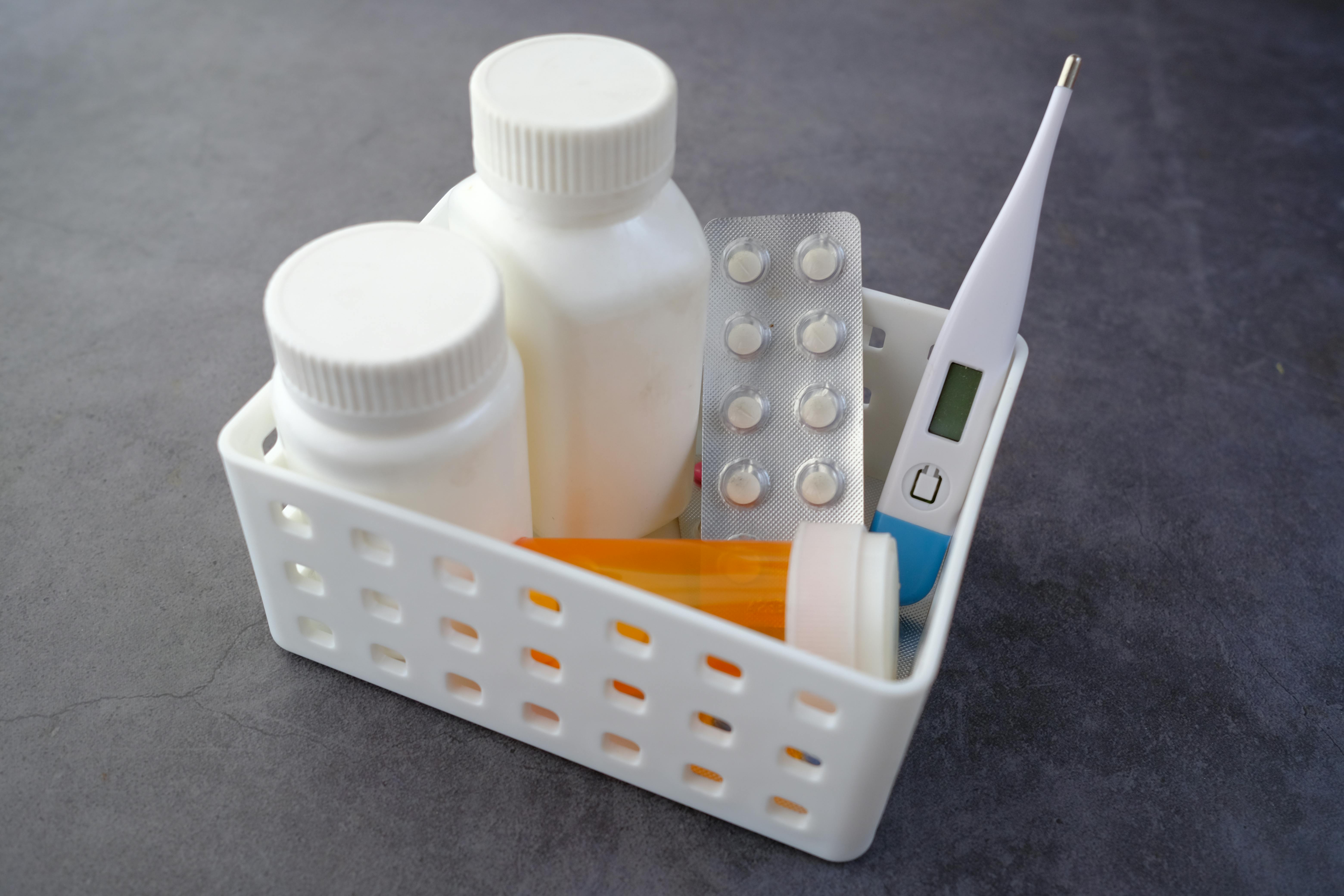
Medicine is often stockpiled with a false sense of precision. People know how many pills or tablets they have, so they assume the supply is under control. But real life adds variables fast. Stress can trigger headaches, stomach issues, allergies, and sleep problems. Minor injuries and cold symptoms become a bigger deal when clinics, deliveries, or regular pharmacy trips are harder to access.
Experienced preppers worry about week two because that is when the backup bottle stops feeling like backup. Daily prescriptions edge toward refill dates, pain relievers vanish into constant low-level use, and the household suddenly notices who forgot to rotate supplies. This category runs out quietly, then all at once. It is one of the clearest examples of preparedness being less about drama and more about routine continuity.
Patience for Comfort Foods
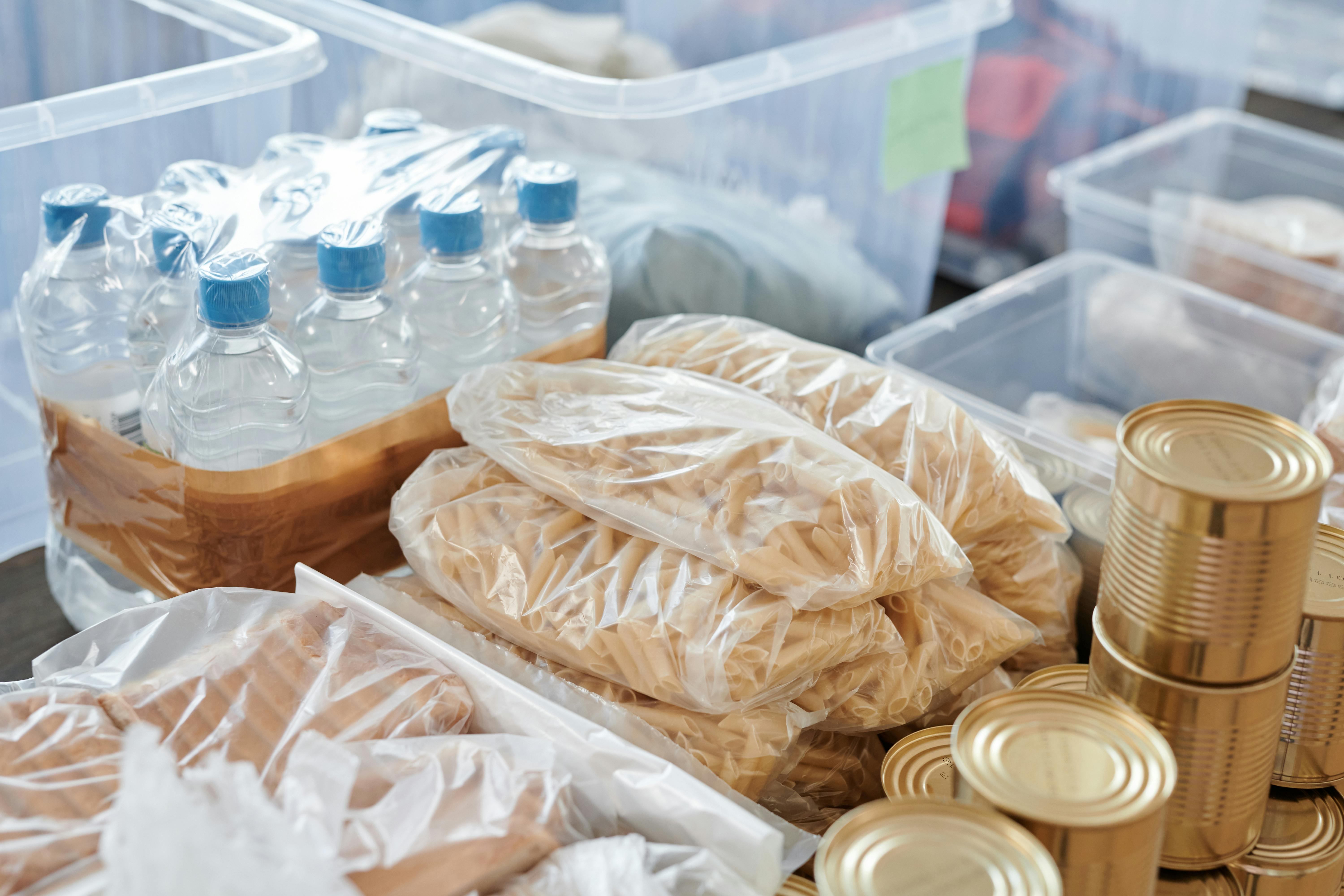
This last shortage is not exactly an item, but experienced preppers plan for it anyway because it changes consumption. In week one, people are often disciplined and a little adrenaline-powered. By week two, the novelty is gone, stress is louder, and everyone starts reaching for the easy calories, the sweet snacks, the caffeinated drinks, and the familiar foods that make the day feel normal.
That shift burns through popular stockpile items faster than expected. Instant noodles, crackers, peanut butter, coffee, drink mixes, and candy stop being occasional morale boosters and become daily emotional anchors. Seasoned preppers know appetite is not just hunger. It is boredom, stress, and comfort all tangled together. If you only plan for calories, you may miss what your household actually craves when resilience gets tested.