Some rifle brands sell tradition. Christensen Arms sold a new material and changed the conversation.
Long before carbon fiber barrels became common display pieces at gun counters and trade shows, Christensen Arms made them the center of its identity.
The company started with aerospace thinking, not a gun industry habit
The Christensen Arms story makes more sense when you start outside the firearms world. Founder Roland Christensen came from a carbon fiber background tied to aircraft and space structures, where the material’s value was already obvious: high strength, low weight, and impressive rigidity. According to the company’s own history, that experience shaped the original idea of applying composites to rifle design in rural Utah during the early 1990s.
That timing mattered. In 1993, Christensen was already pushing the concept of a steel barrel wrapped in carbon fiber, and by 1995, the company had formally launched. Christensen Arms says its first big breakthrough was turning that composite know-how into carbon-wrapped .22 LR barrels, then proving the concept in centerfire hunting rifles soon after.
What made that origin story powerful was that it was believable. This was not a marketing department borrowing aerospace language because it sounded premium. The company was genuinely built around composites first, then firearms second. That gave Christensen Arms credibility in a market where gimmicks usually die fast.
It also gave the brand a clean narrative that consumers could repeat easily. Lighter rifle, same confidence, better carry weight. In the hunting world, where ounces matter on mountainsides more than they do on a benchrest line, that message landed quickly.
Carbon fiber barrels solved a problem hunters immediately understood

A lot of firearm innovation sounds impressive, but it answers a question nobody asked. Christensen Arms had better luck because the practical benefit was instantly clear. Hunters have always wanted rifles that are easier to carry without giving up accuracy, and carbon fiber barrels gave the company a way to promise exactly that.
The basic idea was straightforward. Use a steel core where it counts, then wrap it in carbon fiber to reduce weight while maintaining stiffness. Christensen Arms has long described the design as a way to cut barrel weight while preserving rigidity and helping manage heat, and that combination became the backbone of its pitch to backcountry hunters.
The appeal was especially strong as Western big-game hunting culture grew more gear-conscious. Lightweight packs, lightweight optics, lighter boots, and lighter rifles all became part of the same conversation. Christensen Arms arrived with a product that fit that world perfectly, and it looked different enough that buyers could see the innovation before they ever fired a shot.
That visual distinction cannot be overstated. A blued steel barrel disappears into the crowd. A carbon-wrapped barrel announces itself from across the room. Christensen Arms benefited from building a product that was both functionally useful and visually self-explanatory, which is a rare combination in any industry.
Christensen Arms did more than build barrels; it built an identity around them

Plenty of companies make a good product and still fail to own the category in the public mind. Christensen Arms succeeded because it tied carbon fiber barrels to a complete brand personality. The rifles looked modern, sounded modern, and were marketed as mountain tools for serious hunters who cared about performance and weight.
That mattered at trade shows, in glossy magazine features, and on dealer shelves. By the mid-2010s, publications covering SHOT Show and the wider shooting industry were regularly treating Christensen Arms as one of the clearest examples of the carbon-fiber movement in rifles. The company was no longer just offering a technical feature. It was selling a lifestyle built around premium, lightweight performance.
The visual package helped a lot. Carbon stocks, clean lines, stainless or coated metalwork, and fluted components all reinforced the idea that these rifles belonged to a new era. Even buyers who could not explain barrel harmonics or thermal behavior understood that Christensen Arms looked like the future compared with a conventional sporter.
In branding terms, that is how a company plants a flag. Instead of saying carbon fiber was one option among many, Christensen Arms made it feel like the core expression of who they were. That consistency made the brand memorable in a crowded market full of legacy names.
The hunting boom gave the company a perfect stage
Christensen Arms also benefited from broader shifts in the rifle market. Over the last two decades, hunters have steadily embraced lighter, more specialized rifles, especially in Western states where long hikes and steep elevation changes make every pound count. A rifle that saves weight without feeling flimsy speaks directly to that audience.
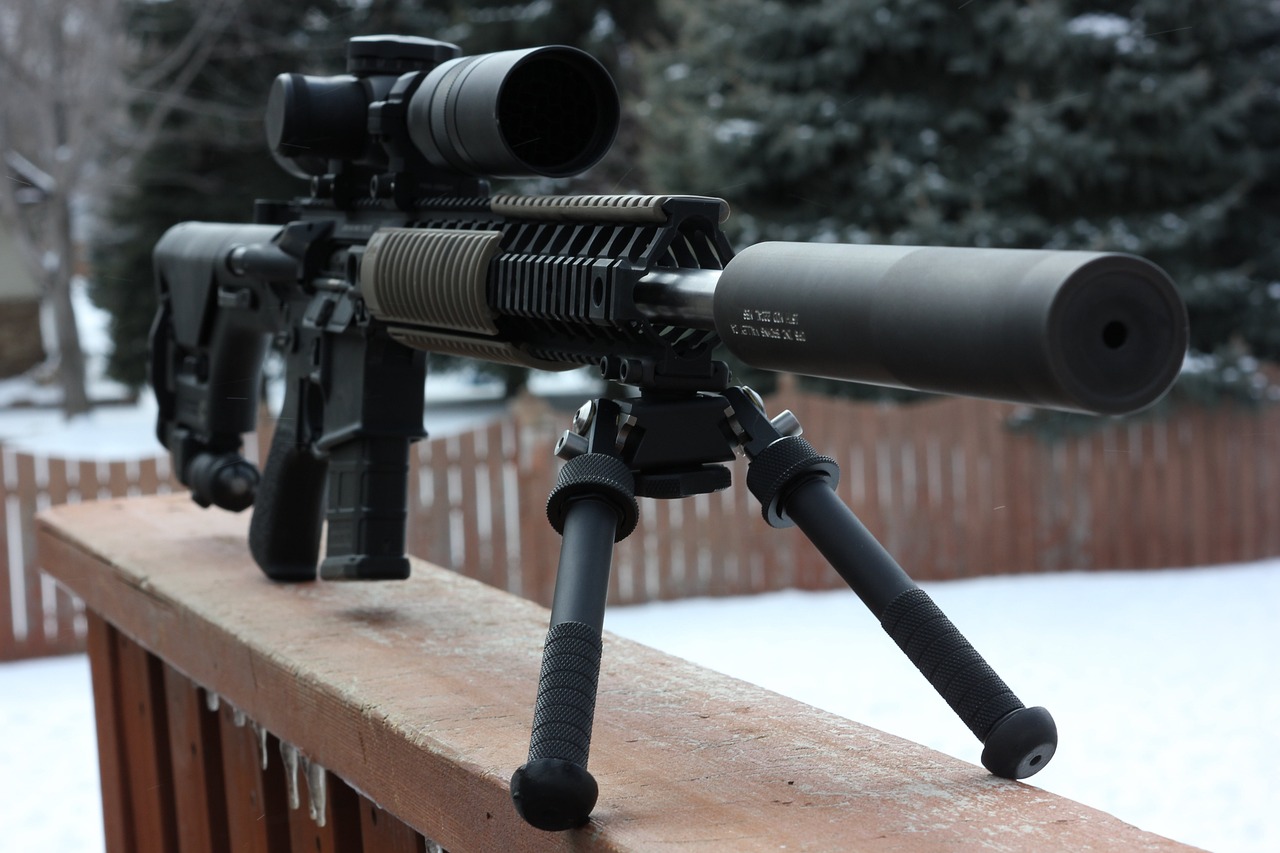
The rise of precision hunting culture helped, too. More consumers began paying attention to muzzle velocity, barrel length, suppressor compatibility, stock geometry, and real-world accuracy guarantees. Christensen Arms entered that environment with a product that looked technical and premium, and that made the rifles attractive to buyers who wanted measurable performance, not just walnut-stock nostalgia.
Media coverage amplified the effect. Guns & Ammo, Outdoor Life, and similar outlets routinely described Christensen Arms as a company known for integrating carbon fiber into barrels and rifle components. When enough reviewers and editors repeat the same association over years, it hardens into public perception. The brand becomes shorthand for the category.
That did not mean Christensen Arms was alone forever. Competitors such as Proof Research built serious credibility of their own in carbon-wrapped barrels, especially among precision shooters and custom-rifle builders. But Christensen Arms gained an early advantage by putting the technology into complete factory rifles that mainstream hunters could buy without commissioning a custom build.
Being early was important, but being accessible was even more important
This is where Christensen Arms made its biggest cultural impact. Many rifle technologies remain niche because they are trapped in the custom world, where they stay expensive, hard to source, and poorly understood by average buyers. Christensen Arms helped move carbon fiber barrels out of that boutique space and into the mainstream premium-production market.
That shift changed how people encountered the technology. Instead of hearing about carbon barrels only from long-range forums or custom gunsmiths, buyers could walk into a retailer and shoulder a factory rifle that already embodied the idea. The company effectively translated advanced materials into a ready-to-use product.
Its catalog growth reinforced that message. Over time, Christensen Arms expanded beyond the original concept into multiple rifle families and configurations, but carbon fiber remained the calling card. Even when the company introduced rifles that leaned more traditional or more price-conscious, the public image was already set.
That is often how category leadership works. The first brand people remember is not always the only innovator, and not always the cheapest or most technically perfect option. It is the one that made the innovation legible to ordinary customers. Christensen Arms did that for carbon fiber barrels better than almost anyone.
The technology won attention because it blended engineering and aspiration

Carbon fiber barrels became a status symbol partly because they sit at the intersection of utility and desire. They shave weight, yes, but they also signal that the owner values advanced materials and modern rifle design. Christensen Arms understood that emotional layer and leaned into it without apology.
A mountain rifle has always carried a certain romance. It suggests steep country, long shots, hard-earned tags, and self-reliance. Christensen Arms wrapped those ideas in aerospace language and composite materials, making the product feel both rugged and cutting-edge. For a lot of buyers, that was irresistible.
There was also a copycat effect across the industry. Once one brand proves that customers will pay for a futuristic-looking lightweight rifle, other brands notice. Over time, carbon fiber barrels became far more visible across manufacturers, new model launches, and trade-show coverage. That broader adoption only strengthened the idea that Christensen Arms had been ahead of the curve.
In other words, the company helped normalize the category. It did not merely sell rifles with carbon-wrapped barrels. It taught buyers to expect carbon fiber as a legitimate premium feature in hunting rifles, and that expectation reshaped the market around it.
Christensen Arms put carbon barrels on the map by making them feel inevitable
The best way to understand Christensen Arms’ influence is this: it made carbon fiber barrels feel less like an experiment and more like the next logical step. The company’s origin story, rooted in aerospace composites and formalized in the 1993 to 1995 period, gave it authenticity. Its rifles then carried that story into the hands of hunters who cared about weight, handling, and modern performance.
Just as important, Christensen Arms packaged the idea beautifully. The rifles looked advanced, were carried easily, and offered a simple promise that resonated in the field. When shooters saw one, they immediately understood what was different. In product design, clarity is power.
Today, the carbon-fiber barrel market is broader and more competitive than it once was. But the reason so many shooters first connected the technology with a complete hunting rifle rather than a custom-shop component is largely that Christensen Arms put it in front of them, over and over, until the association stuck.
That is how a brand ends up defining a category. Not by inventing every idea alone, but by arriving early, telling the story better than everyone else, and making the future look practical enough to buy now.