Booking a campsite in a national park can be one of the most rewarding parts of planning an outdoor adventure, but it’s not always as simple as clicking “reserve.” With competition for spots, varied amenities, and park-specific regulations, a little preparation goes a long way. Knowing what to expect before booking ensures a smoother, more enjoyable experience, helping you avoid common mistakes that can turn a peaceful retreat into a logistical headache.
1. Reservations Fill Up Months in Advance
National park campsites, especially in popular locations like Yosemite, Zion, and Yellowstone, can book out six months ahead. Many campers log on the minute reservations open to secure prime spots. The reservation system, typically managed through recreation.gov, operates on strict release schedules. Setting reminders and having backup dates or parks in mind can greatly improve your chances. Early booking means less stress and more time to plan gear, food, and activities for your trip.
2. Understand the Different Campsite Types
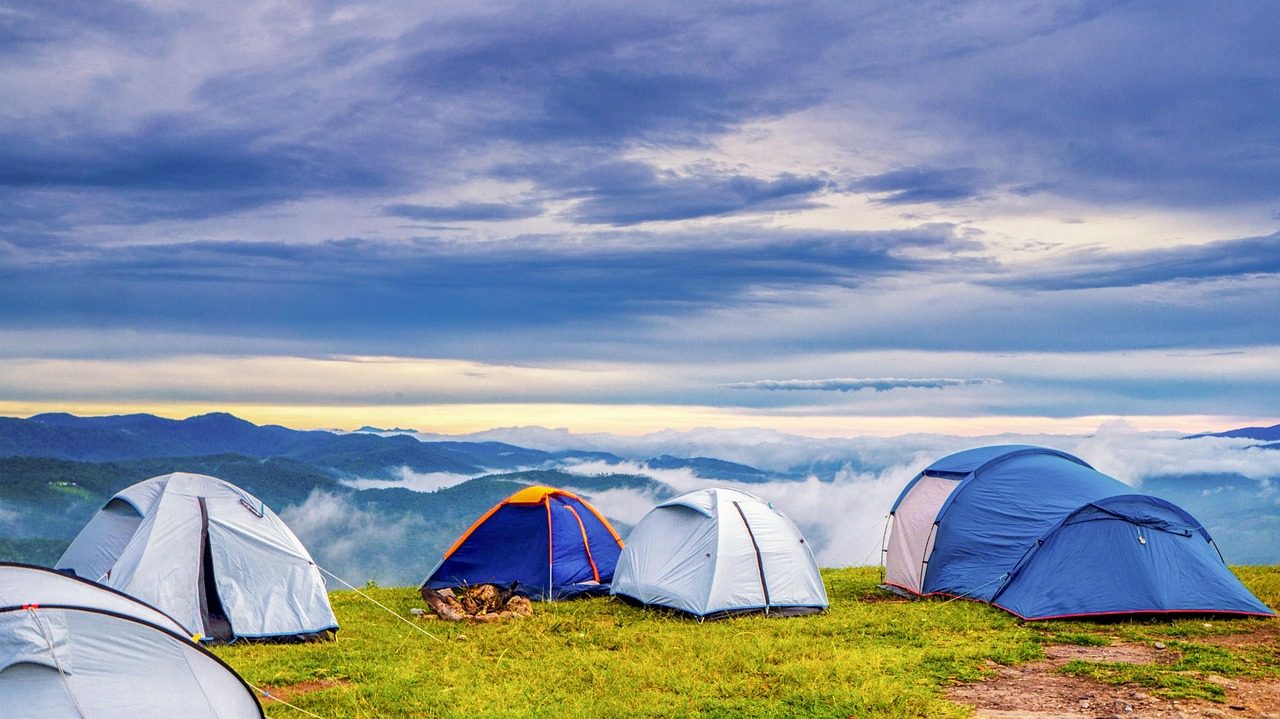
Before reserving, identify whether you need a tent site, RV site, or backcountry permit. Tent sites usually offer basic amenities and natural scenery, while RV sites provide hookups but may be less secluded. Backcountry camping, on the other hand, offers isolation but requires self-sufficiency and sometimes extensive hiking. Knowing your camping style, equipment limits, and desired level of comfort ensures you pick a spot that matches your outdoor goals perfectly.
3. Check Park Specific Rules and Regulations
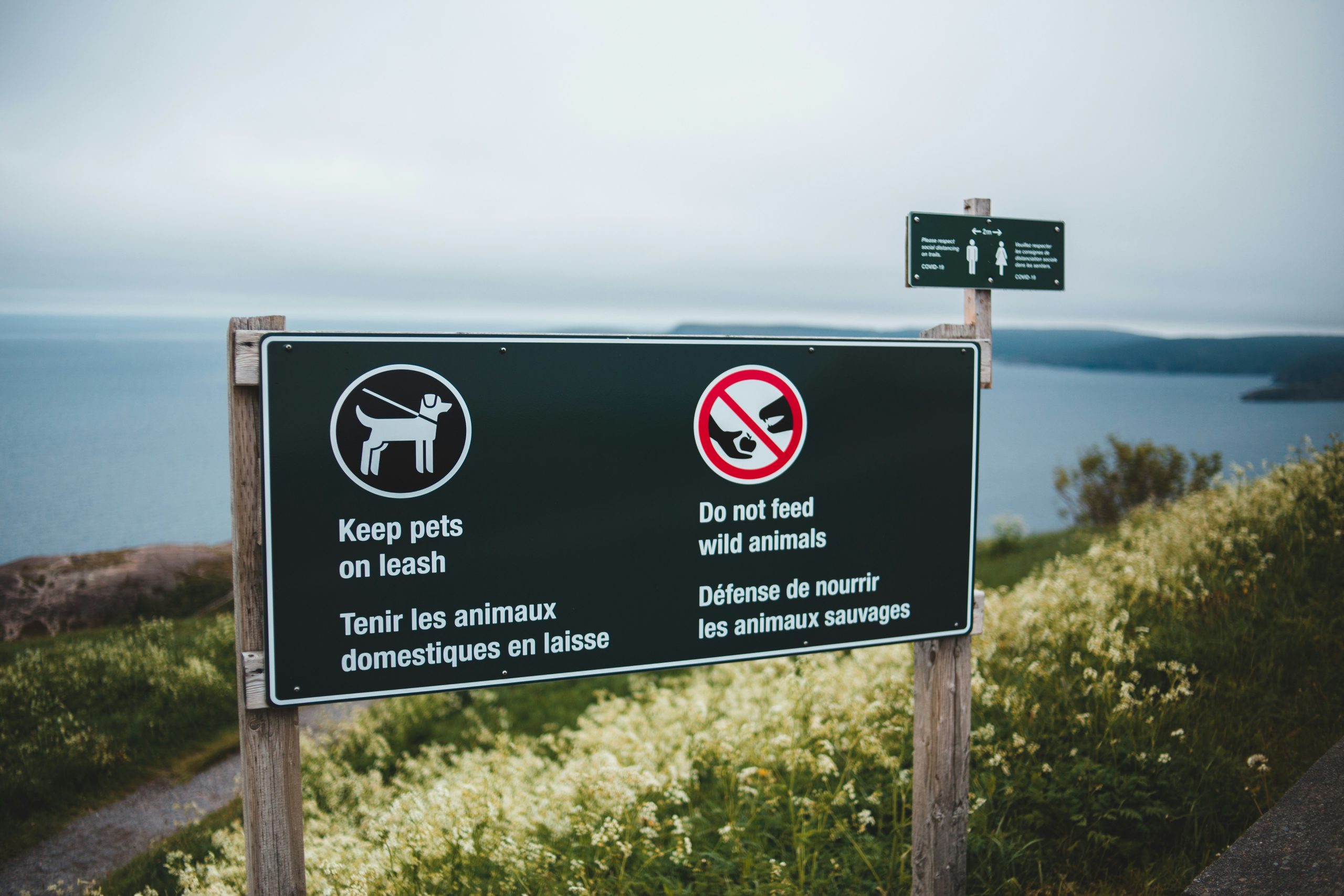
Each national park has its own camping rules; some allow campfires, others require bear-proof containers, and many have quiet hours strictly enforced. Familiarize yourself with these policies ahead of time to avoid fines or inconvenience. For instance, some parks prohibit collecting firewood, while others may have restrictions on generators or pets. Understanding these details not only ensures compliance but also protects the park’s fragile ecosystems and preserves its natural beauty for future visitors.
4. Know What Amenities Are Available
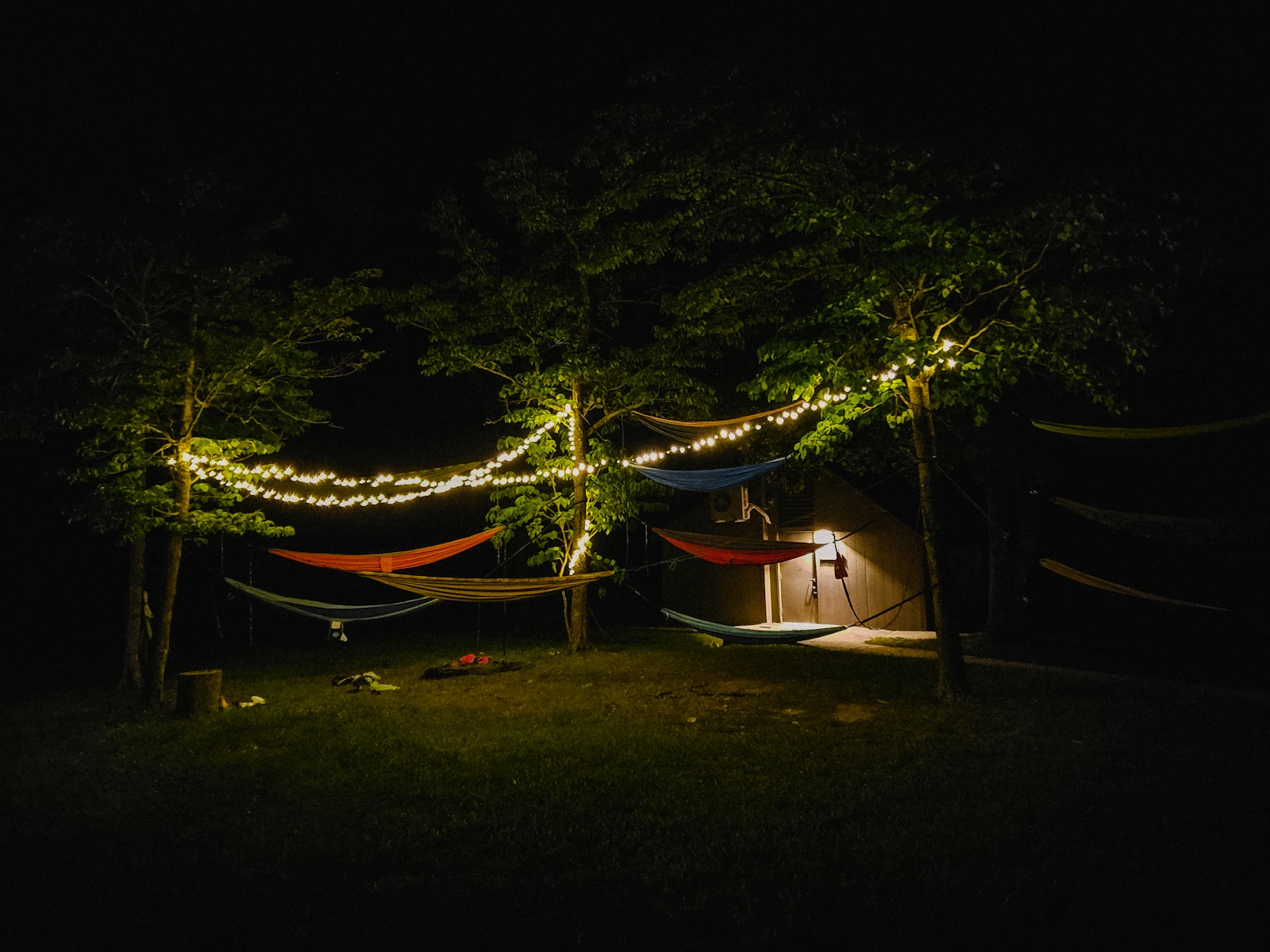
Not all campsites come with the same conveniences. While some have running water, restrooms, and picnic tables, others are much more primitive. It’s essential to review the park’s amenity list before booking so you can plan accordingly, especially if you’re bringing children or first-time campers. Packing extra water, a portable stove, or power banks can make your stay far more comfortable. Understanding what’s included prevents surprises once you arrive deep in the wilderness.
5. Consider Seasonal and Weather Factors
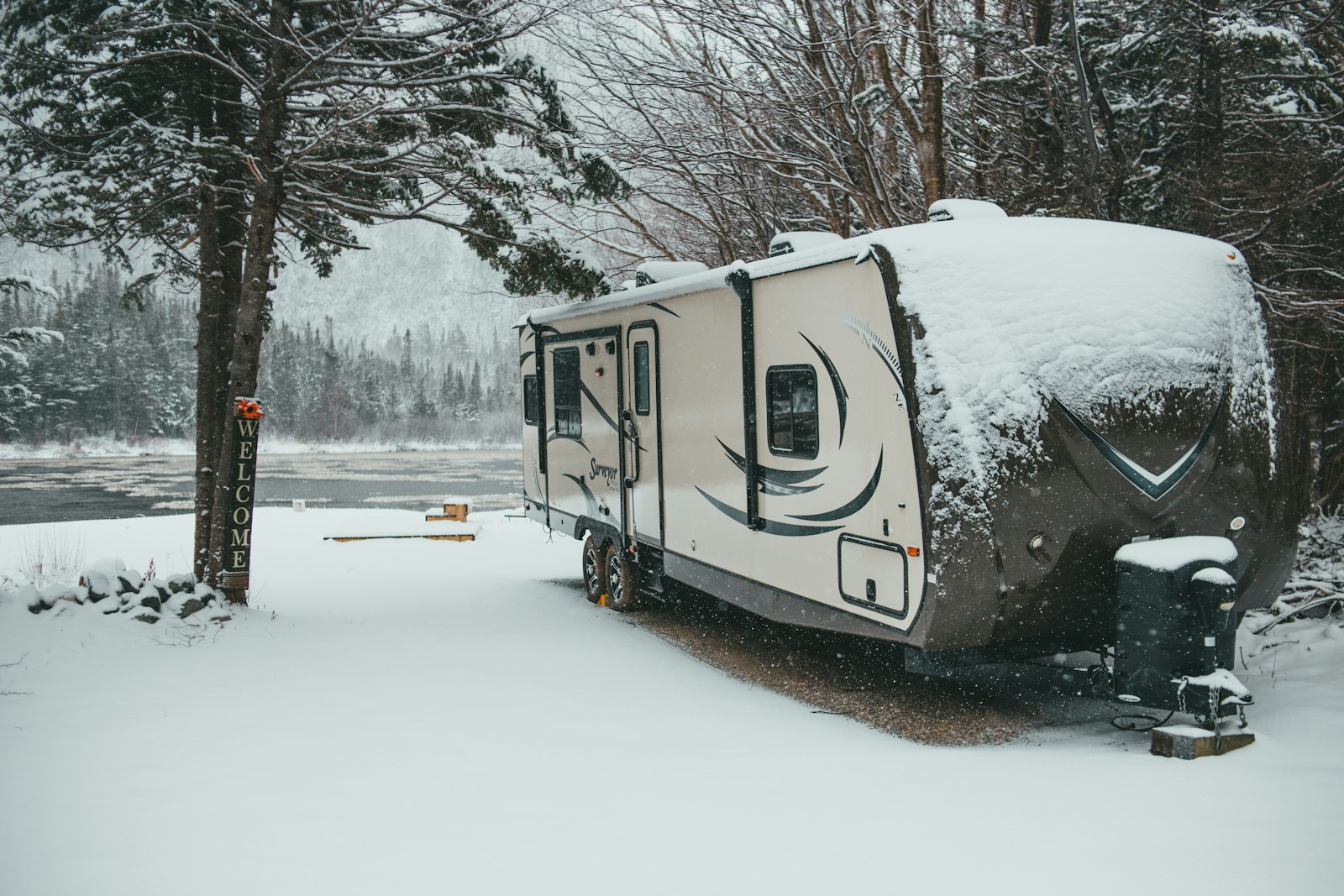
Weather conditions in national parks can change rapidly, and some campgrounds operate only seasonally. Always check opening and closing dates, along with local forecasts, before confirming your booking. Snowmelt, flash floods, or fire restrictions can impact access and safety. If you’re camping at higher elevations, prepare for cold nights even in summer. Knowing the park’s climate patterns helps you pack appropriately and reduces the risk of unpleasant or even dangerous surprises.
6. Be Ready for Limited Facilities
Once you’re inside many national parks, cell service often becomes unreliable or nonexistent. That means navigation, emergency calls, or even payment apps might not work. Before arriving, download offline maps, save emergency numbers, and print out your reservation details. Carry cash for small park fees or firewood purchases. Embracing limited connectivity lets you disconnect from daily stress and fully enjoy nature’s quiet, but it also requires a bit of smart preparation.