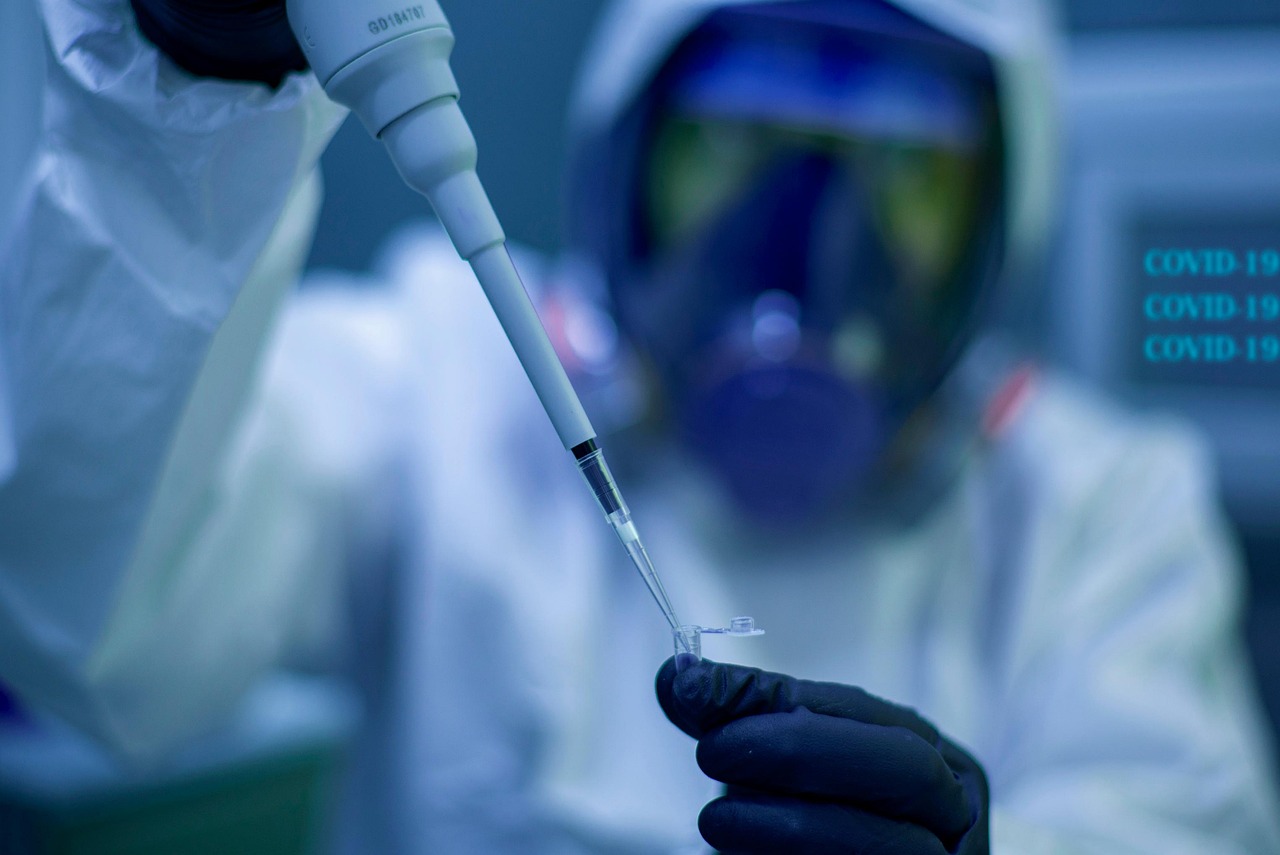
War food sounds simple until you see what the military actually asks it to do. In the lab, every bite has to survive chaos before it ever reaches a battlefield.
Where America’s Combat Food Science Happens
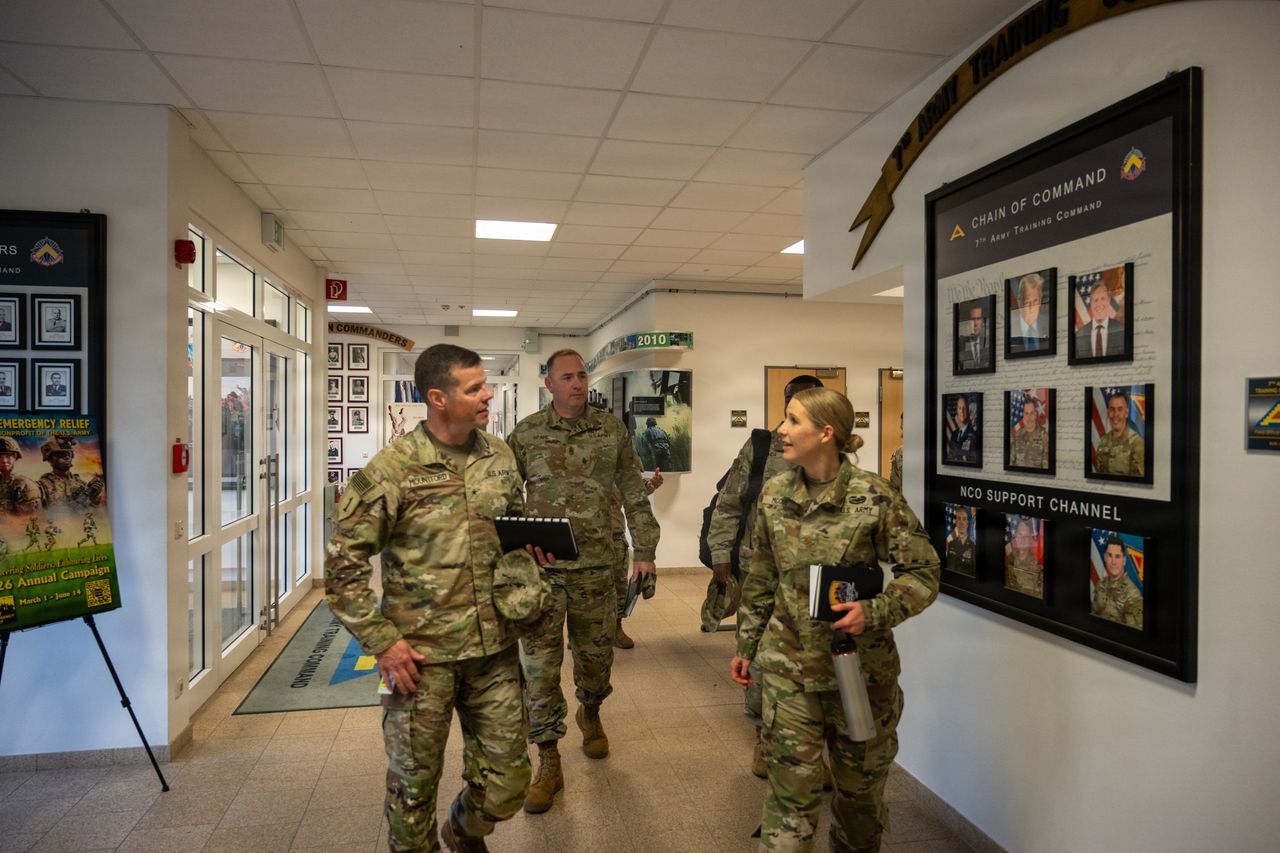
The nerve center for much of this work sits in Natick, Massachusetts, at the Army’s DEVCOM Soldier Center. Its mandate is strikingly direct: keep soldiers well fed, protected, and mobile, while improving survivability and combat effectiveness.
This is not just a kitchen with uniforms in the hallway. The Natick complex brings together food scientists, engineers, physiologists, nutrition experts, and packaging specialists who treat rations as performance equipment, not side items.
USARIEM, also in Natick, supports that mission from the human-performance side. Its Military Nutrition Division says its research underpins new rations, menus, policies, and programs meant to improve warfighter health, cognition, and physical output in difficult environments.
A Ration Is Built For Function First
Military food is designed around a brutal question: can a person keep moving, thinking, and fighting after hours of stress, little sleep, rough weather, and limited resupply? Taste matters, but function comes first.
According to Defense Department reporting, a service identifies an operational need, and Natick’s combat-feeding experts test and develop a ration to meet those nutritional and mission demands. The life cycle of a single ration can stretch across roughly a decade from concept to fielding.
That long timeline reflects how many variables must be solved at once. A ration has to deliver stable calories, acceptable flavor, compact weight, safe ingredients, manageable preparation, and packaging tough enough to endure shipping, storage, and abuse.
Shelf Life Is A Battlefield Requirement

A warzone ration may sit in warehouses, cross oceans, bake in containers, freeze in transit, and still need to be edible when opened. That is why shelf stability is one of the military’s most important food technologies.
The Defense Logistics Agency maintains detailed specifications for operational rations and components, including shelf-stable pizza slices, filled bakery items, hot beverage bags, and flexible pouch packaging. Those dry technical documents reveal the hidden reality of military food: consistency is engineered.
Packaging is just as critical as recipe development. Flexible retort pouches, oxygen barriers, seals, and strict assembly standards help food last longer without refrigeration while protecting texture, nutrition, and microbiological safety through the supply chain.
The Menu Has Expanded Beyond Old MRE Stereotypes
The old joke about grim MREs still lingers, but the menu has evolved. Modern operational rations include familiar, morale-boosting items because the military knows that eating enough is easier when food looks and tastes recognizably normal.
Shelf-stable pizza became famous for that reason. It sounds gimmicky, yet its presence in procurement specifications shows how seriously the system takes the challenge of making comforting foods survive long storage without collapsing into unsafe novelty.
There are also different ration families for different missions. The First Strike Ration, for example, was built as a compact, eat-on-the-move option for the first 72 hours of battle, when speed and mobility matter more than mealtime ritual.
Nutrition Research Is Really Performance Research

In Natick, calories are not counted casually. Researchers study how feeding strategies affect endurance, recovery, cognition, hydration, and decision-making, especially when troops operate in heat, cold, altitude, or long-duration stress.
That is where USARIEM’s role becomes essential. Its nutrition researchers use controlled feeding environments and study menus to measure how specific nutrient interventions influence physical and cognitive performance under demanding environmental conditions.
The point is not gourmet innovation for its own sake. It is to find the nutritional edge that helps a tired soldier stay alert a little longer, recover a little faster, and avoid the physical decline that can snowball into mission failure.
Safety Testing Never Stops
Military food has to be safe long before it is satisfying. That means repeated inspection, chemical analysis, microbiological screening, packaging validation, and surveillance across the wider Defense food system.
Army food labs such as the Defense Food Analysis and Diagnostic Laboratory handle pathogen screening and chemical analyses for Defense programs involving food, water, and environmental samples. In practice, that work helps catch contamination risks before they spread through a force.
This is the less glamorous side of combat feeding, but arguably the most important. A ration that fuels performance is valuable; a ration that also avoids foodborne illness in austere conditions is mission-critical.
Why This Lab Matters More Than Most People Realize
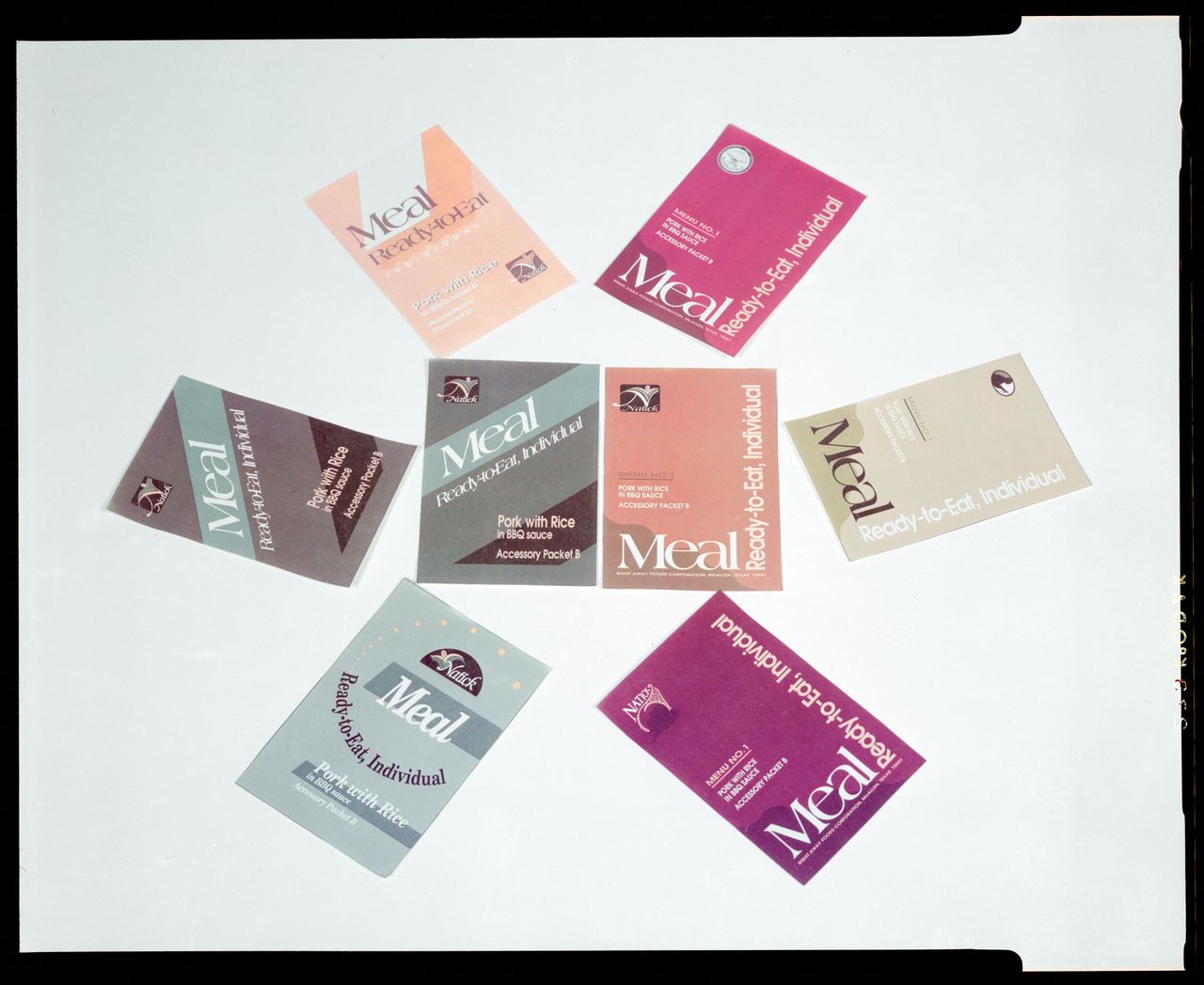
The military food lab is really a quiet insurance policy for modern war. It supports the simple fact that hungry, dehydrated, underfed troops do not move, think, or endure the same way well-fueled troops do.
What happens in Natick shapes more than the contents of an MRE bag. It influences logistics, readiness, morale, and the Army’s broader understanding that nutrition is part of survivability, not an afterthought.
So the next time you see a military ration, think beyond crackers and heaters. You are looking at years of engineering, nutrition science, packaging design, and battlefield planning compressed into one meal-sized survival system.