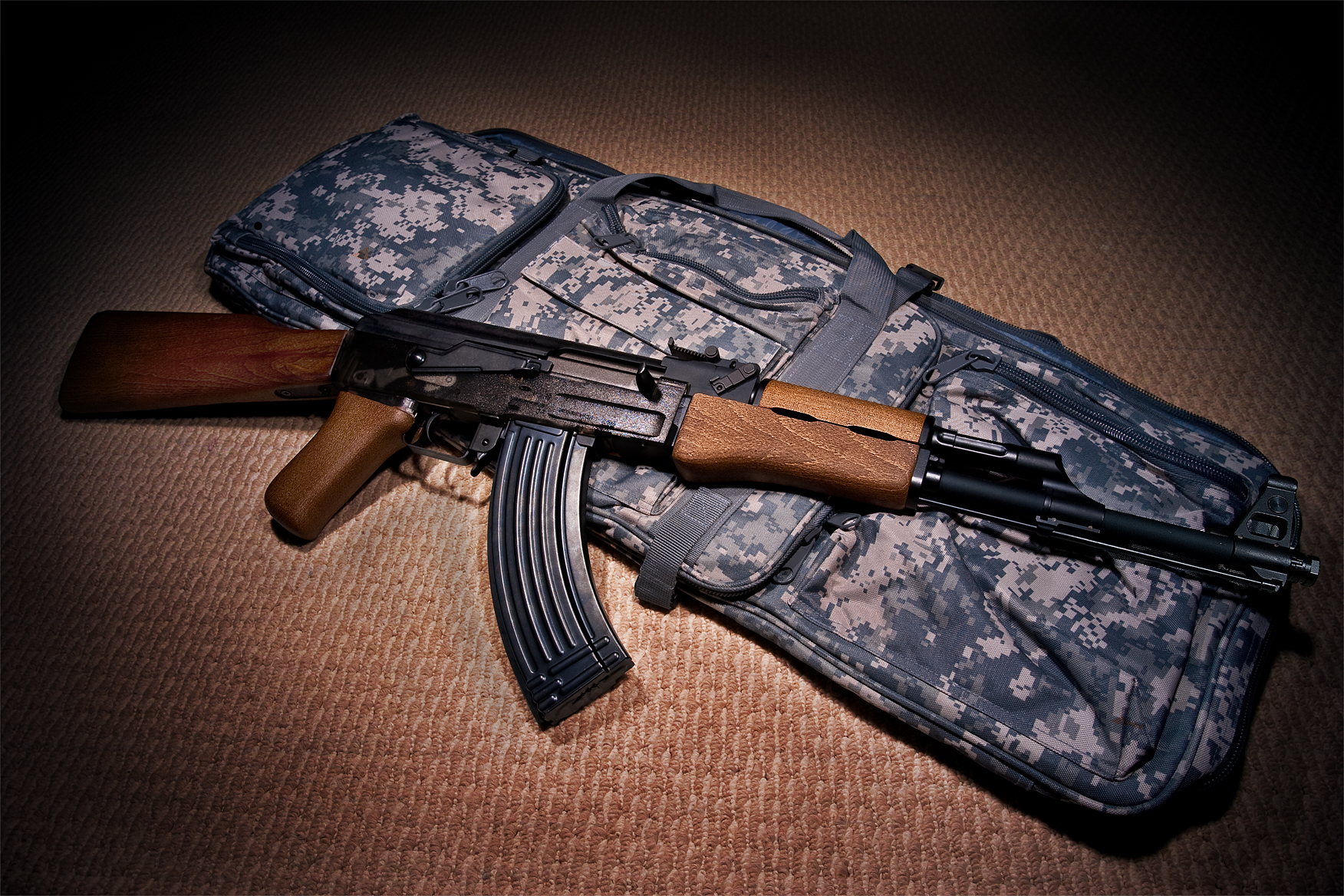
American firearms history is filled with designs that competed on more than firepower alone. Some became military standards, others defined sporting rifles or revolvers, while several earned lasting reputations through durability and thoughtful engineering. The eight firearms below represent different eras and purposes, from the .22 LR Ruger 10/22 to the powerful Winchester Model 70. Their importance comes from measurable features, production history, service records, and the influence they had on firearm design around the world.
1. Ruger 10/22
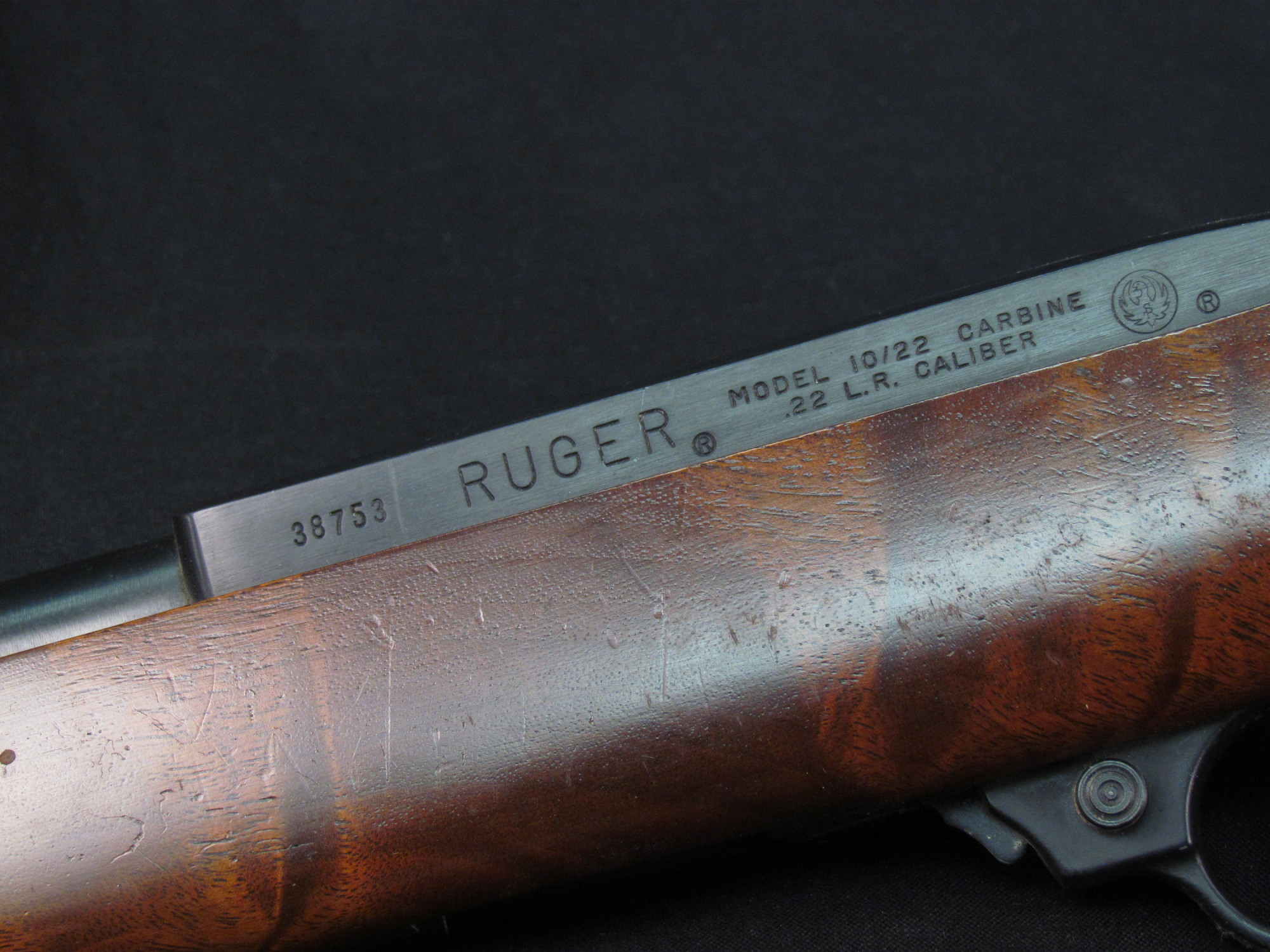
The Ruger 10/22, introduced in 1964, made the .22 LR autoloader unusually practical for American shooters. Its 10-round rotary magazine, compact 37-inch overall length, and simple blowback action helped establish a design that remained easy to maintain and widely adaptable. The rifle’s modest cartridge limits it to light-duty roles, but that is also its strength: low recoil and inexpensive ammunition make practice accessible. With millions produced, the 10/22 became a benchmark for reliability and aftermarket support. Its influence is less about raw power than a remarkably durable design that foreign rimfire rifles have long had to match today.
2. Springfield Armory M1 Garand
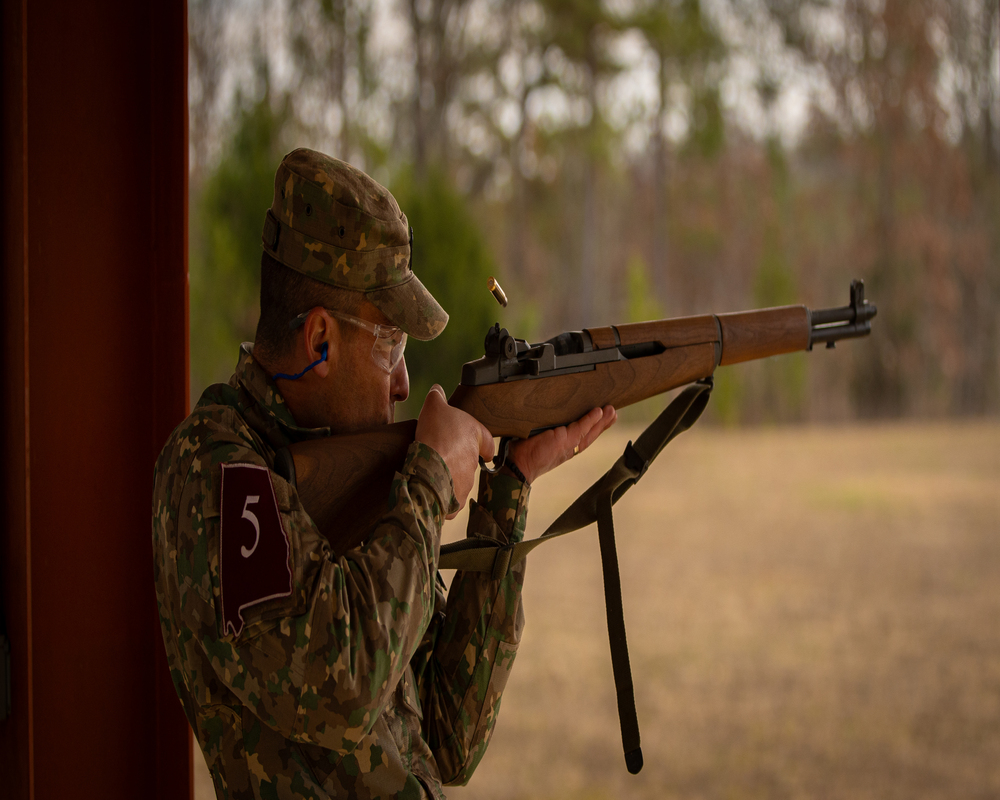
The M1 Garand stands apart because its importance was measured on a battlefield scale. Adopted by the U.S. Army in 1936, it fired the .30-06 Springfield cartridge and used an eight-round en-bloc clip in a gas-operated action. At roughly 9.5 pounds, it was not a light rifle, yet its semi-automatic operation gave American infantrymen a rapid follow-up capability compared with many standard bolt-action service rifles of the period. General George S. Patton famously praised it, although individual soldiers had mixed experiences. More than 5 million Garands were produced, making it one of America’s defining military firearms. Its service record remains notable.
3. Colt M1911A1
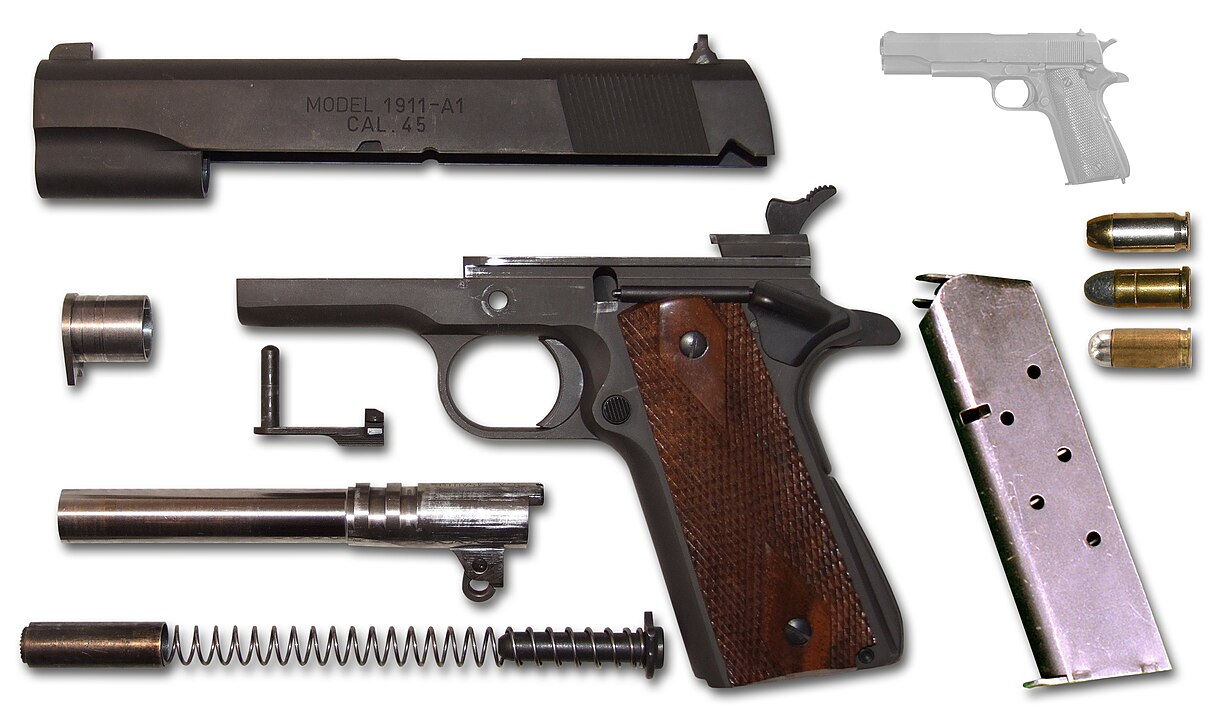
The Colt M1911A1 represents one of America’s most influential service pistols. It is a .45 ACP, recoil-operated semi-automatic pistol derived from John Browning’s M1911 design and standardized in 1926. Its 7-round single-stack magazine, roughly 5-inch barrel, and manual thumb safety became familiar features to generations of U.S. personnel. The pistol remained in American military service for decades before the Beretta M9 became the standard sidearm in 1985. Its reputation rests on a combination of controllable ergonomics, a substantial cartridge, and a durable operating system. Foreign pistols eventually offered different advantages, but few matched its cultural and military legacy.
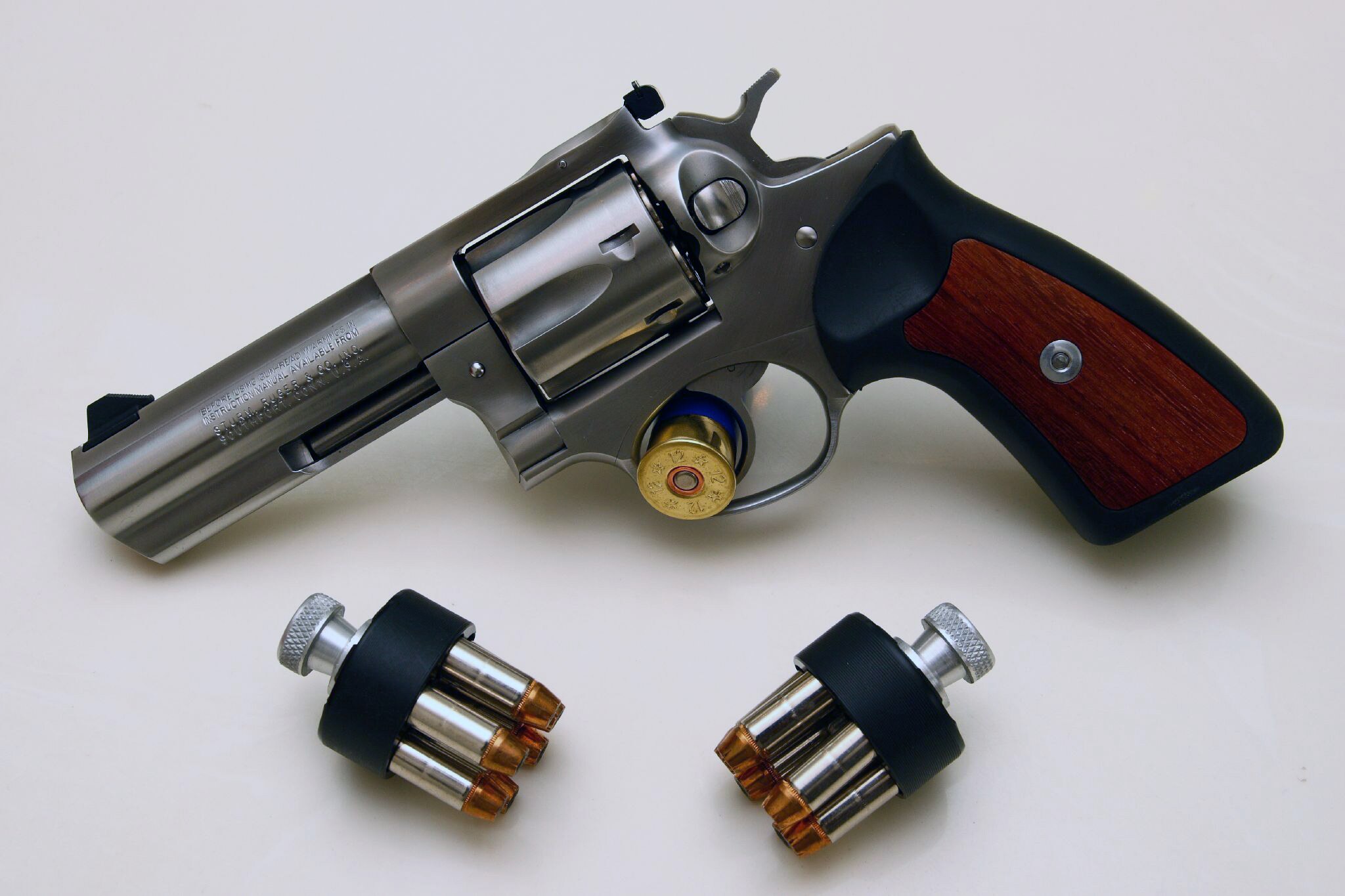
4. Ruger GP100
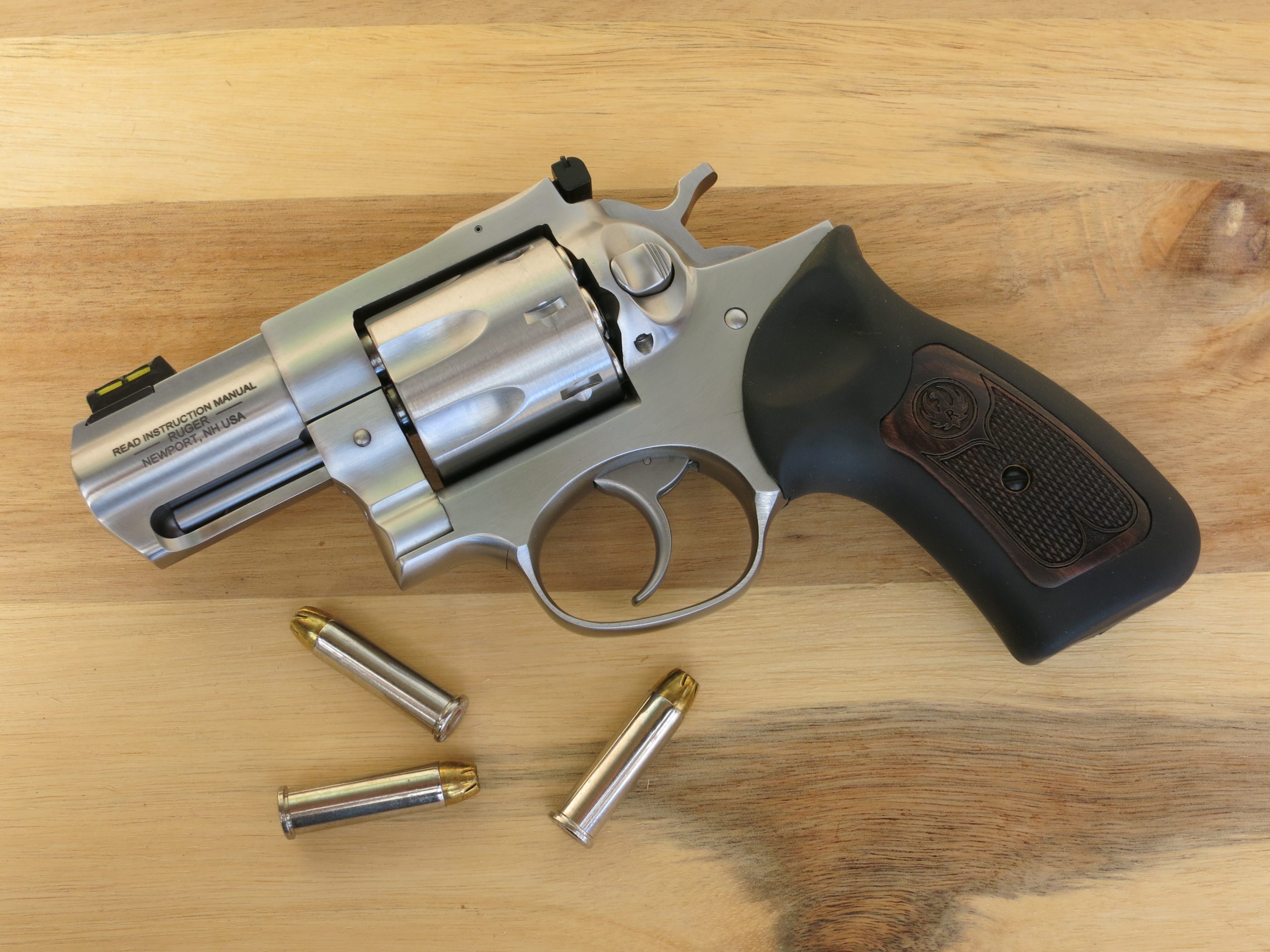
The Ruger GP100, introduced in 1985, showed how an American double-action revolver could combine strength with handling. Built around a solid stainless-steel frame and a transfer-bar safety system, it was offered in several calibers, including .357 Magnum. Common versions use a six-round cylinder, while barrel lengths have varied widely, allowing different configurations for different users. The GP100’s removable grip panels and construction also made it easier to tailor than many older revolvers. Rather than relying on historical prestige alone, Ruger positioned the GP100 as a durable working revolver, giving American manufacturing an answer to established European and Japanese designs.
5. Colt Python
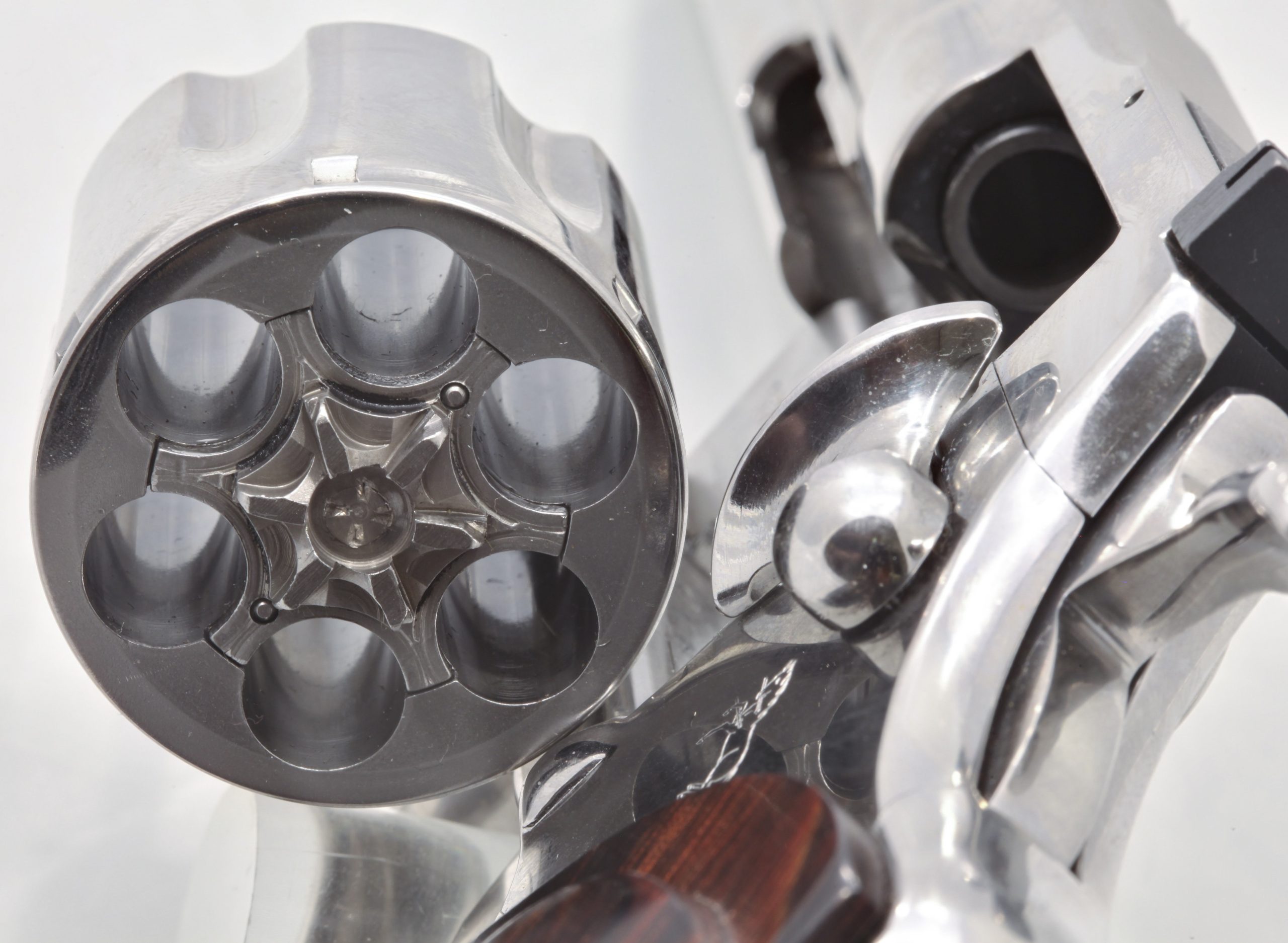
The Colt Python became famous for its polished finish, distinctive ventilated rib, and carefully fitted action. Introduced in 1955, it was chambered for .357 Magnum and commonly built with barrel lengths including 2.5, 3, 4, 6, and 8 inches across different periods and models. The traditional Python used a six-shot cylinder and double-action mechanism, with an adjustable rear sight. Its reputation was driven partly by craftsmanship and a smooth trigger, but its relatively high price reflected the labor involved in its production. Colt discontinued the original production in 2005 and later revived the Python. It remains a standout example of American revolver craftsmanship.
6. Ruger M77 Mark II
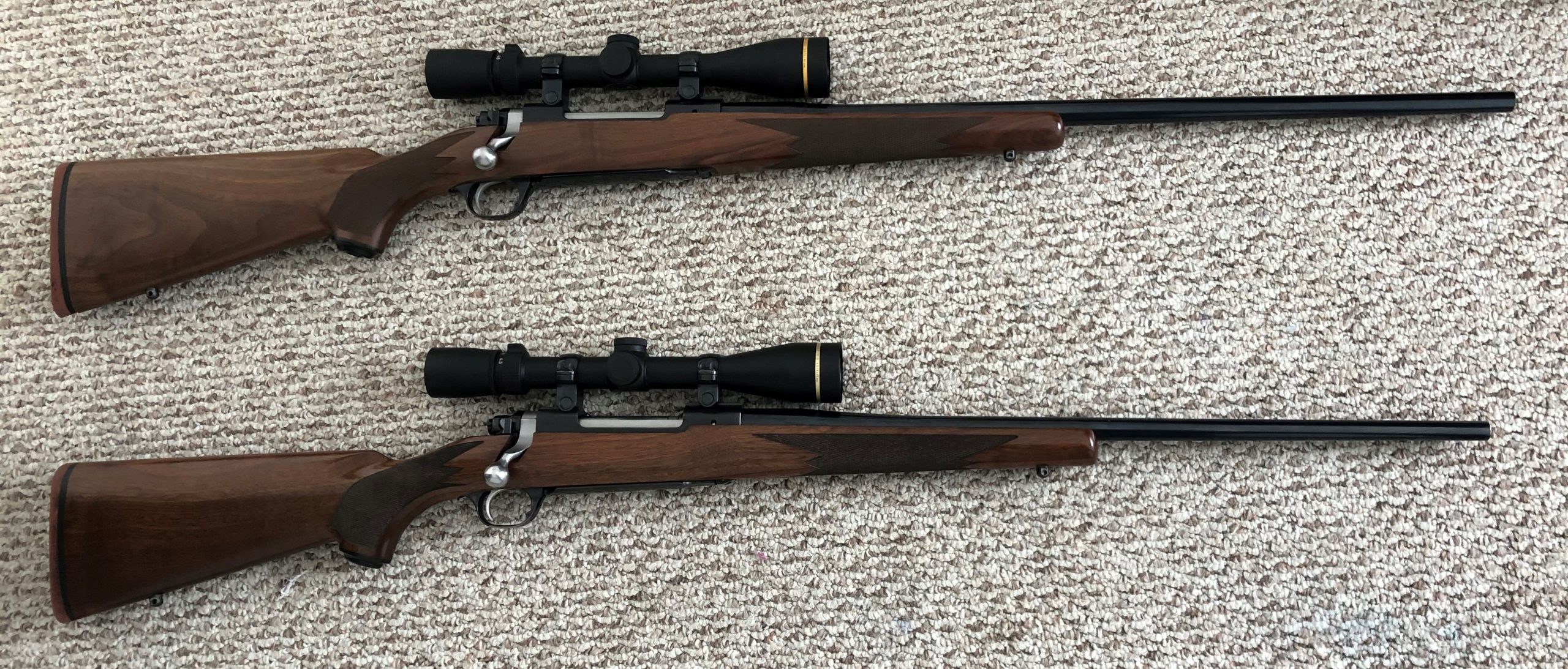
The Ruger M77 Mark II, introduced in 1991, modernized Ruger’s long-running M77 bolt-action rifle with a number of practical changes. It retained a controlled-round-feed approach on many configurations and used a three-position safety that allowed the rifle to be unloaded while remaining on safe. Chamberings covered a broad range of hunting cartridges, from .22-250 Remington to powerful magnum options, depending on the model. Many versions used a hinged floorplate or detachable magazine arrangement. The M77 Mark II earned attention for its rugged construction and field-oriented design. Its appeal came from reliability and versatility rather than exotic engineering.
7. Browning Auto-5
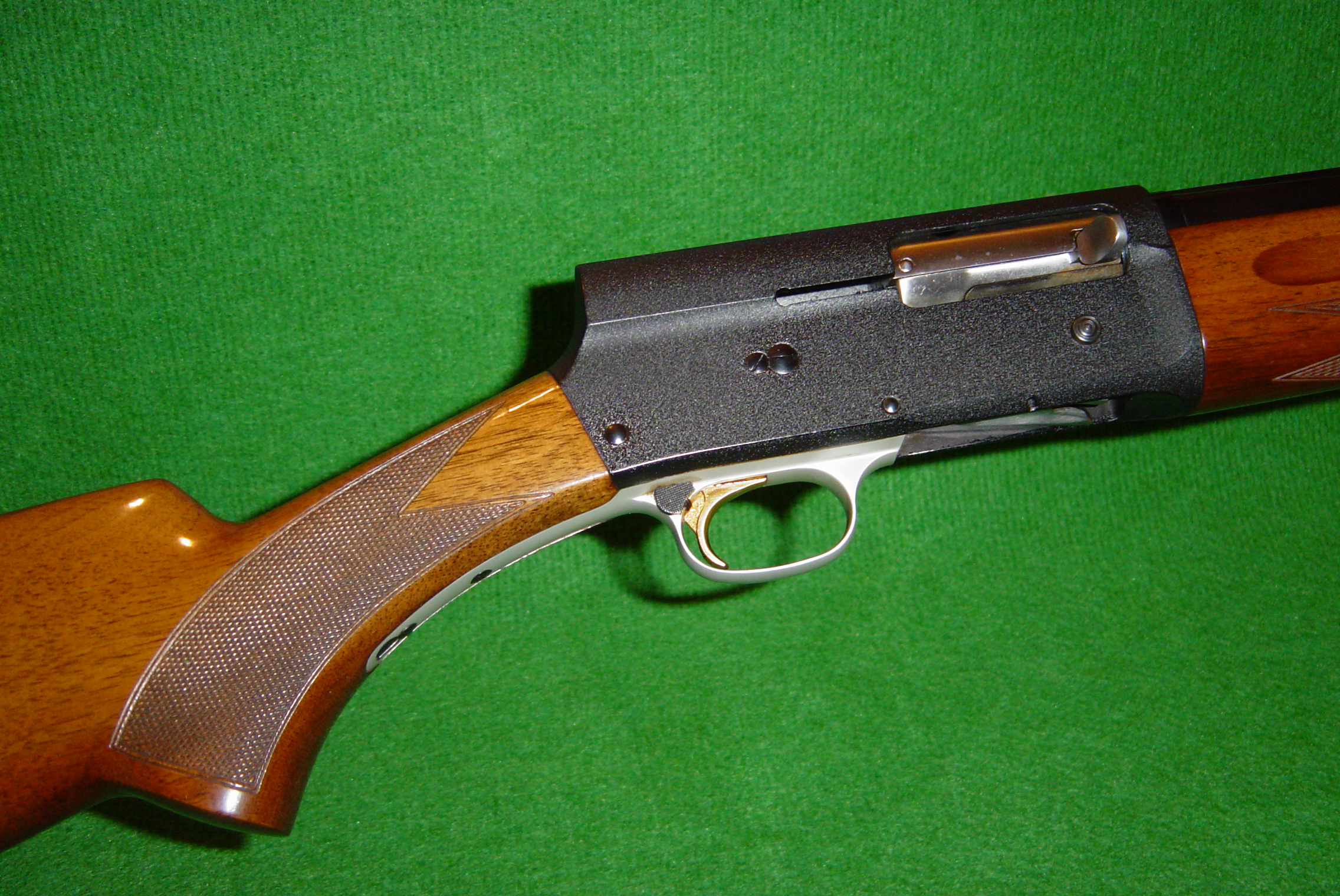
The Browning Auto-5, introduced in 1902, was one of the earliest successful semi-automatic shotguns and remained in production for more than a century. Designed by John Browning, it used a long-recoil operating system and was chambered in gauges including 12, 16, and 20. Its distinctive humpback receiver became an instantly recognizable feature, while its tubular magazine commonly held 4 or 5 shells depending on configuration and ammunition limits. The Auto-5 was produced in Belgium for much of its history, with later production also associated with Japan. Its longevity demonstrates how a well-engineered American design could achieve worldwide influence.
8. Winchester Model 70
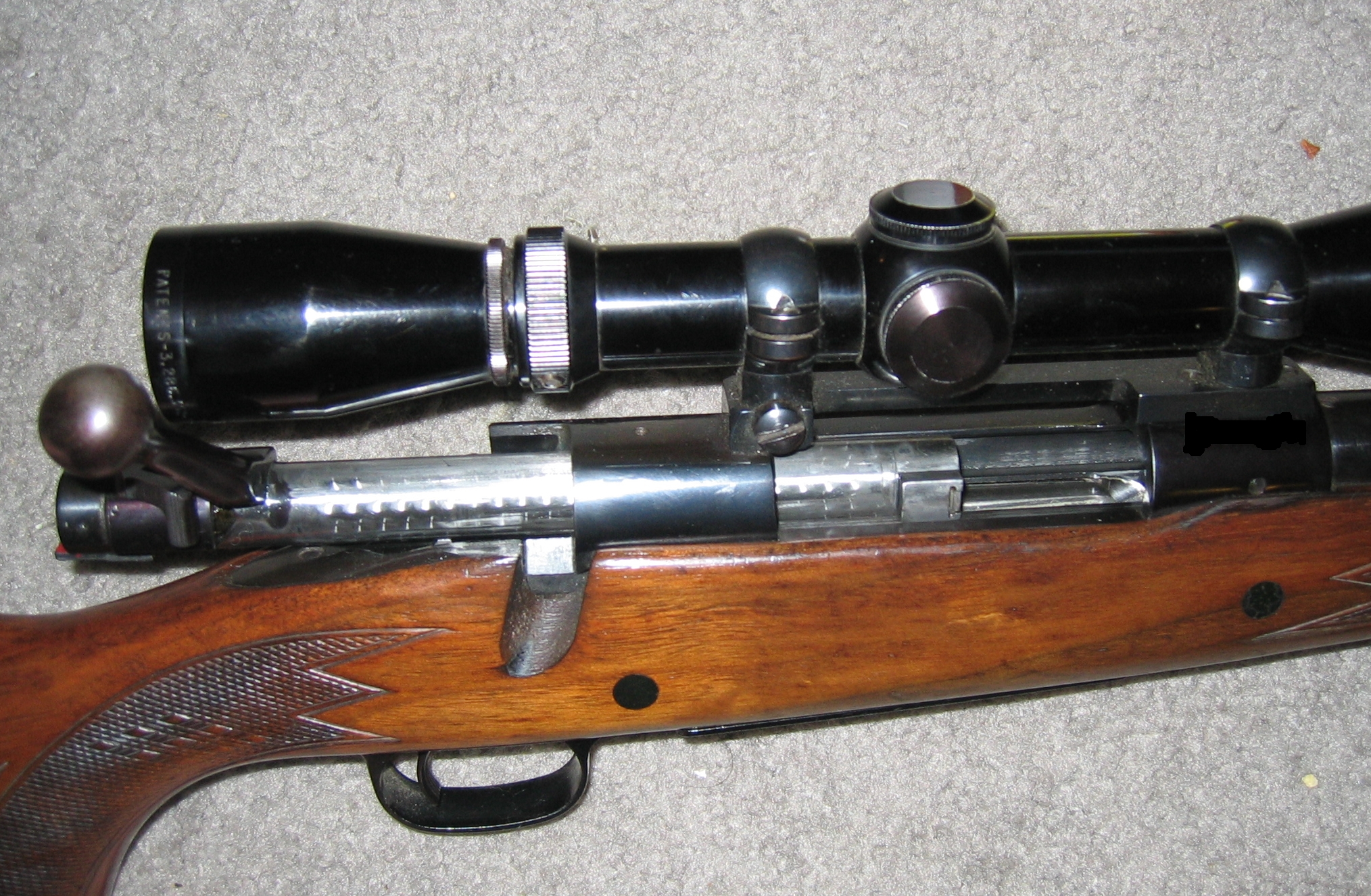
The Winchester Model 70, introduced in 1936, became one of America’s famous bolt-action sporting rifles. Early rifles used a controlled-round-feed action, while later production included push-feed versions before controlled feed returned on selected models. It has been chambered for many cartridges, from .22-250 Remington to .375 H&H Magnum and other powerful hunting rounds. Standard configurations commonly carried 3 or 4 cartridges, depending on chambering. Its combination of a three-position safety, useful stock designs, and strong action made it popular with hunters worldwide. Its enduring reputation shows that American rifle design competed internationally through versatility and refinement.