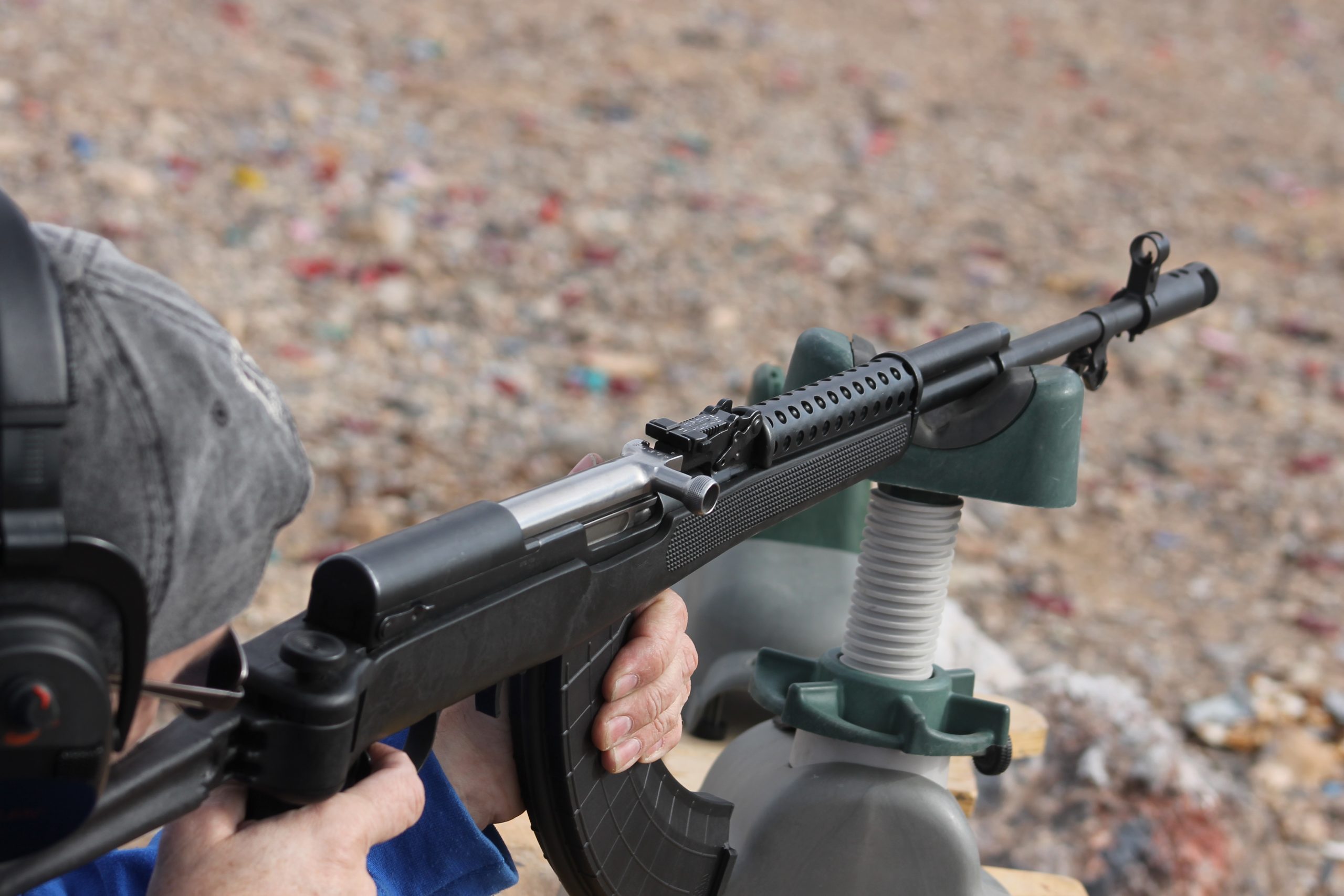
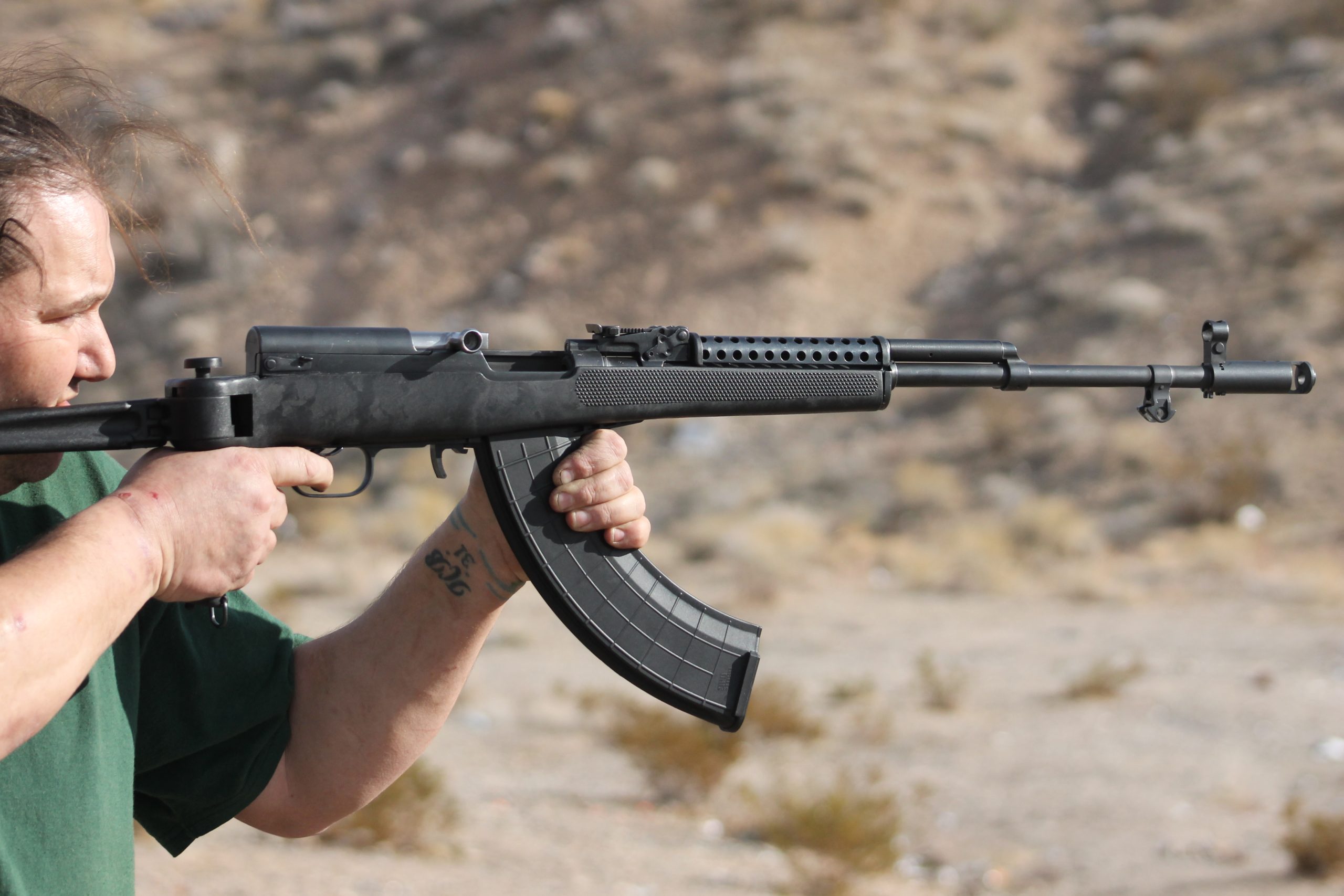
The SKS occupies an unusual place in firearms history. Sergei Simonov’s Soviet semi-automatic carbine was designed during the transition toward intermediate-power ammunition and entered service just as the AK family was beginning to reshape infantry weapons. Yet the SKS did not disappear. Instead, its design spread across numerous countries, with millions produced in different factories and variants. Its relatively simple military role, distinctive fixed magazine, and enormous production run eventually turned it into one of the most recognizable surplus rifles of the Cold War era.
1. It Was Born During a Major Ammunition Revolution

The SKS emerged from a changing Soviet weapons program during and immediately after World War II. Sergei Simonov developed the carbine around the new 7.62×39mm intermediate cartridge, creating a weapon that was lighter and handier than traditional full-power infantry rifles. Soviet production began in 1949, and the design was officially associated with the SKS-45 designation. Its moment in frontline service was relatively brief because the AK-47 offered selective fire and greater ammunition capacity. Even so, the SKS filled an important transitional role. Its 7.62×39mm chambering and semi-automatic action represented a bridge between older battle rifles and the assault-rifle generation that followed.
2. Soviet Factories Produced About 2.7 Million
The original Soviet SKS was manufactured principally at Tula, with Izhevsk also contributing during a shorter period. A commonly cited production figure is approximately 2,685,900 Soviet examples made between 1949 and 1958. That number alone makes the SKS significant, but it was only the beginning of the story. Once other nations began producing licensed or closely related versions, the total climbed dramatically. The sheer volume explains why the carbine became associated with military surplus around the world. Unlike a scarce specialist firearm, the SKS was built as equipment for large military organizations, where consistency, practicality, and mass availability mattered more than exclusivity.
3. China Turned the SKS Into a Manufacturing Giant
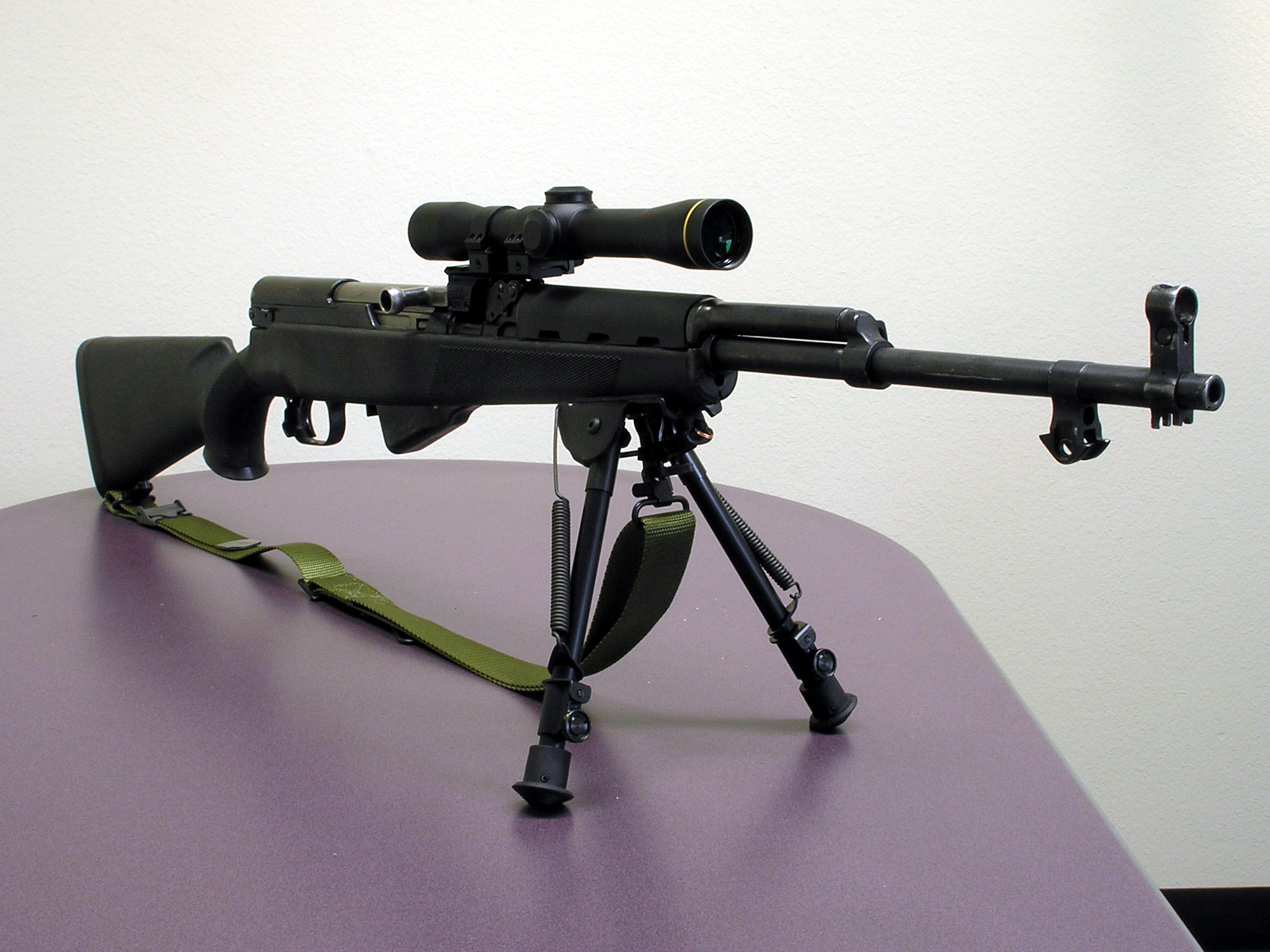
China transformed the SKS from a Soviet carbine into a massive domestic production program. Chinese factories began producing the Type 56 version in 1956 after receiving Soviet technical assistance. Production continued for decades, far beyond the original Soviet manufacturing period. Some estimates put Chinese output at more than 9 million examples by the 1980s, while broader estimates for total SKS-family production range between 5 million and 15 million worldwide. The Chinese Type 56 also evolved, with manufacturing changes that distinguished later examples from earlier Soviet-pattern rifles. This enormous industrial effort is a major reason the SKS became so widely distributed internationally.
4. It Was Manufactured Across a Remarkable Number of Countries
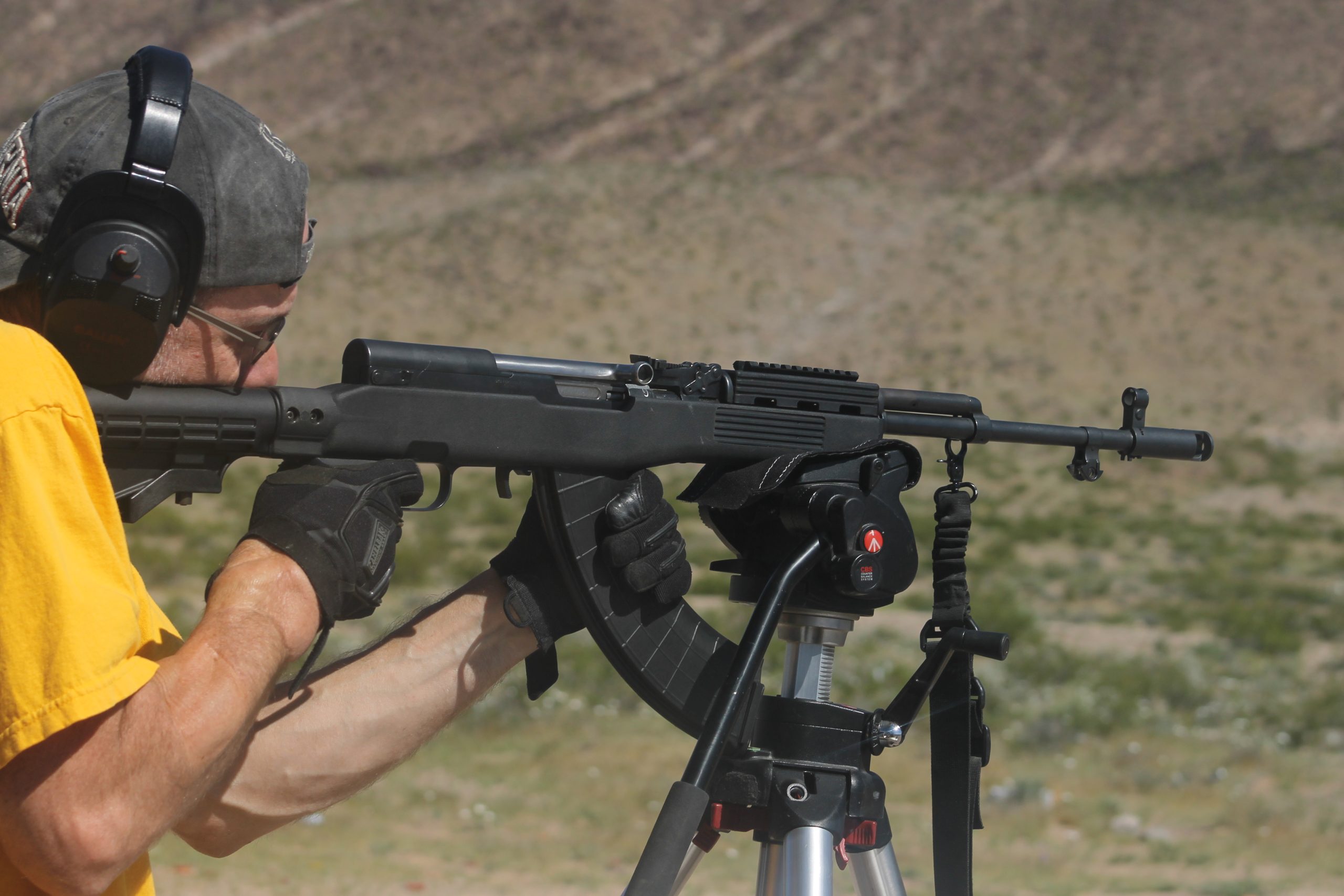
The SKS became much more than a Soviet product. Variants and licensed versions appeared in countries including China, Yugoslavia, Romania, Albania, East Germany, North Korea, and Vietnam. Yugoslavia produced its own M59 and M59/66 versions, while Romania and Albania manufactured their respective patterns in smaller quantities. One collector’s reference estimates roughly 633,000–709,000 Yugoslav M59/66 carbines alone. These international versions can differ noticeably in furniture, sights, manufacturing methods, muzzle equipment, and other details. For collectors, those differences turned a mass-produced military carbine into a surprisingly complicated field of historical identification.
5. Its Fixed 10-Round Magazine Defined the Design
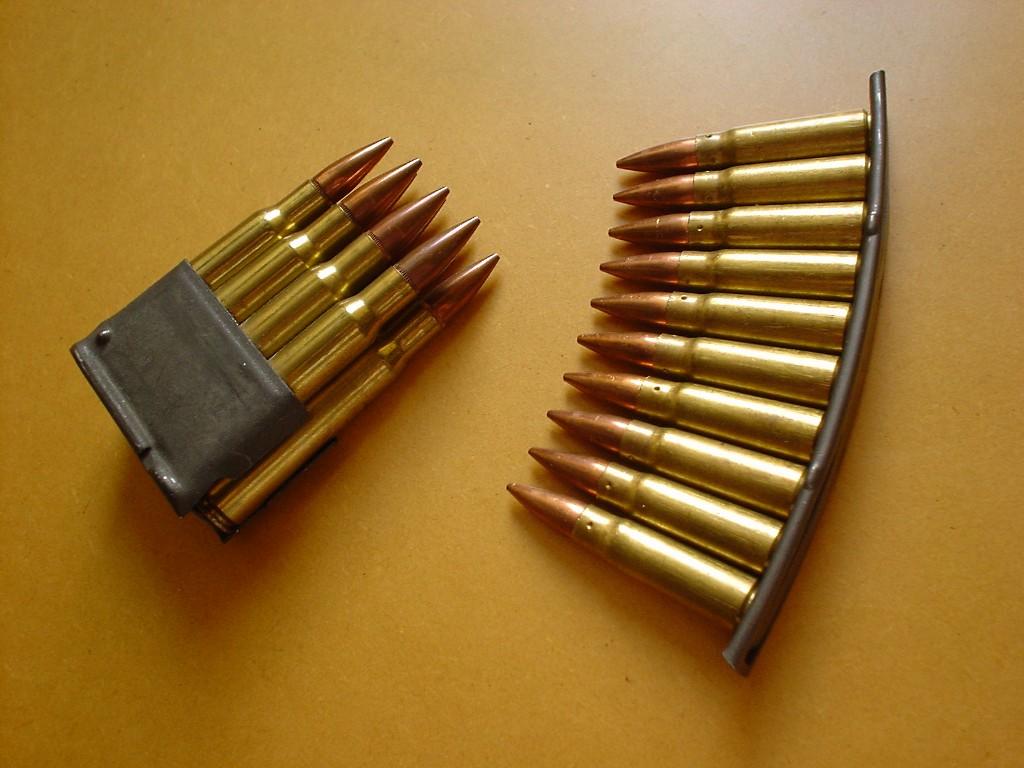
One of the SKS’s most recognizable features is its 10-round fixed magazine. Instead of using a detachable box magazine as many later military rifles did, the SKS was designed around an internal magazine that could be replenished with stripper clips. That arrangement reflected the weapon’s original role and its position in the development of intermediate-cartridge infantry arms. The rifle also featured a folding bayonet attached beneath the barrel, adding another distinctive visual feature. With an unloaded weight of about 3.85 kilograms and a barrel measuring roughly 521 millimetres, the SKS was compact enough for military service without being an especially lightweight carbine by modern standards.
6. The AK-47 Made It Obsolete Faster Than Expected
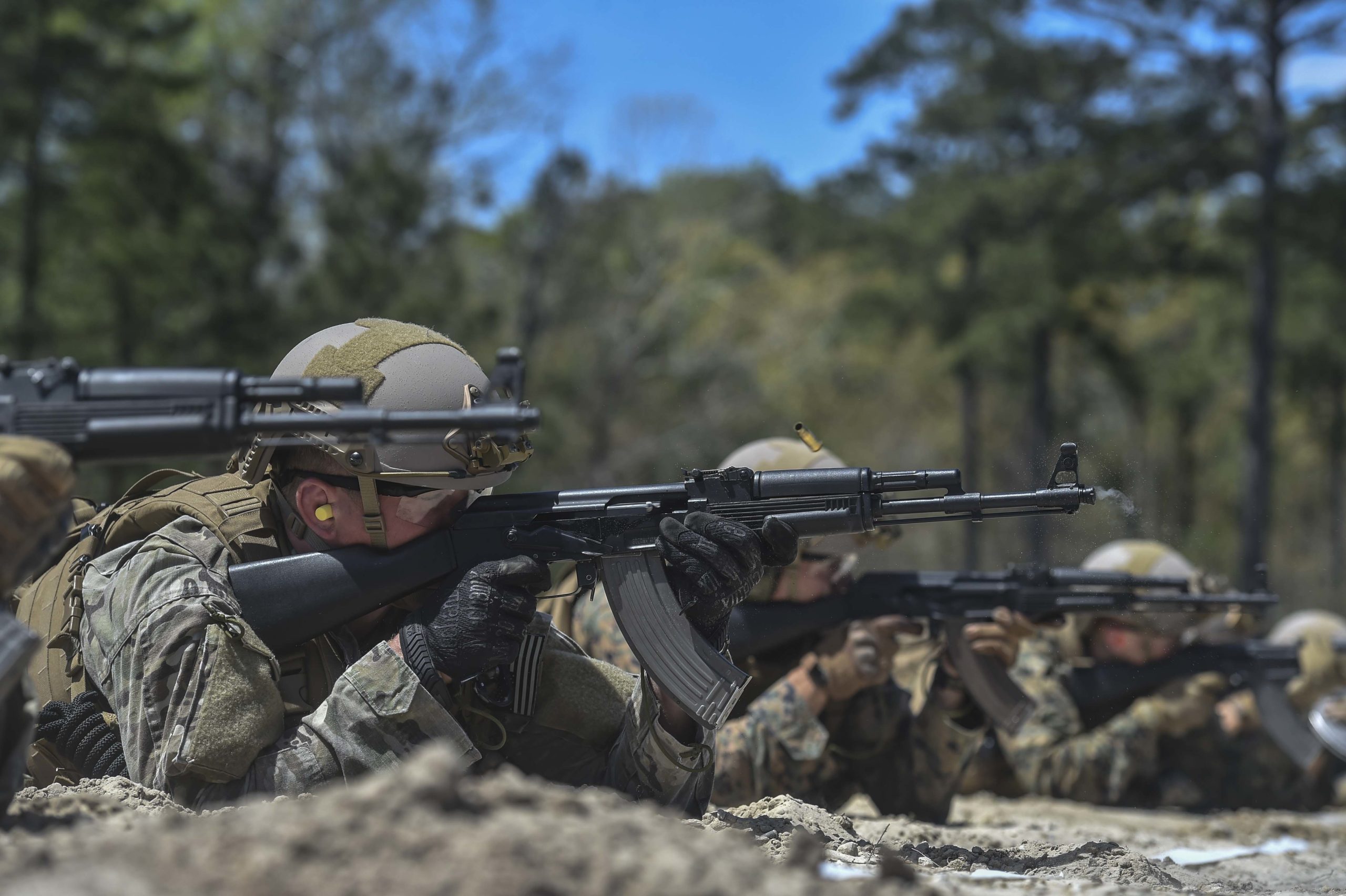
The SKS was never simply a failure; its problem was that military technology was advancing extremely quickly. The AK-47 offered selective fire and a detachable magazine, giving infantry units a very different combination of firepower and ammunition capacity. As the AK family expanded during the 1950s, the SKS increasingly moved away from the frontline spotlight. Soviet forces nevertheless continued using SKS carbines in border, reserve, ceremonial, and secondary roles for years. Its disappearance from the primary infantry role therefore did not mean immediate retirement. Instead, the rifle became part of a broader transition in which semi-automatic carbines were gradually displaced by assault rifles.
7. Its Low-Cost Reputation Came From Surplus, Not One Universal Price
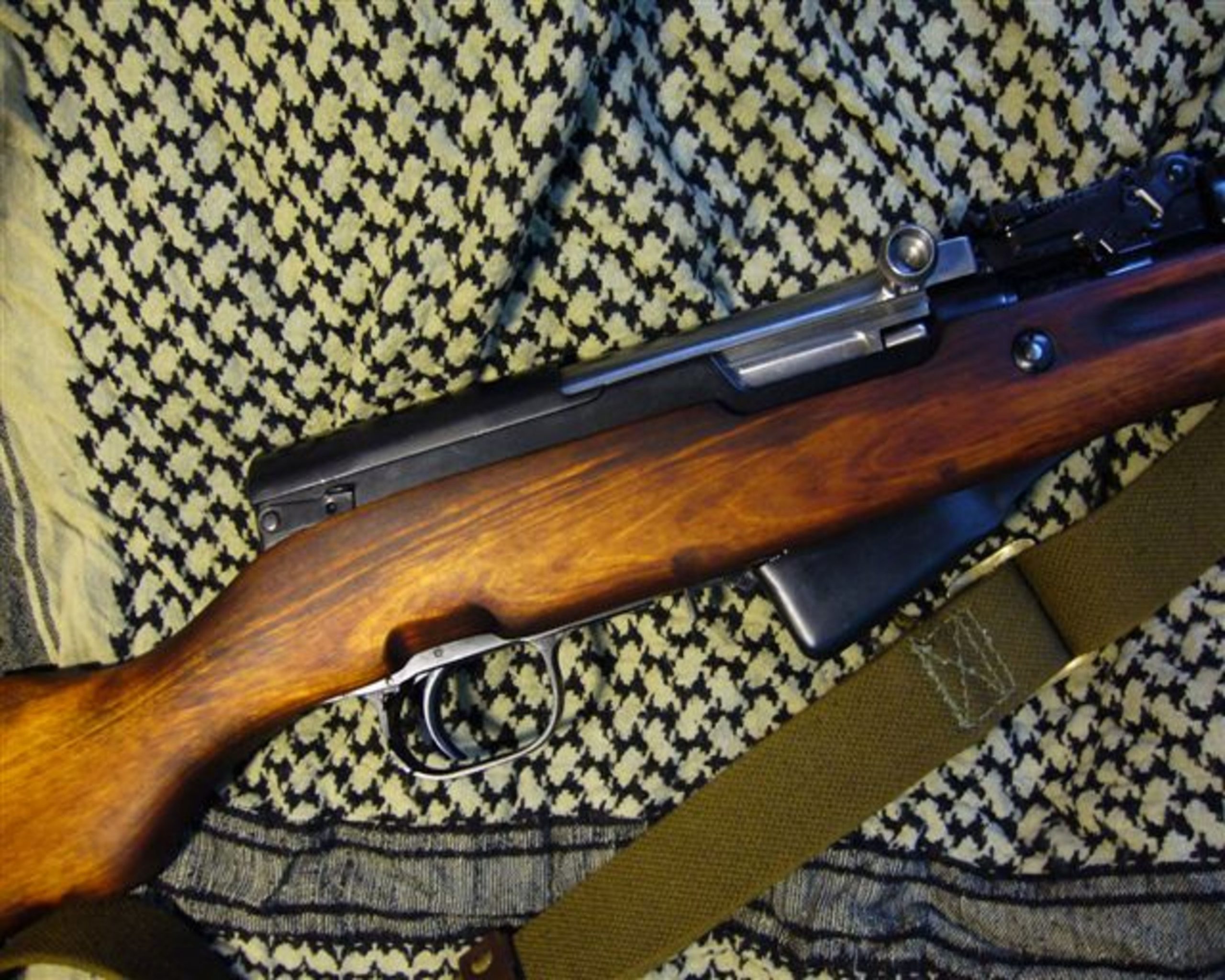
The SKS became famous among civilian buyers for being inexpensive compared with many contemporary rifles, particularly when large quantities of military-surplus examples reached overseas markets. However, the often-repeated idea that every SKS universally sold for exactly $80 for decades is misleading. Prices varied according to country, importation rules, condition, production origin, accessories, and period. Surplus abundance was the real story. Millions of rifles had been manufactured, stored, transferred, or exported, creating a supply that could keep prices relatively modest in certain markets. Today, original examples can command very different prices depending on rarity, condition, matching parts, and provenance.
8. Mass Production Eventually Created a Collector’s Paradox
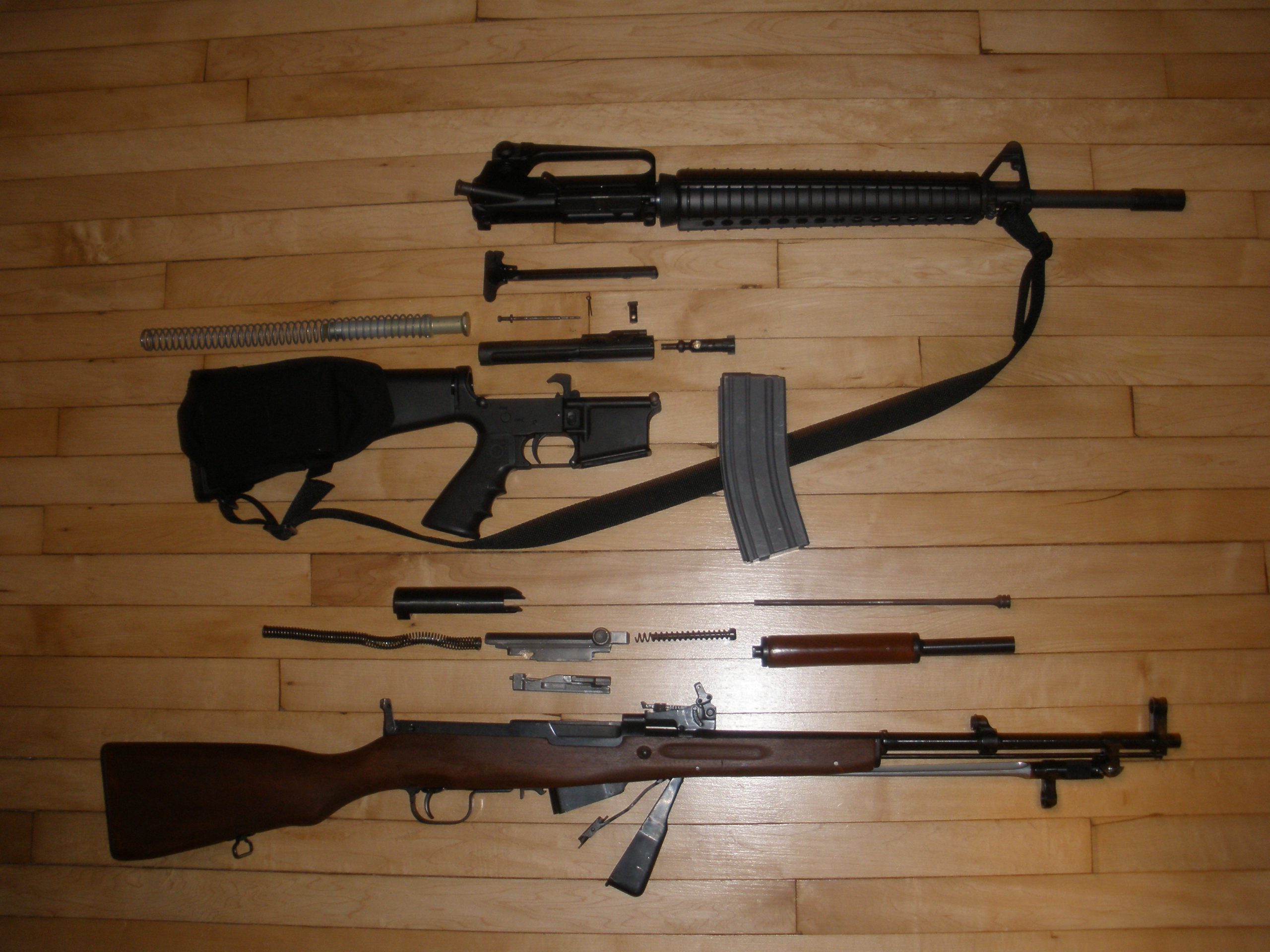
The SKS demonstrates how mass production can unexpectedly create historical value. A rifle manufactured by the millions may seem ordinary, yet its variations can become fascinating to collectors decades later. Soviet Tula examples, Chinese Type 56 carbines, Yugoslav M59/66 rifles, Romanian examples, and other national patterns can reveal different production histories through markings and construction details. At least 8 major national production programs are commonly identified, while estimates for worldwide SKS-family production reach as high as 15 million. Its abundance preserved countless examples, but that same abundance also created a huge variety of manufacturing histories for collectors to study.