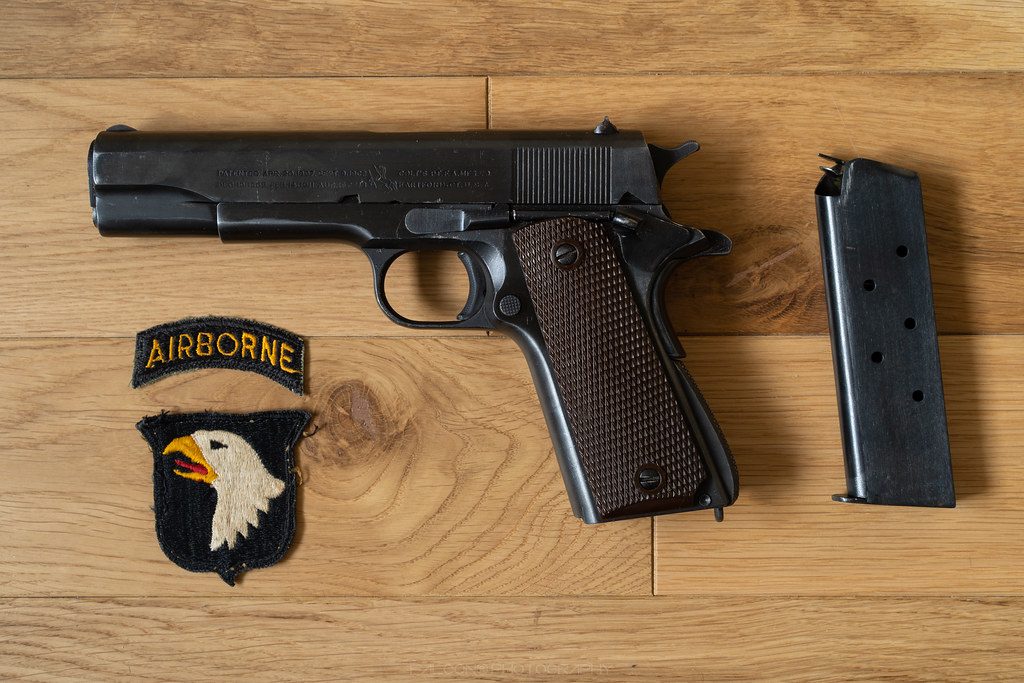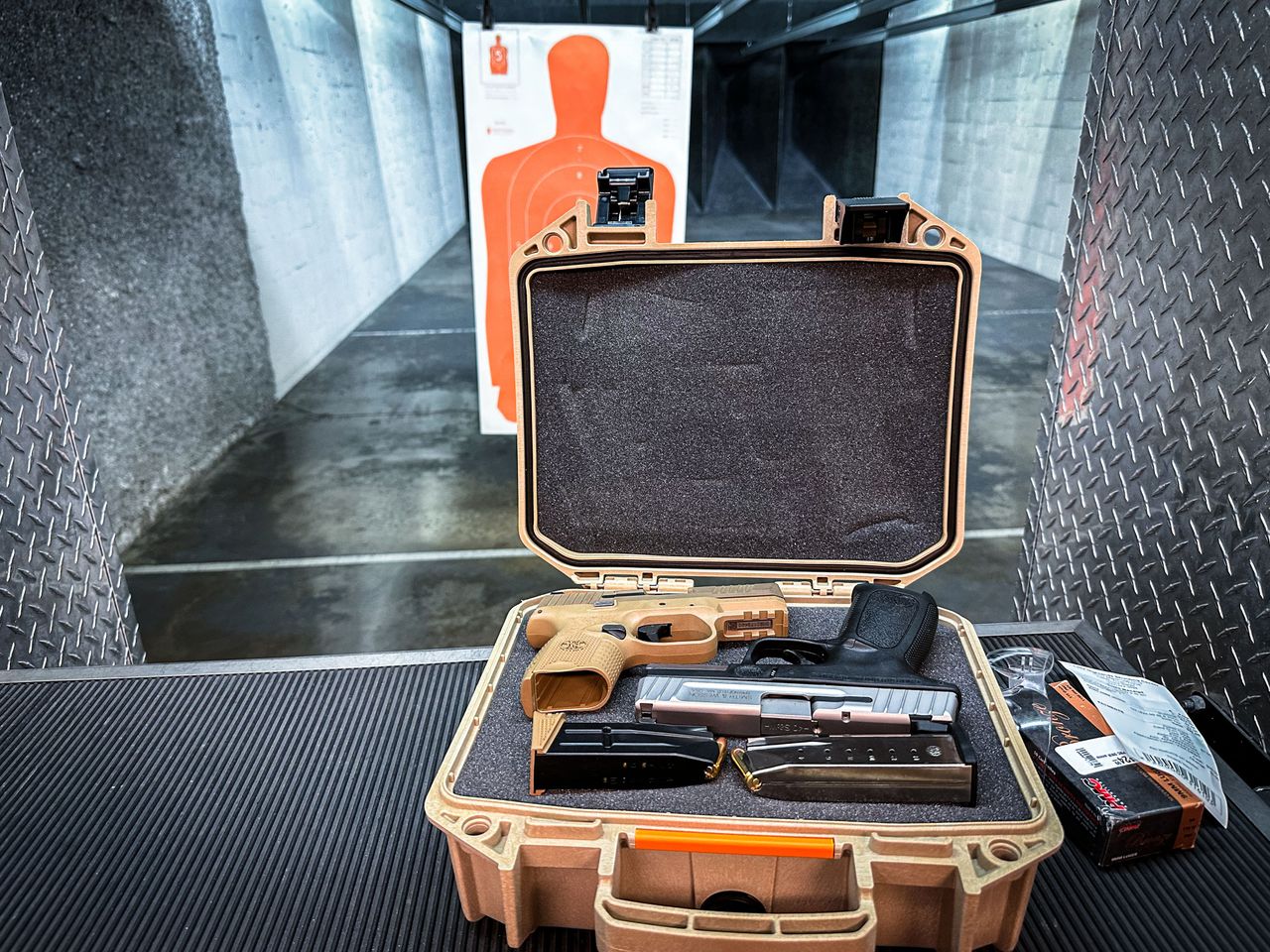
Buying a semi-auto pistol is usually the easy part. Keeping it clean, reliable, and in good working order is where small misunderstandings can turn into real problems. This gallery breaks down the maintenance basics that are often rushed, oversimplified, or skipped entirely, so owners can better understand what good care actually looks like.
Read the manual before using generic advice

One of the biggest maintenance mistakes starts before the first cleaning. Many owners get broad advice at the counter, then assume every semi-auto pistol follows the same schedule, lubrication points, and takedown steps. In reality, design differences matter, and the manual usually explains them more clearly than casual shop talk ever does.
Some pistols run best with light lubrication, while others need attention in very specific contact areas. Recommended recoil spring intervals, approved ammunition ranges, and disassembly cautions can also vary by model. Reading the manufacturer manual is less glamorous than buying accessories, but it often prevents the exact wear and reliability issues people later blame on the gun.
Too much oil can be as bad as too little

A lot of first-time owners are told to keep their pistol well oiled, which sounds harmless until well oiled becomes dripping. Excess lubricant attracts powder residue, lint, and grime, especially around the slide rails, breech face, and striker area. That buildup can slow movement, create sticky fouling, and complicate future cleaning.
The goal is not to make every part shiny and wet. It is to place a thin film only where friction actually occurs, then wipe away the extra. A properly lubricated pistol usually looks restrained, not soaked. If oil is pooling, splattering, or migrating into places it should not be, the gun probably has more lubricant than it needs.
Not every part should get scrubbed aggressively
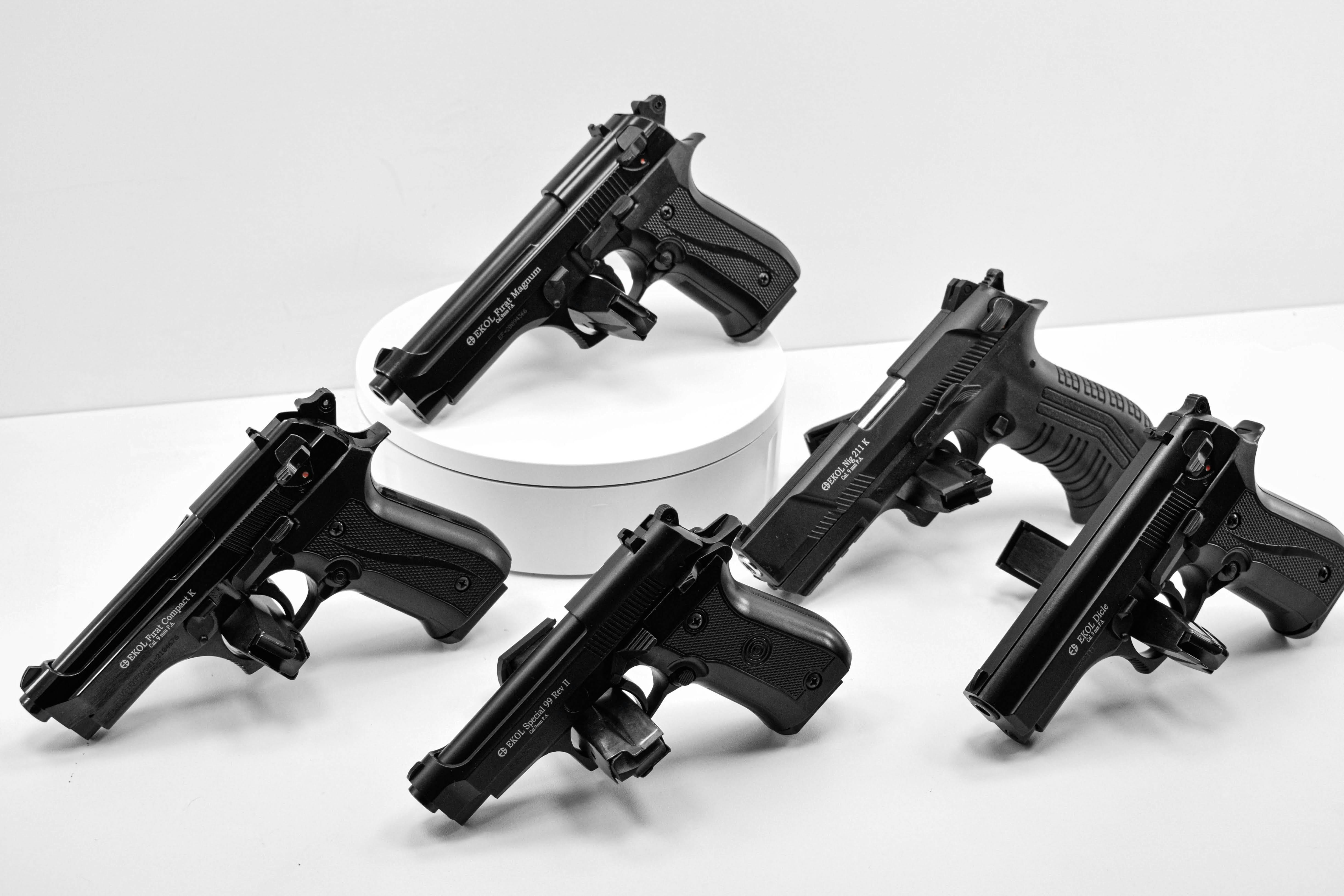
People sometimes attack carbon fouling as if every dark mark is a defect. That can lead to over-scrubbing with hard tools, rough brushes, or excessive solvent, especially on feed ramps, finishes, and coated internals. A pistol does need cleaning, but not every stain has to be polished back to factory appearance.
What matters most is removing debris that affects function, not chasing cosmetic perfection. Gentle brushes, patches, and appropriate solvent usually handle the job without unnecessary wear. If a part requires real force to look clean, it may not need that level of attention in the first place. Smart maintenance protects surfaces instead of stripping them down every session.
The magazine needs maintenance too

When a semi-auto pistol starts acting up, the pistol itself often gets the blame first. In many cases, the actual problem lives in the magazine. Dirt, pocket lint, bent feed lips, weak springs, and damaged followers can all create feeding issues that seem like bigger mechanical failures.
Magazines are consumable working parts, not immortal accessories. They should be inspected, kept reasonably clean, and occasionally marked so recurring problems can be traced to a specific one. Depending on use, springs and bodies may eventually need replacement. A spotless pistol paired with a neglected magazine is still a setup for malfunctions, and that point is rarely emphasized enough during a purchase.
Recoil springs do not last forever

Recoil springs quietly do their job until they do not, which is why many owners forget they are wear items. As the spring weakens over time, the slide can cycle differently, batter the frame more than intended, and start showing odd reliability symptoms that seem unrelated at first.
The tricky part is that a tired recoil spring does not always announce itself dramatically. Ejection changes, sluggish return to battery, or a pistol that feels unusually sharp in recoil can all be clues. Replacing springs at the manufacturer’s recommended interval is simple preventive maintenance. Waiting until visible failure means the spring has probably been overdue for attention for quite a while.
Striker channels and firing pin areas are not oil reservoirs

Many modern pistols rely on clean, mostly dry striker or firing pin channels to operate consistently. Yet owners often spray lubricant into every opening, assuming more protection is always better. In these enclosed areas, oil can trap fouling and slow critical movement, especially in cold weather or after heavy shooting.
That does not mean the area should be ignored forever. It means cleaning should be deliberate and based on the pistol’s design. If the manufacturer calls for a dry channel, treat that as an important reliability instruction, not a suggestion. Misfires and light primer strikes sometimes start with well-meaning lubrication in exactly the wrong place.
Cleaning frequency depends on use, not superstition

Some owners clean after every magazine, while others wait until a pistol is visibly filthy. Neither extreme is especially helpful. A practical maintenance schedule depends on round count, ammunition type, carry conditions, storage environment, and whether the pistol is used for range practice, home defense, or daily carry.
A carry gun exposed to sweat, dust, or lint may need regular inspection even if it is rarely fired. A range pistol might go longer between deep cleanings if it continues functioning well and is lubricated correctly. The point is to replace ritual with observation. Good maintenance is based on how the pistol is actually used, not on vague traditions repeated at the counter.
A function check matters after reassembly

Plenty of owners field-strip, clean, reassemble, and then stop right there. That leaves out one of the most important final steps. A basic function check helps confirm the slide cycles correctly, the trigger resets as intended, safeties operate properly, and nothing was installed backward, omitted, or left binding.
This is not about performing a complicated armorer procedure at the kitchen table. It is about building a reliable habit after every cleaning session. Even experienced people can make small reassembly mistakes, especially when distracted. Taking an extra minute to verify normal operation is a simple safeguard, and it is often more useful than another five minutes spent polishing already clean parts.
Storage conditions affect maintenance more than people think
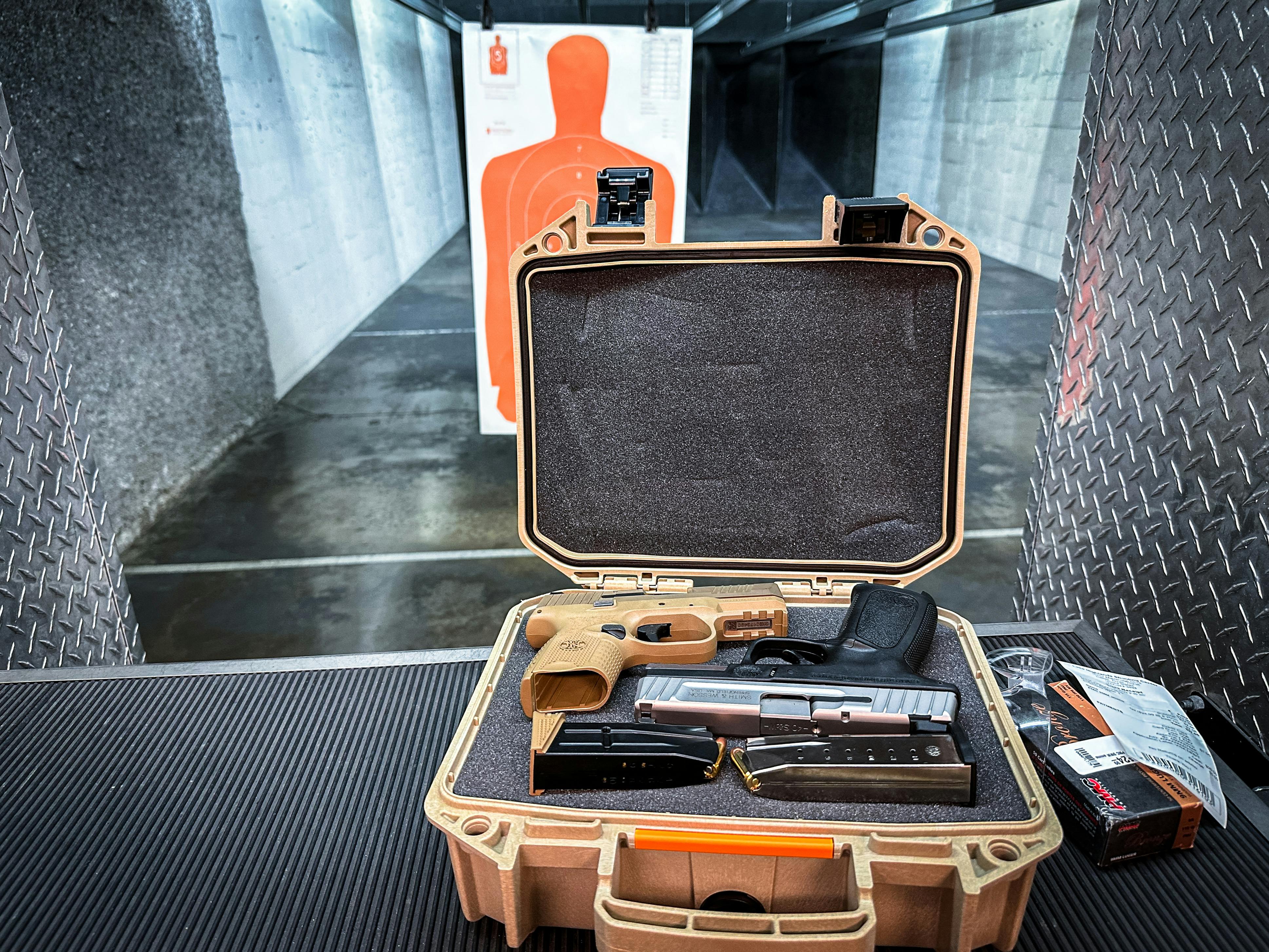
A pistol can be perfectly cleaned and still develop problems if it is stored carelessly. Humidity, sweat, foam-lined cases, and long periods in neglected bags or vehicles can encourage rust, corrosion, and grime buildup. Good maintenance does not end when the gun goes back into the safe or drawer.
Storage should support the condition you worked to preserve. That means a dry environment, sensible protection from moisture, and periodic inspection instead of forgetting the pistol for months at a time. Even finishes marketed as durable benefit from basic care. The hidden truth is that many maintenance headaches begin during storage, not during shooting or cleaning.
Know when maintenance turns into gunsmith work

Routine maintenance has limits, and that is a point many casual conversations skip over. Cleaning, lubrication, basic inspection, and simple parts replacement may be within an owner’s comfort zone. But recurring malfunctions, unusual wear patterns, damaged components, or internal modifications can cross into gunsmith territory quickly.
Trying to solve every issue at home can turn a small problem into a serious one. If a pistol starts doubling, failing unpredictably, showing cracked parts, or behaving differently after a repair attempt, expert help is the smart move. Responsible ownership includes recognizing when the best maintenance decision is to stop tinkering and let a qualified professional handle the job.