Some revolvers fight you every step of the way. A classic Dan Wesson usually does the opposite.
Why Dan Wesson Revolvers Feel Different From the Start
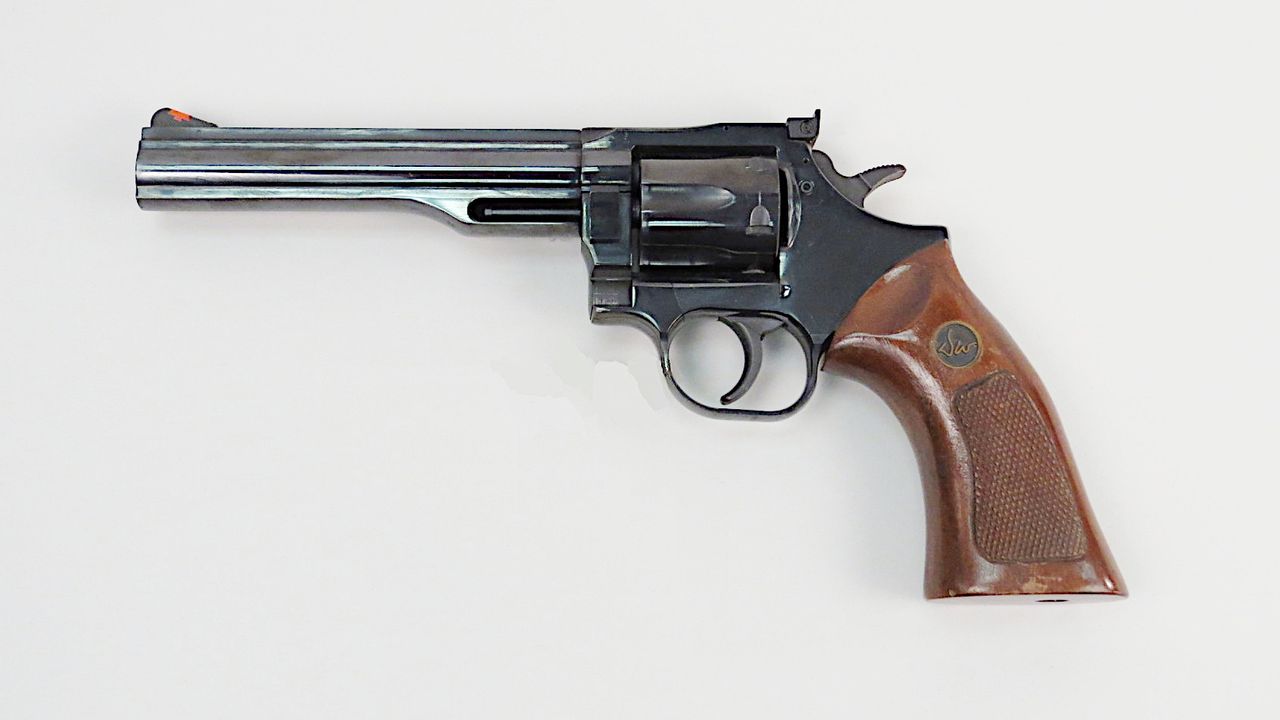
Dan Wesson revolvers built their reputation on a layout that rewards the mechanically curious owner. According to American Rifleman, the signature system used a separate barrel, barrel shroud, and barrel nut, which made barrel changes and setup unusually straightforward compared with more conventional revolvers. That modular approach is a big reason these guns became favorites with target shooters and handgun hunters who wanted accuracy and flexibility without owning multiple complete revolvers.
That same design also shaped how people think about rebuilding them. When shooters say a Dan Wesson can be rebuilt with just a screwdriver, they usually mean routine teardown, cleaning, grip removal, sideplate access, and basic internal reassembly. They do not mean every job on every model, and they definitely do not mean forcing parts that were meant to be fitted with other tools.
The important distinction is between a field-level rebuild and a machine-shop overhaul. A screwdriver can get surprisingly far on many classic Dan Wesson revolvers because the platform was designed around replaceable assemblies and user serviceability. The gun was sold as a system, not just a sealed box.
In practice, that means a careful owner can often return a disassembled revolver to working order after cleaning, spring replacement, or inspection. It does not mean improvisation is always smart. A Dan Wesson rewards patience, correct screw fit, and a calm workbench far more than brute force.
What “Just a Screwdriver” Really Means in the Real World
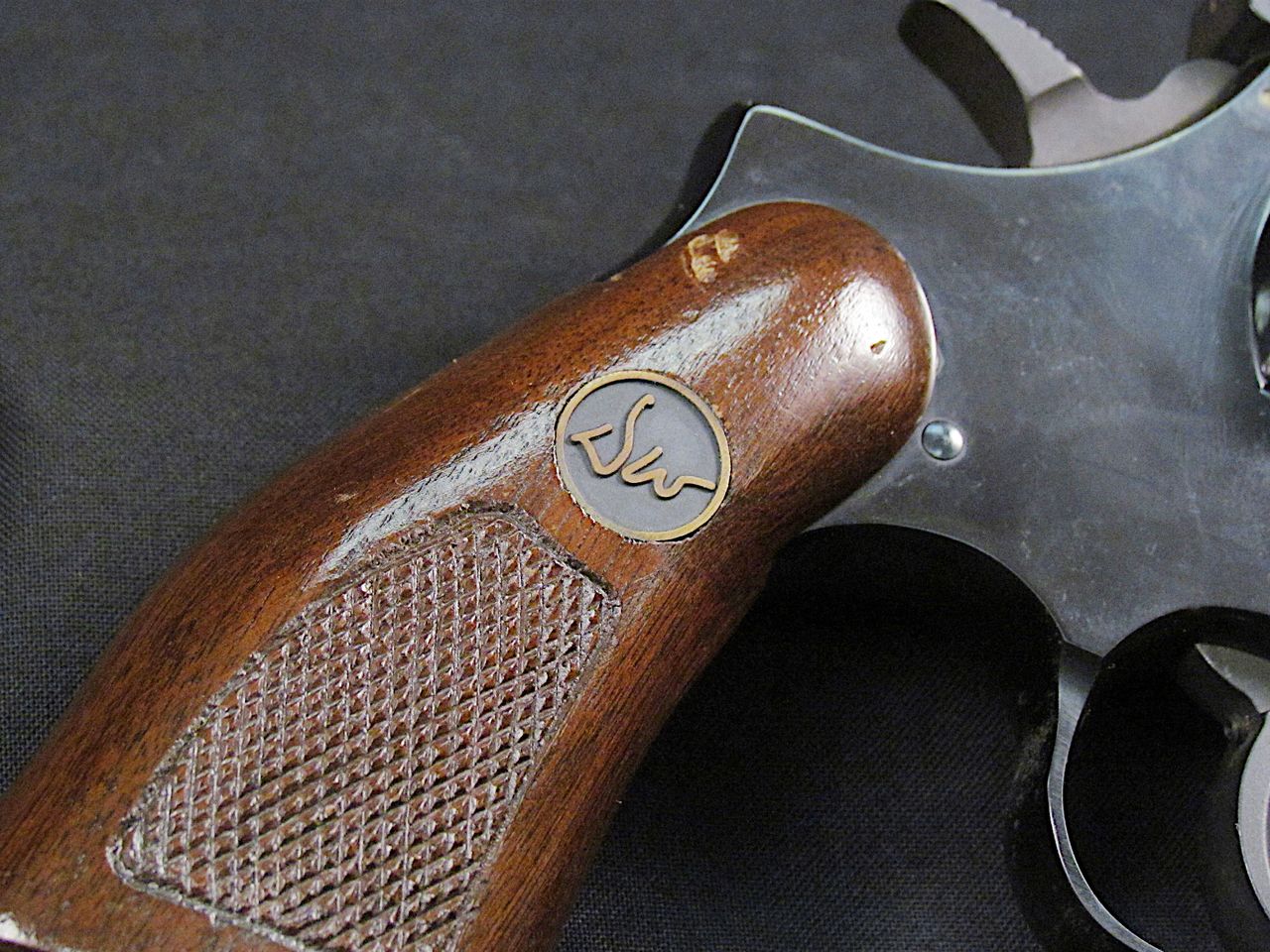
The phrase sounds dramatic, but it needs translation. A hollow-ground gunsmith screwdriver is not the same thing as the beat-up flat blade from a kitchen junk drawer. On revolvers, screw slots are shallow, visible, and easy to scar, so using the right bit width matters almost as much as the turning itself.
For many Dan Wesson owners, the screwdriver is the main hand tool because grips, sideplate screws, and several access points are simple and direct. American Rifleman has also noted that Dan Wesson revolvers were shipped as practical systems with the tools needed for barrel changes, which reinforced the brand’s reputation for owner-level maintenance. In other words, the company expected users to interact with the gun mechanically.
Still, “just a screwdriver” is partly shorthand. If you are working on a revolver with the interchangeable barrel setup, a proper barrel nut wrench and feeler gauge are part of the normal kit for setting the barrel gap correctly. The screwdriver handles much of the framework, but it is not the only tool ever involved in proper setup.
That matters because language shapes confidence. Healthy confidence is useful. False confidence ruins screw heads, bends springs, and launches tiny parts across the room. The smartest way to read the phrase is this: a Dan Wesson is simpler to reopen and reassemble than many people expect, provided you stay inside the boundaries of basic maintenance.
Safe Tear-Down Starts Before the First Screw Moves
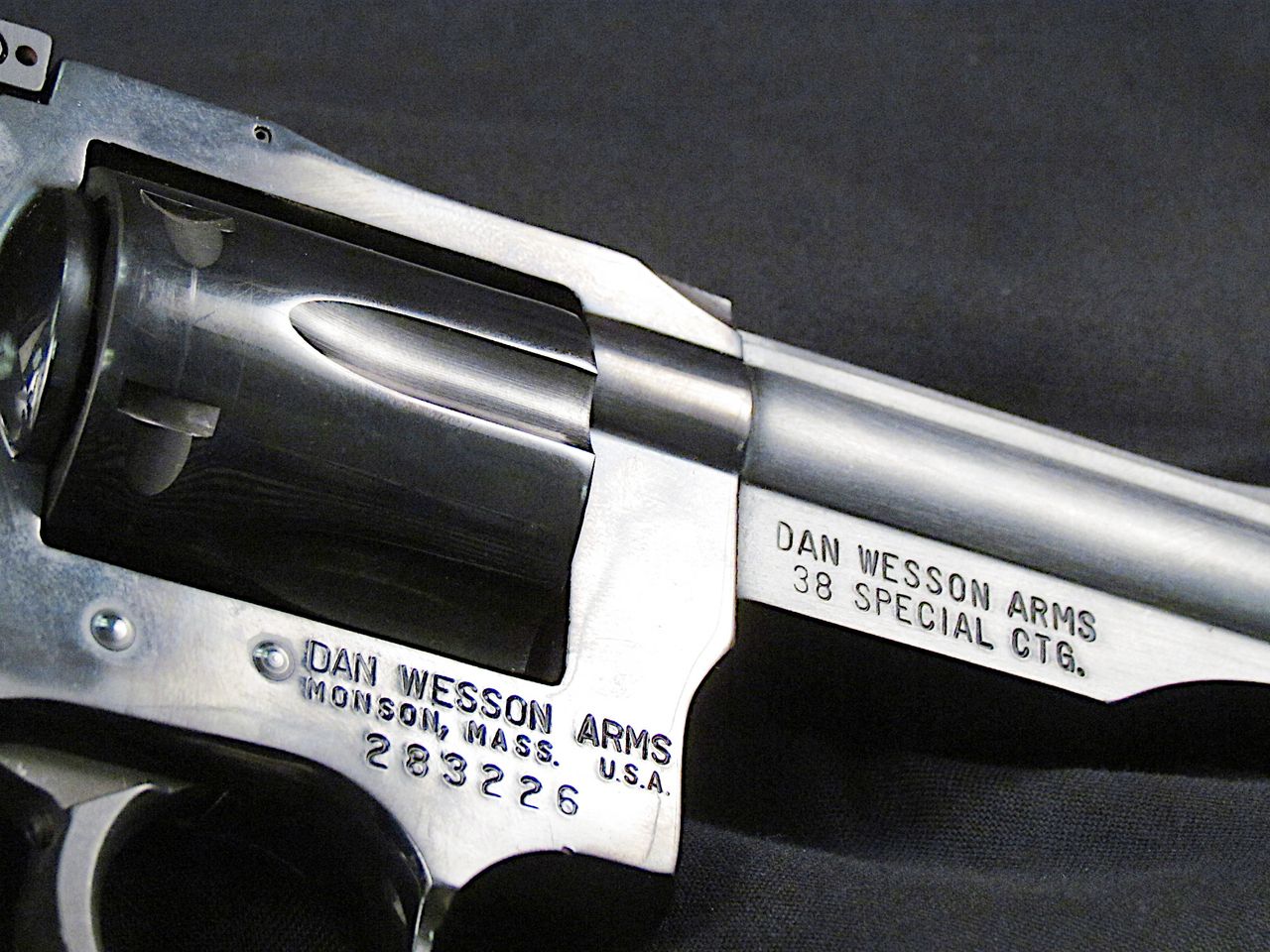
Before touching a screw, clear the revolver completely and then check it again. Open the cylinder, inspect every chamber visually, and physically confirm it is empty. Ammunition should be off the bench, not just a few inches away, because distraction is one of the easiest ways to make a simple shop task unsafe.
The next step is setting up the workspace. Use a bright light, a plain towel or bench mat, and small trays for screws and springs. Dan Wesson revolvers are friendly to disassembly, but they still contain small fitted parts that all look annoyingly similar after ten minutes if you do not organize them.
When you begin, remove the grip carefully and keep pressure controlled. Sideplate screws should be turned with a bit that fills the slot fully from side to side. If the blade is too narrow, it cams out and chews the slot, which instantly turns a nice revolver into a project that looks abused.
Go slowly once the sideplate is free. The point is not to strip the gun to the atoms. The point is to expose the action, inspect for fouling, dried oil, weak springs, or mispositioned parts, and then put everything back exactly where it belongs. Most successful home rebuilds are really disciplined clean-and-reassemble jobs, and there is no shame in that.
Inside the Action: What You’re Actually Reassembling
Once the sideplate is off, the Dan Wesson starts to look less mysterious and more logical. You are dealing with the usual family of double-action revolver parts: hammer, trigger, hand, rebound-related pieces, springs, and the internal parts that control cylinder rotation and lockup. None of that is magic, but every part has a direction, a relationship, and a place where tension matters.
This is where the screwdriver earns its keep as a control tool rather than a pry bar. You may use it to guide a spring leg into position, hold tension while a screw starts, or gently align a part that wants to tip out of place. The worst thing you can do is treat the blade like a lever and start forcing hardened steel against finished surfaces.
Classic Dan Wessons became respected in part because their overall construction was robust. American Rifleman has written that the system was prized by shooters who demanded excellent accuracy, especially during the rise of metallic silhouette competition. That competitive credibility came from sound engineering, not fragility.
Even so, robust does not mean indestructible. If the hammer will not seat, or the trigger return feels wrong halfway through assembly, something is likely misaligned. Back up, inspect the stack of parts, and correct the cause. Good revolver work feels deliberate, not dramatic.
The Barrel System Is the Part Most Owners Get Wrong
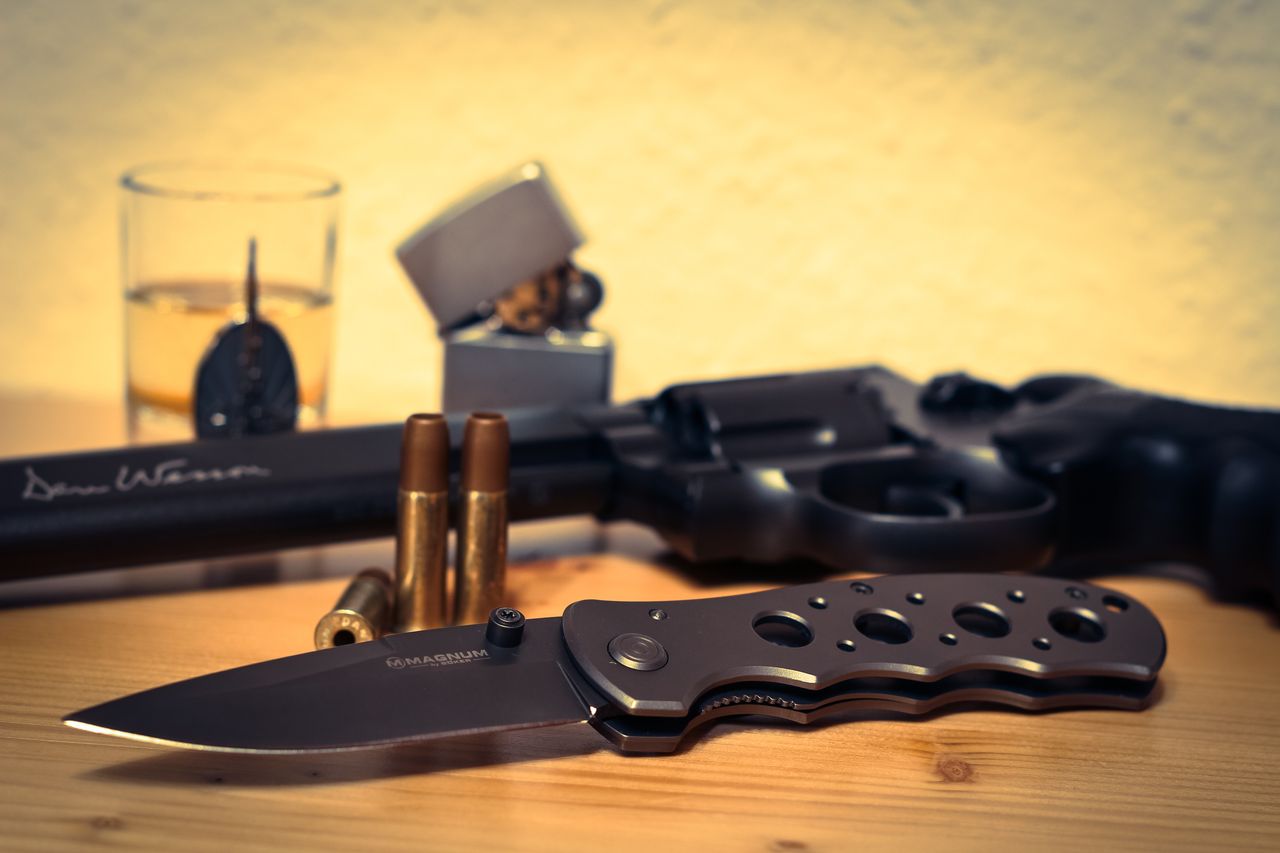
The famous Dan Wesson barrel arrangement is also where overconfidence shows up fastest. The barrel threads into the frame, the shroud slides over it, and the barrel nut draws the system together from the muzzle end. As American Rifleman explains, the nut’s action effectively pulls the barrel forward, placing it in tension, which is one reason these revolvers earned such a strong accuracy reputation.
That design is brilliant, but it also means reassembly is not complete until the barrel gap is set correctly. Too tight, and the cylinder can bind when fouled or heated. Too loose, and you give away performance while increasing the blast at the gap. This is why experienced owners use the proper gauge rather than eyeballing the space and hoping for the best.
A screwdriver does not solve that problem by itself. It may help with grips, screws, and access, but the barrel system still deserves the right wrench and a measured approach. Calling the whole job a screwdriver project is fine as conversational shorthand, but not as a technical instruction.
The smart takeaway is simple. Use the screwdriver where it belongs, and use dedicated barrel tools where accuracy and safety depend on them. That is not cheating. That is understanding the design well enough to respect it.
Common Mistakes That Turn a Simple Job Into a Headache
The most common error is using the wrong screwdriver tip. A scarred screw head is not just cosmetic damage. It is evidence that pressure, fit, and control were wrong from the beginning, and those same habits often show up elsewhere in the action.
Another classic mistake is removing multiple parts at once without taking reference photos. Even experienced revolver owners can forget the exact orientation of a spring or the path of a hand after a distraction. A phone photo at each stage saves time, preserves sanity, and keeps you from relying on memory when memory is least reliable.
People also get into trouble by assuming all resistance is normal. It is not. If a sideplate needs prying, stop. If a screw suddenly tightens halfway in, stop. If the cylinder timing feels worse after reassembly, stop. Mechanical sympathy is the trait that separates a careful hobbyist from someone who creates gunsmith bills.
Finally, many owners mistake successful assembly for successful function. The gun must still be checked for smooth trigger movement, positive cylinder rotation, correct lockup, and safe carry-up before live fire. Rebuilt is not the same as verified, and that distinction matters.
When to Finish the Job Yourself and When to Call a Gunsmith
A home rebuild makes sense when the task is straightforward: cleaning out old oil, reinstalling a sideplate, replacing a simple spring, refitting grips, or returning a previously understood action to proper order. Dan Wesson revolvers have long appealed to owners who like practical mechanical systems, and that owner-serviceable heritage is part of their charm.
A gunsmith should take over when timing is questionable, lockup is inconsistent, screws are damaged, internal parts are chipped, or you suspect someone has already done amateur work before you. Those problems are not signs of failure on your part. There are signs that diagnosis now matters more than enthusiasm.
The same goes for any uncertainty around barrel gap, endshake, or ignition reliability. Accuracy and durability on a Dan Wesson come from correct relationships between parts, not from the fact that everything can be taken apart. The platform is forgiving in some ways, but not infinitely so.
The truth behind the old claim is appealing because it is mostly rooted in reality. A classic Dan Wesson really is one of the more owner-friendly revolvers ever made. But the real magic is not the screwdriver. It is knowing when a screwdriver is enoug, and when wisdom means putting it down.