Choosing hunting ammunition is becoming less about simply matching a cartridge to a rifle. Bullet construction, lead-free requirements, availability, accuracy, and the game being pursued can all influence the decision. Current regulations also vary considerably by state and hunting area, so hunters should always check the latest local rules before purchasing or carrying ammunition.
1. Lead-Free Copper Hunting Loads
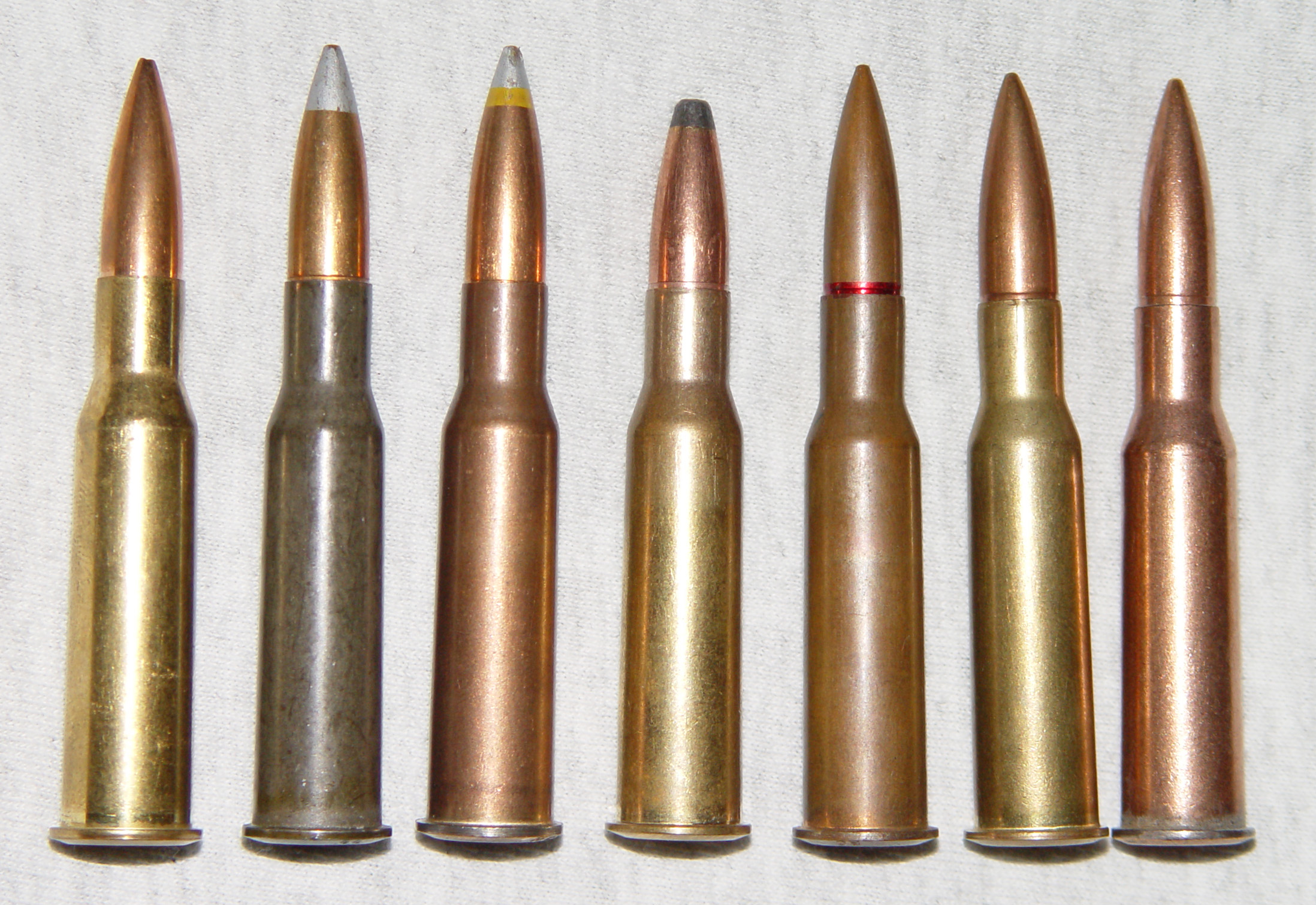
Copper and copper-alloy bullets deserve closer attention for the coming season because more hunters are encountering non-lead requirements or voluntary programs. A monolithic copper bullet can retain most of its original weight while expanding through controlled petals, giving deep penetration. For example, a 6.5 mm copper hunting bullet may weigh about 120 grains, while a lead-core design of the same caliber can be heavier. Always confirm that the exact load is legal where you hunt and re-zero after changing bullet construction. Test at least 3 to 5 groups before hunting.
2. Bonded Bullets for Tough Angles
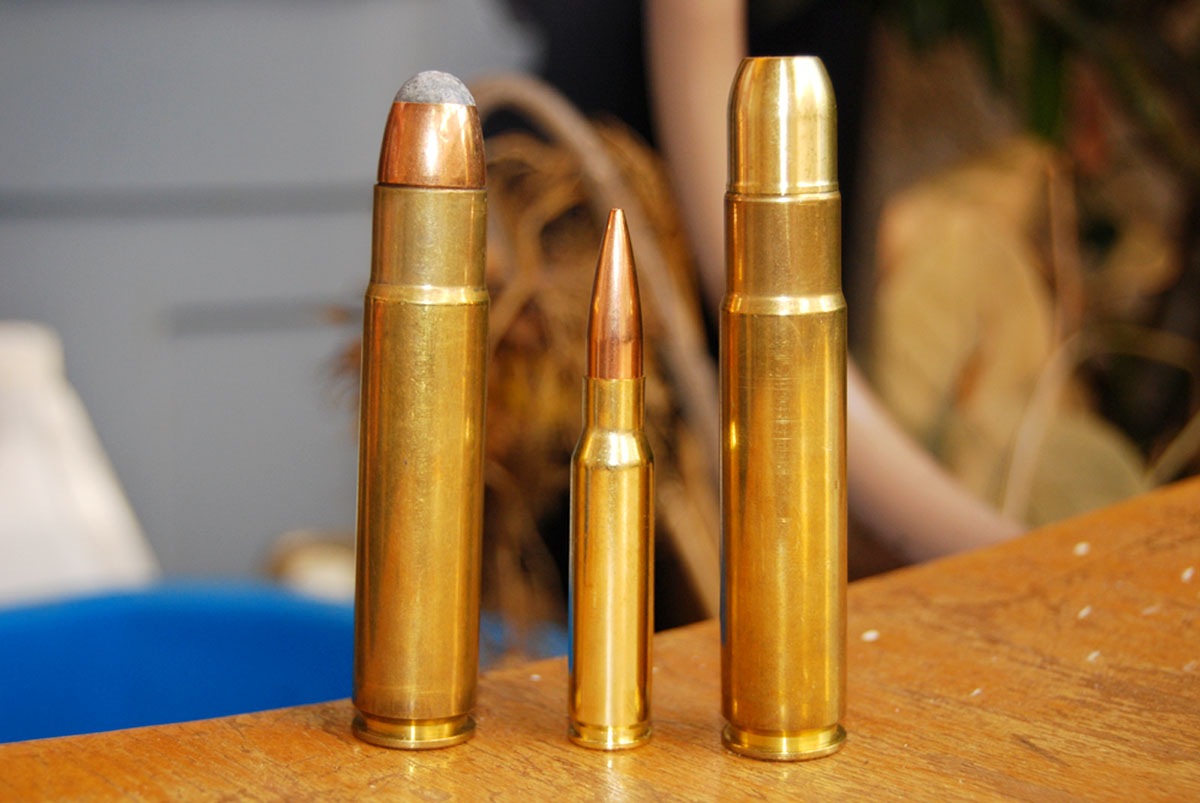
Bonded bullets remain a useful choice when a hunt may involve larger deer, elk, or less-than-perfect shot angles. Their lead core is chemically or mechanically bonded to the jacket, helping the bullet hold together when it meets bone or dense tissue. A typical 150-grain .308 Winchester bonded load can combine a controlled expansion profile with substantial retained weight. The key is not the label alone. Compare the manufacturer’s velocity data, accuracy, and intended game before selecting a load for your rifle. That testing can reveal how the bullet behaves in your barrel.
3. 6.5 Creedmoor Hunting Loads
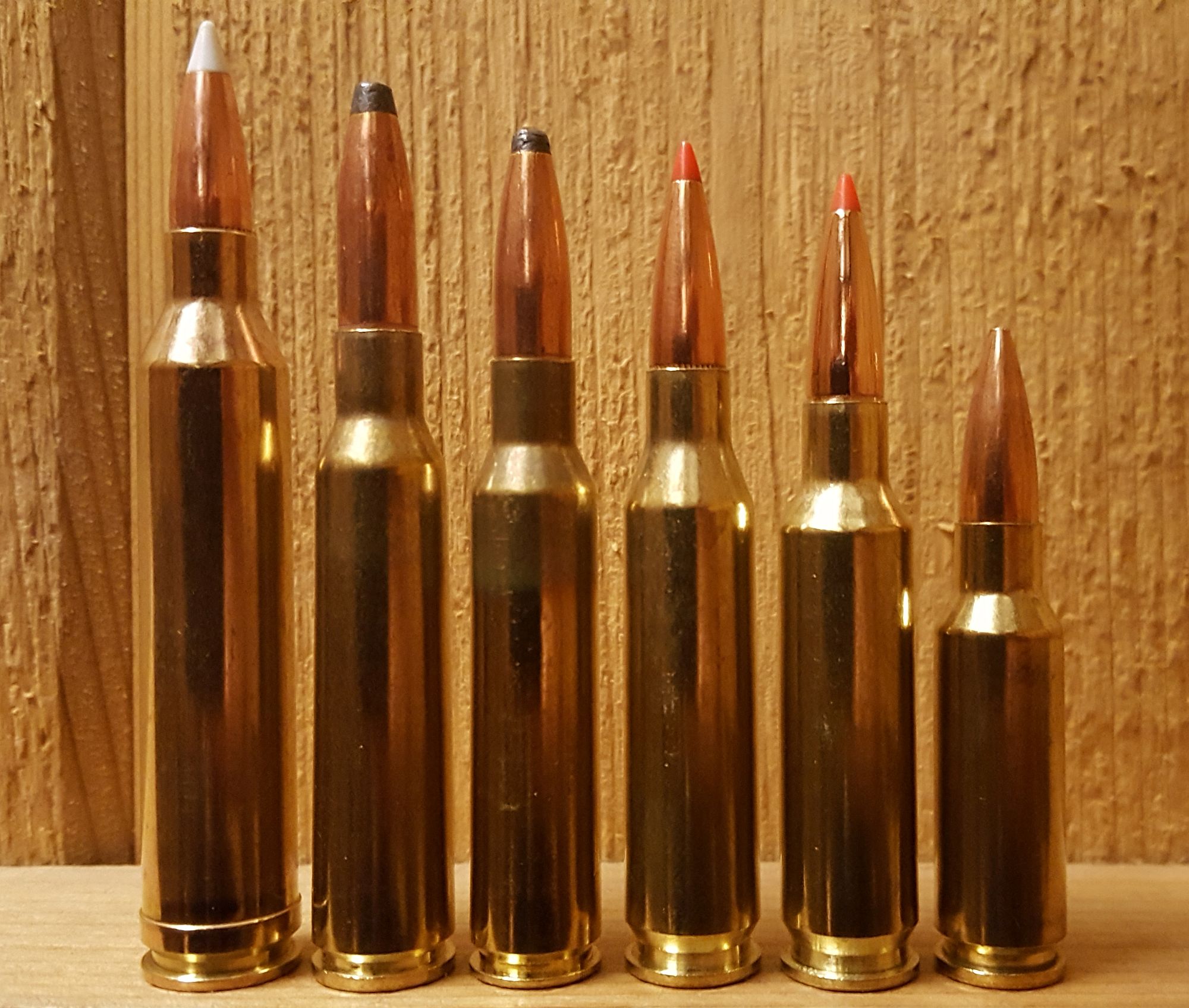
The 6.5 Creedmoor continues to have a broad selection of factory hunting ammunition, giving hunters several bullet weights and designs to test. Common hunting loads fall around 120 to 143 grains, with different bullets emphasizing expansion, penetration, or aerodynamics. Its relatively high ballistic coefficient can help preserve velocity at distance, but that does not remove the need for disciplined range estimation. Check your rifle’s twist rate, confirm point of impact, and choose a load that groups consistently before the season starts. A 100-yard zero is only a starting point.
4. .308 Winchester Controlled-Expansion Loads
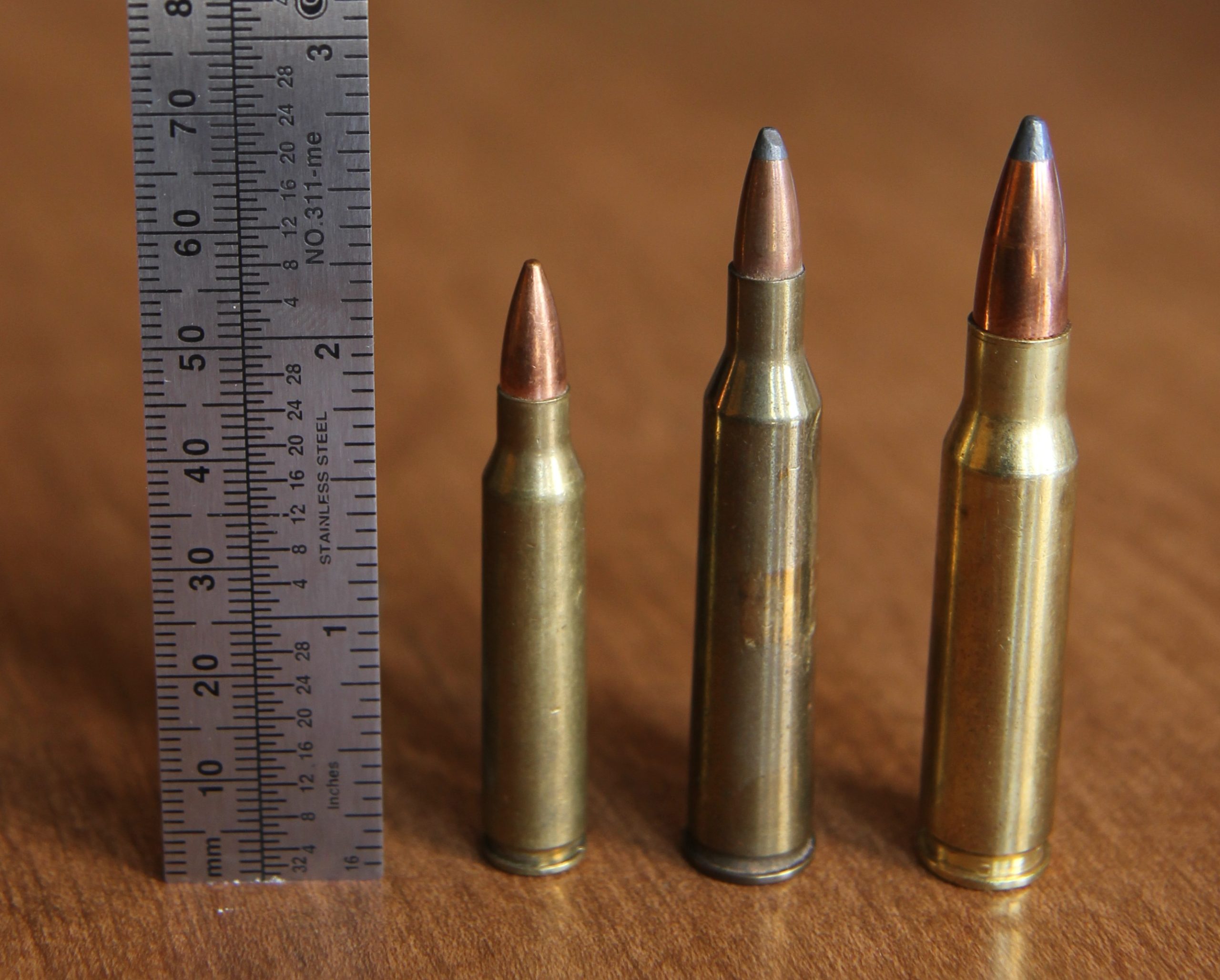
.308 Winchester remains relevant because ammunition is widely offered in hunting-focused bullet designs and weights. Loads commonly range from about 150 to 180 grains, allowing hunters to match bullet construction to deer, black bear, or larger game where legal. A controlled-expansion bullet can balance penetration with a useful wound channel. Rather than buying by caliber alone, compare published muzzle velocity, bullet weight, and construction. Then verify the load in your own rifle, since two factory cartridges can produce noticeably different point-of-impact results.
5. .270 Winchester Modern Hunting Loads
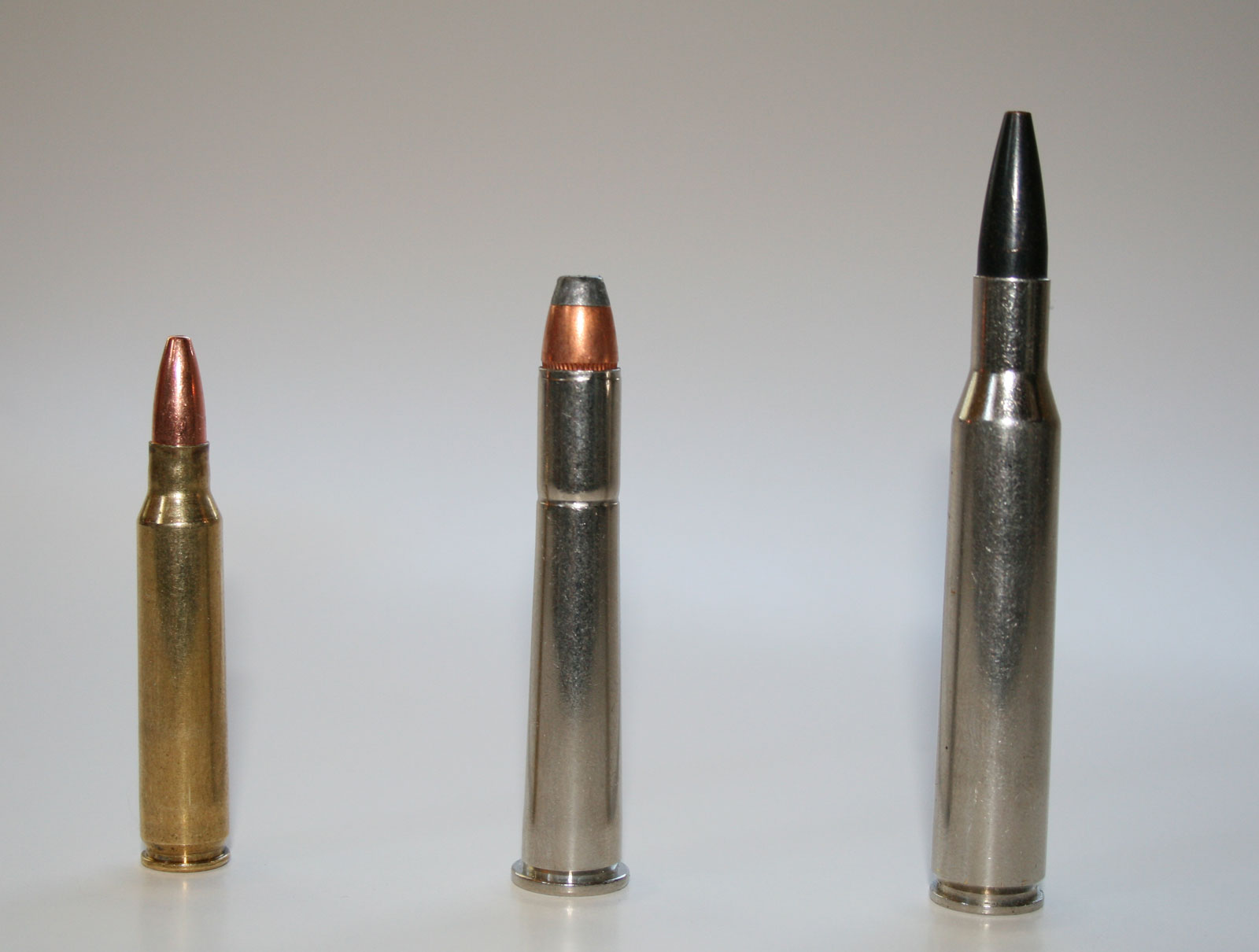
.270 Winchester still offers a practical combination of flat trajectory and manageable recoil for many big-game hunters. Factory hunting ammunition commonly uses bullets around 130 to 150 grains, including bonded and monolithic designs. A 130-grain load and a 150-grain load can have different trajectories and impact points even from the same rifle. That makes a pre-season range session important. Check the ammunition’s published velocity, confirm your zero at the distance you actually use, and make sure the bullet is approved for your intended species and hunting area.
6. 7mm Remington Magnum Loads
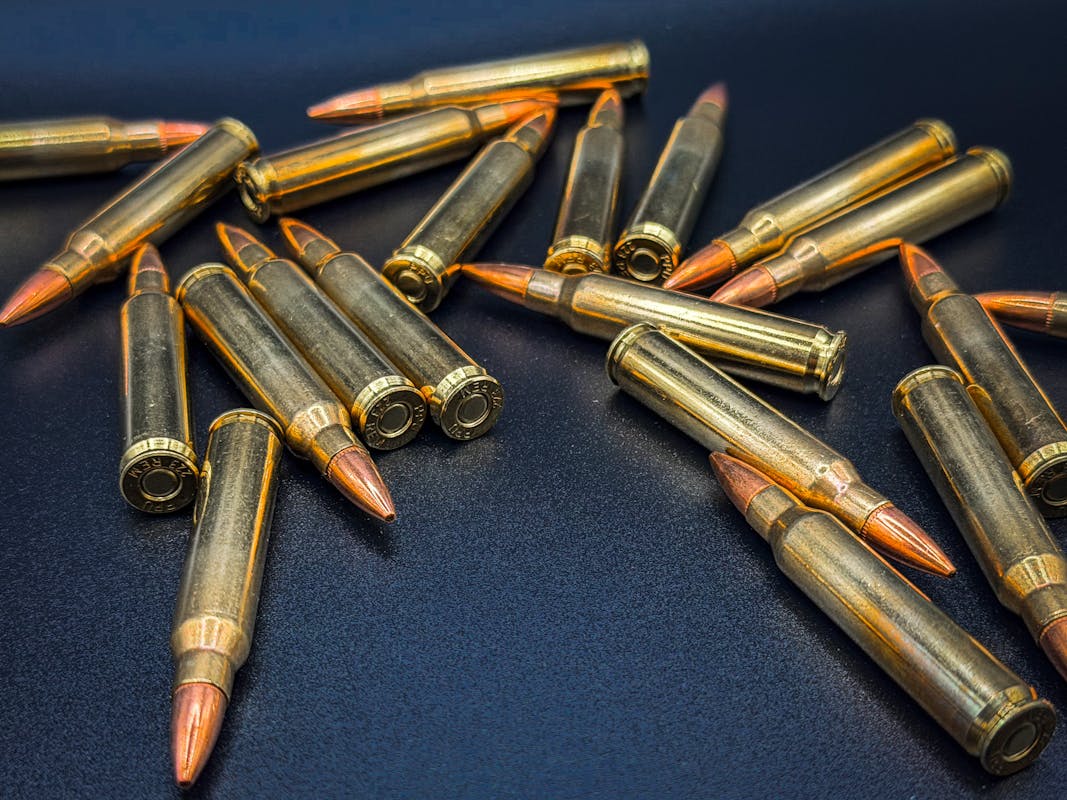
The 7mm Remington Magnum gives hunters access to a wide range of bullet weights, with many factory loads built around roughly 150 to 175 grains. Modern hunting bullets can combine a high ballistic coefficient with controlled expansion, helping retain velocity while maintaining useful penetration. The tradeoff is recoil and muzzle blast, which can affect practical accuracy. If you change ammunition, shoot enough rounds to confirm the new zero rather than assuming the rifle will print in the same place. Check barrel twist and the manufacturer’s data before buying.
7. 6.5 PRC Hunting Ammunition
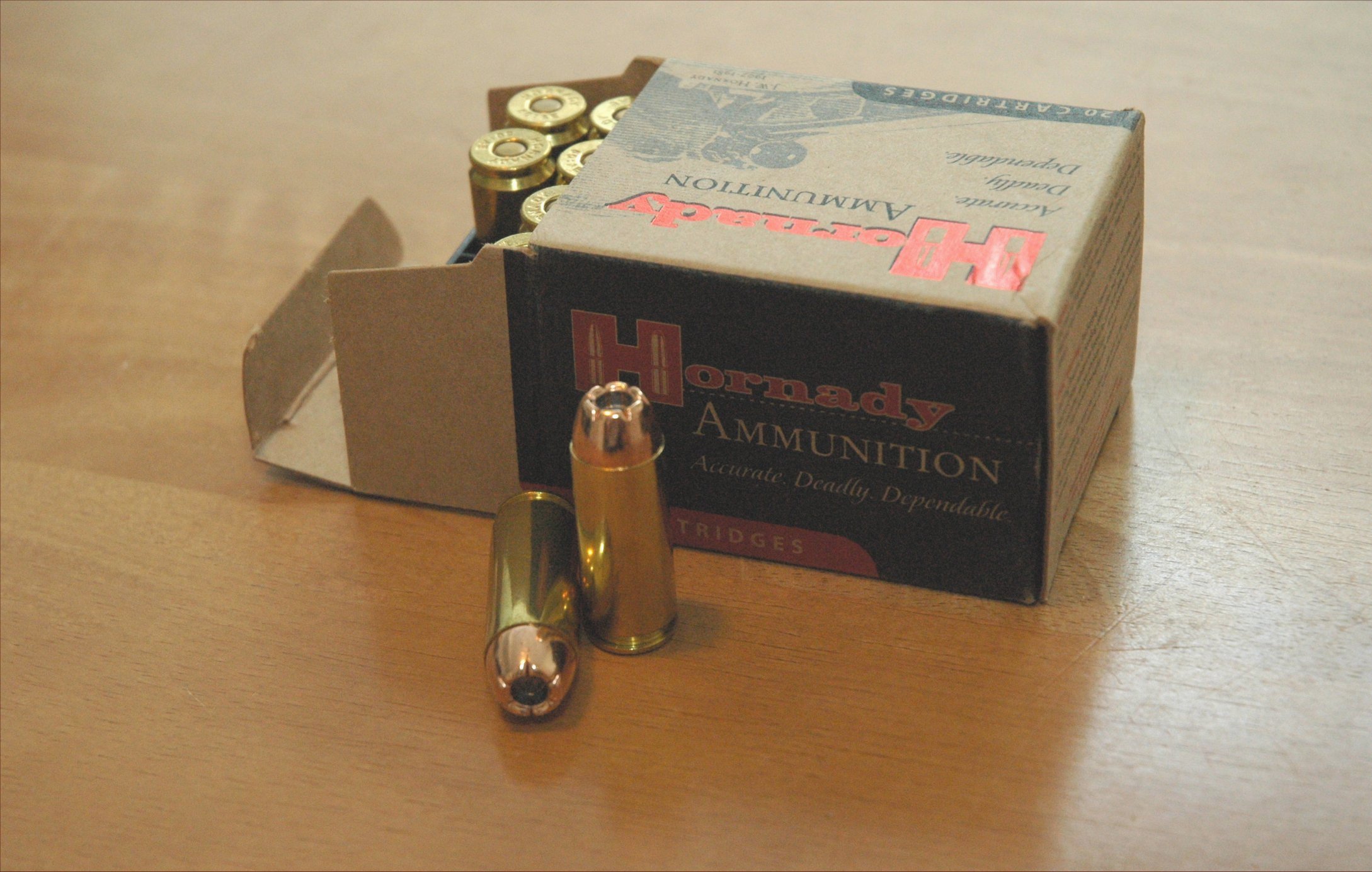
The 6.5 PRC is an increasingly visible option for hunters who want a compact, high-velocity cartridge with modern long-range bullet designs. Factory hunting loads commonly use bullets around 127 to 156 grains, depending on the manufacturer and construction. Higher velocity can flatten trajectory, but it also makes ammunition choice and zero confirmation more important. A load that groups well on paper may behave differently after a barrel change or at longer distances. Use published data, verify actual point of impact, and stay within your ethical shooting limits.
8. 12-Gauge Non-Toxic Slugs
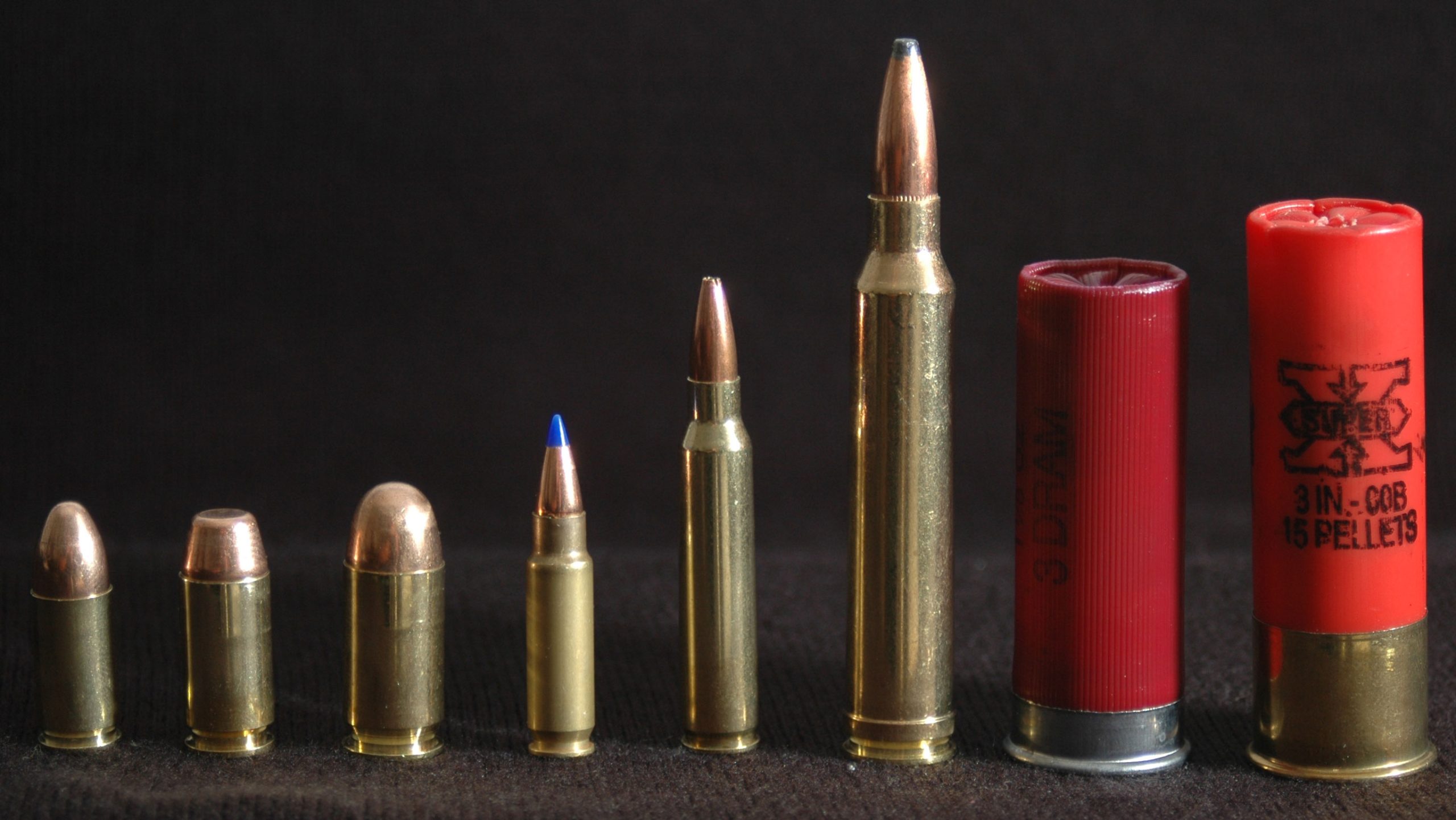
For hunters using slug guns where permitted, modern 12-gauge loads offer several choices beyond traditional lead projectiles. Non-toxic options are becoming more visible, while some jurisdictions or individual hunting areas have specific ammunition rules. A 12-gauge shell may carry a slug around 1 ounce, or 437.5 grains, although loads vary considerably. Slug designs also differ in accuracy and terminal behavior. Check the barrel and choke maker’s guidance, confirm the legal projectile type, and test the exact shell from the firearm before relying on it in the field.
9. Lead-Free Shotgun Loads
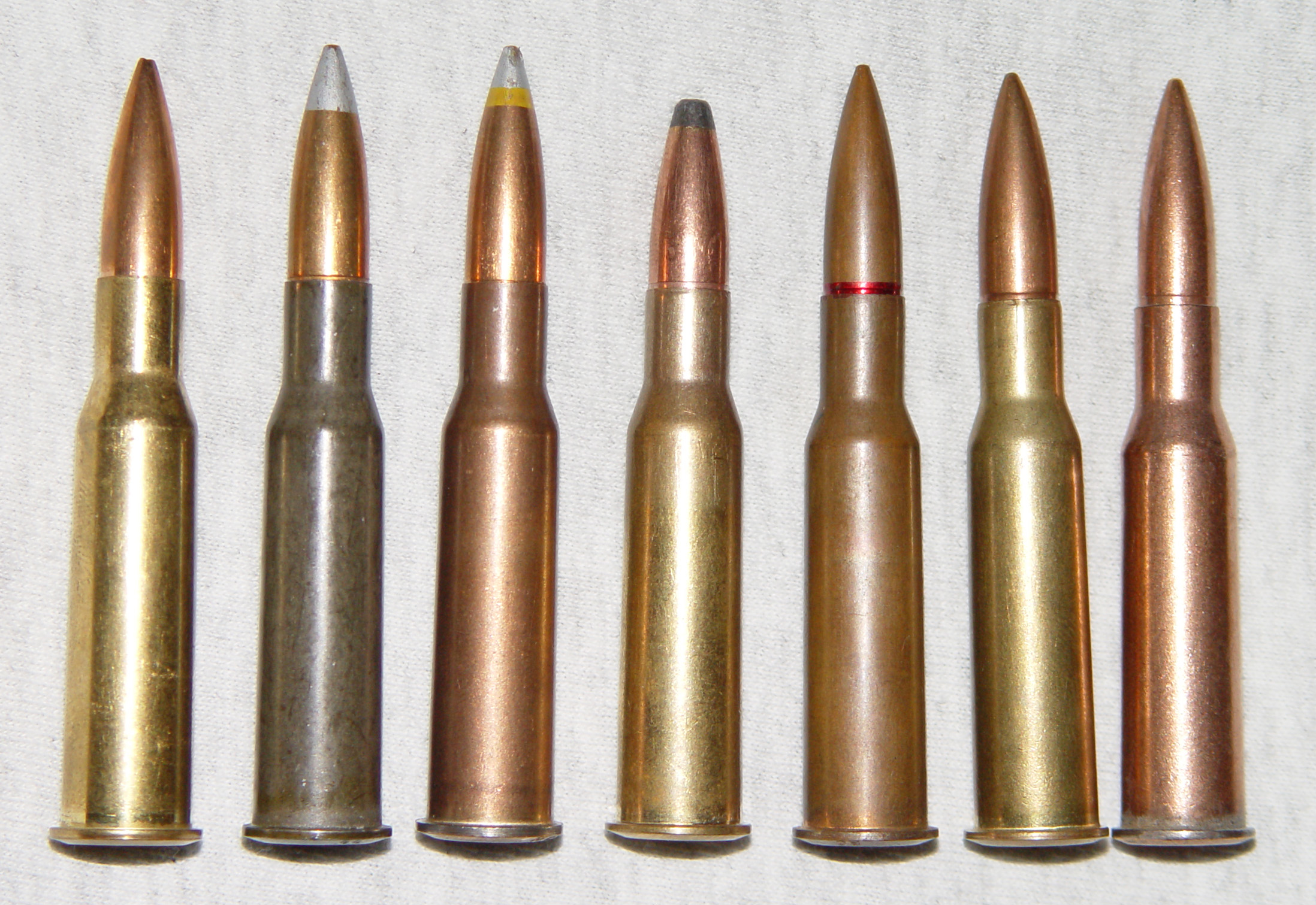
Lead-free shot deserves attention for hunters pursuing waterfowl and other game where non-toxic shot rules apply. Steel, bismuth, and tungsten-based loads behave differently because their densities vary. Tungsten-based shot can be substantially denser than lead, while steel is much lighter, so pellet size and patterning cannot be treated as interchangeable. A 12-gauge load might contain 1 to 1 1/4 ounces of shot, depending on the shell. Check the season rules, pattern the exact load at 20, 30, and 40 yards where appropriate, and match shot size to the game.
10. Factory Loads With Better Availability
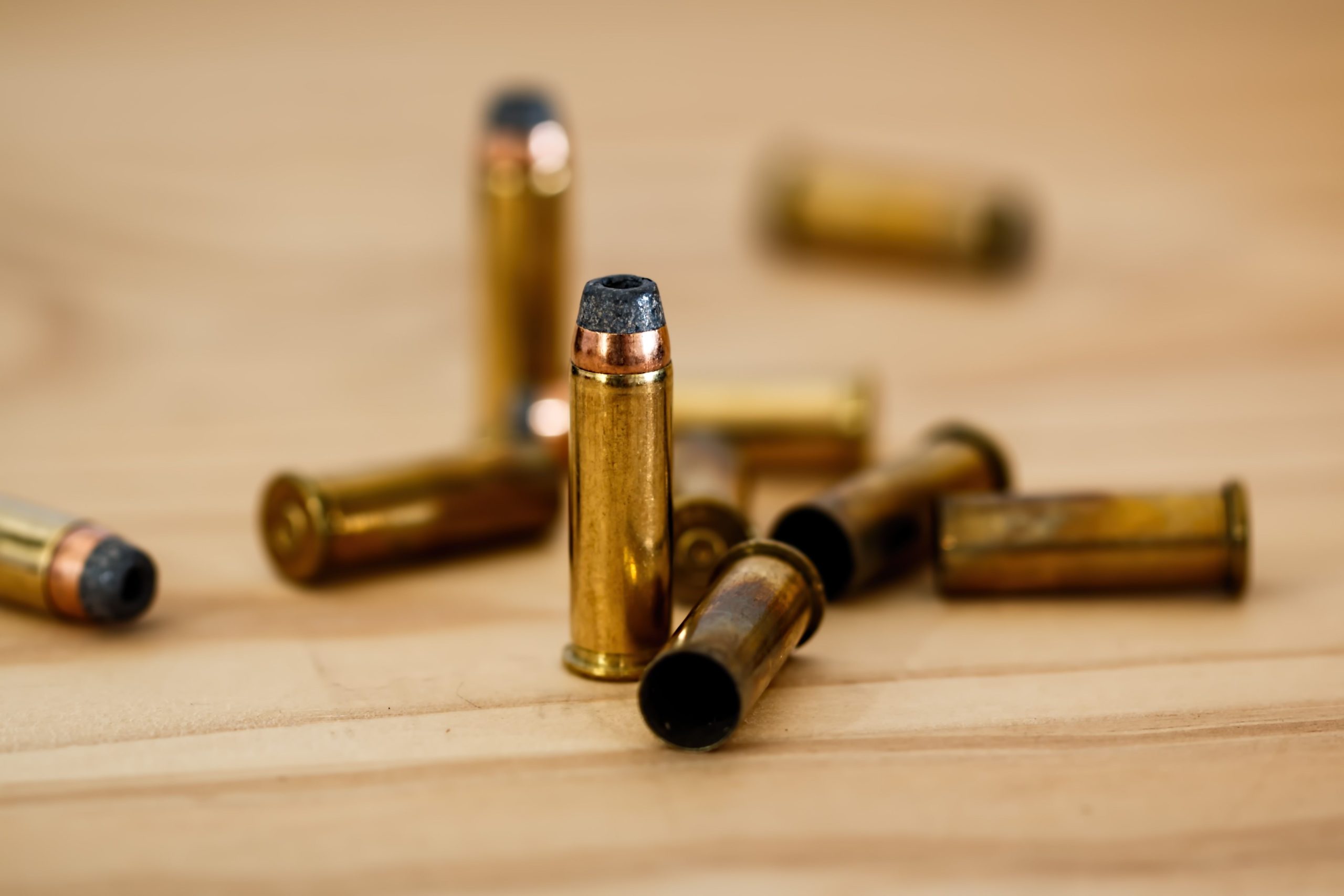
Availability may matter almost as much as ballistic performance when planning the next season. Recent federal refuge information found hunters reporting difficulty finding some lead-free loads, with 58% citing difficulty finding them and 20% saying a suitable caliber was unavailable. That makes a familiar factory load worth testing before shelves get crowded. Buy enough for sight-in and hunting, but keep the lot information and verify the exact product. If regulations change, having a tested legal alternative can prevent a last-minute ammunition switch from becoming a field problem.