September is no longer a month hunters can approach by simply repeating last year’s routine. Migration timing, weather, habitat conditions, population trends, and season structures can all change the picture from one year to the next. For the 2026-27 season, several developments are particularly worth watching. State regulations still differ considerably, but the broader trend is clear: successful planning increasingly depends on understanding both bird movement and the rules governing it.
1. Earlier Teal Windows Are Putting Migration on the Clock
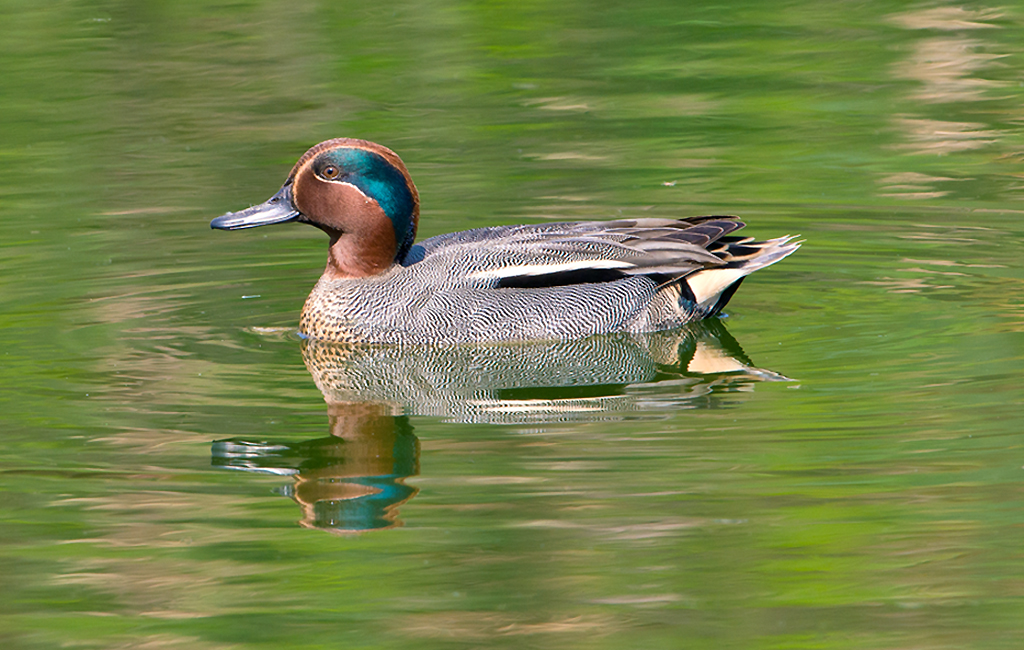
September can feel like the opening bell for waterfowl hunters, but early teal seasons make the calendar more important than ever. In Wisconsin, for example, the 2026 early teal window runs September 1-9, a compact 9-day opportunity before the main duck season. These small, fast-moving ducks can appear suddenly when northern birds begin shifting south. Hunters are watching cold fronts, water levels, and fresh reports rather than assuming migration follows last year’s timetable. The key change is tempo: a brief weather event can move birds hundreds of miles and quickly alter local numbers.
2. Weather Fronts May Reshape September Bird Numbers
Migration rarely advances in a smooth line, and September weather can change the picture within days. Cold fronts and north winds can push birds south, while warm conditions may keep them farther north. That means a marsh holding little game on Monday can look very different after one weather system. Hunters are increasingly treating forecasts as part of scouting, comparing wind direction, overnight lows, rainfall, and water conditions with actual bird sightings. The practical number to remember is 24 hours: conditions can change faster than a weekly plan suggests.
3. Early Goose Seasons Are Getting More Attention
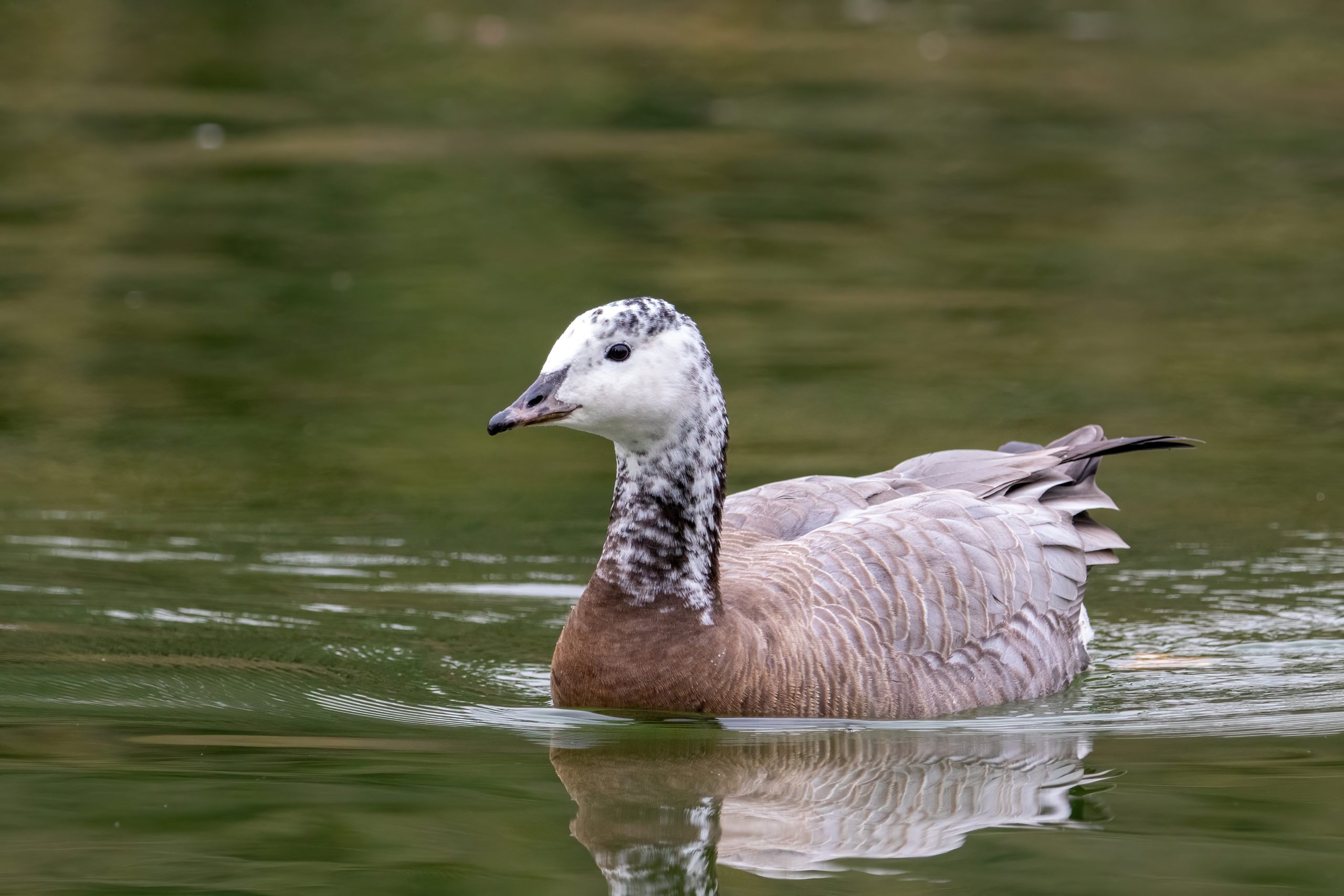
Resident Canada goose seasons give hunters an opportunity to pursue birds before the larger migration develops. Wisconsin’s 2026 early goose season, for example, runs September 1-15, creating a 15-day window before many traditional waterfowl seasons. These birds may behave differently from later migrants because they know local feeding and roosting areas. Hunters are watching whether dry fields, harvested crops, or changing water levels shift daily patterns. The September lesson is simple: early-season goose numbers do not necessarily predict the size or timing of the main migration.
4. Regional Zones Can Make the Same Month Feel Different
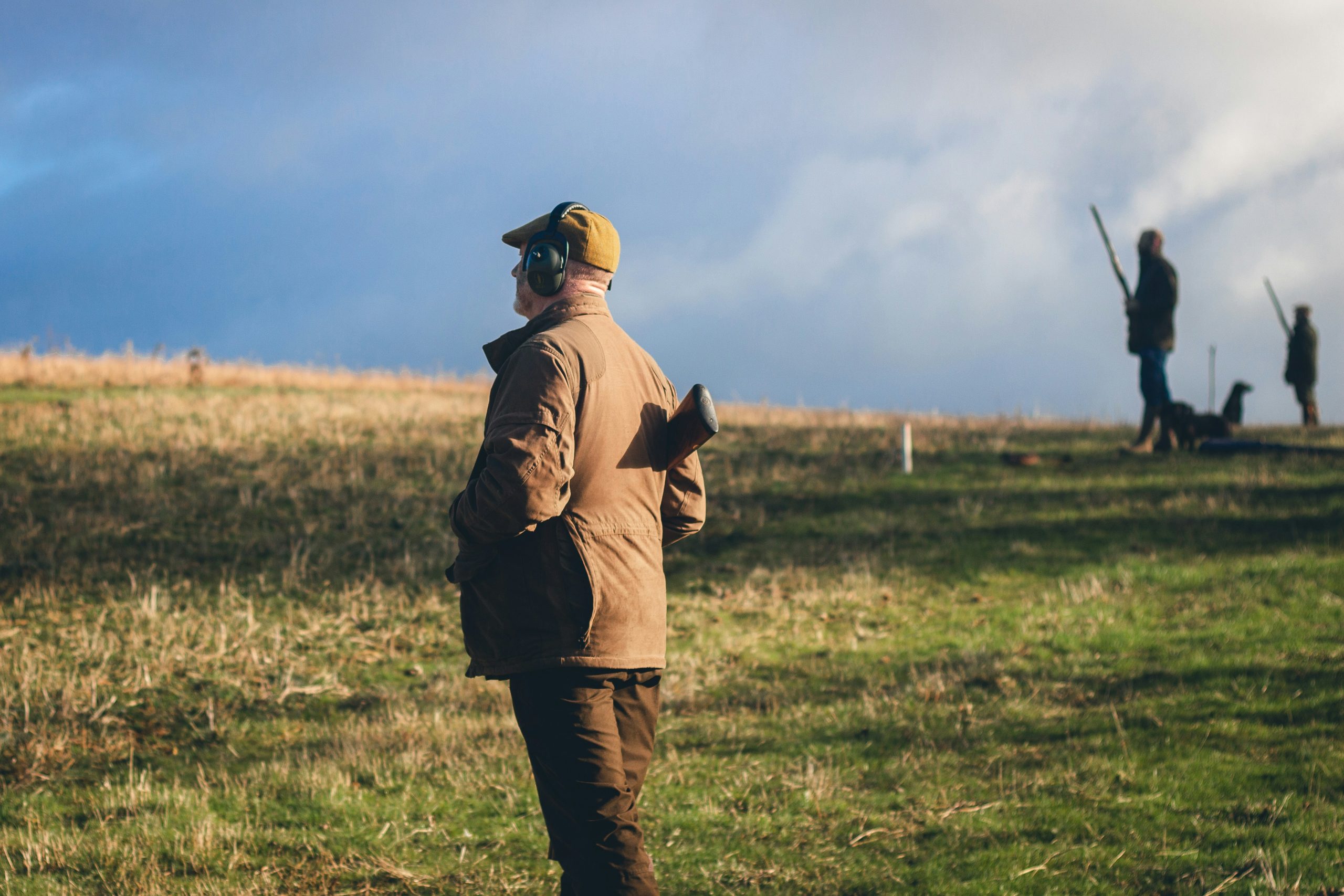
One of the biggest changes hunters watch is not a biological shift at all, but the way seasons are divided geographically. States can establish zones and split seasons within federal frameworks, so two hunters in the same flyway may face different opening dates. Pennsylvania’s 2026-27 duck seasons, for instance, use multiple zones with different October and November starts. This matters because migration itself is regional, while regulations are also regional. A hunter traveling across a state line or zone cannot safely assume familiar dates, limits, shooting hours, or legal areas still apply.
5. Population Data Can Tighten or Expand Opportunity

Season structures are tied to population monitoring, not simply tradition. Agencies use breeding surveys, habitat information, harvest records, and other biological data when shaping opportunities. Pennsylvania’s 2026-27 framework illustrates the point: Atlantic Population Canada goose numbers increased enough to support additional opportunity, while greater snow goose numbers fell below a stated goal range. Those trends can produce different rules by species. Watch population updates alongside weather reports. A plentiful local flock does not automatically mean broader limits are justified.
6. September Woodcock Timing Can Signal a Bigger Shift
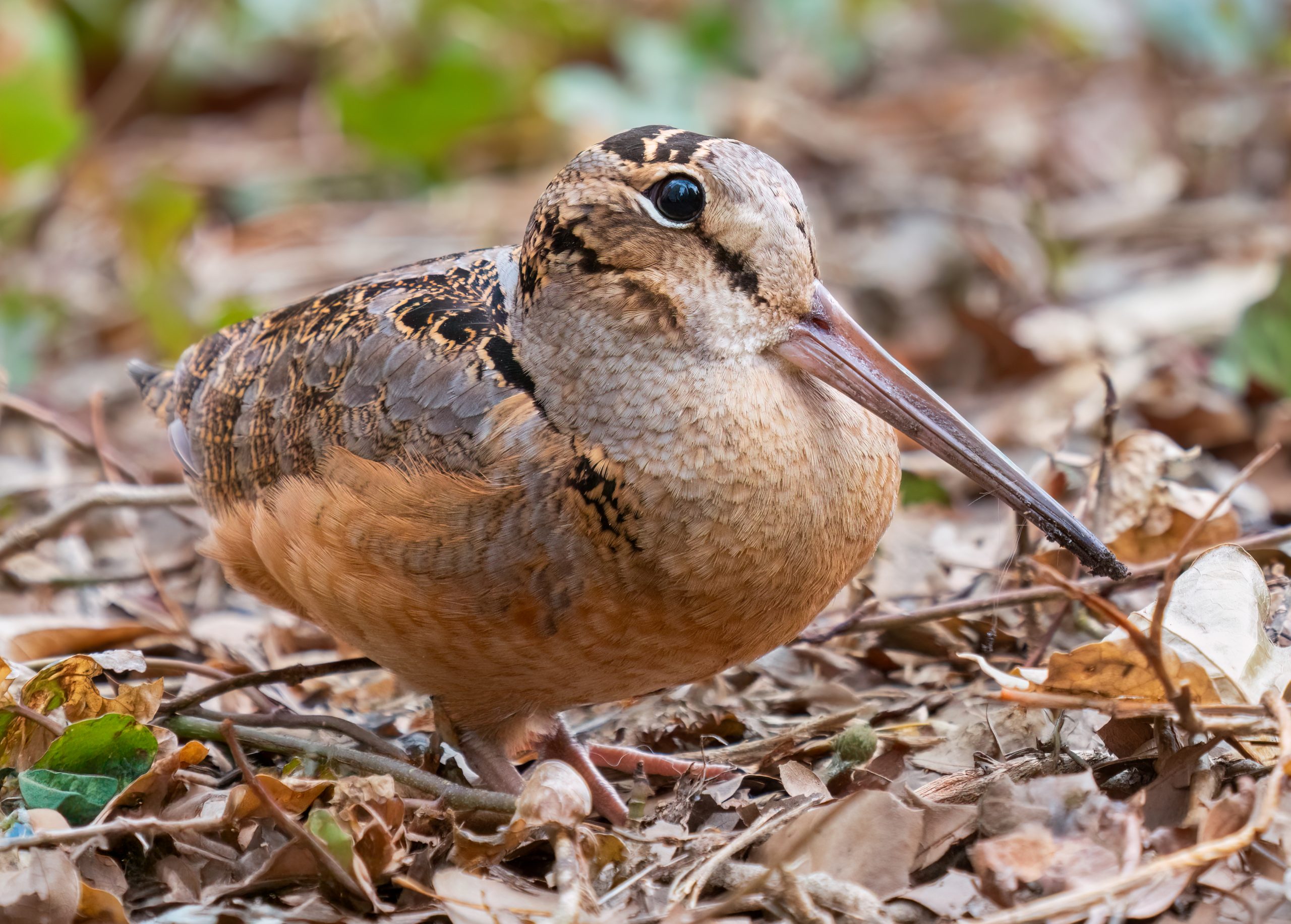
Woodcock hunters are watching another migration clock in September. Wisconsin lists its 2026 woodcock season from September 19 through November 2, placing the opening after several early waterfowl opportunities. Woodcock movement can be influenced by weather, habitat conditions, and suitable cover as birds travel south. Their arrival can provide an early clue that broader fall movement is beginning. Hunters are paying attention to moist young forests, brushy cover, and reports from northern areas. A single cold push can make the difference between an empty cover and a sudden concentration.
7. Habitat Conditions Are Changing Where Birds Stop
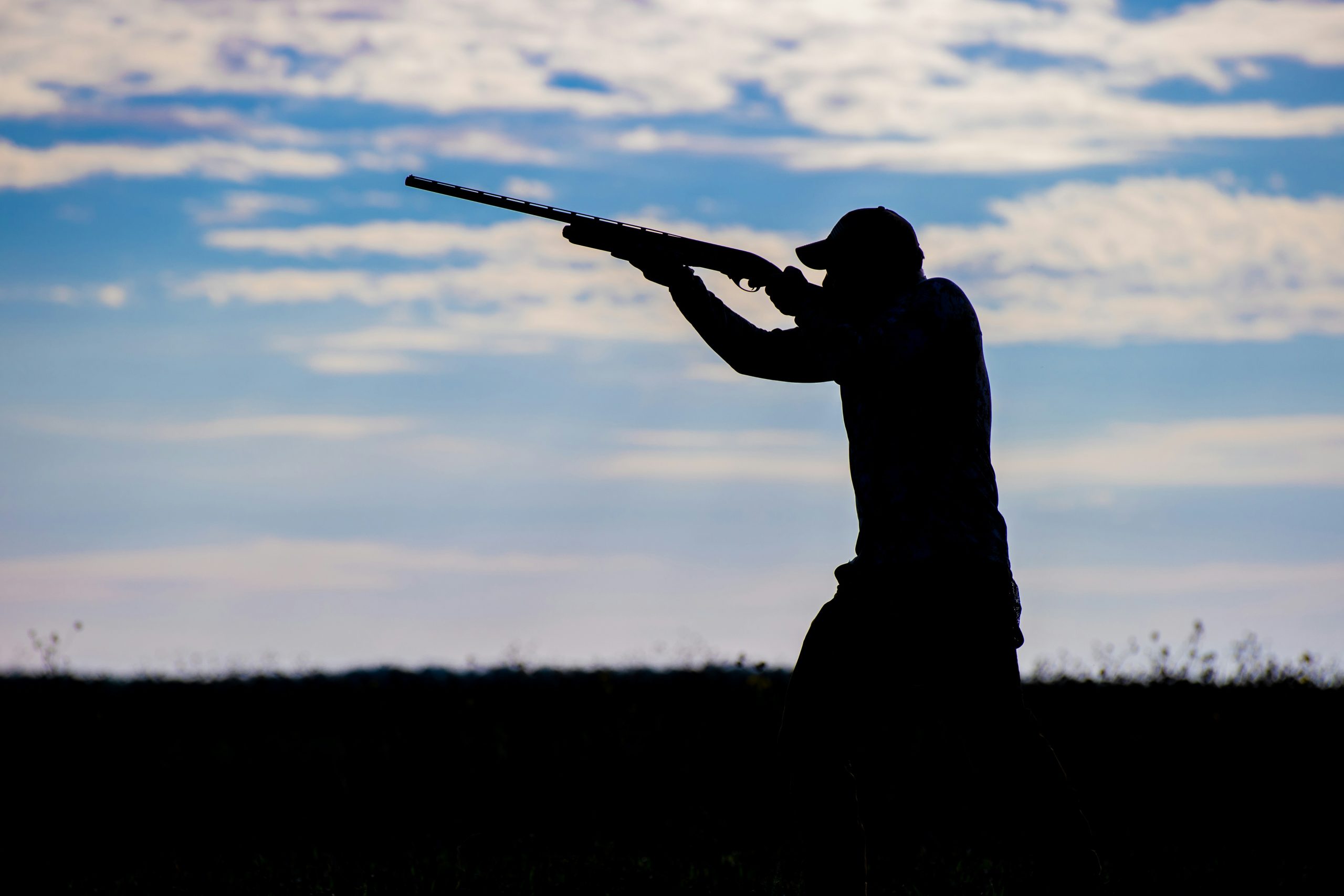
Migration is only half the story; birds need places to rest and feed when they arrive. Drought, heavy rain, flooding, crop harvest, wetland management, and changing water levels can rearrange landscapes used during September movement. Iowa, for example, publishes wetland habitat updates alongside migratory bird information, giving hunters another measure beyond bird counts. The important number is not just how many birds are moving, but how many usable stopover sites remain. When habitat is scarce, birds can concentrate in a few locations, changing both scouting results and hunting pressure.
8. Youth and Military Hunts Are Shaping the Early Calendar

Special September opportunities can bring hunters into the field before regular waterfowl seasons open. Michigan’s 2026 calendar includes youth waterfowl opportunities in September, while Wisconsin lists youth waterfowl days on September 19-20 and veterans and active-duty military waterfowl days on the same dates. These events make scouting important because pressure may be concentrated around a limited weekend. Hunters should check eligibility rules, species covered, shooting hours, and local boundaries. A date on the calendar is only the starting point for understanding what is legal.
9. Reporting Banded Birds Is Becoming More Valuable
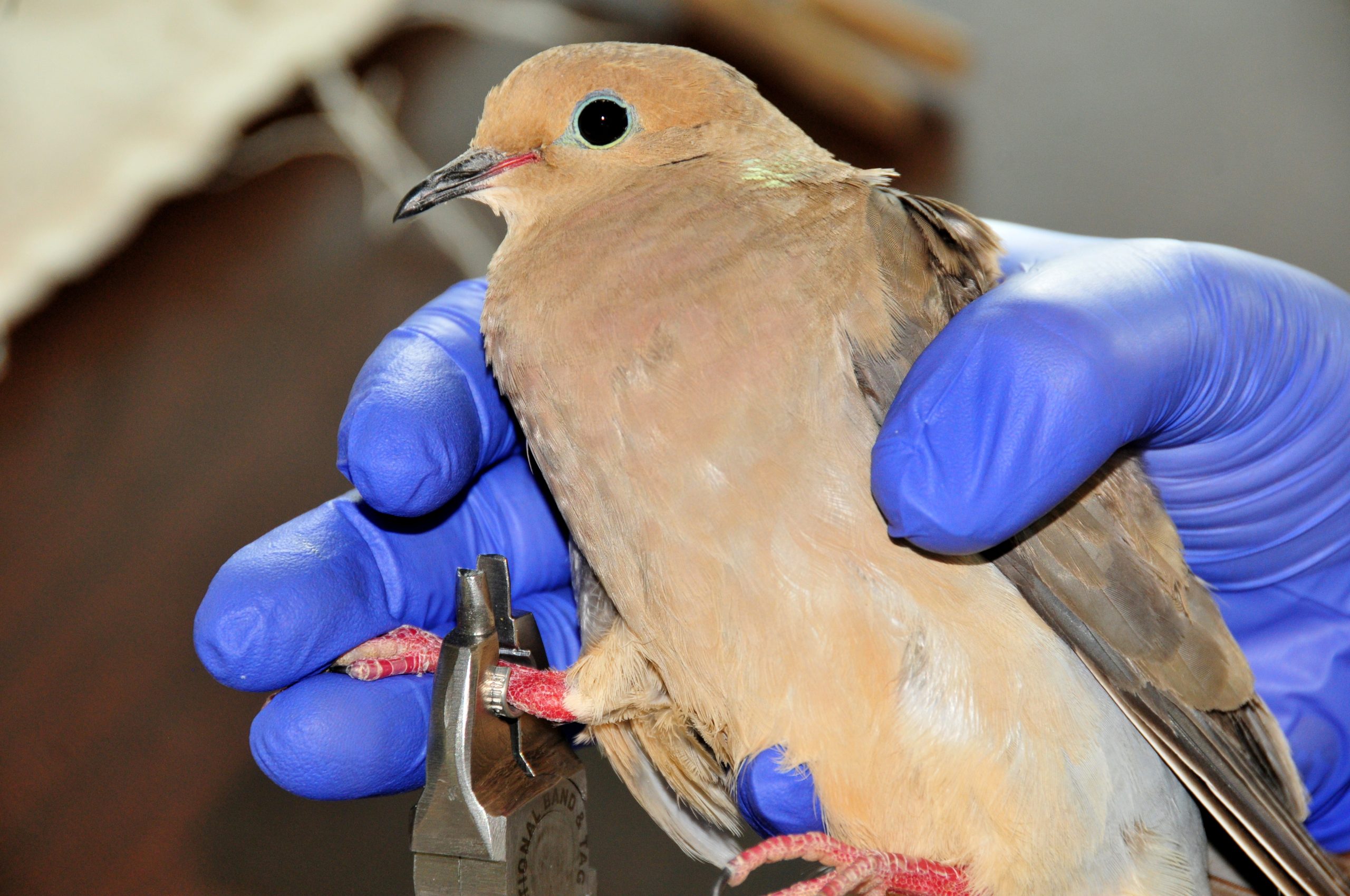
Migration tracking depends heavily on information collected from hunters. Pennsylvania encourages hunters to report banded ducks, geese, doves, and woodcock because recovery details help agencies study movements, survival, and harvest. A single band can add useful data to the scientific picture. September matters because early-season birds may reveal where migration begins, how quickly populations move, and which areas are being used. Hunters who recover a band should record the requested details accurately and use the official reporting system rather than relying on memory weeks later.
10. Federal Rules Are Changing How Future Seasons Are Set
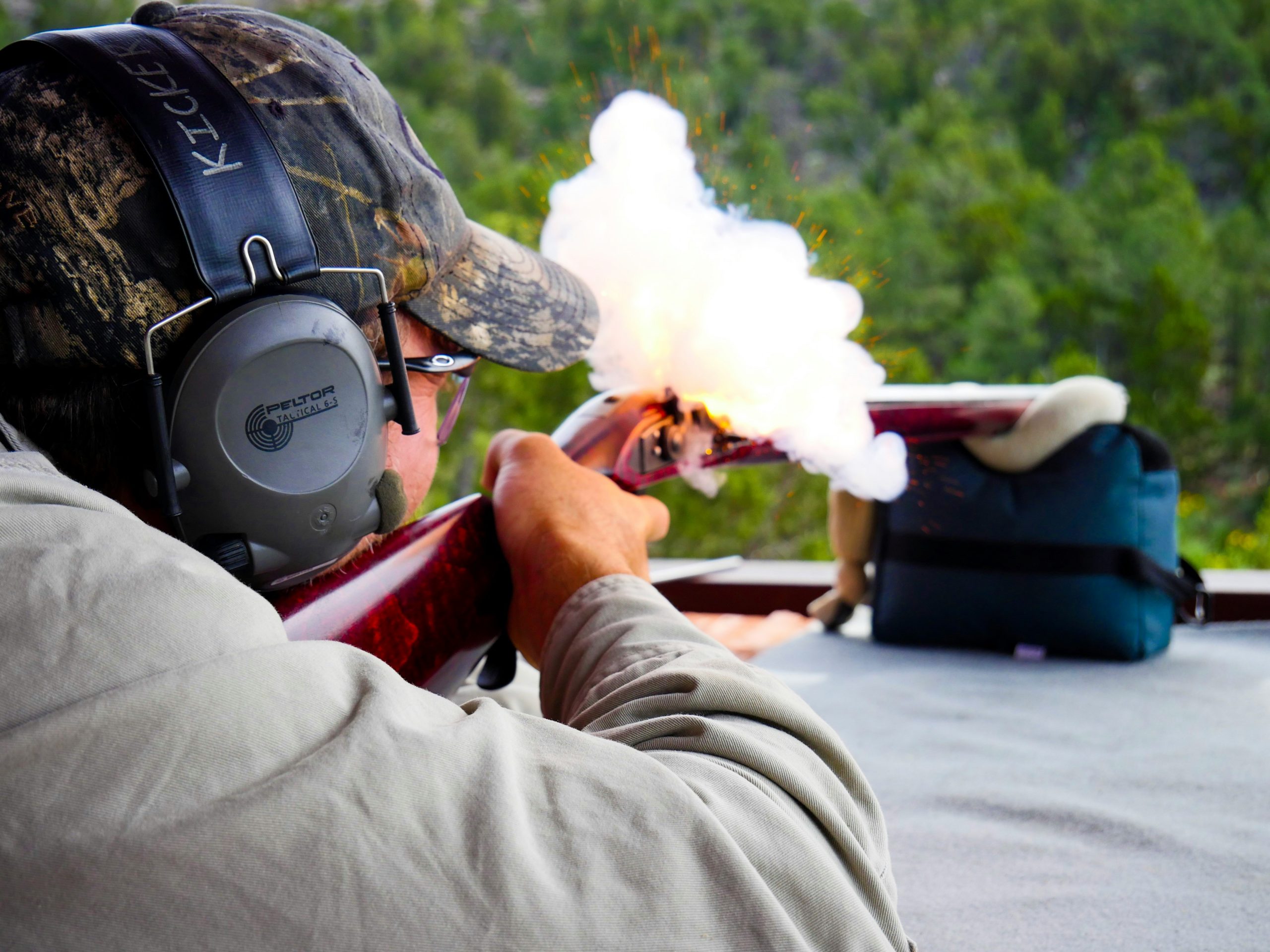
One of the most important 2026 changes is administrative rather than biological. On August 27, the U.S. Fish and Wildlife Service announced a streamlined process using migratory game bird hunting memoranda instead of repeating annual federal rulemaking for authorization. Biological and habitat information will guide harvest decisions, while states and Tribes set seasons within federal conditions. The framework keeps key boundaries, including a September 1 earliest start and a 107-day maximum season length. This should improve planning, but state rules still require careful checking.