When several major ammunition manufacturers raise prices within the same period, the effect goes far beyond a new sticker on a box. In 2026, brands including Federal, CCI, Remington, Speer, Blazer and Fiocchi announced increases, with April adjustments generally ranging from 2% to 10%. A further 3% increase affected selected promotional rifle and handgun ammunition from June 1.
1. 9mm Luger
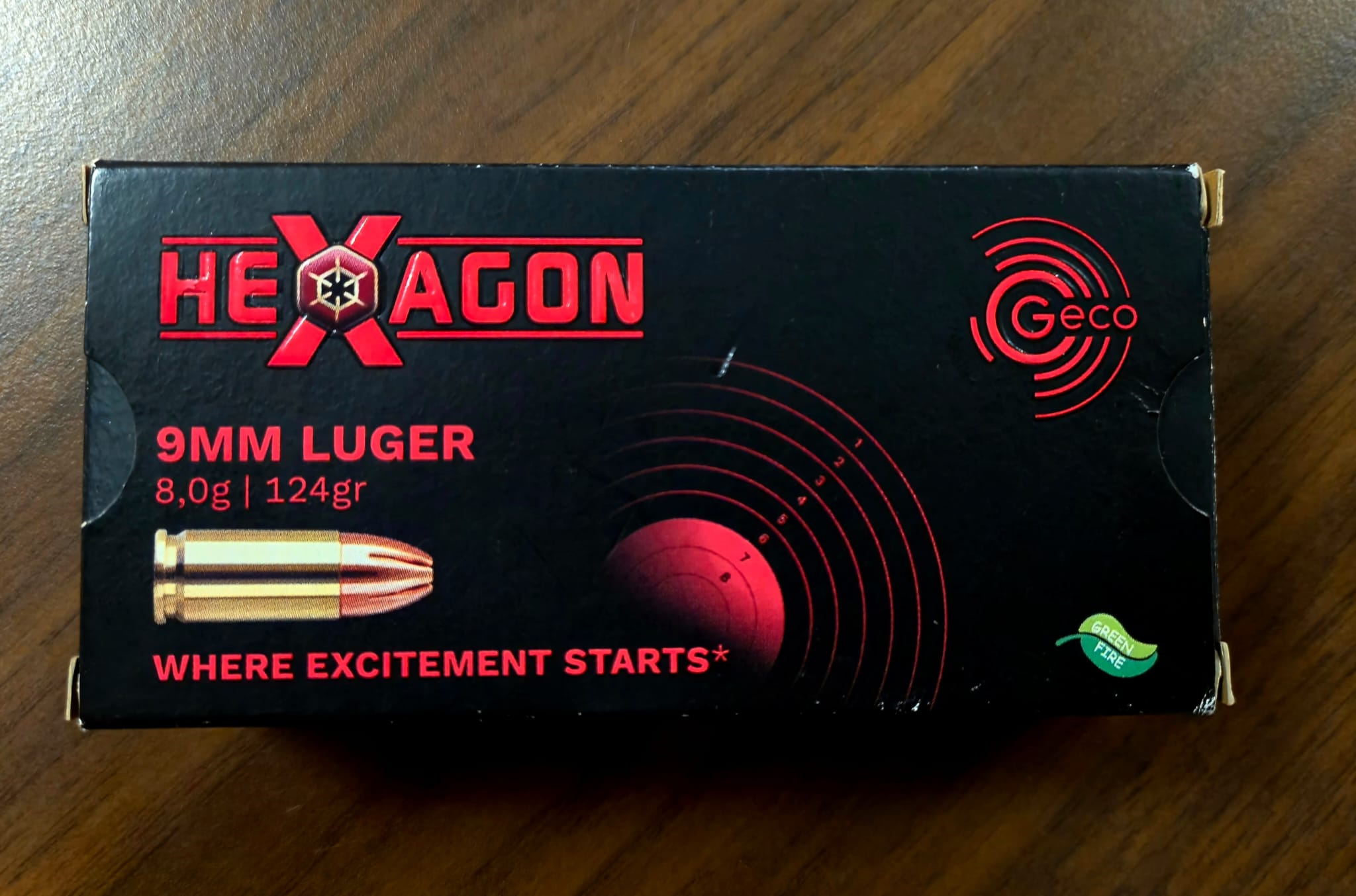
The first noticeable change was at the checkout counter: 9mm stopped behaving like the endlessly cheap volume cartridge many buyers had come to expect. Federal, CCI, and Blazer were among the brands affected by the 2026 pricing rounds, with the Kinetic Group announcing increases ranging from 2% to 10% across product categories. A later June adjustment added another 3% to selected promotional handgun ammunition. For a 1,000-round annual shooting budget, even a 5% increase means roughly $50 extra before tax. The important shift is psychological as well as financial: buyers began judging price by the case, the box, and the timing of the next increase.
2. .223 Remington
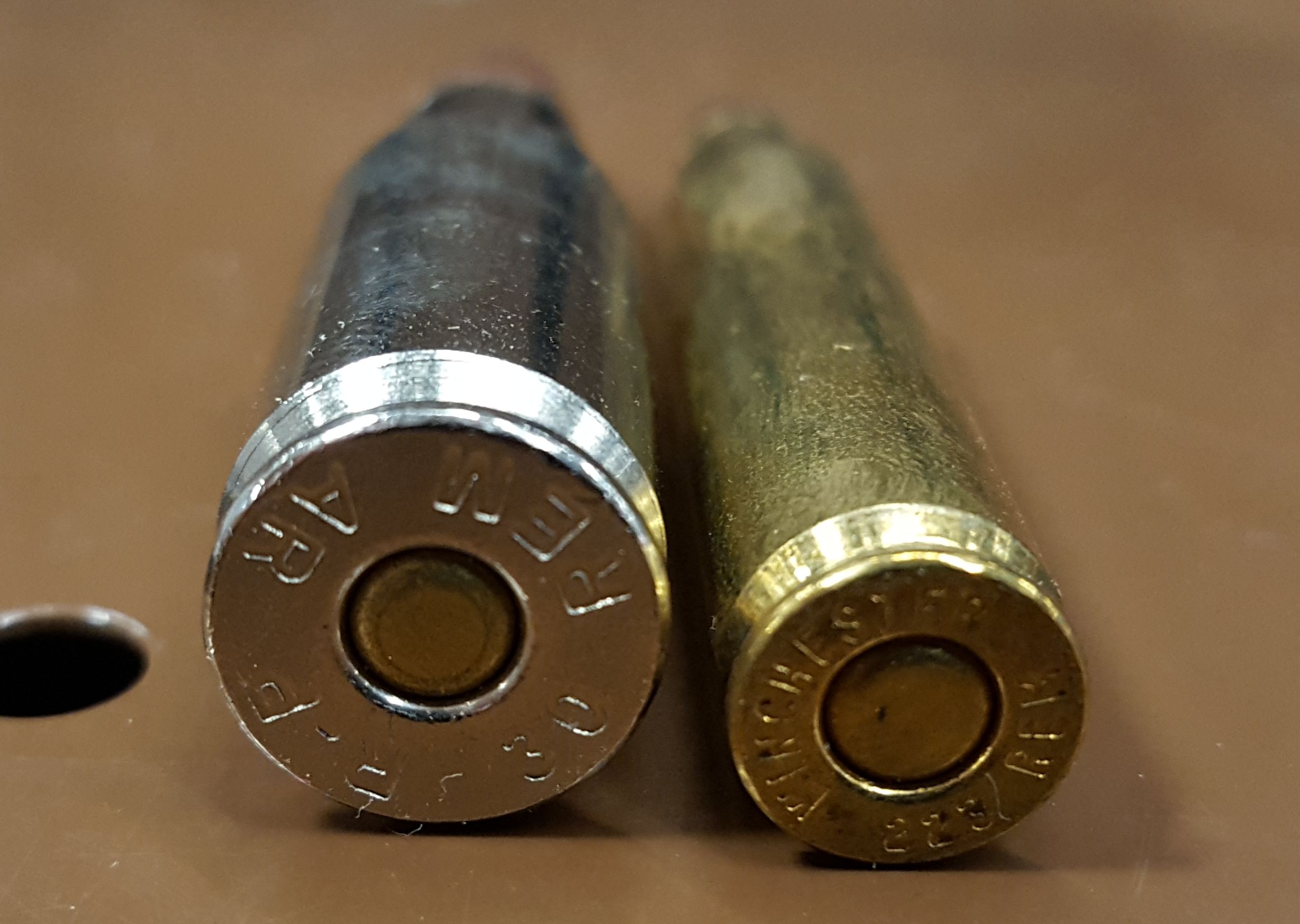
For .223 Remington buyers, the price change was felt across both everyday range ammunition and selected rifle products. Federal and Remington were included in the April 2026 increases, with announced adjustments generally ranging from 2% to 10%. That matters because .223 is commonly purchased in quantity, so a seemingly modest percentage quickly becomes real money. A 500-round purchase rising from $300 to $315 adds $15, while a 10% jump would add $30. Manufacturers cited copper, lead, zinc, propellants, and other inputs rather than a single temporary shortage. The result is a higher baseline for many shelves, even when deliveries continue.
3. 5.56 NATO
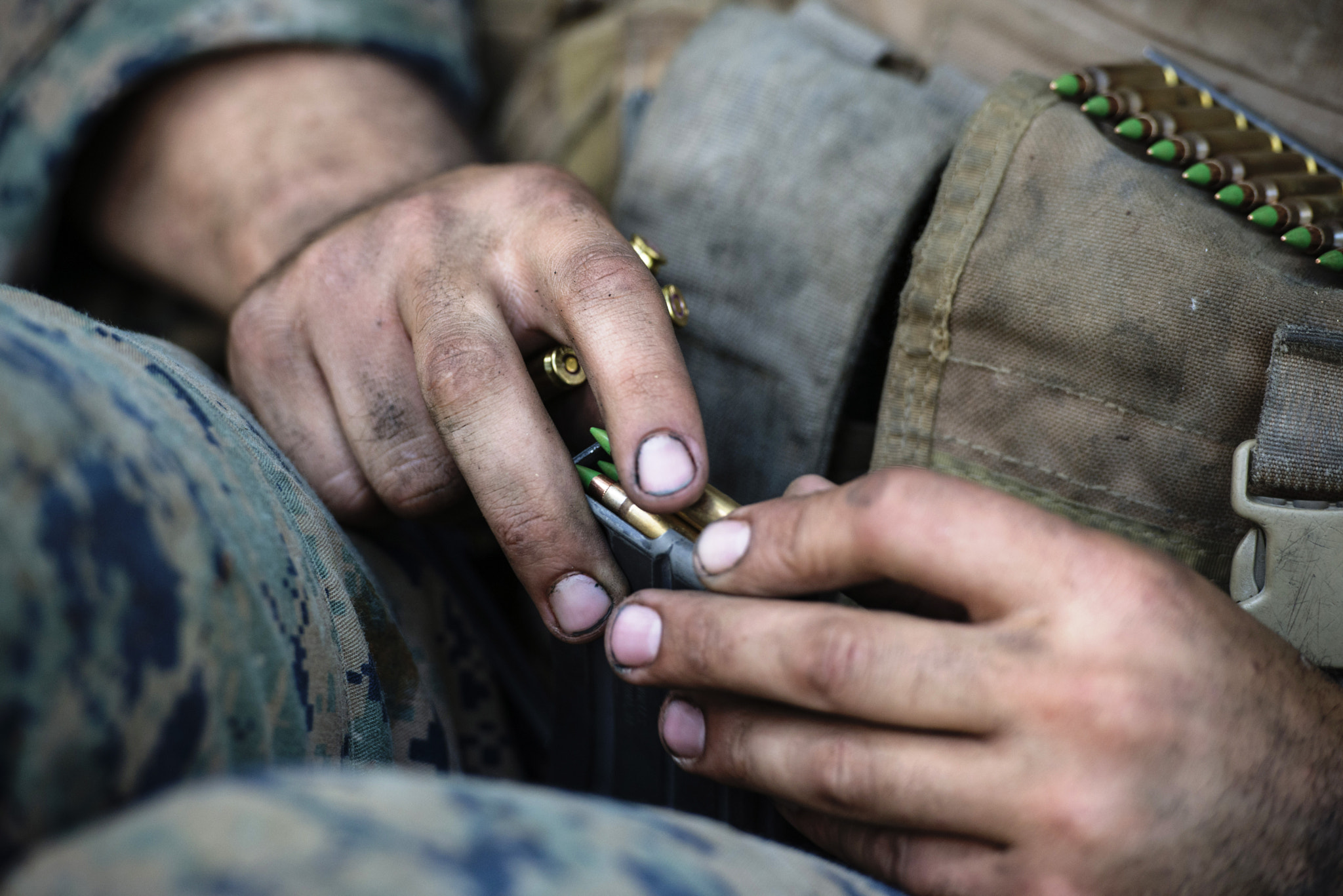
5.56 NATO buyers saw a market where manufacturing remained active, yet the economics underneath each box became less forgiving. Winchester announced 2026 pricing changes, while Federal and other Kinetic Group brands also raised prices. Industry reporting placed many increases between 2% and 10%, depending on the product. For a buyer spending $600 on 1,000 rounds, a 5% rise represents another $30. Copper matters because brass cases and many projectile jackets depend on copper alloys. Propellant availability adds another pressure point. Improved production therefore does not automatically restore old prices: factories can make more ammunition while each round still costs more to produce.
4. .22 LR
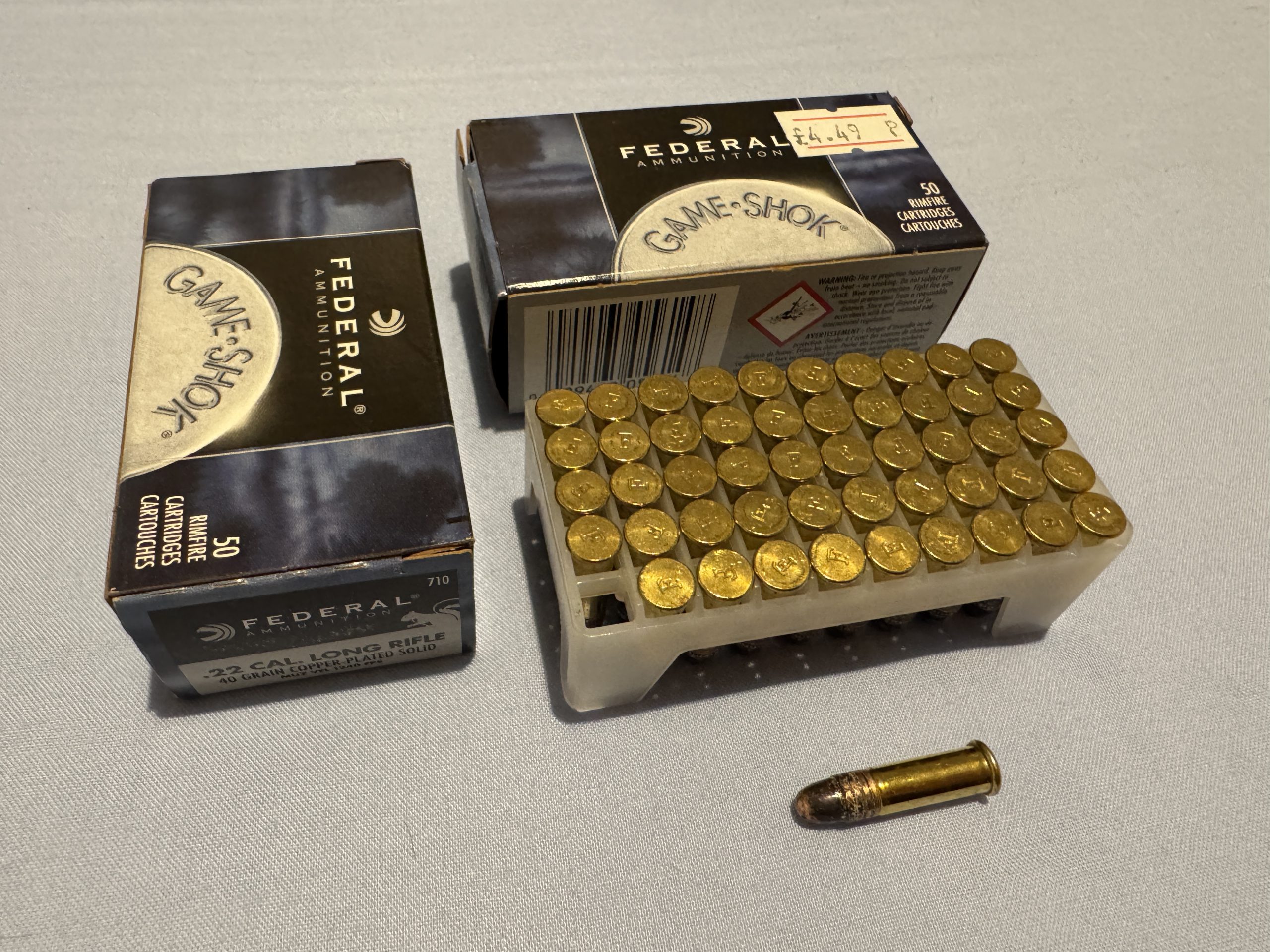
The .22 LR market was affected by the same broad pricing environment, even though rimfire ammunition is usually viewed as the budget-friendly option. CCI and Federal were among the brands covered by the 2026 increases, and rimfire products were specifically included in the April adjustment. If a 1,000-round purchase costs $80, a 5% increase moves it to about $84; at 10%, it becomes $88. Those numbers look small individually, but frequent practice makes them add up over a year. The important change was not that .22 LR suddenly became scarce everywhere. Instead, buyers faced fewer bargain opportunities as manufacturers and retailers adjusted to higher material and production costs.
5. .45 ACP
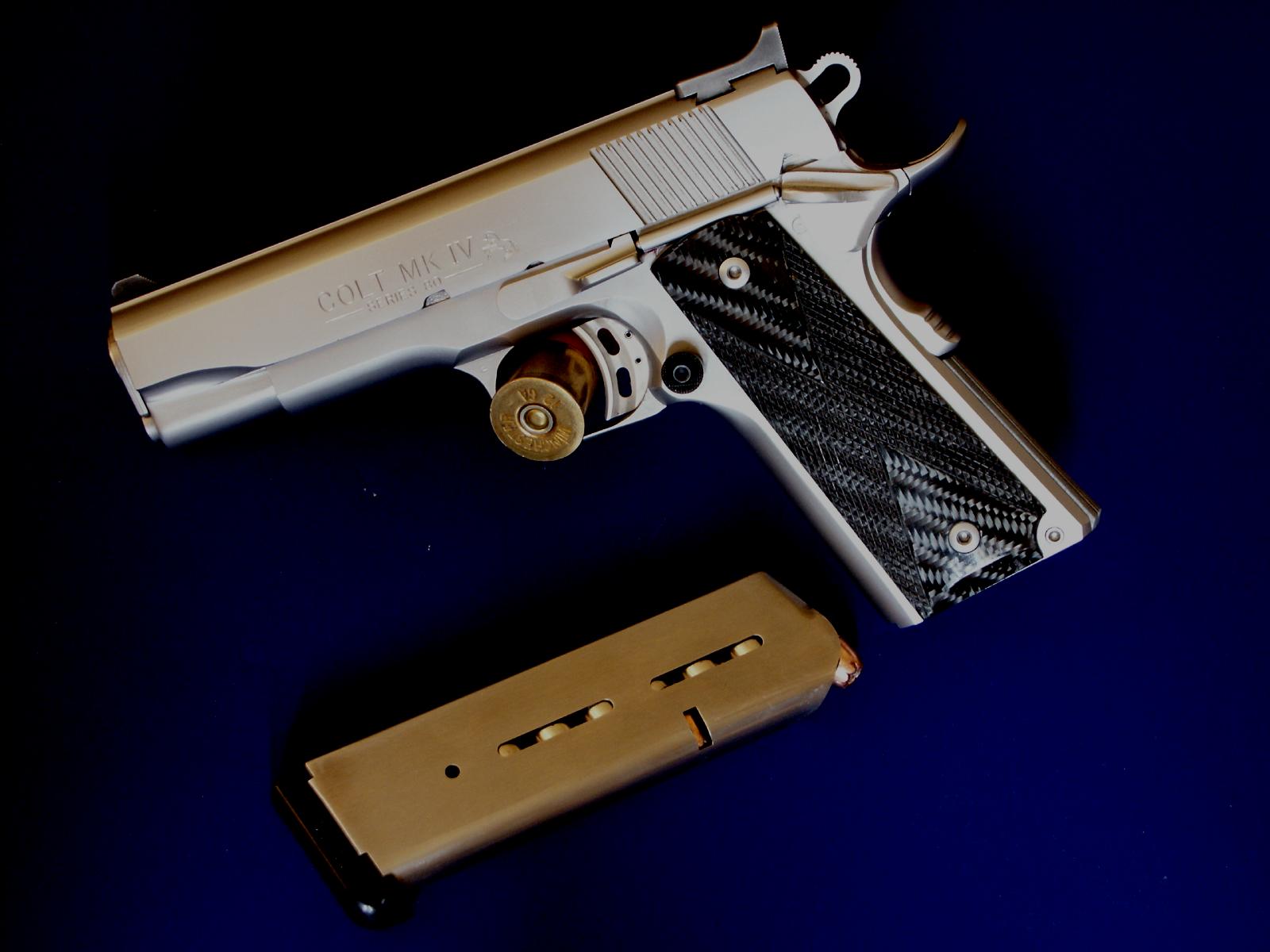
.45 ACP buyers were reminded that a mature cartridge can still become noticeably more expensive when manufacturers reset wholesale pricing. Remington, Federal and Speer were among the brands affected by the 2026 increases, with April changes generally falling between 2% and 10%. Consider a 500-round purchase priced at $350: a 6% increase adds $21. That calculation shows why percentage changes matter more for larger purchases. Brass, lead, copper and propellant costs feed into the finished cartridge, while transportation and other business expenses influence the retail tag. The market moved away from assuming that a familiar caliber automatically means a familiar price.
6. .380 ACP
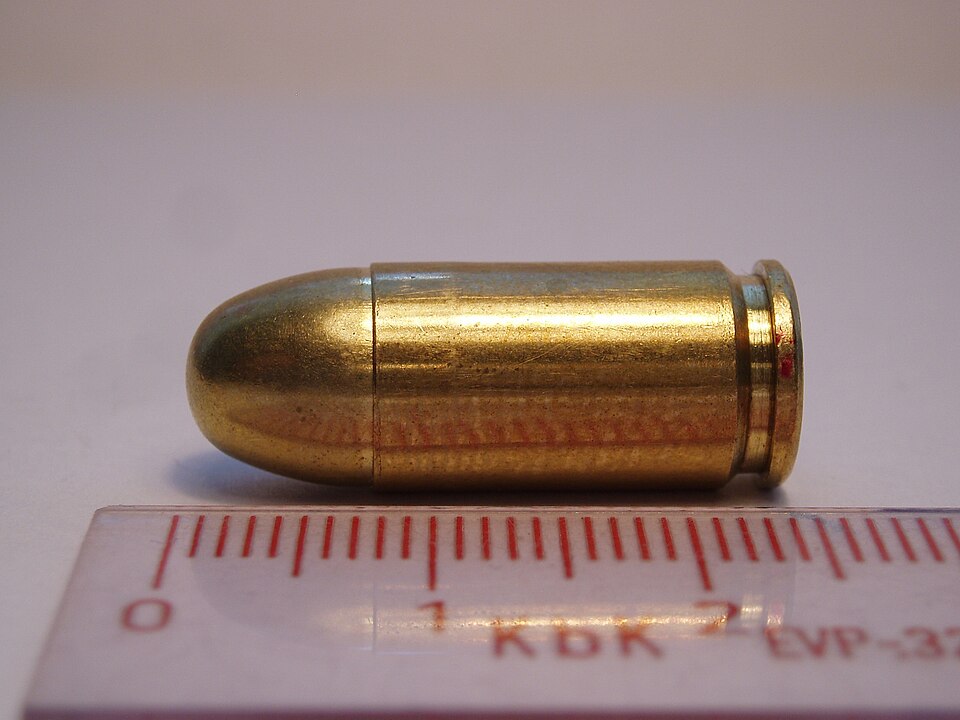
.380 ACP occupies a smaller niche than 9mm, but its buyers still felt the broad reset in ammunition pricing. Fiocchi and Blazer were included in the 2026 manufacturer adjustments, which covered handgun ammunition alongside rifle, shotshell and rimfire products. The April increase range was broadly 2% to 10%, followed by a separate 3% June increase on certain promotional handgun ammunition. On a $250 purchase, a 4% increase adds $10; a 10% increase adds $25. The key change was consistency: shoppers could no longer assume that a familiar compact-pistol cartridge would remain insulated from rising inputs. Retail prices increasingly reflected the entire supply chain rather than just demand.
7. .308 Winchester
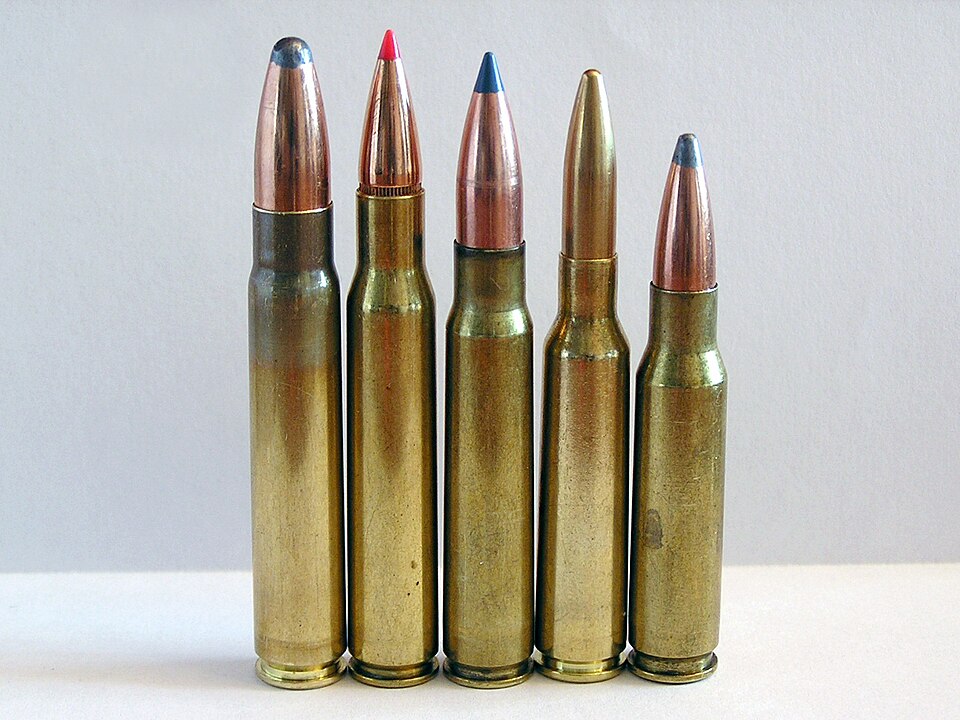
.308 Winchester became another example of how price pressure can reach established hunting and sporting cartridges. Federal and Remington were among the brands included in the 2026 increases, while manufacturers continued introducing new loads and maintaining existing lines. If a hunter spends $400 on ammunition over a season, a 5% increase means approximately $20 more. That is not necessarily evidence of a supply collapse; it shows how higher production costs can become embedded in wholesale pricing. Copper, lead, propellant and transportation expenses influence the final product. Buyers therefore saw a crucial change: even when shelves looked reasonably stocked, the old low-price reference point was moving upward.
8. 6.5 Creedmoor
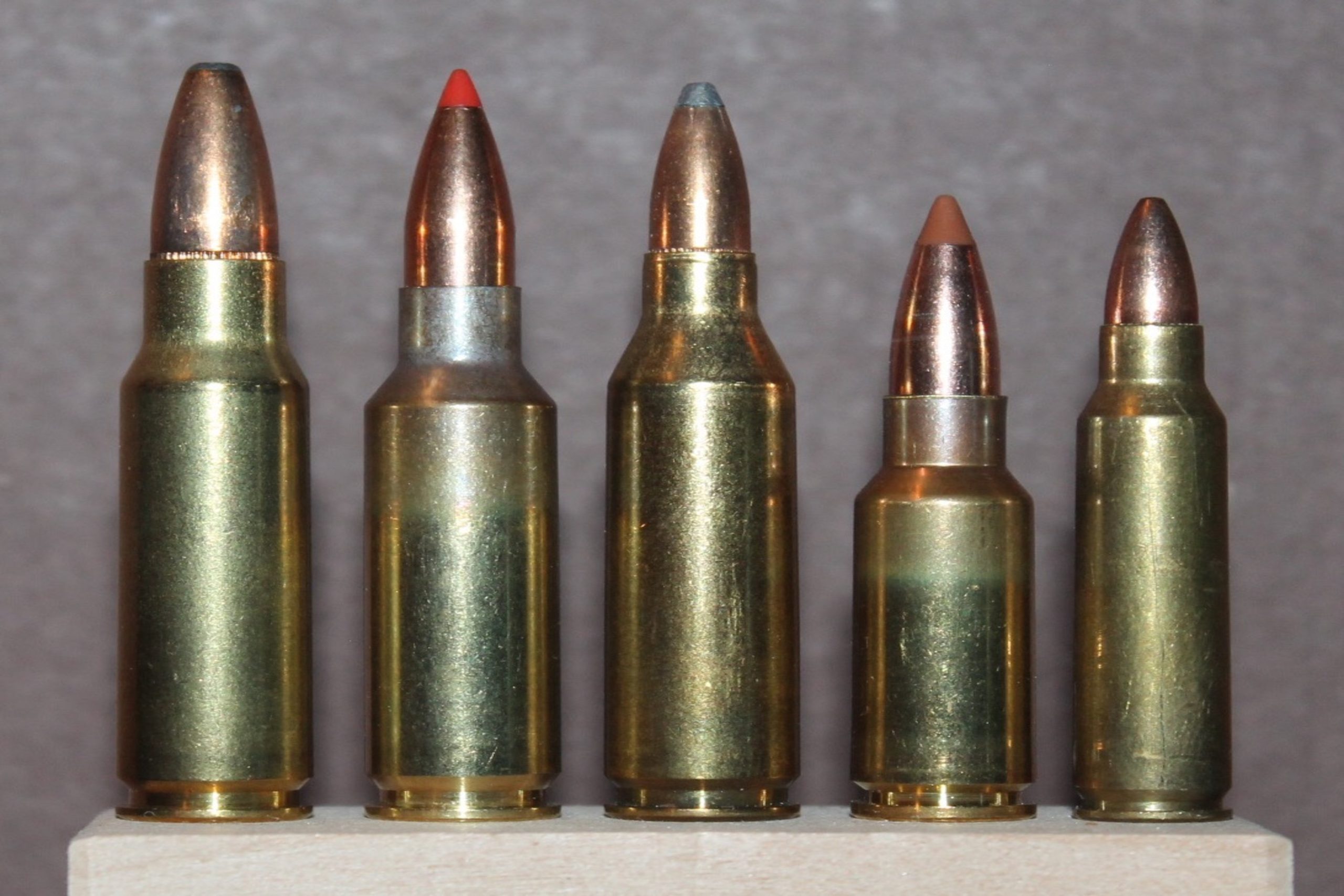
6.5 Creedmoor illustrates why a broad price increase can feel especially sharp in specialized rifle ammunition. Federal and Remington were among the major brands affected by the 2026 pricing changes, while manufacturers continued to offer different bullet weights and performance categories. A shooter spending $300 on a season’s ammunition would pay $15 more after a 5% increase and $30 more after a 10% increase. Specialty products can have less retail depth than mass-market cartridges, so buyers may notice price changes before seeing a large selection return. The development was not simply a higher sticker price; it showed how capacity, material costs and product variety shape what reaches shelves.
9. 7.62×39
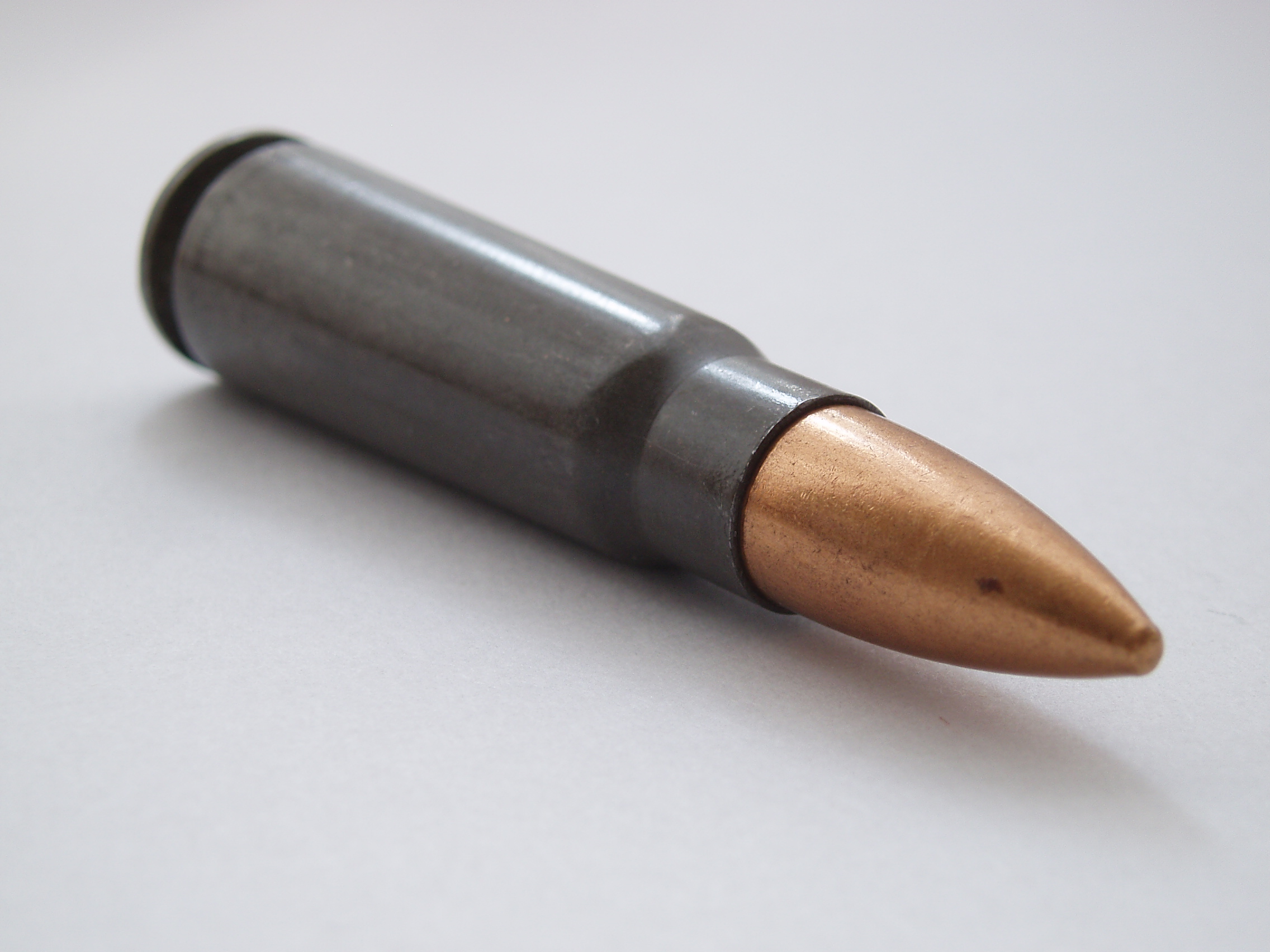
7.62×39 buyers faced a different version of the same problem because domestic production and imported ammunition can respond differently to market pressure. Fiocchi and Federal were among the brands affected by the 2026 pricing environment, while broader industry costs continued to rise. Suppose a buyer spends $280 on 500 rounds: a 5% increase adds $14, while 10% adds $28. Retail pricing can also reflect freight, tariffs, distributor margins and currency movements when imported products are involved. That makes this caliber sensitive to changes beyond the factory gate. Even when supply improves, buyers may therefore see prices stabilize at a higher level rather than return immediately to earlier lows.