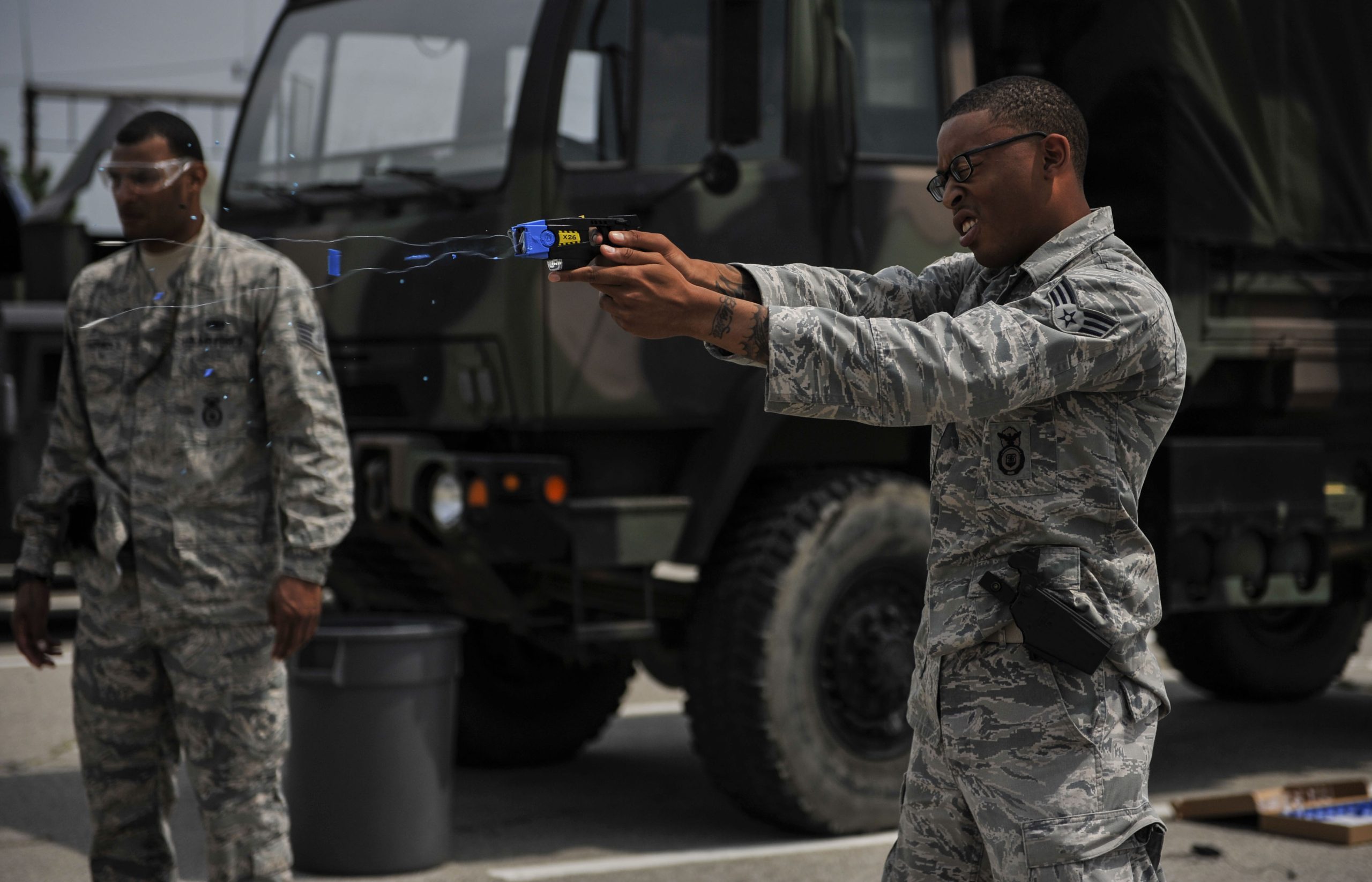
“Less-lethal” weapons were developed to give law enforcement alternatives to conventional firearms, to reduce the chance of fatal outcomes. But the label can create a dangerous misconception: these systems can still cause catastrophic trauma under the wrong circumstances. Medical research has documented deaths, permanent disabilities, penetrating injuries, and serious complications involving several types. The following six examples show why design intention and real-world consequences are not always the same thing.
1. Bean-Bag Rounds
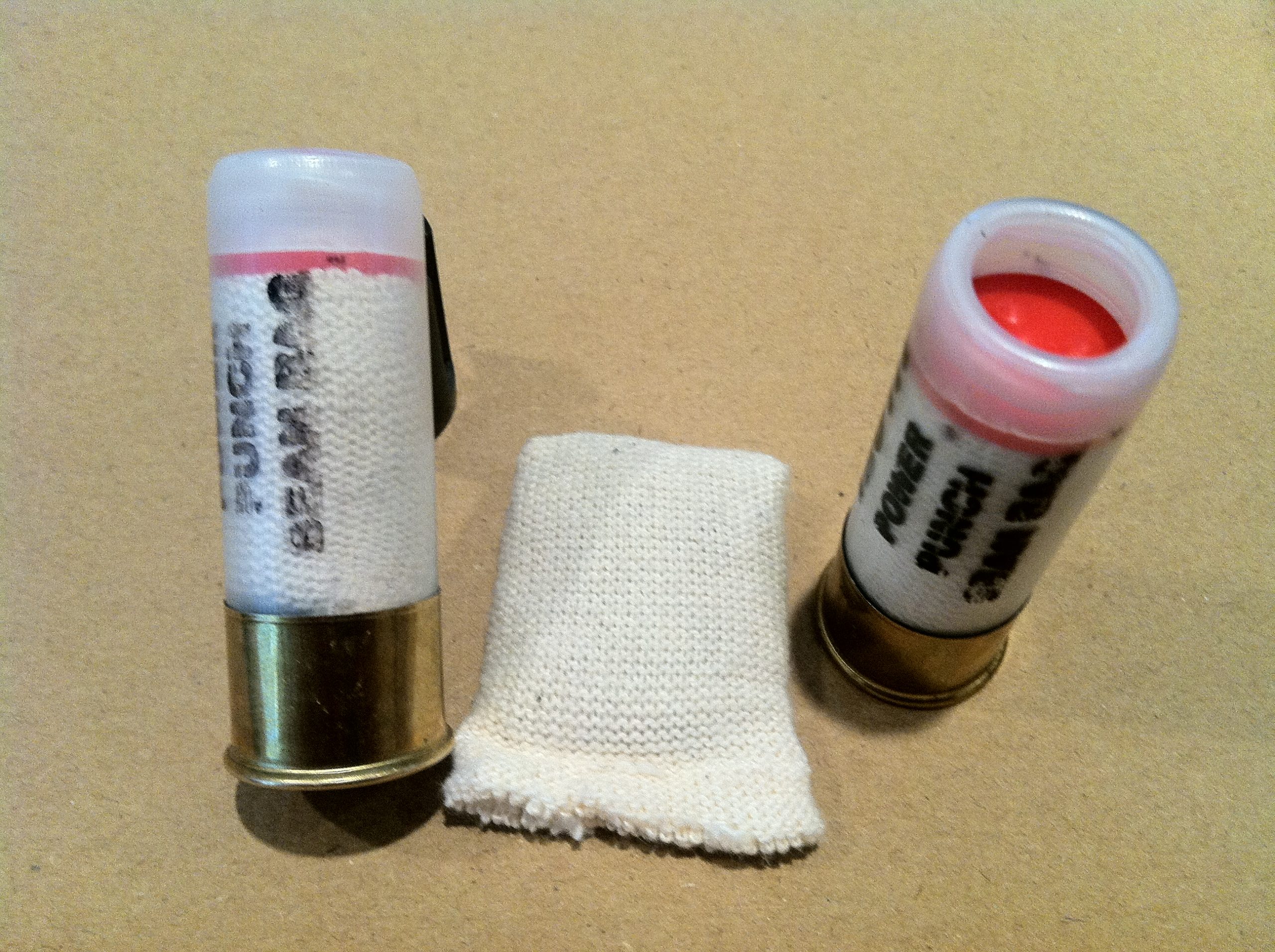
Bean-bag rounds look forgiving because the projectile spreads on impact, but that softness can be deceptive. A fired bag still carries substantial kinetic energy and can fracture ribs, damage internal organs, or penetrate tissue when conditions are unfavorable. A 2001 medical series examined 40 injured people and recorded 99 bean-bag impacts; one case was fatal. Reports have also documented penetrating injuries requiring surgery. Risk rises when the projectile strikes the head, neck, chest, or abdomen. “Less-lethal” therefore describes intended use, not a guarantee of harmless impact. Distance, projectile design, angle, and impact location can all change the outcome.
2. Rubber and Plastic Projectiles

Rubber and plastic projectiles were created to deliver force without behaving like conventional bullets, yet medical evidence shows that “non-lethal” is an unsafe shortcut. A systematic review covering 1,984 injured people found 53 deaths and 300 cases of permanent disability linked to kinetic impact projectiles. Head and neck strikes accounted for 49.1% of deaths and 82.6% of permanent disabilities in that review. The projectile’s material, mass, shape, speed, distance, and angle all matter. A round that misses its intended target can also strike an eye, skull, or another vulnerable area with devastating consequences. Unexpected angles can turn a body strike into a critical injury.
3. Conducted-Energy Devices
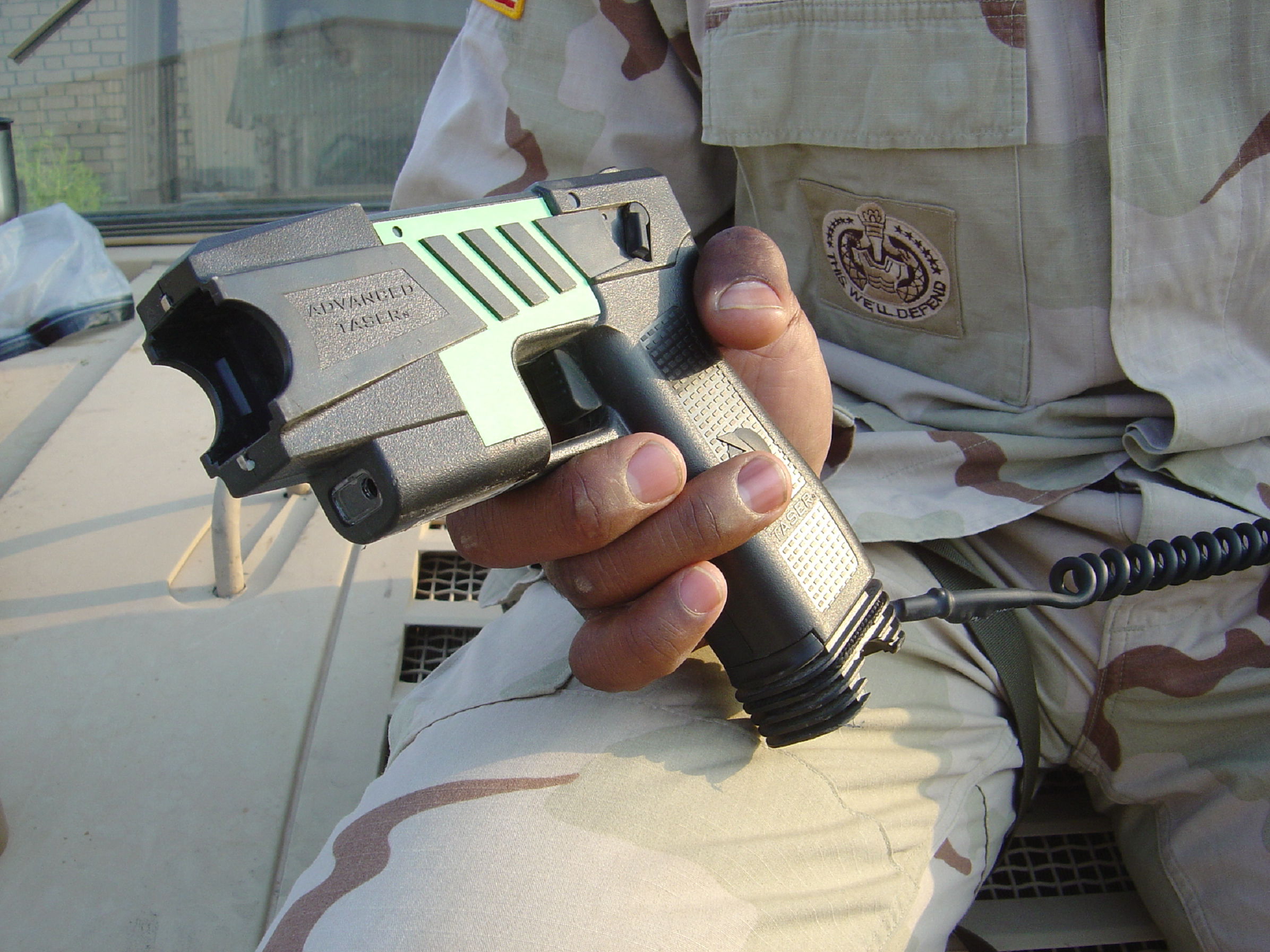
Conducted-energy devices, commonly associated with TASER-type systems, are intended to disrupt voluntary muscle control rather than cause a penetrating wound. That does not make every exposure harmless. A major analysis of 24,380 use-of-force cases found that injuries were generally lower when conducted-energy devices were used, but later research shows that serious outcomes can still occur. A 2025 literature review examined 19 studies and found the injury evidence for these devices was mixed. Risks can involve falls, probe-related trauma, repeated exposure, or complications in vulnerable circumstances. The key lesson is that lower risk is not zero risk.
4. Pepper Spray
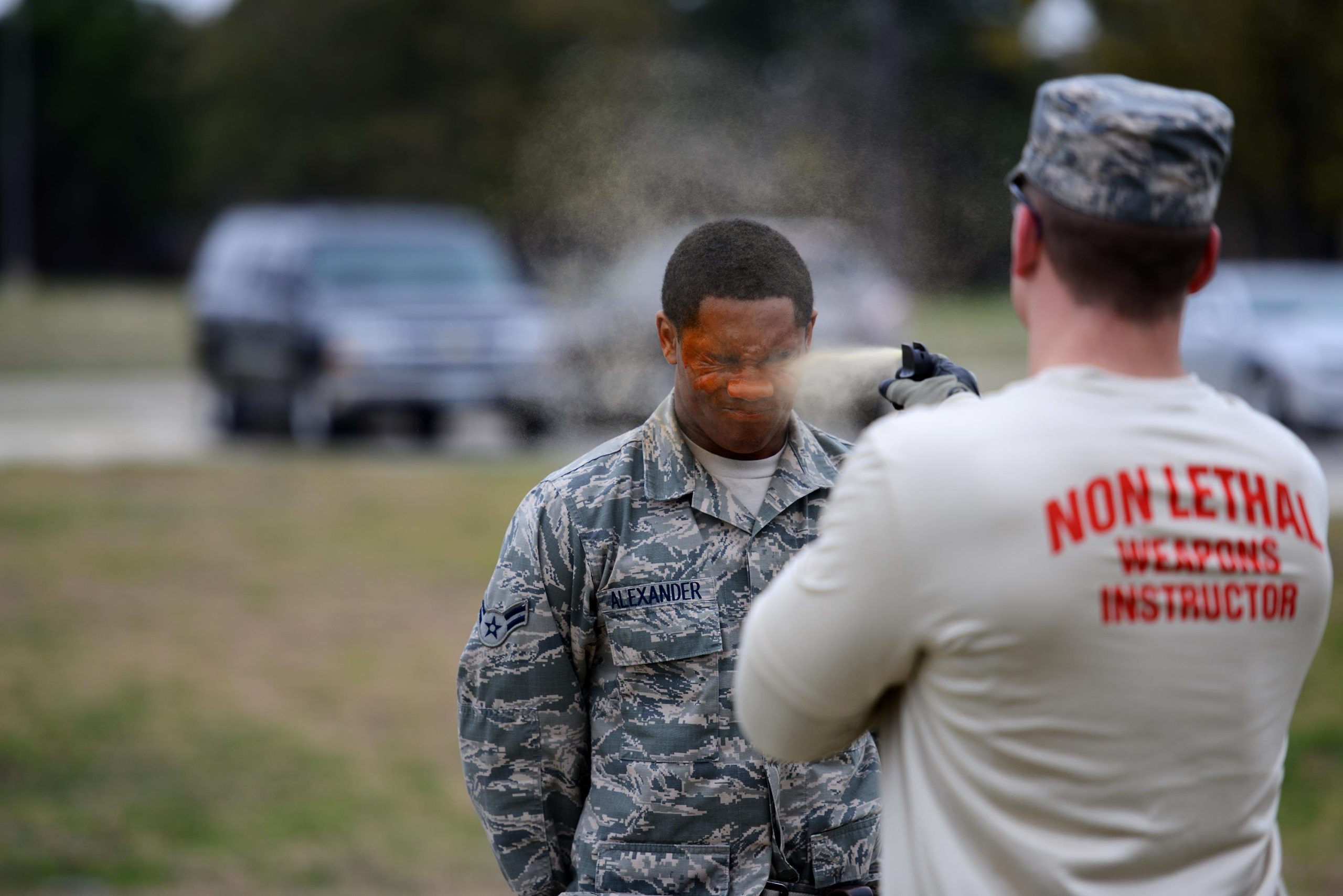
Pepper spray is often considered one of the lower-risk force options because it usually causes temporary burning, tearing, coughing, and breathing discomfort rather than blunt trauma. Yet severe outcomes have been reported, especially when exposure occurs in confined spaces or alongside restraint, illness, panic, or other stressors. A 2025 review found oleoresin capsicum had the lowest subject-injury rate among several commonly studied force methods, while a separate 2,348-incident analysis found chemical agents had a predicted 4% risk of hospitalization or death. Those figures do not mean spray is safe in every case; they show why context matters when assessing danger.
5. Tear Gas and Riot Agents
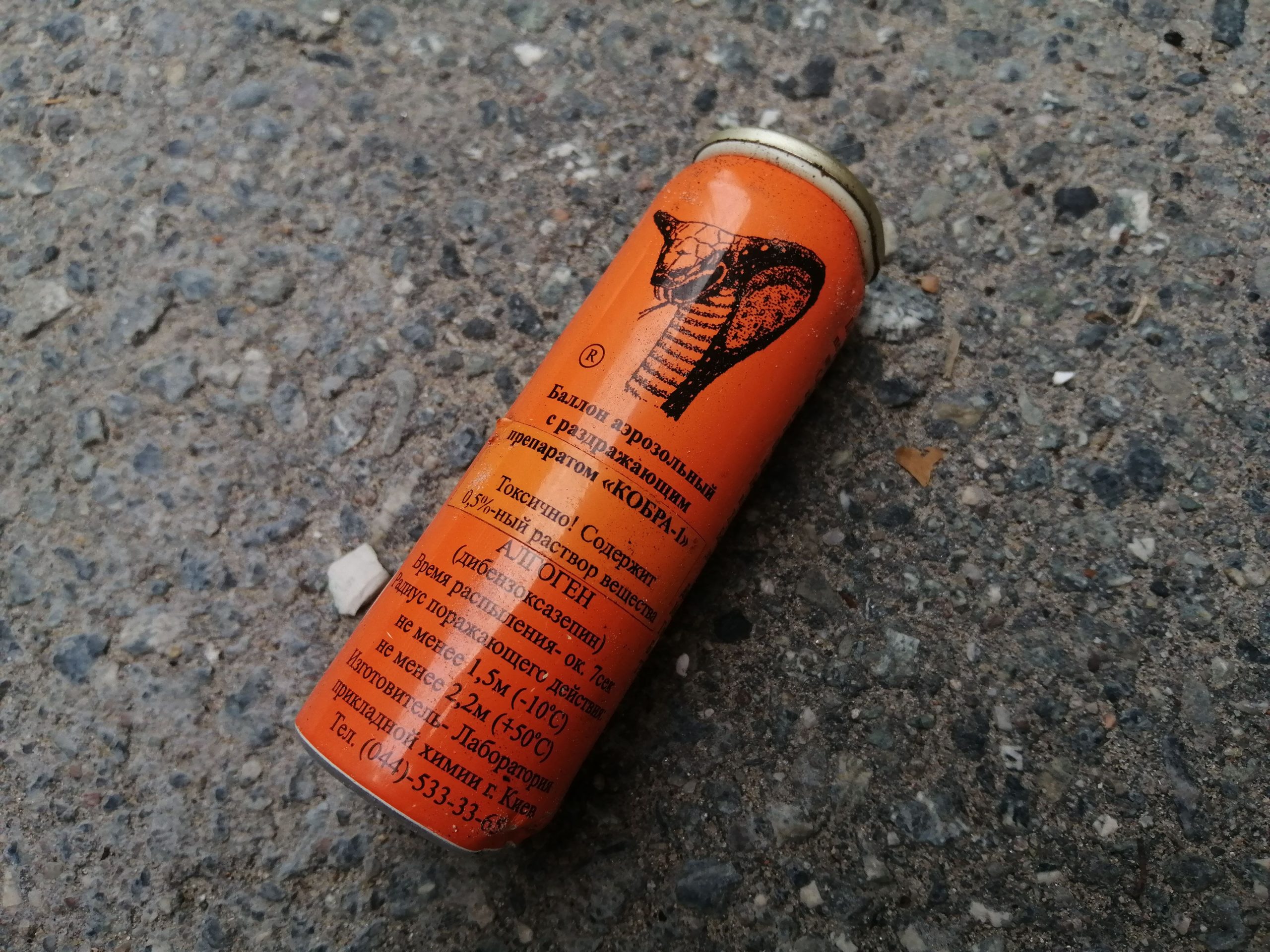
Tear gas and related riot-control agents can look less dangerous than impact weapons because they do not normally strike the body like a projectile. Their effects, however, can become serious when exposure is concentrated, prolonged, or combined with environmental hazards. Symptoms can include intense eye irritation, coughing, chest discomfort, and breathing difficulty, while people with particular vulnerabilities may face greater danger. A 2026 medical review examining civil-unrest injuries treated chemical-agent exposure as a distinct emergency category. The danger can rise sharply when ventilation is poor, or exposure lasts longer than intended.
6. Flash-Ball and Similar Impact Systems

Flash-Ball and comparable impact systems are designed to create a strong deterrent effect while reducing the likelihood of penetration associated with ordinary ammunition. Their projectiles still transfer kinetic energy, however, and the body does not treat that energy as harmless. Medical literature groups Flash-Ball weapons with other less-lethal systems that have produced serious injuries and rare deaths. A 2021 imaging review specifically noted that injuries from these alternatives may be difficult to detect during an initial examination. A strike to the skull, eye, neck, or chest can therefore cause far more than bruising. Medical assessment may still be warranted after an impact.