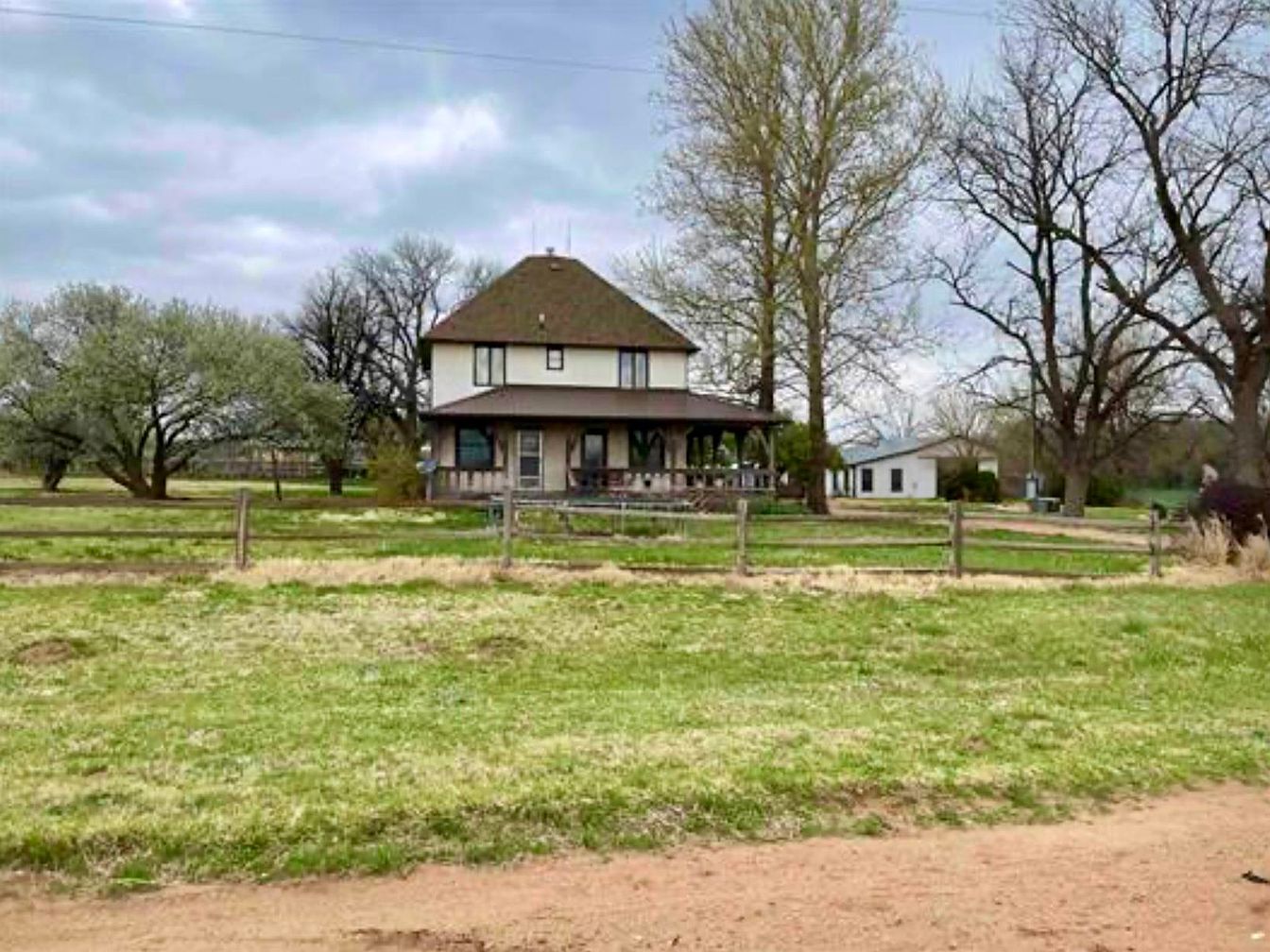
To hunters from the South, West, or Northeast, the Midwest can look like whitetail heaven on a postcard: big bucks, open country, and endless corn. The truth is more complicated, and often more demanding, than outsiders expect. These are the details seasoned Midwestern hunters know matter most, and the ones visitors consistently misread until they are in a stand with the wind shifting and daylight fading.
Big Deer Country Still Hunts Small

People picture the Midwest as endless room to roam, but productive whitetail hunting often comes down to surprisingly tight pieces of ground. A 40-acre woodlot, a brushy creek bend, or one hidden bedding point can carry the entire pattern for a mature buck.
That means every entrance, every wind choice, and every sit matters more than outsiders expect. In regions with vast public land or sprawling timber, hunters can spread out mistakes. In Midwestern whitetail country, a single bad access route can educate the deer using the best part of a farm for the rest of the season.
Agriculture Changes Everything
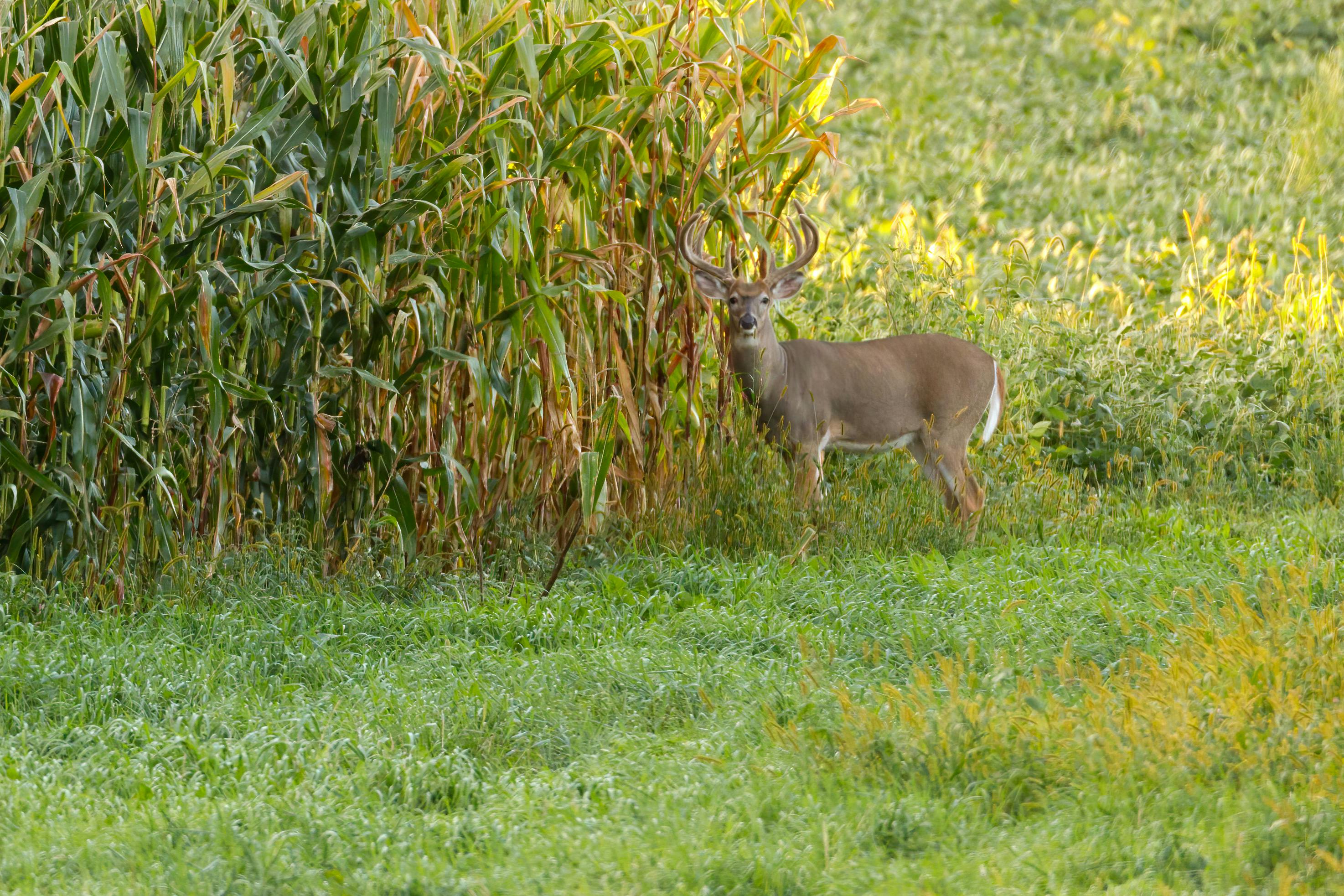
Non-Midwestern hunters often assume crops simply mean food, but agriculture is really the framework of deer movement. Corn standing in October can hide deer, absorb pressure, and make a property feel empty until harvest changes the whole landscape overnight.
Soybeans, alfalfa, picked corn, winter wheat, and cattle ground all influence where deer feed and when they move. A farm that is hot one week can cool off the next because a combine rolled through two properties over. In the Midwest, reading fields is almost as important as reading tracks.
Access Is Harder Than the Map Suggests

A satellite image may show a perfect pinch point or bedding area, but it rarely shows how difficult it is to approach without getting busted. Flat ground, sparse cover, crunchy field edges, and long sight lines make clean entry routes much tougher than many traveling hunters expect.
In hill country or big timber, terrain can hide movement. In Midwestern farm country, deer often see or hear a hunter from farther away than expected, especially on calm mornings. The best stand is not always the one with the hottest sign. It is often the one you can reach without announcing yourself to the section.
The Wind Is More Complicated Than It Looks
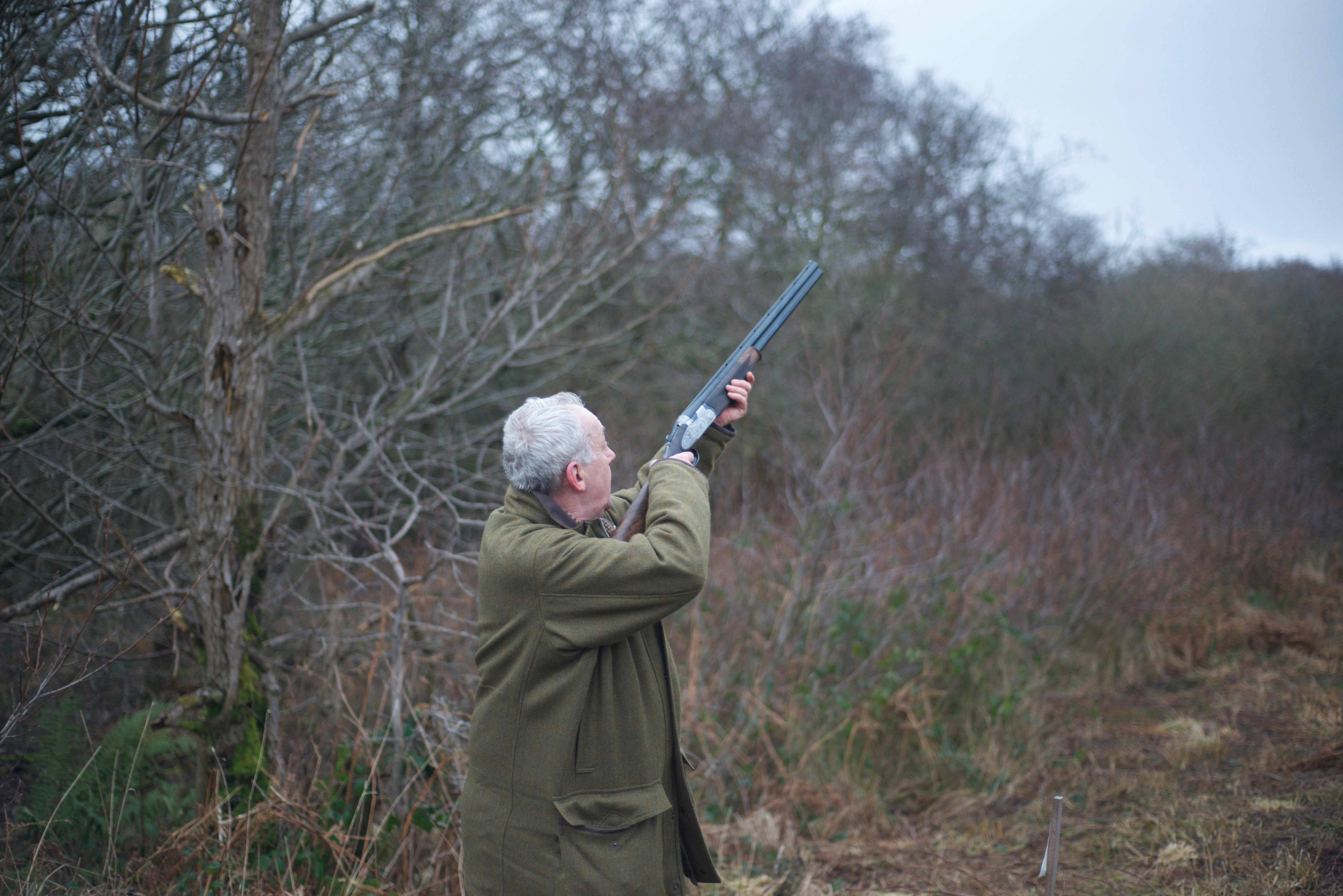
Outsiders sometimes treat Midwestern wind like a simple compass problem because so much of the terrain appears open and gentle. In reality, creek bottoms, terrace systems, cattail sloughs, cutbanks, and even isolated ridges can create subtle but crucial air movement.
Add cold fronts, afternoon warming, and the way fields pull and release air, and suddenly a clean forecast does not feel so clean. Mature bucks in pressured areas survive by trusting their nose, and Midwestern hunters obsess over this for good reason. One stand can hunt beautifully on a northwest wind and become nearly useless with only a slight shift.
Pressure Comes From Every Direction

Many visiting hunters think pressure in the Midwest means other bowhunters on public land. Often it is broader than that. Gun seasons, neighboring farm activity, road traffic, dog walkers, shed hunters, mushroom pickers, and casual trespass all shape how deer use cover and daylight.
On smaller parcels, pressure on adjacent ground can matter as much as what happens where you have permission. A mature buck may bed on one farm, feed on another, and avoid a third because somebody climbed in with the wrong wind three evenings in a row. Midwestern whitetails often live in a crowded human landscape, and they act like it.
Mature Bucks Use Cover More Creatively

Hunters from heavily forested regions can underestimate how little cover a mature Midwestern buck needs if that cover is in the right place. A grassy waterway, overgrown ditch, narrow cedar strip, or tiny island of brush can hold deer that seem like they should be bedding somewhere much bigger.
That is why glassing open country can be deceptive. You may feel like you are seeing everything, while the oldest buck on the farm is tucked into a fold of grass fifty yards from a tractor lane. In the Midwest, subtle cover features often outproduce the obvious timber everyone notices first.
The Rut Does Not Erase Bad Decisions
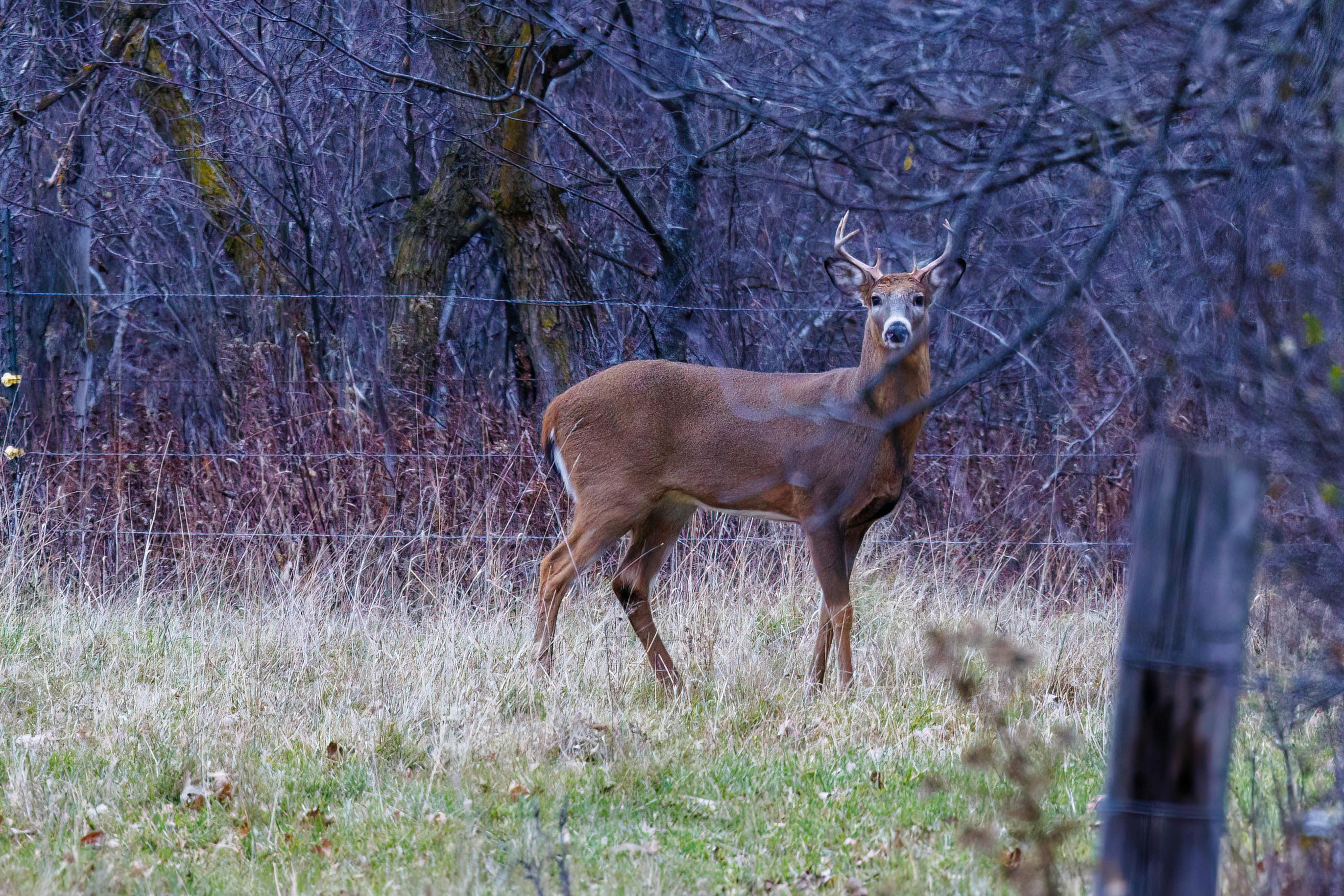
The Midwest has a mythic rut reputation, and for good reason, but traveling hunters sometimes overestimate how forgiving that period really is. Yes, bucks move more, cover more ground, and make mistakes. No, that does not mean careless setups suddenly become smart ones.
Even in peak rut windows, mature deer still use wind, terrain, and security cover to their advantage. A great funnel can burn out fast if hunters flood it, and a visible scrape line means less if access contaminates the bedding side. Midwestern rut hunting can be electric, but it still rewards discipline more than hope.
Cold Weather Is Not a Magic Switch

Serious hunters from warmer regions often arrive believing that any cold snap will make Midwestern bucks pour into daylight. Colder weather can absolutely improve movement, especially after mild stretches, but the relationship is not automatic or identical from one landscape to the next.
Barometric shifts, food availability, hunting pressure, moon position habits, and recent disturbance all influence how deer respond. Brutal cold with poor access can still produce quiet sits if deer feed after dark in standing corn and return to thick bedding before first light. In the Midwest, weather matters a lot, but context matters just as much.
Calling and Rattling Need More Restraint

Because Midwestern bucks have a reputation for aggressive rut behavior, some outsiders come in eager to call hard and rattle often. Sometimes that works, especially on younger bucks or in the right November conditions, but pressured mature deer rarely reward noise for its own sake.
In open farm country, deer can expect to see what they hear, and they get suspicious quickly when the picture does not match the sound. Subtle grunts, light tickling, or strategic silence often outperform theatrical setups. Midwestern whitetail hunting tends to punish overcalling, particularly where every neighboring hunter has the same idea.
Public Land Can Be Excellent and Unforgiving

Hunters from regions with huge public tracts are sometimes surprised by how strategic Midwestern public land hunting becomes. The acreage may be limited, the access points obvious, and the pressure concentrated, yet some of the best bucks in the region still come from these places.
Success usually comes from understanding overlooked habitat and overlooked timing rather than simply walking deeper. Marsh edges, overlooked creek crossings, ugly cover, weekday windows, and post-pressure adjustments matter enormously. Midwestern public land rewards hunters who can think like both a deer and a crowd, sometimes within the same hour.
Patience and Timing Beat Pure Effort
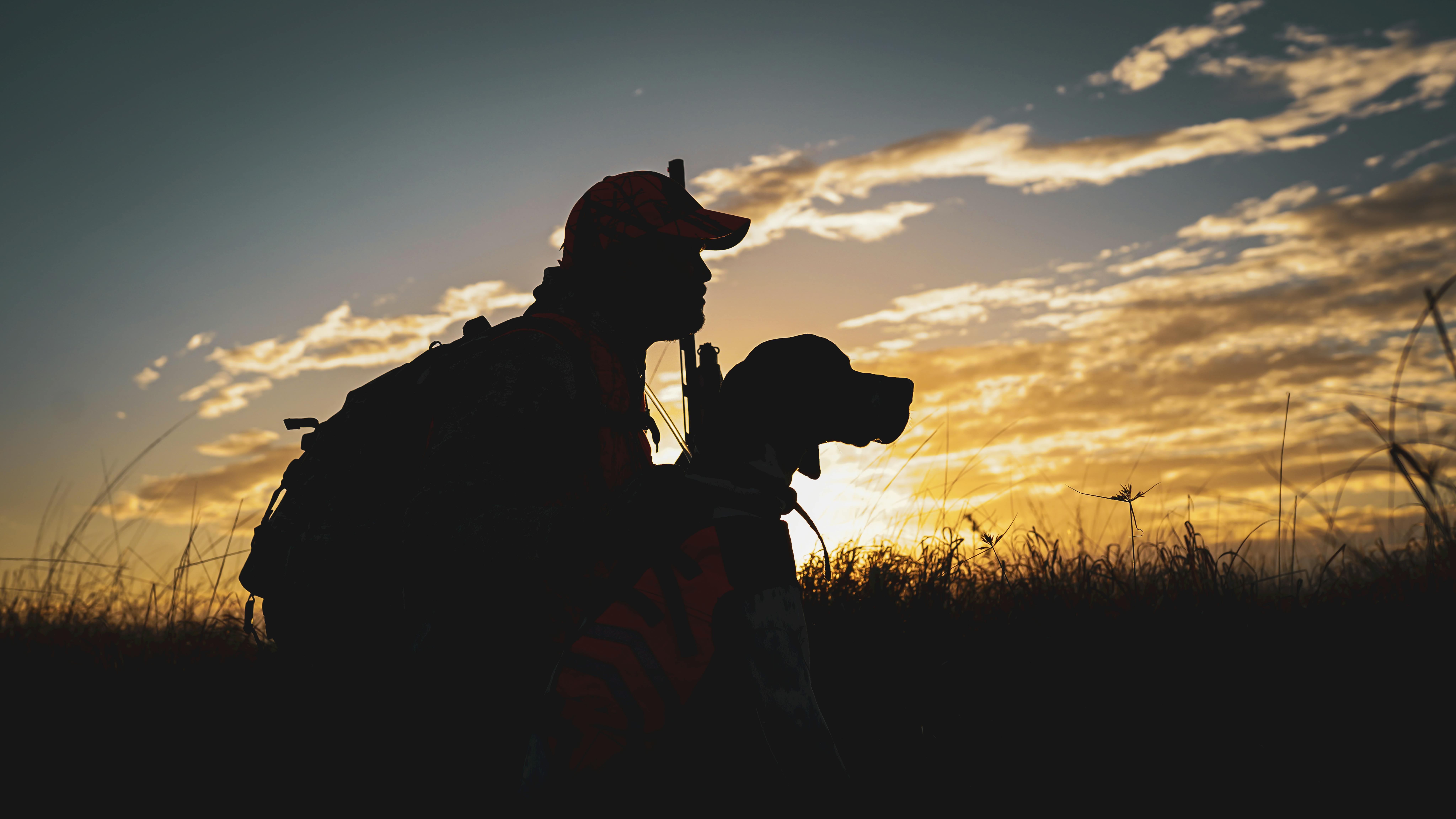
Many serious hunters arrive ready to grind from dark to dark every day, and there are times when that works. But Midwestern whitetail success often depends less on maximizing hours and more on matching the exact sit to the exact conditions, then waiting until the moment is right.
That can mean skipping a stand for five days, passing on a marginal wind, or hunting only the evening after a harvest change or weather swing. The region produces giant deer, but not usually by accident. More than outsiders expect, Midwestern hunting rewards restraint, precision, and the confidence to not force the issue.