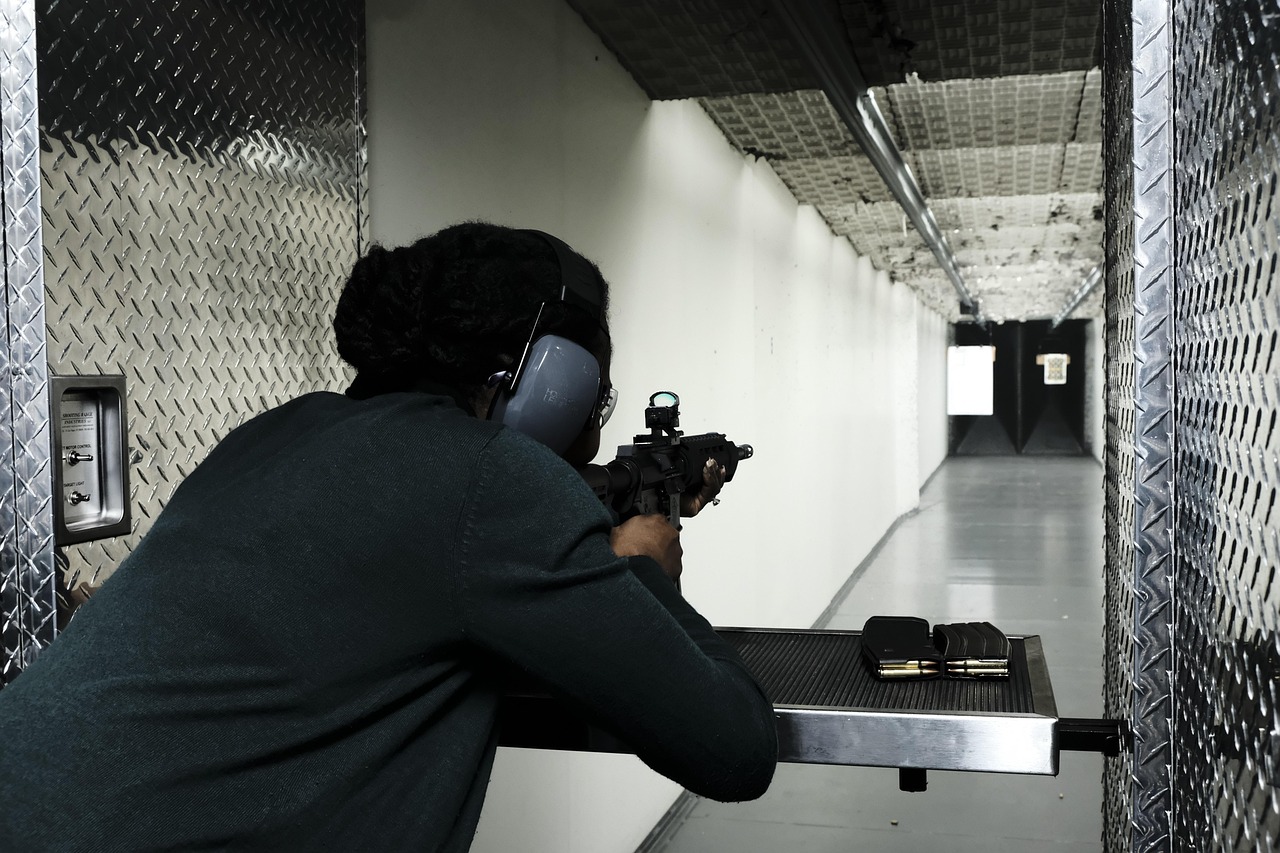
Every rifle on this list arrived with a wave of excitement, bold claims, and a loyal following. But after the honeymoon period, plenty of owners started saying the same thing: some of these famous names simply didn’t live up to the legend. Here are eight rifles that generated major buzz over the last 20 years, yet often left buyers feeling underwhelmed.
Remington R51 Rifle Hype Spillover

The Remington brand spent years trading on legacy, and that reputation often boosted excitement around nearly anything new wearing the name. In the 2010s, many buyers approached newer Remington long guns expecting old-school reliability, clean finishing, and out-of-box confidence. What they found too often was a gap between marketing nostalgia and modern production reality.
Owners who expected a polished experience frequently complained about uneven quality control, rough actions, and a general sense that the brand was selling trust it hadn’t fully earned. The rifles weren’t always terrible, but they were often discussed like must-own comeback products. For many shooters, the hype came from the badge more than the performance.
Bushmaster ACR
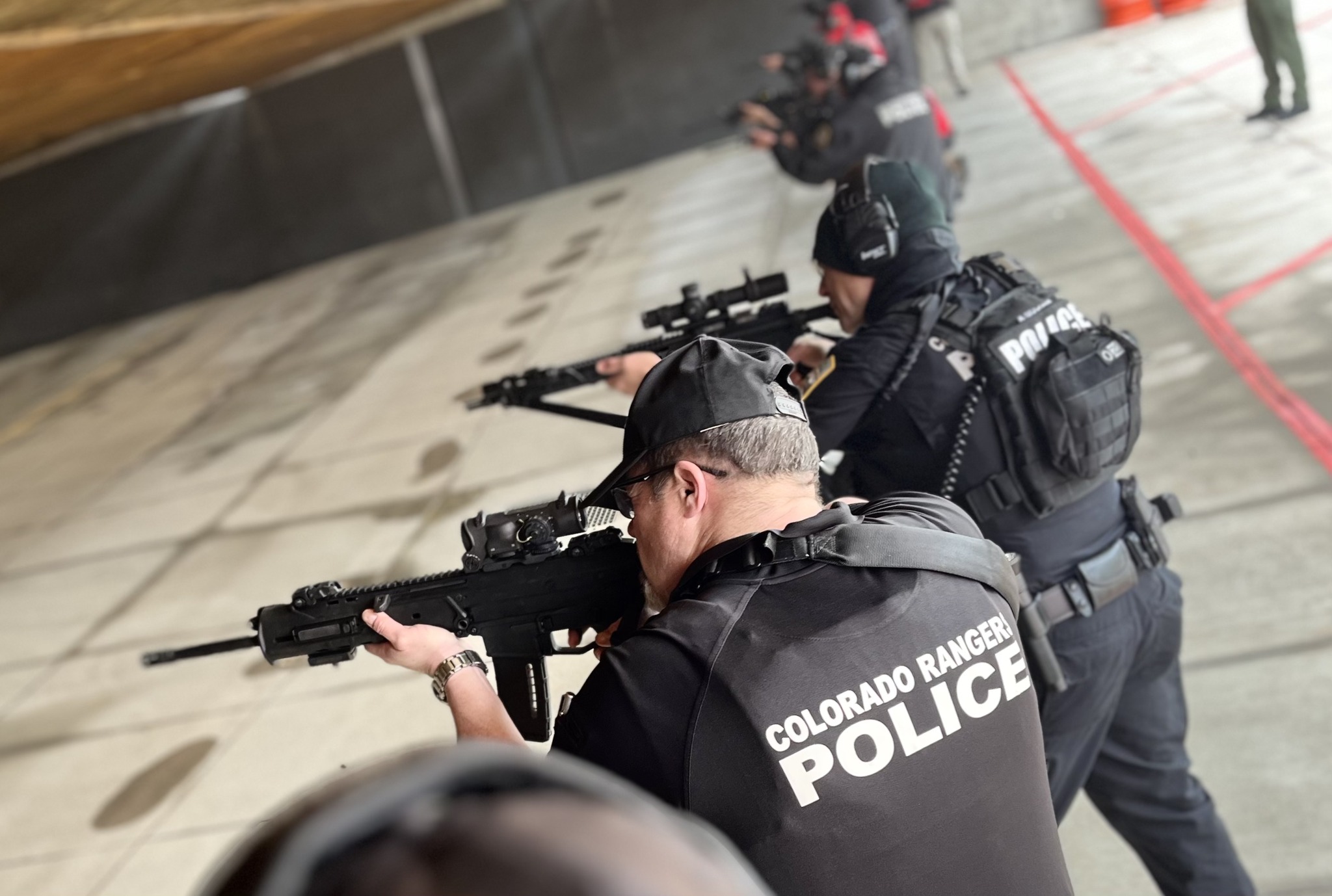
The Bushmaster ACR arrived with the kind of rollout gun enthusiasts love: modular design, military-style looks, and endless promises about adaptability. On paper, it sounded like the future of the modern rifle. Buyers imagined a platform that would easily evolve with caliber swaps, barrel changes, and mission-specific setups.
Then reality set in. Many owners felt the rifle was too expensive for what it actually delivered, especially once the promised ecosystem failed to fully blossom. It was also hard to ignore comparisons to cheaper AR-15s that were lighter, better supported, and easier to customize. The ACR wasn’t without strengths, but for plenty of owners, the concept remained more exciting than the ownership experience.
Ruger Mini-14 Tactical Models

The Mini-14 has always benefited from a certain cool factor. It looks distinct, feels traditional in the hands, and carries a reputation shaped as much by pop culture as by performance. Tactical versions especially drew buyers who wanted something less common than an AR but still useful for ranch work, range sessions, or defensive roles.
Owners often admit the reality can be mixed. Accuracy has improved over the years, but many shooters still came away feeling they paid a premium for style and familiarity rather than outright capability. Magazines, accessories, and consistency also became sticking points in owner conversations. For all its charm, the Mini-14 Tactical often gets praised more for what it represents than for what it actually does best.
Kel-Tec RDB

The Kel-Tec RDB generated attention for one simple reason: it looked different in a market full of familiar silhouettes. Its bullpup layout, downward ejection, and compact footprint made it seem like a clever answer to old rifle design problems. For buyers chasing innovation, it felt like a conversation piece that might also be genuinely practical.
That excitement cooled for some owners once range time replaced first impressions. Complaints often centered on inconsistent fit and finish, a quirky manual of arms, and the sense that refinement lagged behind the concept. Fans still appreciate the rifle’s originality, but even many supporters admit it asks owners to tolerate a lot. In that sense, the RDB became a classic case of fascinating design outrunning broad appeal.
SIG Sauer Cross

When SIG Sauer launched the Cross, it was positioned as a modern bolt-action built for hunters and precision-minded shooters who wanted low weight and contemporary styling. It arrived with serious anticipation because SIG had become one of those brands people expect to disrupt categories. Lightweight, foldable, and sleek, the Cross looked ready to redefine the backcountry rifle.
For some owners, however, the experience never matched the ambition. Early controversy, recall headlines, and lingering concerns about value made buyers more skeptical than impressed. Others felt the rifle lived in an awkward middle ground, not fully replacing a dedicated mountain rifle or a purpose-built precision gun. The Cross still has admirers, but the original level of hype set a bar that was always going to be hard to clear.
Christensen Arms Modern Hunting Rifles

Christensen Arms helped make carbon-fiber barrels and ultralight hunting rifles feel aspirational to the average buyer. The brand’s rifles photograph beautifully, carry well, and promise premium performance in a very modern package. For hunters dreaming of shaving every possible ounce, that pitch was extremely effective.
But owners have often been split once the rifle leaves the showroom. Some report excellent accuracy, while others describe frustrating inconsistency, finicky behavior, or quality concerns that feel unacceptable at the price. That disconnect is exactly why these rifles get called overhyped so often. They aren’t lacking in ambition or visual appeal, but many buyers expected a more universally polished experience than what they ultimately received.
IWI Tavor 7

The Tavor 7 came loaded with excitement because it promised .308 power in a compact bullpup format from a brand with serious tactical credibility. For shooters who wanted battle-rifle energy without the length of a traditional platform, it seemed like a bold and practical answer. The rifle looked rugged, capable, and different enough to stand apart instantly.
Owners later pointed out the trade-offs with more honesty. Weight, trigger feel, bulk through the receiver, and overall shooting comfort made some users wonder if the compact format was worth the compromises. Others simply found that a conventional .308 platform fit them better. The Tavor 7 remains interesting, but it also shows how easy it is for novelty and reputation to inflate expectations far beyond everyday satisfaction.
Q The Fix
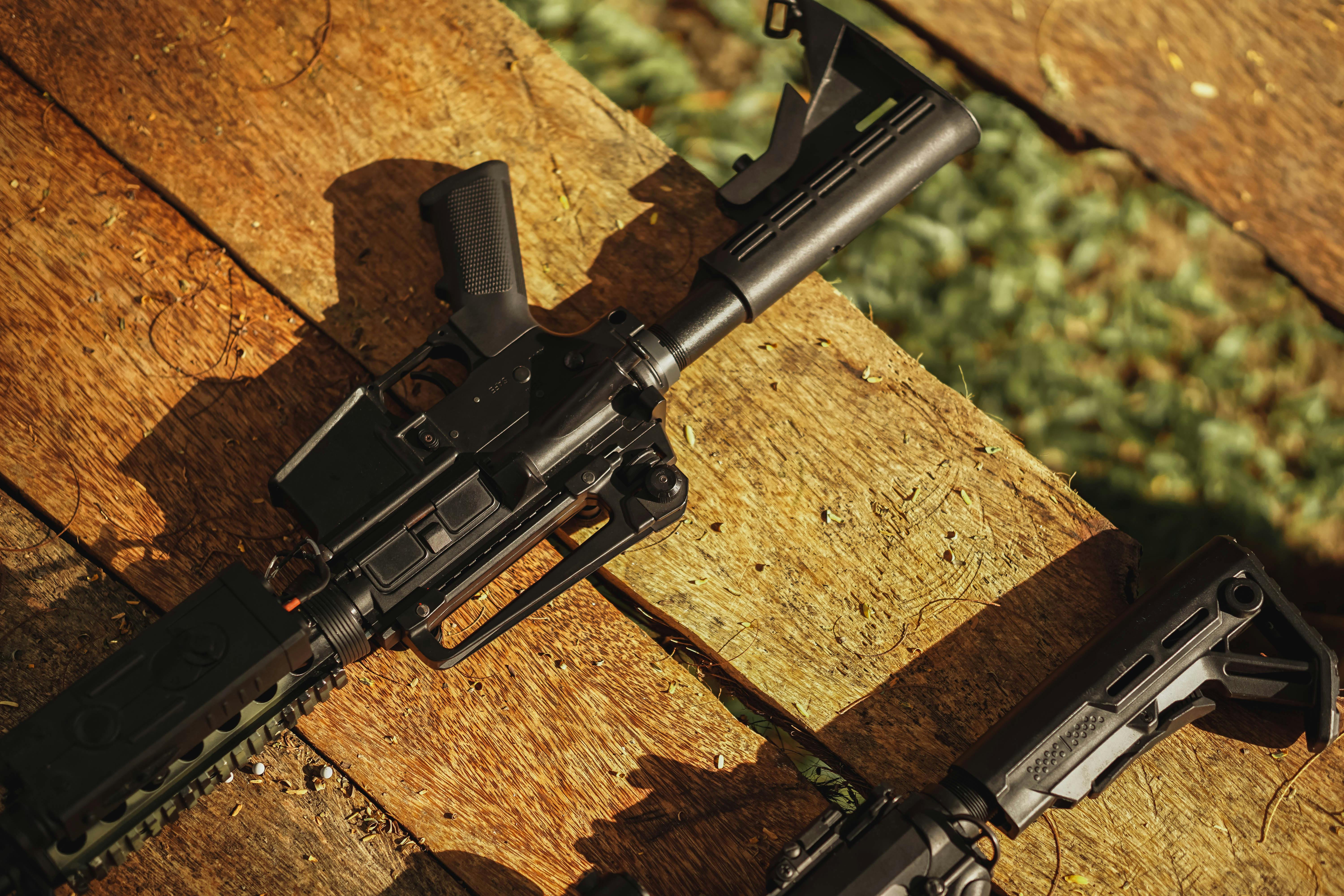
Few rifles of the last decade arrived with as much buzz, branding swagger, and social media visibility as The Fix. It was pitched as a lightweight, highly modern bolt gun that could blur the line between precision shooting, hunting, and suppressor-friendly utility. To many buyers, it looked like the next truly disruptive rifle concept.
Then owners started weighing the rifle against its cost, ergonomics, and actual use case. Some loved the portability, but others questioned whether the design’s premium price reflected premium performance or simply premium marketing. Critiques about feel, practicality, and niche appeal became common once the novelty wore off. The Fix may still have devoted fans, yet it is also one of the clearest examples of a rifle becoming bigger as a brand statement than as an all-around buy.