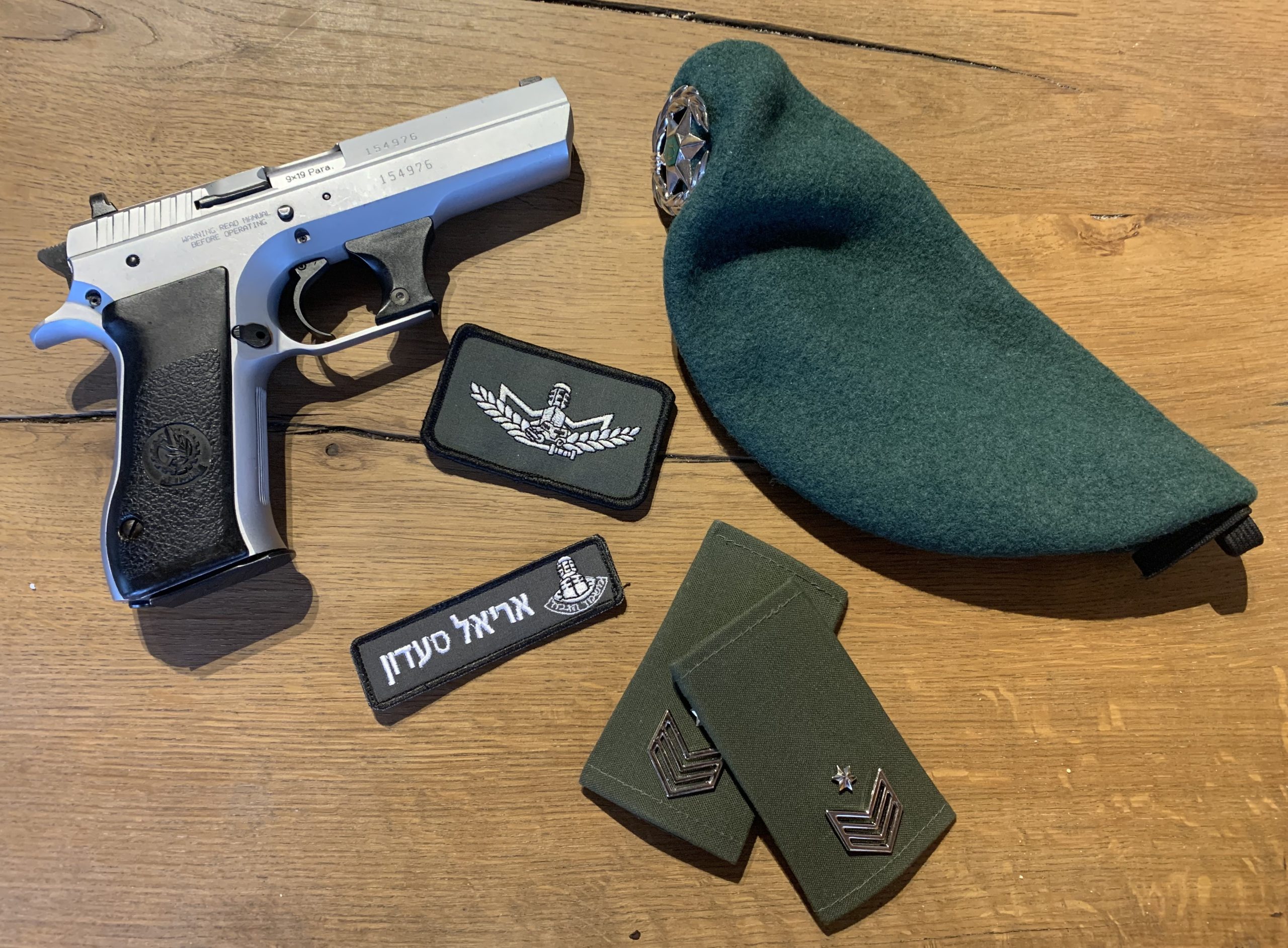
The Jericho 941 occupies an unusual place in handgun history. Introduced by Israel Military Industries in 1990, it borrowed heavily from the CZ 75 while adding its own features, proportions, controls, and manufacturing approach. The result was a substantial service pistol that became associated with Israeli production and later appeared under several names in the American market. Calling it an “answer to the 1911” is more colorful than literal, but the comparison reflects the Jericho’s reputation as a durable, distinctive hammer-fired pistol.
1. Born From the CZ 75 Blueprint
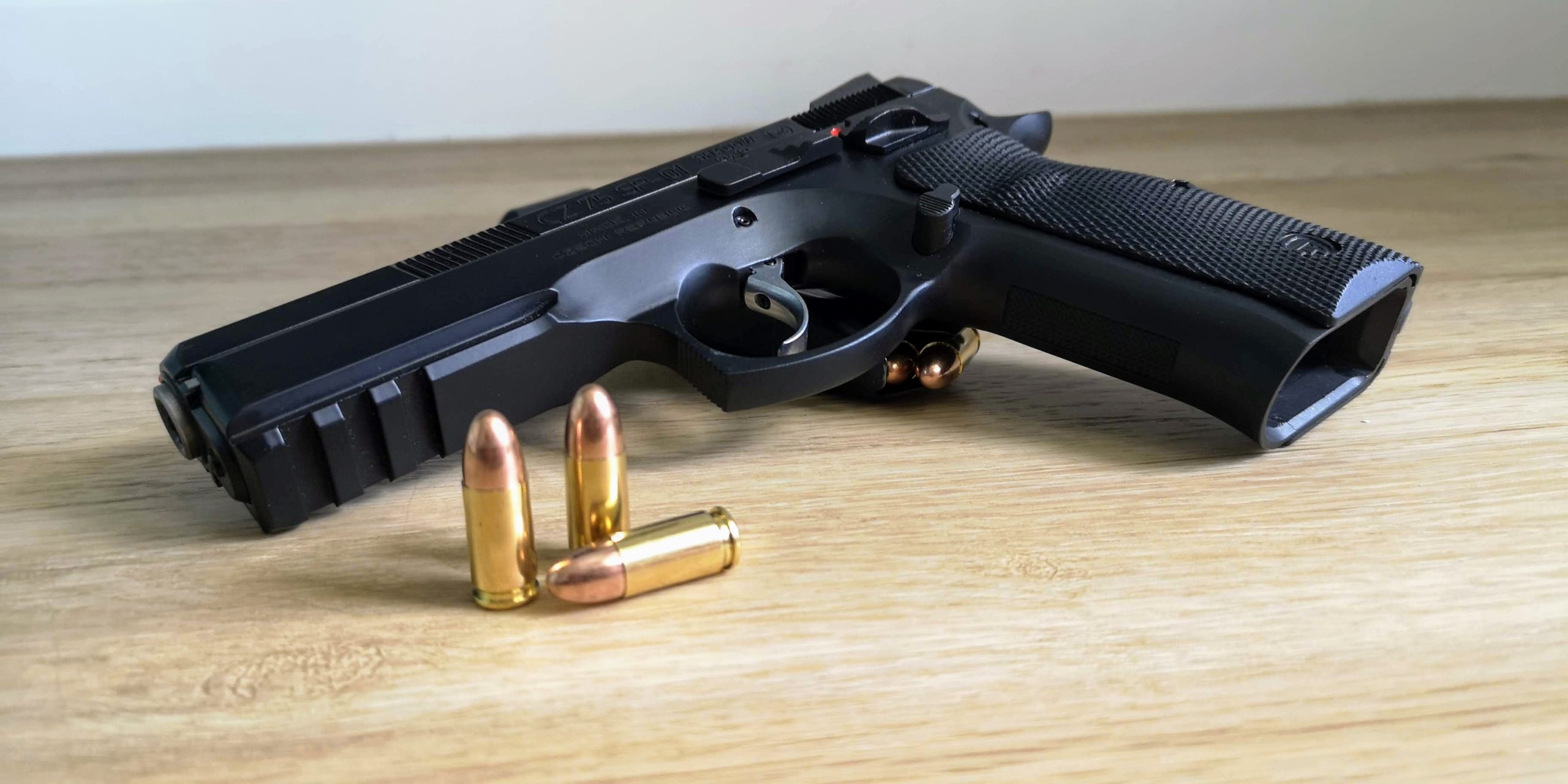
The Jericho 941 did not emerge from a blank sheet of paper. Israel Military Industries (IMI) introduced it in 1990 after drawing heavily on the CZ 75 pattern, with early production involving Tanfoglio components. That heritage explains the pistol’s distinctive slide-inside-frame arrangement, low bore axis, and double-action/single-action layout. Yet calling it simply a copy misses the engineering changes IMI made around the design. The Jericho became an Israeli interpretation of a proven European concept, giving it a recognizable identity rather than merely another clone in a crowded market. This blend of proven architecture and local refinement helped give the pistol its own identity.
2. The “941” Name Has a Story
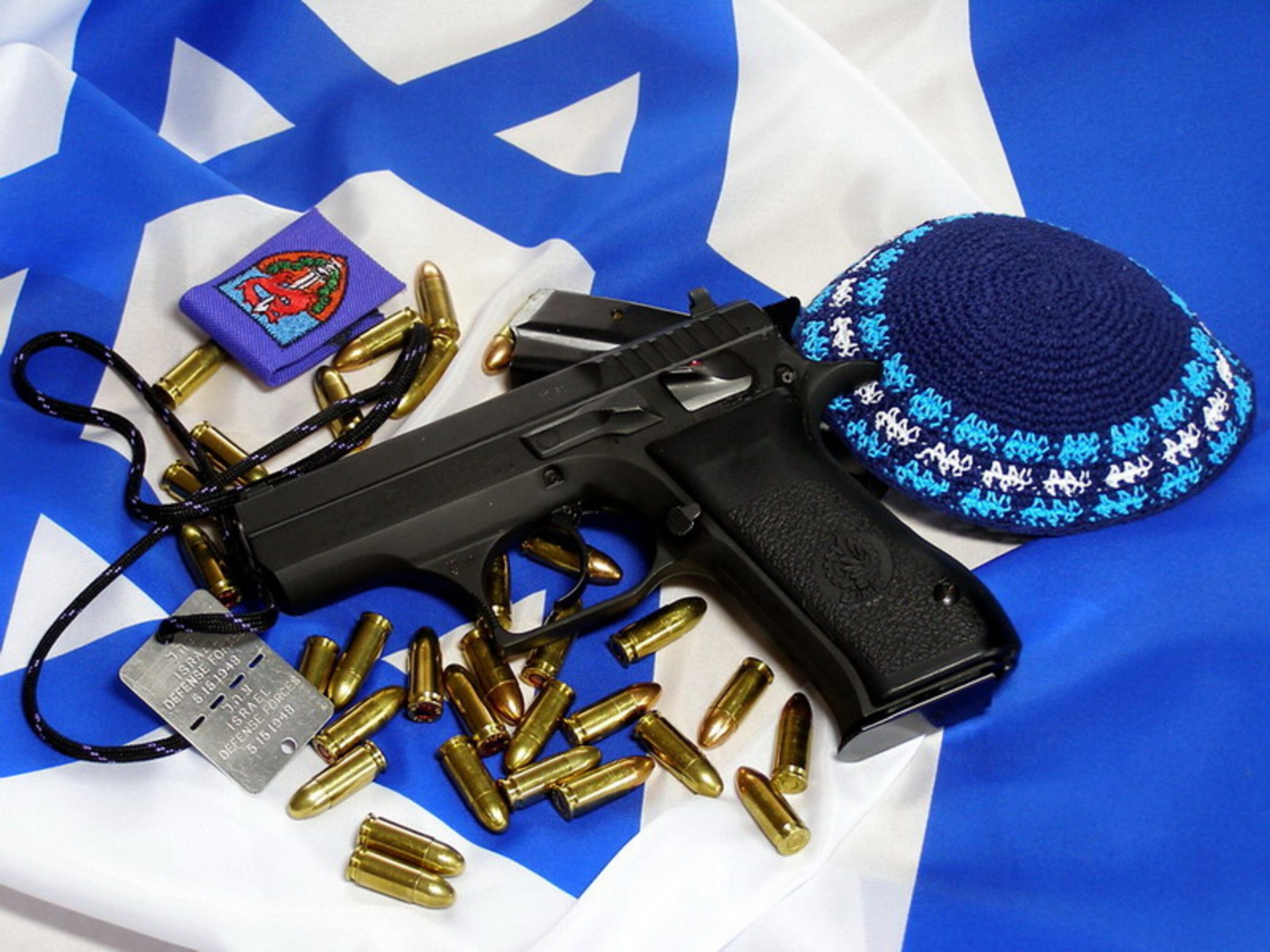
The number 941 is more than a model designation. The original pistol was associated with two chamberings: 9mm Luger and .41 Action Express, which explains the name. Early examples could be supplied with barrels for both cartridges, allowing the platform to switch between them. The .41 AE was intended to deliver magnum-like performance from a semiautomatic pistol while retaining a case head compatible with 9mm-style dimensions. The concept was clever, but ammunition availability ultimately worked against it. The arrival and rapid adoption of .40 S&W also made the unusual .41 AE harder to justify commercially. The unusual cartridge pairing became a defining part of the model’s early history.
3. It Was Built Like a Heavy Service Pistol
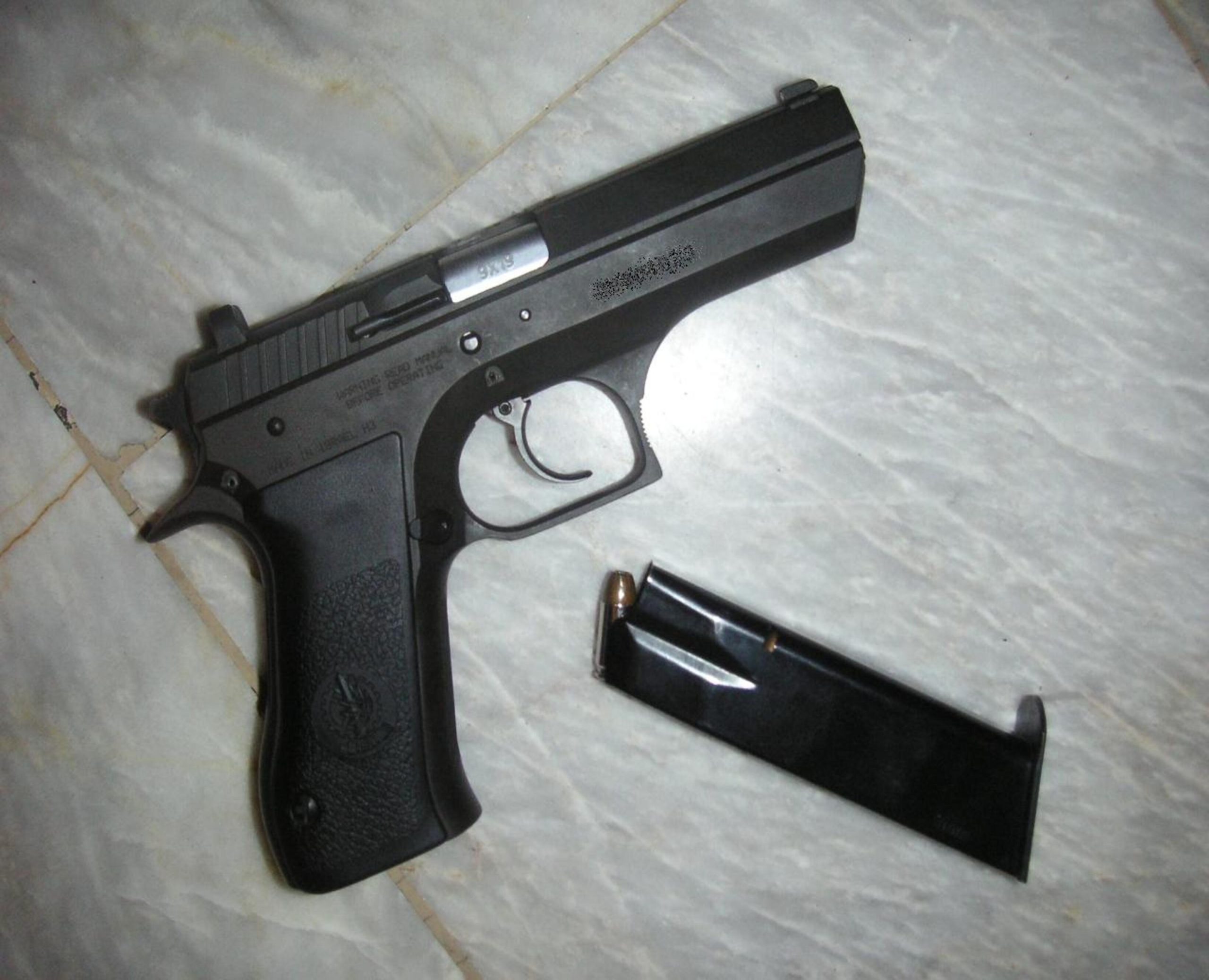
The classic steel-frame Jericho has a substantial feel that separates it from many lighter modern handguns. One documented full-size 9mm version weighs about 41.6 ounces and uses a 4.4-inch cold-hammer-forged barrel. That mass is not accidental; it contributes to a steady feel during firing and gives the pistol the character of a traditional service gun. Its full-size dimensions also make it less compact than many contemporary carry pistols. The result is a handgun that feels closer to a robust duty sidearm than a minimalist concealed-carry design, reflecting the priorities of its era. That combination gave the steel model a notably planted character on the range.
4. Its Slide Runs Inside the Frame

One of the Jericho’s most recognizable engineering details is the way its slide rides inside the frame rails. The arrangement comes from the CZ 75 family and keeps the reciprocating mass relatively low. A documented 9mm model uses a 4.4-inch barrel, while its low bore axis helps explain the pistol’s characteristic handling. This architecture also gives the Jericho its distinctive appearance: the slide looks unusually narrow because much of the frame surrounds it. For enthusiasts, that is one of the easiest ways to distinguish the design from conventional pistols whose slides ride over external frame rails. It became a visual signature separating the Jericho from many later service pistols.
5. The Safety Supports Two Carry Modes
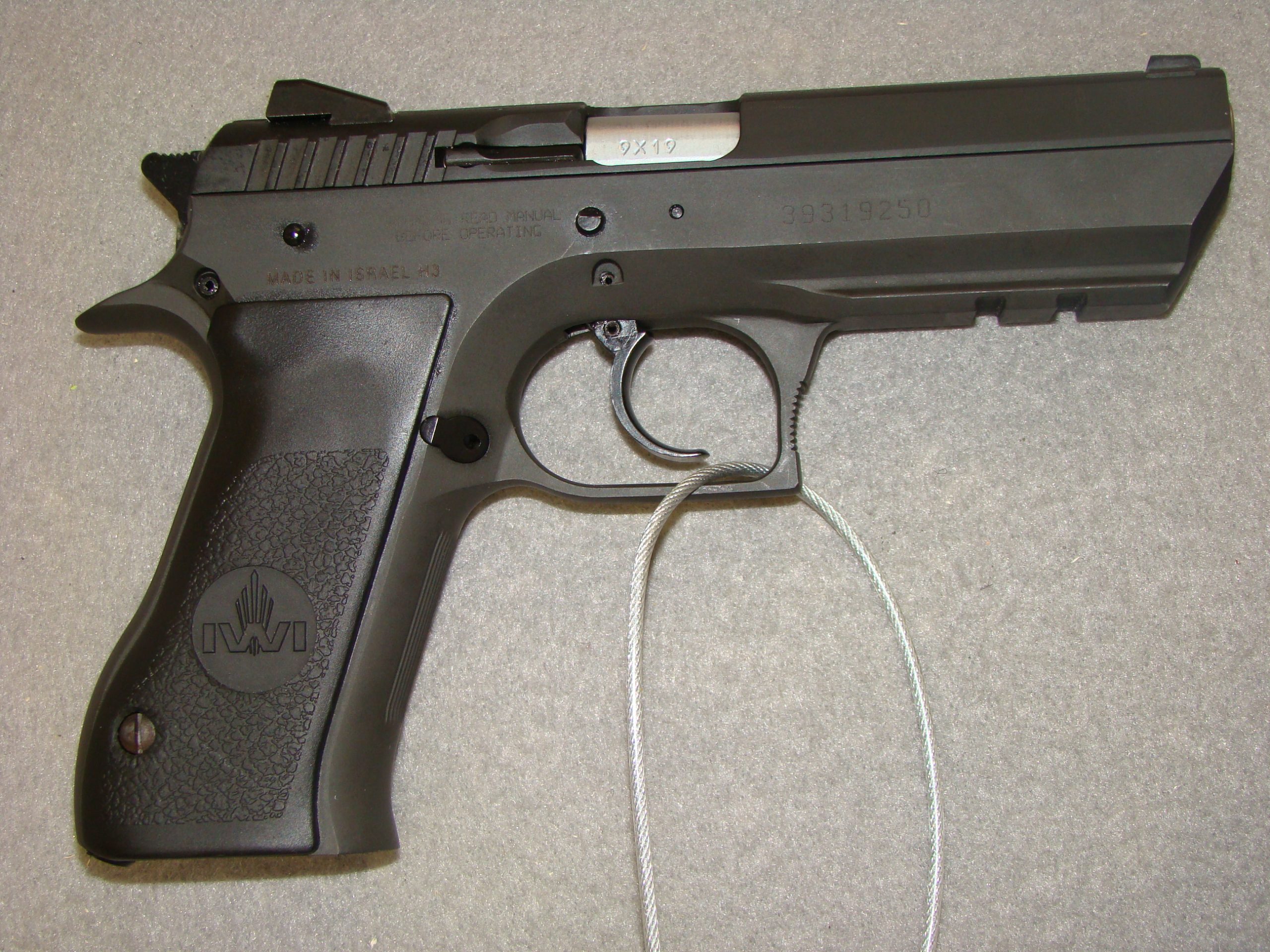
The Jericho 941’s frame-mounted manual safety is one of its most important departures from some later versions sold under other names. IWI documentation describes a double-action/single-action mechanism, while the safety permits a cocked-and-locked configuration when used appropriately. With the hammer lowered, the first shot uses the longer double-action pull, followed by lighter single-action shots. That combination gives the pistol two distinct operating characteristics without changing the basic firing mechanism. Earlier U.S. imports could use a slide-mounted decocker, so the location of the control can help identify different generations and configurations. The control layout became an important part of the Jericho’s identity.
6. Sixteen Rounds Gave It a Modern Edge
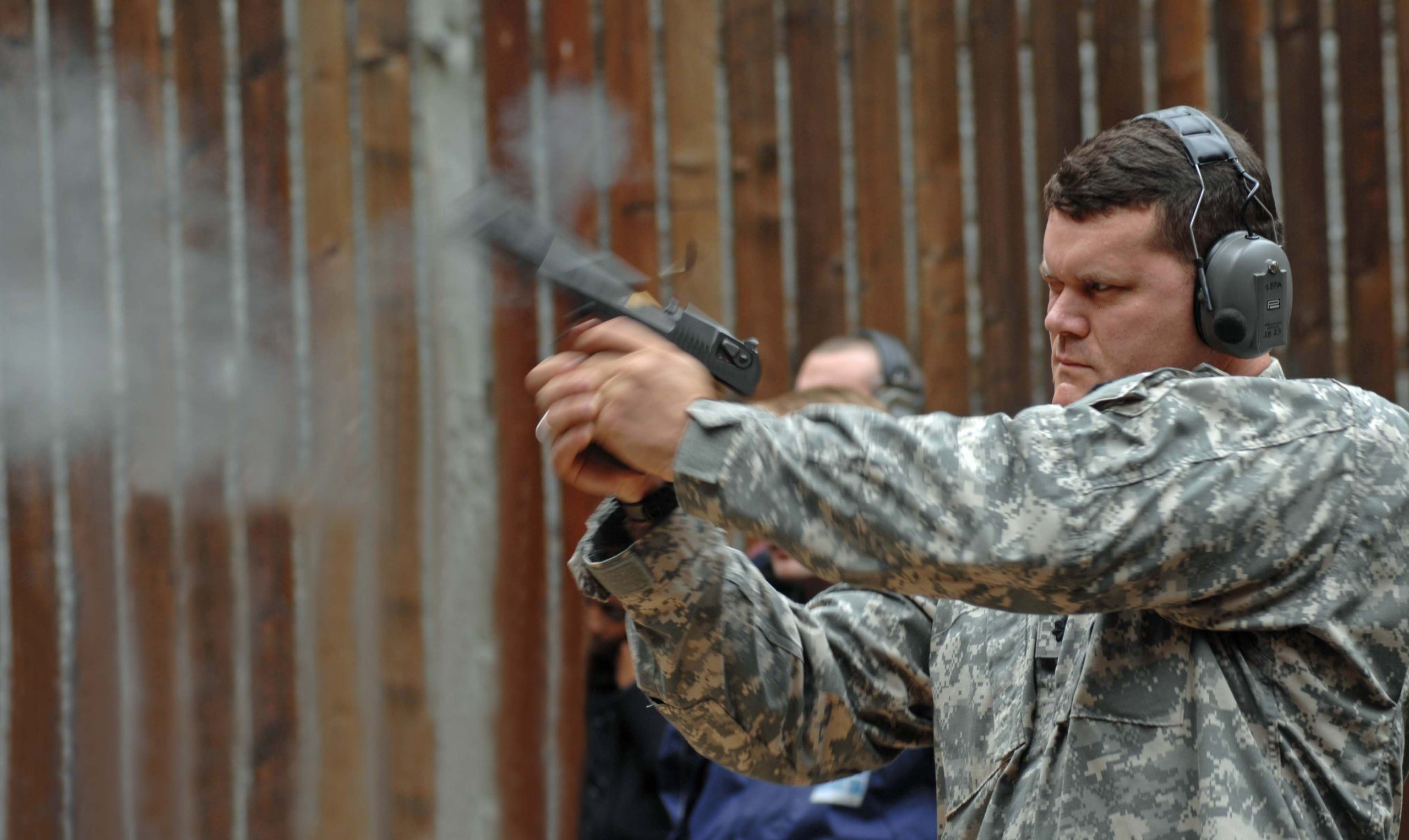
Capacity was another reason the Jericho looked contemporary when it arrived. A full-size 9mm model was offered with a 16-round magazine, giving it considerably more ammunition capacity than many classic single-stack service pistols. The double-stack magazine was part of the CZ-derived architecture and helped make the pistol attractive to users who wanted a traditional metal handgun without sacrificing capacity. Current and historical configurations have varied by market and regulation, so magazine capacity should always be checked for the exact model. Still, 16 rounds became one of the Jericho’s most recognizable numerical specifications. The figure remains a useful reference when comparing different full-size versions.
7. The Barrel Uses Polygonal Rifling
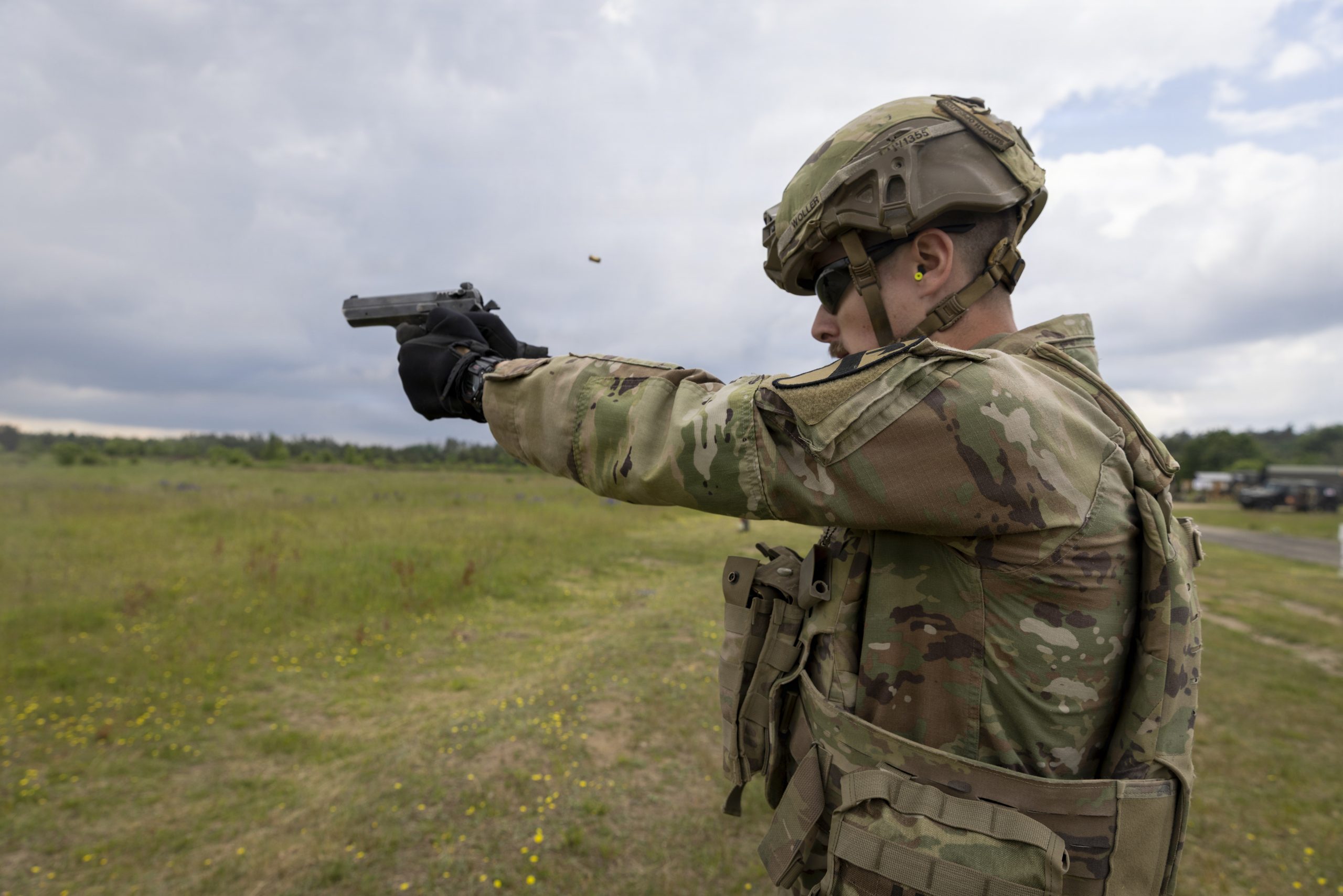
The Jericho’s barrel technology also helped distinguish it from older handgun designs. IWI documentation lists six right-hand polygonal grooves, while published specifications give a 1:10-inch twist for the 9mm version. Polygonal rifling uses a rounded, multi-sided bore profile rather than sharply defined conventional lands and grooves. The design was promoted as part of the pistol’s accuracy-focused engineering, alongside its cold-hammer-forged CrMoV steel barrel. These details may sound technical, but they show how the Jericho combined a classic steel handgun format with manufacturing choices intended to improve durability, consistency, and practical accuracy.
8. It Changed Names in the U.S.
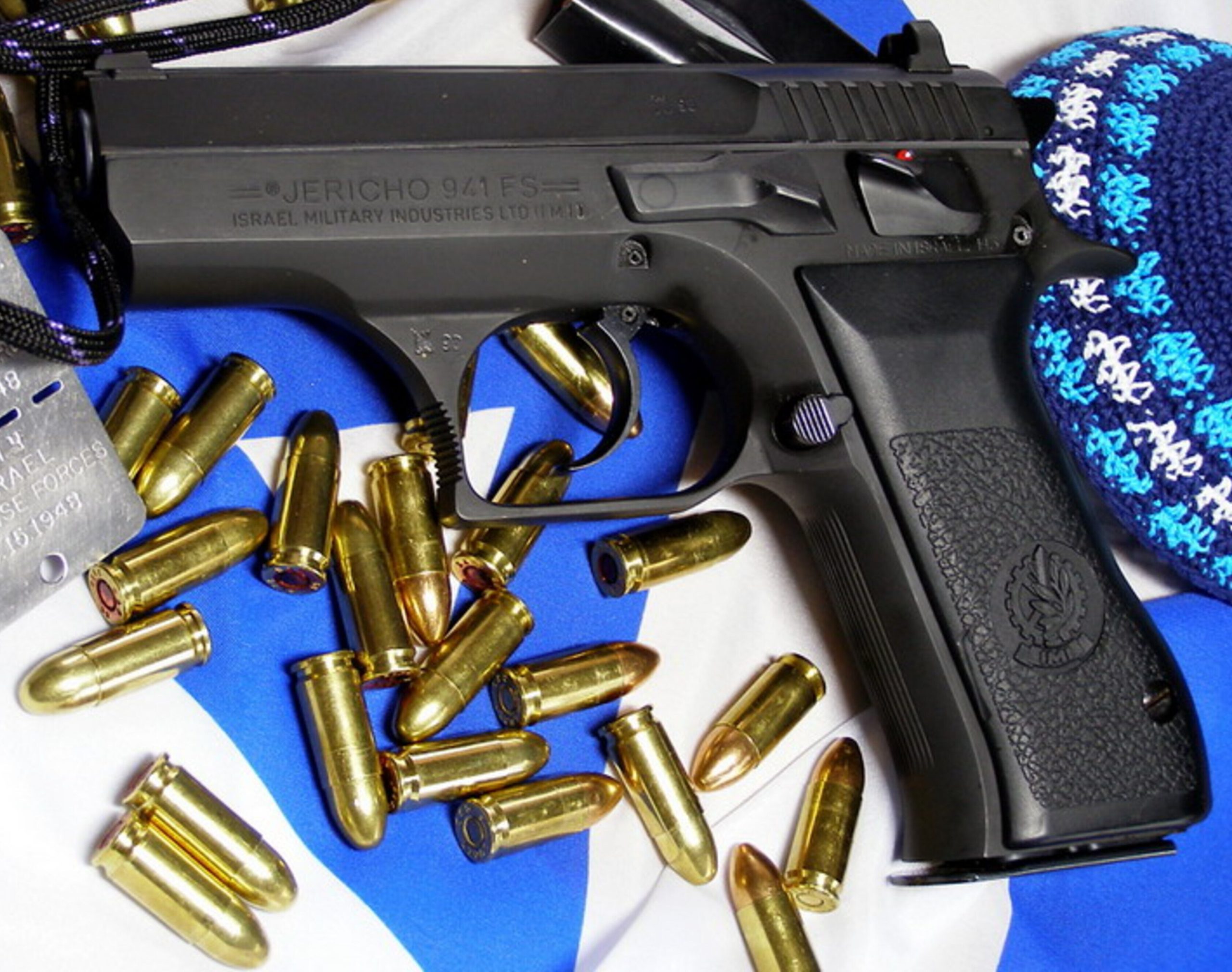
The Jericho’s American history is unusually complicated because the same basic pistol appeared under several names. It entered the U.S. market in 1990 through K.B.I., later appeared as the Uzi Eagle under Mossberg, and was subsequently marketed by Magnum Research as the Baby Eagle. IWI eventually brought the Jericho name back through IWI US. This history can confuse collectors because markings, safeties, frames, and configurations differ across production periods. The underlying CZ-derived family connection remains, however, making the various names part of one unusually long commercial story. The changing names are an important part of the Jericho’s unusually long American story.
9. The “Israeli 1911” Label Needs Context
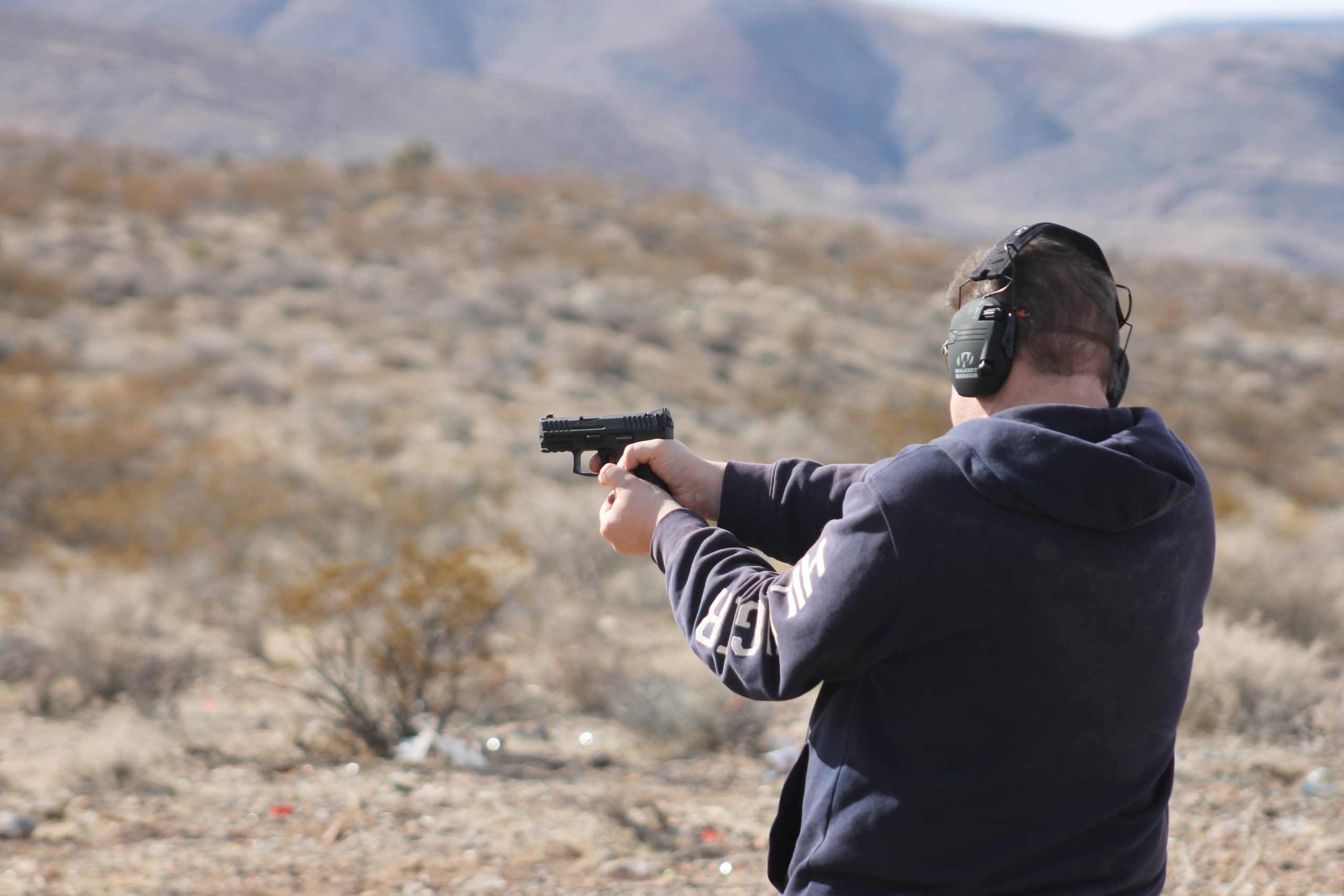
Calling the Jericho 941 “Israel’s answer to the 1911” makes for a memorable headline, but it needs context. The Jericho was not a direct replacement or mechanical copy of the 1911; its closest design ancestor was the CZ 75. The comparison works better as a description of its role and reputation: a substantial, hammer-fired service pistol with a strong identity that became closely associated with Israeli manufacturing. Over more than three decades, the platform has appeared in steel and polymer frames and in several chamberings. That longevity, plus its distinctive design, explains why the Jericho remains recognizable well beyond its original 1990 launch.