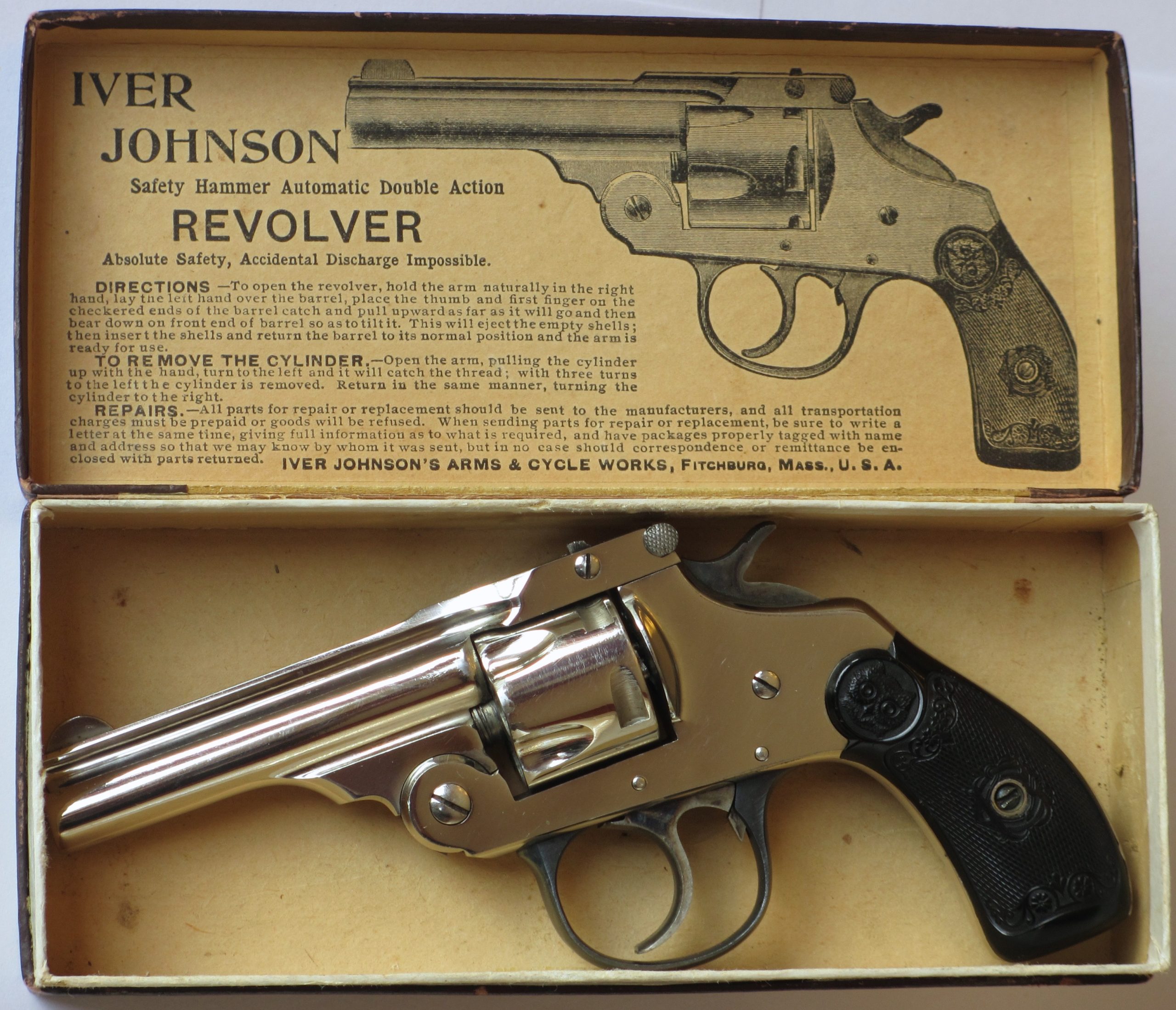
The Iver Johnson Safety Hammerless was a fascinating late 19th-century revolver built around one powerful selling idea: safety could be demonstrated, not merely promised. Its internal hammer, top break action, automatic ejection, and transfer bar were unusual combinations for the period. Iver Johnson promoted the design aggressively, even demonstrating its resistance to accidental discharge by striking the hammer. Behind the showmanship was a genuine mechanical innovation, although the age and specific model of any surviving example matter greatly today.
1. The Hammer Was Hidden Inside
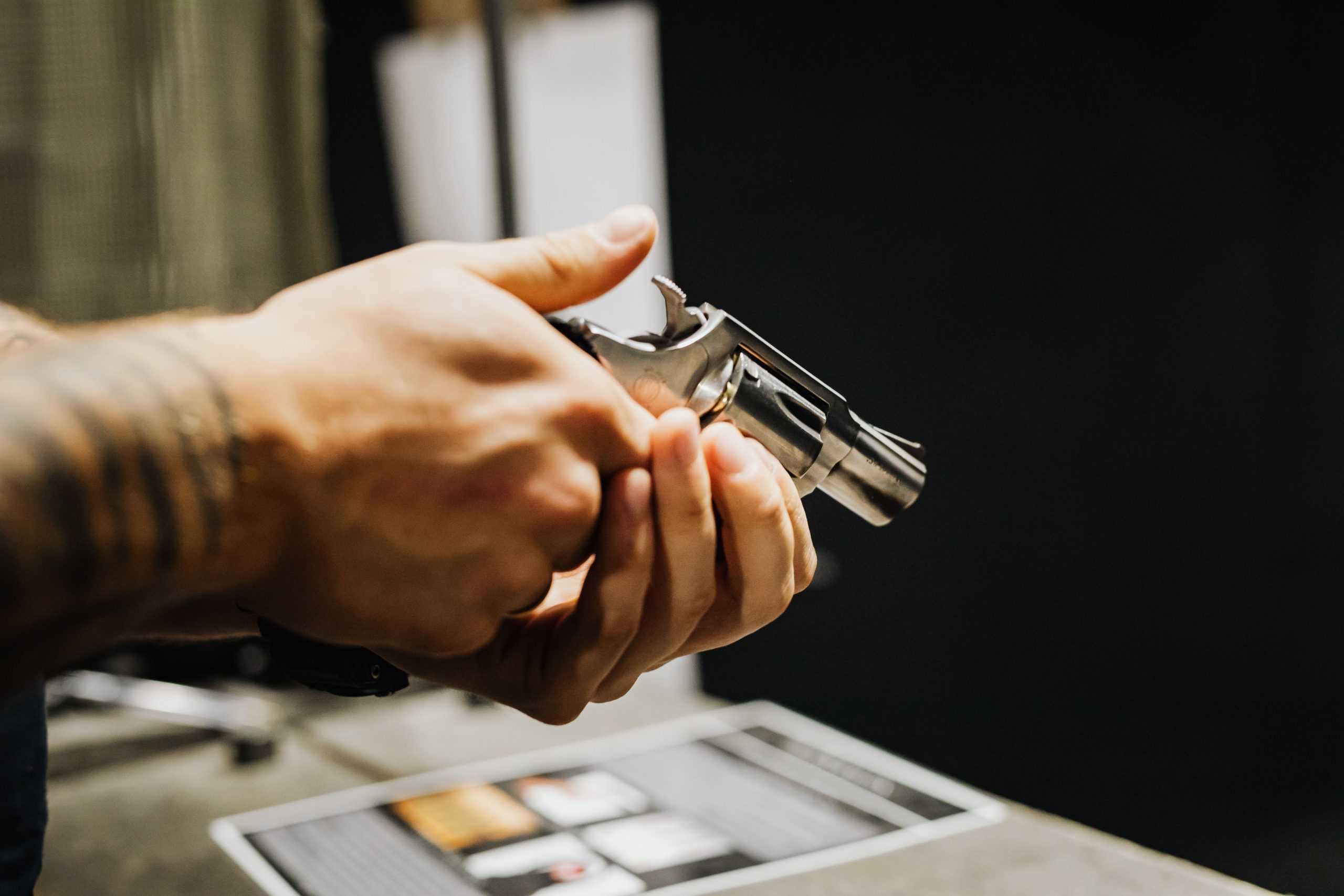
The defining feature was right in the name. Unlike a conventional revolver with an exposed hammer spur, the Safety Hammerless concealed its hammer inside the frame. That arrangement created a smoother exterior with fewer projections that could catch on clothing during a draw. The hammerless versions were double-action only, meaning the trigger performed the cocking and releasing functions. Iver Johnson produced the Safety Hammerless in three principal model generations from 1895 through 1941. Its enclosed mechanism was therefore both a practical carry feature and a striking visual departure from many contemporary revolvers.
2. “Safety Automatic” Did Not Mean Self-Loading
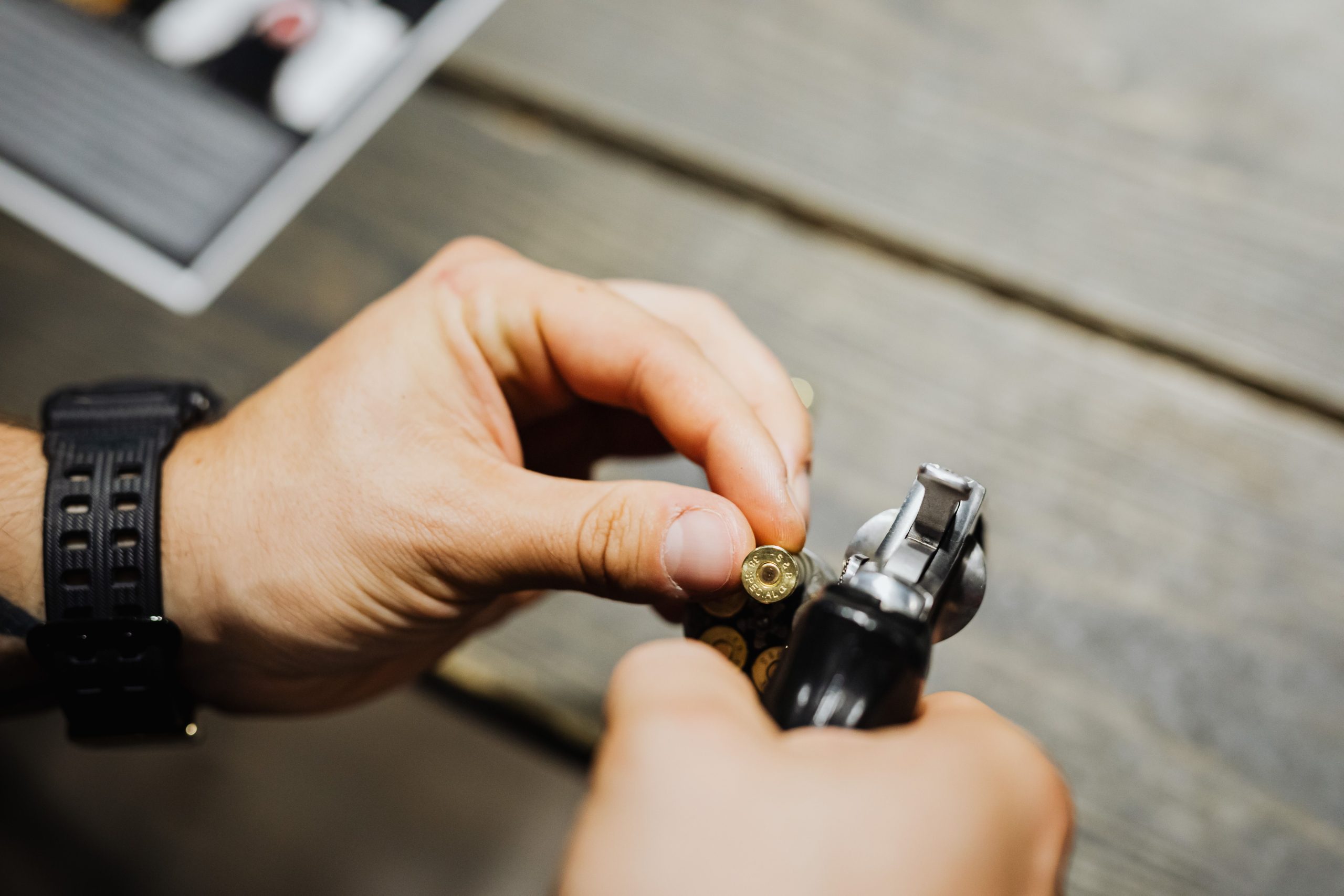
The word “automatic” in Iver Johnson’s terminology can easily confuse modern readers. The revolver was not a semiautomatic handgun. Instead, “automatic” referred to the way the top break action automatically ejected spent cartridges when the frame was opened. The other half of the name referred to the internal safety mechanism. Opening the action could therefore empty the cylinder rapidly, while the revolver’s transfer bar helped prevent an unintended discharge when the trigger was not being pulled. It was a clever combination of two different mechanical ideas packed into one compact revolver.
3. The Famous Safety Idea Was the Transfer Bar
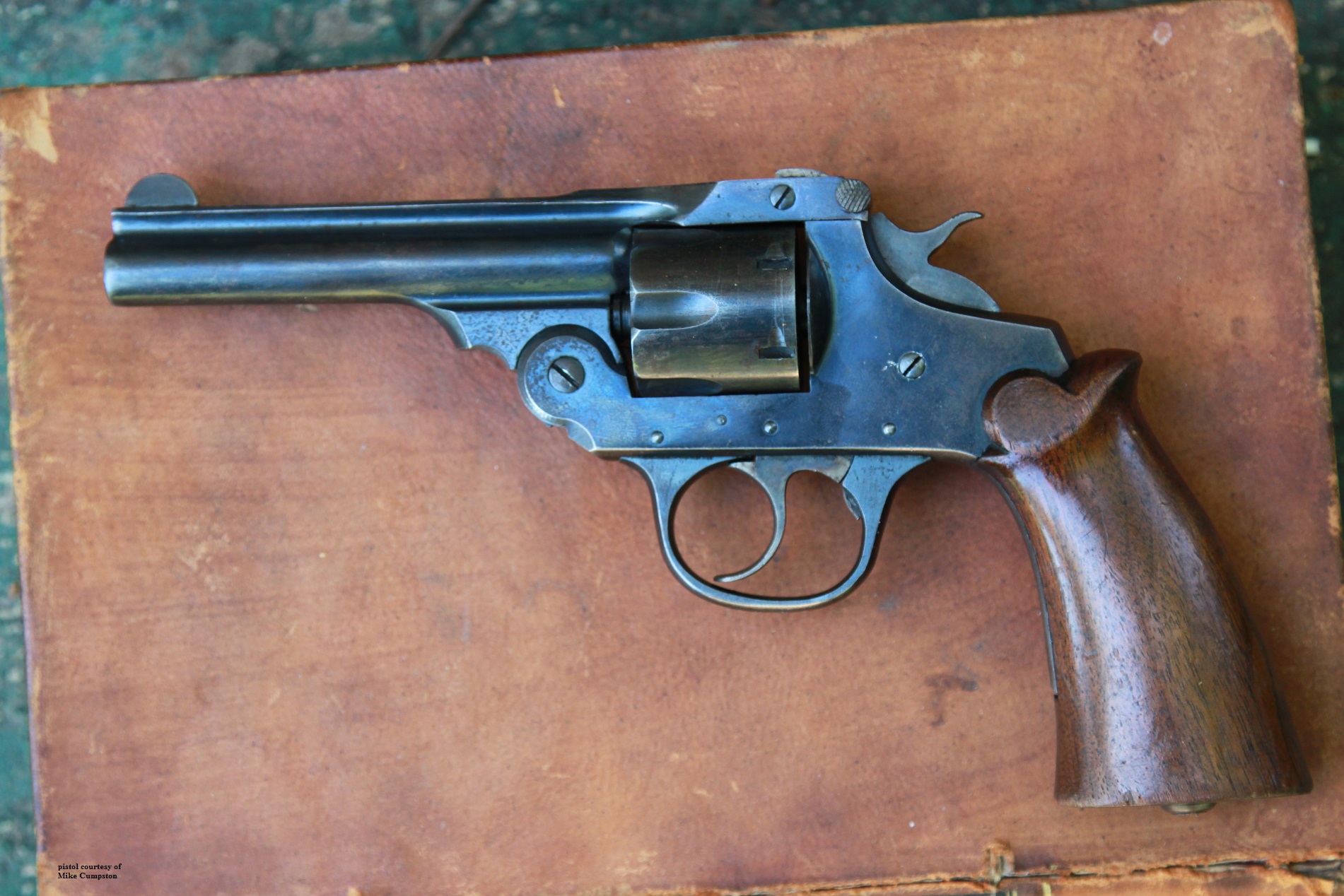
The heart of Iver Johnson’s safety system was a transfer bar, associated with engineer Andrew Fyrberg and protected by U.S. Patent No. 566,393 in 1896. When the trigger was released, the mechanism kept the hammer from directly reaching the frame-mounted firing pin. Pulling the trigger moved the bar into position so the hammer’s energy could be transmitted to the firing pin. That was an important development for revolvers of the era because it addressed the danger of a loaded chamber beneath a hammer being struck.
4. “Hammer the Hammer” Became Its Signature Pitch
Iver Johnson turned the safety mechanism into an unforgettable advertising demonstration. The company promoted the idea with the phrase “Hammer the Hammer,” showing customers that striking the hammer would not cause the revolver to discharge when the trigger was not activated. The demonstration was deliberately dramatic because it transformed an invisible internal mechanism into something buyers could understand immediately. In an era when mechanical safety systems were still evolving, this was remarkably direct marketing. The slogan became closely associated with Iver Johnson’s revolvers and helped establish the company’s reputation for emphasizing safety.
5. The Hammerless Models Added Another Safety
Some Safety Hammerless revolvers went beyond the transfer bar. The second model, produced from 1897 to 1908, incorporated a small safety lever into the face of the trigger. The shooter had to depress that lever before the trigger could operate normally. This arrangement is historically interesting because it resembles the basic idea of a trigger safety later seen on much newer handgun designs. The third model, introduced in 1909, removed that trigger lever while retaining the hammerless configuration and incorporating improvements associated with smokeless powder. The changes show how Iver Johnson refined the concept over time.
6. It was a compact five-shot revolver
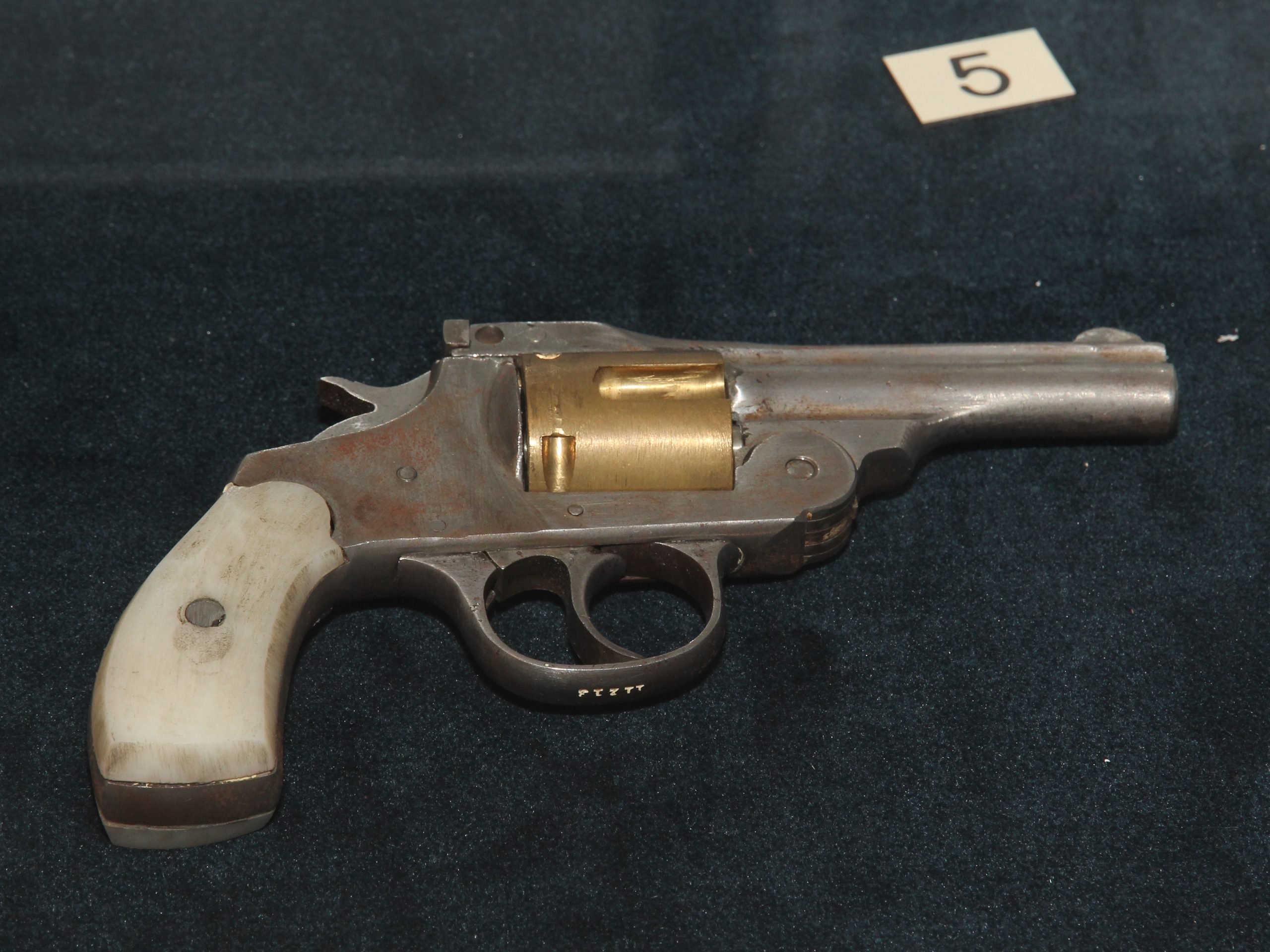
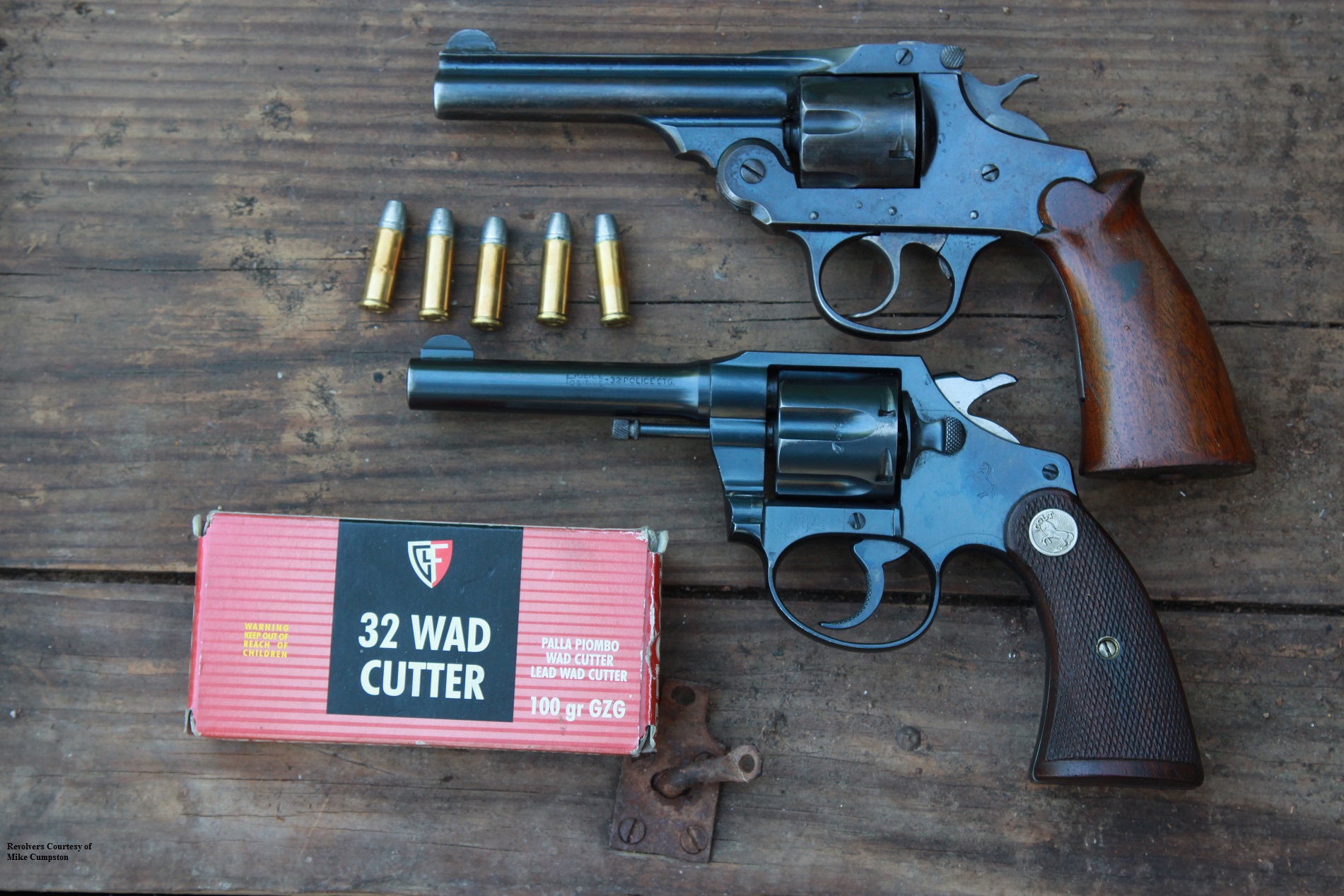
The Safety Hammerless was offered in several configurations rather than one universal specification. Small frame examples were commonly chambered in .32 S&W and could use 5-shot cylinders, while larger versions were available in .38 S&W. Barrel choices varied considerably, with documented examples ranging from about 2 inches to 6 inches depending on configuration. The combination of a concealed hammer, top break frame, and compact dimensions made the revolver attractive for discreet carry. Its design prioritized portability and quick handling rather than the long sight radius or power associated with larger service revolvers.
7. Model Identification Matters More Than Appearance
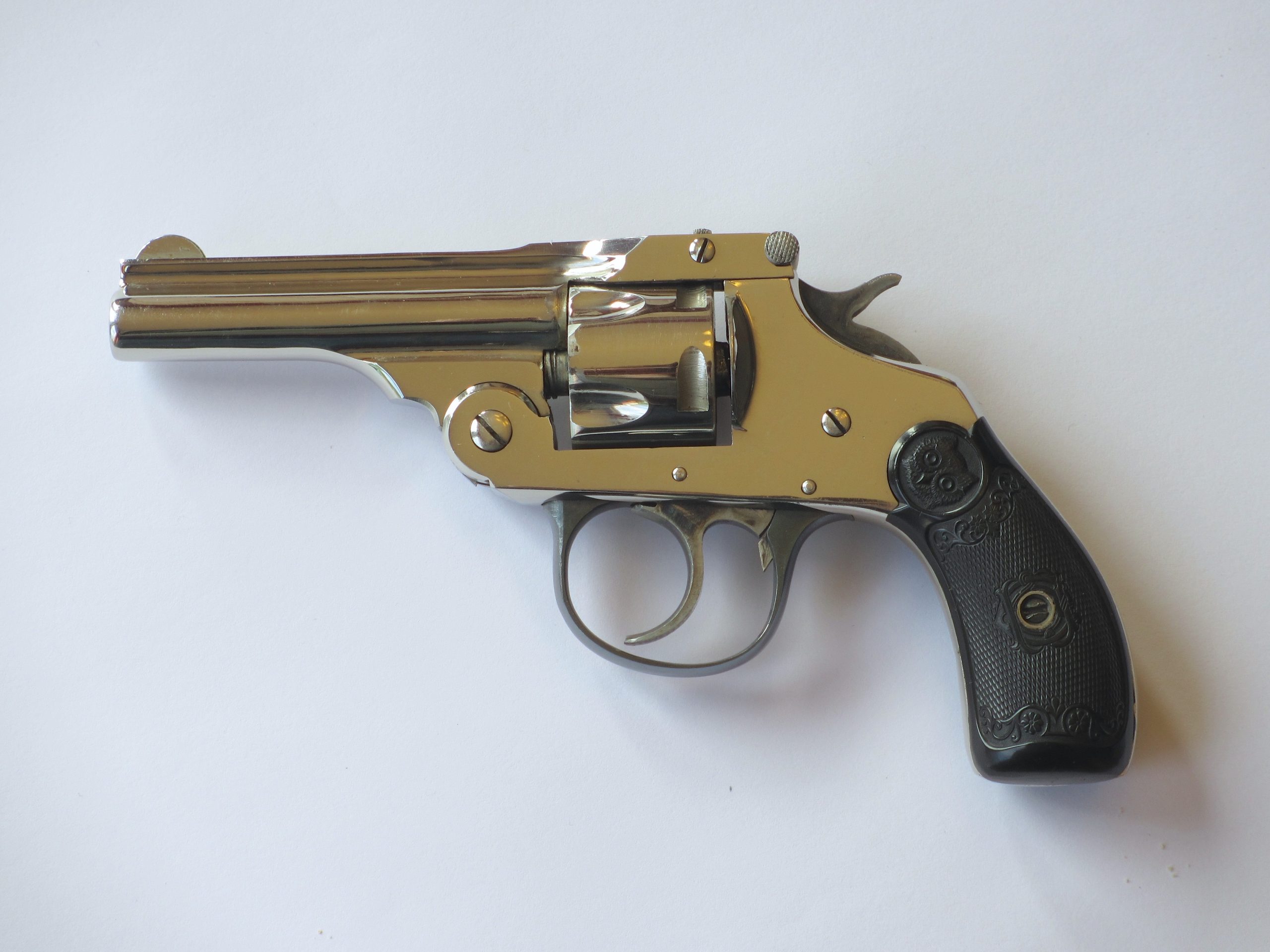
Not every old Iver Johnson Safety Hammerless should be treated as mechanically identical. The first model dates from roughly 1895 to 1896, the second from 1897 to 1908, and the third from 1909 to 1941. That distinction is particularly important because the company strengthened later versions for smokeless powder. Contemporary safety references specifically warn that first- and second-model examples should be regarded as suitable only for black powder loads, while the third model was strengthened for smokeless ammunition. Therefore, a surviving antique should be identified by model and condition before anyone considers firing it.
8. Its Safety Reputation Became Its Legacy
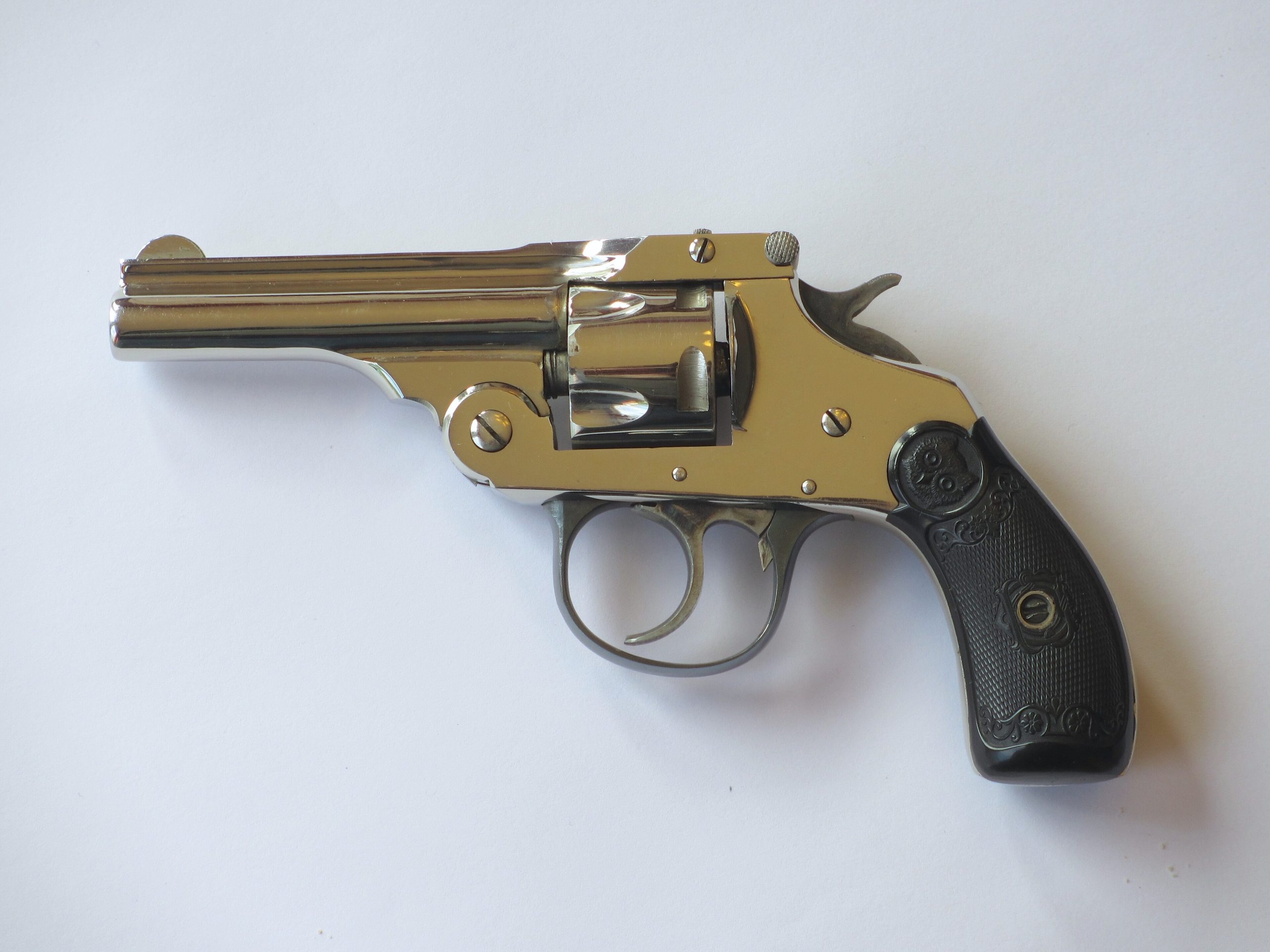
Few American revolvers made safety such a central part of their identity. Iver Johnson built an entire marketing strategy around the idea that its revolver could resist an accidental discharge caused by a blow to the hammer. The company produced these Safety Automatics from 1894 through 1941, with both hammer and hammerless versions and multiple generations of design. Today, their greatest historical importance lies in how early they explored concepts that later became familiar in modern revolver safety systems. The “drop it and see” story, therefore