Deer rarely move into a bedding area without giving away subtle but reliable signals. These places are critical to their survival, so deer slow down, gather information, and confirm safety before committing to rest. Many people focus only on tracks or trails and miss the behavioral clues that happen just before bedding. As a deer shifts from travel mode to rest mode, its priorities change from distance and feeding to security, awareness, and control of wind and terrain. Understanding these clues helps hunters, trackers, wildlife photographers, and land managers read the landscape more accurately without disturbing core areas. The following twelve signs explain how deer behavior changes as they approach bedding cover and why each clue matters in real-world observation.
1. Slower, More Measured Walking Pace

When deer near a bedding area, their movement slows noticeably and becomes more controlled. Long, relaxed strides shift into shorter steps with frequent pauses. This change is intentional, not caused by fatigue. The deer is reducing noise and allowing its senses to process more information. Every step is placed carefully to avoid snapping twigs or brushing vegetation. You may notice the deer stopping often without feeding or looking alarmed. This slower pace signals a transition from travel to evaluation. Bedding areas demand caution because the deer is about to become less mobile. Observing this change in movement speed is often the earliest indication that a bedding area lies ahead.
2. Repeated Head Turns in Multiple Directions
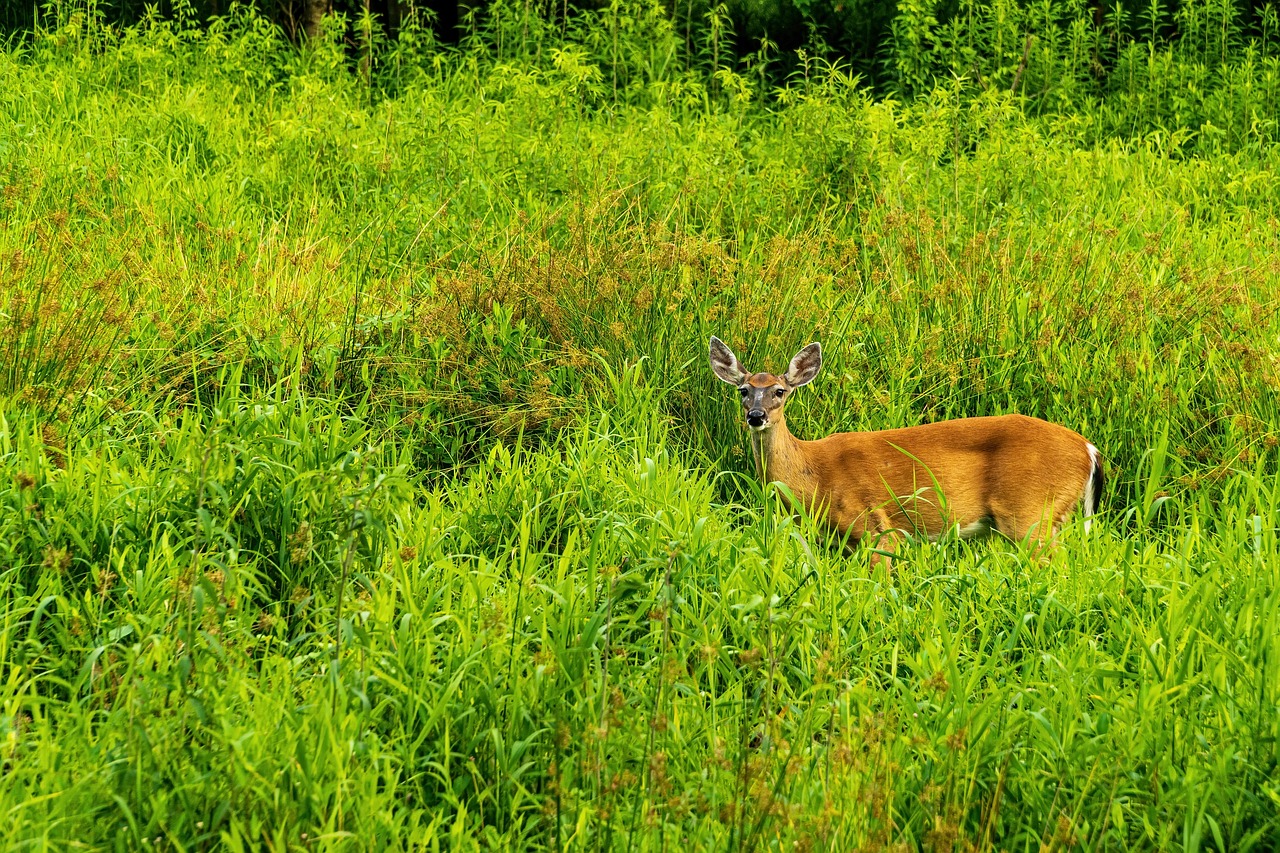
As bedding areas approach, deer increase visual scanning dramatically. The head moves slowly from side to side, then pauses, then turns again to check behind. These movements are deliberate and wide, covering open ground, thick cover, and travel routes just used. This behavior allows the deer to confirm it was not followed. Bedding requires vulnerability, so visual certainty matters. Unlike startled behavior, this scanning is calm and methodical. A deer that repeatedly checks its back trail while remaining relaxed is likely close to bedding. This visual confirmation step helps the deer commit confidently to a resting location.
3. Heavy Reliance on Wind Direction

Wind becomes increasingly important as deer approach bedding areas. You may see a deer angle its body or travel path to bring air currents from behind or across likely danger zones. The nose lifts slightly as the deer tests the scent repeatedly. Bedding locations are often chosen where wind and terrain work together to provide early warning. As the deer gets closer, scent checks happen more often and with more focus. This behavior shows the deer is confirming that unseen threats are not present. Strong wind awareness near the end of a travel sequence is a key bedding area indicator.
4. Sudden Departure From Clear Trails

Deer approaching bedding areas often abandon obvious trails and begin moving through thicker, less direct cover. This shift helps break scent trails and makes following more difficult. Direction changes may seem random, but are purposeful. The deer might angle off a path, loop slightly, or crosswind briefly before continuing. These actions allow it to detect anything trailing directly behind. Bedding areas benefit from confusion rather than straight access. Observing this move from clean travel routes into tangled terrain strongly suggests the deer is protecting its final destination rather than continuing normal movement.
5. Pausing Along Thick Cover Edges
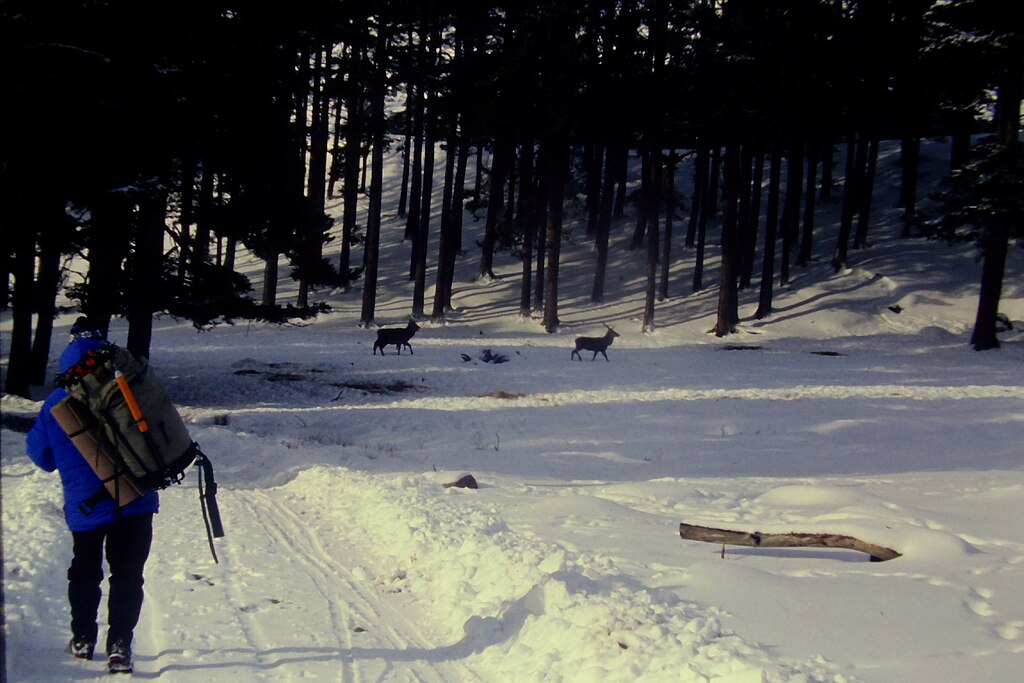
Deer commonly stop at the edges of thick cover when nearing bedding zones. These pauses can last several minutes. The deer remains still, often partially concealed, while watching open areas. This position allows quick escape if needed. A bedding cover is rarely entered without evaluation. The deer listens, watches, and tests comfort levels before moving deeper. These pauses are calm and controlled, not tense. Seeing a deer repeatedly stop at cover edges instead of pushing through is a strong sign that it is considering bedding nearby rather than continuing travel.
6. Loss of Interest in Feeding
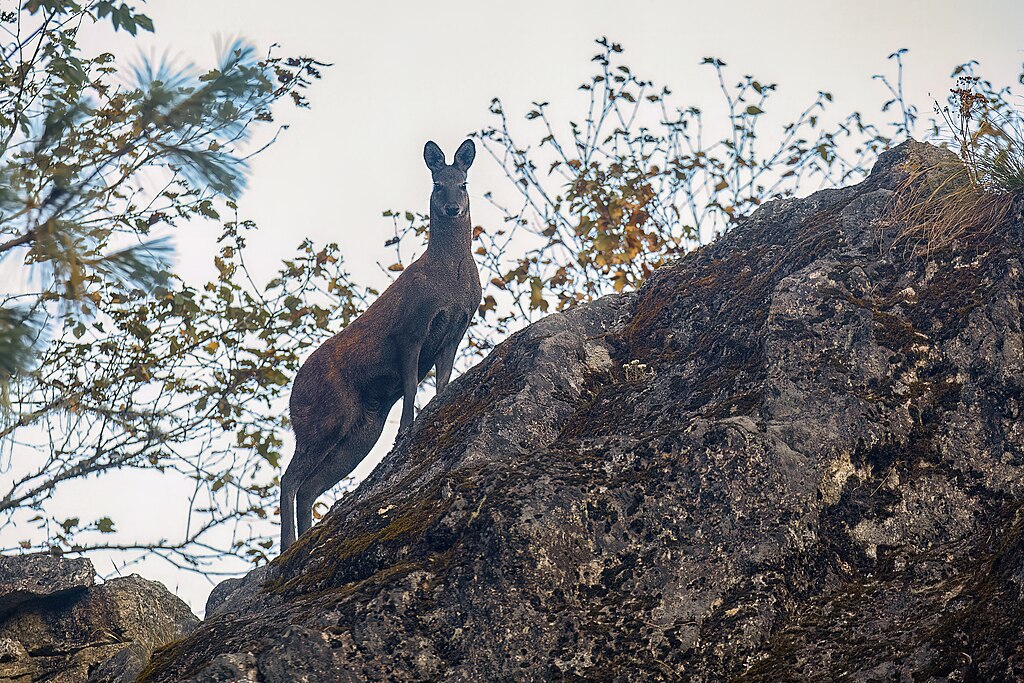
As deer approach bedding areas, feeding behavior drops sharply. Even if attractive browse is present, the deer may ignore it or take only a few quick bites. Security replaces nutrition as the priority. This shift often surprises observers who expect feeding to continue naturally. Bedding areas are about rest and safety, not food intake. A deer that stops browsing while remaining calm and alert is signaling a mental change. When reduced feeding appears alongside slower movement and increased scanning, it strongly suggests the deer is nearing its intended resting location.
7. Favoring Slight Terrain Advantages
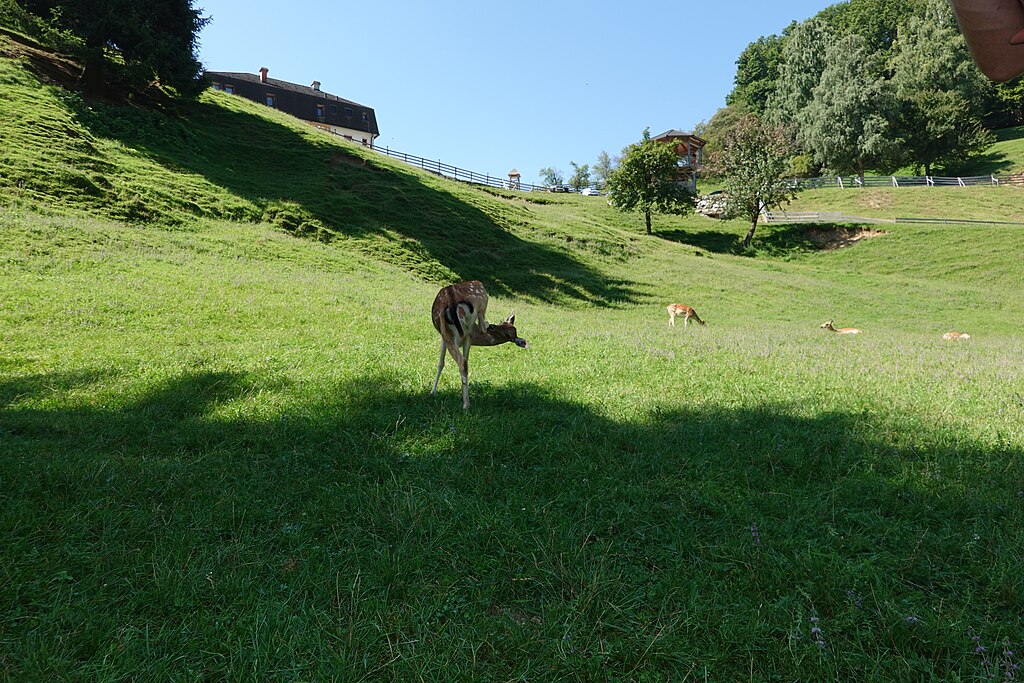
Terrain becomes more important as bedding areas approach. Deer often angle toward small rises, benches, or subtle elevation changes that improve visibility and scent control. These features allow deer to see downhill while monitoring wind from behind. Movement toward such spots is intentional, even if it requires extra effort. Bedding locations are chosen for advantage, not convenience. Watching a deer prioritize terrain features over easy walking paths indicates it is selecting a resting position with survival in mind. Terrain-focused movement is a reliable bedding area clue.
8. Constant Ear Rotation and Listening

Hearing becomes a primary sense as deer near bedding cover. Ears rotate frequently, sometimes independently, tracking faint sounds. The body may remain still while the ears move continuously. This behavior reflects heightened awareness rather than fear. Bedding requires confidence that no immediate threats exist. You may notice brief freezes when a minor sound occurs, followed by relaxed movement once confirmed safe. Increased ear activity paired with a calm posture signals that the deer is gathering final information before committing to rest.
9. Indirect or Looping Entry Routes

Deer rarely enter bedding areas directly. Instead, they often approach indirectly by circling or looping from downwind. This allows them to scent check the area before arrival. You might see a deer pass a spot, then return from another angle. This behavior reduces surprise encounters and confirms safety. Bedding areas are protected by approach strategy as much as location. Indirect entry is a strong behavioral clue that the deer is preparing to settle rather than simply passing through the area.
10. Calm Standing Still Without Alarm

Near bedding areas, deer often stand completely still for extended moments. This stillness is relaxed, not tense. The body posture remains neutral while the senses stay active. This behavior allows the deer to confirm safety without drawing attention. Many people misinterpret this as indecision, but it is a purposeful evaluation. This calm pause often happens just before the deer enters thick cover or lies down. Recognizing relaxed stillness near cover helps distinguish bedding behavior from random stopping.
11. Movement Toward Areas With Limited Access

Deer select bedding areas that limit approach routes. As they near these spots, movement often funnels into areas with natural barriers like deadfall, thick brush, or steep terrain. These features reduce predator access and provide security. The deer may slow further as it navigates these zones carefully. Observing a deer intentionally move toward difficult terrain rather than open travel routes indicates it is selecting a safe resting location. Bedding areas are protected by structure, and deer choose them deliberately.
12. Final Deliberate Look Before Disappearing
Just before entering bedding cover, deer often stop and perform a final, thorough scan. The head moves slowly in several directions, checking sight and scent one last time. This look is calm and intentional, not startled. Once satisfied, the deer slips quietly into cover and may vanish completely. This moment signals commitment. The deer has chosen its bedding site and confirmed safety. Observing this final check provides strong confirmation that a bedding area lies just beyond where the deer disappeared.