Siege warfare was rarely a matter of one soldier pulling a lever and watching a wall collapse. The largest engines were enormous engineering projects that demanded carpenters, engineers, soldiers, haulers, artillery crews, and laborers working in carefully coordinated teams. Some machines needed hundreds of operators, while the largest documented siege operations involved thousands of men simply moving or supporting them. Here are 10 remarkable examples that show just how much manpower ancient armies could devote to breaking a fortress.
1. Helepolis
The great siege tower of Demetrius I was closer to a mobile fortress than a simple ladder. At Rhodes, the famous Helepolis was described as roughly 9 stories high, with iron protection, artillery positions, and separate stairways for movement inside. Diodorus records 3,400 strong men assigned to move the machine, while about 200 men were involved with its internal driving system. Its scale explains the name, “taker of cities.” The machine carried several classes of catapults and ballistae, turning the tower itself into a moving weapons platform.
2. Battering Ram
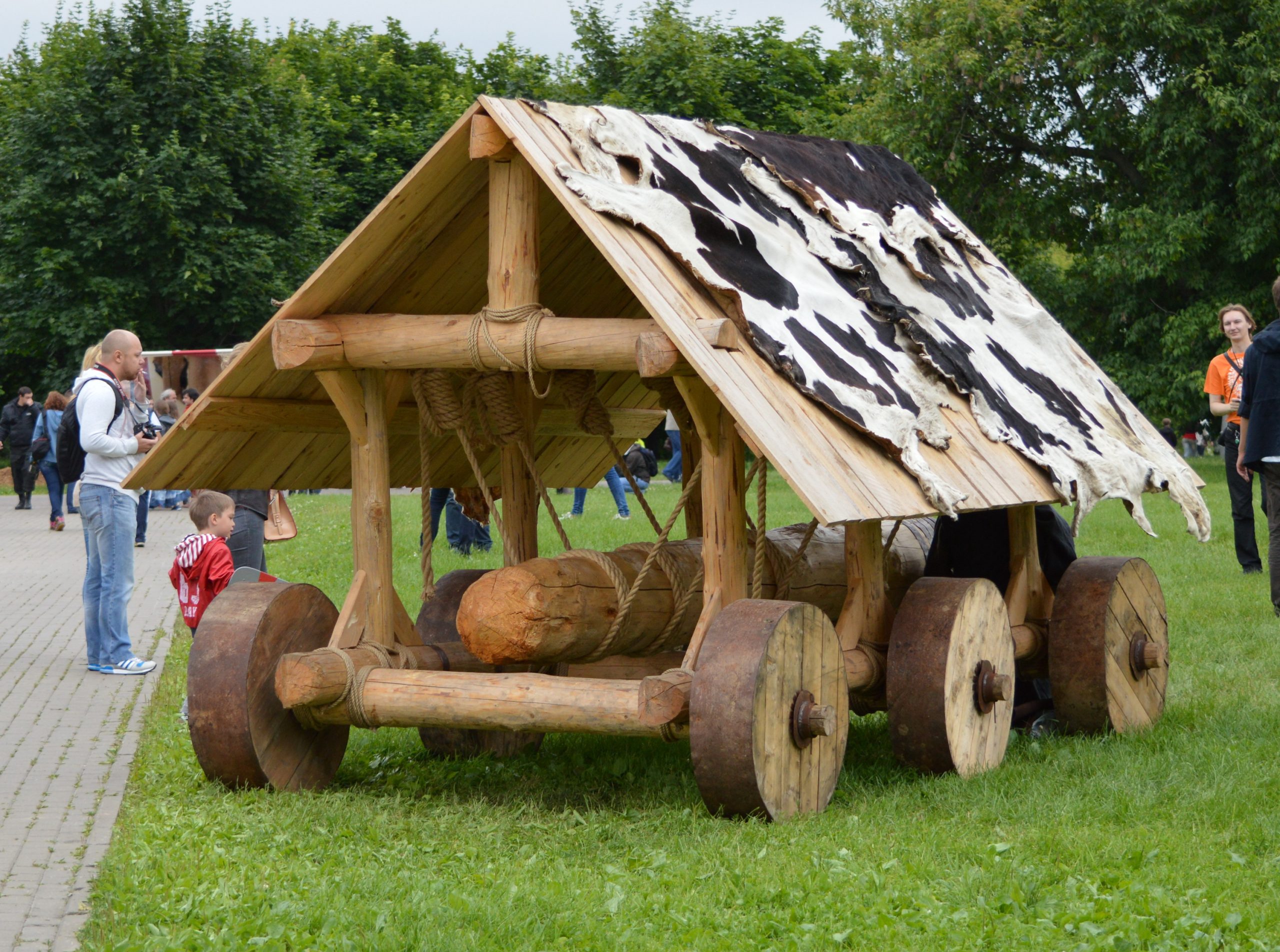
Massive battering rams needed far more manpower than the familiar swinging beam suggests. During Demetrius’ siege of Rhodes, Diodorus describes rams about 120 cubits long, housed inside protected sheds and mounted on wheels. Each ram reportedly required at least 1,000 men to provide the motive force. The crew did not simply push a beam forward; they had to coordinate movement, protect the engine, keep it aligned, and maintain the structure under fire. The figures show how a single ram could consume the labor of a sizeable infantry unit at once.
3. Siege Tower
Siege towers became enormous when attackers wanted troops to reach the height of a city wall under cover. Their frames could contain ladders, platforms, missile crews, and sometimes a ram, turning one machine into a combined assault system. Moving such a structure demanded teams of soldiers, carpenters, engineers, rope handlers, and laborers. Exact crew figures varied by design, but the largest towers could require hundreds of people for propulsion and support. Their usefulness depended on level ground, prepared roads, and enough manpower to keep the tower moving despite enemy fire.
4. Heavy Catapult
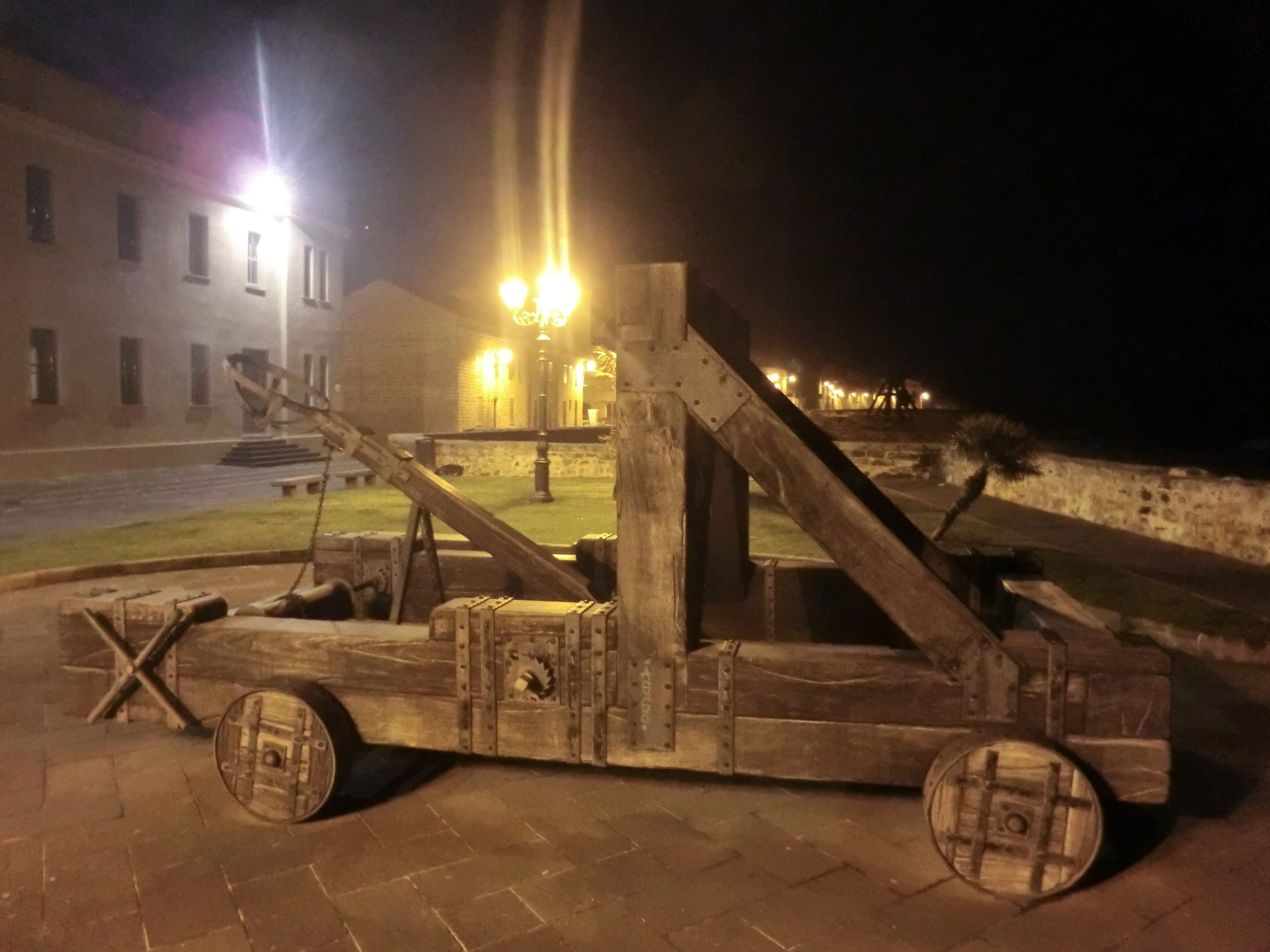
Ancient catapults were not all small battlefield machines. The heaviest stone throwers used thick timber frames, torsion bundles, winches, loading gear, and trained crews. Large versions were assembled close to the siege site because transporting them intact was difficult. A crew had to reset the throwing mechanism, load the projectile, aim, and release it while other workers supplied ammunition and repairs. Depending on size, dozens of specialists and laborers could be tied to one major engine. Its strength came from the organization surrounding the weapon, not merely the launcher itself.
5. Sambuca
The Roman sambuca was an unusual siege machine designed to help troops assault a wall from a raised platform. Polybius describes a large wooden framework carried toward the defenses, with a ladder arrangement that could be raised toward the battlements. Ships and engineering crews supported the best-known naval version used against Syracuse. It required rowing, hauling, construction, and infantry support. Two crews could be needed, with numbers varying by design. The machine illustrates how siege technology could become a joint project involving soldiers, sailors, engineers, and crews.
6. Ram Tortoise
The tortoise, or ram shelter, was less spectacular than a giant tower but could become a large construction project. Roman forces used covered wooden structures to shield men approaching walls, trenches, or gates. Heavy versions incorporated a roof strong enough to resist missiles and sometimes supported a battering ram. Crews had to build, move, repair, and defend the shelter while exposed to defenders above. Many workers could be involved in a large siege train even when only a smaller team directly operated the ram. It was part of a wider labor system.
7. Masada Assault Ramp
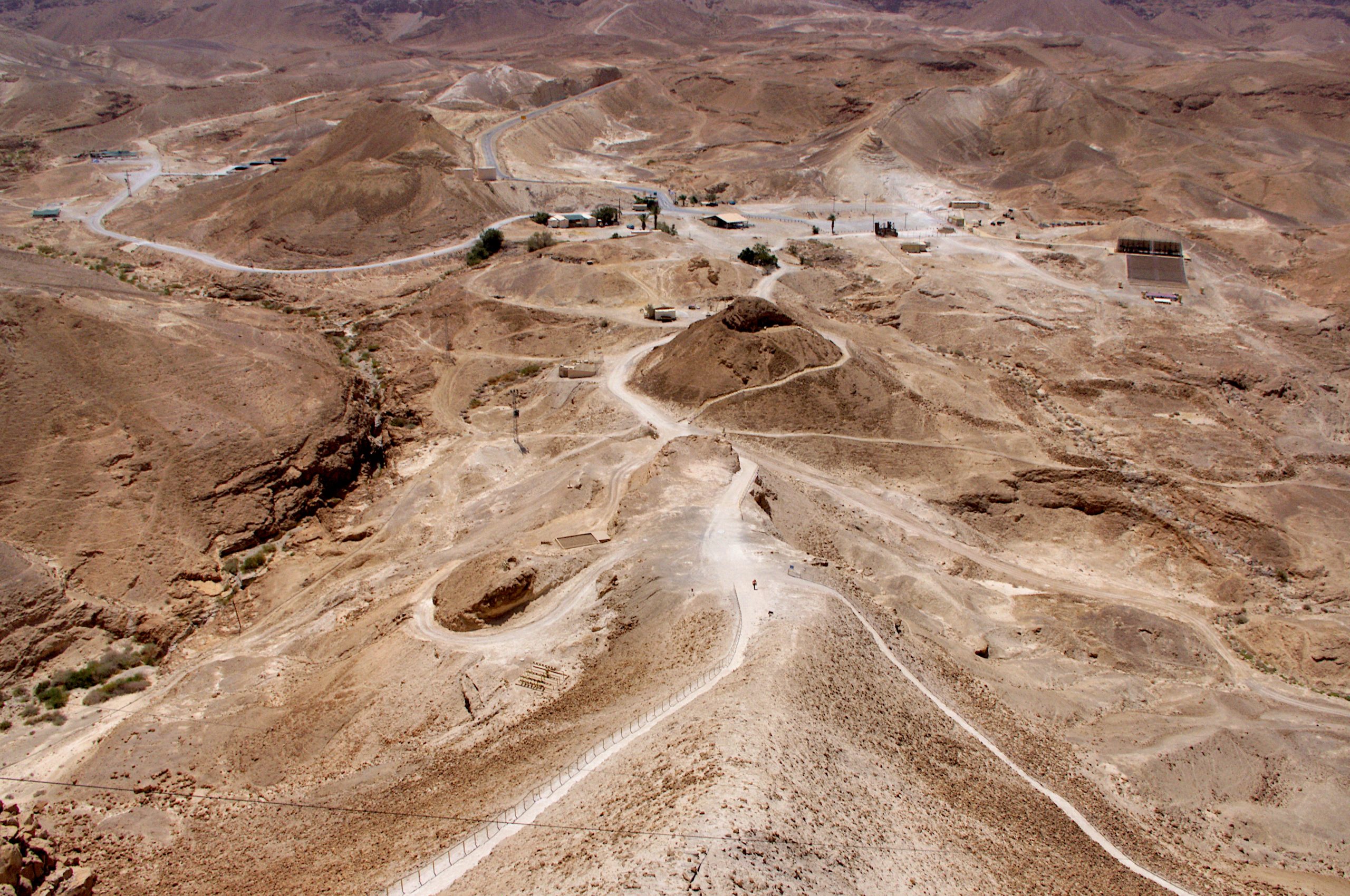
A large siege ramp could consume an army’s labor even though it had no wheels, gears, or throwing arm. Attackers built ramps from earth, timber, stone, and rubble to reach walls or create a level approach for towers and rams. The famous Roman ramp at Masada rose about 200 cubits before a substantial stone platform was added. Thousands of soldiers and laborers were involved in the wider siege works, while construction likely took several weeks. The weapon was the completed approach itself, proving manpower could rival mechanical ingenuity.
8. Roman Siege Tower
The Roman siege tower used at Jerusalem in AD 70 shows how complex a mobile assault engine could become. Josephus describes towers built high enough to dominate sections of the defenses and fitted with missile weapons. Their movement required prepared approaches and teams strong enough to push or haul it into position. Inside, soldiers and artillery crews worked from protected levels while others handled supplies and repairs. The exact crew size is uncertain, but construction and operation clearly involved a large engineering and infantry organization rather than a handful of operators.
9. Siege Train
The ox yoke and hauling teams behind giant siege engines were often as important as the engines themselves. Heavy towers, rams, stone throwers, and timber shelters needed roads cleared, trenches filled, wheels repaired, and supplies delivered before they could reach a wall. Ancient armies therefore assembled dedicated siege trains containing engineers, carpenters, smiths, laborers, and guards. In major operations, manpower could reach thousands even when only dozens directly handled a single mechanism. The largest siege weapons were systems, not isolated machines.
10. The Rhodian Siege Train
The most manpower-hungry siege weapon was sometimes the entire siege train rather than one named engine. At Rhodes, Diodorus says Demetrius gathered nearly 30,000 craftsmen and laborers for the wider operation, alongside fighting forces and specialized engine crews. That workforce built roads, shelters, towers, rams, artillery, and protective passages. The figure shows why ancient siege warfare was an industrial undertaking. A spectacular machine might attract attention, but thousands of ordinary workers supplied the muscle, materials, maintenance, and protection that made it possible to use.